

P0171 on 2017-2019 Nissan Rogue: Lean Code Causes and Fixes
On a 2017-2019 Nissan Rogue, the P0171 code is most often caused by a vacuum leak from a failed intake manifold gasket or a dirty Mass Airflow (MAF) sensor. A cracked air intake hose is another common culprit. Cleaning the MAF sensor is an easy first step, while replacing the gasket is more involved and costs around $25-$50 for the part.
- P0171 means your Rogue's engine is running with too much air or not enough fuel.
- The most likely cause is a vacuum leak from a failed intake manifold gasket, a known issue for this engine.
- A dirty Mass Airflow (MAF) sensor is the second most likely cause and is easy to clean as a first diagnostic step.
- Check for cracked vacuum hoses, especially the PCV hose, as another source of unmetered air.
- Driving with this code for an extended period can lead to more expensive repairs, so it should be addressed promptly.
What's Unique About the 2017-2019 Nissan ROGUE

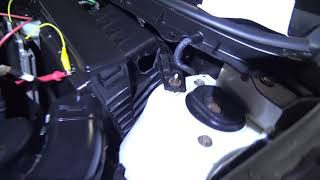
The 2.5L (QR25DE) engine used in this generation of Rogue is known for intake manifold gasket failures. Over time, the gasket can become brittle and crack from constant heat cycles, creating a vacuum leak that is a primary cause of the P0171 code. While many cars can get this code from a dirty MAF sensor, the intake gasket is a particularly common failure point on this specific Nissan platform. Additionally, cracks in the flexible air intake boot (between the air filter box and throttle body 🎬 Watch: How to inspect the air box and intake boot.) are frequently reported by owners as a source of unmetered air.
Diagnostic Flowchart

Tap your situation to follow the diagnostic path that matches what you're seeing on this vehicle.
Symptoms You May Notice
- Check Engine Light is on
- Rough or unstable idle, especially on a cold start
- Hesitation or stumbling during acceleration
- Reduced engine power
- Poor fuel economy
- Hissing noise from the engine bay, indicating a vacuum leak
- Engine stalling in some cases
- Replacing the oxygen sensor first. While an O2 sensor can fail, the P0171 code is more often caused by unmetered air (vacuum leak) or incorrect air measurement (MAF sensor). The O2 sensor is usually just accurately reporting the lean condition that other components are causing.
- Replacing the MAF sensor without checking for vacuum leaks. A vacuum leak will cause the same symptoms and can lead to a misdiagnosis of a bad MAF sensor.
Most Likely Causes

- Leaking Intake Manifold Gasket 🔴 High Probability The gasket material on the QR25DE engine can degrade and become brittle from heat cycles, leading to vacuum leaks where the intake manifold meets the cylinder head. This is a well-documented weak point.
How to confirm: With the engine running, spray short bursts of brake cleaner or carburetor cleaner around the intake manifold sealing area. If the engine idle changes or stumbles, a leak is present. A smoke test is the most definitive way to find the leak's exact location. A scan tool showing high positive long-term fuel trims (LTFT) at idle that decrease as RPMs increase strongly suggests a vacuum leak.
Typical fix: Replace the intake manifold gasket. Aftermarket brands like Fel-Pro are popular for this repair.
Est. part cost: $25-$50 - Dirty or Faulty Mass Airflow (MAF) Sensor 🔴 High Probability The MAF sensor measures the air entering the engine. If the sensing wire is contaminated with dirt or oil, it will under-report the amount of air, causing the ECM to inject too little fuel. This is a very common issue on modern fuel-injected vehicles.
How to confirm: Remove the MAF sensor and inspect the small wires inside. If they appear dirty, cleaning them is a good first step. A scan tool can also show if the g/s reading at idle is abnormally low for the engine size. Some owners on forums report that even after cleaning, the sensor can fail and require replacement. Using non-OEM sensors can sometimes cause persistent issues.
Typical fix: Clean the sensor with a dedicated MAF sensor cleaner spray. Do not use brake or carb cleaner, as it can damage the sensor. If cleaning doesn't resolve the issue, the sensor may need to be replaced. The OEM brand is Hitachi.
Est. part cost: $10 for cleaner, $80-$150 for a new aftermarket sensor, $230+ for OEM - Cracked or Disconnected Air Intake Hose/Boot 🟡 Medium Probability The flexible, accordion-style rubber boot between the air filter housing and the throttle body can develop cracks from age and heat, especially on the underside, creating a significant source of unmetered air.
How to confirm: Visually inspect all vacuum hoses and the main air intake boot connected to the intake manifold for cracks, splits, or loose connections. A hissing sound may be audible at idle. A smoke test is highly effective for finding these types of leaks.
Typical fix: Replace the damaged hose or boot.
Est. part cost: $20-$60 - Failing Upstream Oxygen (A/F) Sensor ⚪ Low Probability
How to confirm: A failing sensor may become slow to respond or send a biased signal indicating a lean condition even when one doesn't exist. This is best diagnosed by a technician using a scan tool to graph the sensor's voltage activity, which should fluctuate rapidly between approximately 0.1 and 0.9 volts. It is often replaced unnecessarily when the real issue is a vacuum leak.
Typical fix: Replace the Bank 1, Sensor 1 Air/Fuel Ratio Sensor.
Est. part cost: $100-$200
Rare But Worth Checking
- Low Fuel Pressure: A weak fuel pump or clogged fuel filter can starve the engine for fuel, causing a lean condition. This should be investigated if no vacuum leaks are found. A fuel pressure test can confirm this.
- Clogged Fuel Injectors: If one or more fuel injectors are partially clogged, they won't deliver the correct amount of fuel, leading to a lean mix. This is less common than vacuum leaks or MAF issues but can happen on higher mileage vehicles.
- Faulty PCV Valve: A PCV valve that is stuck open can create a vacuum leak, disrupting the air-fuel mixture and triggering a P0171 code.
Diagnosis Steps

- Read the code with an OBD-II scanner and check for any other pending or active codes. Note the freeze frame data to see engine conditions when the code was set.
- Use a scan tool to monitor short-term (STFT) and long-term (LTFT) fuel trims. High positive numbers (e.g., total trim >15-20%) confirm the engine is compensating for a lean condition.
- Visually inspect the engine bay for obvious issues like a disconnected air intake tube or cracked vacuum hoses, paying close attention to the accordion-style air boot.
- Listen for a hissing sound at idle, which would indicate a vacuum leak.
- If a vacuum leak is suspected, perform a smoke test. This is the most reliable method. Alternatively, you can carefully spray flammable cleaner around the intake manifold gasket and vacuum lines to see if the engine idle changes.
- Remove and inspect the Mass Airflow (MAF) sensor. If it appears dirty, clean it with dedicated MAF sensor cleaner and reinstall.
- If no vacuum leaks are found and the MAF is clean, check fuel pressure using a fuel pressure gauge to rule out a weak fuel pump or clogged filter.
- As a final step, test the upstream oxygen (A/F) sensor's response using a scan tool to ensure it is not faulty.
Parts You'll Likely Need
- Intake Manifold Gasket
(OEM #14035-6RA0A)— This is a very common failure point on the 2.5L engine that directly causes a vacuum leak and the P0171 code.
Trusted brands: Nissan (OEM), Fel-Pro (MS 97236 is a common aftermarket part number)
OEM price range: $40-$60
Aftermarket price range: $20-$40 - Mass Airflow (MAF) Sensor
(OEM #22680-5RB0A (for 2017-2020 models))— A dirty MAF sensor is a frequent cause of incorrect air-fuel mixtures on many modern vehicles, including the Rogue. Cleaning is often sufficient, but replacement may be necessary. Using OEM (Hitachi) is recommended by users to avoid compatibility issues.
Trusted brands: Hitachi (OEM), Denso, Bosch
OEM price range: $230-$300
Aftermarket price range: $80-$150 - Air/Fuel Ratio Sensor (Bank 1, Sensor 1)
(OEM #22693-4CL0A (For non-US built models up to 08/2017) or 22693-4BA0A (For US-built models up to 09/2017))— If the sensor itself fails and sends a false lean signal, it will need to be replaced. This is less common than leaks or MAF issues. Part number varies by manufacturing location and date.
Trusted brands: Denso, Bosch, NGK
OEM price range: $180-$250
Aftermarket price range: $100-$160
Related Codes That Often Appear With This One
- P0300 — A severe lean condition can lead to combustion instability, causing random misfires across multiple cylinders.
- P0101 — This code relates to MAF Sensor Circuit Range/Performance. If the MAF sensor is dirty or failing, it can trigger both P0101 and P0171 simultaneously.
Technical Service Bulletins (TSBs) & Recalls
- NTB19-022: "NISSAN; P0171 AND P0174 SERVICE INFORMATION" - This bulletin, dated March 5, 2019, revises the official diagnostic process for this lean code, providing a new flowchart for technicians to follow. It applies to several Nissan models, including the Rogue.
Platform-Specific Known Issues
- The intake manifold gasket on the QR25DE engine is a well-documented weak point that frequently leads to P0171 codes as the vehicle ages.
- Nissan issued Technical Service Bulletin NTB19-022, which revised the diagnostic procedure for P0171, indicating that this is a known issue the manufacturer has addressed. The TSB provides an updated diagnostic flow chart for technicians.
- Cracks in the flexible air intake boot are another very common source of vacuum leaks on this platform, often overlooked during initial diagnosis.
- Some owners in forums report that using aftermarket MAF sensors can cause the code to return, and that sticking with the OEM Hitachi sensor is the best solution if replacement is necessary.
Mechanic-Grade Diagnostic Values
- Mass Airflow (MAF) Sensor Signal Voltage — expected: Approximately 1.0V at warm idle.. Failure: Readings significantly below the expected range at idle, or readings that do not increase as expected when the throttle is snapped open, can indicate a faulty sensor.
- Long-Term and Short-Term Fuel Trims (LTFT + STFT) — expected: Combined total should be close to 0%, typically within +/- 10%.. Failure: A sustained combined value greater than +25% will typically trigger the P0171 code. High positive trims at idle that decrease with RPM suggest a vacuum leak.
- Upstream Air/Fuel (O2) Sensor Voltage — expected: Should fluctuate rapidly between approximately 0.1V (lean) and 0.9V (rich) on a healthy engine in closed loop.. Failure: A sensor that is stuck low (e.g., < 0.35V) is indicating a lean condition, though this may be accurately reporting a real lean issue rather than a sensor failure. A slow or non-responsive sensor may be faulty.
Scan Tool Commands That Help
- Nissan CONSULT or advanced aftermarket scanner: Idle Air Volume Learn — This procedure is required to recalibrate the engine's idle speed after the throttle body has been cleaned or replaced, or after the ECM memory has been cleared. Failure to perform this can result in a high idle, which can sometimes be misdiagnosed or contribute to lean condition codes.
Wiring & Ground Locations
- ECM Ground Connections — On the 2018 Rogue 2.5L, wiring diagrams show ECM ground connections at pins 47 and 58.. A poor ground connection for the Engine Control Module (ECM) can cause erratic behavior and incorrect readings from various sensors, potentially leading to false diagnostic trouble codes, including P0171.
- Engine Control Harness Connectors — Wiring diagrams for the 2018 Rogue show key harness connection points labeled F201, F202, F203, and F204 in the engine bay.. Corrosion or damage at these main harness junctions can disrupt signals from the MAF sensor, A/F sensors, or other components critical to fuel control, leading to a P0171 code.
Real Owner Repair Stories
- YouTube channel 'Hands On Auto Training' (2009 Nissan Rogue 2.5L (similar diagnostic principles apply)) — P0171 Fuel System Lean Bank One code present.
❌ Tried (didn't work) The technician noted that road testing and data logging fuel trims did not clearly reveal the fault.
✅ What actually fixed it A hole was found in the air filter box, located *before* the MAF sensor. This hole disrupted the laminar airflow across the sensor, causing it to miscalculate the volume of air entering the engine. Covering the hole with paper immediately caused the MAF voltage to rise and the fuel trims to correct toward 0%. Repairing the airbox resolved the P0171 code. - YouTube channel 'John Richie Quillopo' (2015 Nissan Rogue) — Check Engine Light with code P0171, engine stalling and lack of power.
❌ Tried (didn't work) The video focuses directly on the final fix.
✅ What actually fixed it The Mass Airflow (MAF) sensor was replaced. After replacement and clearing the code, the engine ran normally without stalling and power was restored.
"I Checked Everything" — The Actual Cause
- In one documented case, a smoke test of the intake system revealed no leaks, and the MAF sensor appeared clean upon inspection. Further electrical testing showed that while the MAF sensor had correct voltage and ground, its signal did not increase as expected when the throttle was snapped. The root cause was a faulty MAF sensor that was failing electronically despite appearing physically sound and passing a smoke test for leaks.
OEM Part Supersession History
22680-BV80B→22680-5RB0A— Standard part update/revision by Nissan.14035-6RA0A→14035-6RA1A— Standard part update/revision by Nissan for the intake manifold gasket.
Model Year Variations Within This Range
- 2017-2019: The 2017-2019 Nissan Rogue models are part of the T32 generation facelift and share the same 170 hp 2.5L QR25DE engine and CVT transmission. There are no significant mechanical engine differences within this specific year range that would alter the diagnosis for a P0171 code. A hybrid model with a 2.0L engine was available but is less common.
Helpful Videos

![How to Fix P0171 Engine Code in 5 Minutes [7 DIY Methods]](https://img.youtube.com/vi/g_qItasY91I/mqdefault.jpg)

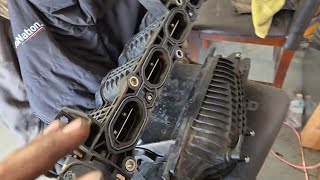
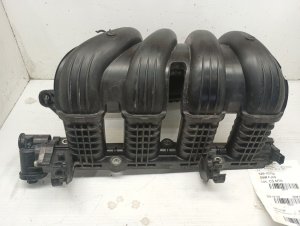
Used OEM Parts in Stock

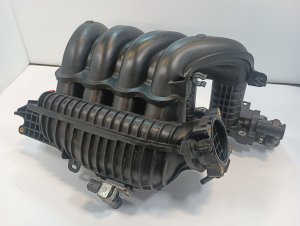
New Aftermarket Parts Available

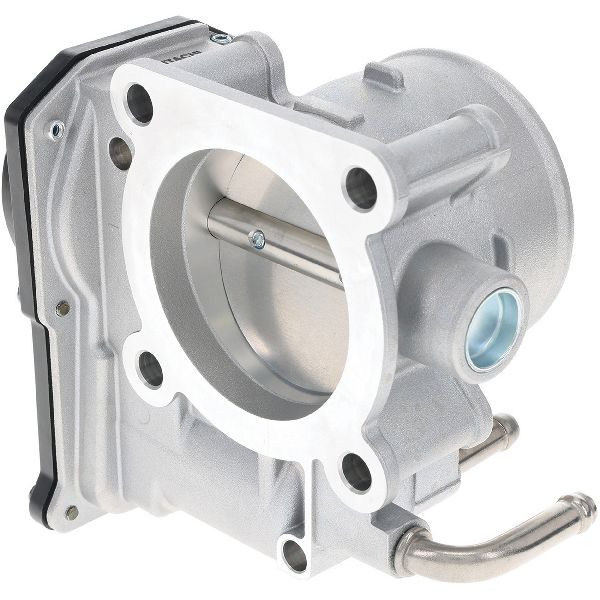
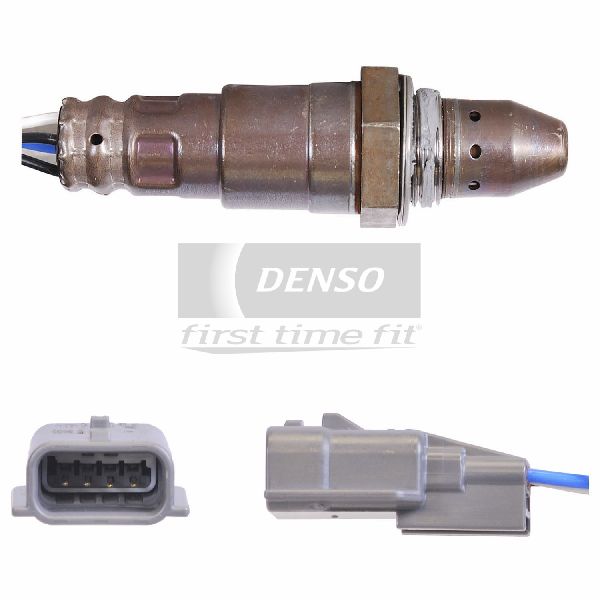
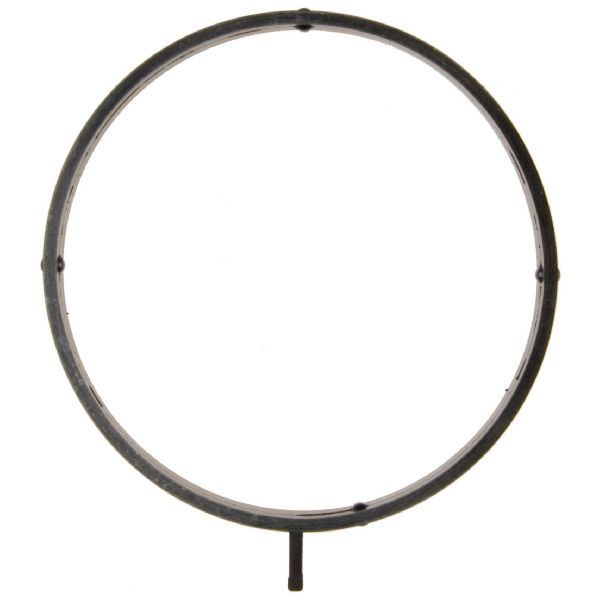
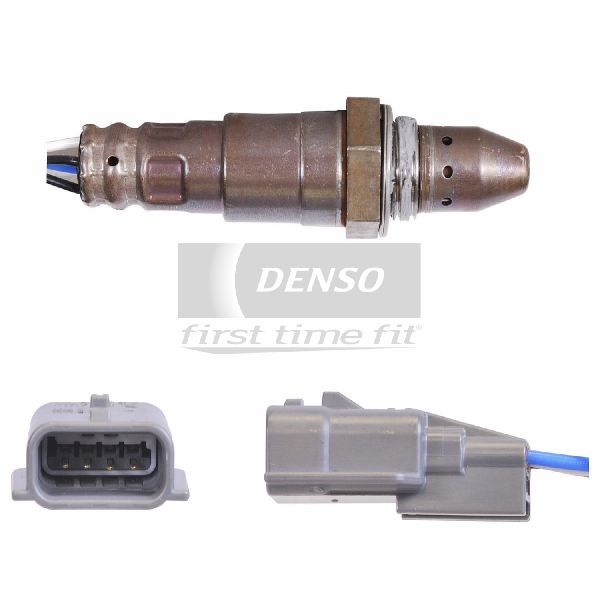

The information in this article is provided for general reference and educational purposes only. Vehicle specifications, procedures, and part compatibility can vary by production date, trim level, and region. Always consult your vehicle's factory service manual and verify part numbers before purchasing or performing repairs. Safety-critical components such as airbags, seat belts, and braking systems should be installed by a qualified professional.
- Nissan ROGUE:
- 🎬 Helpful Videos
- 🛍️ Shop This Part
- What's Unique About the 2017-2019 Nissan ROGUE
- Diagnostic Flowchart
- Symptoms You May Notice
- Most Likely Causes
- Rare But Worth Checking
- Diagnosis Steps
- Parts You'll Likely Need
- Related Codes That Often Appear With This One
- Technical Service Bulletins (TSBs) & Recalls
- Platform-Specific Known Issues
- Mechanic-Grade Diagnostic Values
- Scan Tool Commands That Help
- Wiring & Ground Locations
- Real Owner Repair Stories
- "I Checked Everything" — The Actual Cause
- OEM Part Supersession History
- Model Year Variations Within This Range
- 🎟️ Get 5% Off