

P0171 on 2017-2019 Nissan Frontier: Causes and Fixes for Lean Fuel System
P0171 on a Nissan Frontier most often points to a vacuum leak from a cracked intake air boot or a dirty Mass Airflow (MAF) sensor. Cleaning the MAF sensor is a simple first step, and a thorough inspection of all intake hoses for cracks is crucial. On V6 models, the intake boot part number 16576-EA200 is a frequent failure point.
- P0171 on your Frontier means the engine is running with too much air or not enough fuel.
- Before buying any parts, carefully inspect the entire air intake path for cracks, especially the ribbed rubber boot after the air filter.
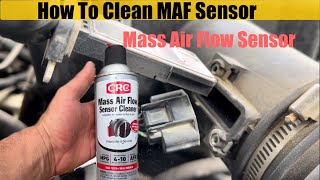
- The second step should be to clean the Mass Airflow (MAF) sensor with a dedicated spray cleaner.
- If you have a V6 and get both P0171 and P0174 codes, the problem is almost certainly a vacuum leak or a bad MAF sensor.
- Do not replace the O2 sensor unless you have proven it is faulty through testing; it is usually just reporting the lean condition.
What's Unique About the 2017-2019 Nissan FRONTIER

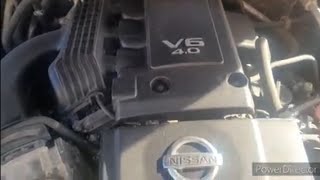
On the Nissan Frontier, particularly those with the 4.0L V6 (VQ40DE) engine, the P0171 code is frequently caused by unmetered air entering the engine after the Mass Airflow (MAF) sensor. This is often due to cracks in the flexible ribbed intake air boot (bellows), part number 16576-EA200, or leaks in vacuum hoses like the PCV hose. While these are common issues on many vehicles, the specific design and materials of these components on the Frontier and its platform mates (Xterra, Pathfinder) make them a primary suspect that owners and technicians often check first.
Diagnostic Flowchart
Tap your situation to follow the diagnostic path that matches what you're seeing on this vehicle.
Symptoms You May Notice
- Check Engine Light is on
- Rough or uneven idle, sometimes higher than normal (e.g., 1000 RPM instead of 700-800 RPM)
- Engine hesitation or stumbling during acceleration
- Reduced power and performance
- Possible engine misfires, potentially triggering a P0300 code
- Decreased fuel economy
- A 'whooshing' or hissing sound from the engine bay, especially during acceleration
- Replacing the oxygen (A/F) sensor without confirming it's the root cause. The A/F sensor is often just reporting the problem (the lean condition), it is not the cause of it. Always diagnose for vacuum leaks and MAF sensor issues first, as per Nissan's own TSB (NTB19-022).
Most Likely Causes

- Cracked or Leaking Intake Air Boot 🔴 High Probability The flexible, ribbed rubber intake boot between the air filter box and the throttle body is known to develop cracks from age and heat, allowing unmetered air to bypass the MAF sensor. This is a very common failure on the VQ40DE engine.
How to confirm: Visually inspect the entire intake boot, especially in the ribbed sections, for any cracks or tears. You may need to remove it and flex it to reveal hidden cracks. A smoke test will also quickly reveal leaks here.
Typical fix: Replacement of the intake air boot. A temporary repair with duct tape can confirm the diagnosis before the new part arrives.
Est. part cost: $30-$70 - Dirty or Faulty Mass Airflow (MAF) Sensor 🔴 High Probability The MAF sensor measures the air entering the engine. If the sensing element is dirty from dust or oil (especially from over-oiled aftermarket air filters), it will under-report the amount of air, causing the ECM to inject too little fuel.
How to confirm: Remove the sensor and inspect for dirt or debris. Cleaning it with a dedicated MAF sensor cleaner is a common first diagnostic step. Do not touch the delicate sensor wires. A scan tool can monitor MAF readings to see if they are rational.
Typical fix: Clean the MAF sensor with a specialized cleaner. If cleaning doesn't resolve the issue, the sensor may need to be replaced. Hitachi is the original equipment manufacturer.
Est. part cost: $10-$15 (cleaner), $120-$180 (new sensor) - Vacuum Leak (Hoses, Gaskets) 🟡 Medium Probability Rubber vacuum hoses, including the PCV hose and brake booster hose, can become brittle and crack over time. A leak in the brake booster diaphragm can also cause a significant vacuum leak when the brakes are applied.
How to confirm: Perform a smoke test to find the source of the leak. Alternatively, with the engine running, you can carefully spray brake cleaner or a propane torch (unlit) around suspected areas; a change in engine idle indicates the leak's location. To test the brake booster, monitor short-term fuel trims with a scan tool while pressing and releasing the brake pedal; a large jump into positive numbers (e.g., +25%) when the pedal is pressed indicates a leak.
Typical fix: Replace the cracked hose or faulty gasket. A leaking brake booster requires replacement.
Est. part cost: $10-$100 - Weak Fuel Pump or Clogged Fuel Filter ⚪ Low Probability If the fuel pump cannot supply adequate pressure, or the in-tank filter is restricted, the engine will run lean, especially under load.
How to confirm: Connect a fuel pressure gauge and verify the pressure is within the manufacturer's specifications (typically around 51 psi for the Frontier) at idle and under load.
Typical fix: Replace the fuel pump module, which often includes the filter and regulator.
Est. part cost: $170-$1521 (Varies widely based on brand and assembly components) - Faulty Front Oxygen (O2) / Air-Fuel (A/F) Sensor ⚪ Low Probability A failing or 'lazy' upstream A/F sensor can send incorrect, slow, or biased-lean readings to the ECM, causing it to set a P0171 code. However, this is often a misdiagnosis, as the sensor is usually just accurately reporting the lean condition caused by something else. TSB NTB19-022 provides a specific procedure to test the sensor before replacement.
How to confirm: Use a scan tool to graph the A/F sensor's voltage or lambda reading. A healthy sensor should respond quickly to changes in throttle. A sensor that is stuck or slow to respond is likely faulty. TSB NTB19-022 provides a specific procedure to test the sensor before replacement.
Typical fix: Replace the Bank 1, Sensor 1 (upstream) Air-Fuel sensor.
Est. part cost: $50-$150
Rare But Worth Checking
- Clogged Fuel Injectors: If only one or two injectors on Bank 1 are restricted, it can cause a lean condition on that bank. This is less common than a vacuum leak which typically affects all cylinders.
- Exhaust Leak: A leak in the exhaust manifold or pipe before the upstream A/F sensor can draw in outside air, causing the sensor to read a false lean condition.
- Leaking Intake Manifold Gasket: A leak in the lower intake manifold gasket can introduce unmetered air, causing a lean code. This is more difficult to detect than a simple hose leak and often requires a smoke test to confirm.
Diagnosis Steps

- Check for other stored trouble codes. If P0174 is also present, focus on causes that affect both banks (MAF, intake boot, fuel pressure).
- Visually inspect the entire air intake system from the air filter to the throttle body. Remove and flex the ribbed intake boot (PN 16576-EA200 on V6) to check for hidden cracks.
- Inspect all accessible vacuum hoses for cracks, disconnection, or brittleness, especially the PCV hose and the line going to the brake booster.
- With a scan tool, observe short-term (STFT) and long-term (LTFT) fuel trims at idle. High positive numbers (e.g., total trim >15-20%) confirm a lean conditi 🎬 Watch: How to solve P0171 and P0174 lean codes step-by-step.on. A code is typically set when LTFT exceeds +25%.
- Clean the Mass Airflow (MAF) sensor using a dedicated MAF sensor cleaner. Do not touch the sensor wires. Allow it to dry completely before reinstalling and clearing codes.
- If a leak is suspected but not visible, perform a smoke test. This is the most effective way to find small leaks in gaskets and hoses.
- Test for a leaking brake booster by monitoring fuel trims while pressing the brake pedal. A sharp spike in STFT indicates a leak.
- Test fuel pressure with a gauge to rule out a weak fuel pump or clogged filter. Check against the factory spec of ~51 psi.
- If all else fails, follow the diagnostic procedure in TSB NTB19-022 to definitively test the A/F sensor before deciding to replace it. This involves clearing self-learning values and running the engine at specific RPMs to check for secondary codes.
Parts You'll Likely Need

- Mass Air Flow (MAF) Sensor Cleaner — This is the cheapest and easiest first step. A dirty MAF sensor is a very common cause of P0171 on Nissans.
Trusted brands: CRC, Liqui Moly
Aftermarket price range: $10-$15 - Intake Air Duct / Boot (4.0L V6)
(OEM #16576-EA200)— The flexible rubber boot is a known failure point, developing cracks that cause significant vacuum leaks. This part fits the V6 Frontier, Xterra, and Pathfinder.
Trusted brands: Nissan (OEM), Dorman
OEM price range: $50-$90
Aftermarket price range: $30-$60 - Mass Air Flow (MAF) Sensor
(OEM #22680-7S00A)— If cleaning the sensor does not fix the issue, the sensor itself may have failed. It is a critical component for calculating the correct air-fuel mixture. Hitachi is the OEM supplier.
Trusted brands: Hitachi (OEM), Denso, Bosch
OEM price range: $200-$300
Aftermarket price range: $70-$180 - PCV Hose — The PCV hose is a common source of vacuum leaks as it becomes brittle and cracks with age.
Trusted brands: Nissan (OEM), Gates
OEM price range: $15-$30
Aftermarket price range: $10-$20
Related Codes That Often Appear With This One
- P0174 — On the V6 engine, P0174 is 'System Too Lean (Bank 2)'. If both P0171 and P0174 are present, it strongly suggests a problem that affects the entire engine, such as a faulty MAF sensor, a large vacuum leak on the intake boot before the throttle body, or low fuel pressure.
Technical Service Bulletins (TSBs) & Recalls
- NTB19-022: P0171 AND P0174 SERVICE INFORMATION
Platform-Specific Known Issues
- TSB NTB19-022 - Revised Diagnostics: Nissan issued TSB NTB19-022 because P0171/P0174 were being misdiagnosed. The bulletin provides a revised, detailed procedure for technicians to follow. It emphasizes testing for other causes and confirming A/F sensor failure via a specific drive cycle test *before* replacing the sensor, to avoid unnecessary repairs.
Mechanic-Grade Diagnostic Values
- Fuel Pressure (VQ40DE) — expected: ~51 psi at idle. Failure: Pressure is significantly below 51 psi, or drops off quickly after the pump primes.
- Mass Airflow (MAF) Sensor Voltage (General Nissan Reference) — expected: Key-On Engine-Off: < 1.0V. At Idle: ~1.0V - 1.8V. Voltage should increase smoothly with RPM.. Failure: Voltage is outside of the expected range at idle or does not respond smoothly to throttle changes.
- Mass Airflow (MAF) Rate (Reference from 2.4L Frontier) — expected: ~2.7 g/s at idle on a healthy engine.. Failure: Significantly higher reading at idle (e.g., 3.0+ g/s) can indicate a post-MAF vacuum leak is causing high idle speed and airflow.
- Long Term Fuel Trim (LTFT) — expected: Ideally close to 0%, but within +/- 10%.. Failure: A P0171 code is typically triggered when LTFT exceeds +25%, indicating the ECM is adding the maximum amount of fuel to compensate for a lean condition.
Hidden / Shadow Codes Worth Checking
- P2096, P2097, P2098, or P2099: Post Catalyst Fuel Trim System Too Lean/Rich. According to TSB NTB19-022, if one of these codes appears after performing the specific A/F sensor diagnostic procedure, it confirms the corresponding upstream A/F sensor is faulty. (see via A standard OBD-II scanner, after performing the specific drive cycle test outlined in Nissan TSB NTB19-022.)
Scan Tool Commands That Help

- Nissan CONSULT or equivalent professional scan tool: Clear the mixture ratio self-learning value — This command must be used before performing the A/F sensor diagnostic test outlined in TSB NTB19-022. It resets the long-term fuel trims to zero, preventing skewed historical data from affecting the test results.
Real Owner Repair Stories
- YouTube channel 'zombiekiller 595' (2012 Nissan Frontier VQ40DE, 60,000 miles) — P0171 code, idle speed high at ~1000 RPM.
❌ Tried (didn't work) Inspecting intake boot, Cleaning MAF sensor, Checking main vacuum lines
✅ What actually fixed it A cracked rubber hose connected to an aftermarket oil catch can, which was part of the PCV system. This created a vacuum leak. - Reddit user 'randomvalued' in r/nissanfrontier (Nissan Frontier (year not specified)) — P0171 code.
❌ Tried (didn't work) Considering replacing the O2 sensor based on auto parts store advice.
✅ What actually fixed it Removing and inspecting the ribbed intake air boot revealed a 3-inch tear. A temporary fix with duct tape resolved the code, confirming the boot was the sole cause. - YouTube channel 'Eli TheOBDTech' (2000 Nissan Frontier XE 2.4L) — P0171 code, high short-term fuel trims (+25%).
❌ Tried (didn't work) The owner had already replaced the fuel pump and fuel filter., The technician confirmed fuel pressure was correct (34 PSI) and there were no significant vacuum leaks.
✅ What actually fixed it Replacing clogged/restricted fuel injectors. After replacement, fuel trims returned to normal and the lean code was resolved.
"I Checked Everything" — The Actual Cause
- A common scenario where a smoke test shows no leaks is a faulty brake booster diaphragm. The leak only occurs when the brake pedal is pressed, allowing unmetered air into the intake manifold. This can be diagnosed by watching short-term fuel trims spike positive when the pedal is depressed while the engine is running, a condition a static smoke test will miss.
OEM Part Supersession History
22680-7S000→22680-7S00A, 22680-7S00B— Standard part revision and improvement by the manufacturer.
Heads up: The newer part numbers are direct replacements for the older ones.
Helpful Videos

We Have This Part in Stock


The information in this article is provided for general reference and educational purposes only. Vehicle specifications, procedures, and part compatibility can vary by production date, trim level, and region. Always consult your vehicle's factory service manual and verify part numbers before purchasing or performing repairs. Safety-critical components such as airbags, seat belts, and braking systems should be installed by a qualified professional.
- Nissan FRONTIER:
- 🎬 Helpful Videos
- 🛍️ Shop This Part
- What's Unique About the 2017-2019 Nissan FRONTIER
- Diagnostic Flowchart
- Symptoms You May Notice
- Most Likely Causes
- Rare But Worth Checking
- Diagnosis Steps
- Parts You'll Likely Need
- Related Codes That Often Appear With This One
- Technical Service Bulletins (TSBs) & Recalls
- Platform-Specific Known Issues
- Mechanic-Grade Diagnostic Values
- Hidden / Shadow Codes Worth Checking
- Scan Tool Commands That Help
- Real Owner Repair Stories
- "I Checked Everything" — The Actual Cause
- OEM Part Supersession History
- 🎟️ Get 5% Off