

P0171 on 2014-2017 Mazda MAZDA6: System Too Lean Causes and Fixes
For a 2014-2017 Mazda6, the P0171 code is most often caused by a vacuum leak from a cracked intake manifold gasket or a dirty/faulty Mass Airflow (MAF) sensor. A sticking EVAP purge solenoid valve is another common culprit. Always check for simple issues like an improperly sealed air filter box first, then try cleaning the MAF sensor before replacing parts.
- P0171 means your Mazda6's engine is getting too much air or not enough fuel.
- The most likely causes are a dirty/faulty MAF sensor or a vacuum leak.
- Start your diagnosis by checking for obvious air leaks and cleaning the MAF sensor with a dedicated cleaner.
- This code can cause drivability issues like rough idle and stalling, so it should be addressed promptly.
- Misfire codes (P0300-P0304) often appear with P0171, as confirmed by a Mazda TSB.
What's Unique About the 2014-2017 Mazda MAZDA6

The 2014-2017 Mazda6 uses a high-compression SkyActiv-G direct-injection engine. These engines are highly efficient but can be sensitive to incorrect air/fuel mixtures. While common causes like MAF sensor issues and vacuum leaks are prevalent, a key issue on this platform is vacuum leaks from hardened intake manifold gaskets. Additionally, Mazda has issued a specific TSB (MT-021/17) for SkyActiv engines that lists replacing the fuel injectors as a final repair step if simpler fixes fail, indicating it's a known, albeit less frequent, issue. A sticking EVAP purge solenoid is also a frequently reported cause.
Diagnostic Flowchart

Tap your situation to follow the diagnostic path that matches what you're seeing on this vehicle.
Symptoms You May Notice
- Check Engine Light is on
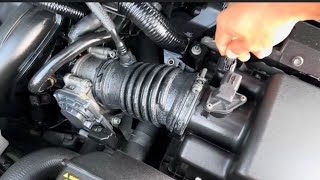
- Rough or fluctuating idle, sometimes stalling at stops. 🎬 Watch: Diagnosing a rough idle and stalling on a Mazda 6
- Car shaking occasionally while stopped, especially with the A/C on.
- Hesitation or lack of power during acceleration.
- Reduced fuel economy.
- Engine running louder or rougher than usual.
- Hissing noise from the engine bay, indicating a vacuum leak.
- Replacing the oxygen sensor first. While the O2 sensor reports the lean condition, it is often not the cause. It's usually doing its job correctly by detecting the problem created by a vacuum leak or bad MAF sensor.
Most Likely Causes

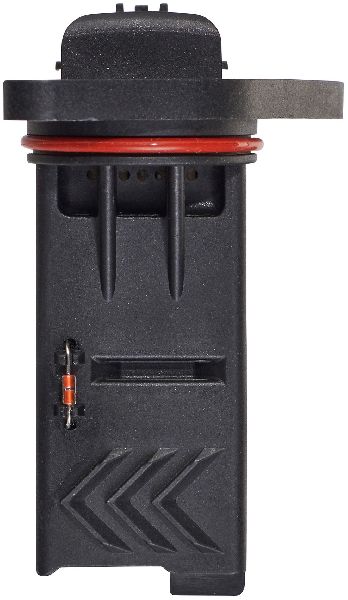
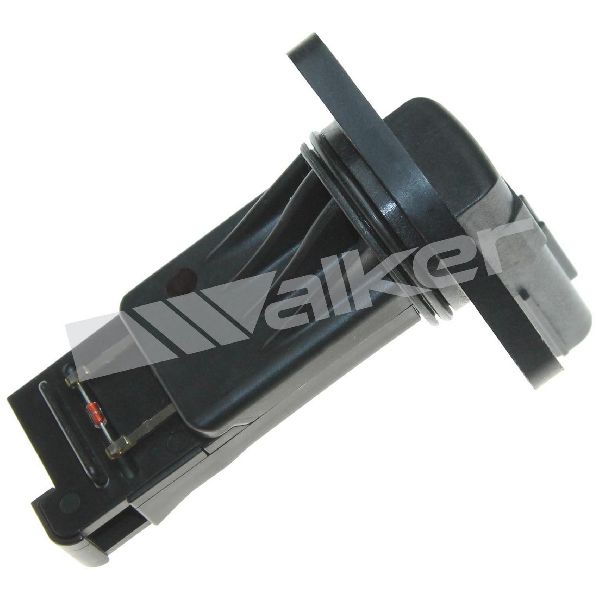
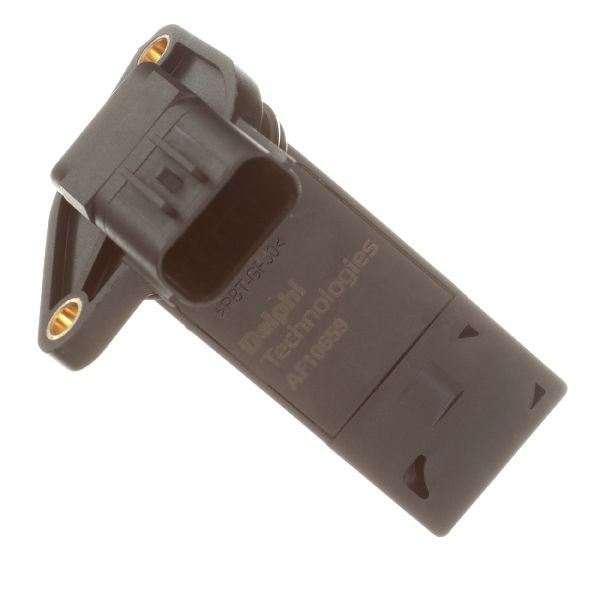
- Dirty or Faulty Mass Airflow (MAF) Sensor 🔴 High Probability The MAF sensor measures the air entering the engine. If it's dirty from oil or dust, it under-reports the amount of air, causing the PCM to inject too little fuel. This is a very common issue on modern vehicles.
How to confirm: Unplugging the MAF sensor while the engine is idling. If the idle smooths out and becomes stable, the MAF sensor is likely the culprit as the engine switches to a default fueling map. You can also inspect the sensor for dirt and check its readings with a scan tool. A low g/s reading at idle (e.g., below 2.5 g/s) can indicate a faulty sensor.
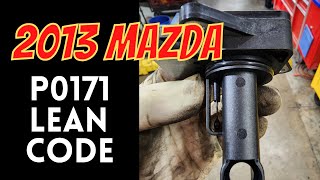
Typical fix: First, try cleaning the sensor with a dedicated MAF sensor cleaner; do not use brake or carburetor cleaner 🎬 Watch: Step-by-step guide to cleaning your MAF sensor properly as they can damage the sensitive electronics. If cleaning doesn't work, the sensor must be replaced. Be aware that even new aftermarket sensors can be defective out of the box, as one owner discovered after replacing a new, faulty sensor with another new one to solve the problem.
Est. part cost: $100-$250 - Vacuum Leak 🔴 High Probability Rubber and plastic components in the engine bay degrade over time from heat and age, leading to cracks and leaks. The intake manifold gaskets on the SkyActiv engine are a particularly common failure point, becoming hard and brittle. The flexible air intake hose can also crack.
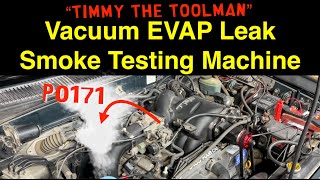
How to confirm: Listen for a hissing sound with the engine running. A more definitive method is to use a smoke machine to pressurize the intake system and watch for smoke escaping from gaskets or hoses. 🎬 See how to use a smoke machine to find vacuum leaks A DIY method involves carefully spraying a non-flammable liquid like water mist or a specific carb cleaner around intake gaskets and vacuum lines with the engine cold; a change in engine idle indicates a leak.
Typical fix: Identify the source of the leak (e.g., cracked intake boot, bad intake manifold gasket, PCV hose) and replace the faulty component.
Est. part cost: $10-$150 - Faulty Upstream Oxygen (A/F) Sensor 🟡 Medium Probability The primary air/fuel ratio sensor can degrade over time, causing it to send slow or inaccurate signals to the PCM, leading to an incorrect fuel mixture. However, it is more often correctly reporting a lean condition caused by something else.
How to confirm: Use a scan tool to monitor the O2 sensor's voltage. A healthy sensor will fluctuate rapidly. A slow or stuck reading indicates a problem.
Typical fix: Replace the upstream oxygen sensor (also called an Air/Fuel Ratio Sensor). This should only be done after ruling out vacuum leaks and MAF sensor issues.
Est. part cost: $80-$200 - Low Fuel Pressure ⚪ Low Probability A weak fuel pump or a clogged fuel filter can restrict fuel flow, preventing the engine from getting the fuel it needs to match the air volume. This is less common on this platform than vacuum leaks or MAF issues but can still occur.
How to confirm: Connect a fuel pressure gauge to the fuel rail and check if the pressure is within the manufacturer's specifications. A reading of around 60 PSI has been noted as passing on a similar model. A Reddit user with a 2014 Mazda 6 reported a high-pressure reading of 3100 kPa (approx. 450 PSI), which is normal for the direct injection system, indicating the low-pressure pump was the area to check.
Typical fix: Replace the weak low-pressure fuel pump or clogged fuel filter.
Est. part cost: $200-$500
Rare But Worth Checking
- Clogged or Faulty Fuel Injectors: Mazda TSB MT-021/17, which applies to the 2014-2017 Mazda6, explicitly lists replacing the fuel injectors as the final repair step if checks of the airbox, MAF sensor, and A/F sensor do not resolve a persistent P0171 code. This indicates it's a known, factory-acknowledged failure path.
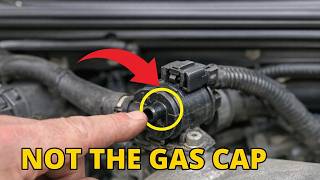
- Leaking Purge Solenoid Valve: The EVAP purge valve can sometimes stick open, creating a constant vacuum leak that introduces unmetered air from the fuel tank into the intake manifold. This is a common issue on many Mazda models. A definitive test is to disconnect the hose from the valve at idle; if suction is felt at the valve's port, it has failed and is stuck open.
- Improperly Seated Air Filter Box: On SkyActiv engines, the air filter box lid must be seated correctly with its rear tabs properly inserted. If not sealed correctly after an air filter change, it can create a significant unmetered air leak right before the MAF sensor, triggering a P0171 code. This has been confirmed by owners as a simple but easily overlooked cause.
Diagnosis Steps
- Read the code with an OBD-II scanner and check for any other accompanying codes. Note the long-term (LTFT) and short-term (STFT) fuel trim values. A high positive LTFT (e.g., +20% or more) confirms the lean condition.
- Visually inspect the engine bay for obvious issues like a disconnected air intake hose, cracked vacuum lines, or an improperly latched air filter box lid.
- Listen for a hissing sound at idle, which would indicate a vacuum leak.
- With a scan tool monitoring fuel trims, raise the engine RPM to 2500-3000. If the STFT and LTFT values decrease significantly toward zero, a vacuum leak is the most likely cause. If the fuel trims remain high or increase, the problem is more likely related to the MAF sensor or fuel delivery.
- If a vacuum leak is not obvious, use a smoke machine to test the integrity of the intake system, including manifold gaskets and all vacuum hoses.
- If no vacuum leaks are present, remove and clean the MAF sensor using a dedicated cleaner. Reinstall, clear codes, and see if the problem returns.
- Test the EVAP purge solenoid. With the engine idling, disconnect the hose leading from the valve to the intake manifold and place your finger over the port on the valve. If you feel suction, the valve is stuck open and must be replaced.
- Test fuel pressure at the fuel rail to rule out a weak low-pressure fuel pump or clogged filter.
- If all else fails, test the response of the upstream oxygen (A/F) sensor and consider the possibility of clogged fuel injectors as noted in Mazda TSB MT-021/17.
Parts You'll Likely Need

- Mass Airflow (MAF) Sensor
(OEM #PE01-13-215)— This sensor is a primary cause of P0171 when it becomes dirty or fails, providing incorrect airflow data to the engine computer. Cleaning is a first step, but replacement is common.
Trusted brands: Denso (OEM), Bosch
OEM price range: $200-$300
Aftermarket price range: $70-$150 - Intake Manifold Gasket Set
(OEM #PE01-13-111)— These gaskets are a known failure point on the SkyActiv engine, becoming brittle and causing vacuum leaks that trigger P0171.
Trusted brands: Fel-Pro, Mahle, Mazda (OEM)
OEM price range: $30-$50
Aftermarket price range: $15-$30 - EVAP Canister Purge Valve
(OEM #PE01-18-751)— A common failure where the valve sticks open, creating a persistent vacuum leak.
Trusted brands: Dorman (911-909), Mazda (OEM)
OEM price range: $150-$215
Aftermarket price range: $30-$80
Related Codes That Often Appear With This One
- P0300, P0301, P0302, P0303, P0304 — A severe lean condition can prevent proper combustion, leading to misfires in one or more cylinders. Mazda TSB MT-004-22 and MT-021/17 specifically mention that P0171 may appear with P030X codes.
Technical Service Bulletins (TSBs) & Recalls

- MT-004-22: "Some vehicles may experience the Check Engine Light ON with DTC P0171 (Fuel Trim too Lean) and possibly DTCs P030X (Misfire). Vehicles having this concern should use the following Inspection/Repair procedure."
- MT-021/17: Outlines a diagnostic procedure for P0171 on SkyActiv engines. After checking for intake leaks, MAF sensor issues, and A/F sensor function, the TSB directs technicians to replace the fuel injectors if fuel trims remain abnormal.
Platform-Specific Known Issues
- TSB MT-004-22 - Lean Code with Misfires: Mazda issued TSB MT-004-22 for vehicles that may experience the Check Engine Light with DTC P0171, sometimes accompanied by misfire codes (P030X). It directs technicians to a specific inspection and repair procedure, acknowledging the link between the lean condition and misfires.
- TSB MT-021/17 - Fuel Injector Replacement: This TSB covers a wide range of SkyActiv models, including the 2014-2017 Mazda6. It provides a diagnostic flow for P0171 that culminates in replacing all four fuel injectors if initial checks of the intake, MAF, and A/F sensor do not resolve high fuel trims. This confirms that faulty injectors are a known, albeit final, solution.
Mechanic-Grade Diagnostic Values
- Mass Airflow (MAF) Rate at Idle — expected: ~2.0-2.5 g/s. Failure: A reading significantly higher than the engine's displacement (e.g., 3.0 g/s or more on a 2.5L engine) at idle can indicate a faulty sensor or a large vacuum leak the PCM is trying to track.
- Long Term Fuel Trim (LTFT) at Idle — expected: Close to 0%, ideally within +/- 10%. Failure: A sustained positive value of +20% or higher indicates the PCM is adding a large amount of fuel to compensate for a lean condition, triggering the code.
- High-Pressure Fuel Rail Pressure (Direct Injection) — expected: ~3100 kPa (approx. 450 PSI) at idle. Failure: While low pressure is a concern, confirming the high-pressure side is within spec helps isolate the problem to the low-pressure pump or other causes. This value is considered normal for the direct injection system.
- Low-Pressure Fuel Pump Pressure — expected: ~60 PSI. Failure: Significantly lower pressure indicates a weak low-pressure fuel pump or a clogged filter, starving the high-pressure pump.
Scan Tool Commands That Help
- FORScan / Advanced OBD-II Scanners: Clear/Reset MAF Sensor Learned Values — After cleaning or replacing the MAF sensor, the PCM may retain old learned values. Resetting these values forces the computer to re-learn the new sensor's baseline readings immediately, which can resolve persistent lean codes if the old data was skewed.
- FORScan / Advanced OBD-II Scanners: EVAP System Test (Purge Valve Control) — This bidirectional command allows the technician to manually open and close the EVAP purge solenoid valve. It can be used to confirm if the valve is mechanically stuck open (creating a vacuum leak) or if it is failing to respond to the PCM's command.
Wiring & Ground Locations
- Engine Bay Ground Points — Key grounds are located: 1) Near the passenger side motor mount. 2) A multi-wire ground point on the frame underneath the driver's side headlight. 3) A ground for the ignition coils near the high-pressure fuel pump (HPFP). 4) The main ground by the starter.. A poor ground connection for the PCM or its sensors (like the MAF and O2 sensors) can cause incorrect voltage readings, leading the PCM to misinterpret the air-fuel ratio and set a false P0171 code. Verifying these grounds are clean and tight is a crucial electrical diagnostic step.
- MAF Sensor Connector — The 5-pin connector on the MAF sensor housing, located in the air intake tube just after the air filter box.. The MAF sensor has 5 pins, including a 12V supply, ground, and signal wire. A wiring diagram or pinout chart is necessary to test for correct voltage and ground at the connector, which can rule out a wiring issue versus a failed sensor. The connector pigtail itself can fail.
Real Owner Repair Stories
- YouTube channel 'unnamed' (2016 Mazda 6) — Check engine light for P0171, engine shaking, misfiring, poor acceleration, hesitation, and stalling at idle.
❌ Tried (didn't work) Replaced all ignition coils, Replaced all spark plugs, Performed a smoke test (no leaks found), Checked low-side fuel pressure (was good at 60 PSI)
✅ What actually fixed it The owner had already replaced the MAF sensor with a new aftermarket part. The final fix was replacing the *new, but defective* MAF sensor with another brand new one. The first new part was faulty out of the box. - Reddit user 'bootymuncher4900000' (2016 Mazda 6 Sport, 106k miles) — Persistent P0171 code.
❌ Tried (didn't work) Replaced both oxygen sensors, Replaced purge valve, Replaced MAF sensor, Performed a smoke test for vacuum leaks, Used fuel injector cleaners, Replaced the entire fuel pump based on a dealer diagnosis of low pressure
✅ What actually fixed it The user did not post a final resolution, highlighting a common scenario where throwing parts at the problem without pinpoint diagnosis fails to solve the issue. This serves as a cautionary tale. - YouTube channel 'Gears and Gasoline' (Mazda with SkyActiv engine (specific model not stated, but relevant)) — P0171 lean code, comeback after previous repair attempt.
❌ Tried (didn't work) Thorough smoke test (passed, no leaks found)
✅ What actually fixed it The MAF sensor screws were stripped, and the sensor was not sitting securely in the airbox, allowing unmetered air to leak around it. Securing the MAF sensor properly and then replacing it (as it was also faulty) resolved the code.
"I Checked Everything" — The Actual Cause
- In one documented case on a 2016 Mazda 6, the car passed a smoke test with no visible leaks. The owner had already replaced coils, plugs, and even the MAF sensor with a new part. After checking fuel pressure (which was good), the actual cause was determined to be the brand new aftermarket MAF sensor being defective from the factory. Replacing it with another new MAF sensor finally fixed the P0171 code.
When the Usual Fixes Don't Work
- While a dirty or faulty MAF sensor is a very common cause, one owner of a 2016 Mazda 6 with a P0171 code had already replaced the MAF sensor with a new aftermarket unit to no avail. After extensive diagnosis including a smoke test and fuel pressure check (both of which passed), the root cause was discovered to be that the new aftermarket MAF sensor was defective right out of the box. The problem was only solved by replacing the new part with another new part. This highlights the risk of assuming a new part is a good part, especially with aftermarket electronics.
OEM Part Supersession History
PE01-18-751→PE01-18-751A (or later revisions)— Standard part revision for quality or manufacturing process improvements.
Heads up: No known incompatibilities; later revisions are generally preferred.
Model Year Variations Within This Range
- 2016-2017: The Mazda6 received a facelift for the 2016 model year, which included a revised interior (dashboard, 7-inch screen), an electronic parking brake, and minor exterior styling changes. However, the core 2.5L SkyActiv-G powertrain and its related components (MAF, O2 sensors, fuel system) remained the same, so the causes and diagnostics for P0171 are consistent across the 2014-2017 range.
Helpful Videos
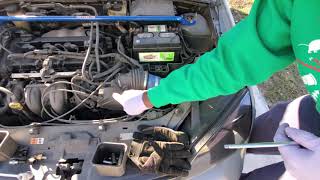
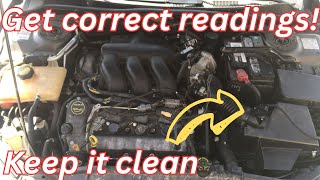
Used OEM Parts in Stock

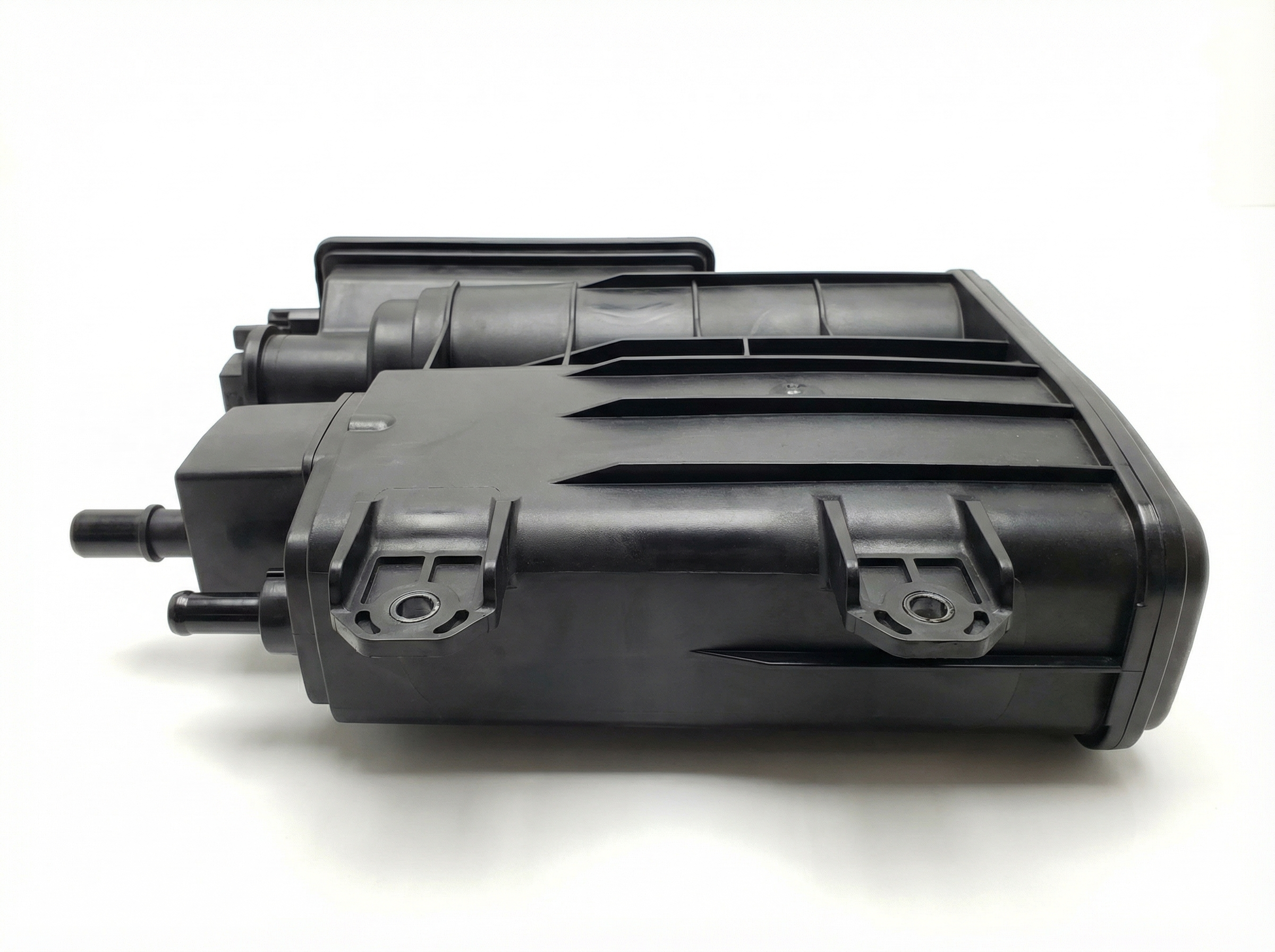
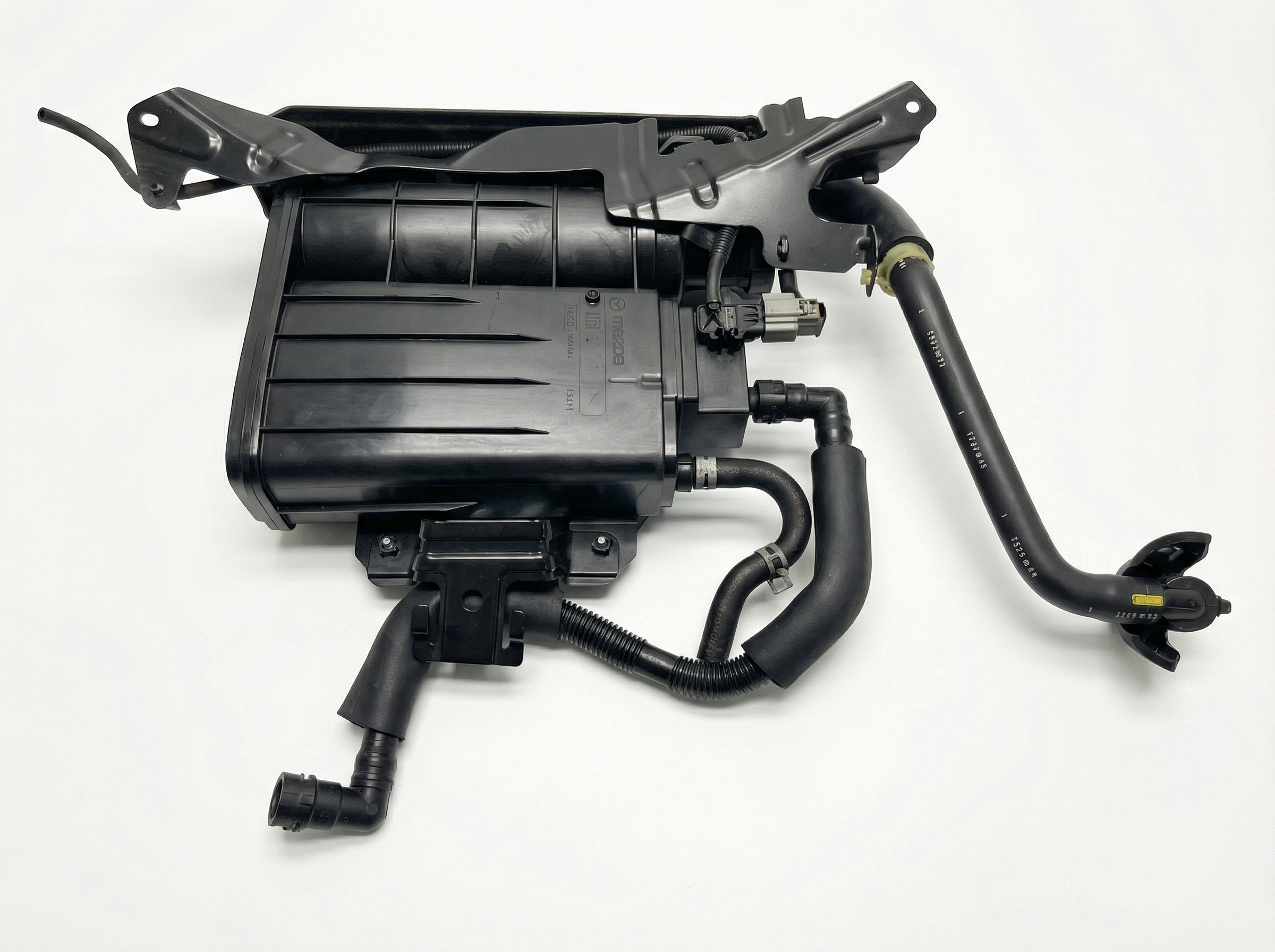

New Aftermarket Parts Available


The information in this article is provided for general reference and educational purposes only. Vehicle specifications, procedures, and part compatibility can vary by production date, trim level, and region. Always consult your vehicle's factory service manual and verify part numbers before purchasing or performing repairs. Safety-critical components such as airbags, seat belts, and braking systems should be installed by a qualified professional.
- Mazda MAZDA6:
- 🎬 Helpful Videos
- 🛍️ Shop This Part
- What's Unique About the 2014-2017 Mazda MAZDA6
- Diagnostic Flowchart
- Symptoms You May Notice
- Most Likely Causes
- Rare But Worth Checking
- Diagnosis Steps
- Parts You'll Likely Need
- Related Codes That Often Appear With This One
- Technical Service Bulletins (TSBs) & Recalls
- Platform-Specific Known Issues
- Mechanic-Grade Diagnostic Values
- Scan Tool Commands That Help
- Wiring & Ground Locations
- Real Owner Repair Stories
- "I Checked Everything" — The Actual Cause
- When the Usual Fixes Don't Work
- OEM Part Supersession History
- Model Year Variations Within This Range
- 🎟️ Get 5% Off