

P0171 on 2015-2019 Lexus RC 350: Lean Code Causes and Fixes
P0171 on a Lexus RC 350 means the engine is running too lean on Bank 1. The most common causes are a dirty Mass Airflow (MAF) sensor or a vacuum leak from a cracked intake hose. A less common but critical issue to check is a failing low-pressure fuel pump, which was subject to a major safety recall (Lexus recall 20LA01).
- P0171 means your engine is getting too much air or not enough fuel on Bank 1.
- Start your diagnosis by cleaning the Mass Airflow (MAF) sensor and thoroughly inspecting the air intake hose for cracks.
- Check if your RC 350 is affected by the low-pressure fuel pump recall, as this is a known issue that directly causes this code.
- Do not replace the oxygen (A/F) sensor unless you have ruled out vacuum leaks, MAF issues, and fuel pressure problems first.
What's Unique About the 2015-2019 Lexus RC 350
The Lexus RC 350's 3.5L V6 engine (2GR-FSE) uses both direct and port injection (D-4S), making its fuel system more complex. While common lean code culprits like vacuum leaks and dirty MAF sensors are still frequent, this platform has a specific, well-documented history of low-pressure fuel pump failures. This known issue, addressed by a major recall (NHTSA 20V-012 / Lexus 20LA01) and a Technical Service Bulletin (TSB), makes fuel delivery a primary suspect when this code appears, especially if accompanied by hard starting or hesitation under load.
Diagnostic Flowchart
Tap your situation to follow the diagnostic path that matches what you're seeing on this vehicle.
Symptoms You May Notice
- Check Engine Light is on
- Rough idle or stalling
- Hesitation or lack of power during acceleration
- Reduced fuel economy
- Hard starting condition, sometimes requiring a long crank
- Misfiring at idle or under load.
- Hissing noise from the engine bay, indicating a vacuum leak.
- Replacing the oxygen (A/F) sensor before thoroughly checking for vacuum leaks or cleaning the MAF sensor. The sensor is often correctly reporting a lean condition rather than being the cause of it.
- Replacing fuel injectors when the issue is low fuel pressure from a failing pump.
Most Likely Causes
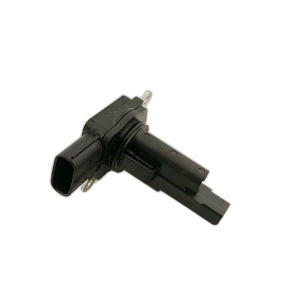
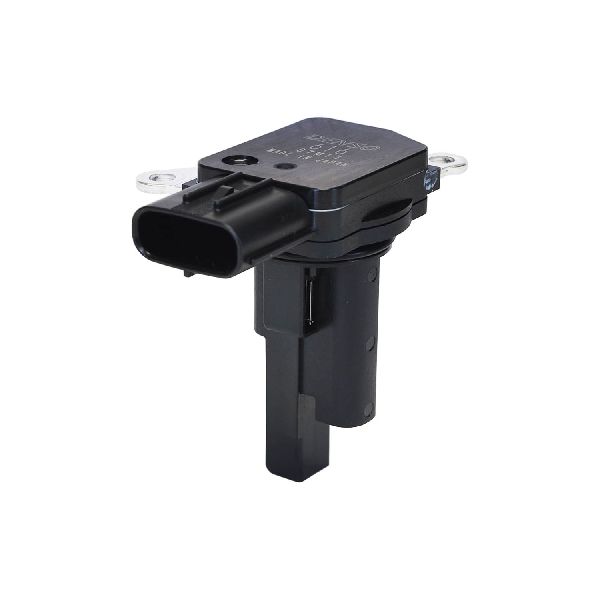
- Dirty or Faulty Mass Airflow (MAF) Sensor 🔴 High Probability The MAF sensor's delicate hot wire can become contaminated with dirt, oil, and debris over time, causing it to under-report the amount of air entering the engine. The ECU then commands an insufficient amount of fuel, creating a lean mixture.
How to confirm: Inspect the sensor for contamination. With a scan tool, monitor Long Term Fuel Trims (LTFT); high positive values confirm a lean condition. Cleaning the sensor is a common first step. Some owners report that using aftermarket MAF sensors can cause persistent issues, recommending the OEM Denso sensor if replacement is needed.
Typical fix: Clean the MAF sensor with a dedicated, electronics-safe MAF sensor cleaner. 🎬 Watch: A quick guide on cleaning your MAF sensor safely. Do not touch the internal wires. If cleaning doesn't resolve the issue, the sensor must be replaced. The OEM part is manufactured by Denso.
Est. part cost: $10-$20 (cleaner), $150-$215 (OEM sensor) - Vacuum Leak 🔴 High Probability The primary air intake hose (the large rubber tube between the air filter box and throttle body) is a common failure point. Over time, engine heat causes the rubber to become brittle and crack, allowing unmetered air to enter the engine after the MAF sensor.
How to confirm: Visually inspect the air intake tube, especially on the underside and in the accordion sections, for cracks. Also check all other vacuum lines and the PCV system. A smoke test is the most effective method to find small, hard-to-see leaks. A DIY method involves spraying carburetor cleaner near suspected leak points while the engine is idling; a change in engine RPM indicates a leak has been found. 🎬 See how to find a vacuum leak in about a minute.
Typical fix: Replace the cracked or leaking hose or gasket. The main intake hose is a frequent culprit. 🎬 Watch this walkthrough on diagnosing and replacing a cracked intake hose.
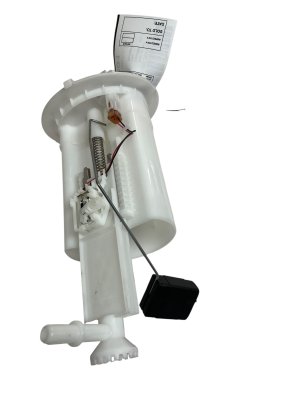
Est. part cost: $20-$150 - Failing Low-Pressure Fuel Pump 🟡 Medium Probability A significant number of 2015-2019 Lexus models, including the RC 350, were recalled for faulty low-pressure fuel pumps (Lexus recall 20LA01, NHTSA Campaign 20V012000). The pump's impeller can deform and cause the pump to stop working, leading to fuel starvation.
How to confirm: Check your vehicle's VIN on the NHTSA website or with a Lexus dealer to see if the recall is open. A mechanic can perform a fuel pressure test to verify if the pump is delivering fuel at the correct pressure. This issue is often accompanied by code P0087 (Fuel Rail/System Pressure - Too Low).
Typical fix: Replace the low-pressure fuel pump assembly. This was a recall item, so a Lexus dealer must perform the repair for free if the vehicle is part of the campaign.
Est. part cost: $0 (if covered by recall), $250-$450 (if not covered) - Faulty Air/Fuel Ratio (Oxygen) Sensor ⚪ Low Probability While sensors can fail, they are often misdiagnosed. A 'lazy' or failing upstream A/F sensor (Bank 1, Sensor 1) can send incorrect lean readings to the ECM, even if the mixture is correct.
How to confirm: Use a scan tool to graph the sensor's voltage readings. A healthy upstream sensor will fluctuate rapidly. A slow, stuck, or flat-lined reading indicates a problem. O2 sensors are often replaced unnecessarily when the real issue is a vacuum leak or dirty MAF sensor.
Typical fix: Replace the Bank 1, Sensor 1 (upstream) Air/Fuel Ratio sensor. The OEM sensor is made by Denso.
Est. part cost: $100-$250
Rare But Worth Checking
- Clogged Fuel Injectors: If one or more injectors on Bank 1 are partially clogged with carbon deposits, they won't deliver enough fuel, leading to a lean condition isolated to that bank. This is less common on the 2GR-FSE due to the D-4S dual injection system.
- Leaking Intake Manifold Gasket: A leak in the intake manifold gasket for the cylinders on Bank 1 can cause a vacuum leak that is difficult to detect without a smoke test.
- Exhaust Leak: An exhaust leak before the first oxygen sensor (A/F sensor) can draw outside air into the exhaust stream. The sensor will read this extra oxygen and incorrectly report a lean condition to the ECU.
- Faulty PCV Valve: A PCV valve that is stuck open can create a significant vacuum leak, leading to lean codes.
Diagnosis Steps
- Read Codes & Freeze Frame Data: Use an OBD-II scanner to confirm P0171 and check for other codes (like P0174 or P0087). Analyze the freeze frame data to see the engine conditions (RPM, load, etc.) when the code was set.
- Check for Recalls: Enter your vehicle's VIN on the NHTSA website to check for open recalls, specifically the low-pressure fuel pump recall (NHTSA 20V-012, Lexus 20LA01).
- Analyze Fuel Trims: With a scan tool, observe Long-Term Fuel Trim (LTFT) at idle. Values over +15% confirm a lean condition. If LTFT is high at idle but drops significantly towards 0% at 2,500 RPM, a vacuum leak is the most likely cause.
- Inspect for Vacuum Leaks: Visually inspect the entire air intake path, especially the large rubber intake hose between the air filter box and throttle body, for cracks or loose clamps. Check all smaller vacuum hoses connected to the intake manifold.
- Clean the MAF Sensor: Remove the MAF sensor and spray the internal wires with a dedicated MAF sensor cleaner. Allow it to dry completely before reinstalling. Do not use other cleaners like brake or carb cleaner.
- Perform a Smoke Test: If a vacuum leak is suspected but not visible, a smoke test is the most reliable method to pinpoint the source of unmetered air.
- Test Fuel Pressure: If vacuum leaks and the MAF sensor are ruled out, test the fuel pressure to verify the health of the low-pressure fuel pump, especially if the vehicle is not part of the recall.
- Test the A/F Sensor: As a final step, use a scan tool to graph the Bank 1 Air/Fuel ratio sensor's performance to ensure it is fluctuating correctly and not 'lazy' or stuck.
Parts You'll Likely Need
- Mass Airflow (MAF) Sensor Cleaner — This is the cheapest and easiest first step. A dirty MAF sensor is a very common cause of P0171 and cleaning often resolves the issue.
Trusted brands: CRC, WD-40 Specialist
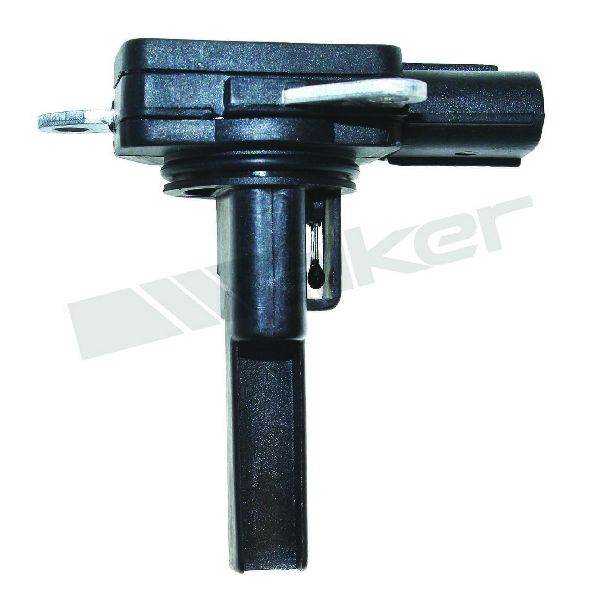
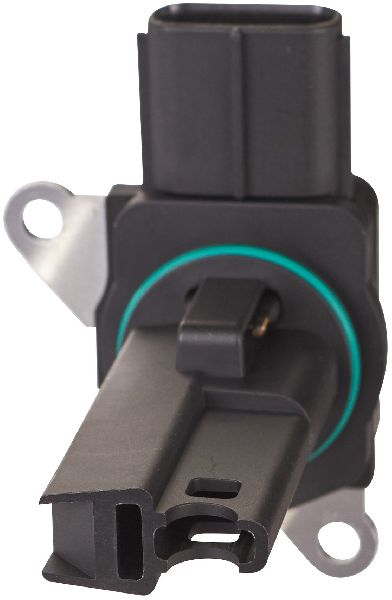
Aftermarket price range: $10-$20 - Mass Airflow (MAF) Sensor
(OEM #22204-31020)— If cleaning fails and the sensor is diagnosed as faulty, it must be replaced. Using the OEM Denso part is highly recommended.
Trusted brands: Denso (OEM)
OEM price range: $155-$215
Aftermarket price range: $50-$120 - Air Intake Hose
(OEM #17881-31190 (Note: Verify with VIN))— The large rubber intake hose is prone to cracking with age, creating a large vacuum leak that is a primary cause of this code.
Trusted brands: Genuine Lexus
OEM price range: $80-$150
Aftermarket price range: $40-$90 - Low-Pressure Fuel Pump
(OEM #Recall Part)— A known failure point on this model, subject to a major safety recall. Failure leads to low fuel pressure and lean conditions.
Related Codes That Often Appear With This One
- P0174 — System Too Lean, Bank 2. If both P0171 and P0174 appear, it strongly suggests a problem affecting the entire engine, like a faulty MAF sensor, a major vacuum leak before the intake splits (e.g., the main intake hose), or low fuel pressure from the pump.
- P0087 — Fuel Rail/System Pressure - Too Low. This code strongly points to a fuel delivery issue, such as the failing fuel pump that was subject to a recall. This is a major clue.
Technical Service Bulletins (TSBs) & Recalls
- LSB000523: This bulletin notes that P0171 can appear with P0087 (Fuel Rail / System Pressure – Too Low) and may cause a hard start condition, pointing directly to a fuel delivery problem, which aligns with the known fuel pump issues.
Platform-Specific Known Issues
- Low-Pressure Fuel Pump Safety Recall (20LA01): A massive safety recall (NHTSA Campaign: 20V012000, Lexus code: 20LA01) was issued for failing low-pressure fuel pumps on many 2015-2019 Lexus models, including the RC 350. The pump can suddenly fail, causing the engine to run rough, stall while driving, and trigger lean codes like P0171. Owners should verify with a dealer if their vehicle has had the recall service performed.
- Cracked Air Intake Hose: A very common failure point discussed in owner forums is the rubber air intake hose developing cracks, especially in the accordion-like flexible sections. This introduces unmetered air and is a top cause for P0171 and P0174 codes. A thorough visual and physical inspection is a key diagnostic step.
Mechanic-Grade Diagnostic Values
- Long Term Fuel Trim (LTFT) + Short Term Fuel Trim (STFT) — expected: Close to 0%, ideally within +/- 10%.. Failure: A combined value consistently greater than +20% indicates a significant lean condition. The MIL may trigger when the total trim exceeds +35%.
- A/F Sensor Voltage (AFS) during Techstream Active Test — expected: Fluctuates around a central value during normal operation.. Failure: During a 'Control the Injection Volume' active test, if voltage is consistently > 3.35V when commanding lean or < 3.0V when commanding rich, it confirms a sensor or mixture problem.
- MAF Sensor Reading at Idle — expected: Approximately 2.5-4.5 grams/second for a 3.5L engine at normal idle.. Failure: A significantly lower reading (e.g., 1.5 g/s) suggests the sensor is dirty or failing and under-reporting airflow, causing the ECU to command too little fuel.
Hidden / Shadow Codes Worth Checking
- P1170: Port Injector Fuel Performance. This indicates a problem with the port fuel injection system. (see via A professional scan tool like Toyota Techstream. It may appear alongside P0171/P0174 and helps narrow the fault to the port injectors on one or both banks.)
- P117B: Direct Injector Fuel Performance. This indicates a problem with the high-pressure direct injection system. (see via A professional scan tool like Toyota Techstream. It points to an issue with the direct injectors, which is critical for diagnosing the complex D-4S system.)
Scan Tool Commands That Help
- Toyota Techstream: Active Test: Control the Injection Volume for A/F Sensor — Use this to verify if the Bank 1 A/F sensor is responding correctly. The function allows you to manually command a richer (+25%) or leaner (-12.5%) mixture and watch the sensor's voltage output to see if it reacts as expected.
- Toyota Techstream: Active Test: Control the Injection Way — When P0171 is present with P1170 or P117B, this test can help isolate the problem. It allows the technician to switch between port injection only, direct injection only, or normal operation to see which system is causing the fuel trim abnormality.
Wiring & Ground Locations
- Engine/Chassis Grounds — Check the main ground strap from the battery negative terminal to the right inner fender. Also inspect the ground line running from the lower firewall to the back of the engine block, often attached to the rear of the cylinder heads.. A poor ground connection for the engine block or ECU can cause incorrect readings from critical sensors like the MAF and A/F sensors, leading to erroneous fuel calculations and lean codes.
Real Owner Repair Stories
- ClubLexus Forum Post (Lexus RX (with 2GR engine, similar to RC 350)) — Persistent P0171 and P0174 codes, Check Engine and other warning lights on.
❌ Tried (didn't work) The user notes that dealerships often misdiagnose or fail to permanently fix the issue, suggesting common fixes are not always the solution.
✅ What actually fixed it Replacing the intake manifold gaskets. The user found this to be the root cause of the unmetered air leak causing both banks to run lean.
"I Checked Everything" — The Actual Cause
- A common scenario for P0171/P0174 on 2GR-FSE engines is a leaking intake manifold gasket. A standard smoke test may not reveal this leak if it is small or only opens when the engine is hot and the manifold has expanded. Technicians may clear the smoke test and move on, but the root cause remains. The fix requires removing the intake manifold to replace the gaskets.
When the Usual Fixes Don't Work
- While cleaning the MAF sensor and replacing the air intake hose are the most common fixes, there are numerous documented cases in forums where these steps did not resolve the P0171 code. In several of these instances, the actual cause was a more elusive vacuum leak from the intake manifold gaskets, which required more extensive labor to access and replace. This highlights the need to perform a thorough diagnosis of fuel trims at different RPMs rather than stopping at the most common culprits.
OEM Part Supersession History
22204-31010, 22204-0H010→22204-31020— Standard part revision and consolidation by the manufacturer.
Heads up: The newer part number 22204-31020 is the correct replacement for the specified vehicle range and its predecessors.
Helpful Videos
Used OEM Parts in Stock



New Aftermarket Parts Available


The information in this article is provided for general reference and educational purposes only. Vehicle specifications, procedures, and part compatibility can vary by production date, trim level, and region. Always consult your vehicle's factory service manual and verify part numbers before purchasing or performing repairs. Safety-critical components such as airbags, seat belts, and braking systems should be installed by a qualified professional.
- Lexus RC 350:
- 🎬 Helpful Videos
- 🛍️ Shop This Part
- What's Unique About the 2015-2019 Lexus RC 350
- Diagnostic Flowchart
- Symptoms You May Notice
- Most Likely Causes
- Rare But Worth Checking
- Diagnosis Steps
- Parts You'll Likely Need
- Related Codes That Often Appear With This One
- Technical Service Bulletins (TSBs) & Recalls
- Platform-Specific Known Issues
- Mechanic-Grade Diagnostic Values
- Hidden / Shadow Codes Worth Checking
- Scan Tool Commands That Help
- Wiring & Ground Locations
- Real Owner Repair Stories
- "I Checked Everything" — The Actual Cause
- When the Usual Fixes Don't Work
- OEM Part Supersession History
- 🎟️ Get 5% Off