

P0171 on 2014-2018 Lexus IS 350: System Too Lean Causes and Fixes
On a 2014-2018 Lexus IS 350, code P0171 is most often caused by a vacuum leak (from a cracked intake boot, PCV hose, or bad intake gasket) or a dirty Mass Airflow (MAF) sensor. Cleaning the MAF sensor is a simple first step. A broad Lexus TSB also points to potential fuel pressure issues from a failing high-pressure fuel pump, especially if accompanied by code P0087.
- Start with the simplest and cheapest fixes: visually inspect all air intake and vacuum hoses for cracks.
- The next step should be to clean the Mass Airflow (MAF) sensor using a dedicated cleaner.
- If you also have a P0087 code or a hard-starting issue, suspect a more serious fuel pressure problem as outlined in Lexus TSB LSB000523.
- Bank 1 is on the passenger side. Any parts specific to Bank 1 (like the A/F sensor) will be on that side of the engine.
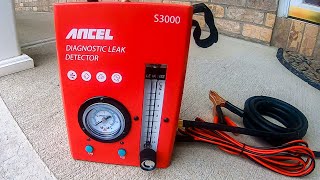
- A smoke test is the most effective way to find a hard-to-see vacuum leak.
What's Unique About the 2014-2018 Lexus IS 350

While most vehicles get a P0171 code from simple vacuum leaks or a dirty MAF sensor, the 2014-2018 IS 350 has a more complex direct injection fuel system with both low and high-pressure pumps. A specific Technical Service Bulletin (TSB L-SB-0005-23) directly links P0171 with a low fuel pressure code (P0087), suggesting a failing high-pressure fuel pump can be a specific cause for this vehicle, which is a more significant repair than on a port-injected engine. The 2018 model year introduced the 2GR-FKS engine, an evolution of the 2GR-FSE, which may have slightly different component locations but shares the same fundamental diagnostic principles for this code.
Diagnostic Flowchart
Tap your situation to follow the diagnostic path that matches what you're seeing on this vehicle.
Symptoms You May Notice
- Check Engine Light is on
- Rough or unstable idle
- Hesitation or stumbling during acceleration
- Reduced engine power or feeling like the transmission is slipping
- Decreased fuel economy
- Hard starting (especially if related to the fuel pump TSB)
- Hissing noise from the engine bay indicating a vacuum leak
- Replacing the MAF sensor when the issue is a simple vacuum leak in the intake boot that was created or overlooked during a previous repair or air filter change.
- Replacing the Air/Fuel Ratio (O2) sensor before thoroughly checking for vacuum leaks and cleaning the MAF sensor, which are more common and cheaper to fix.
Most Likely Causes

- Vacuum Leak 🔴 High Probability Over time, rubber hoses and plastic components in the engine bay become brittle from heat cycles and can crack. The most common culprits are the main air intake boot between the MAF sensor and throttle body, and PCV hoses. Intake manifold gaskets can also degrade and fail, which is a common but often overlooked cause.
How to confirm: Visually inspect all vacuum lines, PCV hoses, and the large intake air boot for cracks or loose connections. A professional smoke test is the most effective way to find hidden leaks. A DIY method is to spray carburetor cleaner near suspected leak points while the engine is idling; an increase in engine RPM indicates a leak.
Typical fix: Replace the cracked hose or leaking gasket. A common repair involves replacing a torn air intake boot or the intake manifold gaskets.
Est. part cost: $10-$150 - Dirty or Faulty Mass Airflow (MAF) Sensor 🔴 High Probability The MAF sensor wire can become contaminated with dirt, dust, or oil (especially if an aftermarket oiled air filter is used), causing it to under-report the amount of air entering the engine.
How to confirm: Remove the sensor and clean it with a dedicated MAF sensor cleaner spray. Do not touch the delicate sensor wires. If cleaning provides only a temporary fix or the code returns, the sensor itself may be faulty. A scan tool should show a reading of approximately 3.0-6.0 g/s at a fully warmed-up idle; readings significantly lower than this suggest a faulty sensor or a vacuum leak downstream.
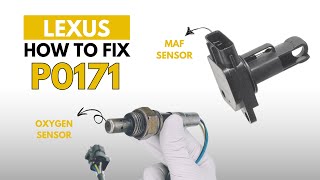
Typical fix: Clean the MAF sensor. If the problem persists, replace the sensor. Denso is the OEM manufacturer. 🎬 Watch: Two simple DIY methods to fix the P0171 code.
Est. part cost: $10 (cleaner) - $150 (sensor) - Low Fuel Pressure 🟡 Medium Probability Lexus TSB L-SB-0005-23 specifically identifies that 2014-2018 IS 350 models can exhibit P0171 along with P0087 (Fuel Rail / System Pressure – Too Low), often accompanied by a hard start. This points to a potential issue with the high-pressure fuel pump, a known issue on the 2GR engine family.
How to confirm: Use a scan tool to monitor fuel rail pressure, especially during acceleration. The low-pressure system should be around 40-60 psi, while the high-pressure side can range from 580 to over 1800 psi. A professional mechanic can perform a dedicated fuel pressure test on both the low and high-pressure sides to confirm the pump's performance.
Typical fix: Replace the failing high-pressure fuel pump.
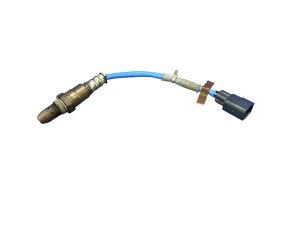
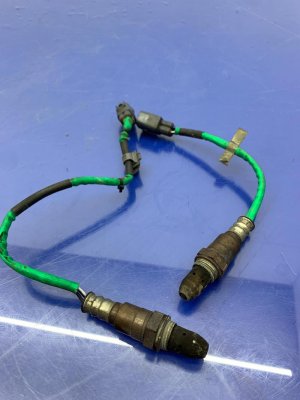
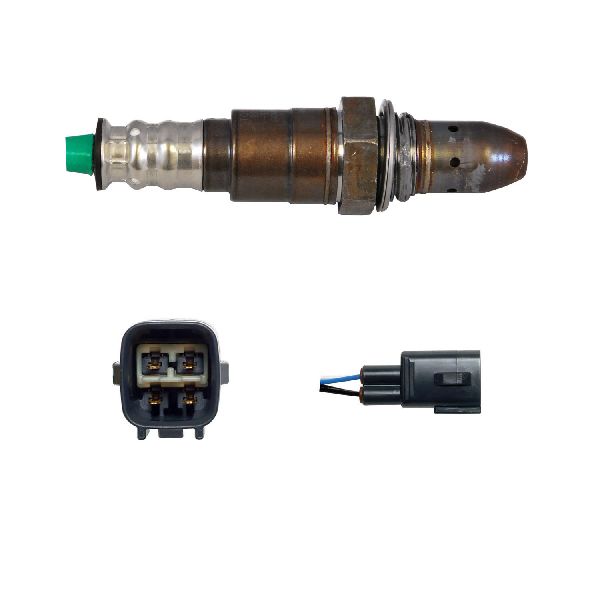
Est. part cost: $400-$1200 - Faulty Air/Fuel Ratio Sensor (Bank 1, Sensor 1) ⚪ Low Probability The upstream oxygen sensor (called an Air/Fuel Ratio Sensor on Lexus) is responsible for measuring the oxygen in the exhaust. Like any sensor, it can degrade over time and send inaccurate (lean) signals to the ECU. However, this is often misdiagnosed when the real issue is a vacuum leak or dirty MAF.
How to confirm: Use a scan tool to graph the sensor's voltage. A healthy sensor will switch rapidly. A lazy or biased sensor will respond slowly or produce a flat-line voltage.
Typical fix: Replace the Bank 1, Sensor 1 Air/Fuel Ratio Sensor. Bank 1 is on the passenger side.
Est. part cost: $100-$250
Rare But Worth Checking
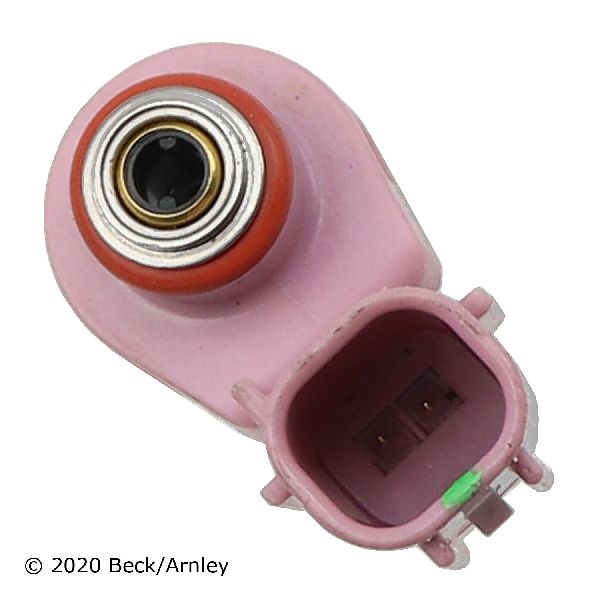
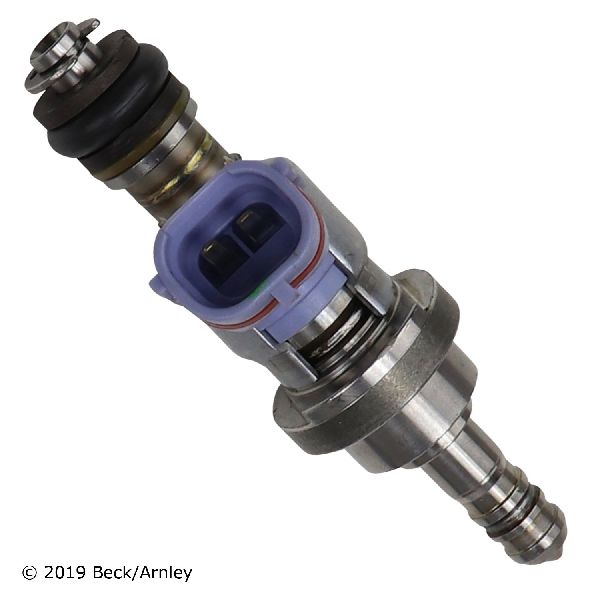
- Clogged Fuel Injectors: While possible, it's less common for multiple injectors on one bank to become clogged simultaneously to a degree that would set a bank-wide lean code.
- Exhaust Leak: A crack or leak in the exhaust manifold or pipe before the first A/F sensor can pull in outside air, tricking the sensor into reading a lean condition.
- Faulty PCV Valve: A Positive Crankcase Ventilation (PCV) valve that is stuck open can create a significant vacuum leak, leading to a P0171 code. On the 2GR-FSE engine, this valve is notoriously difficult to access, making it a commonly overlooked item.
- Leaking Intake Air Control Valve: On some related Lexus models with the 2GR engine, the shaft for the intake air control valve can wear out and leak, creating a hard-to-find vacuum leak.
Diagnosis Steps
- Read Freeze Frame Data: Use an OBD-II scanner to note the conditions (engine speed, load, temperature) when the code was set.
- Check Fuel Trims: Observe the Short-Term (STFT) and Long-Term Fuel Trim (LTFT) values. High positive numbers (e.g., LTFT >15%) confirm the ECU is adding fuel to correct a lean condition. If fuel trims are high at idle but normalize at higher RPMs, suspect a vacuum leak. If trims are normal at idle but go high at higher RPMs, suspect a MAF sensor or fuel delivery issue.
- Visual Inspection: Carefully inspect the engine bay for obvious signs of a vacuum leak, such as cracked or disconnected hoses (especially PCV lines) and the main intake boot between the air filter and throttle body.
- Clean the MAF Sensor: Disconnect the battery, remove the MAF sensor, and spray it with dedicated MAF sensor cleaner. Let it dry completely before reinstalling. Be careful not to use overly-oiled aftermarket air filters, as the oil can contaminate the MAF sensor.
- Perform a Smoke Test: If no obvious leaks are found, a smoke test is the most reliable method to find small, hidden vacuum leaks in gaskets and hoses.
- Test Fuel Pressure: If vacuum leaks are ruled out, refer to TSB L-SB-0005-23. Use a scan tool to monitor fuel rail pressure. If it's low or erratic, a professional diagnosis of the high-pressure fuel pump is needed.
- Test the Air/Fuel Ratio Sensor: If all else fails, test the Bank 1, Sensor 1 (passenger side, before the catalytic converter) for proper operation using a scan tool to graph its voltage.
Parts You'll Likely Need
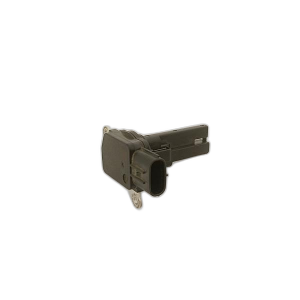
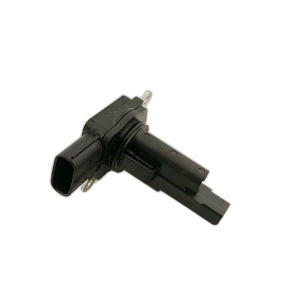
- Mass Airflow (MAF) Sensor
(OEM #22204-31020)— A dirty or failing MAF is a primary cause of incorrect air measurement leading to a lean condition. Denso is the original equipment manufacturer, and buying the Denso-branded part is often cheaper than the Lexus-branded equivalent.
Trusted brands: Denso (OEM), Genuine Lexus
OEM price range: $120-$180
Aftermarket price range: $50-$100 - Intake Manifold Gasket Set
(OEM #17177-31060)— These gaskets can become brittle and leak unmetered air into the intake manifold, a very common cause of lean codes that is often missed by simple smoke tests. 🎬 Watch this walkthrough on replacing your intake manifold gaskets.
Trusted brands: Genuine Lexus, Fel-Pro, Mahle
OEM price range: $10-$20
Aftermarket price range: $5-$15 - Air Intake Hose
(OEM #17881-31141)— The large rubber boot connecting the air filter box to the throttle body can develop cracks from age and heat, creating a large vacuum leak. This is a very common failure point.
Trusted brands: Genuine Lexus, Aftermarket
OEM price range: $60-$100
Aftermarket price range: $25-$50 - Air/Fuel Ratio Sensor (Bank 1, Sensor 1)
(OEM #89467-30030)— A failing sensor can incorrectly report a lean condition to the ECU. This is the upstream sensor on the passenger side. Denso is the OEM supplier.
Trusted brands: Denso (OEM)
OEM price range: $180-$250
Aftermarket price range: $90-$150 - High-Pressure Fuel Pump
(OEM #23100-31070)
Related Codes That Often Appear With This One
- P0174 — This is the 'System Too Lean' code for Bank 2 (driver's side). When both P0171 and P0174 appear together, it strongly suggests a problem common to both banks, such as a faulty MAF sensor, a major intake leak before the throttle body, or a fuel delivery issue.
- P0087 — This code means 'Fuel Rail / System Pressure – Too Low'. According to Lexus TSB L-SB-0005-23, this code can appear with P0171 and points directly to a fuel delivery problem, likely the high-pressure fuel pump.
Technical Service Bulletins (TSBs) & Recalls

- L-SB-0005-23 (Formerly LSB000523): Expands on the original TSB, covering a wide range of 2013-2020 Lexus models, including the IS 350. It addresses a hard start and/or MIL with codes P0171, P0174, and/or P0087. It confirms the issue is related to low fuel pressure and points towards a diagnosis of the fuel pump system.
Platform-Specific Known Issues
- Per TSB L-SB-0005-23, 2014-2018 IS 350 models may exhibit a hard start and/or MIL ON condition with DTC P0171 (and/or P0174) and P0087 due to low fuel system pressure, potentially requiring high-pressure fuel pump diagnosis and replacement.
- The use of aftermarket cold air intakes with oiled filters is a frequent topic in forums. If the filter is over-oiled, it can contaminate the MAF sensor, leading directly to P0171/P0174 codes. Additionally, if the intake tube diameter is not identical to stock, it can alter the airflow reading and cause persistent lean codes.
Mechanic-Grade Diagnostic Values

- Long Term Fuel Trim (LTFT) at Idle — expected: Close to 0%, ideally within +/- 5%. Failure: Sustained positive values greater than +15% will trigger the code. High positive trims at idle that decrease with RPM strongly suggest a vacuum leak.
- Mass Airflow (MAF) Sensor Reading at Idle — expected: Approximately 3.0 to 6.0 grams/second (g/s) for a 3.5L engine at normal operating temperature with no loads.. Failure: A reading significantly lower than 3.0 g/s can indicate the sensor is failing or, more likely, that there is a significant vacuum leak downstream of the sensor (unmetered air).
- Low-Pressure Fuel System Pressure — expected: Approximately 40-60 PSI.. Failure: Pressure significantly below specification indicates a weak in-tank fuel pump or clogged filter.
- High-Pressure Fuel System Pressure — expected: Varies widely with engine load, from ~580 PSI at idle to over 1800 PSI under acceleration.. Failure: Failure to build pressure as RPM and load increase, especially if code P0087 is also present, points to a failing high-pressure fuel pump.
Scan Tool Commands That Help
- Toyota Techstream: Live Data / Data List Monitoring — This is the primary diagnostic function for P0171. Use it to watch Long and Short Term Fuel Trims, MAF sensor g/s, A/F sensor voltage, and fuel rail pressure in real-time. Comparing data at idle vs. 2500 RPM helps differentiate between vacuum leaks and other issues like a faulty MAF or fuel delivery problem.
Wiring & Ground Locations
- Engine Bay Ground Points (E1, E2, A1, etc.) — Multiple points on the inner fenders and engine block. For the 2GR-FSE, key grounds are located on the left and right side of the engine bay near the shock towers and on the engine itself.. The ECM and its sensors (MAF, A/F sensors) rely on clean ground connections for accurate readings. A corroded or loose engine ground can introduce electrical noise and cause erratic sensor data, potentially leading to an incorrect lean code.
Real Owner Repair Stories
- ClubLexus Forum User (Lexus with 2GR engine (P0171/P0174)) — Persistent P0171 and P0174 codes, high long-term fuel trims (+25%).
❌ Tried (didn't work) Replaced all 4 O2 sensors, Replaced PCV valve, Cleaned and replaced MAF sensor, Cleaned fuel injectors, Replaced various vacuum lines, Dealer performed smoke test which found no leaks
✅ What actually fixed it Replacing the intake manifold and plenum gaskets. The user tore the engine down again after the dealer found nothing and discovered the gaskets were the source of the unmetered air. - ClubLexus Forum User (2008 IS250 AWD (similar PCV system)) — P0171 and P0174 codes, high LTFT around +20%, rotten egg smell.
❌ Tried (didn't work) Fixing exhaust leaks, Replacing PCV valve
✅ What actually fixed it The vehicle had an aftermarket cold air intake with a small breather filter on the valve cover's fresh air inlet. This was creating a massive unmetered air leak for the PCV system. The fix was to remove the aftermarket intake and reinstall the complete factory airbox and PCV hose assembly, which correctly routes metered air from after the MAF sensor. - Contour.org Forum User (Ford Contour (demonstrates a universal car problem)) — Recurring P0171, intermittent rough idle, poor brake performance.
❌ Tried (didn't work) MAF checks, EGR checks, Other common vacuum leak checks
✅ What actually fixed it Found a 5-inch silicone vacuum hose for the power brake booster, hidden under the intake manifold, had a large hole burned through it. Replacing this hose fixed both the lean code and the poor braking.
"I Checked Everything" — The Actual Cause
- In one documented case, a Lexus dealership performed a smoke test and declared the vehicle free of vacuum leaks. The owner, unwilling to give up, later disassembled the top end of the engine and found that the intake manifold gaskets were severely degraded and were the true source of the leak causing P0171 and P0174. A standard smoke test may not always reveal a leak from these gaskets without pressurizing the system sufficiently.
- A leak in the vacuum line to the brake booster, especially if it's a small crack or a hole on the underside of the hose, can be missed during a smoke test if the technician doesn't specifically manipulate the hose or test the booster circuit directly.
When the Usual Fixes Don't Work
- While cleaning the MAF sensor and checking for obvious cracked intake boots are valid first steps, numerous owner experiences show these common fixes often do not resolve the P0171/P0174 codes on the IS 350. The root cause is frequently a more insidious vacuum leak that is not immediately obvious and may even pass a standard smoke test. In-depth reports point to failed intake manifold gaskets, hidden leaks in the brake booster vacuum line, and improperly routed PCV hoses (especially with aftermarket intakes) as the true culprits that were only found after the easier, more common parts were replaced without success.
Model Year Variations Within This Range
- 2018: For the 2018 model year, the IS 350's engine was updated from the 2GR-FSE to the 2GR-FKS. While both are 3.5L V6s with D-4S dual injection, the 2GR-FKS adds the VVT-iW system on the intake cams, allowing it to switch between Otto and Atkinson cycles for improved fuel efficiency. This results in different part numbers for some components like valve covers and potentially different locations for sensors or vacuum lines, though the fundamental diagnostic approach for P0171 remains the same.
Helpful Videos
![How to Fix LEXUS P0171 Engine Code in 3 Minutes [2 DIY Methods / Only $8.37]](https://img.youtube.com/vi/aSScm5FzfMo/mqdefault.jpg)

Used OEM Parts in Stock


New Aftermarket Parts Available


The information in this article is provided for general reference and educational purposes only. Vehicle specifications, procedures, and part compatibility can vary by production date, trim level, and region. Always consult your vehicle's factory service manual and verify part numbers before purchasing or performing repairs. Safety-critical components such as airbags, seat belts, and braking systems should be installed by a qualified professional.
- Lexus IS 350:
- 🎬 Helpful Videos
- 🛍️ Shop This Part
- What's Unique About the 2014-2018 Lexus IS 350
- Diagnostic Flowchart
- Symptoms You May Notice
- Most Likely Causes
- Rare But Worth Checking
- Diagnosis Steps
- Parts You'll Likely Need
- Related Codes That Often Appear With This One
- Technical Service Bulletins (TSBs) & Recalls
- Platform-Specific Known Issues
- Mechanic-Grade Diagnostic Values
- Scan Tool Commands That Help
- Wiring & Ground Locations
- Real Owner Repair Stories
- "I Checked Everything" — The Actual Cause
- When the Usual Fixes Don't Work
- Model Year Variations Within This Range
- 🎟️ Get 5% Off