

P0171 on 2013-2017 Lexus GS 350: System Too Lean Causes and Fixes
This code indicates the engine is running lean on Bank 1. The most common causes are a dirty Mass Airflow (MAF) sensor, a vacuum leak from a cracked intake hose or PCV line, or a failing upstream air/fuel ratio sensor. Cleaning the MAF sensor is a good first step and costs under $15. If both P0171 and P0174 are present, the issue is likely common to both banks (MAF, intake leak, fuel pressure).
- P0171 on a GS 350 means Bank 1 is getting too much air or not enough fuel.
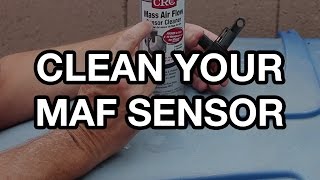
- Start your diagnosis by cleaning the Mass Air Flow (MAF) sensor with a dedicated cleaner; this is the cheapest and often most effective first step.
- Thoroughly inspect the intake system for cracked rubber hoses, as vacuum leaks are another primary cause.
- If the MAF and vacuum leaks are ruled out, the next likely culprit is a failing upstream Air/Fuel Ratio sensor (Bank 1, Sensor 1).
- Be aware of TSB LSB000523, which links this code to low fuel pressure, especially if you also experience hard starting. [⭐ MANUFACTURER TSB — highest authority]
What's Unique About the 2013-2017 Lexus GS 350
For the 2013-2017 GS 350 with the 2GR-FSE engine, a P0171 code is often straightforward, pointing to common issues like a dirty MAF sensor or vacuum leaks. However, it's critical to be aware of a specific Technical Service Bulletin (TSB) issued by Lexus. TSB LSB000523 links this lean code to potential low fuel pressure, which could manifest as a hard-to-start engine. [⭐ MANUFACTURER TSB — highest authority] This suggests that while you should check the basics first, a fuel delivery problem is a documented possibility on this specific platform. The 2GR-FSE also uses a D-4S dual injection system (port and direct injectors), though clogged injectors are a less common cause for this code unless a misfire code is also present.
Diagnostic Flowchart
Tap your situation to follow the diagnostic path that matches what you're seeing on this vehicle.
Symptoms You May Notice
- Check Engine Light is on
- Rough or unstable idle
- Engine hesitation or surging during acceleration
- Reduced power
- Poor fuel economy
- Hard starting condition [⭐ MANUFACTURER TSB — highest authority]
- Hissing sound from the engine bay, indicating a vacuum leak
- Replacing the downstream (post-catalytic converter) oxygen sensor. The downstream sensor's primary role is to monitor catalytic converter efficiency, not to control the air/fuel mixture. The upstream Air/Fuel Ratio sensor is the correct one to inspect for this code.
Most Likely Causes
- Dirty Mass Air Flow (MAF) Sensor 🔴 High Probability The MAF sensor's hot wire can become contaminated with dirt and oil over time, causing it to under-report the amount of air entering the engine. The ECU then injects too little fuel, creating a lean condition.
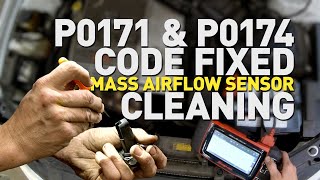
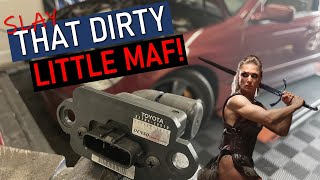
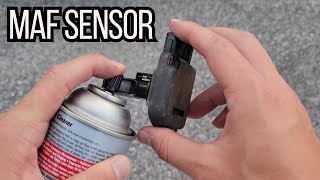
How to confirm: Remove the sensor (located on the airbox) and visually inspect the small wires inside for contamination. Cleaning it with a dedicated MAF sensor cleaner is an easy and cheap first diagnostic step. A faulty MAF often causes both P0171 and P0174 codes to appear together.
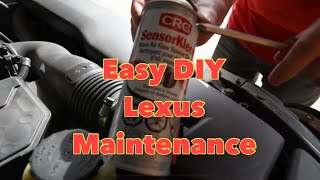
Typical fix: Clean the sensor with a specialized MAF sensor cleaner spray. Do not touch the wires. Allow it to dry completely before reinstalling. If cleaning doesn't resolve the issue, the sensor may need to be replaced.
Est. part cost: $10-$20 for cleaner, $75-$190 for a new sensor. - Vacuum Leak 🟡 Medium Probability Rubber and plastic hoses, especially the PCV hose and the main air intake tube, can become brittle and crack with age and heat cycles. Intake manifold gaskets can also fail. This allows unmetered air to enter the engine after the MAF sensor, leading to a lean mixture.
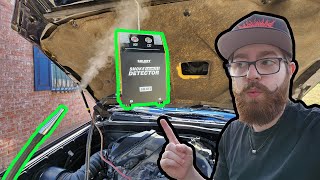
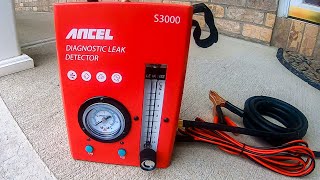
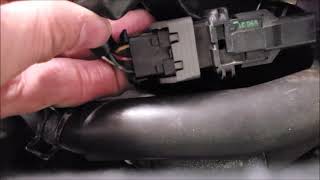
How to confirm: Visually inspect all vacuum hoses, the PCV hose, and the main air intake tube for cracks or loose connections. Listen for a hissing sound at idle. A common DIY method is to (carefully) spray carburetor cleaner or a propane torch (unlit) around suspected leak points with the engine running; a change in idle RPM indicates you've found the leak. A smoke test is the most effective professional method. 🎬 See how to perform a smoke test for vacuum leaks.
Typical fix: Replace the cracked hose or faulty gasket. A broken vacuum port on an air box was the culprit in one documented case.
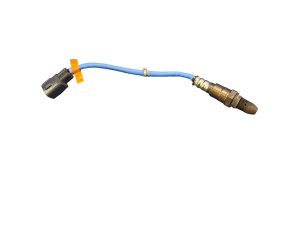
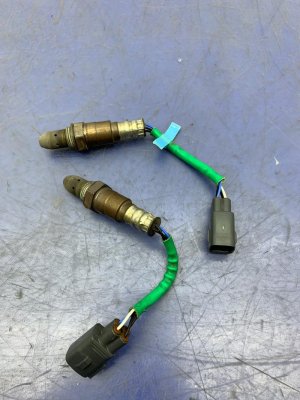
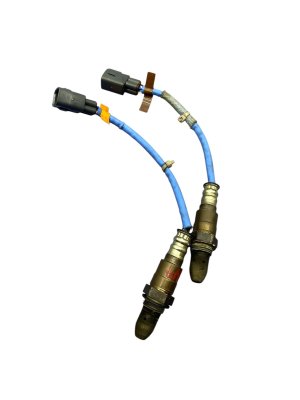
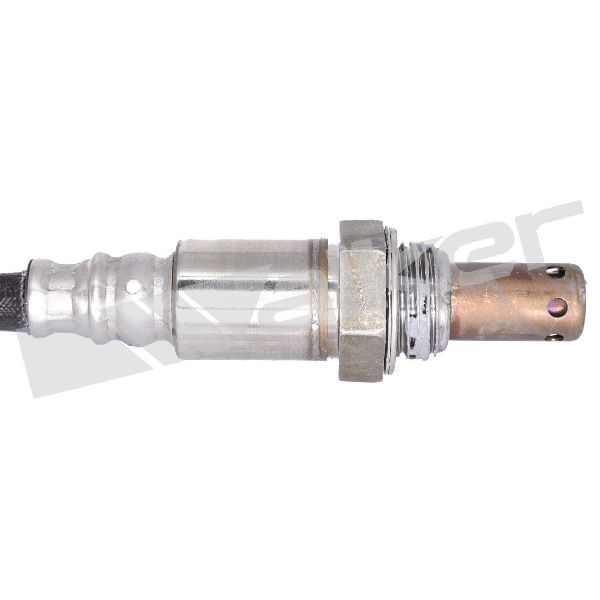
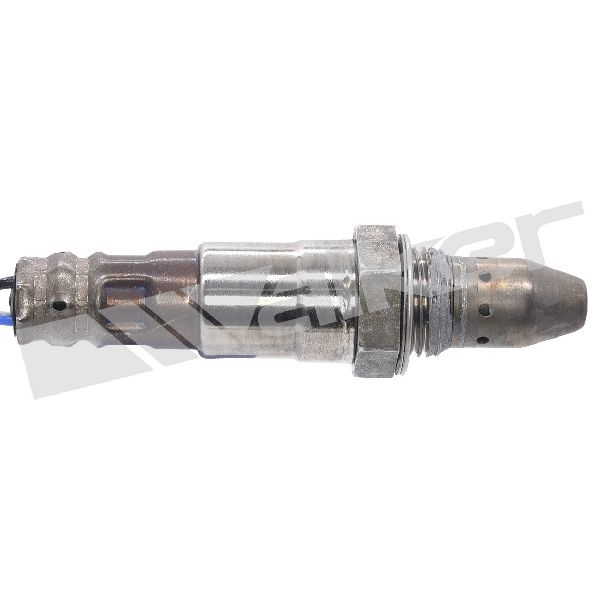
Est. part cost: $20-$150 depending on the specific hose or gasket. - Failing Upstream Air/Fuel Ratio Sensor 🟡 Medium Probability This sensor, also known as an upstream O2 sensor or A/F sensor, is located in the exhaust manifold and measures the air-to-fuel ratio. Over time, it can become slow to respond or fail, sending incorrect lean readings to the ECM.
How to confirm: Use an OBD-II scanner with live data to monitor the sensor's voltage. A healthy sensor will fluctuate rapidly. A lazy or stuck sensor needs replacement. Bank 1 Sensor 1 is on the passenger side (firewall side).
Typical fix: Replace the Bank 1, Sensor 1 Air/Fuel Ratio Sensor. It's often recommended to replace both upstream sensors (Bank 1 and Bank 2) at the same time for balanced performance. A special slotted 22mm oxygen sensor socket is required. 🎬 Watch: How to replace an Air/Fuel ratio sensor.
Est. part cost: $100-$220 per sensor. - Low Fuel Pressure ⚪ Low Probability Lexus issued TSB LSB000523 for this issue, indicating it can be caused by a problem in the fuel delivery system. [⭐ MANUFACTURER TSB — highest authority] This could be a weak fuel pump or a clogged fuel filter. Some owners on forums have noted the issue appears more frequently with certain fuel tank levels, potentially pointing to a fuel pump issue.
How to confirm: Connect a fuel pressure gauge to the fuel rail and check if the pressure is within the manufacturer's specifications. A scan tool can also monitor fuel rail pressure data. The presence of code P0087 strongly points to this cause.
Typical fix: Replace the failing component, which is most often the in-tank fuel pump module or fuel filter.
Est. part cost: $200-$500 for a fuel pump assembly.
Rare But Worth Checking
- Exhaust Leak: An exhaust leak before the first oxygen sensor (the A/F sensor) can draw in outside air, tricking the sensor into thinking the engine is running lean. This is less common but can happen due to a cracked exhaust manifold or a failed gasket.
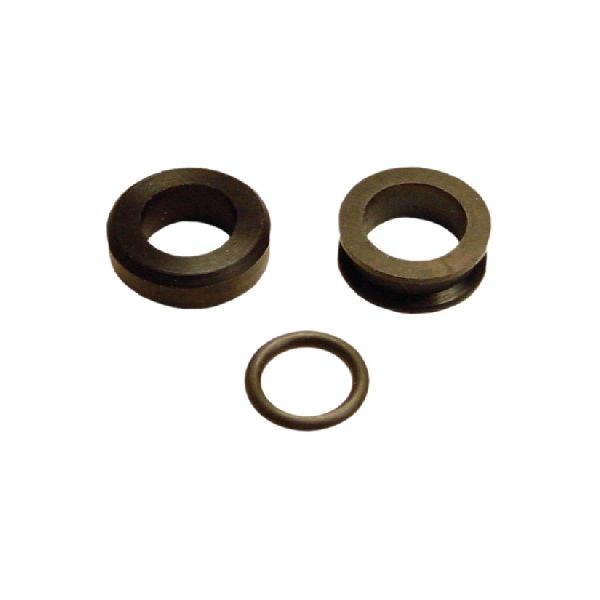
- Clogged Fuel Injectors: If one or more injectors on Bank 1 are partially clogged, they won't deliver enough fuel, leading to a lean condition on that bank. This usually happens on higher mileage vehicles and may be accompanied by a misfire code for a specific cylinder.
- Leaking Brake Booster Diaphragm: The brake booster uses engine vacuum to assist in braking. A leak in its internal diaphragm can create a significant vacuum leak, causing a P0171 code. Symptoms may include a hissing noise when the brake pedal is pressed or a change in engine idle when braking.
Diagnosis Steps
- Read all fault codes with an OBD-II scanner. Note if P0174 or P0087 are also present, as this points to a shared issue.
- Using a scan tool with live data, monitor Short-Term Fuel Trim (STFT) and Long-Term Fuel Trim (LTFT) for Bank 1. Consistently high positive LTFT values (e.g., above +15-20%) confirm the lean condition the ECM is trying to correct.
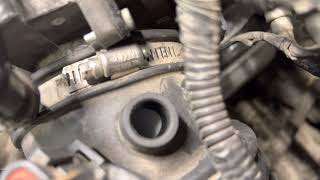
- Visually inspect the engine bay. Check the air intake hose between the air filter box and the throttle body for any cracks or tears. Check all visible vacuum lines and the PCV system for damage or disconnection.
- Remove and inspect the Mass Air Flow (MAF) sensor. If it appears dirty, clean it using only dedicated MAF sensor cleaner. Allow it to dry completely before reinstalling.
- If a vacuum leak is suspected, perform a smoke test to find the source of the unmetered air. Alternatively, carefully spray short bursts of carb cleaner around the intake manifold gaskets and vacuum line connections while the engine is idling. A noticeable change in engine RPM will pinpoint the leak.
- If vacuum leaks and the MAF sensor are ruled out, test the fuel pressure to ensure the fuel pump is operating correctly and delivering adequate pressure, especially if code P0087 is present.
- If fuel pressure is normal, test the Bank 1 Air/Fuel Ratio sensor (Sensor 1) for proper operation using the live data on a scan tool. A lazy or non-responsive sensor voltage that doesn't fluctuate rapidly should be replaced.
Parts You'll Likely Need
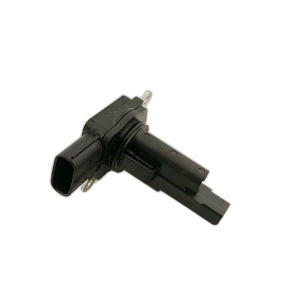
- Mass Air Flow (MAF) Sensor
(OEM #22204-31020)— Often gets dirty and causes incorrect air measurement, which is a primary cause of lean codes. Cleaning is the first step, replacement is the next.
Trusted brands: Denso (OEM)
OEM price range: $155-$210
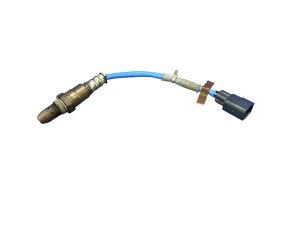
Aftermarket price range: $75-$175 - Air/Fuel Ratio Sensor (Bank 1, Sensor 1)
(OEM #89467-30030)— This upstream sensor is critical for fuel mixture control and can fail or degrade over time, sending false lean signals. Bank 1 is the firewall side. Denso is the OEM manufacturer.
Trusted brands: Denso (OEM Part No. 234-9136), NGK/NTK
OEM price range: $180-$250
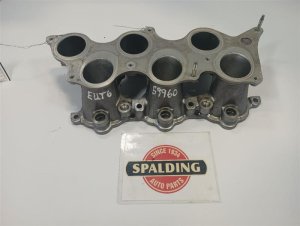
Aftermarket price range: $110-$200 - Intake Manifold Gasket — A common source of vacuum leaks that can be difficult to spot. They degrade over time from heat cycles, allowing unmetered air to enter the engine.
Trusted brands: Lexus (OEM), Fel-Pro
OEM price range: $20-$40
Aftermarket price range: $15-$30
Related Codes That Often Appear With This One
- P0174 — This is the identical 'System Too Lean' code but for Bank 2 (front/radiator side). When both P0171 and P0174 appear together, it strongly suggests a problem common to both engine banks, such as a dirty MAF sensor, a large vacuum leak at the intake manifold, or a fuel delivery issue.
- P0087 — This code means 'Fuel Rail / System Pressure – Too Low'. Its appearance with P0171 is a major clue pointing towards a fuel delivery problem, as highlighted in Lexus TSB LSB000523. [⭐ MANUFACTURER TSB — highest authority]
- P1170 — This is a manufacturer-specific code for 'Port Fuel Injector Malfunction'. In a ClubLexus forum thread, a user with a 2014 GS350 experienced this code along with P0171, accompanied by very slow acceleration and a shaking idle, pointing to a severe fuel delivery issue.
Technical Service Bulletins (TSBs) & Recalls
- LSB000523: Notes that some Lexus vehicles may exhibit a hard start and/or MIL ON with DTCs P0171, P0174, or P0087 due to fuel system issues. [⭐ MANUFACTURER TSB — highest authority]
Platform-Specific Known Issues
- A Technical Service Bulletin (TSB #LSB000523) was issued for some Lexus vehicles, including this generation, that may exhibit a hard start and/or have a P0171/P0174 code. The bulletin points towards a potential issue with low fuel pressure, which may also trigger code P0087. [⭐ MANUFACTURER TSB — highest authority]
Mechanic-Grade Diagnostic Values
- Long-Term Fuel Trim (LTFT) — expected: Close to 0%, ideally within +/- 10%.. Failure: Sustained values of +20% to +33% or higher will trigger the P0171 code.
- Mass Air Flow (MAF) Sensor Reading at Idle — expected: Approximately 2.7 g/s at normal operating temperature with no load.. Failure: Significantly lower readings cause the ECU to inject too little fuel. Significantly higher readings may indicate a vacuum leak after the sensor.
- Upstream Air/Fuel (A/F) Sensor Resistance — expected: 1.8 to 3.4 Ω at 20°C (68°F) between terminals HA1A and +B of the sensor connector.. Failure: Resistance outside this range indicates a faulty sensor heater circuit, requiring sensor replacement.
- Upstream Air/Fuel (A/F) Sensor Voltage (Live Data) — expected: Should hold steady around 3.3V under stable conditions.. Failure: Unlike a traditional O2 sensor, this A/F sensor does not fluctuate rapidly between 0V and 1V. A reading stuck high or low, or one that doesn't respond to mixture changes, indicates a problem.
- Diagnostic Test Condition — expected: Engine coolant temperature must be 75°C (167°F) or higher.. Failure: Testing on a cold engine will not provide accurate fuel trim or sensor readings, as the system will be in open loop.
Hidden / Shadow Codes Worth Checking
- Freeze Frame Data: While not a 'shadow code,' Lexus systems heavily rely on Freeze Frame Data, which is a snapshot of all critical engine parameters (RPM, coolant temp, vehicle speed, load, fuel trims) at the exact moment the P0171 code was triggered. (see via A professional scan tool like Toyota's Techstream or an advanced OBD-II scanner with live data capabilities is required to view this data. It provides crucial context for diagnosis (e.g., did the code set at idle or on the highway?).)
Scan Tool Commands That Help
- Techstream: Active Test: Control the Injection Volume for A/F Sensor — This bidirectional test is used to confirm A/F and O2 sensor function. The technician commands the ECM to increase or decrease fuel injection volume by 12.5% or 25% while watching the sensor voltage on a graph. If the sensors do not respond accordingly, it points to a faulty sensor rather than an actual lean condition.
- Techstream / Advanced OBD-II Scanner: Reset Memory / Clear DTCs — After a repair, clearing the codes and resetting the ECU's learned fuel trims is necessary. The service manual then specifies a 'Confirmation Driving Pattern' (e.g., idle for 2 mins, drive 37-84 mph for 5+ mins) to allow the ECU to relearn and confirm the fix.
Wiring & Ground Locations
- Main Engine Ground — A primary ground strap runs from the lower firewall area to the back of the engine block.. A poor engine ground can cause erratic voltage readings from critical sensors like the MAF and A/F sensors, leading the ECU to misinterpret data and set false lean codes. Ensuring this connection is clean and tight is a crucial electrical diagnostic step.
- Battery Ground — The main battery negative cable connects directly to the inner fender in the engine bay.. This is the primary chassis ground. Corrosion or a loose connection here can affect the entire vehicle's electrical system, including the ECU and its sensor inputs.
Real Owner Repair Stories
- ClubLexus user 'Kinggs350' (2013 Lexus GS350) — P0171, P0174, and P1170 codes. Car felt sluggish. Long Term Fuel Trims were at +25% on both banks.
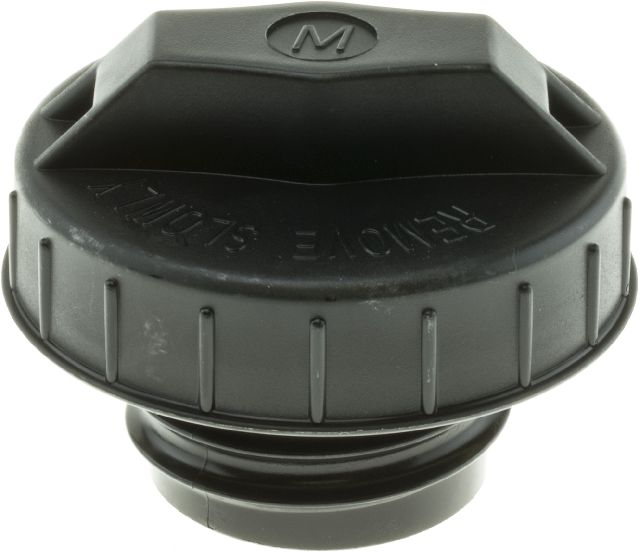
❌ Tried (didn't work) Performed a smoke test which found no vacuum leaks., Replaced gas cap with OEM part.
✅ What actually fixed it The owner had replaced the MAF sensor 9 months prior with an aftermarket part from AutoZone. Swapping this aftermarket MAF sensor with another one resolved the check engine light, indicating the aftermarket part was faulty or incompatible. - ClubLexus user 'FINALLY SOLVED!' thread (Lexus GS (older model, but highly relevant diagnosis)) — Persistent P0171 and P0174 codes for 8 months. LTFT at +25%.
❌ Tried (didn't work) Replaced numerous vacuum lines, intake gaskets, plenum gaskets, injector seals., Cleaned injectors., Replaced MAF sensor., A dealer-performed smoke test found no leaks.
✅ What actually fixed it The owner discovered a hidden vacuum leak at the shaft of the ACIS (Acoustic Control Induction System) valve on the side of the intake manifold. Physically pressing on the valve's linkage caused the engine RPM to change, revealing the leak source that a smoke test missed. - ClubLexus user 'P0171 P0174 Solved' thread (2008 IS250 (same engine family, identical PCV principle)) — P0171 and P0174 codes, rotten egg smell. LTFT at +20%.
❌ Tried (didn't work) Searched everywhere for a vacuum leak., Replaced PCV valve., Fixed exhaust leaks.
✅ What actually fixed it The car had an aftermarket cold air intake with an open breather filter on the valve cover's PCV fresh air inlet. This was allowing unmetered air to be sucked into the crankcase and then into the intake manifold. Replacing the aftermarket intake with the stock sealed air box and tube fixed the lean codes.
"I Checked Everything" — The Actual Cause
- In one detailed case, a dealership smoke test found no leaks, yet the P0171/P0174 codes persisted. The root cause was a worn shaft on the ACIS (intake runner control) valve inside the intake manifold, creating a vacuum leak that was only discoverable by physically manipulating the valve linkage while the engine was running.
- A 2013 GS350 owner performed a smoke test and found no leaks. The ultimate cause of their P0171/P0174 codes was a faulty aftermarket MAF sensor that was providing incorrect airflow data to the ECU.
When the Usual Fixes Don't Work
- Simply replacing a common part like the MAF sensor may not be a guaranteed fix. One owner replaced their MAF sensor with a new aftermarket unit, but their P0171/P0174 codes only resolved after they replaced that new aftermarket sensor with another one, suggesting the quality and compatibility of non-OEM parts can be a significant issue.
- Following standard procedures like a professional smoke test may not find the root cause. In a well-documented case, a dealer smoke test and replacement of all common gaskets and hoses failed to fix the P0171/P0174 codes. The actual problem was an obscure leak at a manifold valve shaft, found only through manual probing while the engine was running. This highlights that the issue can be beyond common vacuum leaks.
Helpful Videos
Used OEM Parts in Stock
New Aftermarket Parts Available


The information in this article is provided for general reference and educational purposes only. Vehicle specifications, procedures, and part compatibility can vary by production date, trim level, and region. Always consult your vehicle's factory service manual and verify part numbers before purchasing or performing repairs. Safety-critical components such as airbags, seat belts, and braking systems should be installed by a qualified professional.
- Lexus GS 350:
- 🎬 Helpful Videos
- 🛍️ Shop This Part
- What's Unique About the 2013-2017 Lexus GS 350
- Diagnostic Flowchart
- Symptoms You May Notice
- Most Likely Causes
- Rare But Worth Checking
- Diagnosis Steps
- Parts You'll Likely Need
- Related Codes That Often Appear With This One
- Technical Service Bulletins (TSBs) & Recalls
- Platform-Specific Known Issues
- Mechanic-Grade Diagnostic Values
- Hidden / Shadow Codes Worth Checking
- Scan Tool Commands That Help
- Wiring & Ground Locations
- Real Owner Repair Stories
- "I Checked Everything" — The Actual Cause
- When the Usual Fixes Don't Work
- 🎟️ Get 5% Off