

P0171 on 2011-2013 Lexus CT Hybrid: System Too Lean Causes and Fixes
On a 2011-2013 Lexus CT Hybrid, code P0171 is most often caused by a dirty Mass Airflow (MAF) sensor or a faulty Purge VSV valve, as noted in a Lexus TSB. Start by cleaning the MAF sensor, which is a simple and inexpensive first step. If that fails, the Purge VSV (Part No. 25860-37020) is the next most likely culprit. If fuel trims are high at all RPMs, check for low fuel pressure (~40 PSI is normal), as a weak fuel pump is another confirmed cause.
- Start with the simplest fix: spend $10 on a can of MAF sensor cleaner and clean your MAF sensor before attempting any other repairs.
- Be aware of the specific TSB (L-SB-0019-15) for this vehicle that points to a faulty Purge VSV as a likely cause.
- A vacuum leak is another highly probable cause. Inspect all intake and vacuum hoses for cracks or loose connections.
- Don't immediately replace the expensive Air/Fuel Ratio (O2) sensor, as it is often misdiagnosed as the cause of this code.
- If the Purge VSV is replaced, the TSB recommends an ECM reprogram, which must be done by a Lexus dealer or a qualified shop with the correct equipment.
What's Unique About the 2011-2013 Lexus CT HYBRID
While many vehicles get a P0171 code from common issues like vacuum leaks or dirty MAF sensors, the Lexus CT Hybrid has a specific documented issue. Lexus issued a Technical Service Bulletin (TSB L-SB-0019-15) that directly links the P0171 code to a failing Purge Vacuum Switching Valve (VSV), which can cause a vacuum line to separate from the throttle body. This makes checking the Purge VSV a higher priority on this vehicle than on others. Additionally, the 2ZR-FXE engine is known for potential carbon buildup in the EGR ports of the intake manifold, which can cause rough running and may contribute to lean conditions, as addressed in a separate TSB (SB0019-16). A weak fuel pump causing low fuel pressure has also been identified as a confirmed, though less common, cause for this code on this specific engine.
Diagnostic Flowchart
Tap your situation to follow the diagnostic path that matches what you're seeing on this vehicle.
Symptoms You May Notice
- Check Engine Light is on
- Rough or unstable idle
- Hesitation or lack of power during acceleration
- Reduced fuel economy
- Engine may be difficult to start (as noted in TSB L-SB-0019-15)
- Rotten egg smell from the exhaust, indicating an overworked catalytic converter
- Replacing the Air/Fuel Ratio (oxygen) sensor as the first step. While it can fail, the P0171 code is more often caused by issues 'upstream' of the sensor, such as a dirty MAF, a vacuum leak, or a faulty Purge VSV. The sensor is usually just doing its job of reporting the lean mixture.
Most Likely Causes
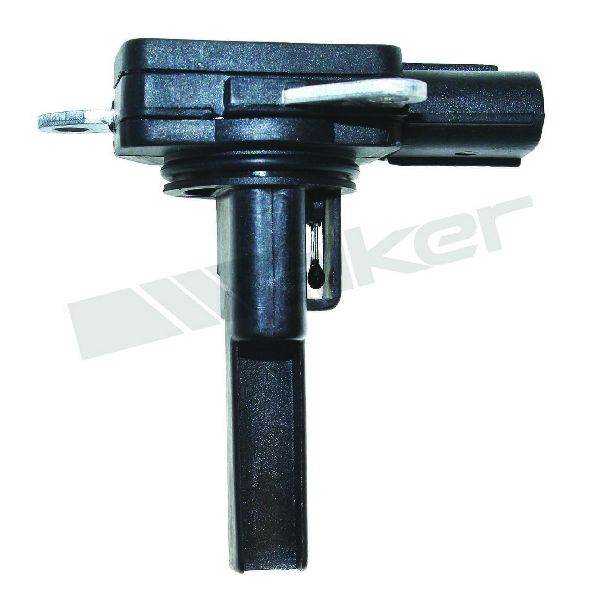
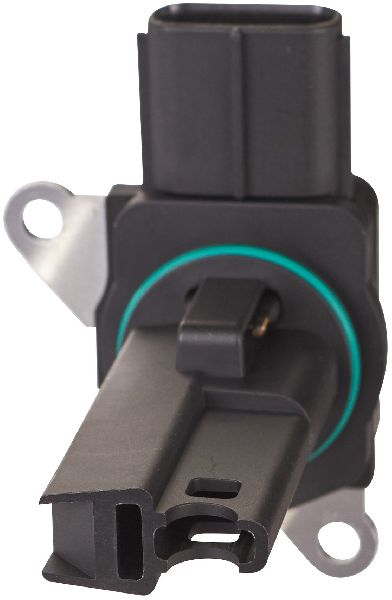
- Dirty or Faulty Mass Airflow (MAF) Sensor 🔴 High Probability MAF sensors are a very common failure point on many Toyota and Lexus vehicles, often becoming contaminated over time and giving inaccurate airflow readings, which leads the ECU to miscalculate the fuel needed.
How to confirm: Remove the sensor and inspect for dirt or debris. Cleaning it with a dedicated MAF sensor cleaner is a primary diagnostic step. With a scan tool, check the MAF reading at idle; it should be around 1.8 to 4.0 g/s. If the reading is erratic or incorrect, the sensor is likely faulty.
Typical fix: Clean the sensor with MAF sensor cleaner. If cleaning doesn't resolve the issue, the sensor must be replaced. The OEM part is made by Denso.
Est. part cost: $10-$15 for cleaner, $80-$200 for a new sensor. - Faulty Purge VSV (Vacuum Switching Valve) 🔴 High Probability Lexus issued TSB L-SB-0019-15 specifically identifying this part as a cause for P0171, often accompanied by P3190 or P3191. The failure can cause a vacuum line to detach from the throttle body.
How to confirm: Visually inspect the vacuum lines connected to the Purge VSV and throttle body to ensure they are secure. A simple test is to disconnect the electrical connector and the hose from the charcoal canister side, start the engine, and feel for vacuum at the valve's inlet port. There should be no vacuum; if there is, the valve is stuck open. The valve's coil resistance can also be tested and should be between 30-38 ohms.
Typical fix: Replace the Purge VSV assembly (OEM Part #25860-37020). The TSB also calls for reprogramming the ECM, which requires a dealer or a capable independent shop.
Est. part cost: $50-$120 for the OEM part. - Vacuum Leak 🟡 Medium Probability Vacuum leaks can occur on any vehicle as rubber hoses and gaskets age and become brittle. Common sources include the intake manifold gasket or PCV hoses. Unmetered air entering after the MAF sensor will cause a lean condition.
How to confirm: A visual inspection may reveal cracked hoses. A smoke test is the most effective method to find hard-to-see leaks in the intake system. On a scan tool, a vacuum leak is often indicated by high positive fuel trims at idle that decrease as RPMs increase.
Typical fix: Replace the leaking hose or gasket. The intake manifold gasket is a known, though less common, point of failure.
Est. part cost: $10-$150 depending on the location of the leak. - Low Fuel Pressure ⚪ Low Probability
How to confirm: Check fuel pressure using a fuel pressure gauge connected to the fuel rail. The manufacturer specification is approximately 40 PSI. A Prius owner with the same engine reported a P0171 code with a fuel pressure of only 26 psi, indicating a weak fuel pump.
Typical fix: A weak fuel pump or a clogged fuel filter is the likely cause. The fuel pump is located in the fuel tank and is often replaced as an assembly.
Est. part cost: $200-$500 for a fuel pump assembly.
Rare But Worth Checking
- Faulty Air/Fuel Ratio Sensor (Front Oxygen Sensor): While often replaced, the A/F sensor is more likely to be the cause if other, more common issues have been ruled out. It is the component that reports the lean condition, but it is not always the cause of it.
- Clogged Fuel Injectors: If one or more injectors are dirty or clogged, they won't deliver the amount of fuel the ECM commands, leading to a lean condition.
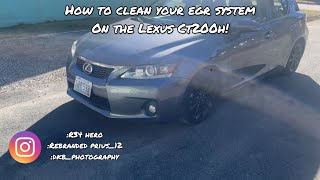
- Clogged Intake Manifold EGR Ports: Lexus issued TSB SB0019-16 for 2011-2016 CT200h models for rough running due to carbon clogging the EGR ports in the intake manifold. While this typically causes other codes, it can disrupt airflow and contribute to a lean condition. The fix is to replace the intake manifold. 🎬 See how to clean the EGR system on your CT200h
Diagnosis Steps
- Read the fault codes with an OBD-II scanner and check the freeze frame data. 🎬 Watch: How to diagnose and fix a P0171 lean code Note the Long Term Fuel Trim (LTFT) value; a number over +20% confirms a significant lean condition.
- Inspect the air intake system between the MAF sensor and the throttle body for any cracks, loose clamps, or disconnected hoses. Ensure the MAF sensor itself is securely bolted down.
- Carefully remove and clean the Mass Airflow (MAF) sensor using a dedicated MAF sensor cleaner. Do not touch the sensor wires. Let it dry completely before reinstalling.
- Using a capable scanner, monitor the short-term (STFT) and long-term (LTFT) fuel trims at idle and at 2500 RPM. If trims are high at idle (e.g., >+20%) but normalize when holding RPMs at 2500, a vacuum leak is the most likely cause.
- Perform a smoke test to definitively locate any vacuum leaks in the intake manifold, PCV system, or other vacuum hoses.
- Inspect and test the Purge VSV as described in TSB L-SB-0019-15. Check that vacuum lines are secure. Test if the valve is stuck open by checking for vacuum on the canister side with the engine running and the valve unplugged.
- If the above steps do not identify the issue and fuel trims are high at all RPMs, test the fuel pressure to check for a weak fuel pump or clogged filter. The target pressure is ~40 PSI.
Parts You'll Likely Need
- Mass Airflow (MAF) Sensor Cleaner — This is the cheapest and easiest first step, and it often resolves the problem caused by a contaminated sensor.
Trusted brands: CRC, Liqui Moly
Aftermarket price range: $10-$15 - Purge VSV (Vacuum Switching Valve)
(OEM #25860-37020)— This is a known issue for this vehicle, as documented in Lexus TSB L-SB-0019-15. This part is shared with the Toyota Prius.
Trusted brands: Toyota/Lexus Genuine, Denso
OEM price range: $70-$120
Aftermarket price range: $40-$80 - Mass Airflow (MAF) Sensor
(OEM #22204-37010)— If cleaning the MAF sensor doesn't work, it may need to be replaced. It is a very common cause for this code on Lexus/Toyota vehicles.
Trusted brands: Denso (OEM)
OEM price range: $150-$220
Aftermarket price range: $60-$120
Related Codes That Often Appear With This One
- P3190 — Poor Engine Power. This code can be set alongside P0171 due to the same root cause, as noted in TSB L-SB-0019-15.
- P3191 — Engine Does Not Start. This is a more severe symptom that can also be triggered by the faulty Purge VSV mentioned in TSB L-SB-0019-15.
- P0A0F — Engine Failed to Start. This is another primary code listed in TSB L-SB-0019-15 related to the Purge VSV failure.
Technical Service Bulletins (TSBs) & Recalls
- L-SB-0019-15: Addresses a condition where a faulty Purge VSV can cause DTC P0171, P3190, P3191, or P0A0F, requiring valve replacement and an ECM reprogram.
- SB0019-16: Addresses carbon clogging in the intake manifold EGR ports causing rough running, which may be a related factor to investigate if other symptoms are present.
Platform-Specific Known Issues
- TSB L-SB-0019-15 notes that a faulty Purge VSV (part #25860-37020) can cause P0171, sometimes accompanied by P0A0F, P3190, or P3191. The fix involves replacing the valve and reprogramming the ECM.
- TSB SB0019-16 addresses carbon buildup in the intake manifold's EGR ports for 2011-2016 models, which can cause rough running and potentially contribute to air-fuel mixture problems.
Mechanic-Grade Diagnostic Values
- Fuel Pressure — expected: ~40 PSI. Failure: Pressure drops significantly, readings of 24-26 PSI have been confirmed to cause P0171.
- Mass Airflow (MAF) Sensor Reading at Idle — expected: Approximately 1.8 - 4.0 grams/second (g/s) at normal idle.. Failure: Readings that are significantly lower, higher, or erratic after the sensor has been cleaned.
- Long Term Fuel Trim (LTFT) — expected: Close to 0%, ideally within +/- 10%.. Failure: Sustained positive values above +20%. The P0171 code may set when the combined short and long-term trims exceed +33%.
- Purge VSV Coil Resistance — expected: 30 - 38 ohms at 68°F (20°C).. Failure: An open circuit (infinite resistance) or a reading far outside this range indicates a failed coil.
Scan Tool Commands That Help
- Toyota Techstream: Active Test: 'Control the Injection Volume For A/F Sensor' — This function allows a technician to manually command the ECM to increase fuel injection by up to 25% or decrease it by 12.5%. By observing the live data from the A/F sensor (Bank 1, Sensor 1) while using this command, a technician can confirm if the sensor is responding correctly to mixture changes, helping to rule it in or out as the cause of the problem.
Wiring & Ground Locations
- Engine Block Grounds — There are several key ground wire clusters for the engine harness. One is located on the engine block near the front, and others are on the cylinder head. A key cluster bolts to the block just underneath the coolant reservoir area.. A poor ground connection for the ECM or its sensors (like the MAF or A/F sensor) can cause incorrect readings, leading to fuel trim issues and codes like P0171. Ensuring these grounds are clean and tight is a critical step in any electrical diagnosis.
Real Owner Repair Stories
- PriusChat Forum Member (Toyota Auris Hybrid with 2ZR-FXE engine (shared with CT200h), 360,000km) — P0171 code kept returning. Long Term Fuel Trim was very high, between +25% and +35%.
❌ Tried (didn't work) Cleaning the MAF sensor multiple times.
✅ What actually fixed it The user tested the fuel pressure and found it was only 26 PSI (spec is ~40 PSI). Replacing the fuel pump assembly resolved the P0171 code.
"I Checked Everything" — The Actual Cause
- In cases where a smoke test reveals no vacuum leaks, a weak fuel pump is a likely culprit. The symptoms (high positive fuel trims) can mimic a vacuum leak, but unlike a leak which is more prominent at idle, the lean condition from a weak pump will persist or worsen as RPMs and fuel demand increase. This was confirmed in a real-world repair where fuel pressure was only 26 PSI instead of the required 40 PSI.
When the Usual Fixes Don't Work
- While cleaning the MAF sensor and checking for vacuum leaks are the most common first steps, there are documented cases for this specific 2ZR-FXE engine where these actions did not solve the problem. In one such case, the root cause was a failing fuel pump that could only supply 26 PSI of pressure instead of the required ~40 PSI. This highlights the importance of not stopping diagnosis at the most common causes and proceeding to check the fuel delivery system if the initial steps do not resolve the high fuel trims.
OEM Part Supersession History
25860-37020→No supersession found.— The original part number for the Purge VSV remains the current part.22204-37010→No supersession found.— The original part number for the MAF sensor remains the current part.
Helpful Videos

Used OEM Parts in Stock
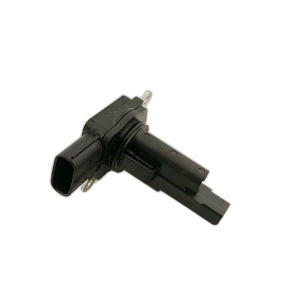
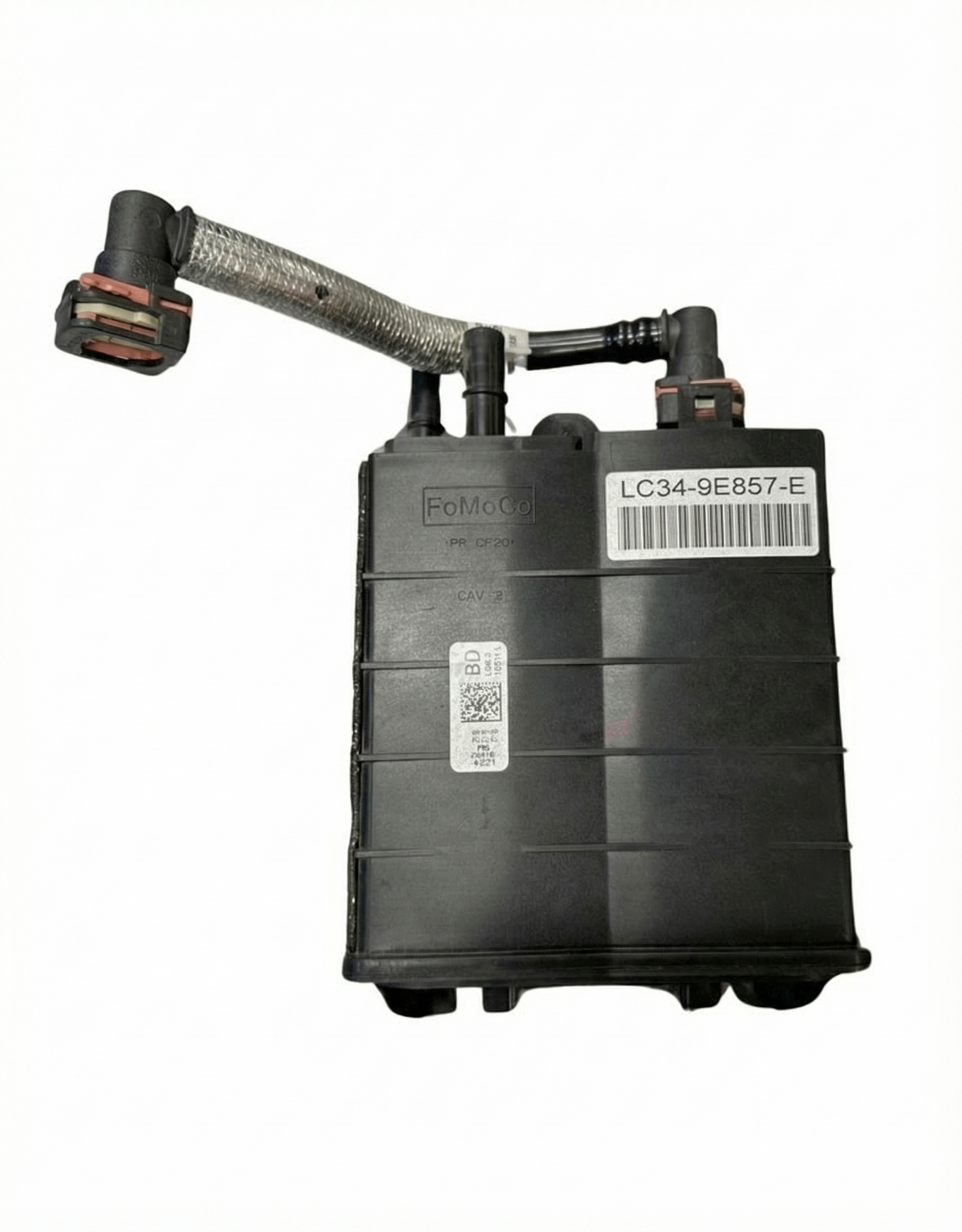
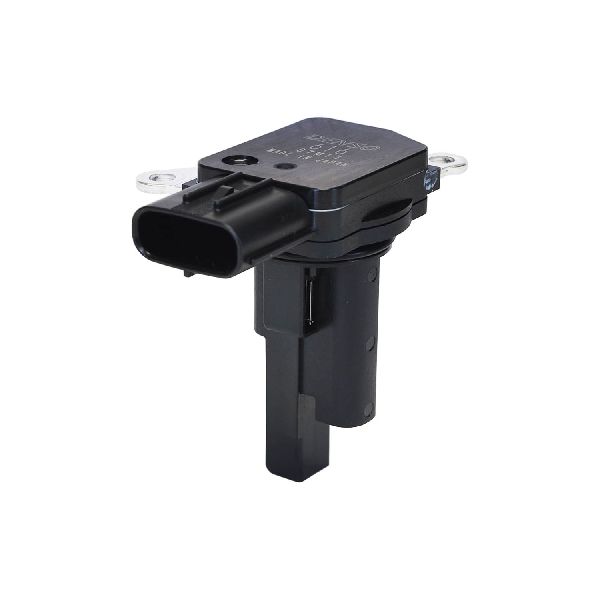
New Aftermarket Parts Available


The information in this article is provided for general reference and educational purposes only. Vehicle specifications, procedures, and part compatibility can vary by production date, trim level, and region. Always consult your vehicle's factory service manual and verify part numbers before purchasing or performing repairs. Safety-critical components such as airbags, seat belts, and braking systems should be installed by a qualified professional.
- Lexus CT HYBRID:
- 🎬 Helpful Videos
- 🛍️ Shop This Part
- What's Unique About the 2011-2013 Lexus CT HYBRID
- Diagnostic Flowchart
- Symptoms You May Notice
- Most Likely Causes
- Rare But Worth Checking
- Diagnosis Steps
- Parts You'll Likely Need
- Related Codes That Often Appear With This One
- Technical Service Bulletins (TSBs) & Recalls
- Platform-Specific Known Issues
- Mechanic-Grade Diagnostic Values
- Scan Tool Commands That Help
- Wiring & Ground Locations
- Real Owner Repair Stories
- "I Checked Everything" — The Actual Cause
- When the Usual Fixes Don't Work
- OEM Part Supersession History
- 🎟️ Get 5% Off