

P0171 on 2012-2015 Kia Sorento: System Too Lean Causes and Fixes
P0171 on a 2012-2015 Sorento most often means there's a vacuum leak from a cracked hose (like the PCV hose) or a bad intake manifold gasket. Other likely causes include a dirty mass airflow sensor or a weak fuel pump. A simple vacuum leak repair can be under $50, while a fuel pump could be over $500.
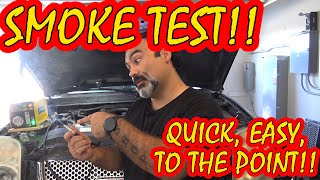
- Start by checking for vacuum leaks; this is the most common and often the cheapest fix. A smoke test is the best method.
- Don't immediately replace the oxygen sensor. It's usually just reporting a problem that started somewhere else.
- Clean the Mass Airflow (MAF) sensor before considering replacing it.
- Be aware of the official Kia TSB (#TSB-ENG160R1), which indicates a software update might be the required fix.
- If the code appears with P0087, focus your diagnosis on the fuel system (pump, filter, regulator).
What's Unique About the 2012-2015 Kia SORENTO

For this Sorento generation, a key issue to be aware of is a software problem. While the specific TSB ENG160R1 cited in pass 1 applies to the Optima, the principle of an ECU software update resolving a P0171 code is still valid and should be investigated with a dealer. Beyond that, vacuum leaks from aging plastic and rubber components are very common. A failed PCV valve or its connecting hose is a frequently cited cause for this code on Kia/Hyundai vehicles with the 2.4L GDI engine. The intake manifold gasket is also a well-documented failure point leading to vacuum leaks. The owner complaint mentioning P0171 with a fuel pressure code (P0087) also highlights the need to check the fuel delivery system.
Diagnostic Flowchart

Tap your situation to follow the diagnostic path that matches what you're seeing on this vehicle.
Symptoms You May Notice
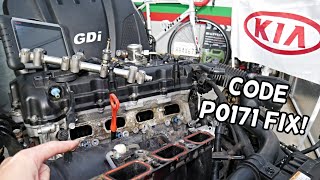
- Check Engine Light is on 🎬 Watch: Diagnosing a P0171 lean code on your Kia
- Rough or unstable idle
- Engine hesitation or stumbling during acceleration
- Reduced fuel economy
- Lack of engine power
- Hissing noise from the engine bay, indicating a vacuum leak
- Engine stalling, especially when coming to a stop
- Replacing the oxygen sensor first. The O2 sensor is often just the messenger reporting the lean condition. The root cause is usually a vacuum leak or fuel delivery issue, so thorough diagnosis before replacing parts is crucial to avoid unnecessary expense.
Most Likely Causes

- Vacuum Leak 🔴 High Probability Plastic and rubber components like vacuum hoses, PCV hoses, and intake gaskets become brittle with age and heat cycles, leading to cracks. This is a very common cause for a lean code.
How to confirm: Perform a visual inspection of all hoses connected to the intake manifold. Listen for a hissing sound with the engine running. The most accurate method is to use a smoke machine, which feeds smoke into the intake system and reveals leaks wherever smoke escapes.
Typical fix: Replace the cracked hose or leaking gasket. The intake manifold gasket and PCV hose are common culprits.
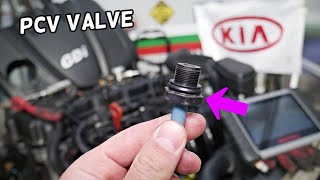
Est. part cost: $10-$100 - Faulty PCV Valve or Hose 🔴 High Probability The Positive Crankcase Ventilation (PCV) system is a frequent source of vacuum leaks. The valve can get stuck open, or the hose connecting it to the intake can crack. This is a widely reported issue for the 2.4L GDI engine in particular. 🎬 See this walkthrough for PCV valve location and replacement
How to confirm: Inspect the PCV valve and its hoses for cracks or blockages. The valve should rattle when shaken; if it doesn't, or if it's stuck, it needs replacement. A cracked hose is often visibly apparent.
Typical fix: Replace the PCV valve and any damaged hoses.
Est. part cost: $15-$40 - Dirty or Faulty Mass Airflow (MAF) Sensor 🟡 Medium Probability The MAF sensor can become contaminated with dirt, oil, and other debris over time, causing it to send inaccurate (lower than actual) airflow readings to the computer.
How to confirm: Unplug the MAF sensor; if the engine runs better, the sensor is likely faulty. A more precise test is to check the sensor's readings with a scan tool. Often, simply cleaning it with a dedicated MAF sensor cleaner can solve the problem. Do not touch the delicate sensor wires.
Typical fix: Clean the MAF sensor with a specialized cleaner. If cleaning doesn't work, replace the sensor.
Est. part cost: $50-$150 - Weak Fuel Pump or Clogged Fuel Filter ⚪ Low Probability The fuel pump can weaken with age, failing to supply adequate pressure to the fuel rail. The owner complaint ODI #11581569 shows P0171 appearing with P0087 (Fuel Rail/System Pressure - Too Low), supporting this possibility.
How to confirm: Use a fuel pressure gauge to test the fuel pressure at the fuel rail. Compare the reading to the manufacturer's specification. A scan tool may also show low fuel pressure readings if the vehicle is equipped with a sensor.
Typical fix: Replace the fuel pump module, which often includes the filter.
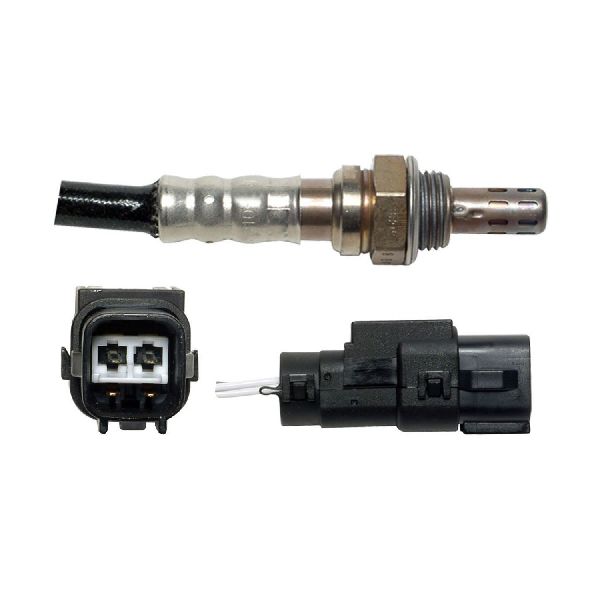
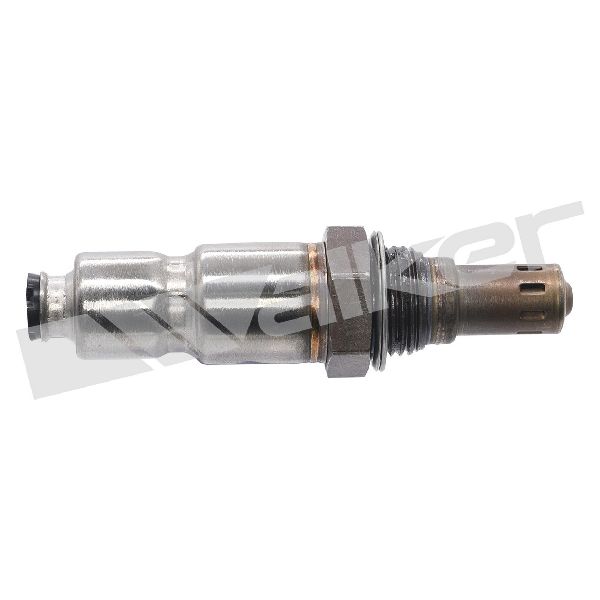
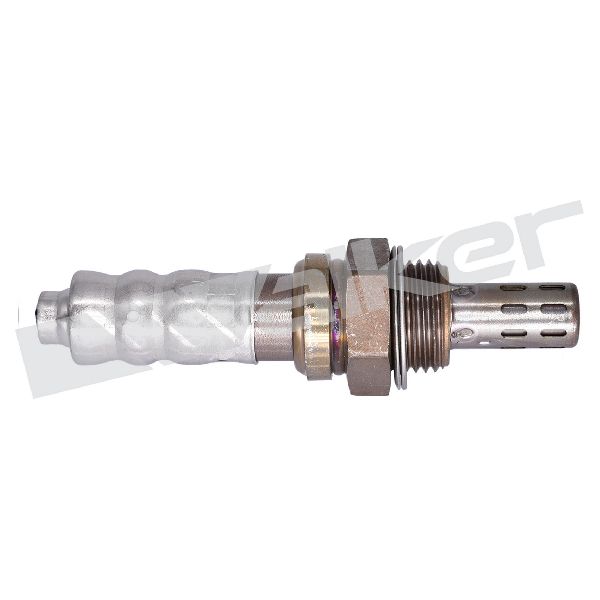
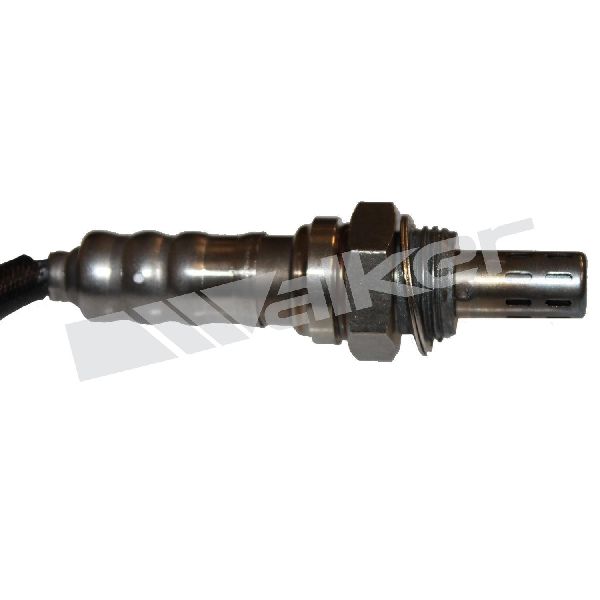
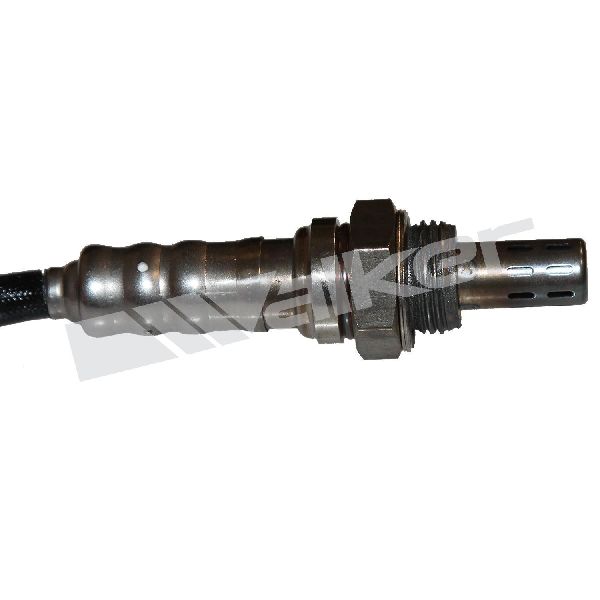
Est. part cost: $200-$400 - Faulty Upstream Oxygen Sensor ⚪ Low Probability O2 sensors have a finite lifespan and can fail, sending incorrect lean readings. However, they more often correctly report a lean condition caused by another issue, making this a part to replace only after other causes are ruled out.
How to confirm: Use a scan tool to monitor the O2 sensor's voltage (Bank 1, Sensor 1). It should fluctuate rapidly between approximately 0.1 and 0.9 volts. If it's stuck low or slow to respond, it may be faulty.
Typical fix: Replace the Bank 1 Sensor 1 (upstream) oxygen sensor.
Est. part cost: $60-$150
Rare But Worth Checking
- ECU Software Update Needed: While TSB #TSB-ENG160R1 specifically mentions the Optima, it indicates that Kia has addressed P0171 via software updates. It is worth checking with a Kia dealership's service department to see if any software updates related to fuel trim or engine management are available for your Sorento's specific VIN.
- Clogged Fuel Injectors: If one or more injectors on Bank 1 are clogged, they won't deliver enough fuel, causing a lean condition. This is less common than a vacuum leak but possible, especially on higher-mileage GDI engines.
- Exhaust Leak: A leak in the exhaust manifold or pipe before the upstream O2 sensor can draw in outside air, causing the sensor to read a false lean condition.
Diagnosis Steps
- Read the code and check freeze frame data with an OBD-II scanner to see the long-term fuel trim (LTFT) value. A high positive value (e.g., >15%) confirms the lean condition.
- Perform a thorough visual inspection of the engine bay. Look for any obviously cracked, disconnected, or broken vacuum hoses, especially the PCV hose and any lines connected to the intake air boot and manifold.
- With the engine running, listen for a hissing sound, which indicates a vacuum leak.
- For a definitive vacuum leak test, use a smoke machine to pressurize the intake system with smoke and see where it escapes. This is the most reliable method.
- If no vacuum leaks are found, inspect and clean the Mass Airflow (MAF) sensor using dedicated MAF cleaner. Allow it to dry completely before reinstalling.
- Test the fuel pressure using a fuel pressure gauge to ensure the fuel pump and filter are working correctly. Compare the reading to the manufacturer's specification.
- If other causes are ruled out, use a scan tool to graph the upstream oxygen sensor's voltage (B1S1) to check for proper, rapid fluctuation.
- Check with a Kia dealership if any ECU software updates (Service Actions or TSBs) apply to your vehicle's VIN to address fuel trim logic.
Parts You'll Likely Need

- PCV Valve
(OEM #26740-2G600 (for 2.4L engine) or 26740-2G000 (check fitment))— A cheap and easy-to-replace part that frequently causes vacuum leaks when it fails or its hose cracks.
Trusted brands: Genuine Kia, Standard Motor Products, WVE
OEM price range: $20-$35
Aftermarket price range: $10-$20 - Intake Manifold Gasket
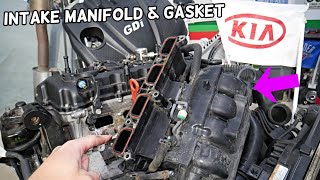
(OEM #28313-2G700 (for 2.4L engine) or 28215-3CFA0 / 29215-3CFA1 (for 3.3L V6, lower/upper))— A very common source of vacuum leaks on higher-mileage vehicles, leading directly to P0171/P0174 codes. 🎬 Watch: How to remove and replace the intake manifold gasket
Trusted brands: Fel-Pro, Mahle, Beck/Arnley
OEM price range: $40-$70
Aftermarket price range: $20-$40 - Mass Airflow (MAF) Sensor Cleaner — Often, the MAF sensor is just dirty, not broken. A specific cleaner is required to safely remove contaminants without damaging the sensor.
Trusted brands: CRC Mass Air Flow Sensor Cleaner, WD-40 Specialist MAF Sensor Cleaner
OEM price range: N/A
Aftermarket price range: $10-$15 - Upstream Oxygen Sensor (Bank 1 Sensor 1) — Replaced when the sensor itself is confirmed to be faulty after other causes are ruled out. It is more often the messenger than the cause.
Trusted brands: Denso, NGK/NTK, Bosch
OEM price range: $80-$160
Aftermarket price range: $60-$120
Related Codes That Often Appear With This One
- P0174 — On V6 engines, if you have a vacuum leak or fuel delivery issue affecting the whole engine, you will often get P0174 (System Too Lean Bank 2) along with P0171.
- P0087 — Indicates 'Fuel Rail/System Pressure - Too Low', pointing directly to a fuel delivery problem like a weak pump or clogged filter as the cause for the lean condition.
- P0138 — Indicates 'O2 Sensor Circuit High Voltage (Bank 1 Sensor 2)', suggesting a potential related issue with the downstream oxygen sensor or its wiring, as seen in NHTSA complaint #11581569.
- P0300 — Indicates a random or multiple cylinder misfire. A lean air/fuel mixture can prevent proper combustion, leading to misfires.
Technical Service Bulletins (TSBs) & Recalls
- Bulletin #TSB-ENG160R1: Addresses an ECU software upgrade for the check engine light on with DTC P0171.
Platform-Specific Known Issues
- A software update may be required. TSB #TSB-ENG160R1 was issued for some 2012-2015 Optima models to correct a P0171 code via an ECU software upgrade; while not directly for the Sorento, it shows a precedent for this type of fix from Kia.
- The PCV valve and hose are particularly common failure points on the 2.4L GDI engine, creating a significant vacuum leak that triggers P0171.
- On the 3.3L V6, a failed intake manifold gasket can cause both a vacuum leak (P0171/P0174) and a coolant leak, which can lead to overheating if not addressed.
Mechanic-Grade Diagnostic Values
- Long Term Fuel Trim (LTFT) — expected: Close to 0%, typically within +/- 10%. Failure: A sustained value greater than +15% to +18.8% will typically trigger the P0171 code.
- Upstream Oxygen Sensor (B1S1) Voltage — expected: Rapidly fluctuating between 0.1V and 0.9V on a warmed-up engine at idle.. Failure: Signal is stuck low (e.g., < 0.2V), indicating a lean reading. A slow or non-responsive sensor may also be faulty.
- Mass Airflow (MAF) Sensor Reading at Idle — expected: For the 2.4L engine, a typical reading is 2.5-4.0 grams/second (g/s) at a stable, warm idle. The 3.3L V6 will be slightly higher, around 3.5-5.5 g/s.. Failure: A reading significantly lower than expected for the engine size suggests the sensor is under-reporting airflow, which can cause a lean code.
Wiring & Ground Locations
- Engine and Power/Ground Diagrams — Vehicle-specific wiring diagrams provide exact locations for grounds and connectors.. A poor ground for the ECM or a critical sensor (like the O2 or MAF sensor) can cause incorrect readings, leading to a P0171 code. Official diagrams for the 2014 Sorento, for example, include a 'Ground Distribution' section which is critical for diagnosing electrical causes of a lean code.
Real Owner Repair Stories
- 2CarPros Forum User (Kia Sorento (year not specified, but behavior is relevant)) — Long cranking time before starting, P0171 code present.
❌ Tried (didn't work) Visual inspection for vacuum leaks (none found)., Cleaning multiple sensors.
✅ What actually fixed it The user tested fuel pressure and found it was low. Replacing the weak fuel pump resolved the long crank and the P0171 code.
OEM Part Supersession History
Varies by Engine/Year→Varies by Engine/Year— PCV Valve design and fitment
Heads up: The PCV valve is engine-specific. The 2.4L 'Theta II' engine may use PNs like 26740-2G000 or 26740-2G600, while the 3.3L 'Lambda' V6 introduced in 2014 uses a different part, such as 26740-3C500. Always verify the part number with the vehicle's VIN, as using the wrong valve can lead to improper crankcase ventilation and vacuum issues.
Model Year Variations Within This Range
- 2014-2015: The 2014 model year featured a major platform and powertrain update. The previous 3.5L V6 was replaced by a new 3.3L GDI V6, and the 2.4L GDI engine became standard. These engines have different intake manifolds, fuel delivery systems (GDI high-pressure pump), and sensor part numbers compared to the 2012-2013 models. Diagnostics for P0171 on a 2014+ V6 must account for the GDI fuel system.
Helpful Videos
Used OEM Parts in Stock



New Aftermarket Parts Available


The information in this article is provided for general reference and educational purposes only. Vehicle specifications, procedures, and part compatibility can vary by production date, trim level, and region. Always consult your vehicle's factory service manual and verify part numbers before purchasing or performing repairs. Safety-critical components such as airbags, seat belts, and braking systems should be installed by a qualified professional.
- Kia SORENTO:
- 🎬 Helpful Videos
- 🛍️ Shop This Part
- What's Unique About the 2012-2015 Kia SORENTO
- Diagnostic Flowchart
- Symptoms You May Notice
- Most Likely Causes
- Rare But Worth Checking
- Diagnosis Steps
- Parts You'll Likely Need
- Related Codes That Often Appear With This One
- Technical Service Bulletins (TSBs) & Recalls
- Platform-Specific Known Issues
- Mechanic-Grade Diagnostic Values
- Wiring & Ground Locations
- Real Owner Repair Stories
- OEM Part Supersession History
- Model Year Variations Within This Range
- 🎟️ Get 5% Off