

P0171 on 2017-2019 Infiniti Q60: Lean Code Causes and Fixes
Code P0171 on a 2017-2019 Infiniti Q60 most often points to an unmetered air leak from a cracked intake hose/charge pipe or a dirty Mass Airflow (MAF) sensor. For the 3.0L V6, torn lower intercooler charge pipes are a known failure point. Before replacing any parts, inspect all air intake tubing between the air filter and the engine for tears and try cleaning the MAF sensor(s).
- P0171 means your engine is getting too much air or not enough fuel on Bank 1.
- The most likely cause on a Q60 is a torn air intake hose or a dirty MAF sensor.
- Do NOT replace the oxygen (A/F) sensor immediately. Infiniti issued a TSB (ITB19-007) with a special test to run first, as the sensor is often not the problem.
- A DIY fix is possible, starting with a visual inspection of the intake system and cleaning the MAF sensor(s) with a dedicated cleaner.
What's Unique About the 2017-2019 Infiniti Q60
For the 2017-2019 Q60, Infiniti issued a specific Technical Service Bulletin (TSB ITB19-007) because technicians were likely replacing Air/Fuel (A/F) sensors unnecessarily. The bulletin provides a revised, multi-step diagnostic procedure to confirm if the A/F sensor is truly at fault or if the lean condition is caused by something else, like a vacuum leak or MAF issue. This makes it critical to follow the specific diagnostic steps rather than immediately assuming a bad sensor. The 3.0t V6 engine also features two of everything that can cause this code (intakes, MAF sensors, turbos, A/F sensors), which can complicate diagnosis compared to a single-intake engine.
Diagnostic Flowchart
Tap your situation to follow the diagnostic path that matches what you're seeing on this vehicle.
Symptoms You May Notice
- Check Engine Light is on
- Engine hesitation or stumbling during acceleration
- Rough idle, which may feel like the engine wants to stall
- Reduced engine power and poor acceleration
- Possible engine misfires (may be accompanied by code P0300)
- Hissing sound from the engine bay, indicating a vacuum leak
- Replacing the Air/Fuel (Oxygen) Sensor without proper diagnosis. The TSB ITB19-007 specifically warns against this, indicating that other issues like vacuum leaks are often the true cause.
Most Likely Causes
- Vacuum Leak (Unmetered Air) 🔴 High Probability The air intake system on the turbocharged VR30DDTT engine has numerous connections. The flexible rubber/silicone charge pipes (intake boots), especially the lower ones connecting to the intercoolers, are known to tear under pressure and heat cycling. 🎬 Watch: How to identify and fix boost leaks on your VR30 engine. Aftermarket intakes with improper MAF sensor housing placement can also cause this code. A cracked PCV hose is another common, though less obvious, source of vacuum leaks.
How to confirm: Visually inspect all intake hoses, especially the flexible sections and clamps, for cracks, tears, or looseness. Listen for a hissing sound around the engine bay at idle. A smoke test is the most effective way to pinpoint the source of a leak, particularly for hard-to-see hoses like the lower charge pipes or PCV lines.
Typical fix: Replace the cracked or torn hose/gasket. Upgraded silicone charge pipes are available from aftermarket suppliers.
Est. part cost: $50-$250 - Dirty or Faulty Mass Airflow (MAF) Sensor 🟡 Medium Probability The MAF sensor measures the air entering the engine. If it's dirty (often from oiled aftermarket air filters), it will under-report the amount of air, causing the ECM to inject too little fuel. The 3.0t V6 engine has two MAF sensors, one for each bank, doubling the potential for this issue. If only P0171 is present, the Bank 1 (passenger side) MAF could be the culprit.
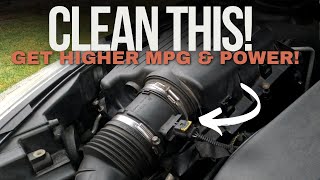
How to confirm: Unplug the MAF sensor with the engine off, then start the engine. If drivability improves, the sensor is likely faulty. A more precise method is to monitor MAF readings with a scan tool or swap the Bank 1 and Bank 2 sensors to see if the code changes to P0174. Often, simply cleaning the sensor is enough. 🎬 See this detailed walkthrough on how to safely clean your MAF sensor.
Typical fix: Clean the MAF sensor with a dedicated MAF sensor cleaner. If cleaning doesn't work, replace the sensor.
Est. part cost: $15-$25 (cleaner), $150-$400 (replacement sensor) - Faulty Front Oxygen (Air/Fuel Ratio) Sensor ⚪ Low Probability While A/F sensors can fail, Infiniti TSB ITB19-007 suggests they are often misdiagnosed. A lazy or failing sensor can send incorrect lean readings to the ECM. Using non-OEM sensors can also cause issues; owners report problems with cheaper aftermarket brands.
How to confirm: Follow the specific diagnostic procedure outlined in TSB ITB19-007. This involves clearing self-learning values and running the engine through a specific drive cycle to see if a secondary code (like P2096) appears, which would confirm a bad A/F sensor. If no other code appears, the sensor is likely not the cause.
Typical fix: Replace the Bank 1 Air/Fuel Ratio sensor (upstream sensor).
Est. part cost: $125-$250 - Low Fuel Pressure ⚪ Low Probability A weak fuel pump or a clogged fuel filter can prevent enough fuel from reaching the engine, causing a lean mixture. While less common than air leaks, some owners have traced persistent lean codes to a failing fuel pump.
How to confirm: Connect a fuel pressure gauge to the fuel system and verify the pressure is within the manufacturer's specifications under various load conditions. The VR30DDTT has both a low-pressure and high-pressure fuel system, which may require specialized tools to diagnose fully.
Typical fix: Replace the failing fuel pump or clogged fuel filter.
Est. part cost: $200-$700 (fuel pump assembly)
Rare But Worth Checking
- Exhaust Leak: An exhaust leak before the upstream A/F sensor (e.g., a cracked turbo outlet or bad gasket) can draw in outside air, tricking the sensor into thinking the engine is running lean.
- Clogged Fuel Injectors: A partially clogged fuel injector on one of the Bank 1 cylinders can cause a localized lean condition that contributes to the overall Bank 1 fuel trim. This is less likely to be the primary cause unless accompanied by misfire codes for a specific cylinder.
- Stuck Open PCV Valve: The Positive Crankcase Ventilation (PCV) valve can get stuck open, creating a constant vacuum leak. This is a known issue on many Nissan/Infiniti platforms. It should be inspected during a smoke test.
Diagnosis Steps
- Read Codes & Check Fuel Trims: Use an OBD-II scanner to confirm P0171 and check for other codes. Observe Long Term Fuel Trim (LTFT) for Bank 1. A value consistently above +15% confirms a significant lean condition. 🎬 Watch: A mechanic explains how to understand lean air-fuel mixture codes.
- Inspect for Vacuum Leaks: Visually inspect the entire air intake path from the air filters to the throttle bodies. Pay close attention to the flexible rubber/silicone charge pipes for cracks or loose clamps, especially the lower pipes near the intercoolers. Listen for any audible hissing noises at idle.
- Clean the MAF Sensor(s): For the 3.0t, locate the two MAF sensors after the air filter boxes. Carefully remove and spray the delicate internal wires with a dedicated MAF sensor cleaner. Do not touch the wires. Allow them to dry completely before reinstalling.
- Perform TSB ITB19-007 Diagnostic: If the issue persists, follow the specific procedure from the TSB. This involves using a capable scan tool (like Infiniti CONSULT) to clear 'mixture ratio self-learning value', then running the engine at 3,500-4,000 RPM for 1 minute, idling for 1 minute, and then holding 2,500-3,000 RPM for 20 minutes. Check if a secondary code like P2096 is triggered, which points to a faulty A/F sensor.
- Perform a Smoke Test: If a vacuum leak is suspected but cannot be found visually, a smoke test is the most definitive way to find the source. Introduce smoke into the intake system post-MAF sensor and look for smoke escaping from hoses, gaskets, or the PCV system.
- Check Fuel Pressure: If no air leaks are found and sensors seem okay, test the fuel pressure to rule out a weak fuel pump or clogged filter. This may require specialized equipment for the high-pressure side of the direct-injection system.
- Test A/F Sensor: If the TSB procedure points to a faulty sensor, or if live data on a scan tool shows the sensor is unresponsive, replace the Bank 1 upstream Air/Fuel Ratio sensor.
Parts You'll Likely Need
- Air Intake Hose / Charge Pipe — These rubber/silicone components are a primary source of unmetered air leaks when they crack or tear, a common issue on the VR30DDTT engine.
Trusted brands: Infiniti (OEM), Z1 Motorsports, AMS Performance
OEM price range: $70-$150
Aftermarket price range: $50-$200 - Mass Airflow (MAF) Sensor
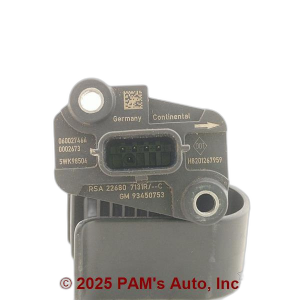
(OEM #22680-7131R (for 3.0t VR30DDTT))— A dirty or failed MAF sensor is a common cause of lean codes. Cleaning is often sufficient, but replacement may be necessary. The 3.0t uses two of these.
Trusted brands: Hitachi (OEM Supplier), Infiniti (OEM)
OEM price range: $235-$370
Aftermarket price range: $80-$200 - Air/Fuel Ratio Sensor (Bank 1, Sensor 1)
(OEM #22693-5CA0A)— This upstream sensor provides the primary reading for the air-fuel mixture. It is often replaced unnecessarily, but can fail. TSB ITB19-007 provides a specific test to confirm its failure.
Trusted brands: Denso (OEM Supplier), Infiniti (OEM)
OEM price range: $125-$180
Aftermarket price range: $70-$150
Related Codes That Often Appear With This One
- P0174 — This is the identical 'System Too Lean' code but for Bank 2 (driver's side). If both P0171 and P0174 are present, it strongly suggests a problem affecting the entire engine, such as a major vacuum leak common to both banks (like a PCV hose), dirty MAF sensors, or low fuel pressure.
- P0300 — This code indicates random or multiple cylinder misfires. A severe lean condition can prevent proper combustion, leading to misfires. If you have P0171 and P0300, addressing the lean condition will likely resolve the misfire.
Technical Service Bulletins (TSBs) & Recalls
- ITB19-007: 'INFINITI; P0171 AND P0174 SERVICE INFORMATION' - Details a revised diagnostic procedure to avoid unnecessary replacement of A/F sensors. It requires a specific engine run cycle to confirm sensor failure.
Platform-Specific Known Issues
- Infiniti Technical Service Bulletin ITB19-007 was issued to address misdiagnosis of P0171/P0174. It provides a specific diagnostic flowchart to determine if the Air/Fuel sensor is truly the cause or if other issues are present. The procedure advises against immediate replacement of the A/F sensor.
- Owners on forums frequently report that aftermarket 'cold air' intakes are a primary cause of P0171/P0174 codes, especially if the MAF sensor housing diameter or placement is incorrect, leading to skewed readings.
- For the 3.0t V6, torn lower charge pipes (the hoses connecting the intercoolers to the throttle bodies) are a very common failure point leading to these codes. Due to their location, they are difficult to inspect without raising the vehicle.
Mechanic-Grade Diagnostic Values
- Long Term Fuel Trim (LTFT) at Idle — expected: Close to 0% (+/- 5%). Failure: Consistently above +15% indicates a significant lean condition. The P0171 code is typically set when LTFT exceeds +25%.
- Fuel Trim Response to RPM Increase — expected: If a vacuum leak is present, fuel trim values (LTFT + STFT) will be high at idle and decrease significantly as RPMs are raised to 1,500-2,500 RPM.. Failure: If fuel trims remain high across the RPM range, the issue is more likely related to fuel delivery or a faulty MAF sensor.
- Low-Pressure Fuel System Pressure — expected: Approximately 55+ PSI (Note: This value is from a related QX60 platform and should be used as a general guide).. Failure: Pressure significantly below the specification indicates a weak low-pressure fuel pump or clogged filter.
Hidden / Shadow Codes Worth Checking
- P2096, P2097, P2098, or P2099: These codes for 'Post Catalyst Fuel Trim System Too Lean' are not typically present with P0171/P0174 initially. Their appearance is used as a specific diagnostic indicator. (see via These codes may appear as a '1st trip DTC' only after performing the specific diagnostic drive cycle outlined in Infiniti TSB ITB19-007. Their presence after this test confirms the Air/Fuel sensor is the root cause.)
Scan Tool Commands That Help
- Infiniti CONSULT-III plus: WORK SUPPORT > SELF-LEARNING CONT > CLEAR — This command must be used to clear the 'mixture ratio self-learning value' before starting the diagnostic procedure outlined in TSB ITB19-007. Failing to clear these learned values will invalidate the test meant to isolate a faulty A/F sensor.
Real Owner Repair Stories
- Reddit user 'Specific-Tower8990' (2017 Infiniti QX60 (related platform with 3.5L V6)) — P0171, P0174, and P0300 (misfire) after replacing spark plugs and coils.
❌ Tried (didn't work) Professional smoke test (passed, no leaks found), Cleaning the MAF sensor, Replacing the MAF sensor
✅ What actually fixed it A combination of issues: Replaced a leaking EVAP Purge Valve and discovered that dirt left in the spark plug holes prevented the new plugs from seating properly, creating a leak. - YouTube user 'Garage Topics' (Nissan Frontier with related VQ-series engine) — P0171 and P0174 codes.
❌ Tried (didn't work) Initial checks of the main intake boot and MAF sensor.
✅ What actually fixed it The vehicle had an aftermarket oil catch can installed. A hose connected to the PCV system for the catch can had cracked, causing a large vacuum leak. Replacing the cracked hose resolved the codes.
"I Checked Everything" — The Actual Cause
- In a documented case on a 2017 QX60, the vehicle passed a professional smoke test, but the P0171/P0174 codes persisted. The root cause was found to be a faulty EVAP Purge Valve that was stuck partially open. This type of leak may not be found by a standard intake smoke test unless the EVAP system is specifically isolated and tested.
Model Year Variations Within This Range
- 2017-2019: The 3.0t VR30DDTT engine was available in a 300hp and a 400hp (Red Sport) version. The primary mechanical difference is that the 400hp version includes optical turbo speed sensors, allowing its turbos to spin faster (up to 240,000 rpm). This difference does not inherently change the diagnosis for P0171 but is a key variation between the powertrains.
Helpful Videos

![How to Fix P0171 Engine Code in 5 Minutes [7 DIY Methods]](https://img.youtube.com/vi/g_qItasY91I/mqdefault.jpg)
Used OEM Parts in Stock
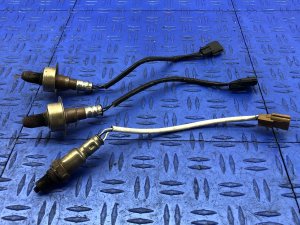
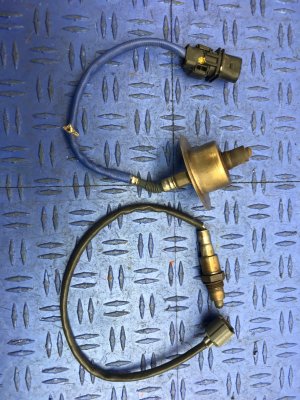
New Aftermarket Parts Available

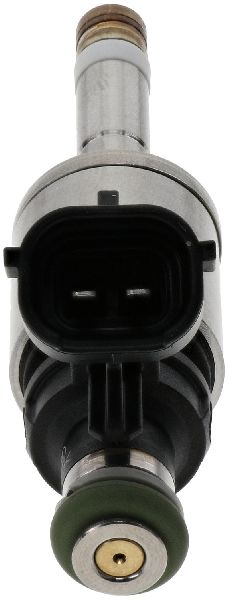
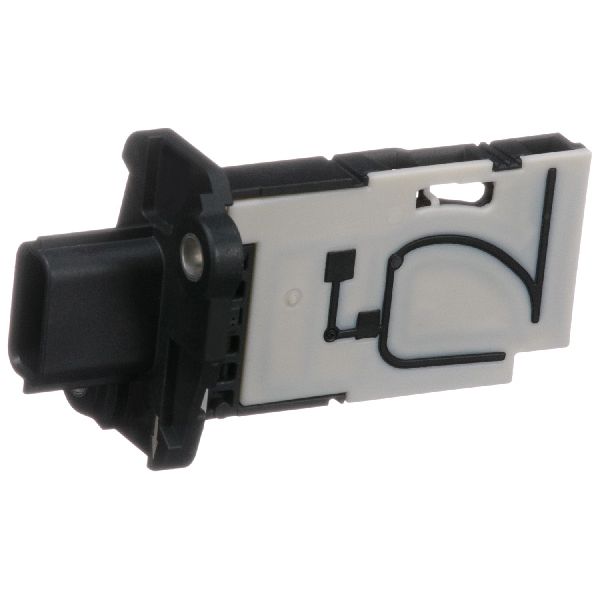

The information in this article is provided for general reference and educational purposes only. Vehicle specifications, procedures, and part compatibility can vary by production date, trim level, and region. Always consult your vehicle's factory service manual and verify part numbers before purchasing or performing repairs. Safety-critical components such as airbags, seat belts, and braking systems should be installed by a qualified professional.
- Infiniti Q60:
- 🎬 Helpful Videos
- 🛍️ Shop This Part
- What's Unique About the 2017-2019 Infiniti Q60
- Diagnostic Flowchart
- Symptoms You May Notice
- Most Likely Causes
- Rare But Worth Checking
- Diagnosis Steps
- Parts You'll Likely Need
- Related Codes That Often Appear With This One
- Technical Service Bulletins (TSBs) & Recalls
- Platform-Specific Known Issues
- Mechanic-Grade Diagnostic Values
- Hidden / Shadow Codes Worth Checking
- Scan Tool Commands That Help
- Real Owner Repair Stories
- "I Checked Everything" — The Actual Cause
- Model Year Variations Within This Range
- 🎟️ Get 5% Off