

P0171 on 2007-2010 GMC Sierra 2500: System Too Lean Causes and Fixes
On a 2007-2010 GMC Sierra 2500 with a 6.0L V8, code P0171 is most often caused by a vacuum leak. A GM Technical Service Bulletin (TSB #PIP5341) points directly to a cracked PCV tube on the driver's side of the engine. Other highly common causes are failed intake manifold gaskets or a dirty Mass Airflow (MAF) sensor.
- P0171 on your Sierra 2500 almost always points to a vacuum leak (unmetered air entering the engine).
- Start your diagnosis by inspecting the PCV tube on the driver's side of the engine for cracks, as this is a known issue documented by GM.
- The second most likely cause is a failed intake manifold gasket; a smoke test is the best way to confirm this.
- Before replacing any parts, try cleaning the Mass Airflow (MAF) sensor with a dedicated cleaner.
- Do not replace the oxygen (O2) sensor unless you have definitively ruled out all other possible causes.
What's Unique About the 2007-2010 Gmc SIERRA 2500

For this generation of GMC trucks (GMT900), the V8 engines are well-known for developing vacuum leaks as they age. GM issued a specific bulletin (PIP5341) identifying a common failure point in the PCV tube that causes this exact code. Additionally, the original plastic-carrier intake manifold gaskets on these Vortec engines are a frequent source of vacuum leaks, often causing both P0171 and P0174 codes to appear together as the gasket material degrades. A less common but critical issue for flex-fuel models is a faulty fuel composition sensor, which can incorrectly report high ethanol content, causing the ECM to command a lean fuel mixture when running on gasoline.
Diagnostic Flowchart
Tap your situation to follow the diagnostic path that matches what you're seeing on this vehicle.
Generation note: The 2007 model year was a transition period. GMC sold both the older 'Classic' body style (GMT800 platform) and the new body style (GMT900 platform). This guide applies primarily to the GMT900 trucks from 2007-2010, but the common causes, especially for the 6.0L V8, are very similar for the 2007 'Classic' as well.
Symptoms You May Notice
- Check Engine Light is on
- Rough idle, especially when cold, which may smooth out as the engine warms and parts expand.
- Engine hesitation or stumbling during acceleration
- Reduced engine power
- Poor fuel mileage
- Engine misfires (may trigger a P0300 code)
- A hissing or whistling sound from the engine bay at idle, indicating a vacuum leak.
- Stalling when coming to a stop.
- Replacing the Bank 1 oxygen sensor without first checking for vacuum leaks. A vacuum leak is the most common cause, and a new O2 sensor will not fix it.
- Replacing the fuel pump without confirming low fuel pressure with a gauge. Vacuum leaks and MAF issues are far more common and cheaper to fix.
Most Likely Causes

- Cracked Positive Crankcase Ventilation (PCV) Tube 🔴 High Probability A known failure point documented by GM in TSB #PIP5341. The plastic and rubber components, particularly the hose on the driver's side valve cover that connects to the intake manifold, become brittle from heat cycles and age, leading to cracks.
How to confirm: Visually inspect the PCV tube that runs on the left (driver's) side of the engine for cracks, breaks, or loose connections, especially at the ends. A smoke test is the most effective method and will quickly reveal a leak in this area. Sometimes the crack is on the underside and hard to see.
Typical fix: Replace the cracked PCV tube assembly. This is a simple repair that often requires no tools.
Est. part cost: $25-$60 - Leaking Intake Manifold Gaskets 🔴 High Probability The original intake manifold gaskets on these Vortec engines use a plastic frame that is prone to deteriorating and failing, causing a vacuum leak. This is a very common repair on this platform, especially as they accumulate mileage.
How to confirm: With the engine running, spray short bursts of brake cleaner or starting fluid around the area where the intake manifold meets the cylinder heads. If the engine RPM changes or stumbles, a leak is present. A smoke test is a more definitive and safer method. A classic symptom is a lean condition when cold that improves as the engine warms up and the metal expands, partially sealing the leak.
Typical fix: Replace the intake manifold gaskets with an updated design, such as the Fel-Pro MS98016T, which uses a metal-reinforced carrier instead of plastic. It is highly recommended to replace the knock sensors and their wiring harness at the same time, as they are located under the intake manifold and require significant labor to access otherwise.
Est. part cost: $40-$100 - Dirty or Faulty Mass Airflow (MAF) Sensor 🟡 Medium Probability The sensor's delicate wires can become contaminated with dirt, debris, and oil over time, especially if using an oiled aftermarket air filter. This causes it to inaccurately measure the air entering the engine, leading the computer to calculate the wrong amount of fuel.
How to confirm: Remove the sensor and inspect the small wires inside. If they appear dirty, cleaning them is a good first step. A scan tool can monitor MAF readings; a rule of thumb is that the g/s reading at idle should be close to the engine's displacement in liters (e.g., ~6.0 g/s for a 6.0L engine). A faulty MAF can sometimes cause a P0101 code to appear alongside P0171/P0174.
Typical fix: First, try cleaning the sensor with a dedicated MAF sensor cleaner spray (do NOT use brake or carb cleaner). Allow it to dry completely before reinstalling. If cleaning doesn't resolve the issue, the sensor must be replaced.
Est. part cost: $15 (cleaner) or $70-$180 (new sensor) - Weak Fuel Pump or Clogged Fuel Filter ⚪ Low Probability The fuel pump can weaken with age, reducing its ability to supply adequate fuel pressure to the engine. While less common than vacuum leaks, it's a possibility on higher mileage trucks.
How to confirm: Connect a fuel pressure gauge to the fuel rail's test port. Check that the pressure is within the manufacturer's specified range (typically 55-62 PSI for these trucks) at idle and under load. If pressure holds with the key on but drops quickly after turning the key off, it could indicate a bad check valve in the pump assembly.
Typical fix: Replace the fuel pump module, which is located inside the fuel tank. This often involves dropping the fuel tank or lifting the truck bed for access.
Est. part cost: $200-$400
Rare But Worth Checking
- Exhaust leak before the oxygen sensor: A crack in the exhaust manifold or a leaking flange gasket can allow outside air to be drawn into the exhaust stream. This extra oxygen will be detected by the upstream O2 sensor, causing it to incorrectly report a lean condition, fooling the ECM.
- Failing Upstream Oxygen Sensor: While possible, the O2 sensor is more often correctly reporting a problem than being the problem itself. It can become 'lazy' or biased with age, but it should only be replaced after all potential causes like vacuum leaks and fuel delivery issues have been thoroughly ruled out.
- Leaking Brake Booster or Hose: The brake booster is powered by engine vacuum. A leak in the booster's internal diaphragm or the vacuum hose leading to it can create a significant, unmetered air leak. A hissing sound when the brake pedal is pressed is a key symptom. You can test for this by pinching off the vacuum hose to the booster and observing if the fuel trims improve.
Diagnosis Steps

- Check for other stored trouble codes. If P0174 is also present, you have a vacuum leak affecting the whole engine.
- Use a scan tool to observe Short Term Fuel Trim (STFT) and Long Term Fuel Trim (LTFT) at idle and at 2500 RPM. High positive numbers at idle (e.g., >10%) that decrease at higher RPM strongly suggest a vacuum leak.
- Perform a thorough visual inspection of the engine bay. Listen for hissing sounds. Look for any cracked, disconnected, or broken vacuum hoses, paying close attention to the PCV tube on the driver's side as mentioned in TSB #PIP5341.
- If no obvious leaks are found, perform a smoke test to identify hard-to-see vacuum leaks from sources like the intake manifold gaskets, brake booster hose, or PCV system.
- Remove and clean the Mass Airflow (MAF) sensor using a dedicated MAF sensor cleaner. Allow it to dry completely before reinstalling. Inspect the air intake tube between the MAF and throttle body for cracks or loose clamps.
- If the code persists, check fuel pressure using a fuel pressure gauge to rule out a weak fuel pump or clogged filter. Pressure should be 55-62 PSI.
- As a final step, use a scan tool to monitor the live data from the upstream oxygen sensor to ensure it is functioning correctly (switching rapidly between high and low voltage) and not stuck in a lean reading.
Parts You'll Likely Need

- PCV Tube / Hose Assembly (Driver Side)
(OEM #12673352)— This is a documented common failure point per GM TSB #PIP5341, causing vacuum leaks that trigger P0171. The plastic becomes brittle and cracks.
Trusted brands: ACDelco, Dorman, GM Genuine Parts
OEM price range: $40-$60
Aftermarket price range: $25-$45 - Intake Manifold Gasket Set
(OEM #Fel-Pro MS98016T (Popular upgraded design))— The original plastic gaskets are known to degrade and cause significant vacuum leaks, a very common cause for P0171/P0174 on this engine family. The Fel-Pro MS98016T is a well-regarded metal-reinforced replacement.
Trusted brands: Fel-Pro, ACDelco
OEM price range: $60-$100
Aftermarket price range: $40-$70 - Mass Airflow (MAF) Sensor
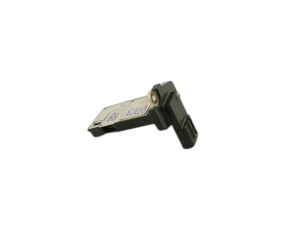
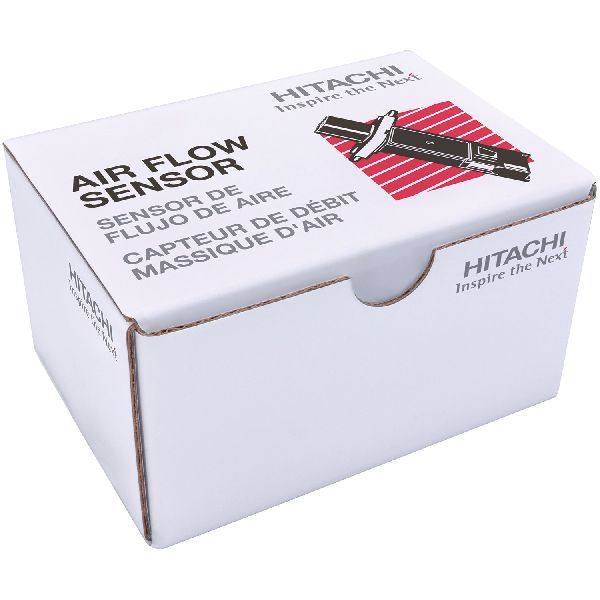
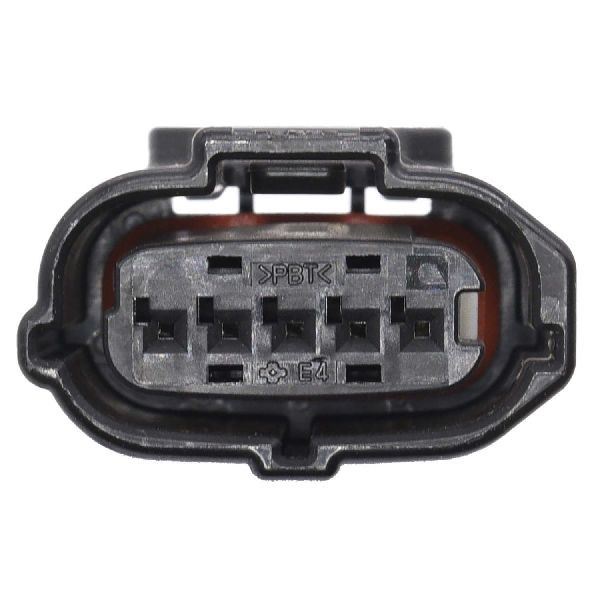
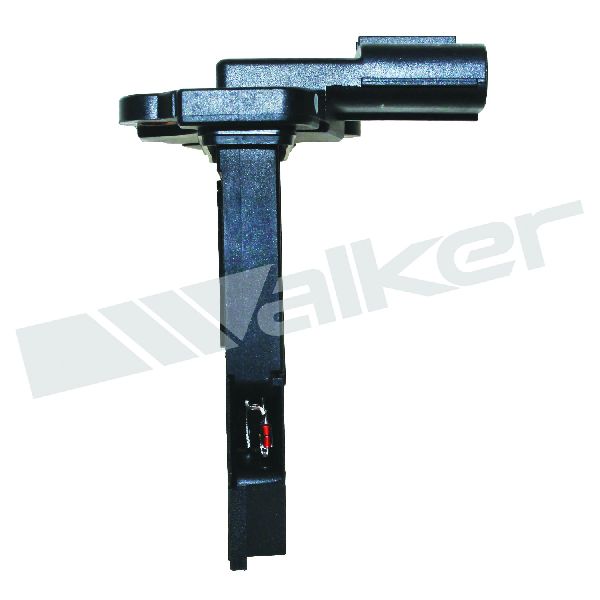
(OEM #12576410)— Can become contaminated and misreport the amount of air entering the engine, causing the ECM to calculate an incorrect fuel mixture. It is often replaced after cleaning fails to resolve the issue.
Trusted brands: ACDelco, Delphi, Hitachi
OEM price range: $120-$180
Aftermarket price range: $70-$110
Related Codes That Often Appear With This One
- P0174 — This is the 'System Too Lean' code for Bank 2. When both P0171 and P0174 are present, it strongly indicates a problem that affects both engine banks, such as a faulty MAF sensor, leaking intake manifold gaskets, or a major PCV system leak.
- P0300 — This code means 'Random/Multiple Cylinder Misfire Detected'. A severe lean condition prevents proper combustion, leading to misfires across multiple cylinders. This is especially common at idle when the vacuum leak has the greatest effect on the air/fuel mixture.
Technical Service Bulletins (TSBs) & Recalls
- PIP5341: Preliminary information regarding rough idle with DTC P0171 and/or P0174. Advises technicians to inspect the positive crankcase ventilation tube on the left side of the engine for a vacuum leak and replace it if cracked or damaged. This TSB applies to a wide range of 2007-2016 GM trucks and SUVs with V8 engines.
Platform-Specific Known Issues
- Per TSB #PIP5341, the PCV tube on the left side of the engine is a known source for vacuum leaks causing P0171 and P0174. This hose runs from the rear of the driver-side valve cover to a port on the intake manifold.
- The factory intake manifold gaskets use a plastic carrier that can warp and crack over time, causing leaks that are most prominent on a cold engine. An owner might notice a rough idle when first starting the truck that improves as it warms up.
- In some cases, the plastic engine cover can rub against the PCV tube, accelerating wear and causing a hole to form, leading to a vacuum leak.
Mechanic-Grade Diagnostic Values

- Fuel Pressure (Key On, Engine Off) — expected: 55-62 PSI. Failure: Pressure below 55 PSI indicates a potential issue with the fuel pump, filter, or regulator. Pressure that drops off quickly after the key is turned off points to a bad check valve in the fuel pump assembly.
- Mass Airflow (MAF) Sensor Reading at Hot Idle — expected: Approximately 5.5 to 6.5 grams/second (g/s). Failure: A reading significantly lower than the engine's displacement in liters (e.g., 4.3 g/s on a 6.0L engine) suggests the sensor is under-reporting airflow, causing the ECM to command less fuel and create a lean condition.
- Fuel Composition Sensor Frequency — expected: 50-150 Hz. Failure: A frequency reading below 45 Hz can trigger a DTC P0178 and cause the PCM to default to an incorrect fuel calculation, leading to lean conditions if the vehicle is running on gasoline.
Scan Tool Commands That Help
- GM Tech2 / GDS2 or equivalent professional scan tool: Fuel Trim Reset — After replacing a component that affects the air/fuel mixture, such as a MAF sensor, fuel pump, or intake gaskets. This command clears the long-term learned values and forces the ECM to relearn the fuel strategy immediately, which helps verify if the repair was successful.
- GM Tech2 / GDS2 or equivalent professional scan tool: Fuel Composition Reset — If the fuel composition sensor has been replaced or if there's a suspicion that the stored ethanol percentage is incorrect (e.g., after running E85 and switching back to gasoline). An incorrect reading can cause persistent lean or rich codes.
Wiring & Ground Locations
- G104 — On the front of the left (driver's side) cylinder head.. This is a primary engine ground. A poor or corroded connection at G104 can cause erratic voltage and signal issues for critical sensors, including the MAF and Oxygen Sensors, potentially leading to incorrect readings and phantom lean codes.
- G103 — On the front of the right (passenger's side) cylinder head.. This is another crucial engine-to-chassis ground. It serves as a ground for the ECM itself. A bad connection here can lead to a wide range of driveability issues and fault codes, including P0171.
- FPCM Ground — The Fuel Pump Control Module (FPCM) is located on the driver's side frame rail, near the spare tire. Its ground connection is typically nearby on the frame.. A corroded or loose ground for the FPCM can cause intermittent or low fuel pressure, mimicking the symptoms of a failing fuel pump and leading to lean conditions.
Real Owner Repair Stories
- YouTube video by user '5.3L LM7' (2005 Chevrolet Silverado 1500 5.3L (similar LM7 engine architecture)) — Persistent P0171 and P0174 codes, especially in cold weather (below 10°F).
❌ Tried (didn't work) Replaced intake manifold gaskets with upgraded Fel-Pro metal design., Replaced fuel injectors., Replaced O2 sensors., Thoroughly checked for vacuum leaks by pinching off PCV, EVAP, and brake booster lines while watching fuel trims.
✅ What actually fixed it Replacing a newer, aftermarket Delphi MAF sensor with a used, original GM OEM MAF sensor from a junkyard. The aftermarket sensor was reading incorrectly low at idle (4.3 g/s), while the OEM sensor read correctly (around 6.3 g/s), which immediately corrected the fuel trims. - ScannerDanner Forum post (2008 Chevrolet Silverado 2500 6.0L) — P0171 and P0174 codes with long-term fuel trims stuck at +24%. Rough idle and a flat spot during acceleration.
❌ Tried (didn't work) Replaced all 8 fuel injectors., Replaced fuel pump., Replaced MAP sensor., Replaced Mass Airflow sensor., Replaced intake gaskets., Replaced all 4 O2 sensors (twice)., Smoke tested the intake with no leaks found.
✅ What actually fixed it The forum thread ended before a definitive fix was posted, but the technician noted that when cold, the engine was slow to build vacuum, only reaching 15" Hg before slowly climbing to 18" Hg. This suggests a slow, temperature-sensitive leak or a mechanical issue was still present despite the smoke test passing.
"I Checked Everything" — The Actual Cause
- A faulty Fuel Composition Sensor (on flex-fuel vehicles) incorrectly telling the computer the fuel is E85 when it's regular gasoline. The ECM will adjust for the expected oxygen content of E85, causing a lean condition that a smoke test will not find.
- A failing Fuel Pump Control Module (FPCM) providing insufficient voltage to the fuel pump, resulting in low fuel pressure under load. This is an electronic issue, not a physical leak.
- A cracked or leaking exhaust manifold or flange gasket located *before* the upstream O2 sensor. This allows unmetered air to be sucked into the exhaust stream, fooling the O2 sensor into reporting a lean condition, even though the engine's air/fuel mixture is correct.
- A failing brake booster check valve that leaks vacuum only when the brakes are applied. This can cause a momentary lean condition and may not be apparent during a standard smoke test if the brake pedal is not depressed.
When the Usual Fixes Don't Work
- In one documented case involving a similar GM V8, a technician replaced nearly every component related to the fuel and air systems (intake gaskets, MAF, O2 sensors, fuel pump, injectors) and performed multiple smoke tests that found no leaks, yet the P0171/P0174 codes persisted. The final successful repair was replacing a new, aftermarket MAF sensor with a used, original GM part. This highlights that even new parts can be faulty or improperly calibrated, and that sticking to OEM components for critical sensors like the MAF can be crucial on these trucks.
OEM Part Supersession History
12576410→15865791— Standard part revision and supplier change by GM.
Heads up: While many aftermarket sensors cross-reference, real-world repair stories indicate that some GMT900 trucks are highly sensitive to the MAF sensor's calibration. Using a non-OEM or even a different OEM revision can sometimes fail to resolve lean codes, as seen in repair stories where only the original part number worked correctly.
Model Year Variations Within This Range
- 2007: 2007 was a split year. The 'Classic' (GMT800 platform) had a 4-speed automatic, while the new body style (GMT900) introduced a 6-speed automatic transmission (6L90E) paired with the 6.0L V8.
- 2010: For the 2010 model year, the standard 6.0L V8 received a slight power increase to 360 horsepower, up from 353 hp in previous years.
Helpful Videos
Used OEM Parts in Stock



New Aftermarket Parts Available


The information in this article is provided for general reference and educational purposes only. Vehicle specifications, procedures, and part compatibility can vary by production date, trim level, and region. Always consult your vehicle's factory service manual and verify part numbers before purchasing or performing repairs. Safety-critical components such as airbags, seat belts, and braking systems should be installed by a qualified professional.
- Gmc SIERRA 2500:
- 🎬 Helpful Videos
- 🛍️ Shop This Part
- What's Unique About the 2007-2010 Gmc SIERRA 2500
- Diagnostic Flowchart
- Symptoms You May Notice
- Most Likely Causes
- Rare But Worth Checking
- Diagnosis Steps
- Parts You'll Likely Need
- Related Codes That Often Appear With This One
- Technical Service Bulletins (TSBs) & Recalls
- Platform-Specific Known Issues
- Mechanic-Grade Diagnostic Values
- Scan Tool Commands That Help
- Wiring & Ground Locations
- Real Owner Repair Stories
- "I Checked Everything" — The Actual Cause
- When the Usual Fixes Don't Work
- OEM Part Supersession History
- Model Year Variations Within This Range
- 🎟️ Get 5% Off