

P0171 on 2015-2022 GMC Canyon: System Too Lean Causes and Fixes
P0171 on a 2015-2022 GMC Canyon most often indicates a vacuum leak from a cracked air intake duct, especially on the 3.6L V6 (2017-2022 models). Inspect the rubber intake hose between the air filter box and engine for cracks on the underside bellows. If no leak is found, a software update (per TSB 22-NA-171 or 21-NA-105) may be required, or the MAF sensor may need cleaning.
- For a 2015-2022 GMC Canyon with P0171, the first and most important check is the large rubber air intake hose for cracks, especially on 3.6L V6 models.
- Cleaning the Mass Airflow (MAF) sensor is a low-cost, high-reward diagnostic step.
- This code can be caused by a software glitch. If you can't find a physical leak or fault, a dealership ECM update might be the required fix per GM TSBs.
- Don't immediately replace the oxygen sensor; it's usually just doing its job by reporting the lean condition.
What's Unique About the 2015-2022 Gmc CANYON

For the second-generation GMC Canyon (2015-2022) and its twin, the Chevrolet Colorado, the P0171 code is frequently linked to specific, well-documented issues. 🎬 Watch: A quick overview of P0171 on the Canyon platform. On models with the 3.6L V6 (LGZ) engine, the most common culprit is the air intake outlet duct (the rubber boot between the air filter and the throttle body), which is known to crack and cause a significant unmetered air leak. This failure is so common that GM issued TSB 22-NA-171 to address it. Additionally, GM has issued TSBs (like 21-NA-105) for 2020-2021 models, indicating the code can be falsely triggered by sensitive software calibration on low-mileage trucks, requiring an ECM reflash instead of a physical part replacement.
Diagnostic Flowchart

Tap your situation to follow the diagnostic path that matches what you're seeing on this vehicle.
Symptoms You May Notice
- Check Engine Light is on
- Rough or unstable idle, sometimes surging up and down
- Engine hesitation or surging during acceleration
- Reduced engine power
- Decreased fuel economy
- Hissing or whistling noises from the engine bay, indicating a vacuum leak
- Engine may stall when coming to a stop
- Replacing the oxygen (O2) sensor first. The O2 sensor is usually just reporting the problem (too much oxygen), not causing it. The root cause is typically unmetered air (vacuum leak) or a fuel delivery issue.
Most Likely Causes

- Cracked Air Intake Duct/Boot 🔴 High Probability The rubber air intake duct on the 3.6L V6 engine (2017-2022) is specifically cited in GM TSB 22-NA-171 as a high-frequency failure point. The material can become brittle or the seam can fail, especially on the underside bellows, allowing unmetered air to enter the engine after the MAF sensor.
How to confirm: Visually inspect the entire rubber intake hose between the air filter housing and the throttle body. Flex the bellows section to reveal hidden cracks, which are often on the bottom and not visible from above. A smoke test is the most effective way to confirm a leak; per GM guidance, perform the test without removing the engine cover, as the leak may only appear when the component is hot.
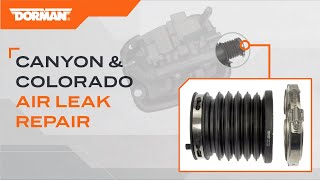
Typical fix: Replace the cracked air cleaner outlet duct. The original part is an integrated engine cover/duct assembly. Aftermarket solutions like Dorman OE FIX 696-428 allow replacing only the failed hose section.
Est. part cost: $150-$220 (OEM Assembly), $50-$80 (Aftermarket hose-only fix) - Engine Control Module (ECM) Calibration 🟡 Medium Probability GM has released TSBs (#22-NA-171, #21-NA-105) for this generation of Canyon/Colorado. TSB 21-NA-105 specifically notes that 2020-2021 models with low mileage can falsely trigger P0171/P0174 due to software sensitivity.
How to confirm: If a thorough inspection and smoke test reveal no vacuum leaks or fuel system issues, consult a GM dealership or qualified shop with access to GM's service information. They can check if your vehicle's VIN is covered by a relevant TSB and if a newer software calibration is available.
Typical fix: Reprogram the ECM with the updated calibration provided by GM. This is a software fix performed by a dealer or equipped independent shop.
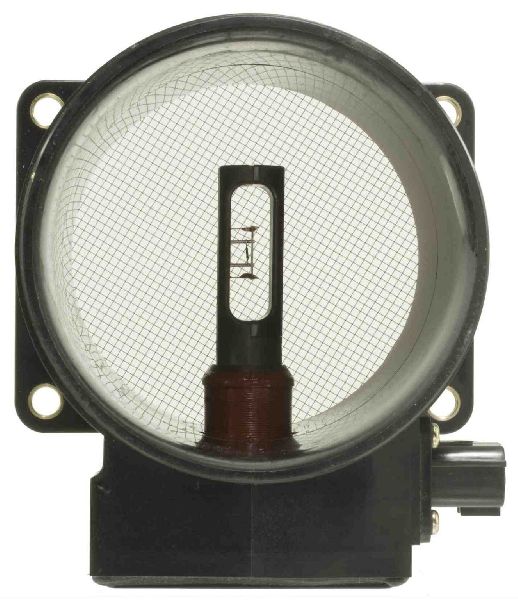
Est. part cost: $0-$200 - Dirty or Faulty Mass Airflow (MAF) Sensor 🟡 Medium Probability The MAF sensor measures the air entering the engine. If it's dirty from dust or oil vapors, it can under-report the amount of air, causing the ECM to command too little fuel, leading to a lean condition.
How to confirm: Remove the MAF sensor and inspect the delicate wires or elements for any film, dirt, or debris. Cleaning it with a dedicated MAF sensor cleaner is a common and effective first step. If cleaning doesn't resolve the issue, the sensor may have failed electronically.
Typical fix: Clean the MAF sensor with a specialized cleaner. If the problem persists, replace the sensor.
Est. part cost: $10-$15 (cleaner), $80-$150 (sensor) - Vacuum Leak (Other than Intake Boot) ⚪ Low Probability Hoses for the PCV (Positive Crankcase Ventilation) system, brake booster, or intake manifold gaskets can crack, loosen, or fail over time. A disconnected PCV hose under the engine's top resonator box is a common oversight after service work. A failed PCV diaphragm in the valve cover is also a known cause on the 3.6L V6.
How to confirm: Listen for hissing sounds at idle. A professional smoke test is the most reliable method to find small leaks. You can also carefully spray short bursts of brake cleaner or a propane torch (unlit) around suspected areas; a change in engine idle RPM indicates a leak.
Typical fix: Replace the specific leaking hose or gasket. If the PCV valve in the valve cover has failed, the entire valve cover assembly must be replaced.
Est. part cost: $20-$300
Rare But Worth Checking
- Low Fuel Pressure: A weak fuel pump or clogged fuel filter can starve the engine of fuel, causing a lean condition. This is less common than vacuum leaks but should be checked if other causes are ruled out. On some older Colorados, owners have found that fuel pressure below 62 PSI can trigger the code.
- Faulty Upstream Oxygen Sensor: While an O2 sensor reports the lean condition, it can sometimes fail by becoming 'lazy' or biased, sending incorrect 'lean' signals to the ECM. This is typically a last resort after confirming no air leaks or fuel delivery issues exist.
Diagnosis Steps

- Check for other DTCs. If P0174 is also present, focus on causes that affect the entire engine (intake boot, MAF sensor, fuel pressure).
- Visually inspect the air intake system, especially the rubber intake boot on 3.6L V6 models. Flex the bellows and check the underside for cracks.
- Check for simple mistakes. Ensure the PCV hose running to the top engine resonator cover is securely connected, as it's often forgotten during service.
- Inspect all other accessible vacuum hoses (PCV, brake booster) for cracks or disconnection. Listen for audible hissing noises with the engine running.
- Use an OBD-II scanner to monitor short-term (STFT) and long-term (LTFT) fuel trims for Bank 1. Consistently high positive numbers (e.g., adding up to >25%) confirm the ECM is compensating for a lean condition.
- Remove and clean the Mass Airflow (MAF) sensor using a dedicated MAF sensor cleaner. Allow it to dry completely before reinstalling.
- If no obvious leaks are found, perform a smoke test to definitively identify any unmetered air leaks. Pay close attention to the intake boot, intake manifold gaskets, and PCV system.
- If no vacuum leaks are found, check fuel pressure to ensure the fuel pump and filter are functioning correctly.
- If all hardware checks out, consult a dealership about TSBs #22-NA-171 and #21-NA-105 to see if an ECM re-calibration is needed for your VIN.
Parts You'll Likely Need
- Air Cleaner Outlet Duct
(OEM #84535596)— This is the most common failure point on the 2017-2022 3.6L V6 engine, as documented in GM TSB 22-NA-171, causing a major vacuum leak. The part is an assembly that includes the engine cover. This part supersedes previous numbers 84165133 and 84548065.
Trusted brands: ACDelco, GM Genuine Parts
OEM price range: $150-$220
Aftermarket price range: $100-$150 (Full Assembly), $50-$80 (Dorman 696-428 hose-only repair) - Mass Airflow (MAF) Sensor Cleaner — Cleaning a dirty MAF sensor is a cheap and easy first step that can often resolve incorrect air metering and fix the lean code.
Trusted brands: CRC, WD-40 Specialist
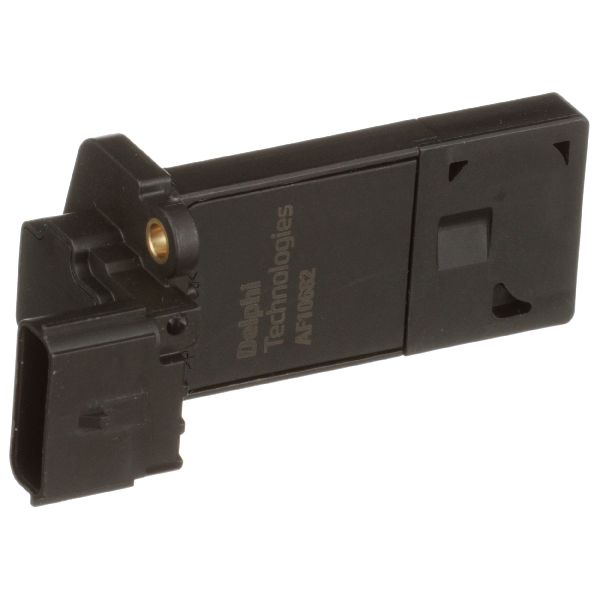
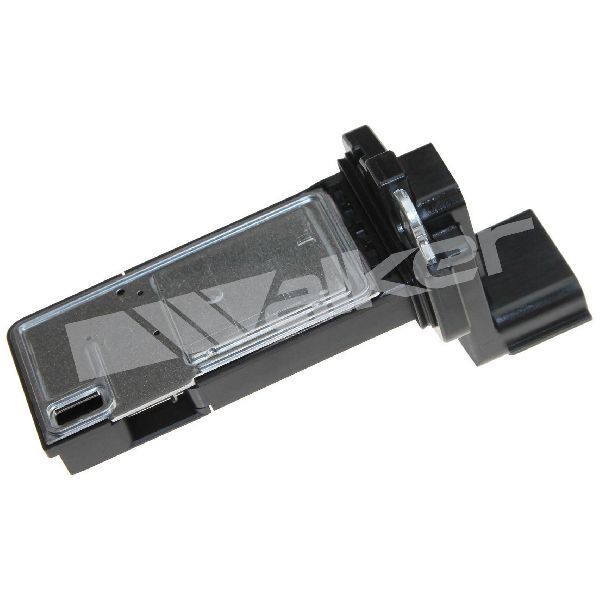
Aftermarket price range: $10-$15 - Mass Airflow (MAF) Sensor
(OEM #23262343)— If cleaning the sensor doesn't work, the sensor itself may have failed and requires replacement. This part number fits a wide range of GM vehicles. This part supersedes previous numbers 20787043 and 23118170.
Trusted brands: ACDelco, Delphi, Bosch
OEM price range: $95-$160
Aftermarket price range: $70-$130
Related Codes That Often Appear With This One
- P0174 — P0174 is 'System Too Lean (Bank 2)'. When P0171 and P0174 appear together, it strongly suggests a problem affecting both engine banks, such as a faulty MAF sensor, a major vacuum leak at the intake boot/manifold, or low fuel pressure.
- P0300 — P0300 is 'Random/Multiple Cylinder Misfire'. A lean air-fuel mixture can fail to ignite properly, leading to misfires across multiple cylinders, especially under load.
Technical Service Bulletins (TSBs) & Recalls
- Dated Jan 2023, this is the primary TSB for 2017-2022 Colorado/Canyon trucks with the 3.6L V6. It directly identifies a cracked or failed rubber air intake boot as a probable cause for P0171 and/or P0174. It advises technicians to perform a smoke test without removing the engine cover to find the leak, which is often a weld failure or crack in the rubber.
- Dated May 2021, this TSB addresses P0171/P0174 on 2020-2021 Colorado/Canyon models with the 3.6L V6, particularly on very low mileage vehicles (under 3,000 km). It states the cause may be 'software anomalies' and instructs dealers to reprogram the ECM with updated software after checking for basic vacuum leaks (PCV hoses, oil cap, dipstick).
- This is an earlier Engineering Information bulletin that led to TSB 22-NA-171. It asked technicians to gather data on P0171/P0174 codes, specifically looking for leaks on the underside of the engine cover/air duct that were not apparent when the engine was cold but appeared when hot. This confirms the heat-sensitive nature of the intake boot failure.
Platform-Specific Known Issues
- A cracked air intake outlet duct is a well-documented issue, particularly on 2017-2022 models with the 3.6L V6 (LGZ) engine. The crack often forms on the underside of the flexible bellows and may only leak significantly when the engine bay is hot.
- For 2020-2021 models with the 3.6L V6, especially with very low mileage, an ECM software update may be the only fix required, as outlined in TSB 21-NA-105.
- A disconnected PCV hose that attaches to the bottom of the large plastic resonator box on top of the engine is a common source of a vacuum leak, often occurring after other engine service has been performed.
Mechanic-Grade Diagnostic Values
- Long Term Fuel Trim (LTFT) at idle and 2500 RPM — expected: Close to 0%, ideally within +/- 10% when combined with STFT.. Failure: Sustained positive values, with +12.5% often being the threshold to trigger the MIL. If trims are high at idle but improve at 2500 RPM, a vacuum leak is likely. If trims worsen at 2500 RPM, a fuel delivery issue is likely.
- Mass Airflow (MAF) Sensor Reading at Idle — expected: Approximately the same value in grams/second (g/s) as the engine displacement in liters. For the 3.6L V6, this is ~3.6 g/s.. Failure: A significantly lower reading suggests the sensor is dirty or failing and under-reporting airflow. A significantly higher reading could indicate a post-MAF vacuum leak.
- Fuel Pressure (Key On, Engine Off) — expected: Should meet manufacturer specification, which may be higher than generic specs. Some owners report needing at least 62 PSI.. Failure: Pressure that is even slightly below the required spec (e.g., 58 PSI when 62 PSI is needed) can cause a lean code under load, even if it seems stable.
- MAF Sensor Connector Voltage (Key On, Engine Off) — expected: Using a multimeter with the black lead on battery ground, probing the harness-side connector should reveal: one pin with 12V (power supply), one pin with continuity to ground, and a signal wire (often 5V reference or 0V).. Failure: Absence of 12V power or a good ground indicates a wiring issue upstream of the sensor, preventing it from functioning correctly.
Scan Tool Commands That Help
- GDS2 / Professional Scan Tool: Fuel Trim Monitoring (STFT & LTFT) — Use this to differentiate between a vacuum leak and a fuel delivery problem. Record trims at idle, then hold the engine at a steady 2500 RPM for one minute. A vacuum leak's effect is proportionally smaller at higher RPM, so trims will improve (move closer to zero). A fuel delivery issue will worsen with engine demand, causing trims to increase.
- GDS2 / Professional Scan Tool: EVAP Purge/Seal — To test the EVAP purge valve, command it closed while monitoring fuel trims. If the high positive fuel trims immediately begin to drop towards normal, it confirms the valve was stuck open, causing a vacuum leak.
Wiring & Ground Locations
- G103 — Typically located on the front of the passenger side (Bank 2) cylinder head.. A poor engine ground can cause erratic sensor readings for components grounded to the block or head, potentially including the MAF or O2 sensors, leading to incorrect fuel calculations.
- G104 / G105 — Typically located on the driver's side (Bank 1) of the engine, often on the rear of the cylinder head or side of the engine block.. This is the primary ground point for Bank 1. Corrosion or a loose connection here can directly impact sensor readings on the bank reporting the P0171 code.
- MAF Sensor Connector — On the air intake tube, between the air filter housing and the throttle body.. Corrosion or damage to the connector pins for power, ground, or signal wires will cause the MAF to send incorrect data to the ECM, a primary cause of lean codes.
Real Owner Repair Stories
- YouTube user Mike, 'Troubleshooting Chevy Colorado P0171' (2007 Chevy Colorado I5 (1st Gen)) — P0171 Check Engine Light.
❌ Tried (didn't work) Replaced MAP and MAF sensors, Cleaned throttle body, Replaced air filter, Sprayed throttle body cleaner around intake to check for vacuum leaks (none found), Replaced oxygen sensors
✅ What actually fixed it After extensive diagnosis, the final theory was a defective replacement fuel pump. The measured fuel pressure was 58-60 PSI, but forum wisdom suggested the system required a minimum of 62 PSI to prevent a lean condition, indicating the pump was weak despite appearing functional. - Reddit user in r/cruze (Chevy Cruze 1.4L (different engine, but same diagnostic principle)) — P0171 code returned after replacing valve cover.
❌ Tried (didn't work) Replaced valve cover and PCV fix kit, Checked for vacuum at oil cap (none found)
✅ What actually fixed it The user sprayed water around various hose connections with the engine running. The idle changed when water was sprayed on the EVAP purge valve, indicating a vacuum leak at the valve or its connection that was causing the lean code.
"I Checked Everything" — The Actual Cause
- A common scenario is a smoke test showing no leaks in the main intake tract, but the cause is a stuck-open EVAP purge valve. This introduces unmetered air from the charcoal canister side, which may not be immediately obvious during a standard intake smoke test. The fix is to test and replace the purge valve solenoid.
- In one documented case, a DIY vacuum leak test using carb cleaner revealed no leaks, and fuel pressure tested at a seemingly-adequate 58-60 PSI. The actual root cause was suspected to be a weak fuel pump, as the specific engine required over 62 PSI to operate correctly, a nuance that basic testing would miss.
When the Usual Fixes Don't Work
- While the cracked intake boot is the most common cause on 2017+ V6 models, do not assume it is the only cause. A well-documented case showed that after all common vacuum leaks were ruled out, the P0171 was caused by a fuel pump delivering 58 PSI when the system required over 62 PSI. This highlights that even if fuel pressure seems present, it may be subtly insufficient and should be compared to exact manufacturer specifications, not just a generic 'good' reading.
OEM Part Supersession History
84165133, 84548065→84535596— Part revision by manufacturer for the Air Cleaner Outlet Duct assembly.20787043, 23118170→23262343— Part revision by manufacturer for the Mass Airflow (MAF) Sensor.
Model Year Variations Within This Range
- 2017-2022: These years use the 3.6L LGZ V6 engine. The common issue of a cracked air intake boot (TSB 22-NA-171) is specific to this engine and time period.
- 2015-2016: These years use the 3.6L LFX V6 engine, which has a different air intake design. While vacuum leaks can still occur, the high-failure intake boot part is not the same as later models.
- 2020-2021: GM issued TSB 21-NA-105 for these model years, noting that P0171/P0174 can be triggered on low-mileage vehicles due to sensitive ECM software, requiring a calibration update rather than a part replacement.
Helpful Videos
![Engine Fault Code P0171 - System Too Lean Bank 1! [Symptoms, Causes, and Fixes]](https://img.youtube.com/vi/U3JVc3VLahA/mqdefault.jpg)

![How to Fix P0171 Engine Code in 5 Minutes [7 DIY Methods]](https://img.youtube.com/vi/g_qItasY91I/mqdefault.jpg)

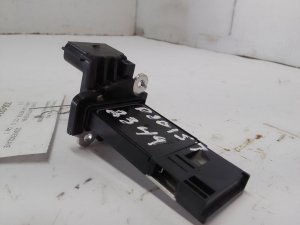
Used OEM Parts in Stock
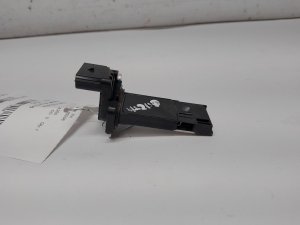
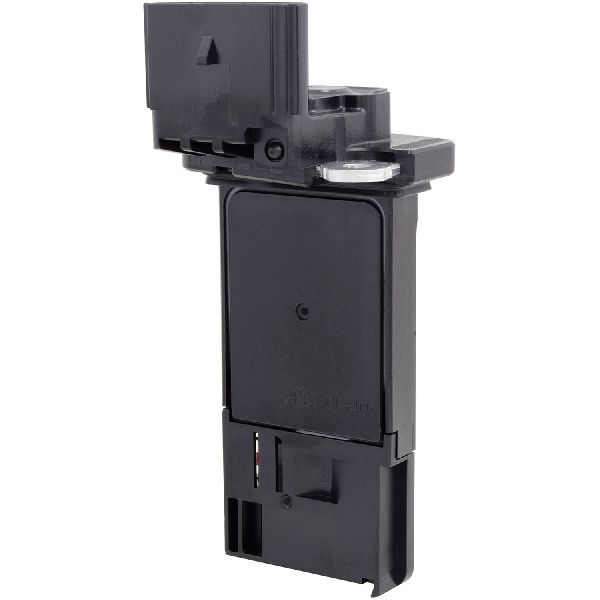
New Aftermarket Parts Available



The information in this article is provided for general reference and educational purposes only. Vehicle specifications, procedures, and part compatibility can vary by production date, trim level, and region. Always consult your vehicle's factory service manual and verify part numbers before purchasing or performing repairs. Safety-critical components such as airbags, seat belts, and braking systems should be installed by a qualified professional.
- Gmc CANYON:
- 🎬 Helpful Videos
- 🛍️ Shop This Part
- What's Unique About the 2015-2022 Gmc CANYON
- Diagnostic Flowchart
- Symptoms You May Notice
- Most Likely Causes
- Rare But Worth Checking
- Diagnosis Steps
- Parts You'll Likely Need
- Related Codes That Often Appear With This One
- Technical Service Bulletins (TSBs) & Recalls
- Platform-Specific Known Issues
- Mechanic-Grade Diagnostic Values
- Scan Tool Commands That Help
- Wiring & Ground Locations
- Real Owner Repair Stories
- "I Checked Everything" — The Actual Cause
- When the Usual Fixes Don't Work
- OEM Part Supersession History
- Model Year Variations Within This Range
- 🎟️ Get 5% Off