

P0171 on 2020-2021 Ford Transit: Lean Code Causes and Fixes
On a 2020-2021 Ford Transit, P0171 (System Too Lean) is often caused by a kinked EVAP vent line, a known issue covered by Ford TSB 21-2106 for vehicles built before Dec 2020. Other likely causes are a vacuum leak from failed intake manifold gaskets or a faulty canister purge valve. The EVAP line fix can be as simple as repositioning a hose and adding a zip tie.
- For a 2020 Ford Transit, the first thing to check for P0171 is the kinked EVAP vent line specified in TSB 21-2106.
- If the TSB doesn't apply or resolve the issue, the most likely causes are a vacuum leak (from intake gaskets or a purge valve) or a dirty MAF sensor.
- The presence of code P0174 (Bank 2 Lean) at the same time points to a problem affecting the whole engine, not just one side.
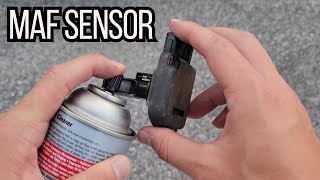
- A simple can of MAF sensor cleaner is a cheap and effective diagnostic tool to rule out a dirty sensor.
- Do not replace the oxygen sensor unless it has been properly tested; it is usually just reporting the problem correctly.
What's Unique About the 2020-2021 Ford TRANSIT

Unlike generic P0171 causes, the 2020-2021 Ford Transit has a highly specific issue documented by Ford. Technical Service Bulletin (TSB) 21-2106 points to a kinked evaporator emissions fresh air vent line as a direct cause for this code, especially on vehicles built before December 2020. This provides a unique and immediate first check that is not applicable to most other vehicles. This issue often presents with other EVAP codes (like P0456, P1450) and difficulty filling the fuel tank.
Diagnostic Flowchart

Tap your situation to follow the diagnostic path that matches what you're seeing on this vehicle.
Symptoms You May Notice
- Check Engine Light is on
- Rough idle or stalling
- Hesitation or loss of power during acceleration
- Reduced fuel economy
- Difficulty filling the fuel tank (if related to the EVAP TSB)
- Hissing or whistling sound from the engine bay at idle, indicating a vacuum leak
- Replacing the oxygen sensor first. The O2 sensor is often just the messenger reporting the lean condition. The actual cause is usually a vacuum leak or fuel delivery issue. Always diagnose before replacing the O2 sensor.
Most Likely Causes

- Kinked Evaporator Emissions Fresh Air Vent Line 🔴 High Probability A specific manufacturing issue identified in Ford TSB 21-2106 for 2017-2021 Transits built on or before November 30, 2020. The line can be improperly routed near the carbon canister, causing a restriction.
How to confirm: Visually inspect the EVAP fresh air vent line near the carbon canister for kinks or sharp bends, as detailed in the TSB. This issue is often accompanied by EVAP codes (P0174, P0451, P0455, P0456, P0496, P1450) and a slow-fill condition when refueling.
Typical fix: Reroute the vent line to remove the kink and secure it in the correct position with a zip tie, as per the TSB instructions. This is a warranty-covered repair and the labor time is estimated at 0.3 hours (or 0.6 if running boards must be removed).
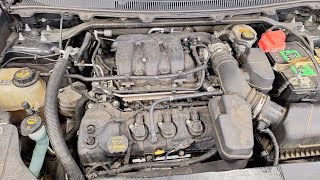
Est. part cost: $0-$5 - Vacuum Leak (Intake Manifold Gaskets) 🔴 High Probability The intake manifold gaskets on Ford's 3.5L and 3.7L V6 engines are a known common failure point across multiple vehicle lines, including the F-150. 🎬 Watch: Common causes and diagnosis tips for Ford V6 lean codes. Over time, they can harden and compress, allowing unmetered air to leak into the engine, causing lean codes.
How to confirm: A smoke test is the most effective method. With the engine off, a smoke machine is used to fill the intake system with smoke, which will visibly leak from the location of the bad gasket. You may also hear a hissing sound at idle.
Typical fix: Replace the upper and lower intake manifold gaskets. OEM part numbers for the 3.5L are typically AA5Z-9439-A (Lower, 6 required) and AT4Z-9H486-A (Upper/Plenum).
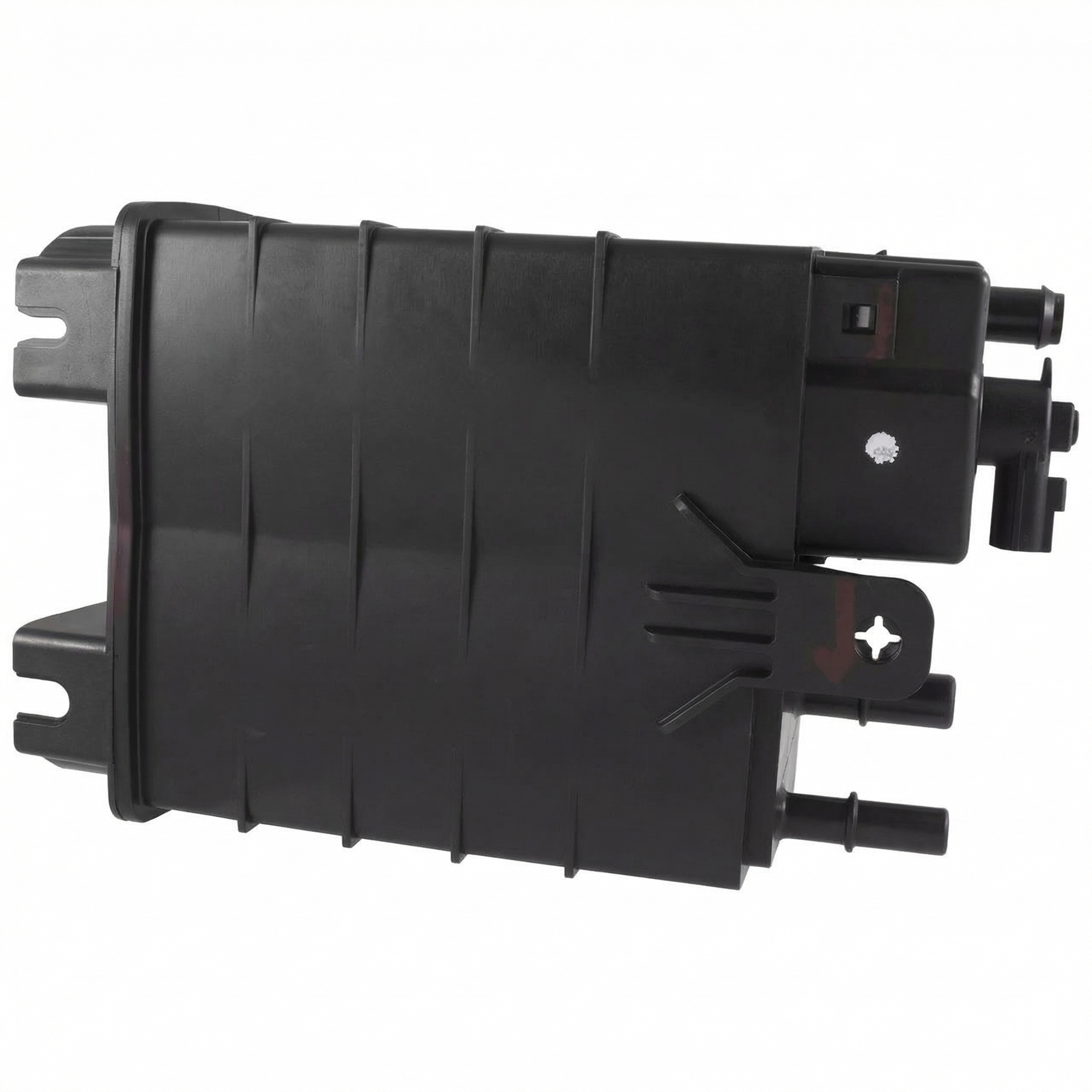
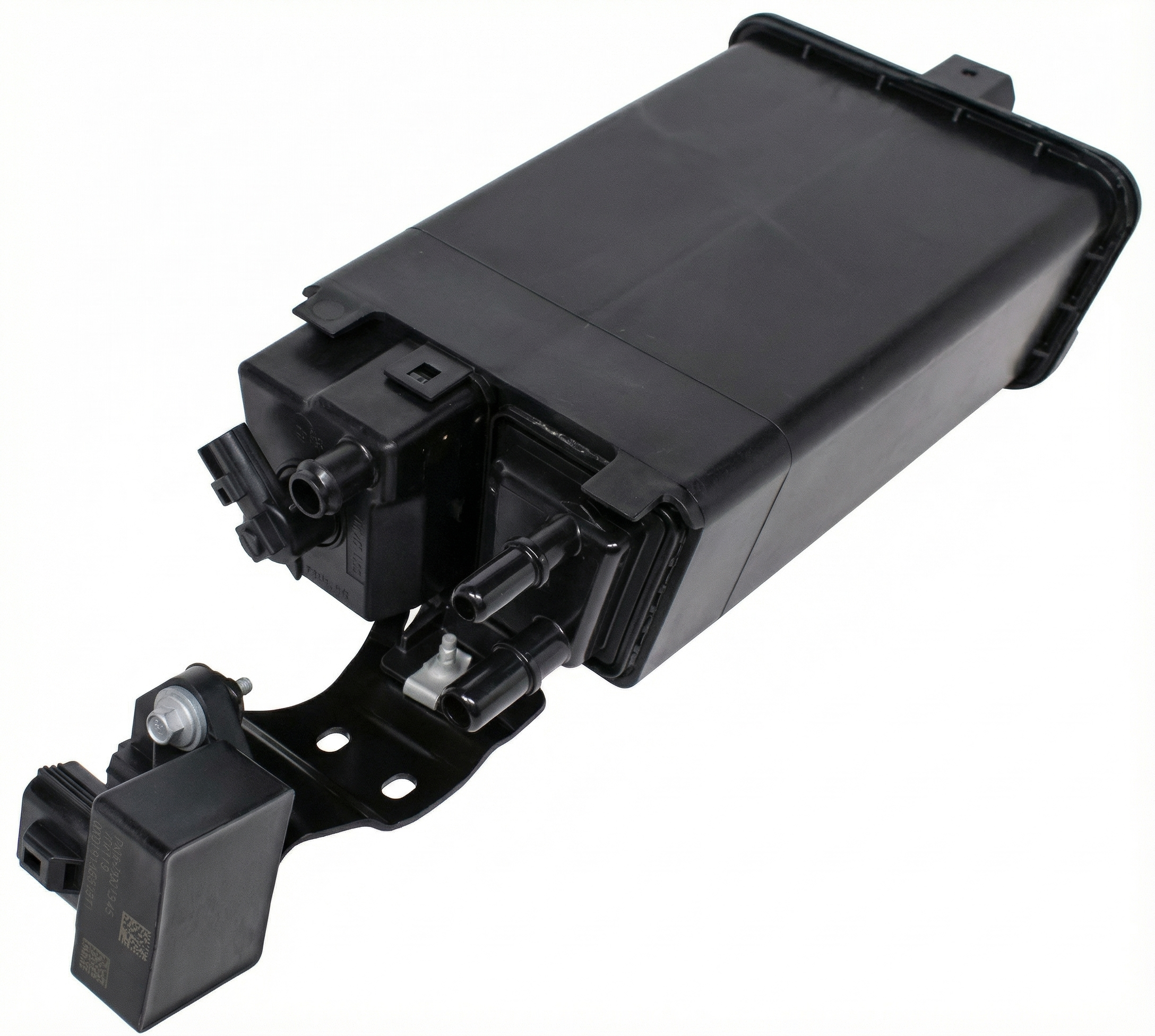
Est. part cost: $50-$120 - Faulty Canister Purge Valve 🟡 Medium Probability The EVAP canister purge valve is a common failure item on many Ford vehicles. It can become stuck open, creating a constant vacuum leak from the charcoal canister into the intake manifold. This often leads to P1450 alongside P0171.
How to confirm: With the engine running at idle, disconnect the vapor line from the purge valve. Place your finger over the port on the valve; if you feel any suction, the valve is stuck open and needs to be replaced.
Typical fix: Replace the canister purge valve. The Motorcraft part is commonly CX-2695, which supersedes several previous part numbers.
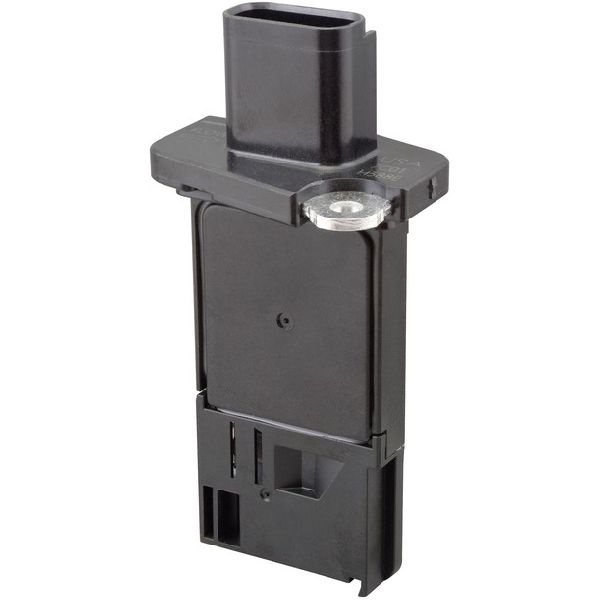
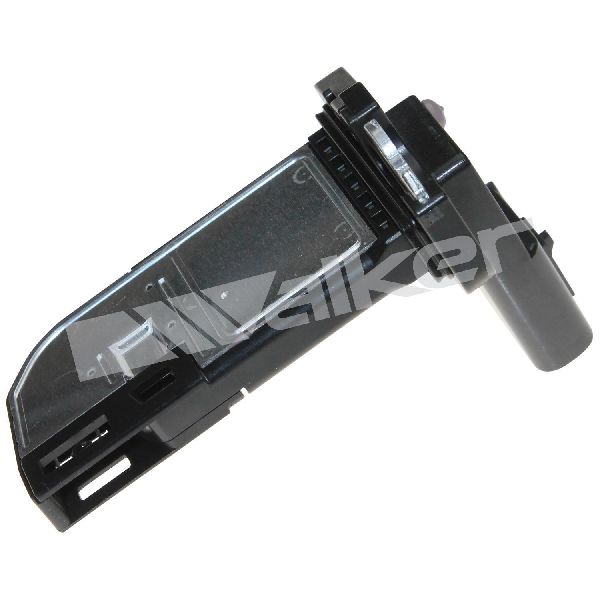
Est. part cost: $30-$70 - Dirty or Faulty Mass Airflow (MAF) Sensor 🟡 Medium Probability Oil and dirt can contaminate the MAF sensor's delicate wire, causing it to under-report the volume of air entering the engine. The PCM then injects too little fuel, creating a lean condition. This is a very common cause of lean codes on many vehicles.
How to confirm: Remove and inspect the sensor. If dirty, clean it with a dedicated MAF sensor cleaner. Do not touch the wires. If the problem persists, monitor MAF sensor readings (g/s) on a scan tool to see if they respond correctly to changes in RPM.
Typical fix: Clean the MAF sensor with specialized cleaner. If cleaning does not resolve the issue, replace the sensor.
Est. part cost: $10-$20 (cleaner), $70-$150 (sensor)
Rare But Worth Checking
- Water Intrusion into Engine Components: Per TSBs 19-2091 and 17-0014 for earlier models, water entering the engine bay can cause electrical problems with various sensors and connectors, leading to P0171 among other codes. While not for the exact year, it's a known Transit platform issue worth considering if you see widespread electrical gremlins, especially after heavy rain or a car wash.
- Weak Fuel Pump or Clogged Fuel Filter: If the engine isn't receiving enough fuel due to low pressure, it can cause a lean condition. This is less common than vacuum leaks but should be checked with a fuel pressure gauge if other causes are ruled out.
- Failing Upstream Oxygen Sensor: The sensor itself (Bank 1, Sensor 1) can fail and send incorrect 'lean' signals to the computer. However, it's more common for the sensor to be correctly reporting a problem caused by something else. It's often replaced unnecessarily. Diagnose other causes first.
Diagnosis Steps

- Check for Additional Codes: Use an OBD-II scanner to see if other codes, especially P0174 or any EVAP codes (P0456, P1450, etc.), are present. This will help narrow the search.
- Inspect for TSB 21-2106: Visually inspect the evaporator emissions fresh air vent line for any obvious kinks or damage, particularly if you also have EVAP codes or trouble filling the fuel tank. This applies to 2017-2021 models built before 11/30/2020.
- Inspect for Obvious Vacuum Leaks: Check all vacuum hoses and the air intake tube (between the MAF sensor and throttle body) for cracks, breaks, or loose connections. A cracked PCV hose elbow is a common failure point.
- Test the Canister Purge Valve: With the engine idling, disconnect the hose on the valve that leads to the intake. If you feel vacuum suction from the valve's port, it's stuck open and must be replaced.
- Clean the Mass Airflow (MAF) Sensor: Remove the MAF sensor and spray the internal wires with dedicated MAF sensor cleaner. Do not touch the wires. Allow it to dry completely before reinstalling. 🎬 See this easy walkthrough on how to clean your MAF sensor.
- Perform a Smoke Test: If no leaks are found, a smoke test is the most reliable way to find hidden vacuum leaks, such as from the intake manifold gaskets.
- Analyze Fuel Trims: Use a scan tool to monitor Short-Term (STFT) and Long-Term (LTFT) fuel trims. High positive numbers (e.g., >10-15%) confirm the lean condition. If trims are high at idle but normalize at higher RPM, it strongly suggests a vacuum leak. If trims are high across all RPMs, it points more toward a MAF or fuel delivery issue.
- Check Fuel Pressure: Test the fuel pressure to ensure the fuel pump and filter are delivering an adequate supply of fuel to the engine. Target pressure for most Fords is 30-45 PSI.
- Test the Oxygen Sensor: Use a scan tool to graph the Bank 1, Sensor 1 oxygen sensor voltage. A healthy sensor should fluctuate rapidly between approximately 0.1 and 0.9 volts. If it's stuck low (e.g., <0.2V), it may have failed, but only after all other causes have been ruled out.
Parts You'll Likely Need
- Intake Manifold Gasket Set
(OEM #AA5Z-9439-A (Lower, x6), AT4Z-9H486-A (Upper))— This is a very common failure point on the 3.5L V6 engine family, causing a vacuum leak that triggers the P0171 code.
Trusted brands: Motorcraft, Fel-Pro
OEM price range: $70-$120
Aftermarket price range: $40-$80 - Canister Purge Valve
(OEM #CX-2695 (Motorcraft))— A common Ford part to fail by sticking open, creating a vacuum leak. Often accompanied by a P1450 code.
Trusted brands: Motorcraft, Dorman, Standard Motor Products
OEM price range: $40-$70
Aftermarket price range: $25-$50 - MAF Sensor Cleaner — A dirty MAF sensor is a frequent cause of lean codes and cleaning it is an inexpensive first step before replacing parts.
Trusted brands: CRC, WD-40
OEM price range: $10-$20
Aftermarket price range: $10-$20
Related Codes That Often Appear With This One
- P0174 — This is the 'System Too Lean' code for Bank 2 (driver's side). When both P0171 and P0174 are present, it strongly indicates a problem affecting the whole engine, like a faulty MAF sensor, a large vacuum leak (intake plenum, purge valve), or a fuel delivery issue.
- P0456, P1450, P0496 — These are EVAP system leak and flow codes. Their presence alongside P0171 strongly points to the kinked EVAP vent line issue described in TSB 21-2106 as the root cause.
- P0300, P0301-P0306 — These are misfire codes. A severe lean condition can cause poor combustion, leading to cylinder misfires which can damage the catalytic converter over time.
Technical Service Bulletins (TSBs) & Recalls
- TSB 21-2106: Kinked evaporator emissions fresh air vent line may cause P0171 and other EVAP codes.
- TSB 19-2091: Undesired water entry into the engine compartment may cause various DTCs, including P0171.
- TSB 17-0014: Undesired water entry into the engine compartment may cause various DTCs, including P0171.
Platform-Specific Known Issues
- TSB 21-2106: For vehicles built on or before 30-Nov-2020, a kinked evaporator emissions fresh air vent line can cause P0171, P0174, and various EVAP codes. The fix is to reroute the line and secure it with a zip tie.
- TSB 19-2091 & 17-0014: On earlier models, Ford noted that undesired water entry into the engine compartment could cause a variety of electrical issues and trouble codes, including P0171.
Mechanic-Grade Diagnostic Values
- Long-Term Fuel Trim (LTFT) at idle and 2500 RPM — expected: Close to 0%, ideally within +/- 5%. Values approaching +12.5% will trigger the code.. Failure: High positive trims (>10%) at idle that decrease at 2500 RPM suggest a vacuum leak. High positive trims at all RPMs suggest a MAF or fuel delivery issue.
- Mass Airflow (MAF) Sensor Reading (g/s) — expected: At idle, roughly 2x the engine displacement in liters (e.g., 3.5L engine ≈ 7 g/s). Should rise linearly with RPM, reaching 15-25 g/s at 2500 RPM.. Failure: Readings are slow to rise with RPM (dirty sensor or downstream air leak) or are erratic. A peak reading at wide-open throttle should exceed 40x the engine displacement (e.g., 3.5L > 140 g/s).
- Upstream Oxygen Sensor (Bank 1, Sensor 1) Voltage — expected: Should fluctuate rapidly and constantly between approximately 0.1V (lean) and 0.9V (rich) once the engine is in closed loop.. Failure: Voltage is stuck low (e.g., < 0.2V), indicating it is reading lean. This confirms the lean condition but doesn't identify the cause. A slow or non-fluctuating sensor may be faulty.
- Fuel Pressure (Low-Side) - Both Engines — expected: 40-60 PSI at idle.. Failure: Pressure is below specification or drops significantly under load, indicating a weak fuel pump or clogged filter.
- Fuel Pressure (High-Side) - 3.5L EcoBoost Only — expected: Should be around 500 PSI when cranking and rise to 1,500-2,150 PSI under load or at wide-open throttle.. Failure: Actual pressure lags requested pressure by more than 200 PSI, suggesting a problem with the high-pressure fuel pump (HPFP).
Scan Tool Commands That Help
- Ford IDS / FORScan: Fuel Trim Reset — After performing a repair for a lean condition (like replacing an intake gasket or MAF sensor), resetting the fuel trims will clear the learned long-term adjustments and allow the PCM to relearn more quickly, confirming the fix.
- Ford IDS / FORScan: EVAP System Test / Purge Solenoid Command — To functionally test the canister purge valve. You can command the valve to open and close while monitoring engine RPM or vacuum to see if it is operating correctly, which helps diagnose a stuck-open valve without physically removing it.
OEM Part Supersession History
AU5Z-9C915-A, AU5Z-9C915-B, CX-2383, CX-2409, etc.→CX-2695 (Motorcraft)— Part consolidation and design updates by Ford/Motorcraft over many model years.
Heads up: CX-2695 is the widely accepted service part for a vast range of Ford vehicles, including the Transit, for a stuck-open purge valve. Always verify fitment with a VIN, but this part number covers most common failures.
Model Year Variations Within This Range
- 2020-2021: For the 2020 model year, Ford introduced the 3.5L PFDi (Port Fuel Direct Injection) V6 as the standard engine, replacing the previous 3.7L V6. This engine features two injectors per cylinder. The 3.5L EcoBoost V6 remained an option. Both engines were carried over for 2021.
Helpful Videos
Used OEM Parts in Stock

New Aftermarket Parts Available




The information in this article is provided for general reference and educational purposes only. Vehicle specifications, procedures, and part compatibility can vary by production date, trim level, and region. Always consult your vehicle's factory service manual and verify part numbers before purchasing or performing repairs. Safety-critical components such as airbags, seat belts, and braking systems should be installed by a qualified professional.
- Ford TRANSIT:
- 🎬 Helpful Videos
- 🛍️ Shop This Part
- What's Unique About the 2020-2021 Ford TRANSIT
- Diagnostic Flowchart
- Symptoms You May Notice
- Most Likely Causes
- Rare But Worth Checking
- Diagnosis Steps
- Parts You'll Likely Need
- Related Codes That Often Appear With This One
- Technical Service Bulletins (TSBs) & Recalls
- Platform-Specific Known Issues
- Mechanic-Grade Diagnostic Values
- Scan Tool Commands That Help
- OEM Part Supersession History
- Model Year Variations Within This Range
- 🎟️ Get 5% Off