

P0171 on 2015-2019 Ford Transit: System Too Lean (Bank 1) Causes and Fixes
The P0171 code on a 2015-2019 Ford Transit most often indicates a vacuum leak (especially a cracked fitting on the intake air tube), a dirty Mass Airflow (MAF) sensor, or a vehicle-specific issue like a kinked EVAP line or water intrusion near the engine's air intake, as cited in Ford Technical Service Bulletins. Cleaning the MAF sensor or finding and fixing a vacuum leak are the most common and cost-effective first steps.
- P0171 on a Ford Transit means Bank 1 is running lean (too much air, not enough fuel).
- Start your diagnosis by checking for obvious vacuum leaks, especially the plastic fittings on the air intake tube, and cleaning the MAF sensor.
- Be aware of Transit-specific TSBs regarding water intrusion into the air filter and kinked EVAP lines, as these are known causes.
- Do not replace the oxygen sensor first; it is almost always just reporting the lean condition correctly.
- If both P0171 (Bank 1) and P0174 (Bank 2) are present, the cause is something that affects the whole engine, like the MAF sensor or a major vacuum leak.
What's Unique About the 2015-2019 Ford TRANSIT
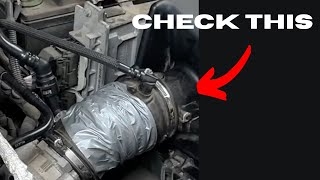
For the 2015-2019 Ford Transit, this common code has several platform-specific causes documented by Ford. Technical Service Bulletins (TSBs) point to unique issues such as a kinked EVAP vent line causing a lean condition and, notably, a design issue that can allow water to enter the engine compartment, affecting sensors and wiring. A very common failure is a small plastic nipple on the main air intake hose that cracks, creating a significant vacuum leak. 🎬 Watch: How to find and fix a rotten intake hose. These issues are in addition to the usual suspects like vacuum leaks and dirty MAF sensors that affect most vehicles.
Diagnostic Flowchart
Tap your situation to follow the diagnostic path that matches what you're seeing on this vehicle.
Symptoms You May Notice
- Check Engine Light is on
- Rough or unstable idle
- Hesitation or lack of power during acceleration
- Reduced fuel economy
- Engine stalling, especially when stopping
- Possible hissing sound from the engine bay indicating a vacuum leak
- Replacing the oxygen sensor first. The O2 sensor is usually just reporting the problem, not causing it. A lean code means the sensor is working correctly.
- Replacing fuel injectors. While dirty or clogged injectors can cause lean conditions, it's less common than vacuum leaks or MAF sensor issues on this platform.
Most Likely Causes
- Vacuum Leak from Cracked Intake Air Tube 🔴 High Probability The most frequently reported cause of P0171 on the Ford Transit is a crack in the air intake tube assembly. A small plastic nipple for a breather or PCV hose becomes brittle from heat and vibration and breaks off, creating a significant unmetered air leak. This is a well-documented failure point in owner forums.
How to confirm: Visually inspect the large black air intake hose between the air filter box and the throttle body. Pay close attention to the smaller hose connections. The broken fitting is often on the underside and may require a mirror or feeling by hand to discover. A smoke test is the most definitive way to confirm any vacuum leak.
Typical fix: Replace the entire intake air hose assembly. Taping the crack is a temporary fix at best. The OEM part number for the hose assembly (for the 3.7L engine) is often cited as CK4Z-9B659-F, which may be superseded by LK4Z-9B659-F.
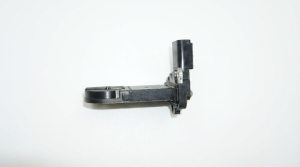
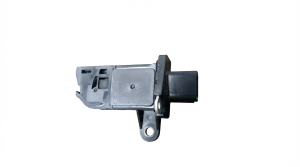
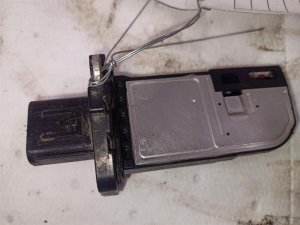
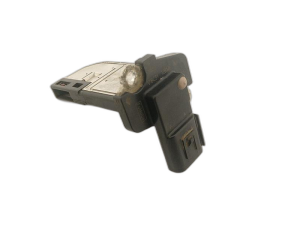
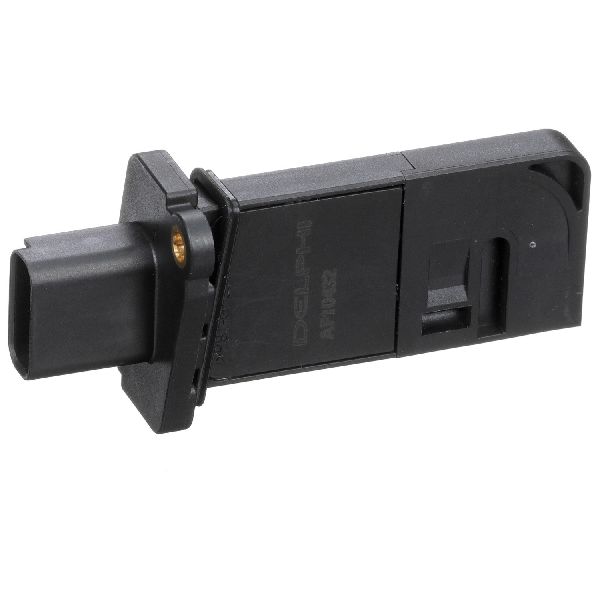
Est. part cost: $80-$150 - Dirty or Faulty Mass Airflow (MAF) Sensor 🔴 High Probability The MAF sensor measures the air entering the engine. If it's dirty from dust or oil vapor, it will under-report the amount of air, causing the PCM to inject too little fuel, leading to a lean condition. This is a very common issue on many Ford vehicles, especially if an aftermarket oiled air filter is used.
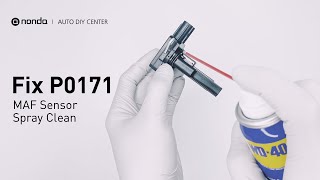
How to confirm: Remove the MAF sensor and inspect the small wires for dirt or contamination. Cleaning it with a dedicated MAF sensor cleaner is a good first step. A faulty sensor may not respond correctly to changes in airflow, which can be observed with a scan tool by monitoring MAF grams/second readings.
Typical fix: Clean the sensor with MAF sensor cleaner. If cleaning doesn't resolve the issue, the sensor must be replaced. The OEM part number is typically 8V2Z-12B579-A (also listed as AFLS195).
Est. part cost: $10-$150 - Water Intrusion in Engine Compartment 🟡 Medium Probability Ford TSB 19-2091 and TSB 17-0014 specifically mention that on some Transit vehicles, water can leak from the cowl area into the engine bay, saturating the air filter or damaging wiring. This leads to a host of issues, including P0171.
How to confirm: Inspect the air filter for signs of being wet, saturated, or frozen. Check wiring harnesses and connectors around the top of the engine for corrosion or damage. Look for water stains on the air filter housing.
Typical fix: Follow the TSB procedure, which involves resealing the cowl area and installing an updated water deflector (Part # CK4Z-6102408-AA). 🎬 Watch this walkthrough to find and stop engine bay water leaks. The TSB also lists a revised air filter (CK4Z-9601-A) and potentially a new air cleaner cover depending on the engine.
Est. part cost: $50-$200 - Kinked EVAP Fresh Air Vent Line ⚪ Low Probability Ford TSB 21-2106 identifies a specific issue where a kinked evaporator emissions fresh air vent line can cause P0171, often alongside EVAP system codes like P1450.
How to confirm: Inspect the EVAP fresh air vent line for any kinks or sharp bends that would restrict airflow. The TSB provides diagrams for proper routing.
Typical fix: Reroute or replace the kinked line as per the TSB instructions.
Est. part cost: $20-$50 - Low Fuel Pressure / Weak Fuel Pump ⚪ Low Probability If the fuel system cannot deliver enough fuel, the engine will run lean. This can be caused by a failing fuel pump, a clogged fuel filter, or a faulty Fuel Pump Driver Module (FPDM). On some Transits, the FPDM is located on top of the fuel tank, making it difficult to access.
How to confirm: Connect a fuel pressure gauge to the fuel rail and check that the pressure is within the manufacturer's specifications (typically 30-45 PSI for many Fords). A scan tool can also monitor fuel rail pressure.
Typical fix: Replace the clogged fuel filter or the failing fuel pump module. If the FPDM is at fault, it will need to be replaced.
Est. part cost: $30-$400
Rare But Worth Checking
- Faulty Upstream Oxygen (O2) Sensor: While O2 sensors can fail, they are often replaced unnecessarily. A P0171 code means the O2 sensor is correctly detecting a lean condition. It should only be replaced after all other causes (vacuum leaks, MAF, fuel delivery) have been ruled out. A slow or biased sensor can cause this, but it's less common than a leak.
- Leaking Canister Purge Valve: A purge valve stuck open can create a vacuum leak, introducing unmetered air from the fuel tank vapor system into the intake manifold. This can be tested by unplugging the electrical connector and the line from the charcoal canister, then starting the engine. If you feel vacuum on the valve's inlet port with your finger, it is stuck open and needs replacement.
Diagnosis Steps
- Read the code with an OBD-II scanner and check for any other stored codes. Note the freeze frame data.
- Visually inspect the entire air intake system from the air filter box to the throttle body. Pay extremely close attention to the breather hose connection on the main intake tube, as this is a known failure point.
- Inspect the air filter element for excessive dirt or signs of water saturation, as noted in TSB 19-2091.
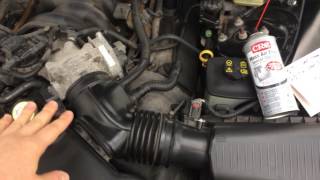
- Remove and clean the Mass Airflow (MAF) sensor using a dedicated MAF sensor cleaner. 🎬 See how to properly clean your MAF sensor wires. Do not touch the sensor wires.
- If no obvious leaks are found, perform a smoke test to check for hidden vacuum leaks around the intake manifold gaskets, vacuum lines, and PCV system.
- Check fuel trims with a scan tool. High positive numbers at idle that decrease as RPMs increase typically confirm a vacuum leak.
- Test the canister purge valve for leaks by disconnecting it and checking for vacuum at the inlet port with the engine running.
- Test fuel pressure at the fuel rail to rule out a weak fuel pump or clogged filter.
- Inspect the EVAP fresh air vent line for kinks, especially if other EVAP codes are present.
- If all else fails, consider testing the upstream oxygen sensor's function with a scan tool.
Parts You'll Likely Need
- Intake Air Tube / Hose
(OEM #CK4Z-9B659-F or LK4Z-9B659-F)— A very common failure point is the PCV or breather hose connection on the main intake tube, which cracks and creates a large vacuum leak. The entire tube assembly must be replaced.
Trusted brands: Ford (OEM), Motorcraft
OEM price range: $129
Aftermarket price range: $80-$110 - Mass Airflow (MAF) Sensor Cleaner — Often, the MAF sensor is just dirty and cleaning it is the cheapest and easiest first step before considering replacement.
Trusted brands: CRC, Liqui Moly
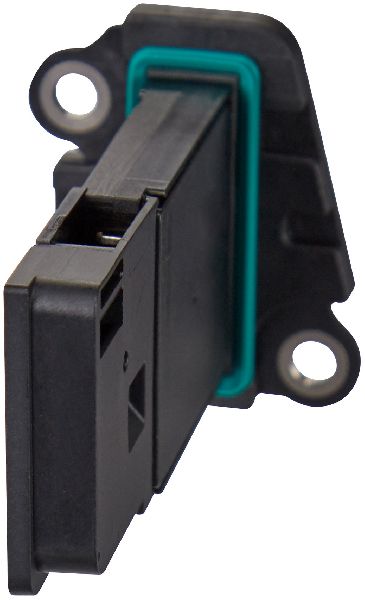
Aftermarket price range: $10-$15 - Mass Airflow (MAF) Sensor
(OEM #8V2Z-12B579-A)— If cleaning the sensor does not resolve the issue, it may have failed and require replacement.
Trusted brands: Motorcraft, Hitachi, GPD
OEM price range: $138
Aftermarket price range: $45-$80 - Cowl Water Deflector Kit
(OEM #CK4Z-6102408-AA)— Required to fix the water intrusion issue described in TSB 19-2091, which can cause P0171 and other electrical problems.
Trusted brands: Ford (OEM)
OEM price range: $30-$50
Related Codes That Often Appear With This One
- P0174 — This is the 'System Too Lean' code for Bank 2. If both P0171 and P0174 are present, it strongly suggests a problem affecting the entire engine, such as a dirty MAF sensor, a large vacuum leak at the intake manifold (like the cracked intake tube), or low fuel pressure.
- P0451, P0455, P0456, P0496, P1450 — These are EVAP system codes. If they appear with P0171, it points directly to the issue described in TSB 21-2106, a kinked EVAP fresh air vent line, or a stuck-open purge valve.
- P0300, P0301, P0302, etc. — These are misfire codes. A severe lean condition can prevent proper combustion, leading to engine misfires.
Technical Service Bulletins (TSBs) & Recalls
- TSB 21-2106: Addresses a kinked evaporator emissions fresh air vent line that can cause P0171/P0174 and various EVAP codes.
- TSB 19-2091: Supersedes a previous TSB, detailing a water leak from the cowl area that can saturate the air filter and cause numerous DTCs, including P0171. Provides part numbers for a water deflector kit.
- TSB 17-0014: An earlier version of the TSB addressing the water intrusion issue into the engine compartment.
Platform-Specific Known Issues
- Cracked Intake Hose Nipple: The most common vehicle-specific cause for P0171 on the 2015-2019 Transit is a small plastic nipple on the main engine air intake hose that becomes brittle and cracks or breaks off entirely. This creates a significant vacuum leak that the PCM cannot compensate for, immediately triggering lean codes. The fix requires replacing the entire hose assembly (OEM Part LK4Z-9B659-F or similar).
- Cowl Water Leak: As detailed in TSB 19-2091, a design flaw allows water to leak past the cowl/windshield area directly onto the air filter housing and other engine components. A saturated air filter can cause incorrect MAF readings and lead to P0171/P0172 codes. The official fix involves sealing the cowl and installing a water deflector shield (OEM Part CK4Z-6102408-AA).
Helpful Videos

Used OEM Parts in Stock

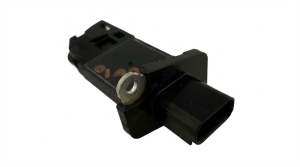
New Aftermarket Parts Available


The information in this article is provided for general reference and educational purposes only. Vehicle specifications, procedures, and part compatibility can vary by production date, trim level, and region. Always consult your vehicle's factory service manual and verify part numbers before purchasing or performing repairs. Safety-critical components such as airbags, seat belts, and braking systems should be installed by a qualified professional.
- Ford TRANSIT:
- 🎬 Helpful Videos
- 🛍️ Shop This Part
- What's Unique About the 2015-2019 Ford TRANSIT
- Diagnostic Flowchart
- Symptoms You May Notice
- Most Likely Causes
- Rare But Worth Checking
- Diagnosis Steps
- Parts You'll Likely Need
- Related Codes That Often Appear With This One
- Technical Service Bulletins (TSBs) & Recalls
- Platform-Specific Known Issues
- 🎟️ Get 5% Off