

P0171 on 2013-2019 Chevrolet Trax: Lean Code Causes and Fixes
On the 2013-2019 Chevy Trax, code P0171 is almost always caused by a failed PCV system integrated into the engine's valve cover (camshaft cover). This creates a large vacuum leak. Replacing the valve cover is the typical fix, with parts costing between $60 and $150. Before replacing, it is critical to also check for a missing check valve in the intake manifold, as its absence will cause the new valve cover to fail again quickly.
- For a P0171 code on a 2013-2019 Trax, the primary suspect is a failed PCV system inside the valve cover.
- A loud hissing noise from the top of the engine or strong vacuum at the oil cap are definitive symptoms of this failure.
- Before replacing the valve cover, it is crucial to check for the presence of the orange check valve in the intake manifold to prevent a repeat failure.
- Do not immediately assume the oxygen sensor is bad; it is most likely just reporting the lean condition caused by a vacuum leak.
- Check with a Chevrolet dealer about potential special coverage or extended warranties (like N202299080) for this specific repair.
What's Unique About the 2013-2019 Chevrolet TRAX

The 1.4L Turbo Ecotec engine (RPO code LUV) used in the Trax has a well-documented design flaw in its Positive Crankcase Ventilation (PCV) system. The PCV's main regulating diaphragm, a small rubber disc, is built directly into the plastic camshaft cover (valve cover) and cannot be replaced separately. This diaphragm frequently tears, causing a significant, unmetered vacuum leak that is the number one cause of code P0171 on this specific vehicle and its platform mates.
Diagnostic Flowchart

Tap your situation to follow the diagnostic path that matches what you're seeing on this vehicle.
Symptoms You May Notice

- Check Engine Light is on.
- Rough, unstable, or surging idle.
- Audible hissing, sucking, or whistling sound from the engine bay at idle, specifically from the top of the valve cover.
- Hesitation or lack of power during acceleration.
- Poor fuel economy.
- Difficulty removing the oil filler cap while the engine is running due to strong vacuum.
- A noise change when the oil dipstick is pulled, which temporarily alleviates the vacuum.
- After a failed repair attempt, blue smoke from the exhaust on acceleration may occur, indicating oil is being burned.
- Replacing the oxygen (O2) sensor. While a faulty O2 sensor can cause a P0171, it is far less common on the Trax 1.4L than the PCV system failure. The O2 sensor is usually just accurately reporting the lean condition caused by a vacuum leak.
Most Likely Causes

- Failed PCV System in Camshaft Cover 🔴 High Probability The PCV regulator diaphragm is integrated into the valve cover and is known to tear or rupture, a common failure on the 1.4L Ecotec engine. This is documented in GM TSBs #19-NA-114 and #N202299080.
How to confirm: With the engine running, listen for a distinct hissing or sucking noise from the valve cover. A definitive test is to place a finger or a small piece of paper over the small rectangular PCV breather port on the cover; if it sucks your finger or the paper in, the diaphragm is torn. 🎬 Watch: A simple demonstration of this PCV diaphragm suction test. Another test is to try removing the oil filler cap; if it is held on by a strong vacuum, the diaphragm has failed.
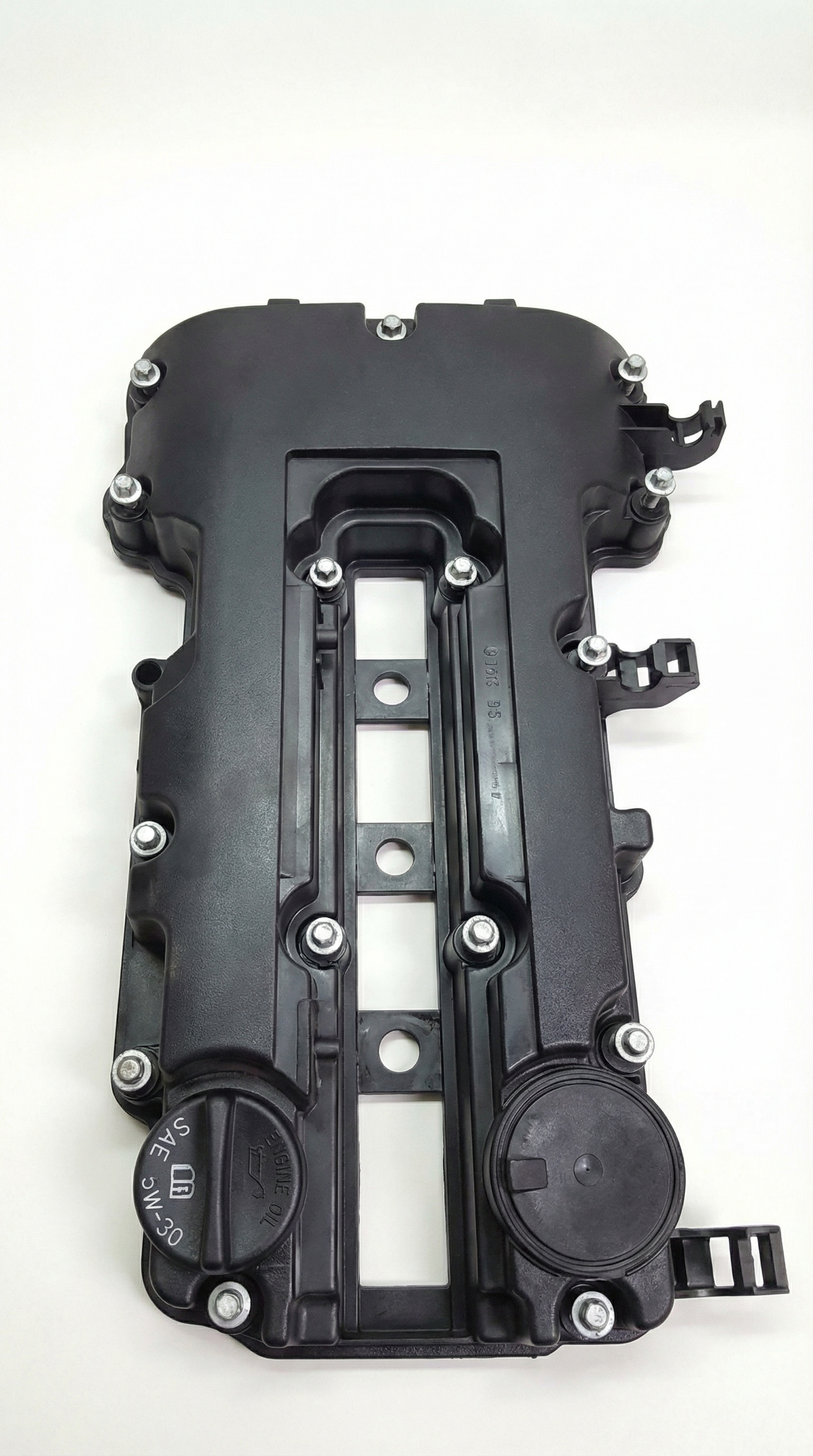
Typical fix: Replace the entire camshaft cover assembly. The new cover includes a new PCV system, bolts, and gasket.
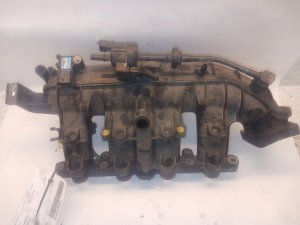
Est. part cost: $60-$150 - Missing PCV Check Valve in Intake Manifold 🟡 Medium Probability There is a small, orange check valve inside the intake manifold port where a PCV hose connects. This valve can become dislodged and fall into the manifold. When this happens, the crankcase is exposed to turbo boost pressure, which quickly ruptures the diaphragm in the new valve cover, leading to a repeat P0171 failure even after a new valve cover is installed.
How to confirm: When the valve cover is off for replacement, disconnect the PCV hose from the intake manifold and shine a light into the port. You should see a small orange or black nipple. If it is a black, empty hole, the valve is missing.
Typical fix: If the check valve is missing, the official fix is to replace the intake manifold. A popular and effective alternative is to install an aftermarket external PCV check valve kit (like those from CruzeKits.com) which bypasses the need to replace the manifold.
Est. part cost: $150-$300 for manifold, $75-$85 for aftermarket kit - Leaking or Cracked Air Intake Duct 🟡 Medium Probability The flexible rubber/plastic ducts can crack with age and heat, allowing unmetered air to enter the engine after the Mass Airflow (MAF) sensor. This is noted as a possible cause in TSB #PIP5240F, which also mentions ensuring the correct air cleaner housing is installed.
How to confirm: Visually inspect all air intake hoses and the air cleaner housing for cracks, loose clamps, or damage. A smoke test is the most effective way to pinpoint a leak in the intake path.
Typical fix: Replace the cracked or damaged air duct or housing.
Est. part cost: $40-$100 - Stuck Open EVAP Purge Solenoid ⚪ Low Probability The EVAP purge solenoid can fail and stick open, creating a constant vacuum leak as it pulls fuel vapors from the charcoal canister at the wrong time. This is a known issue, though less common than the PCV failures.
How to confirm: With the engine running, disconnect the electrical connector and the vapor line from the purge solenoid. Use a hand vacuum pump or your finger to check if it's leaking vacuum from the canister side when it should be closed. A smoke test can also confirm a leak.
Typical fix: Replace the EVAP purge solenoid valve.
Est. part cost: $25-$50
Rare But Worth Checking
- Dirty or Faulty Mass Airflow (MAF) Sensor: A dirty MAF sensor can under-report the amount of air entering the engine, causing the ECM to command too little fuel. Cleaning is often attempted before replacement.
- Weak Fuel Pump or Clogged Fuel Filter: Low fuel pressure can prevent the engine from getting the amount of fuel the ECM is commanding, leading to a lean condition.
- Leaking Intake Manifold Gaskets: A leak in the intake manifold gasket can allow unmetered air into the cylinders. This is best confirmed with a smoke test and is less common than the internal PCV check valve failure within the manifold itself.
Diagnosis Steps
- Start the engine and listen for an audible hissing or whistling sound around the top of the engine, near the oil cap.
- With the engine idling, place your finger over the small rectangular PCV port on the front of the valve cover. If you feel strong suction, the internal diaphragm is ruptured.
- Alternatively, with the engine idling, carefully try to remove the oil filler cap. If there is very strong suction holding it down, the PCV diaphragm in the valve cover has almost certainly failed.
- If the valve cover is identified as the issue and removed, YOU MUST inspect the intake manifold's PCV port to ensure the orange/black check valve is still present. If it's a black hole, the valve is gone and the manifold must be replaced or an external kit installed to prevent repeat failure.
- Thoroughly inspect the air intake ducting between the air filter box and the turbocharger for any cracks, splits, or loose connections.
- Inspect the oil dipstick to ensure it is fully seated. A loose dipstick can create a small vacuum leak.
- If no obvious vacuum leaks are found, perform a smoke test to check for less obvious leaks from the intake manifold gaskets, purge valve, or other vacuum lines.
- Check fuel pressure to rule out a weak fuel pump.
- Inspect and clean the Mass Airflow (MAF) sensor as a final step.
Parts You'll Likely Need
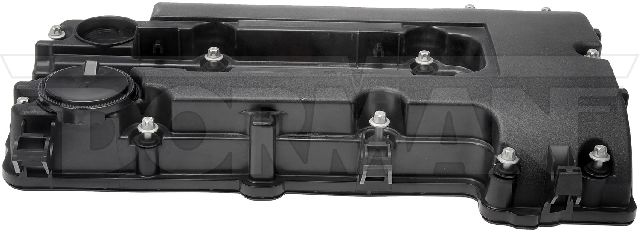
- Camshaft Cover (Valve Cover)
(OEM #25198874, 25209141)— This is the most common failure. The part contains the non-serviceable PCV diaphragm that ruptures, causing the P0171 code. The replacement includes a new gasket and bolts. 🎬 See this step-by-step valve cover replacement walkthrough.
Trusted brands: ACDelco (OEM), Dorman (e.g., 264-968)
OEM price range: $100-$150
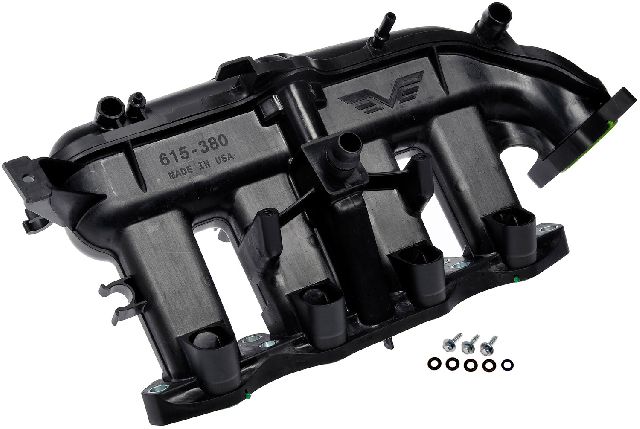
Aftermarket price range: $60-$120 - Intake Manifold
(OEM #55573846)— Only needed if the internal PCV check valve is found to be missing during the camshaft cover replacement, as its absence will cause the new cover to fail prematurely.
Trusted brands: ACDelco (OEM), Dorman
OEM price range: $200-$300
Aftermarket price range: $150-$220 - Aftermarket PCV Fix Kit — A cost-effective alternative to replacing the entire intake manifold if the internal check valve is missing. These kits re-route the PCV system to use a new, external, and serviceable check valve.
Trusted brands: CruzeKits.com, ZZPerformance
OEM price range: N/A
Aftermarket price range: $75-$90
Related Codes That Often Appear With This One
- P1101 — This code relates to Intake Air Flow System Performance. It often appears with P0171 because a large vacuum leak (like from the PCV) means the actual airflow doesn't match what the MAF sensor is reporting. This is mentioned in TSB #PIP5240F. 🎬 Watch: Professional diagnostic steps for P0171 and related codes.
- P0299 — Turbocharger Underboost. A massive vacuum leak from the PCV system can affect the turbo's ability to build proper boost pressure, as boost is lost through the crankcase. This was reported by an owner in NHTSA ODI #11710113 and can occur after a faulty repair.
- P0300 — Random/Multiple Cylinder Misfire. A lean air-fuel mixture can fail to ignite properly, leading to misfires. This was also reported in NHTSA ODI #11710113.
- P0496 — EVAP Flow During a Non-Purge Condition. This often points to a faulty EVAP purge solenoid, which can also be a source of the vacuum leak causing P0171.
Technical Service Bulletins (TSBs) & Recalls
- N202299080: Special Coverage for a cracked PCV diaphragm in the camshaft cover on certain 2014 models, leading to a lean code (P0171). The coverage extends the warranty to 10 years/120,000 miles for this specific failure, covering the replacement of the camshaft cover.
- 19-NA-114: Provides technicians with a specific diagnostic procedure to confirm a torn PCV diaphragm before replacing the camshaft cover. It details the 'tissue test' at the PCV vent port.
- PIP5240F: Addresses codes P0171 and P1101. Instructs technicians to inspect the air cleaner housing for the correct internal components (a Hydro Carbon Absorber), as an incorrect housing could cause these codes.
Platform-Specific Known Issues
- GM issued Special Coverage Adjustment #N202299080 related to this issue, extending warranty coverage for the camshaft cover replacement on certain vehicles due to the high failure rate of the PCV system.
Mechanic-Grade Diagnostic Values
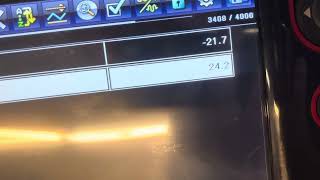
- Long-Term Fuel Trim (LTFT) and Short-Term Fuel Trim (STFT) — expected: Close to 0% (typically within +/- 5%) at idle on a warm engine.. Failure: Consistently high positive fuel trims. A combined total (LTFT + STFT) exceeding +25% will typically set the P0171 code. For example, seeing LTFT at +34% is a definitive sign of a lean condition.
- Camshaft Cover Bolt Torque — expected: 71 inch-pounds (approx. 8 Nm).. Failure: N/A - This is an installation specification.
- Intake Manifold Bolt Torque — expected: 15 foot-pounds (approx. 20 Nm).. Failure: N/A - This is an installation specification.
Scan Tool Commands That Help
- GDS2 / XTOOL or similar: EVAP Purge/Seal — To test the EVAP purge solenoid, a possible cause of the vacuum leak. A technician can command the valve closed and then check for vacuum at the port. If vacuum is present while the valve is commanded closed, the solenoid is stuck open and needs replacement.
- GDS2 or similar: Fuel Trim Reset — After repairs are completed (e.g., valve cover replacement), resetting the fuel trims forces the ECM to relearn the air/fuel mixture from a baseline of zero, rather than slowly correcting from the previously high values. This provides immediate confirmation if the fix was successful.
Wiring & Ground Locations
- G101 / G106 — Located at the lower front of the engine block, sometimes jumpered to a ground on the front center of the frame cross rail under the crank pulley.. This is a primary ground for the Engine Control Module (ECM), Mass Air Flow (MAF) Sensor, and Transmission Control Module. A poor connection here can cause erratic sensor readings, contributing to incorrect fuel calculations and potentially a P0171 code.
- G103 — Located on the cowl in the engine compartment, typically above the brake booster.. Grounds the Body Control Module (BCM) and the Data Link Connector (DLC). While not a direct cause, a poor ground here can interfere with proper diagnosis via the OBD-II port.
- Camshaft Cover to Cylinder Head Seam — The two points where the front timing cover meets the cylinder head.. When replacing the camshaft cover, a small dab of RTV sealant is required at these two specific seams to prevent an oil leak, which could be mistaken for or contribute to other issues.
Real Owner Repair Stories
- YouTube user 'mechanicRHP' (2017 Chevy Trax) — P0171 code present.
❌ Tried (didn't work) The owner was considering replacing the valve cover, which is the most common fix.
✅ What actually fixed it The oil dipstick was not fully seated. Pushing the dipstick in all the way and lubricating the o-rings to ensure a good seal resolved the vacuum leak and fixed the code. - Reddit user in r/ChevySonic (2015 Chevy Sonic 1.4L (same engine/platform)) — P0171 code, rough idle, occasional squeak from PCV valve.
❌ Tried (didn't work) Replaced valve cover with OEM part (failed within a week)., Replaced valve cover and intake manifold with a Dorman kit (also failed within a week)., Cleaned MAF sensor., Used fuel injector cleaner and Seafoam.
✅ What actually fixed it The user identified that the PCV hose running from the intake to the turbo had a broken O-ring, causing a vacuum leak. Replacing this specific hose and O-ring was the suggested next step to resolve the persistent lean code.
OEM Part Supersession History
25198874→25209141— Part revision by the manufacturer, likely to improve durability or address known failure modes of the integrated PCV system.
Model Year Variations Within This Range
- 2013-2020: The 2013-2020 Trax primarily used the 1.4L LUV engine, which features Multi-Port Fuel Injection (MPFI).
- 2021-2022: For the 2021 model year, the Trax was upgraded to the 1.4L LE2 engine. While the same displacement, the LE2 is a more modern design featuring direct injection, which results in higher horsepower (155 hp vs 138 hp) and different fuel system components, such as a high-pressure fuel pump.
Helpful Videos
Used OEM Parts in Stock
New Aftermarket Parts Available


The information in this article is provided for general reference and educational purposes only. Vehicle specifications, procedures, and part compatibility can vary by production date, trim level, and region. Always consult your vehicle's factory service manual and verify part numbers before purchasing or performing repairs. Safety-critical components such as airbags, seat belts, and braking systems should be installed by a qualified professional.
- Chevrolet TRAX:
- 🎬 Helpful Videos
- 🛍️ Shop This Part
- What's Unique About the 2013-2019 Chevrolet TRAX
- Diagnostic Flowchart
- Symptoms You May Notice
- Most Likely Causes
- Rare But Worth Checking
- Diagnosis Steps
- Parts You'll Likely Need
- Related Codes That Often Appear With This One
- Technical Service Bulletins (TSBs) & Recalls
- Platform-Specific Known Issues
- Mechanic-Grade Diagnostic Values
- Scan Tool Commands That Help
- Wiring & Ground Locations
- Real Owner Repair Stories
- OEM Part Supersession History
- Model Year Variations Within This Range
- 🎟️ Get 5% Off