

P0171 on 2014-2018 Chevrolet Traverse: Lean Fuel Condition Causes and Fixes
This code means the engine is getting too much air and not enough fuel. For the 2014-2018 Traverse, the most common causes are a dirty Mass Air Flow (MAF) sensor, a vacuum leak from a bad PCV hose or intake gasket, or a failing EVAP purge valve. Cleaning the MAF sensor is a good first step, but a stuck-open EVAP purge valve is a very frequent culprit.
- P0171 means your Traverse's engine is running lean (too much air, not enough fuel) on Bank 1.
- Before buying any parts, the first and cheapest step is to clean the Mass Air Flow (MAF) sensor with dedicated cleaner.
- If P0174 appears with P0171, the problem is likely a vacuum leak affecting the whole engine, a bad MAF sensor, or a fuel delivery issue.
- A faulty EVAP purge solenoid is a very common cause for this code on the Traverse and is a relatively inexpensive and easy part to replace.
- Check for cracked or disconnected vacuum hoses, especially the PCV lines, as pointed out in a GM service bulletin.
What's Unique About the 2014-2018 Chevrolet TRAVERSE

The 2014-2018 Chevrolet Traverse, along with its platform mates like the Buick Enclave and GMC Acadia, uses the 3.6L V6 engine (LFX for 2014-2017, LFY for 2018). On this specific platform, lean codes P0171 and P0174 are very common. General Motors issued Technical Service Bulletin PIE-0433A to investigate leaks at the PCV tube connection to the intake manifold, highlighting it as a known weak point. More significantly, a very common failure is the EVAP purge solenoid valve getting stuck open, creating a constant vacuum leak. Another deeply ingrained issue is the clogging of the fixed PCV orifice inside the driver-side (Bank 2) valve cover, which causes high crankcase pressure and unmetered air to be drawn into the intake, often triggering both P0171 and P0174.
Diagnostic Flowchart

Tap your situation to follow the diagnostic path that matches what you're seeing on this vehicle.
Generation note: This range covers the end of the first generation (2014-2017) and the first year of the second generation (2018). Both generations use a 3.6L V6 engine (LFX and LFY respectively), and the common causes for P0171 are largely the same. The TSBs from GM and common failure parts like the EVAP purge valve and valve cover PCV orifice apply across this entire year range.
Symptoms You May Notice
- Check Engine Light is on
- Rough idle or stalling, especially at stops.
- Hesitation or lack of power during acceleration.
- Reduced fuel economy.
- Hissing or whistling sound from the engine bay, indicating a vacuum leak.
- Difficulty starting after refueling (a strong indicator of a faulty EVAP purge valve).
- Replacing the upstream oxygen (O2) sensor. The O2 sensor is usually accurately reporting the lean condition, not causing it. The P0171 code means the sensor is working correctly and detecting a problem upstream. Replacing it is a waste of money unless specific O2 sensor codes are also present.
Most Likely Causes

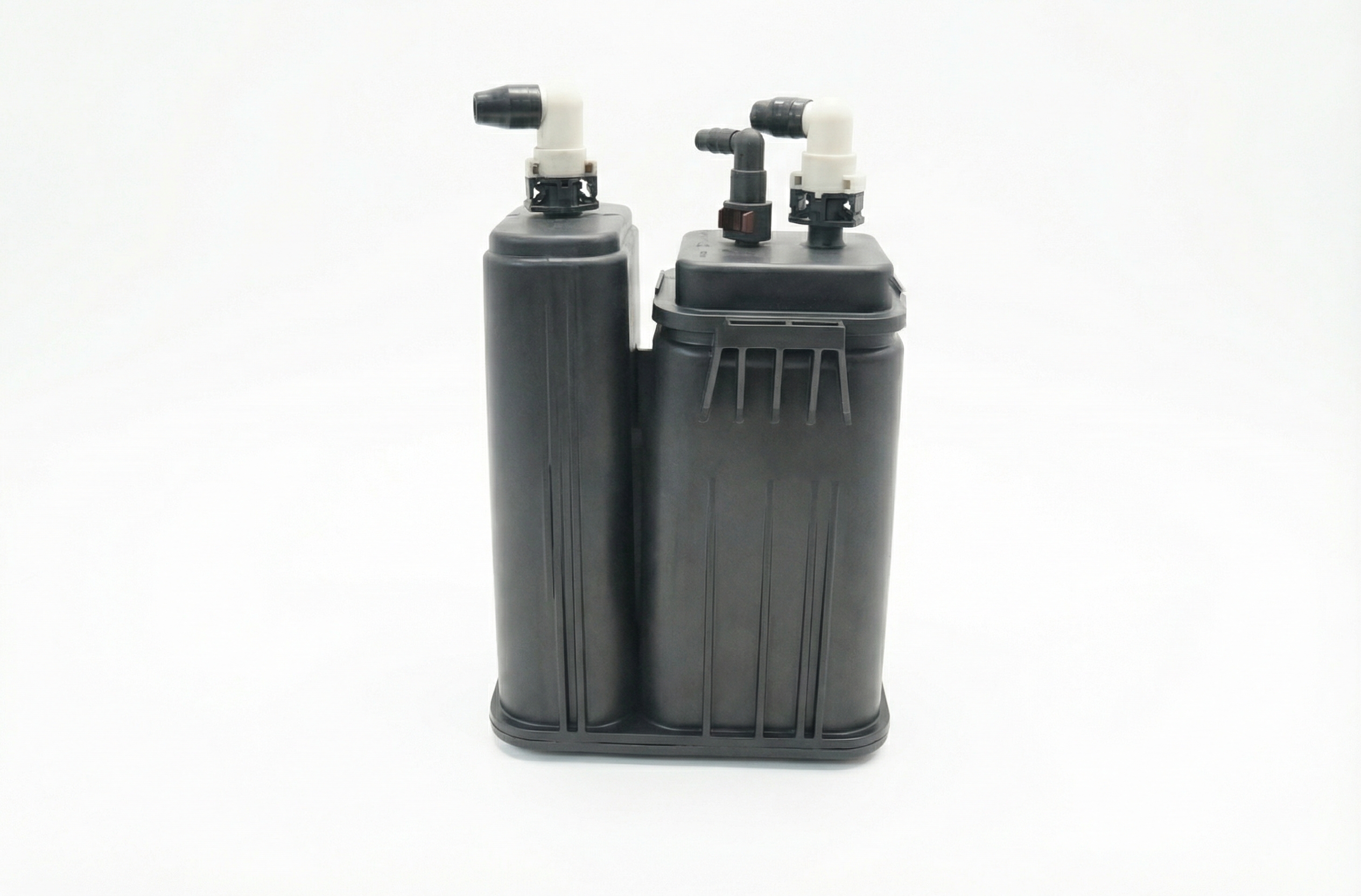
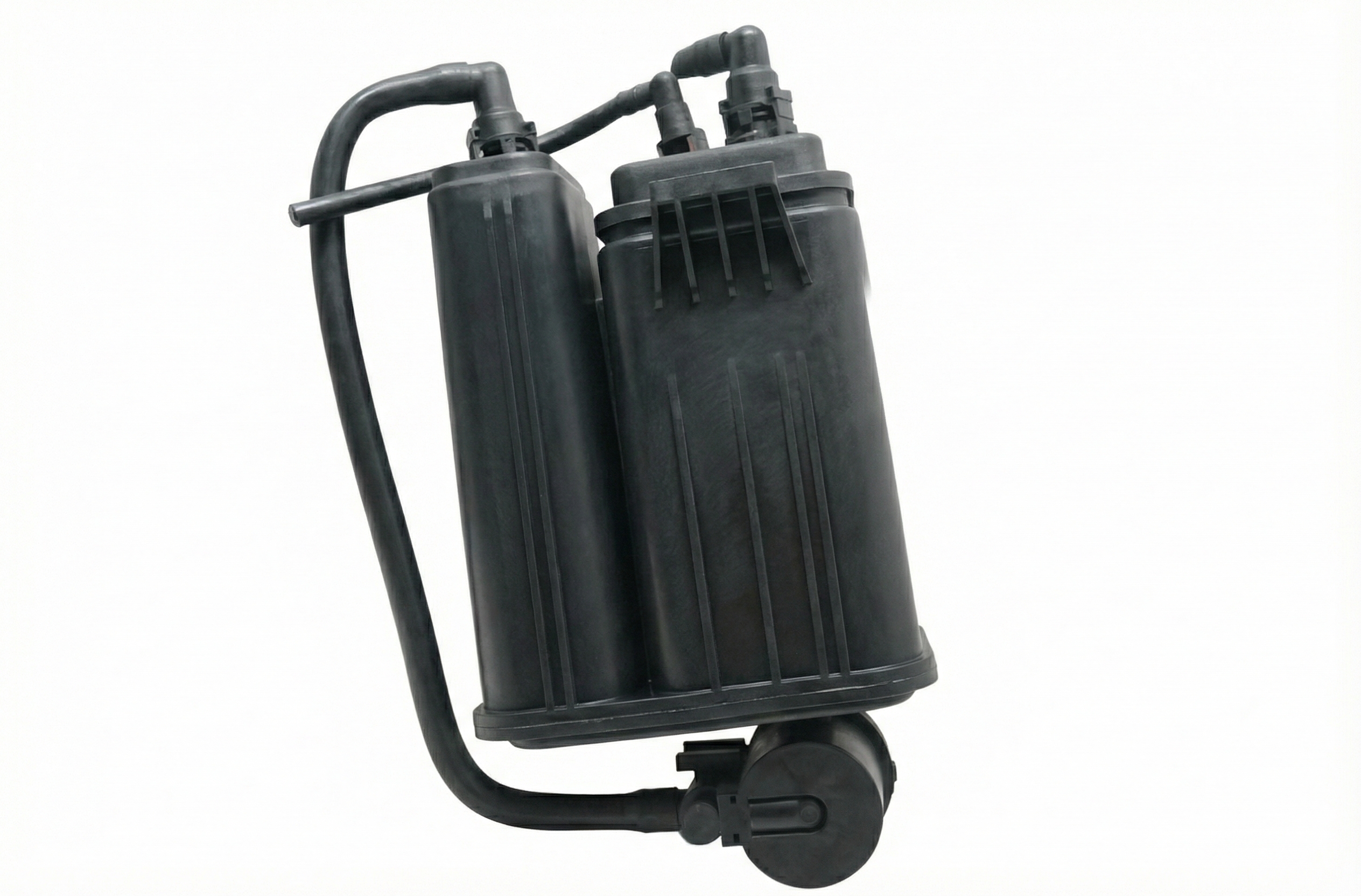
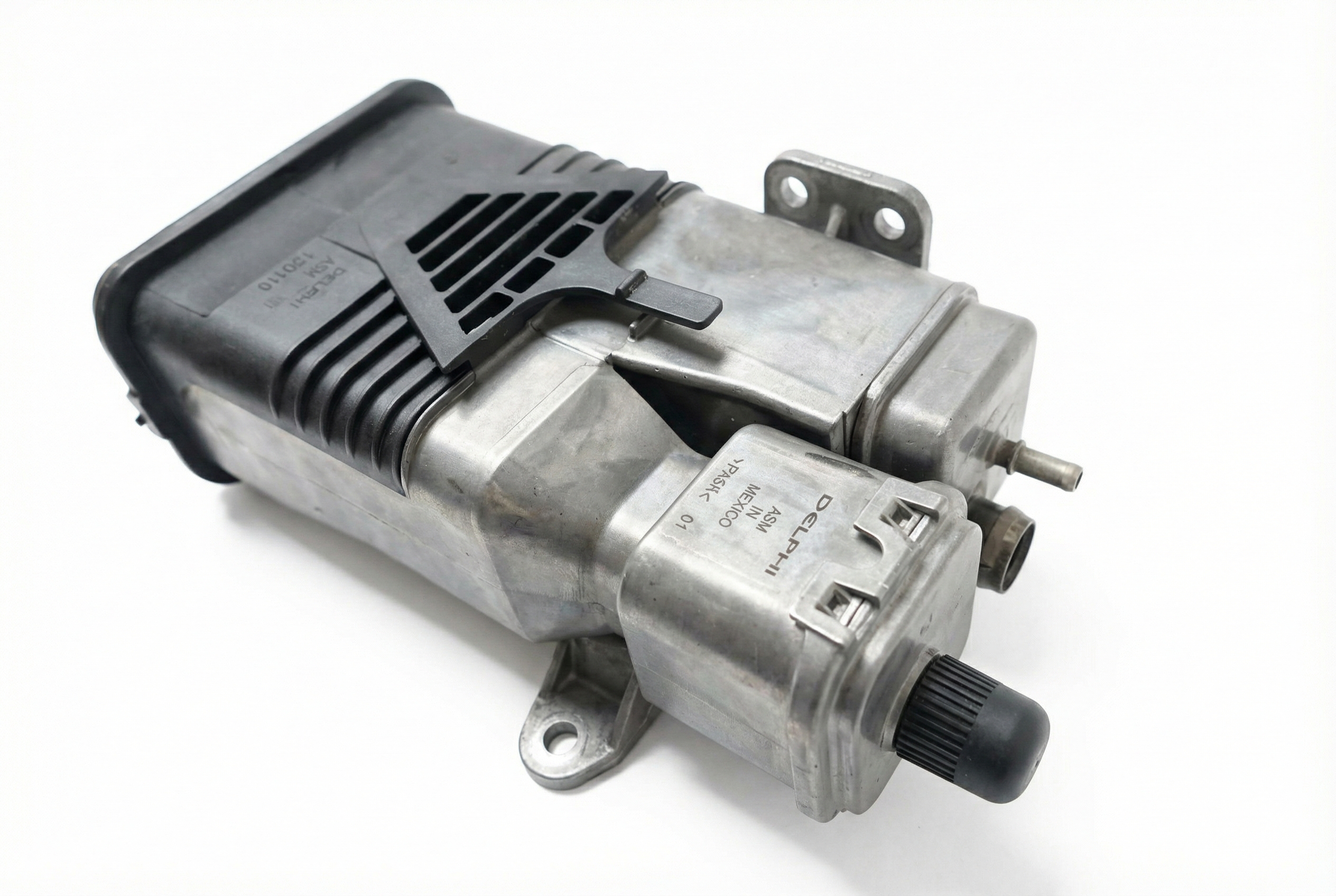
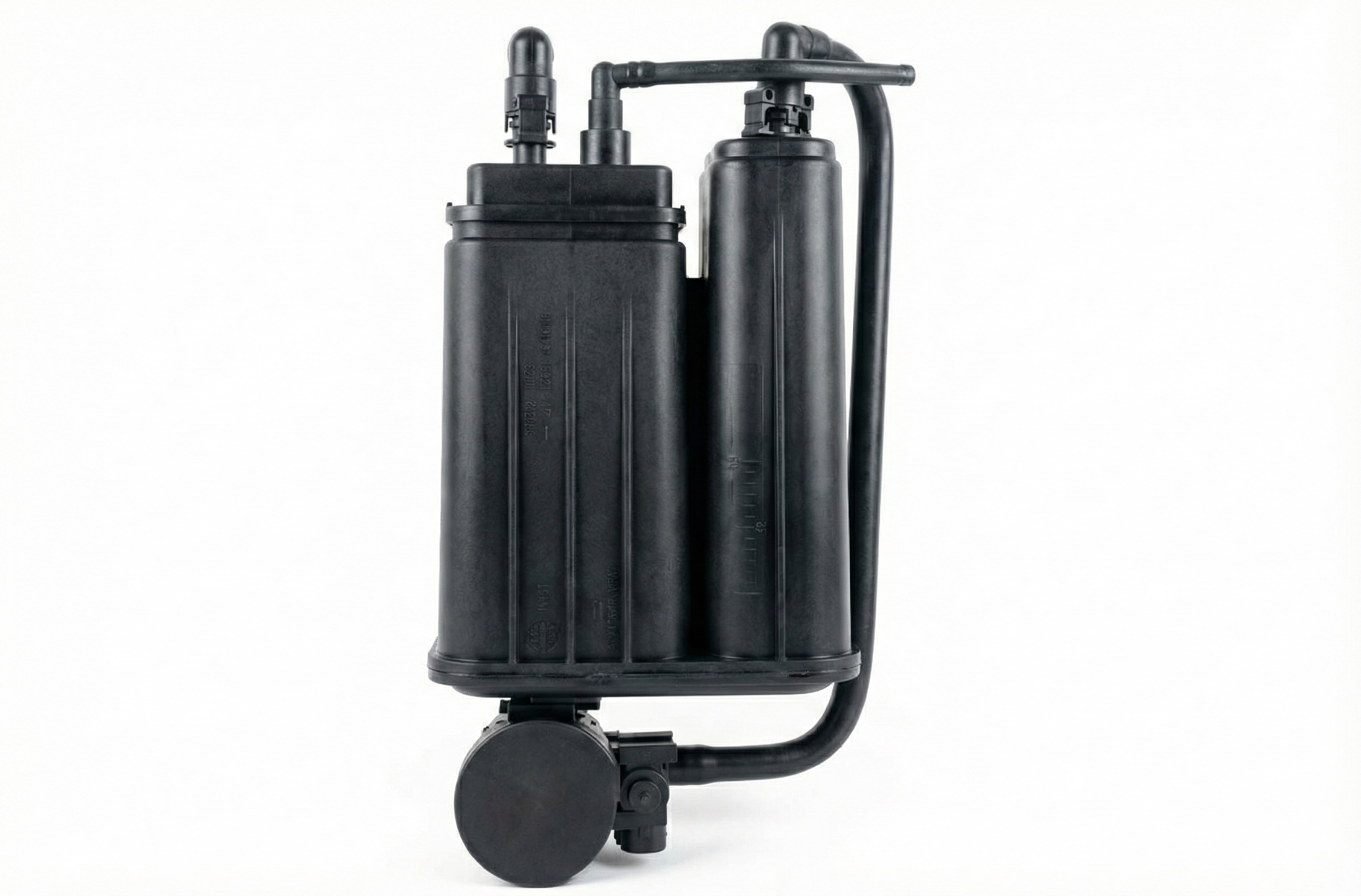
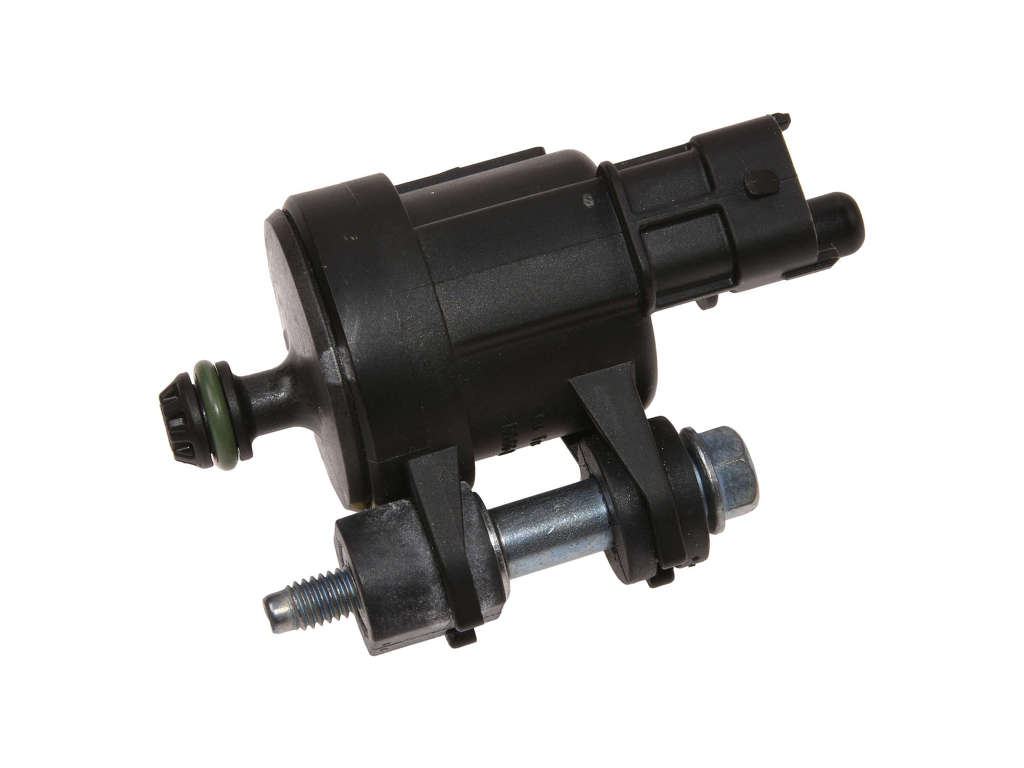
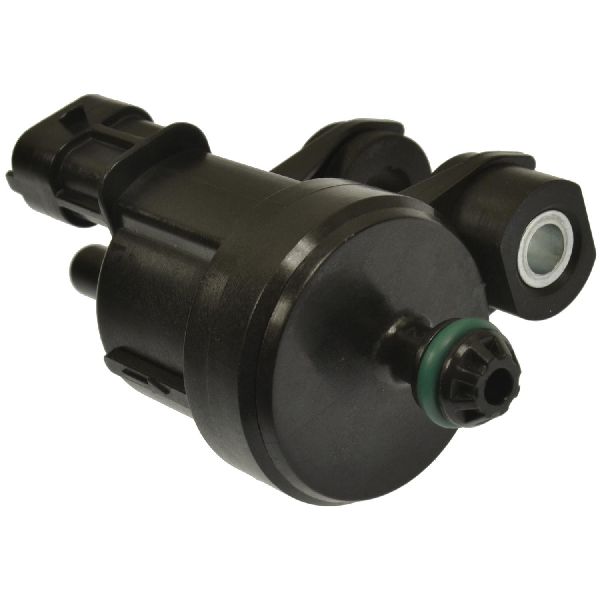
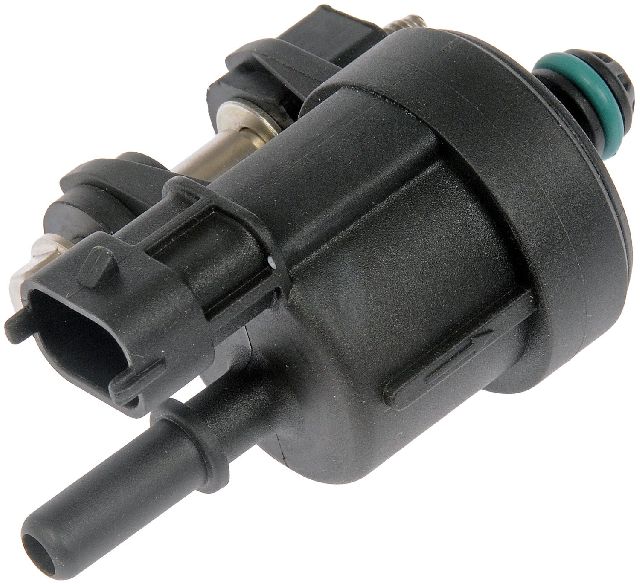
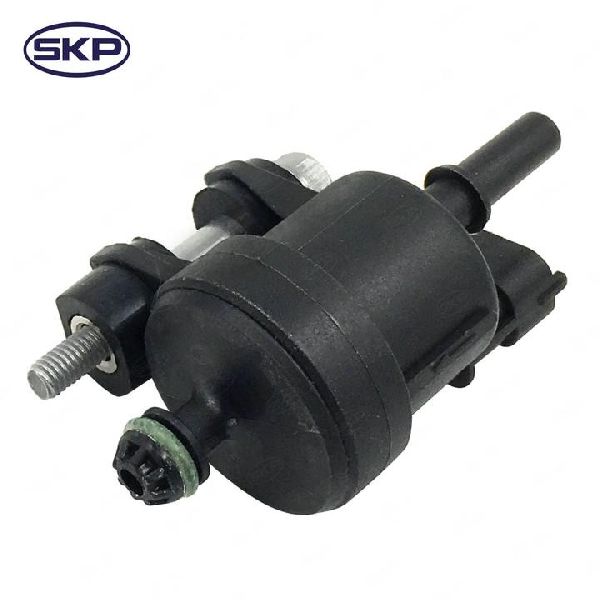
- Faulty EVAP Purge Solenoid Valve Very high Probability This is an extremely common failure on the 3.6L V6. The valve controls the flow of fuel vapors from the charcoal canister to the engine. When it fails, it often gets stuck open, creating a persistent vacuum leak that allows unmetered air and fuel vapor into the intake manifold, directly causing lean codes.
How to confirm: With the engine idling, disconnect the electrical connector from the purge valve, then disconnect the vapor line running from the valve to the intake. Place your finger over the port on the valve; there should be NO suction. If you feel vacuum, the valve is stuck open and must be replaced. This test is definitive.
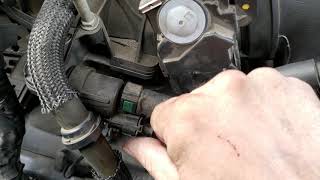
Typical fix: Replace the EVAP purge solenoid valve. It is located on top of the engine and is easily accessible after removing the engine cover. 🎬 Watch: Step-by-step guide to replacing the purge valve.
Est. part cost: $25-$50. - Dirty or Faulty Mass Air Flow (MAF) Sensor 🔴 High Probability The MAF sensor measures air entering the engine. If the sensing wire is contaminated with dirt or oil, it will under-report the amount of air, causing the PCM to command too little fuel. This is a very common starting point for diagnosis on most vehicles.
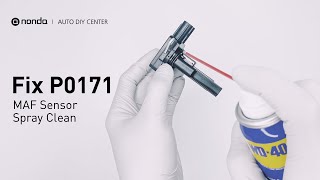
How to confirm: Inspect the sensor for contamination. The easiest first step is to remove and clean the sensor with a dedicated MAF sensor cleaner. If fuel trims do not improve after cleaning and reinstalling, the sensor may be faulty.
Typical fix: Clean the MAF sensor. If cleaning doesn't resolve the issue, replace the sensor.
Est. part cost: $5-$15 for cleaner, $60-$120 for a new sensor. - Vacuum Leak (Intake Gaskets, Hoses, PCV System) 🔴 High Probability Unmetered air entering the engine after the MAF sensor is a primary cause of lean codes. On the 3.6L V6, common leak points include a cracked air intake boot, deteriorated intake manifold gaskets, or a cracked PCV hose. A more insidious and common issue is the clogging of the non-serviceable PCV orifice inside the driver-side valve cover, which creates a complex vacuum leak and high oil consumption.
How to confirm: Perform a visual inspection of all vacuum hoses and the intake boot. A professional smoke test is the most effective way to pinpoint the exact location of a leak. For the PCV orifice issue, symptoms often include high oil consumption along with P0171/P0174.
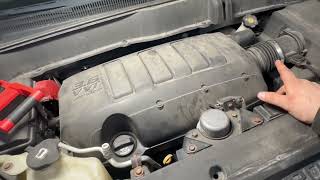
Typical fix: Replace the cracked hose or leaking gasket. If the PCV orifice is clogged, the entire driver-side valve cover must be replaced. 🎬 Watch: Why the PCV orifice failure is a nightmare to fix.
Est. part cost: $10-$200 depending on the leaking part; the valve cover is more expensive. - Low Fuel Pressure / Weak Fuel Pump ⚪ Low Probability If the fuel pump cannot supply enough fuel to meet the engine's demand, it will cause a lean condition, typically across both banks (P0171 and P0174). This is less common than vacuum leaks or sensor issues but should be checked if other causes are ruled out.
How to confirm: Connect a fuel pressure gauge to the fuel rail's test port (Schrader valve) and verify the pressure is within the manufacturer's specified range at idle and under load.
Typical fix: Replace the in-tank fuel pump module.
Est. part cost: $200-$400.
Rare But Worth Checking
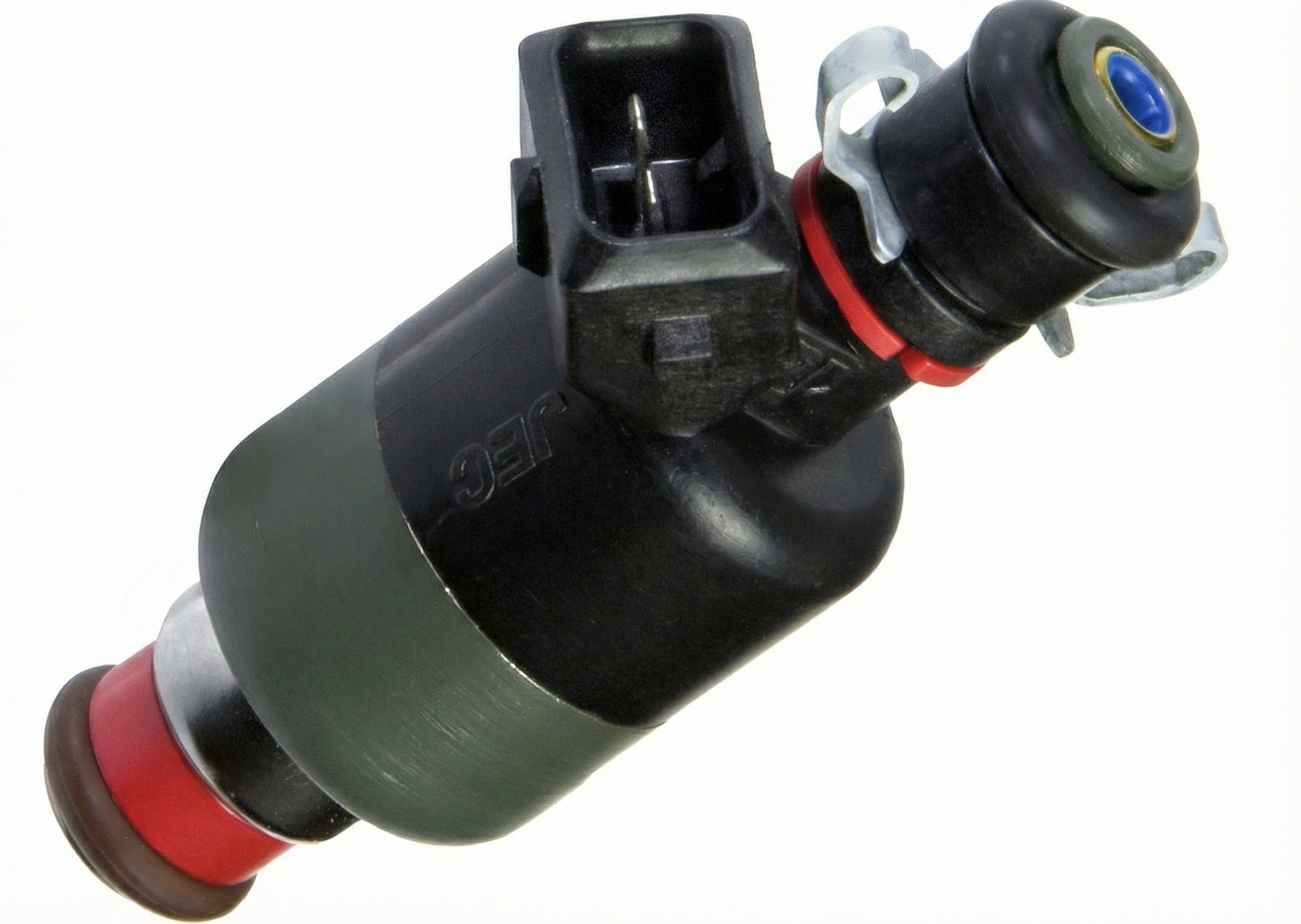
- Clogged Fuel Injectors: If the lean condition is isolated to one bank and other causes are ruled out, a dirty or clogged fuel injector on one or more cylinders of that bank could be the issue, restricting fuel flow.
- Exhaust Leak: A leak in the exhaust manifold or the pipe before the upstream O2 sensor can draw in outside air. This 'fools' the sensor into incorrectly reading a lean condition, causing the PCM to add unnecessary fuel.
- Clogged PCV Orifice in Valve Cover: While listed as a common cause of vacuum leaks, this specific failure on the 3.6L V6 is worth highlighting. The small, fixed orifice inside the driver-side (Bank 2) valve cover clogs with sludge, causing excessive crankcase pressure and unmetered airflow, leading to lean codes P0171 and P0174, often accompanied by high oil consumption. The fix is to replace the entire valve cover.
Diagnosis Steps
- Check for additional trouble codes. If P0174 is also present, focus on causes that affect the entire engine. If P0496 is present, the EVAP purge valve is the prime suspect.
- Use a scan tool to view live data for Short-Term Fuel Trim (STFT) and Long-Term Fuel Trim (LTFT). High positive numbers (e.g., adding up to >25%) confirm the PCM is actively compensating for a lean condition.
- Test the EVAP purge solenoid. With the engine idling, disconnect the vapor line from the solenoid and feel for suction. If vacuum is present, the valve is stuck open and needs replacement. This is a quick and highly effective test for this platform.
- Inspect the air intake system from the air filter to the throttle body for any cracks, loose clamps, or disconnected hoses. Ensure the air filter is clean and properly seated.
- Remove and clean the Mass Air Flow (MAF) sensor using a dedicated MAF sensor cleaner. Allow it to dry completely before reinstalling.
- If the above steps don't identify the issue, perform a smoke test. Introduce smoke into the intake system and look for leaks from gaskets (intake manifold), hoses (PCV, brake booster), or the throttle body shaft.
- Check fuel pressure using a mechanical gauge at the fuel rail test port to rule out a weak fuel pump or clogged filter. Pressure should be stable and within GM's specifications.
- If codes persist and you have high oil consumption, investigate the integrated PCV orifice in the driver-side valve cover as the likely cause.
Parts You'll Likely Need
- EVAP Canister Purge Valve / Solenoid
(OEM #12690512 (supersedes 12610560))— This is the most frequent cause of P0171/P0174 on this platform. It gets stuck open, creating a vacuum leak. It's a cheap and easy part to replace as a primary diagnostic step.
Trusted brands: ACDelco (GM Genuine), Duralast, Bosch
OEM price range: $30-$50
Aftermarket price range: $20-$40 - Mass Air Flow (MAF) Sensor Cleaner — Often, the sensor is just dirty and under-reporting airflow. Cleaning is the first, cheapest step before replacing the sensor. A dirty sensor is a very common cause of lean codes.
Related Codes That Often Appear With This One
- P0174 — System Too Lean (Bank 2). This is the identical fault but for the opposite engine bank. When both P0171 and P0174 are present, it strongly suggests a problem affecting the entire engine, such as the MAF sensor, a vacuum leak at the intake plenum (like a stuck EVAP purge valve), or low fuel pressure.
- P0496 — EVAP Flow During a Non-Purge Condition. This code is a smoking gun for a faulty EVAP purge valve. It often appears with P0171/P0174 because the valve being stuck open is the direct cause of the vacuum leak that triggers the lean codes.
- P0300 — Random/Multiple Cylinder Misfire Detected. A severe lean condition can prevent proper combustion, leading to misfires across one or more cylinders. The engine may run rough and stumble.
Technical Service Bulletins (TSBs) & Recalls
- An engineering information bulletin from GM requesting field data on vehicles with P0171 and/or P0174. It specifically instructed technicians to check for a vacuum leak at the foul PCV tube connection to the intake manifold, indicating this was a known area of concern for GM. The bulletin has since been closed after sufficient data was gathered.
Platform-Specific Known Issues

- GM TSB PIE-0433A: Engineering Investigation: General Motors issued this bulletin specifically for the 2014-2018 Traverse (and other models with the 3.6L V6) to gather data on the root cause of P0171/P0174 codes. It directed technicians to inspect for vacuum leaks at the foul PCV tube connection to the intake manifold, confirming this is a known trouble spot.
- Clogged Internal PCV Orifice in Valve Cover: A well-documented issue on the 3.6L V6 is the clogging of the fixed PCV orifice within the driver-side (Bank 2) valve cover. This blockage leads to excessive crankcase pressure, forcing unmetered air into the intake system and causing high oil consumption alongside lean codes P0171 and P0174. The only solution is to replace the entire valve cover assembly.
- Hard Starts After Fueling: A very common owner complaint tied directly to the P0171 code is difficulty starting the engine immediately after filling the gas tank. The engine will crank but stumble or refuse to run. This symptom is a near-certain indicator that the EVAP purge valve is stuck open, flooding the engine with fuel vapors upon startup.
Mechanic-Grade Diagnostic Values
- Mass Air Flow (MAF) Sensor Reading at Idle — expected: Approximately 3.6 - 4.0 grams/second (g/s) for a 3.6L engine at normal operating temperature.. Failure: A reading significantly lower than 3.6 g/s (e.g., ~2.4 g/s) suggests unmetered air is entering the engine after the sensor (a vacuum leak). A significantly higher reading suggests a faulty sensor.
- Long-Term Fuel Trim (LTFT) at Idle — expected: Between -10% and +10%.. Failure: For a P0171 code, the LTFT for Bank 1 will be a high positive number, often above +20%, as the computer tries to compensate for the lean condition by adding more fuel.
Scan Tool Commands That Help
- GDS2 (GM) or equivalent bidirectional scanner: EVAP Purge Solenoid Valve Control — This is a critical test for P0171 on this vehicle. With the engine running, command the purge solenoid to 0% (closed). Then, physically check for vacuum at the solenoid's intake port or watch short-term fuel trims. If vacuum is still present or if fuel trims drop sharply when you manually plug the port, the solenoid is mechanically stuck open and must be replaced.
Wiring & Ground Locations
- G104 — At the front of the engine for the 3.6L V6 (LFX).. This is a primary engine ground. A loose or corroded G104 can cause intermittent and incorrect readings from sensors managed by the Engine Control Module (ECM), potentially leading to false lean codes or other drivability issues. It is crucial to ensure this connection is clean and tight.
- MAF Sensor Connector — On the Mass Air Flow sensor, located in the air intake tube between the air filter box and the throttle body.. This is an 8-pin connector on the 2014-2018 Traverse. A loose connection, corrosion on the pins, or a damaged wire pigtail can cause incorrect MAF readings, leading directly to P0171. The wiring harness and connector should be inspected carefully if cleaning or replacing the MAF sensor doesn't resolve the issue.
Real Owner Repair Stories
- YouTube channel 'New Level Auto' (2012 Chevrolet Traverse 3.6L (Same LFX engine and common issue)) — P0171 and P0174 codes, Long Term Fuel Trims at +36% and +40%.
❌ Tried (didn't work) The mechanic went directly to the most likely cause, so no other parts were tried first.
✅ What actually fixed it The EVAP purge solenoid was stuck open. With the engine running, the mechanic disconnected the electrical plug and felt suction on the valve port, which should have been sealed. Plugging the port with his finger caused the short-term fuel trims to immediately drop towards normal. Replacing the EVAP purge solenoid was the definitive fix.
"I Checked Everything" — The Actual Cause
- A hairline crack on the underside of the plastic intake manifold. A standard smoke test with the engine off may not reveal the leak. The crack can be pulled open by the force of the engine's vacuum when it's running, allowing unmetered air to enter. The fix is to replace the entire intake manifold.
- An internal leak in the brake booster. While the hose to the booster is a common check, a failure in the internal diaphragm can create a significant vacuum leak that is not visible externally and will not be found with a smoke test on the intake manifold itself. This can be diagnosed by clamping the booster hose and observing if fuel trims improve.
OEM Part Supersession History
12610560→12690512— Standard part revision and improvement by the manufacturer.
Model Year Variations Within This Range
- 2014-2017 vs 2018: The engine was updated from the 3.6L LFX (2014-2017) to the 3.6L LFY (2018). While the LFY has internal improvements, the architecture relevant to code P0171 is nearly identical. The primary causes, such as a faulty EVAP purge valve, dirty MAF sensor, and PCV system issues, are common and diagnosed the same way for both engine versions in this year range.
Helpful Videos
Used OEM Parts in Stock

New Aftermarket Parts Available


The information in this article is provided for general reference and educational purposes only. Vehicle specifications, procedures, and part compatibility can vary by production date, trim level, and region. Always consult your vehicle's factory service manual and verify part numbers before purchasing or performing repairs. Safety-critical components such as airbags, seat belts, and braking systems should be installed by a qualified professional.
- Chevrolet TRAVERSE:
- 🎬 Helpful Videos
- 🛍️ Shop This Part
- What's Unique About the 2014-2018 Chevrolet TRAVERSE
- Diagnostic Flowchart
- Symptoms You May Notice
- Most Likely Causes
- Rare But Worth Checking
- Diagnosis Steps
- Parts You'll Likely Need
- Related Codes That Often Appear With This One
- Technical Service Bulletins (TSBs) & Recalls
- Platform-Specific Known Issues
- Mechanic-Grade Diagnostic Values
- Scan Tool Commands That Help
- Wiring & Ground Locations
- Real Owner Repair Stories
- "I Checked Everything" — The Actual Cause
- OEM Part Supersession History
- Model Year Variations Within This Range
- 🎟️ Get 5% Off