

P0171 on 2015-2018 Chevrolet Tahoe: Lean Fuel Causes and Fixes
Code P0171 on a 2015-2018 Tahoe means the engine is running too lean on Bank 1. The most common causes are vacuum leaks from aged intake manifold gaskets, a dirty or faulty Mass Airflow (MAF) sensor, or high ethanol content in the fuel. Start by cleaning the MAF sensor and checking for obvious air leaks, like a loose air intake tube or cracked PCV hose.
- P0171 means your Tahoe's engine has too much air or not enough fuel on Bank 1.
- Before buying any parts, clean the Mass Airflow (MAF) sensor with a dedicated cleaner.
- The most likely cause on this specific truck is a vacuum leak from a failed intake manifold gasket. A smoke test is the best way to confirm.
- Check for GM Technical Service Bulletins (TSBs), as known issues like MAF sensor flashing (PIP5446A) or fuel ethanol content (PIP5227) can be the direct cause.
- If both P0171 and P0174 are present, focus on causes that affect the entire engine, like the MAF sensor, fuel pump, or a major vacuum leak.
What's Unique About the 2015-2018 Chevrolet TAHOE
For the 2015-2018 Tahoe with the 5.3L V8, this code is frequently linked to specific issues documented by GM. A known problem involves excess material ("cast flashing") near the Mass Air Flow (MAF) sensor housing, which can disrupt airflow readings and cause lean conditions, as noted in TSB #PIP5446A. Additionally, these engines can be sensitive to the ethanol content in gasoline, with levels above 10% potentially triggering a P0171 code, according to TSB #PIP5227. A less common but documented issue is a PCV tube rubbing against the engine cover, causing a vacuum leak. The direct-injected nature of the L83 engine also makes it sensitive to fuel pressure, meaning a weak high-pressure fuel pump or faulty fuel rail pressure sensor can be a cause, sometimes accompanied by code P0191.
Diagnostic Flowchart
Tap your situation to follow the diagnostic path that matches what you're seeing on this vehicle.
Symptoms You May Notice
- Check Engine Light is on
- Rough idle
- Hesitation or sputtering when accelerating, especially between 0-30% throttle.
- Reduced engine power
- Poor fuel economy
- Harsh shifting between gears (as noted in TSB #PIP5446A).
- Hissing or whistling noise from the engine bay, indicating a vacuum leak.
- Replacing the Bank 1 oxygen sensor. The O2 sensor is usually just the messenger, accurately reporting the lean condition. Replacing it rarely fixes a P0171 code unless it is accompanied by a specific O2 sensor fault code.
- Replacing the fuel pump without confirming low pressure. While a possibility, vacuum leaks and MAF sensor issues are far more common and should be ruled out first.
Most Likely Causes
- Vacuum Leak (Intake Manifold Gasket) 🔴 High Probability The intake manifold gaskets on the 5.3L V8 are a well-documented failure point, degrading from heat cycles and allowing unmetered air to enter the engine. This is a very common cause for P0171 and P0174 codes on this platform.
How to confirm: Perform a smoke test on the intake system to visually identify leaks around the manifold seals. Alternatively, with the engine cold, spray brake cleaner or water near the intake ports; a change in engine idle indicates a leak. Monitoring fuel trims with a scan tool will show high positive numbers at idle that decrease as RPMs increase, which is characteristic of a vacuum leak.
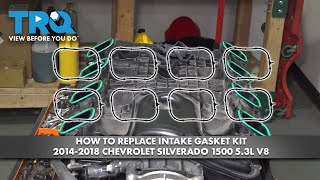
Typical fix: Replace the intake manifold gaskets. The OEM part number for an individual seal is 12626354. This job requires removing the intake manifold, so it's a good time to also clean the throttle body and intake ports. 🎬 See this walkthrough for replacing your intake manifold gaskets.
Est. part cost: $25-$60 - Dirty or Faulty Mass Airflow (MAF) Sensor 🔴 High Probability A dirty MAF sensor under-reports the amount of air entering the engine, causing the PCM to inject too little fuel. Oiled air filters can contaminate the sensor. TSB #PIP5446A specifically calls out inspecting for 'cast flashing' (excess plastic) in the air filter housing near the sensor, which can disrupt airflow and trigger this code.
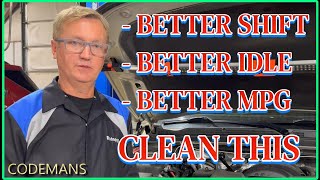
How to confirm: Remove and inspect the MAF sensor. Clean it with a dedicated MAF sensor cleaner, never brake or carb cleaner. 🎬 Watch: Step-by-step guide to cleaning your MAF sensor properly. Check the MAF sensor readings with a scan tool; at idle, it should be around 5-6 g/s for a warm 5.3L engine. A significantly lower reading (e.g., 4.3 g/s) can indicate a faulty sensor.
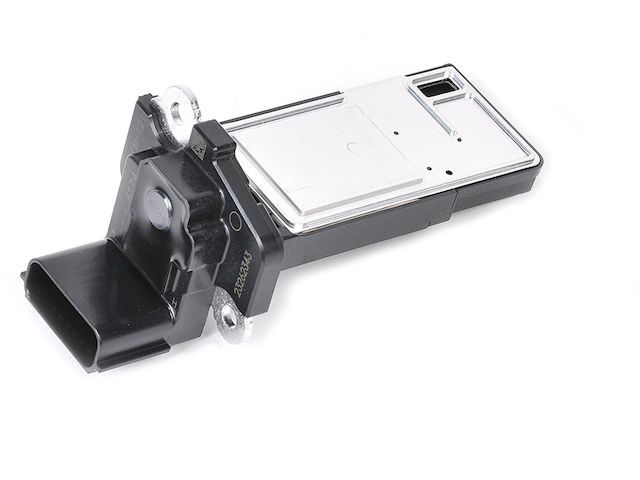
Typical fix: First, attempt to clean the sensor. If cleaning doesn't resolve the issue or readings are still incorrect, replace the MAF sensor. The OEM part number is often cited as 12671624, which has been superseded by 23262343.
Est. part cost: $80-$130 - Vacuum Leak (PCV System or other hoses) 🟡 Medium Probability Rubber and plastic hoses become brittle over time. A common failure is the PCV fresh air tube that runs to the back of the intake manifold, which can rub against the engine cover and create a hole. A loose or cracked air intake tube between the filter box and throttle body is also a frequent culprit.
How to confirm: Visually inspect all vacuum and PCV hoses for cracks, especially at connection points and bends. Check that the main air intake duct is securely clamped at both ends. A smoke test is the most effective way to find small leaks in the PCV system.
Typical fix: Replace the cracked or broken hose. If the PCV tube is rubbed through, it's recommended to cover the new tube with protective conduit to prevent a repeat failure.
Est. part cost: $15-$50 - High Ethanol Content in Fuel 🟡 Medium Probability As per TSB #PIP5227, fuel with an alcohol content over 10% (E10) can cause lean codes on these vehicles, especially if they are not Flex Fuel (E85) compatible or if the alcohol content sensor is malfunctioning.
How to confirm: Use a fuel composition tester (like the J44175 mentioned in the TSB) to check the ethanol percentage in the fuel tank. Some advanced scan tools can also display the fuel alcohol percentage reading from the vehicle's sensor.
Typical fix: If ethanol content is too high, the fuel may need to be drained and replaced with gasoline that has a lower ethanol content (E10 or less). A 'Fuel Composition Reset' may need to be performed with a scan tool.
Est. part cost: $0 (if resolved by changing fuel) - Weak Fuel Pump or Clogged Filter ⚪ Low Probability The direct injection system requires a low-pressure pump in the tank and a high-pressure mechanical pump on the engine. A failing low-pressure pump can starve the high-pressure pump, reducing fuel volume and leading to a lean mixture under demand.
How to confirm: Connect a fuel pressure gauge to the low-pressure fuel system's schrader valve. For the 2015-2018 Tahoe, pressure should be around 55-62 psi during the initial key-on prime.
Typical fix: Replacement of the in-tank fuel pump module, which typically includes the pump, filter sock, and sending unit.
Est. part cost: $200-$400
Rare But Worth Checking
- Exhaust Leak Before Oxygen Sensor: A crack in the exhaust manifold or a leaking flange gasket can allow outside air to be pulled into the exhaust stream. This extra oxygen crosses the upstream O2 sensor, which incorrectly reports a lean condition to the PCM.
- Incorrect Fuel Injector Installed: According to GM TSB 20-NA-098, if a fuel injector has been replaced previously, installing the wrong part number for a specific cylinder can cause fuel trim and misfire codes, including P0171.
- Broken PCV Port Nipple on Intake Manifold: A plastic nipple for a vacuum line on the intake manifold can be accidentally broken off during other service, creating a significant vacuum leak. One owner on the Tahoe Yukon Forum found this to be the cause after replacing a nearby sensor.
Diagnosis Steps
- Read the freeze frame data with a scan tool to understand the engine conditions (RPM, load, etc.) when the code was set.
- Visually inspect the engine bay for any obvious vacuum leaks, such as cracked hoses, a disconnected PCV line, or a loose air intake tube.
- Inspect the air intake tube between the air filter box and the throttle body for cracks or loose clamps.
- Remove and clean the Mass Airflow (MAF) sensor using a dedicated MAF sensor cleaner. Inspect the area for any 'cast flashing' as mentioned in TSB #PIP5446A.
- Use a scan tool to monitor long-term and short-term fuel trims for Bank 1 at idle and at 2500 RPM. High positive numbers at idle (e.g., >15%) that improve at higher RPM strongly suggest a vacuum leak.
- Perform a smoke test to find hard-to-see vacuum leaks, paying close attention to the intake manifold gaskets and all PCV connections.
- Test the fuel pressure to ensure the low-pressure fuel pump is delivering adequate volume and pressure (55-62 PSI).
- If possible, test the ethanol content of the fuel, as levels over 10% can trigger the code. [TSB #PIP5227]
Parts You'll Likely Need
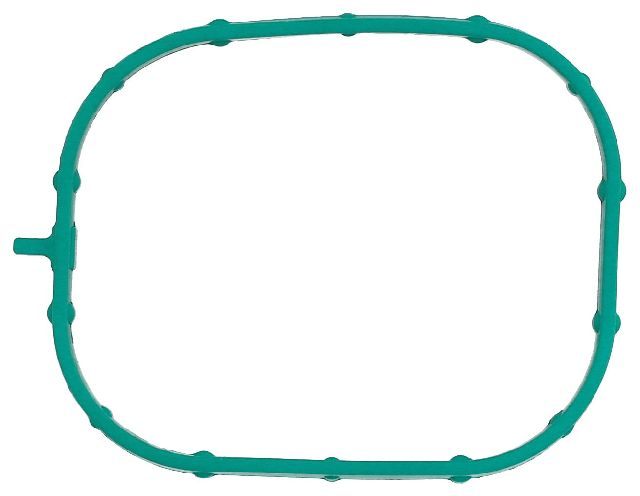
- Intake Manifold Gasket
(OEM #12626354)— These gaskets are a very common failure point leading to vacuum leaks that cause lean codes on this engine.
Trusted brands: ACDelco, Fel-Pro, Victor Reinz
OEM price range: $3-$6 per gasket
Aftermarket price range: $2-$5 per gasket - Mass Airflow (MAF) Sensor
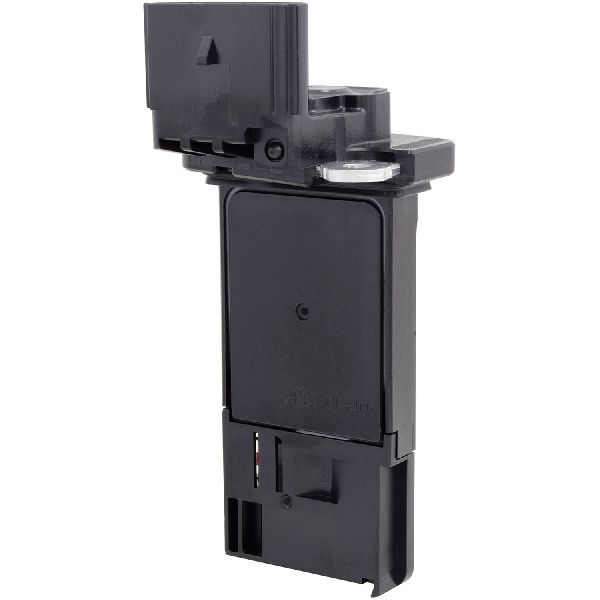
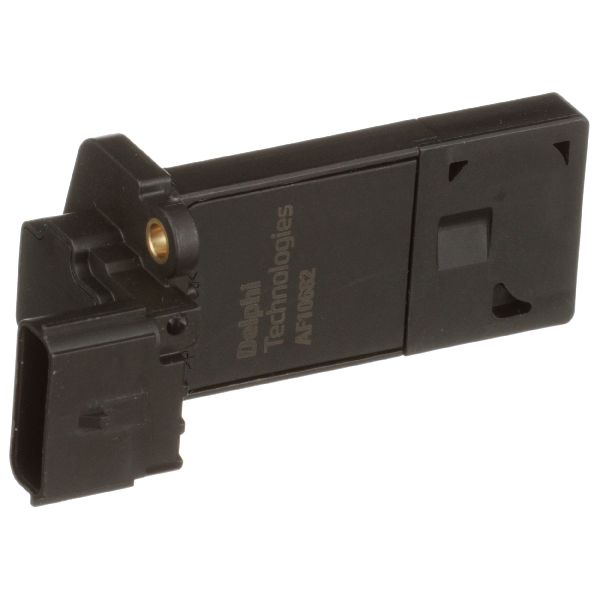
(OEM #23262343 (supersedes 12671624))— A dirty or faulty MAF sensor is a frequent cause, providing incorrect airflow data to the engine computer. TSB #PIP5446A points to issues in this area.
Trusted brands: ACDelco, Delphi
OEM price range: $80-$130
Aftermarket price range: $50-$90
Related Codes That Often Appear With This One
- P0174 — This is the identical 'System Too Lean' code for Bank 2. When both P0171 and P0174 are present, it strongly suggests a problem affecting both banks, such as a vacuum leak before the throttle body, a MAF sensor issue, or a fuel delivery problem.
- P0101 — This code indicates a fault with the Mass Airflow (MAF) sensor circuit performance. It often appears with P0171 when the MAF sensor is dirty, faulty, or if there is casting flash in the air intake housing, as noted in TSB #PIP5446A.
Technical Service Bulletins (TSBs) & Recalls
- PIP5446A: Addresses harsh shifts, sputtering, and rough idle with multiple codes including P0171, pointing to MAF sensor cast flashing.
- PIP5227: Addresses P0171 and P0174 caused by fuel with high ethanol content.
- 20-NA-098: Warns that installing an incorrect fuel injector part number during a repair can cause P0171 and other fuel trim codes.
Platform-Specific Known Issues
- TSB #PIP5446A: A rough idle, sputtering, and harsh shifts may be accompanied by code P0171. The cause may be excess 'cast flashing' in the intake tube near the MAF sensor, which disrupts airflow. The fix is to inspect and remove any flashing or replace the air filter housing lid.
- TSB #PIP5227: Codes P0171 and P0174 can be triggered by fuel with an ethanol content greater than 10%. This requires checking the fuel's alcohol percentage.
- PCV Hose Rub-Through: A known issue involves the PCV fresh air tube rubbing against the engine cover, creating a vacuum leak. The fix is to replace the hose and protect it with conduit.
Mechanic-Grade Diagnostic Values
- Mass Airflow (MAF) Sensor Reading at Idle — expected: Approximately 5.0 - 6.0 g/s for a fully warm 5.3L engine at idle.. Failure: Readings significantly lower than 5.0 g/s at idle can indicate a dirty or faulty sensor, or a vacuum leak downstream of the sensor.
- Mass Airflow (MAF) Sensor Reading at 2500 RPM — expected: Approximately 15 - 25 g/s.. Failure: A reading that does not increase smoothly and proportionally with RPM suggests a failing sensor.
- Long Term Fuel Trim (LTFT) at Idle — expected: Between -10% and +10%.. Failure: For a P0171, a sustained LTFT value greater than +15% at idle that decreases as RPMs are raised strongly indicates a vacuum leak.
- High-Pressure Fuel System Pressure — expected: Can be several hundred PSI.. Failure: This is not typically measured directly without specialized tools. A failure is often diagnosed via symptoms (fuel in oil, rich/lean codes) rather than direct pressure reading. The system must be properly depressurized using a scan tool or by pulling the fuel pump fuse before service.
Scan Tool Commands That Help
- GDS2 / Professional Scan Tool: Fuel Composition Reset — Use after fueling with gasoline of a different ethanol content, or if high ethanol is suspected of causing lean codes per TSB #PIP5227. This forces the ECM to relearn the alcohol percentage in the fuel.
- GDS2 / Professional Scan Tool: Fuel Trim Reset — After performing repairs for a fuel trim code (like replacing an intake gasket or MAF sensor), resetting the fuel trims will clear the learned long-term values and allow the system to adapt to the fix more quickly.
- GDS2 / Professional Scan Tool: Fuel Pump Relay Control — To safely depressurize the high-pressure fuel system before replacing components like the high-pressure fuel pump or fuel lines. Commanding the pump 'Off' and running the engine until it stalls is a standard procedure.
Wiring & Ground Locations
- Frame Grounds near front wheels — On the frame, located behind both front wheels.. A forum user notes this is a 'terrible location' as it gets hit with road spray, making it highly susceptible to corrosion. Poor grounding can affect sensor readings and fuel pump operation, leading to various codes including P0171.
- G103 — On the cowl at the left (driver's) rear of the engine compartment, above the brake booster.. This is a primary engine-to-chassis ground point. Corrosion or looseness here can cause erratic behavior from the ECM and its sensors, which rely on a stable ground reference.
- Cylinder Head Grounds — There are ground straps from the body to the driver's side cylinder head and from the negative battery cable to the passenger side cylinder head.. These are the main ground paths for the engine block and the sensors mounted to it. A compromised connection can lead to incorrect sensor data being sent to the ECM.
Real Owner Repair Stories
- YouTube channel 'Aarons Automotive' (2015 Chevrolet Silverado 5.3L with 91,000 miles) — Check Engine Light with rich codes P0172 and P0175, oil smelled strongly of fuel and was overfull.
❌ Tried (didn't work) The video focuses on the direct diagnosis of the HPFP.
✅ What actually fixed it The high-pressure fuel pump (HPFP) seal had failed, leaking fuel internally into the crankcase. The fix was to replace the HPFP, the associated high-pressure fuel line, intake manifold gaskets, and the MAF sensor, followed by an oil change and a fuel trim reset with a scan tool. While this caused rich codes, a failing HPFP is a critical L83 engine issue that can also cause lean conditions.
"I Checked Everything" — The Actual Cause
- A smoke test may show no vacuum leaks, but the P0171 code can still be caused by issues that don't involve a physical leak. Per GM TSB #PIP5446A, excess plastic 'casting flash' in the air intake tube near the MAF sensor can disrupt airflow and cause a lean reading. Another cause is high ethanol content (>10%) in the fuel, which makes the engine run leaner than the computer expects for standard gasoline, as noted in TSB #PIP5227. Neither of these issues would be found with a smoke machine.
OEM Part Supersession History
Square 4-pin fuel pump connector→Flat 4-pin fuel pump connector— GM updated the connector design for the low-pressure in-tank fuel pump for better reliability.
Heads up: Replacement fuel pumps often come with a new flat-style pigtail harness that must be spliced onto the vehicle's wiring. It is critical to match the A, B, C, D pin locations from the old square connector to the new one, as the wire colors often do not match between the new pigtail and the factory harness.
Model Year Variations Within This Range
- 2015-2018: The 5.3L L83 engine in this generation uses a fixed orifice PCV system located in the driver's side valve cover, rather than a traditional replaceable PCV valve. This design is consistent across these model years but is a key difference from prior generations and other engines.
Helpful Videos
Used OEM Parts in Stock

New Aftermarket Parts Available


The information in this article is provided for general reference and educational purposes only. Vehicle specifications, procedures, and part compatibility can vary by production date, trim level, and region. Always consult your vehicle's factory service manual and verify part numbers before purchasing or performing repairs. Safety-critical components such as airbags, seat belts, and braking systems should be installed by a qualified professional.
- Chevrolet TAHOE:
- 🎬 Helpful Videos
- 🛍️ Shop This Part
- What's Unique About the 2015-2018 Chevrolet TAHOE
- Diagnostic Flowchart
- Symptoms You May Notice
- Most Likely Causes
- Rare But Worth Checking
- Diagnosis Steps
- Parts You'll Likely Need
- Related Codes That Often Appear With This One
- Technical Service Bulletins (TSBs) & Recalls
- Platform-Specific Known Issues
- Mechanic-Grade Diagnostic Values
- Scan Tool Commands That Help
- Wiring & Ground Locations
- Real Owner Repair Stories
- "I Checked Everything" — The Actual Cause
- OEM Part Supersession History
- Model Year Variations Within This Range
- 🎟️ Get 5% Off