

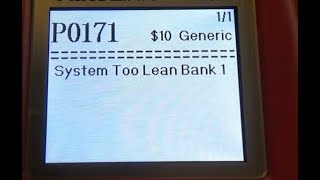
P0171 on 2007-2014 Chevrolet Tahoe: System Too Lean Causes and Fixes
Code P0171 on a 2007-2014 Tahoe usually means there's a vacuum leak. The most likely culprit is a cracked or disconnected PCV tube on the driver's side of the engine, a fix that costs under $30. A dirty MAF sensor is another very common cause that's easy to clean. Leaking intake manifold gaskets, especially in cold weather, are also a frequent cause.
- P0171 on a 2007-2014 Tahoe means the passenger side of the engine is running lean (too much air/not enough fuel).
- Before buying any parts, inspect the PCV tube on the driver's side of the intake manifold for cracks and clean the MAF sensor with dedicated cleaner. These are the two most likely and cheapest fixes.
- If codes P0171 and P0174 appear together, the problem is affecting the whole engine. This makes a vacuum leak (intake gaskets, PCV tube) or a faulty MAF sensor the most probable cause.
- Do not immediately replace the oxygen sensors. They are usually just reporting the lean condition, not causing it.
- A smoke test is the best way to find hard-to-see vacuum leaks if the initial visual inspection and MAF cleaning don't solve the problem.
What's Unique About the 2007-2014 Chevrolet TAHOE

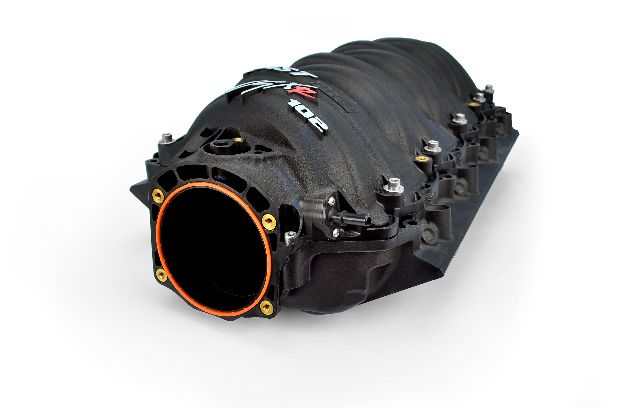
On this generation of Tahoe (GMT900 platform) with the Vortec V8 engines, the P0171 code is very frequently caused by specific, well-documented vacuum leaks. A GM Technical Service Bulletin (PIP5341) points to the PCV tube on the driver's side rear of the intake manifold rubbing against the engine cover and cracking. Additionally, the original plastic intake manifold gaskets on these Vortec engines are known to shrink, harden, and lose their seal over time, especially with exposure to cold weather, creating another common source for vacuum leaks that may appear only on cold starts.
Diagnostic Flowchart

Tap your situation to follow the diagnostic path that matches what you're seeing on this vehicle.
Symptoms You May Notice
- Check Engine Light is on
- Rough idle, especially when cold
- Engine hesitation or stumbling on acceleration
- Reduced engine power
- Poor fuel economy
- Misfires (may be accompanied by a P0300 code)
- A high-pitched whistling sound at certain RPMs, indicating a vacuum leak.
- Hard starting or extended cranking if the fuel pump is the cause.
- Replacing the front oxygen (O2) sensor. The O2 sensor is usually just the messenger reporting the lean condition. The actual cause is typically a vacuum leak or a MAF/fuel delivery issue. Always diagnose the fuel trims and check for vacuum leaks before replacing the sensor.
Most Likely Causes

- Cracked or Disconnected PCV Tube 🔴 High Probability A manufacturer TSB (PIP5341) specifically identifies that the engine cover can rub a hole in the PCV 'foul air' tube located at the left rear of the intake manifold, causing a significant vacuum leak. This is one of the most common causes for P0171/P0174 on these trucks.
How to confirm: Visually inspect the PCV tube that runs from the valve cover to the intake manifold, paying close attention to the area where it passes near the back of the engine cover. Look for obvious cracks, holes, or loose connections. A smoke test will definitively show a leak from this tube.
Typical fix: Replace the damaged PCV tube. The TSB recommends covering the new tube with protective conduit (split-loom tubing) to prevent future rubbing and failure.
Est. part cost: $15-$35 - Dirty Mass Air Flow (MAF) Sensor 🔴 High Probability Oil from aftermarket 'oiled' air filters or fine dust that gets past the stock filter can coat the delicate sensor wires, causing it to under-report the amount of air entering the engine. The computer then injects too little fuel, creating a lean condition.
How to confirm: Remove the MAF sensor from the air intake tube. Visually inspect the small wires inside. If they appear dirty or coated, they need cleaning. This is a cheap and easy first step in diagnosis and is often the sole cause of the problem.
Typical fix: Clean the sensor wires carefully using only dedicated Mass Air Flow Sensor cleaner spray. Do not use brake or carb cleaner, as they can damage the sensor. Do not touch the wires. Allow it to dry completely before reinstalling. 🎬 See why cleaning your MAF sensor is critical
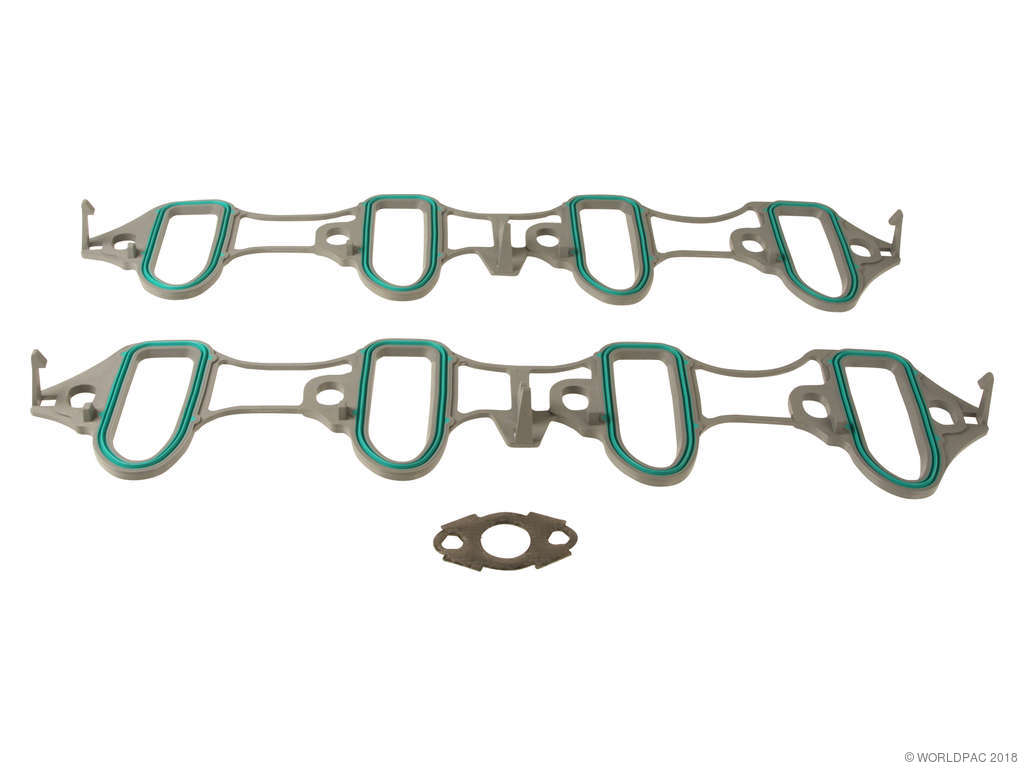
Est. part cost: $10-$15 for a can of cleaner - Leaking Intake Manifold Gaskets 🟡 Medium Probability The original orange or black intake manifold gaskets on these engines are prone to hardening and shrinking over time, especially in colder climates. This allows unmetered air to leak into the intake ports, a problem that is often worse on a cold engine and may seem to disappear as the engine warms up and the parts expand.
How to confirm: With the engine running (especially when cold), spray short bursts of brake cleaner, starting fluid, or even water around the area where the intake manifold meets the cylinder heads. If the engine RPM changes or stumbles, a leak is present. A professional smoke test is the most definitive way to confirm, as the leak is often on the underside of the intake port and hard to reach.
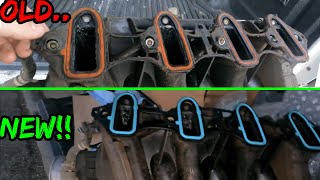
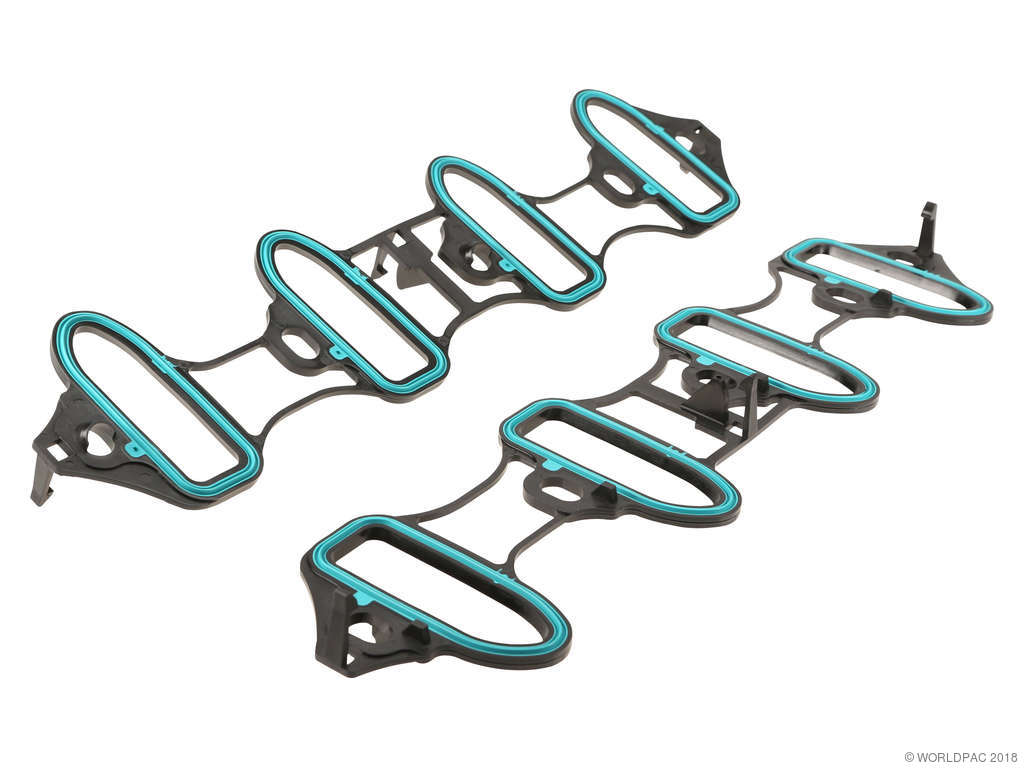
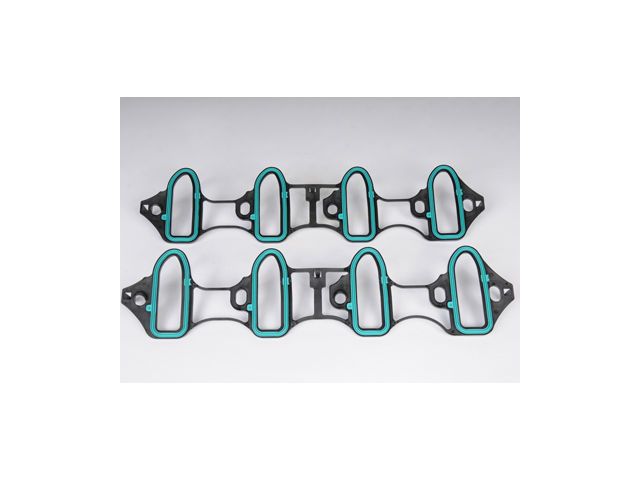
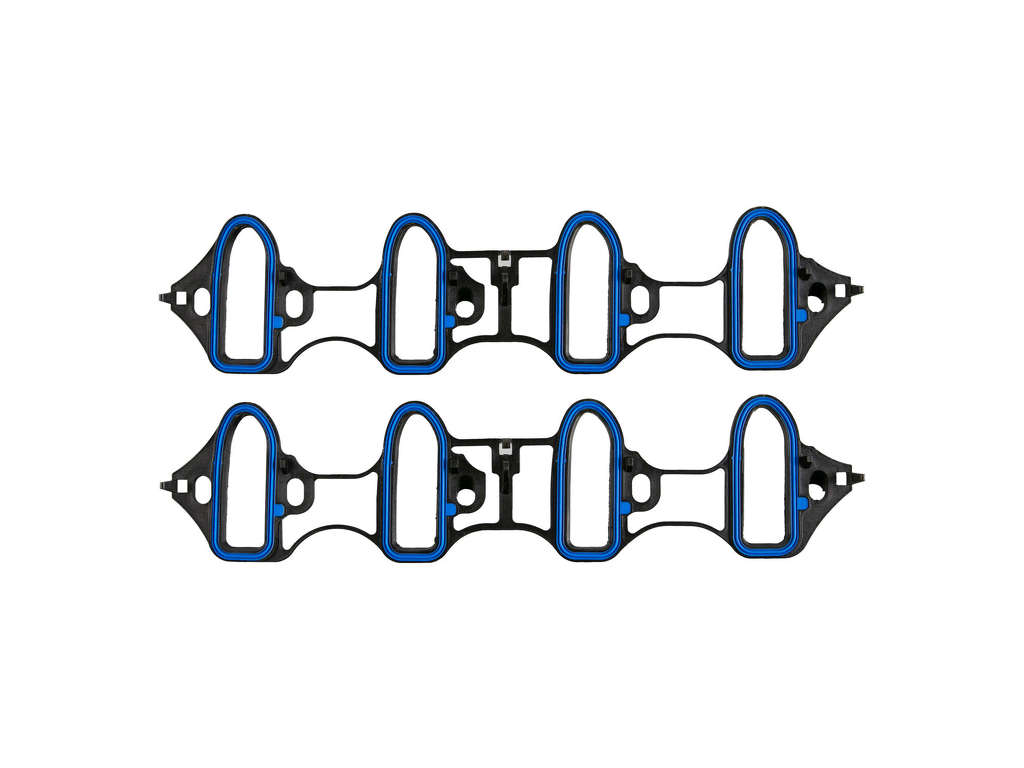
Typical fix: Replace the intake manifold gaskets. It is highly recommended to use the updated, improved green or teal-colored Fel-Pro (MS96587) or revised OEM gaskets, which provide a better seal. While the intake is off, it is a good time to also replace knock sensors and the harness if needed.
Est. part cost: $40-$70 for a gasket set - Weak Fuel Pump or Clogged Fuel Filter ⚪ Low Probability While not unique to this platform, a failing fuel pump or clogged in-tank filter sock can reduce fuel volume, causing a lean condition under load. A failing check valve in the pump can also cause long crank times.
How to confirm: Connect a fuel pressure gauge to the fuel rail's service port. The pressure should be within GM's specification (typically 55-62 PSI at idle). If pressure is low, the pump may be failing or the filter may be clogged. If pressure drops immediately after turning the key off, the check valve in the pump is bad.
Typical fix: The fuel filter is part of the fuel pump module inside the tank on these models and is not serviced separately. If pressure is low or a check valve has failed, the entire fuel pump module will likely need to be replaced.
Est. part cost: $200-$400 for a fuel pump module
Rare But Worth Checking
- Exhaust Leak: A crack or leak in the exhaust manifold or the pipe before the upstream O2 sensor can pull in outside air, making the sensor incorrectly report a lean condition.
- Failing Oxygen (O2) Sensor: While often replaced mistakenly, a slow or biased O2 sensor can fail in a way that causes it to read lean. However, it's more common for the sensor to be correctly reporting a problem caused by something else. Swapping the Bank 1 and Bank 2 sensors can help diagnose if the problem follows the sensor.
- Leaking Brake Booster or Vacuum Hose: A leak in the vacuum brake booster diaphragm or the hose leading to it can create a large, unmetered air leak, causing lean codes.
- Leaking EVAP Purge Solenoid: If the EVAP purge solenoid sticks open, it can create a constant vacuum leak as it pulls vapors from the charcoal canister, leading to lean codes.
Diagnosis Steps

- Check for Technical Service Bulletins (TSBs). TSB PIP5341 directly addresses P0171/P0174 on these trucks and is a critical first check.
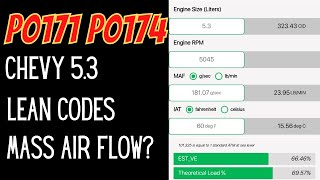
- Use a scan tool to monitor short-term and long-term fuel trims (STFT/LTFT). High positive numbers (over +10% at idle) that decrease 🎬 Watch: How to test for P0171 and P0174 codes as RPMs increase typically indicate a vacuum leak. If trims increase with RPM, it points more towards a fuel delivery or MAF issue.
- Visually inspect the entire air intake system from the air filter to the throttle body for loose clamps or cracked hoses. The large intake tube being disconnected from the throttle body is a surprisingly common finding.
- Specifically inspect the PCV tube at the rear driver's side of the intake manifold for cracks or holes, as noted in the TSB.
- Remove and clean the Mass Air Flow (MAF) sensor using dedicated MAF sensor cleaner. Let it dry completely before reinstalling.
- If a vacuum leak is suspected, perform a smoke test to pinpoint the exact source. This is the most effective way to find leaks at the intake manifold gaskets or other hidden areas like the brake booster hose.
- Test fuel pressure at the fuel rail to rule out a weak fuel pump or clogged filter. Pressure should be 55-62 PSI. Check for pressure drop after shutdown to test the pump's internal check valve.
- Inspect the EVAP purge solenoid to ensure it is not stuck open, causing a constant vacuum leak.
Parts You'll Likely Need

- PCV Foul Air Tube
(OEM #12597774)— This is the part identified in TSB PIP5341 as being prone to rubbing through and causing a vacuum leak. It's a very frequent and specific failure point on these trucks.
Trusted brands: ACDelco, Dorman
OEM price range: $15-$30
Aftermarket price range: $10-$25 - Intake Manifold Gasket Set
(OEM #19256623 (Updated OEM Design))— A very common failure item on these engines that causes vacuum leaks and lean codes, especially in cold weather. The original gaskets shrink and harden over time.
Trusted brands: ACDelco (Updated Green Seal), Fel-Pro (MS96587 - Green/Teal Seal)
Related Codes That Often Appear With This One
- P0174 — P0174 is 'System Too Lean (Bank 2)'. When both P0171 and P0174 are present, it strongly indicates a problem that affects the entire engine, such as a dirty MAF sensor, a large vacuum leak (like the intake gaskets or PCV tube), or low fuel pressure.
- P0300 — P0300 is 'Random/Multiple Cylinder Misfire'. A severe lean condition can prevent proper combustion, leading to misfires across multiple cylinders, especially at idle or under load.
Technical Service Bulletins (TSBs) & Recalls
- PIP5341: Preliminary information for a rough running engine, idle surge, and/or lean fuel trim DTCs P0171, P0174. This TSB points directly to the PCV foul air tube rubbing on the intake manifold cover, causing a vacuum leak.
Platform-Specific Known Issues
- A GM Technical Service Bulletin (PIP5341) was issued for 2007-2014 Tahoes (and other GM trucks/SUVs with V8s) for a rough idle with P0171 and/or P0174. The bulletin instructs technicians to inspect the PCV tube for a vacuum leak caused by rubbing against the engine cover. The fix is to replace the tube and add a protective conduit.
- The intake manifold gaskets are a known weak point, particularly in cold climates. The original orange/black gaskets shrink and cause vacuum leaks that are most prominent on cold starts, sometimes causing a rough idle that smooths out as the engine warms up. Replacing them with the updated green/teal Fel-Pro or OEM gaskets is a common and effective repair.
Mechanic-Grade Diagnostic Values
- Long Term and Short Term Fuel Trims (LTFT/STFT) — expected: Within +/- 8% to +/-10% of zero at idle.. Failure: Sustained positive values greater than +10%, often approaching +25%, indicate the computer is adding fuel to compensate for a lean condition.
- Fuel Pressure (Key On, Engine Off) — expected: 50-60 PSI. Pressure should not drop more than 5 PSI within one minute after the pump primes.. Failure: Pressure below 50 PSI indicates a weak pump or clogged filter. Pressure that drops off immediately after the key is turned off indicates a bad check valve in the fuel pump module.
- Mass Air Flow (MAF) Sensor Reading at Idle — expected: Approximately 4.8-6.2 grams/second (g/s) for a 4.8L to 6.2L engine at normal operating temperature with no accessory load. The reading should roughly match the engine displacement in liters.. Failure: A significantly lower reading (e.g., 2-3 g/s) suggests a dirty or failing MAF sensor is under-reporting airflow, causing the lean condition.
Scan Tool Commands That Help
- Tech2 or GDS2: Fuel Trim Reset — After a repair (like replacing intake gaskets or a MAF sensor), resetting the fuel trims forces the ECM to relearn the fuel strategy immediately, rather than slowly adapting over time. The path is typically Powertrain > Special Functions > Fuel System > Fuel Trim Reset.
- Tech2 or GDS2: Fuel Composition Reset — On FlexFuel (E85) models, if the fuel composition algorithm is incorrect (e.g., after running on E85 and switching to gasoline without a proper fill-up event), it can falsely command incorrect fueling and trigger lean codes. A reset forces the system to relearn the alcohol percentage.
- Tech2 or GDS2: EVAP Purge/Seal — To test if the EVAP purge solenoid is stuck open, you can command it closed with the scan tool and watch the short-term fuel trims. If the trims immediately drop towards normal, the solenoid was leaking vacuum.
Wiring & Ground Locations
- G102 — Located at the left rear of the engine, grounding the 8 ignition coils.. A poor ground here can affect ignition performance, potentially leading to weak spark and incomplete combustion that could be misinterpreted by the O2 sensors.
- G103 — Located on the front of the passenger side (Bank 1) cylinder head.. This is a primary engine ground. A poor connection here can cause erratic sensor readings for components on Bank 1, directly contributing to a P0171 code.
- G104 — Located on the rear of the driver's side (Bank 2) cylinder head.. While primarily affecting Bank 2 (P0174), a poor ground here can affect shared sensor returns or the ECM itself, contributing to general engine management problems.
Real Owner Repair Stories
- Tahoe Yukon Forum user (2011 Tahoe with 17k miles) — Check Engine Light with codes P0171 & P0174.
❌ Tried (didn't work) Initial forum search for causes.
✅ What actually fixed it The entire air intake tube had popped off the throttle body, creating a massive vacuum leak. Reconnecting it and tightening the clamp resolved the codes. - Tahoe Yukon Forum user (FlexFuel (E85) equipped Tahoe) — P0171 & P0174 codes, LTFTs pegged at 25%.
❌ Tried (didn't work) Visual inspection for vacuum leaks., Cleaning the MAF sensor.
✅ What actually fixed it The issue was incorrect fuel composition data. The truck had a small amount of regular gasoline added to a nearly empty E85 tank, which confused the algorithm. The fix was to run the tank empty, fill with regular gasoline, and perform a fuel composition reset with a scanner. - Forum user story (2011 Tahoe) — P0171 and P0174 codes, rough running.
❌ Tried (didn't work) Replaced MAF sensor., Replaced O2 sensors., Replaced fuel injectors., Smoke tested multiple times, which showed no leaks.
✅ What actually fixed it A hairline crack was eventually found on the top of the plastic intake manifold itself, near a bolt hole. The crack was almost invisible and did not show up on smoke tests until the intake was flexed in a specific way. Replacing the entire intake manifold finally solved the problem.
"I Checked Everything" — The Actual Cause
- In some cases, a smoke test may not reveal a leak from the intake manifold gaskets, especially if the test is performed when the engine is warm and the gaskets have expanded to create a temporary seal. The leak may only be present during a cold start.
- A hairline crack in the plastic intake manifold itself, rather than the gaskets, can be very difficult to detect with a smoke test but can be a significant source of unmetered air.
- A faulty brake booster check valve or an internal diaphragm leak may not show up during a standard engine smoke test but can act as a large vacuum leak when the brakes are applied.
When the Usual Fixes Don't Work
- While the most common causes are vacuum leaks and dirty MAF sensors, there are numerous owner reports where the final solution was less common. One owner on a forum chased P0171/P0174 for months, passing multiple smoke tests, only to find the root cause was a hairline crack in the plastic body of the intake manifold itself, not the gaskets. Another owner of a FlexFuel model found that no mechanical repair would work; the fix was to use a dealer-level scan tool to reset the fuel composition value after the vehicle's algorithm incorrectly learned a high ethanol percentage, causing the lean codes. These cases highlight the need to look beyond the most frequent culprits when initial diagnostics do not lead to a solution.
OEM Part Supersession History
Unknown (original driver-side valve cover)→Updated valve cover design (post-2010/2011)— The original PCV system design was prone to causing high oil consumption. An updated driver-side valve cover with a redesigned, fixed-orifice PCV baffle was introduced around 2011 to address this.
Heads up: While not directly for P0171, excessive oil being pulled through the PCV can contaminate the intake and MAF sensor, contributing to lean codes. Upgrading to the newer valve cover is a common fix for oil consumption that can indirectly help with P0171.
Model Year Variations Within This Range
- 2007-2009: Early models in this generation were more likely to have the original, less effective PCV system design integrated into the valve cover, which was later updated to reduce oil consumption issues that can foul sensors.
- 2007-2014 (FlexFuel models): Vehicles with FlexFuel (E85) capability (LC9, LMG engines) use a software algorithm to determine fuel alcohol content instead of a physical sensor. This system can be 'fooled' by non-standard refueling, leading to incorrect fuel trims and lean codes that require a scan tool to reset.
- 2010+: The 6.2L V8 (L94) received active AFM starting in the 2010 model year. All 5.3L V8s in this generation had AFM. While not a direct cause of P0171, AFM-related oil consumption can contribute to sensor contamination.
Helpful Videos

Used OEM Parts in Stock


New Aftermarket Parts Available


The information in this article is provided for general reference and educational purposes only. Vehicle specifications, procedures, and part compatibility can vary by production date, trim level, and region. Always consult your vehicle's factory service manual and verify part numbers before purchasing or performing repairs. Safety-critical components such as airbags, seat belts, and braking systems should be installed by a qualified professional.
- Chevrolet TAHOE:
- 🎬 Helpful Videos
- 🛍️ Shop This Part
- What's Unique About the 2007-2014 Chevrolet TAHOE
- Diagnostic Flowchart
- Symptoms You May Notice
- Most Likely Causes
- Rare But Worth Checking
- Diagnosis Steps
- Parts You'll Likely Need
- Related Codes That Often Appear With This One
- Technical Service Bulletins (TSBs) & Recalls
- Platform-Specific Known Issues
- Mechanic-Grade Diagnostic Values
- Scan Tool Commands That Help
- Wiring & Ground Locations
- Real Owner Repair Stories
- "I Checked Everything" — The Actual Cause
- When the Usual Fixes Don't Work
- OEM Part Supersession History
- Model Year Variations Within This Range
- 🎟️ Get 5% Off