

P0171 on 2007-2014 Chevrolet Suburban: Lean Condition Causes and Fixes
Code P0171 on a 2007-2014 Suburban usually means there's a vacuum leak, most often from a cracked PCV tube or a failed intake manifold gasket. Cleaning the MAF sensor is another common, easy fix. Expect to spend $20-$250 on parts depending on the cause.
- P0171 on your Suburban means the driver's side of the engine is running lean (too much air, not enough fuel).
- The most likely causes are vacuum leaks. Start by inspecting the PCV tube on the driver's side valve cover and the intake manifold gaskets.
- Before replacing parts, try cleaning the Mass Air Flow (MAF) sensor with a dedicated cleaner.
- If you also have code P0174 (Bank 2 Lean), the problem is affecting the whole engine. Focus on intake gaskets, the MAF sensor, or fuel pressure.
- Do not immediately replace the O2 sensor; it is usually just doing its job by reporting the lean condition.
What's Unique About the 2007-2014 Chevrolet SUBURBAN

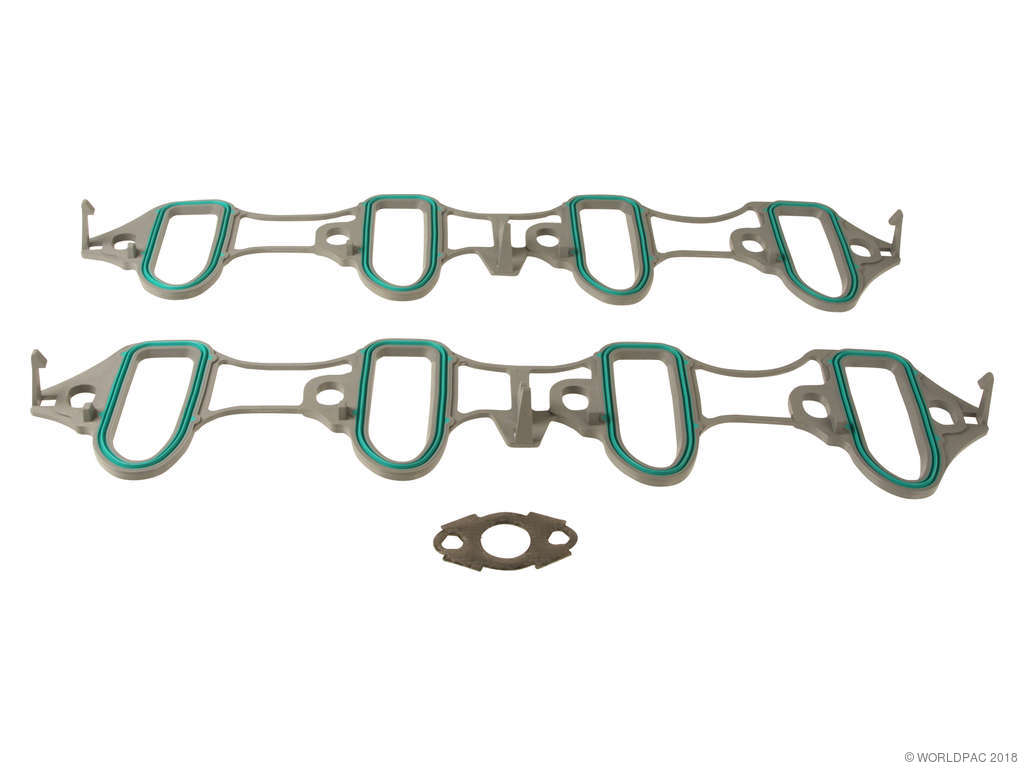
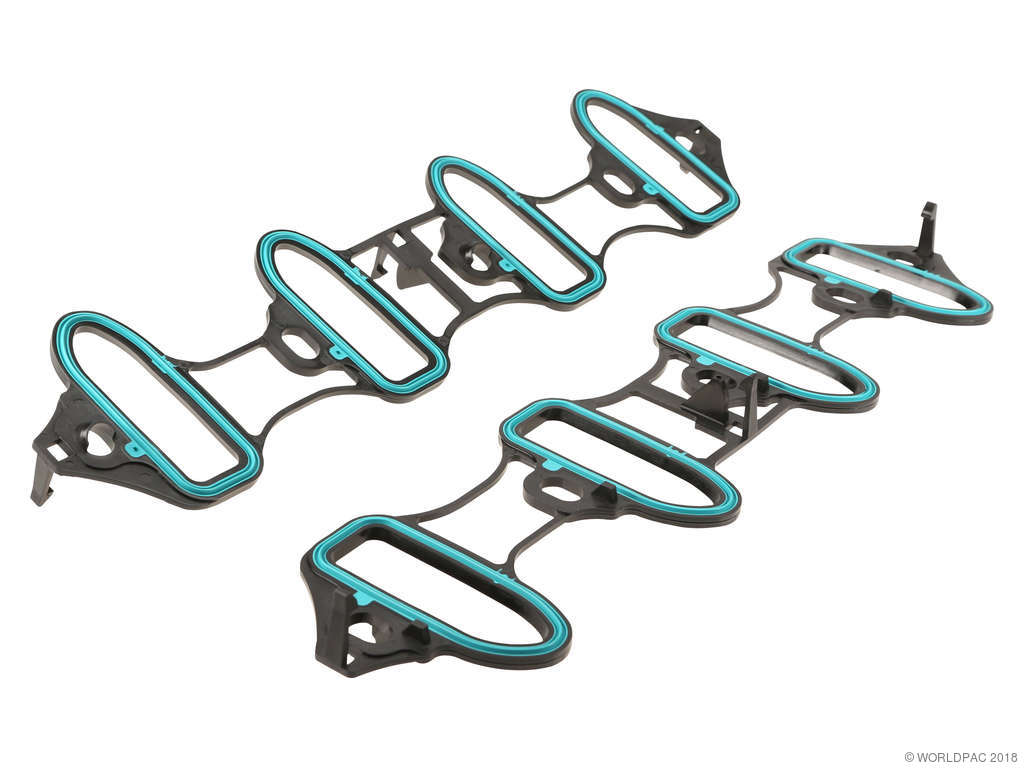
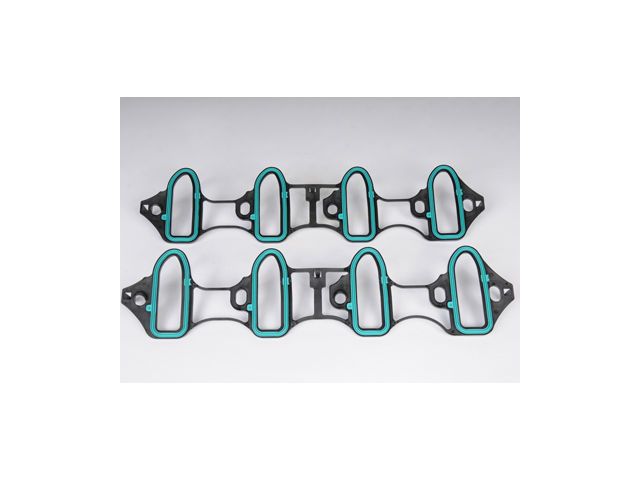
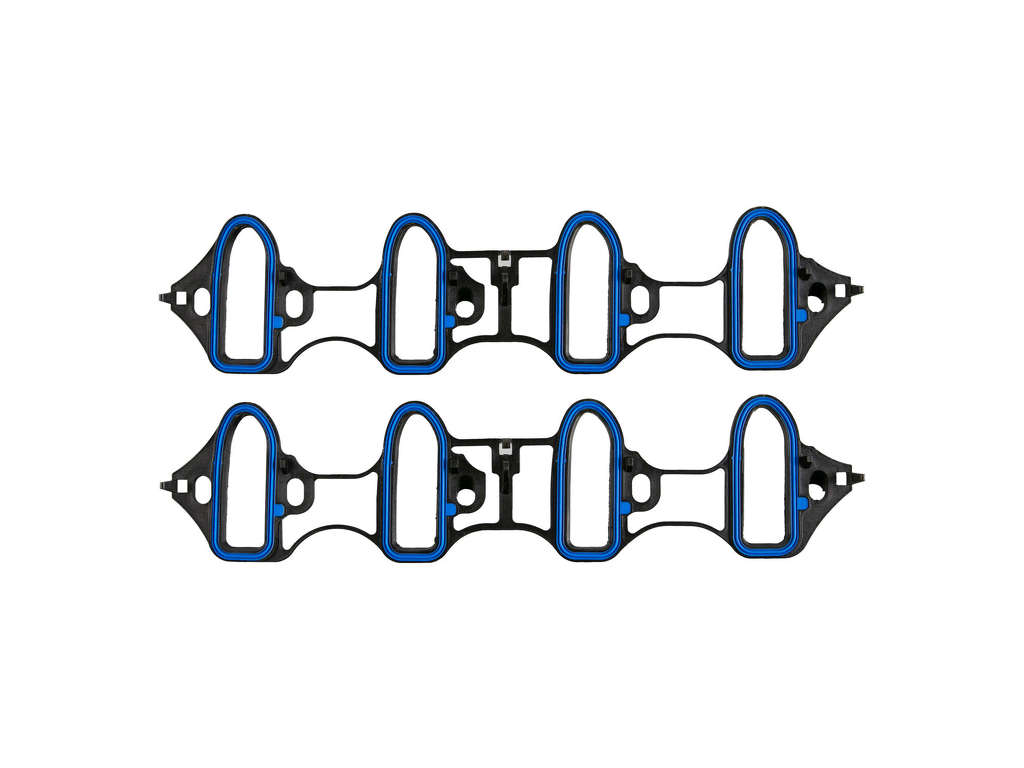
On the GMT900 platform Suburbans (2007-2014), with their 5.3L and 6.0L V8 engines, P0171 is frequently caused by specific vacuum leaks. A known weak point is a PCV tube that can crack, as highlighted in GM's own Technical Service Bulletin (PIP5341). Another very common failure is the intake manifold gasket, which degrades over time, allowing unmetered air to enter the engine, especially when cold. The original orange gaskets are known to fail and are often replaced with an updated, more durable teal-colored gasket.
Diagnostic Flowchart

Tap your situation to follow the diagnostic path that matches what you're seeing on this vehicle.
Symptoms You May Notice
- Check Engine Light is on
- Rough or unstable idle, especially when cold, that may smooth out as the engine warms up.
- Hesitation or stumbling during acceleration
- Reduced engine power.
- Poor fuel economy
- A hissing sound from the engine bay, indicating a vacuum leak
- Engine stalling or difficulty starting.
- Engine knocking or pinging sounds.
- Replacing the oxygen (O2) sensor. While a faulty O2 sensor can cause fuel trim issues, the P0171 code itself usually means the sensor is working correctly and accurately reporting a lean condition caused by something else.
Most Likely Causes

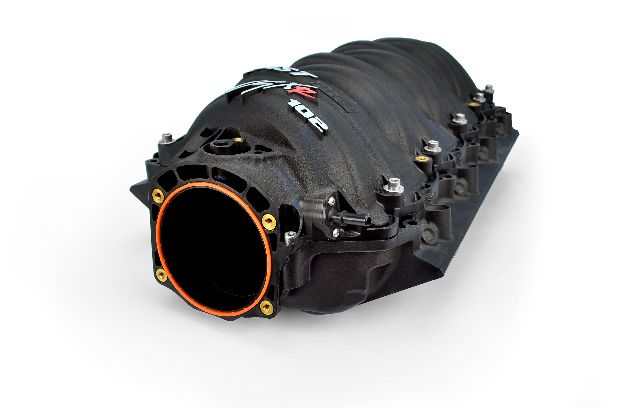
- Leaking Intake Manifold Gaskets 🔴 High Probability The original orange/red intake manifold gaskets on these V8 engines are prone to deteriorating and flattening over time, causing a significant vacuum leak. The leak is often worse on a cold engine and may seem to improve as the engine warms up and the parts expand. This is a very common failure on high-mileage GMT900 trucks.
How to confirm: With the engine running, carefully spray a small amount of brake cleaner or a stream of water around the base of the intake manifold where it meets the cylinder heads. If the engine idle changes or stumbles, a leak is present. A smoke test is the most definitive way to confirm. High positive long-term fuel trims (+10% or higher) at idle that decrease as RPMs increase are a strong indicator of a vacuum leak.
Typical fix: Replace the intake manifold gaskets with the updated design. Many owners choose the Fel-Pro PermaDryPlus set (MS96587) or the updated ACDelco OEM version. It is also recommended to replace the knock sensors and harness while the manifold is off.
Est. part cost: $40-$100 - Cracked or Disconnected PCV Tube 🔴 High Probability A specific PCV tube on the driver's side of the engine is known to become brittle and crack, causing a vacuum leak. This is a well-documented issue covered in GM Technical Service Bulletin #PIP5341.
How to confirm: Visually inspect the PCV hose that connects to the valve cover on the driver's side. Look for obvious cracks, splits, or loose connections. You may hear a hissing sound near the leak with the engine running. The crack is often found on the underside of a bend in the tube.
Typical fix: Replace the damaged PCV tube assembly. The OEM part number has been updated over time; common replacements include ACDelco 12670791 (which supersedes 12619985) and Dorman products.
Est. part cost: $25-$60 - Dirty or Faulty Mass Air Flow (MAF) Sensor 🟡 Medium Probability The MAF sensor, located in the intake tube after the air filter, can become contaminated with dirt and oil, especially if an oiled air filter is used. A dirty sensor will under-report the amount of air entering the engine, causing the computer to inject too little fuel.
How to confirm: Remove the sensor and inspect the delicate hot wires. If they appear dirty, cleaning them is a good first step. A faulty sensor may not show visible signs of failure. Monitoring live data may show irrational readings. A damaged or improperly seated air filter box can also cause this issue by allowing debris to foul the sensor or unmetered air to bypass it.
Typical fix: First, try cleaning the sensor with a dedicated MAF sensor cleaner spray. Do not touch the wires. Let it dry completely before reinstalling. If cleaning doesn't resolve the issue, or if fuel trims remain high, replacement is necessary.
Est. part cost: $10 (cleaner) - $150 (new sensor) - Weak Fuel Pump or Clogged Fuel Filter ⚪ Low Probability If the fuel pump cannot provide adequate pressure, the engine will not receive enough fuel, leading to a lean condition. This is more likely on higher-mileage vehicles. A clogged fuel filter can also cause this issue and is a simple maintenance item to address.
How to confirm: Connect a fuel pressure gauge to the Schrader valve on the fuel rail. With the key on and engine off, pressure should be within the manufacturer's specification (typically 55-62 PSI for these models). If pressure is low or drops under load, the fuel pump may be failing.
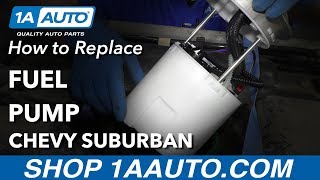
Typical fix: Replace the fuel pump module, which is located inside the fuel tank. Replacing the fuel filter first is a cheaper and easier initial step.
Est. part cost: $20 (filter) - $400 (pump)
Rare But Worth Checking
- Leaking Fuel Injector: An injector can become clogged or fail, preventing it from delivering the proper amount of fuel to a cylinder. This is less common than vacuum leaks but can cause a lean code on a single bank.
- Exhaust Leak Before Oxygen Sensor: A crack in the exhaust manifold or a leaking gasket before the upstream O2 sensor can allow outside air to be pulled into the exhaust stream, making the sensor report a false lean condition. Broken exhaust manifold bolts are a known issue on these V8 engines.
- Bad Ground Connection: In one documented case, a bad ground was the root cause of a cascade of issues that included P0171 and P0300 codes after other parts were replaced.
Diagnosis Steps

- Scan for Codes: Use an OBD-II scanner to confirm P0171 and check for any other codes, like P0174 or P0300. Note the freeze frame data, which shows engine conditions when the code was set.
- Check Fuel Trims: Use the scanner's live data function to view Short-Term (STFT) and Long-Term Fuel Trim (LTFT) values at idle. High positive numbers (e.g., LTFT at +15% or higher, with STFT also positive) confirm the computer is adding fuel to correct a lean condition. If the trims are high at idle but decrease towards 0% at 2,500 RPM, a vacuum leak is the most likely cause.
- Inspect for Vacuum Leaks: Start with a visual inspection. Check the PCV tube on the driver's side valve cover for cracks, as noted in TSB PIP5341. Inspect all vacuum hoses and the air intake tube for cracks or loose connections.
- Perform a Leak Test: To find hard-to-see leaks, spray brake cleaner or water around the intake manifold gaskets with the engine idling. A change in engine RPM indicates a leak. For best results, perform a smoke test to pressurize the intake system and see exactly where smoke escapes.
- Clean and Test the MAF Sensor: Disconnect and remove the MAF sensor. Spray it thoroughly with dedicated MAF sensor cleaner. Let it dry completely before reinstalling. After cleaning, clear the codes and drive to see if the problem returns. If fuel trims do not improve, the sensor may be faulty.
- Test Fuel Pressure: If no vacuum leaks are found, test the fuel pressure at the fuel rail to rule out a weak fuel pump or clogged filter. Pressure should be steady and within the 55-62 PSI range.
- Inspect Exhaust System: Check for cracks on the exhaust manifolds and listen for ticking sounds, especially when the engine is cold. A leak before the O2 sensor can cause a false lean reading.
Parts You'll Likely Need

- Intake Manifold Gasket Set
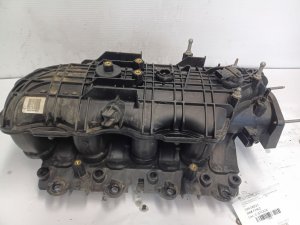
(OEM #ACDelco W0133-1946711)— This is one of the most common failure points on this platform leading to P0171/P0174 codes, especially on engines with over 100,000 miles. The original orange gaskets fail and must be replaced.
Trusted brands: ACDelco, Fel-Pro (MS 96587)
OEM price range: $60-$115
Aftermarket price range: $40-$70 - PCV Tube/Hose (Driver Side)
(OEM #12670791 (supersedes 12619985))— This specific hose is cited in a GM TSB for cracking and causing vacuum leaks that trigger P0171.
Trusted brands: ACDelco, Dorman
OEM price range: $40-$70
Aftermarket price range: $25-$50 - Mass Air Flow (MAF) Sensor
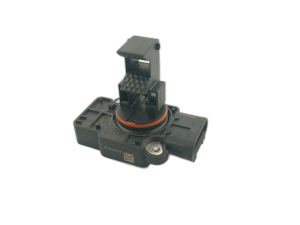
(OEM #15865791)— A MAF sensor that is dirty or failing will under-report airflow, causing the ECM to command an incorrect, lean fuel mixture. Cleaning is often attempted first, but replacement is common.
Trusted brands: ACDelco (213-4222), Bosch, Denso
OEM price range: $100-$160
Aftermarket price range: $60-$120
Related Codes That Often Appear With This One
- P0174 — This is the 'System Too Lean' code for Bank 2 (passenger side). If both P0171 and P0174 are present, it strongly suggests a problem that affects the entire engine, like a major vacuum leak (intake manifold, PCV), a faulty MAF sensor, or low fuel pressure.
- P0300 — This code means 'Random/Multiple Cylinder Misfire Detected'. A severe lean condition can prevent proper combustion, leading to misfires across multiple cylinders. This is often seen with a bad intake manifold gasket leak.
- C0561 — This code for 'System Disabled Information Stored Invalid' can be triggered because the traction control system (StabiliTrak) relies on accurate engine data. When a lean code like P0171 causes erratic engine performance, the traction control module may disable itself as a precaution, sometimes causing a hard shift.
Technical Service Bulletins (TSBs) & Recalls
- PIP5341: Preliminary information regarding engine running rough with P0171 and/or P0174, advising technicians to inspect the left side PCV tube for a vacuum leak.
Platform-Specific Known Issues
- Cold Weather Exacerbates Leaks: Owners frequently report that the P0171/P0174 codes appear during the first cold snap of the season. The cold causes the plastic intake manifold and old, brittle gaskets to contract, opening up vacuum leaks that may seal themselves once the engine bay warms up.
- Intake Gasket Design Change: GM updated the design of the intake manifold gaskets due to the high failure rate of the original orange/red ones. The replacement gaskets (e.g., Fel-Pro MS96587 or the updated ACDelco parts) are typically a teal/green color and made of a more durable material to provide a better long-term seal.
Mechanic-Grade Diagnostic Values
- Fuel Pressure (Key On, Engine Off) — expected: 55-62 PSI. Failure: Pressure below 55 PSI indicates a weak fuel pump, faulty regulator, or leak. Pressure that drops more than 5 PSI in 10 minutes suggests a leaking injector or bad check valve in the pump.
- Fuel Pressure at Idle — expected: 47-55 PSI. Failure: Pressure significantly below this range at idle can indicate a failing fuel pump or, on later models, a faulty Fuel Pump Control Module (FPCM).
- Long Term Fuel Trim (LTFT) at Idle vs. 2500 RPM — expected: Ideally close to 0%, but within +/- 5% is excellent.. Failure: If LTFT is high at idle (e.g., +15%) but drops significantly toward 0% when held at 2500 RPM, this strongly indicates a vacuum leak. If the LTFT stays high across all RPMs, it points more toward a MAF sensor or fuel delivery issue.
Scan Tool Commands That Help
- GDS2 / Tech2 or equivalent professional scanner: EVAP Purge/Seal > Purge Solenoid Command — Use this to command the EVAP purge valve to 0% (closed) at idle. Then, physically check for vacuum at the valve's intake manifold port. If suction is felt, the valve is mechanically stuck open, causing a vacuum leak.
- GDS2 / Tech2 or equivalent professional scanner: Fuel Injector Balance Test — This test individually fires each injector while monitoring the fuel pressure drop. It can identify a clogged or weak injector that isn't delivering enough fuel, which could cause a lean code on a single bank.
Wiring & Ground Locations
- Engine Harness Chafe Points — Inspect the driver's side engine harness for rubbing against the ECM/TCM bracket, the upper control arm, and the shock tower bolt.. Chafing can short out sensor wiring, including circuits for the MAF, O2 sensors, or injectors, leading to erratic signals and incorrect fuel calculations that can cause lean codes.
- G103 (Ground) — Located on the front of the passenger side cylinder head. Another source places a G103 on the cowl above the brake booster. Locations can vary slightly by year and engine.. A poor engine or module ground can cause incorrect readings from critical sensors, leading the ECM to make wrong decisions about fueling.
- G102 (Ground) — Located at the left rear of the engine, grounding the 8 ignition coils.. While less likely to cause a lean code directly, a bad coil ground can contribute to poor combustion and misfires that sometimes accompany lean conditions.
Real Owner Repair Stories
- YouTube user 'Terence The DIY'er' (Chevrolet Suburban, likely 2007-2014) — StabiliTrak light on, hard shift from 1st to 2nd, rough idle, P0171/P0174 codes.
❌ Tried (didn't work) Cleaned MAF sensor, replaced a cracked vacuum hose.
✅ What actually fixed it The air filter box housing was broken where it screws down, preventing a proper seal. This allowed unmetered air to be drawn in around the filter, bypassing the MAF sensor. Replacing the broken airbox lid resolved the codes. - Reddit user in r/Chevy (Unknown Chevy model, symptoms consistent with Suburban) — P0171 code.
❌ Tried (didn't work) Initial assumption was a leaking purge solenoid.
✅ What actually fixed it A smoke test revealed a leak from a seal on the main fuel line itself. The smoke was visible where the silver metal fuel line connected. The fix was to replace the entire fuel line assembly.
"I Checked Everything" — The Actual Cause
- A common scenario is a smoke test on the intake system that passes, yet the lean code persists. The actual cause is often a stuck-open EVAP canister purge valve. This acts as a significant vacuum leak but may be missed if the EVAP system isn't specifically tested. The definitive test is to check for vacuum at the valve's port at idle; there should be none.
- Another missed cause is a leaking power brake booster or its check valve. This introduces unmetered air but may not show on a smoke test. The diagnostic step is to disconnect and plug the vacuum hose to the booster and observe if fuel trims improve. If they do, the booster or check valve is the source of the leak.
OEM Part Supersession History
12619985→12670791— Updated design to prevent cracking and brittleness over time.20791901, 20827745, 20850927→20877116 (and others)— These are various compatible part numbers for the Fuel Pump Control Module (FPCM) used on later models in this generation.
Heads up: These modules require VIN programming. Ordering a pre-programmed unit is crucial for DIY replacement.
Model Year Variations Within This Range
- 2010-2014: These later models use a Fuel Pump Control Module (FPCM) mounted on the frame rail to regulate fuel pressure via Pulse Width Modulation. Earlier models (2007-2009) used a more traditional system. The FPCM on later models is a common failure point due to corrosion, causing fuel pressure issues that can trigger a P0171 code.
- 2007-2014: The primary 5.3L V8 engines were the LMG (iron block) and LC9 (aluminum block), both featuring Active Fuel Management (AFM), which is a common source of other engine issues but not typically P0171. The heavy-duty 2500 models used a 6.0L V8 without AFM.
Helpful Videos
Used OEM Parts in Stock



New Aftermarket Parts Available


The information in this article is provided for general reference and educational purposes only. Vehicle specifications, procedures, and part compatibility can vary by production date, trim level, and region. Always consult your vehicle's factory service manual and verify part numbers before purchasing or performing repairs. Safety-critical components such as airbags, seat belts, and braking systems should be installed by a qualified professional.
- Chevrolet SUBURBAN:
- 🎬 Helpful Videos
- 🛍️ Shop This Part
- What's Unique About the 2007-2014 Chevrolet SUBURBAN
- Diagnostic Flowchart
- Symptoms You May Notice
- Most Likely Causes
- Rare But Worth Checking
- Diagnosis Steps
- Parts You'll Likely Need
- Related Codes That Often Appear With This One
- Technical Service Bulletins (TSBs) & Recalls
- Platform-Specific Known Issues
- Mechanic-Grade Diagnostic Values
- Scan Tool Commands That Help
- Wiring & Ground Locations
- Real Owner Repair Stories
- "I Checked Everything" — The Actual Cause
- OEM Part Supersession History
- Model Year Variations Within This Range
- 🎟️ Get 5% Off