

P0171 on 2015-2020 Chevrolet Silverado 1500: Causes and Fixes for Lean Engine Code
Code P0171 on a 2015-2020 Silverado most often means there's a vacuum leak. Check the PCV foul air tube (TSB #PIP5686A) and intake manifold gaskets first, as these are known weak points. A simple fix like a new PCV hose (ACDelco #12673342) can cost under $50, while an intake gasket job is more involved but a common high-mileage repair.
- P0171 means your engine is getting too much air or not enough fuel on Bank 1.
- The most likely cause on a 2015-2020 Silverado is a vacuum leak. Start by inspecting the PCV hoses and intake manifold gaskets.
- Check for official TSBs related to your specific model year, as GM has documented known causes like faulty PCV tubes and MAF sensor obstructions.
- Do not replace the O2 sensor; it is reporting the problem, not causing it.
- A smoke test is the most reliable way to find a vacuum leak if it's not visually obvious.
What's Unique About the 2015-2020 Chevrolet SILVERADO 1500

On this generation of Silverado, the P0171 code is frequently tied to specific component failures documented by GM. Technical Service Bulletins point directly to issues like a damaged or improperly installed PCV foul air tube (TSB #PIP5686A) and casting flash near the Mass Air Flow (MAF) sensor obstructing airflow on 2014-2018 models (TSB #PIP5446A). These known issues, along with a high incidence of intake manifold gasket failures, make diagnosis more direct than on other vehicles where the cause might be more generic. These trucks also use a direct injection fuel system, meaning both a low-pressure in-tank pump and a high-pressure mechanical pump on the engine can be sources of fuel delivery issues.
Diagnostic Flowchart

Tap your situation to follow the diagnostic path that matches what you're seeing on this vehicle.
Generation note: This range covers two Silverado 1500 generations: the K2XX (2014-2019) and the T1XX (2019-present). The 2019 model year is a split year where both platforms were sold. TSB #PIP5446A (MAF sensor flashing) applies to 2014-2018 models (K2XX). TSB #PIP5686A (PCV tube) was issued in late 2019 and applies to both K2XX and early T1XX trucks. While many causes are similar, always verify parts for your specific model year and VIN.
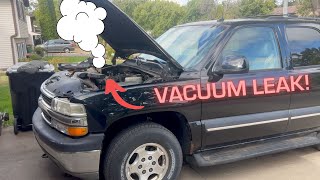
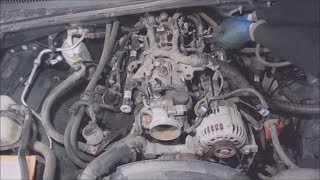
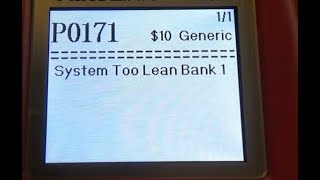
🎬 Watch: Common causes and fixes for the Silverado 5.3L P0171 code.Symptoms You May Notice

- Check Engine Light is on
- Rough or unstable idle
- Hesitation or stumbling during acceleration
- Reduced engine power
- Lower than normal fuel economy (MPG)
- A distinct hissing or whistling noise from the engine bay, indicating a vacuum leak
- Replacing the oxygen (O2) sensor. A P0171 code means the O2 sensor is doing its job correctly by detecting the lean condition. Replacing it is a waste of money and will not fix the underlying problem of too much air or not enough fuel.
Most Likely Causes

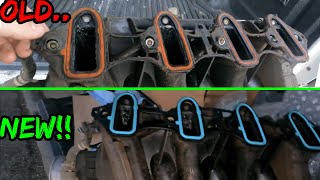
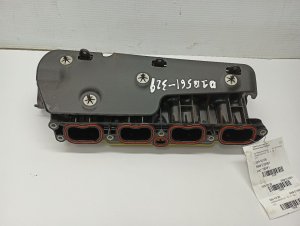
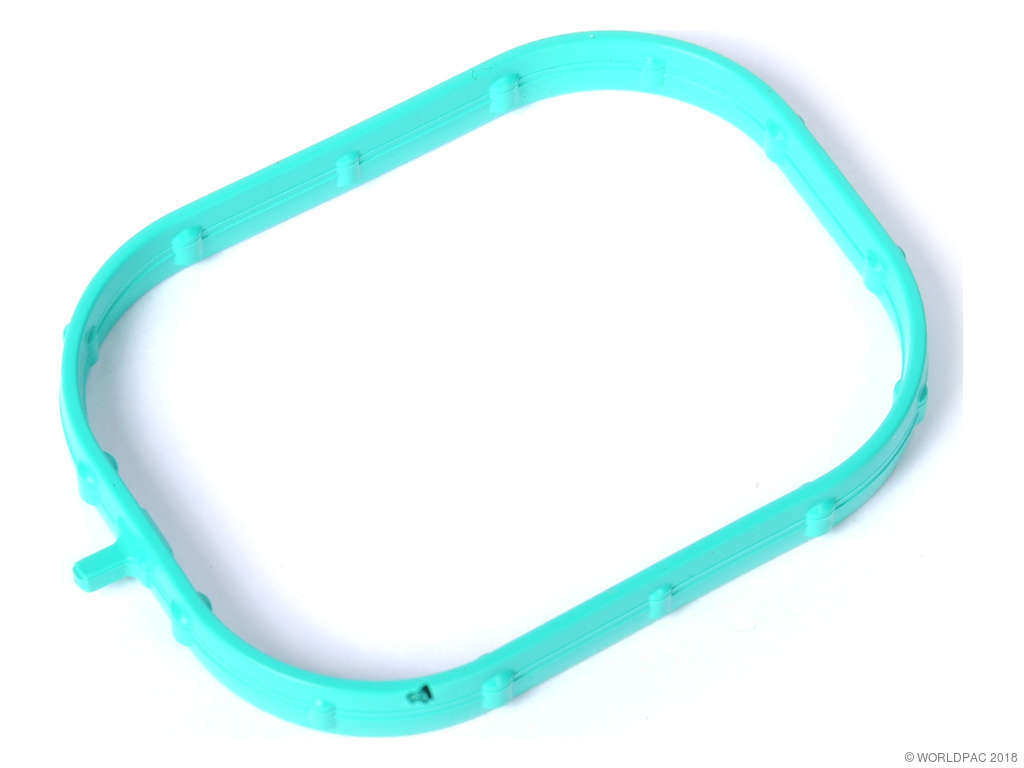
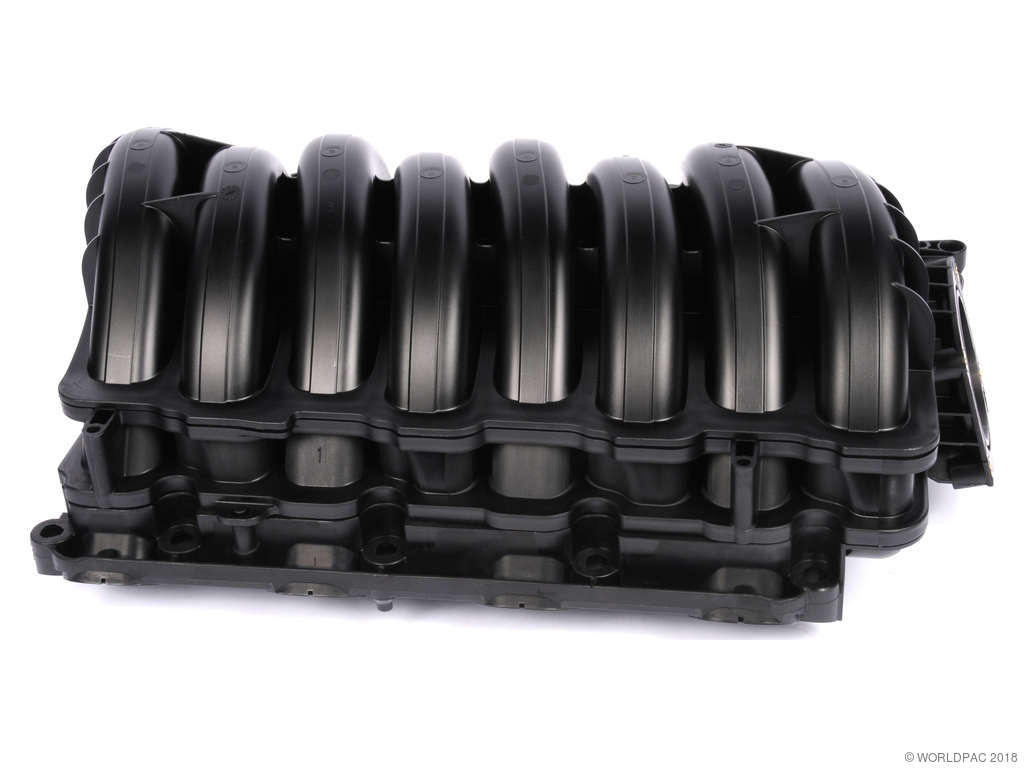
- Leaking Intake Manifold Gaskets 🔴 High Probability The intake manifold gaskets on GM V8 engines are a very common failure point as they age and endure heat cycles. The plastic/rubber construction can become brittle, crack, or flatten, causing unmetered air to enter the intake ports. This is especially common on higher-mileage trucks and is often indicated by both P0171 and P0174 codes appearing together.
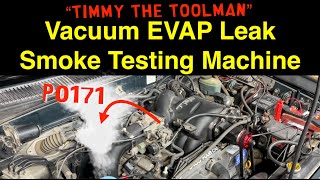
How to confirm: With the engine running, carefully spray brake cleaner or a propane torch (unlit) around the area where the intake manifold meets the cylinder heads. If the engine RPM changes or stumbles, a leak is present. A smoke test is a safer and more definitive method to pinpoint the exact location of the leak. 🎬 See how to use a smoke machine to find vacuum leaks.
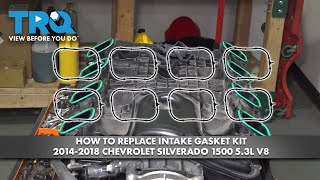
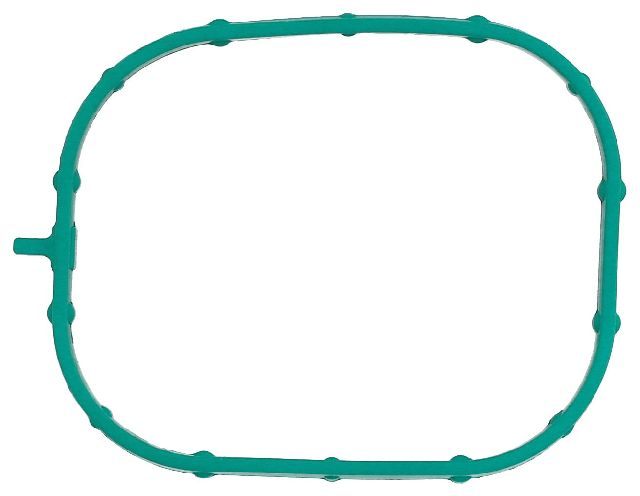
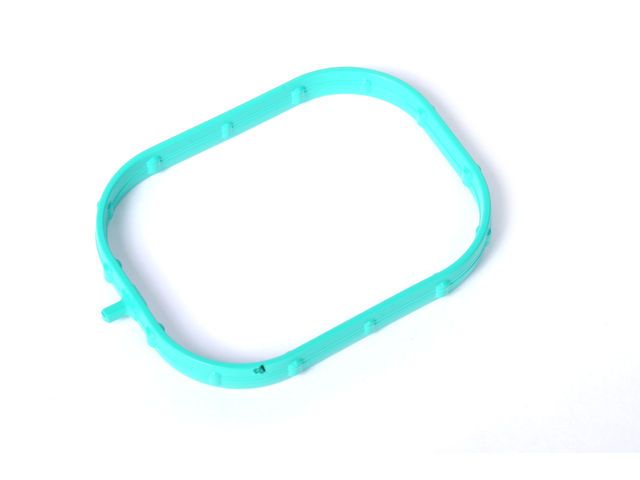
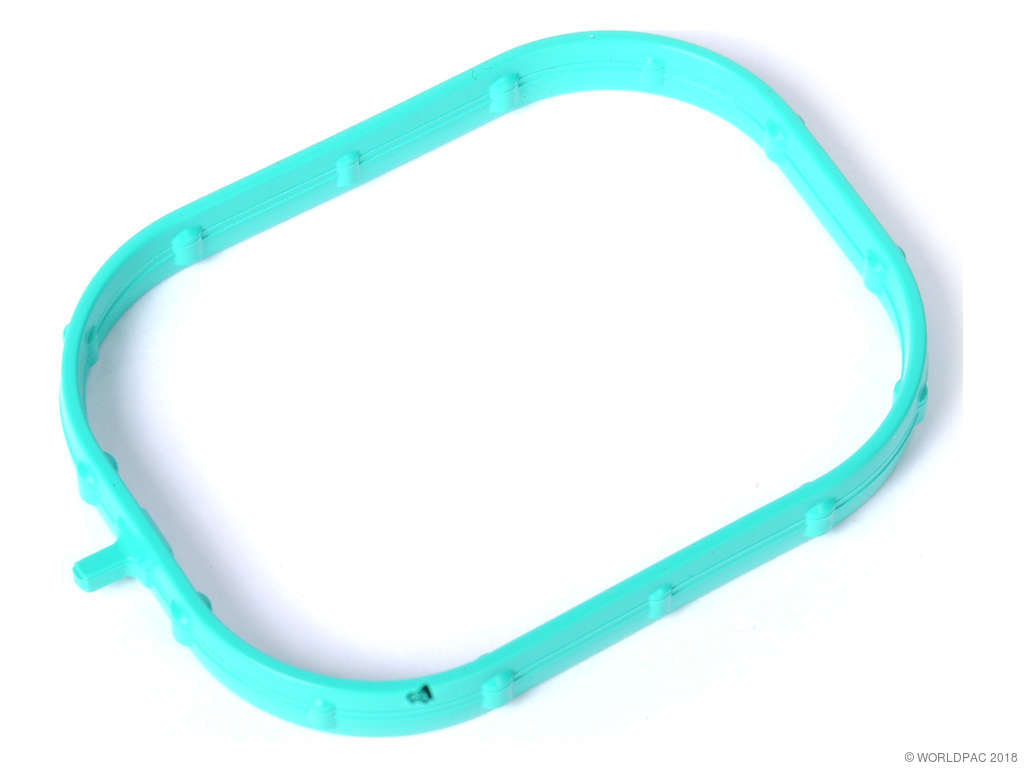
Typical fix: Replace the intake manifold gaskets. 🎬 Watch: Step-by-step intake gasket replacement for 2014-2018 Silverados. It is highly recommended to use an updated gasket design like the Fel-Pro MS 98016 T, which features a more durable construction. Thoroughly clean all mating surfaces before installing the new gaskets.
Est. part cost: $40-$100 - Damaged or Disconnected PCV Tube 🔴 High Probability A known issue documented in GM TSB #PIP5686A. The foul air PCV tube, especially the connection at the back of the intake manifold, can be installed incorrectly, become brittle, crack, or disconnect, creating a significant vacuum leak.
How to confirm: Visually inspect the PCV hoses and connections on the valve covers and intake manifold. Listen for a loud hissing sound near the firewall with the engine running. A smoke test is the most effective way to confirm a leak in the PCV system.
Typical fix: Replace the damaged PCV tube or hose and ensure it is correctly and securely installed. The updated part is often more robust.
Est. part cost: $20-$60 - Dirty or Faulty Mass Air Flow (MAF) Sensor 🟡 Medium Probability Oil from aftermarket (oiled) air filters or general debris can contaminate the MAF sensor's delicate wires, causing it to under-report airflow to the computer. TSB #PIP5446A also notes that on 2014-2018 models, excess casting flash in the air filter housing can disrupt airflow, leading to inaccurate readings and lean codes.
How to confirm: Remove the sensor and inspect the sensing elements for dirt, oil, or debris. You can try cleaning it with a dedicated MAF sensor cleaner. Check live data with a scan tool; MAF readings at idle on a 5.3L should be around 4-6 g/s. Inspect the air filter housing for any physical obstructions near the sensor as noted in the TSB.
Typical fix: Clean the MAF sensor with a specialized cleaner. If cleaning doesn't resolve the issue, the sensor is faulty and must be replaced. If casting flash is found, the air filter housing lid should be replaced.
Est. part cost: $10-$20 (cleaner), $80-$150 (sensor) - Weak Fuel Pump or Low Fuel Pressure ⚪ Low Probability While not as common as vacuum leaks, a failing fuel pump or a clogged fuel filter can fail to supply enough fuel to meet the engine's demand, resulting in a lean condition. This is more likely on higher mileage vehicles. These trucks have both a low-pressure in-tank pump and a high-pressure engine-mounted pump; failure of either can cause issues.
How to confirm: Connect a fuel pressure gauge to the fuel rail's Schrader valve. For the 5.3L V8, key-on, engine-off pressure should be between 55-62 PSI from the low-pressure pump. With the engine idling, the high-pressure side should read between 276-725 PSI (1.9-5.0 MPa). Low pressure points to a fuel delivery issue.
Typical fix: Replace the in-tank fuel pump module or the high-pressure mechanical fuel pump on the engine. It's often recommended to replace the fuel filter at the same time.
Est. part cost: $200-$500
Rare But Worth Checking
- Leaking Fuel Injector O-rings: The O-rings that seal the fuel injectors to the intake manifold can dry out and crack, creating a small vacuum leak at the base of the injector. This can sometimes be found by spraying carb cleaner around each injector while monitoring fuel trims.
- Exhaust Leak Before the Oxygen Sensor: A crack in the exhaust manifold or a leaking flange gasket before the upstream O2 sensor can allow outside air to be pulled into the exhaust stream. This 'fools' the sensor into reporting a false lean condition, causing the computer to unnecessarily add fuel.
Diagnosis Steps
- Read all codes with an OBD-II scanner and check freeze frame data to see the engine conditions when the code was set.
- Inspect the entire air intake system from the air filter to the throttle body for any cracks, loose clamps, or disconnected hoses.
- Visually inspect all vacuum and PCV hoses for cracks, disconnection, or damage. Pay close attention to the PCV foul air tube at the rear of the intake manifold, as noted in TSB #PIP5686A.
- If a visual inspection reveals nothing, perform a smoke test. This is the most reliable way to find hard-to-see leaks in the intake manifold, gaskets, PCV system, and vacuum lines.
- While the engine is running, listen for hissing sounds. You can also carefully spray short bursts of brake cleaner around potential leak points like the intake gaskets and watch for any change in engine RPM.
- Check fuel pressure using a fuel pressure gauge. For a 5.3L, low-side pressure should be 55-62 PSI with the key on, engine off. High-side pressure at idle should be 276-725 PSI.
- Remove and inspect the MAF sensor. Clean it with dedicated MAF sensor cleaner if it appears dirty. Do not touch the sensor elements.
- Inspect for exhaust leaks (ticking noises, black soot) between the cylinder head and the upstream O2 sensors.
Parts You'll Likely Need
- Intake Manifold Gasket Set
(OEM #12627439 (ACDelco OEM for 5.3L/6.2L))— These gaskets are a well-known weak spot on GM V8s and a very common cause of lean codes due to vacuum leaks.
Trusted brands: ACDelco, Fel-Pro (MS 98016 T), Mahle
OEM price range: $60-$100
Aftermarket price range: $40-$80 - PCV Hose/Tube (Foul Air)
(OEM #12673342 (ACDelco for 5.3L/6.2L))— A common failure point documented in TSB #PIP5686A, causing a significant vacuum leak at the back of the intake manifold.
Trusted brands: ACDelco, GM Genuine
OEM price range: $30-$60
Aftermarket price range: $20-$40 - Mass Air Flow (MAF) Sensor
(OEM #13505433 (ACDelco))— Can become contaminated and report incorrect airflow, leading to a lean condition. Often cleaning is sufficient, but replacement is sometimes necessary.
Trusted brands: ACDelco, Delphi, Denso
OEM price range: $120-$180
Aftermarket price range: $70-$130
Related Codes That Often Appear With This One
- P0174 — P0174 is 'System Too Lean (Bank 2)'. Since major vacuum leaks (intake gaskets), MAF sensor issues, and fuel delivery problems affect the entire engine, they will almost always cause both banks to run lean, triggering both P0171 and P0174.
- P0101 — P0101 is 'Mass Air Flow (MAF) Sensor Circuit Range/Performance'. This code often appears with P0171/P0174 when the MAF sensor is dirty, faulty, or its readings are disrupted by issues like a torn intake boot or the casting flash mentioned in TSB #PIP5446A.
- P0300 — P0300 is 'Random/Multiple Cylinder Misfire Detected'. A severe lean air-fuel mixture can fail to ignite properly, leading to misfires across multiple cylinders, especially under load or at idle.
Technical Service Bulletins (TSBs) & Recalls

- PIP5686A: Addresses a lean running concern (P0171/P0174) caused by a damaged or incorrectly installed foul air PCV tube.
- PIP5446A: Mentions P0171 in conjunction with P0101, P0172, P0174, and P0175 due to excessive casting flash in the air filter housing near the MAF sensor on 2014-2018 models.
Platform-Specific Known Issues
- TSB #PIP5686A: Specifically calls out an incorrectly installed or damaged foul air PCV tube that connects to the rear of the intake manifold. This can cause a significant vacuum leak, often accompanied by a hissing noise, triggering P0171 and/or P0174.
- TSB #PIP5446A: Points to excess casting flash (plastic molding leftovers) inside the air filter housing near the Mass Air Flow (MAF) sensor as a potential cause of disrupted airflow and lean codes on 2014-2018 models.
Mechanic-Grade Diagnostic Values
- Low-Pressure Fuel System — expected: 55-62 PSI (Key On, Engine Off). Failure: Pressure below 55 PSI indicates a weak in-tank fuel pump, clogged filter, or faulty regulator.
- High-Pressure Fuel System (at idle) — expected: 276-725 PSI (1.9-5.0 MPa). Failure: Pressure outside this range at idle can indicate a failing high-pressure fuel pump (HPFP) or sensor issue.
- Mass Air Flow (MAF) Sensor (5.3L at idle) — expected: Approximately 4-6 g/s. Failure: Readings significantly lower than the engine's displacement (e.g., 3.0-3.5 g/s on a 5.3L) suggest a dirty or faulty MAF sensor or a vacuum leak downstream.
- Long-Term Fuel Trim (LTFT) — expected: Ideally close to 0%, but within +/- 10%.. Failure: Sustained positive values of +15% to +25% confirm the computer is compensating for a lean condition, triggering the P0171 code.
Scan Tool Commands That Help
- GDS2 / Professional Scan Tool: Fuel Injector Balance Test — This bidirectional test allows a technician to individually disable injectors and measure the pressure drop for each, identifying a clogged or weak injector that could cause a lean condition on one bank.
- GDS2 / Professional Scan Tool: Fuel Pump Enable — Used to manually command the low-pressure fuel pump on (without the engine running) to test for correct fuel pressure (55-62 PSI) and check for pressure bleed-down, which could indicate a bad check valve in the pump assembly.
- GDS2 / Professional Scan Tool: Fuel Trim Reset — After a repair is completed (like fixing a vacuum leak or replacing a sensor), resetting the fuel trims forces the PCM to relearn the air/fuel mixture from a baseline of zero, providing immediate feedback on whether the fix was successful.
Wiring & Ground Locations
- G103 / G104 — Located on the cowl, at the left and right rear of the engine compartment. The G103 ground is often found above the brake booster.. These are major grounds for the Body Control Module (BCM), Instrument Panel Cluster (IPC), and Data Link Connector (DLC). A poor connection here can cause erratic sensor readings and communication issues that could mimic component failure.
- Engine Block to Chassis Ground — A braided strap typically running from the rear of the passenger side cylinder head/engine block to the firewall/chassis.. This is a primary ground for the engine's electrical system. Corrosion or a break in this strap can cause a host of issues, including incorrect readings from the MAF, O2 sensors, and ECM, potentially leading to a false lean code.
Real Owner Repair Stories
- Jaguar Forums / Tacoma World (similar principle) (Various vehicles, principle applies to Silverado) — Persistent P0171/P0174 codes, rough idle, hard brake pedal, hissing noise when braking.
❌ Tried (didn't work) Smoke testing the intake manifold and vacuum lines (no leaks found)., Replacing MAF sensor., Cleaning throttle body.
✅ What actually fixed it The internal diaphragm of the brake booster was leaking vacuum. This leak is often internal and won't show up on a standard smoke test because the check valve prevents smoke from entering the booster. Disconnecting and plugging the booster's vacuum line caused fuel trims to return to normal, confirming the booster was the source of the unmetered air. Replacing the brake booster resolved the lean codes.
"I Checked Everything" — The Actual Cause
- A common scenario where a smoke test shows no leaks is a faulty brake booster. The check valve on the booster's vacuum line prevents smoke from entering the booster itself, hiding an internal diaphragm leak. The symptoms are often a hissing sound when the brake pedal is pressed and a hard pedal feel. A definitive test is to disconnect the booster's vacuum hose, plug the hose, and watch scan tool fuel trims. If the trims rapidly improve, the booster is the culprit.
- An exhaust leak before the upstream oxygen sensor can pull in fresh air, making the O2 sensor report a false lean condition. A smoke test of the intake will be clean. The proper method is to adapt the smoke machine to the tailpipe and pressurize the exhaust system to find cracks or gasket leaks upstream of the O2 sensor.
OEM Part Supersession History
Unknown→12711662 (ACDelco)— This is a current service part number for the high-pressure fuel pump, superseding previous versions.
Heads up: An earlier high-pressure pump design had a 'round top'. The service part 12711662 is the specified replacement. Always verify the correct part for the specific VIN and engine (L83/L8B).
Model Year Variations Within This Range
- 2014-2019 (K2XX Platform): These models are part of the third generation. The 5.3L (L83) and 6.2L (L86) engines are paired with either a 6-speed (6L80) or 8-speed (8L90) automatic transmission. TSB #PIP5446A regarding casting flash near the MAF sensor is specific to 2014-2018 models within this generation.
- 2019-2020 (T1XX Platform): The 2019 model year was a split, with both the old 'K2XX' and new 'T1XX' platforms sold. The T1XX is the fourth-generation truck. While it carries over similar engines initially, there are wiring, module, and component differences. TSB #PIP5686A for the PCV tube applies to both late K2XX and early T1XX trucks.
Helpful Videos
Used OEM Parts in Stock



New Aftermarket Parts Available


The information in this article is provided for general reference and educational purposes only. Vehicle specifications, procedures, and part compatibility can vary by production date, trim level, and region. Always consult your vehicle's factory service manual and verify part numbers before purchasing or performing repairs. Safety-critical components such as airbags, seat belts, and braking systems should be installed by a qualified professional.
- Chevrolet SILVERADO 1500:
- 🎬 Helpful Videos
- 🛍️ Shop This Part
- What's Unique About the 2015-2020 Chevrolet SILVERADO 1500
- Diagnostic Flowchart
- Symptoms You May Notice
- Most Likely Causes
- Rare But Worth Checking
- Diagnosis Steps
- Parts You'll Likely Need
- Related Codes That Often Appear With This One
- Technical Service Bulletins (TSBs) & Recalls
- Platform-Specific Known Issues
- Mechanic-Grade Diagnostic Values
- Scan Tool Commands That Help
- Wiring & Ground Locations
- Real Owner Repair Stories
- "I Checked Everything" — The Actual Cause
- OEM Part Supersession History
- Model Year Variations Within This Range
- 🎟️ Get 5% Off