

P0171 on 2014-2017 Chevrolet Impala: Lean Fuel Causes and Fixes
Code P0171 on a 2014-2017 Impala means the engine is running lean (too much air, not enough fuel). For the 2.5L engine, the most common cause is loose intake manifold bolts creating a vacuum leak, a known issue covered by a GM TSB. For the 3.6L V6, common causes include a cracked air intake boot or a faulty PCV system. Cleaning the MAF sensor is a good first step for both, but checking for unmetered air leaks is critical.
- For a 2014-2017 Impala with the 2.5L engine, the first thing to check for a P0171 code is loose intake manifold bolts, as per GM TSB PIP5529B.
- The most common causes of P0171 are sources of unmetered air. Do not replace the oxygen sensor until all potential vacuum leaks and MAF sensor issues are ruled out.
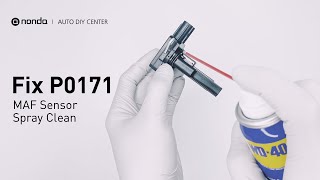
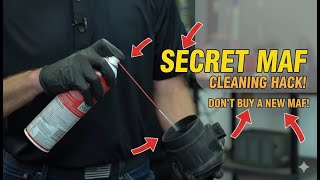
- Cleaning the Mass Airflow (MAF) sensor with a dedicated cleaner is a cheap and easy first diagnostic step that often resolves the issue.
- If both P0171 and P0174 codes are present, focus on issues that affect the whole engine, like the air intake boot, MAF sensor, or a major vacuum leak.
What's Unique About the 2014-2017 Chevrolet IMPALA

For the 2014-2017 Impala, the cause of P0171 is highly engine-dependent. On the 2.5L (LKW) I4 engine, a widely known issue is loose intake manifold bolts, which creates a significant vacuum leak. General Motors issued Technical Service Bulletin #PIP5529B 🎬 Watch: How to fix loose intake manifold bolts on the 2.5L. specifically addressing this, noting it can cause P0171 along with other codes like P0068 and P0101. The fix involves applying threadlocker and re-torquing the bolts. For the 3.6L (LFX) V6, the issue is more likely a cracked air intake boot between the MAF sensor and throttle body or issues within the PCV system, such as a clogged orifice in the valve cover.
🎬 See how to perform the PCV drill mod on the LFX.Diagnostic Flowchart

Tap your situation to follow the diagnostic path that matches what you're seeing on this vehicle.
Symptoms You May Notice
- Check Engine Light is on
- Rough idle
- Hesitation or stumbling during acceleration
- Reduced engine power or feeling sluggish
- Decreased fuel economy
- Engine stalling in rare cases
- Hissing or whistling sound from the engine bay, indicating a vacuum leak
- Replacing the upstream oxygen sensor first. The sensor is often just doing its job by reporting the lean condition. The root cause is usually a vacuum leak or MAF issue.
- Replacing the intake manifold gasket on a 2.5L engine without first trying to simply tighten the bolts. TSB PIP5529B explicitly states that the gasket is often not needed if tightening the bolts with threadlocker solves the leak.
Most Likely Causes

- Loose Intake Manifold Bolts (2.5L LKW Engine) 🔴 High Probability A well-documented issue covered by GM Technical Service Bulletin PIP5529B. The bolts on the 2.5L engine are known to back out over time, breaking the gasket seal and creating a large vacuum leak. This is one of the first things to check on a 2.5L Impala with a P0171 code.
How to confirm: Visually inspect and physically check if the intake manifold bolts are loose by hand or with a socket. A smoke test of the intake system will definitively show smoke leaking from the gasket area if bolts are loose.
Typical fix: Remove one bolt at a time, apply medium-strength threadlocker (e.g., Loctite Blue), and torque all bolts to the manufacturer's specification (typically 89 lb-in or 10 Nm) in the correct sequence. The gasket usually does not need replacement unless it's damaged.
Est. part cost: $5-$15 for threadlocker - Cracked Air Intake Boot (3.6L LFX Engine) 🔴 High Probability The flexible rubber air duct between the air filter box/MAF sensor and the throttle body is prone to cracking, especially in the ribbed sections. This allows unmetered air to enter the engine after the MAF sensor, causing a lean condition. This is a very common failure on the 3.6L V6.
How to confirm: Visually inspect the entire air intake boot, flexing it by hand to reveal any hidden cracks or tears. A smoke test will also quickly show a leak from this component.
Typical fix: Replace the air intake boot. A common part number cited by owners is #20885923.
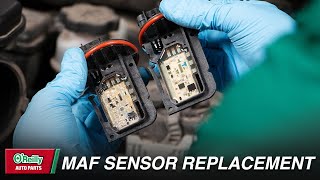
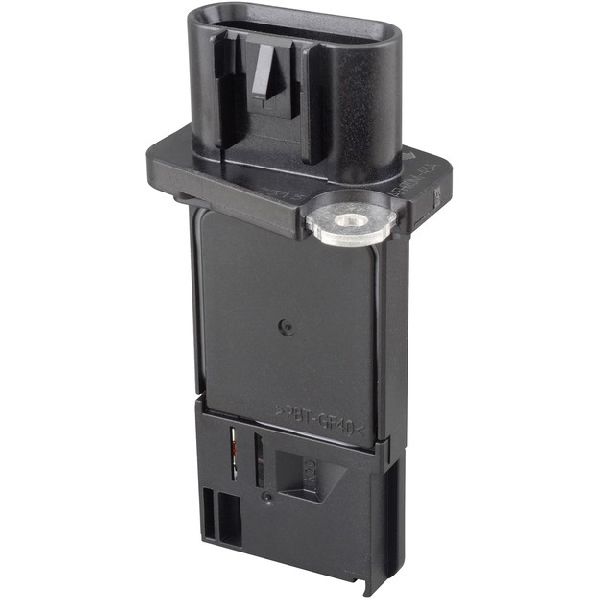
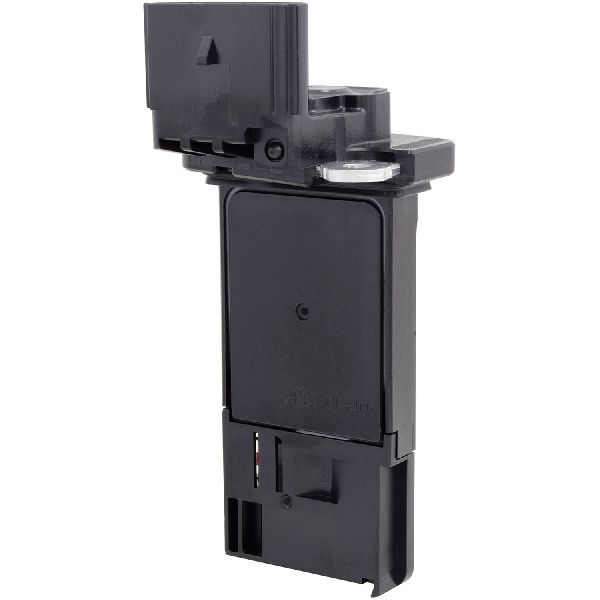
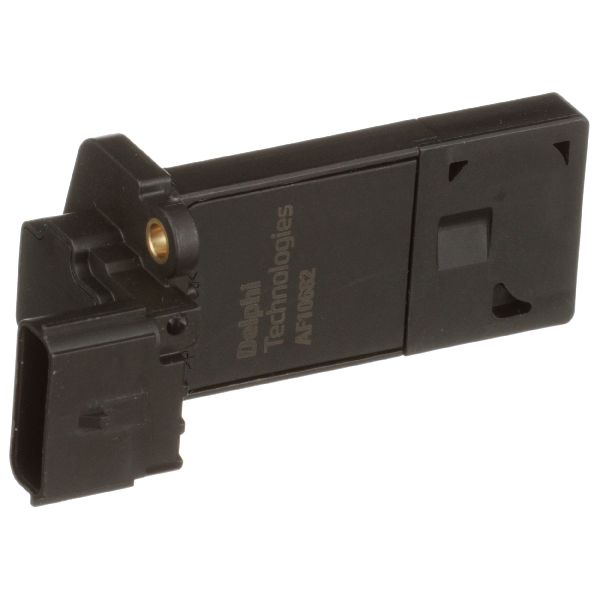
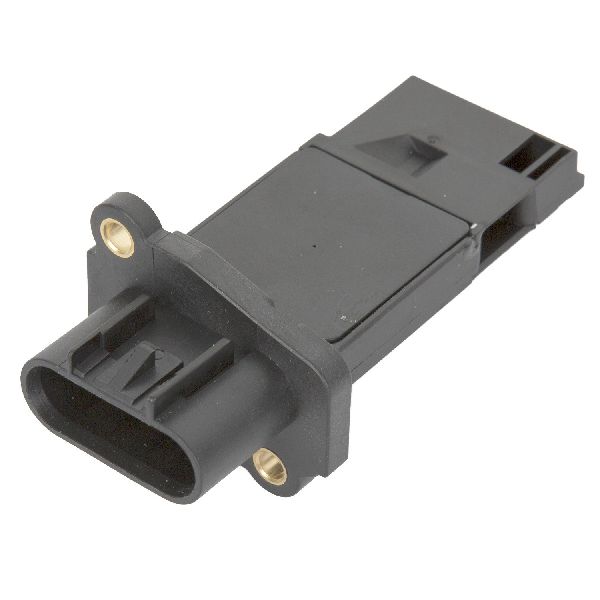
Est. part cost: $50-$100 - Dirty or Faulty Mass Airflow (MAF) Sensor 🟡 Medium Probability The MAF sensor wire gets contaminated with dirt and oil vapor, causing it to under-report the amount of air entering the engine. The computer then commands too little fuel, creating a lean mixture.
How to confirm: Remove the sensor and inspect for debris. A scan tool can show MAF readings that are illogically low for the engine's RPM, or show a large discrepancy between 'Calculated Air Flow' and the MAF reading. Unplugging the sensor at idle and seeing if the engine runs better can also be a clue.
Typical fix: Clean the sensor's delicate wires using only dedicated MAF sensor cleaner spray. Do not touch the wires. If cleaning doesn't resolve the issue, the sensor must be replaced. A common OEM part is ACDelco 23262343.
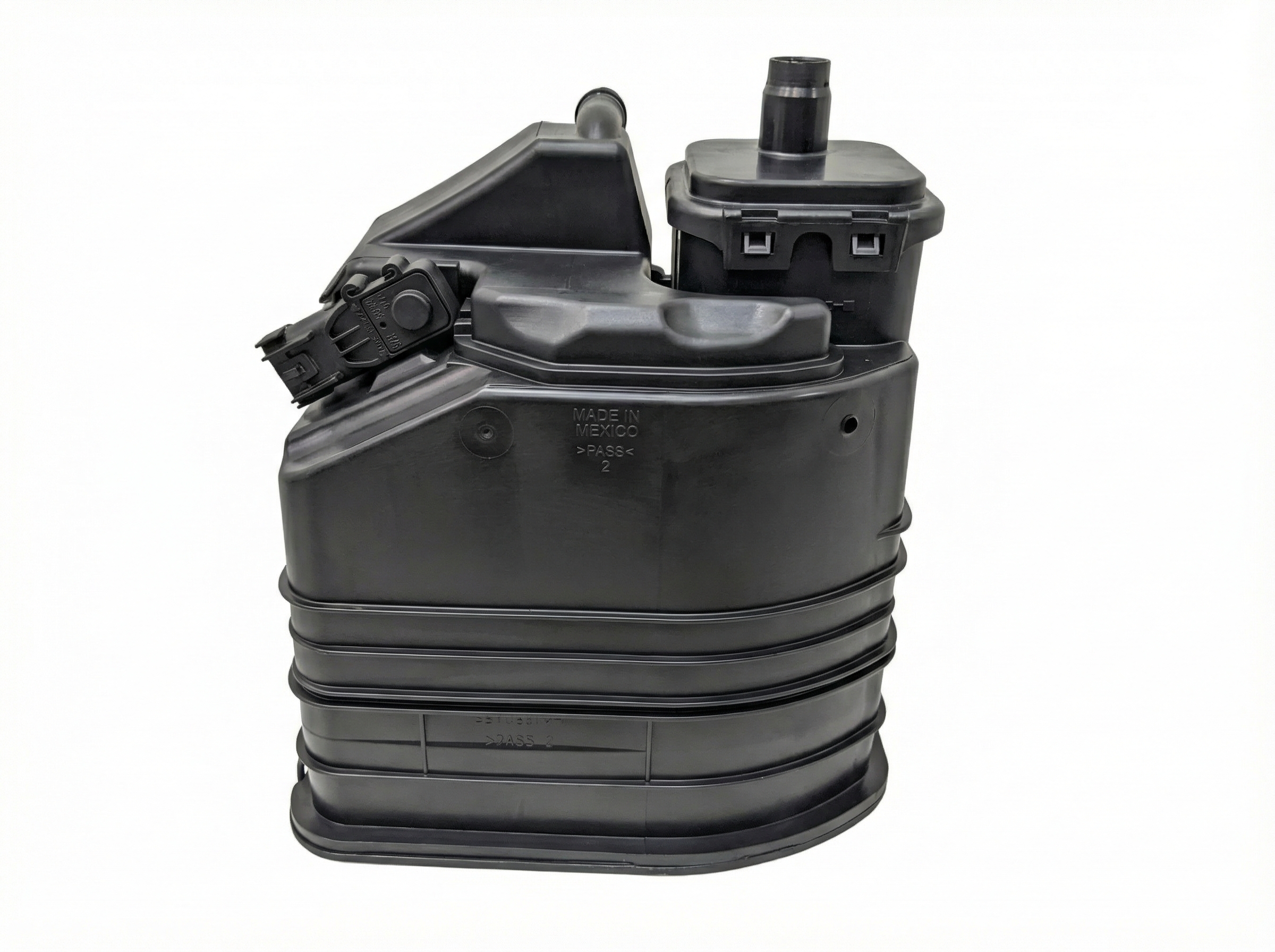
Est. part cost: $10-$20 for cleaner, $70-$150 for a new sensor - Faulty EVAP Purge Solenoid Valve 🟡 Medium Probability This valve can get stuck open, creating a constant vacuum leak as it pulls fuel vapors from the charcoal canister into the intake manifold at idle, when it should be closed. This is a very common failure on many GM vehicles.
How to confirm: With the engine running at idle, disconnect the vapor line from the valve to the intake manifold. Place your finger over the valve's port; if you feel any vacuum, the valve is stuck open and needs to be replaced.
Typical fix: Replace the EVAP purge solenoid valve. The GM part number is 12690512.
Est. part cost: $25-$60 - Clogged/Failed PCV System ⚪ Low Probability On the 3.6L LFX engine, the fixed PCV orifice can become clogged within the valve cover. This can lead to excessive crankcase pressure, forcing unmetered air into the intake through seals and causing lean codes. On the 2.5L, the PCV hoses can crack or the diaphragm can fail.
How to confirm: Inspect PCV hoses for cracks or collapse. For the 3.6L, high oil consumption accompanying the P0171 code is a strong indicator of a clogged PCV orifice in the valve cover.
Typical fix: Replace cracked hoses. If the orifice is clogged on the 3.6L engine, the entire valve cover assembly must be replaced.
Est. part cost: $20-$50 for hoses, $100-$250 for a new valve cover
Rare But Worth Checking
- Weak Fuel Pump or Clogged Fuel Filter: If the engine isn't receiving enough fuel due to low pressure, it can cause a lean condition. This is less common than vacuum leaks but should be checked with a fuel pressure gauge if other causes are ruled out.
- Faulty Upstream Oxygen Sensor: The sensor itself can fail and send incorrect 'lean' signals. However, this is often misdiagnosed; the O2 sensor is usually correctly reporting a problem caused by something else. Replace it only after confirming all other possibilities.
- Exhaust Leak (before O2 sensor): A crack in the exhaust manifold or a bad gasket can pull outside air into the exhaust stream, making the O2 sensor read a false lean condition.
Diagnosis Steps
- Read Codes: Use an OBD-II scanner to confirm P0171 and check for any other codes. Note if P0174 is also present.
- Check Fuel Trims: Use the scanner's live data to view Short-Term (STFT) and Long-Term Fuel Trim (LTFT). High positive numbers (e.g., LTFT >15%) confirm the computer is adding fuel to correct a lean condition.
- Engine-Specific Inspection: Based on your engine, perform the most likely check first. For 2.5L LKW: Check if the intake manifold bolts are loose. For 3.6L LFX: Thoroughly inspect the air intake boot for cracks.
- Clean the MAF Sensor: Disconnect and remove the MAF sensor. Spray it thoroughly with a dedicated MAF sensor cleaner and let it dry completely before reinstalling. Do not touch the sensor elements.
- Perform a Smoke Test: This is the most effective way to find vacuum leaks. Feed smoke into the intake system and look for smoke escaping from gaskets, hoses (PCV, brake booster), the intake boot, or the EVAP purge valve.
- Test the EVAP Purge Valve: With the engine idling, disconnect the hose from the purge valve to the intake and check for suction on the valve's port. There should be none. If vacuum is present, the valve is faulty.
- Check Fuel Pressure: If no vacuum leaks are found, connect a fuel pressure gauge to the fuel rail to ensure the fuel pump is delivering adequate pressure according to spec.
- Test the Oxygen Sensor: As a final step, use a scan tool to graph the upstream O2 sensor's voltage. A healthy sensor should fluctuate rapidly between ~0.1V and ~0.9V. A sensor that is stuck low or responds slowly may be faulty, but confirm other causes are fixed first.
Parts You'll Likely Need
- Mass Airflow (MAF) Sensor
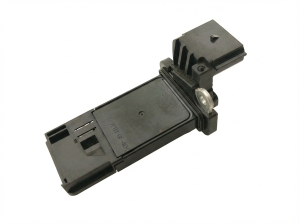
(OEM #23262343)— A dirty sensor is a common cause. Cleaning often works, but if the sensor has failed, it will need replacement.
Trusted brands: ACDelco
OEM price range: $110-$160
Aftermarket price range: $70-$120 - Intake Manifold Gasket
(OEM #12656784 (for 2.5L LKW))— Only required on the 2.5L engine if the gasket is damaged after finding the intake manifold bolts loose. It is not always necessary to replace.
Trusted brands: ACDelco, Fel-Pro
OEM price range: $30-$50
Aftermarket price range: $15-$30 - EVAP Canister Purge Valve
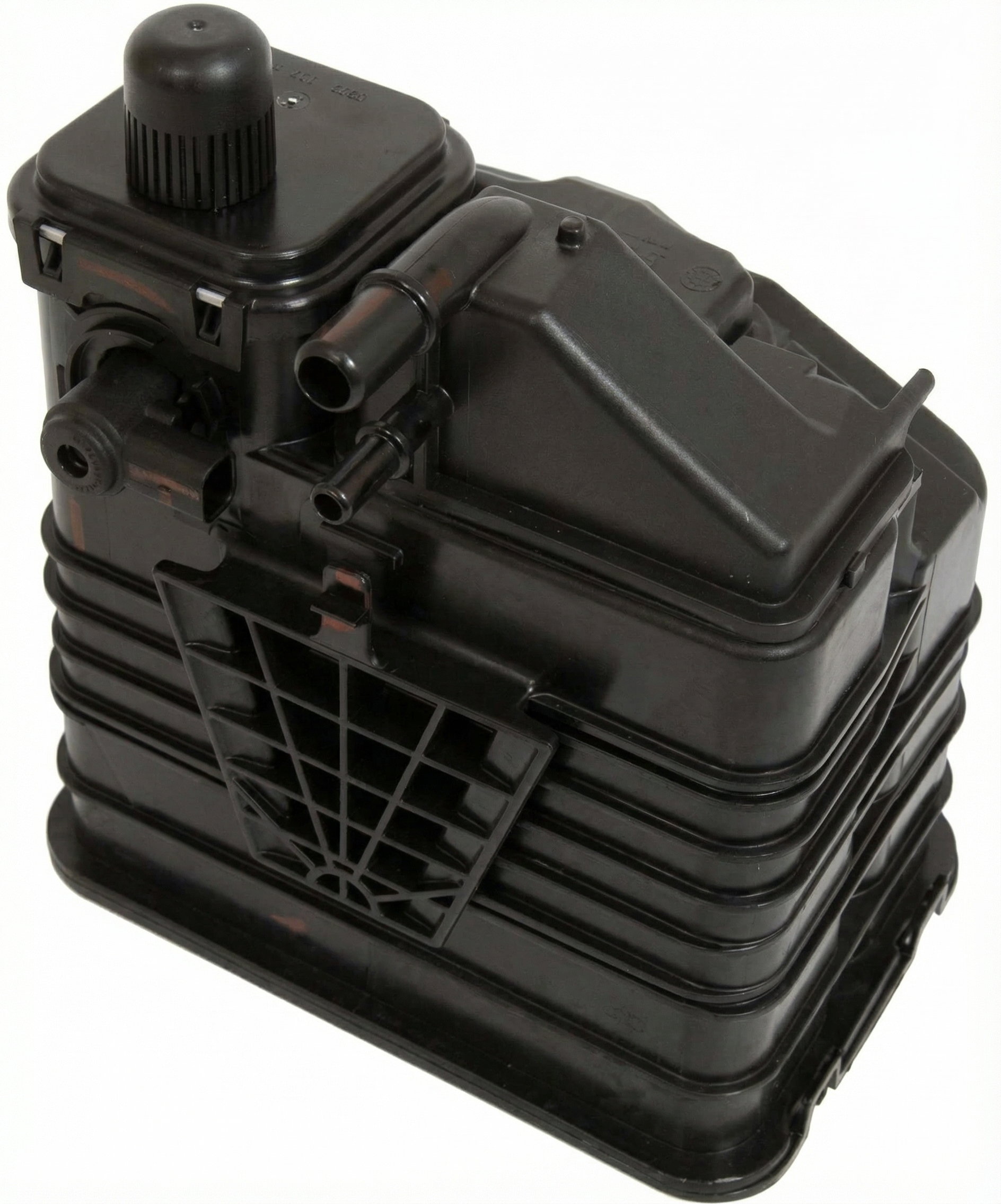
(OEM #12690512)— A very common failure point on many GM vehicles that causes a vacuum leak when stuck open.
Trusted brands: ACDelco, Dorman, Duralast
OEM price range: $40-$60
Aftermarket price range: $25-$45 - Air Cleaner Intake Duct Hose
(OEM #20885923 (for 3.6L LFX))— This part frequently cracks on the 3.6L V6, causing a significant vacuum leak after the MAF sensor.
Trusted brands: GM Genuine, Dorman
OEM price range: $70-$100
Aftermarket price range: $40-$60
Related Codes That Often Appear With This One
- P0174 — This is the 'System Too Lean' code for Bank 2. If both P0171 and P0174 are present (common on the V6), it strongly indicates a problem affecting the entire engine, such as a major vacuum leak (intake boot), a bad MAF sensor, or a faulty EVAP purge valve.
- P0101 — This code relates to a MAF sensor performance issue. A dirty or failing MAF sensor is a direct cause of incorrect fuel mixture calculations, leading to P0171. It is also listed as a companion code in the TSB for loose intake bolts.
- P0068 — This code indicates a conflict between the MAF/MAP sensor and the throttle position sensor. It often appears with P0171 when there's a large vacuum leak, as noted in TSB PIP5529B for the 2.5L engine.
- P0300 — This indicates random or multiple cylinder misfires. A severe lean condition can starve the cylinders of enough fuel to combust properly, causing misfires.
- P0496 — This code for 'EVAP Flow During a Non-Purge Condition' often appears with P0171 because a stuck-open EVAP purge valve is the root cause for both codes.
Technical Service Bulletins (TSBs) & Recalls

- Stall Hesitation P0068 P0101 P0106 P0131 P0137 P0171 P0324 P0326 P0331 P0506: This TSB directs technicians to inspect for loose intake manifold bolts on vehicles with the 2.5L (LKW/LCV) engine that present with a combination of codes, including P0171. The correction is to add medium-strength threadlocker to the bolts and torque them in sequence to 10 Nm (89 lb-in). It explicitly states not to replace the gasket unless it's proven to be leaking after torquing the bolts.
Platform-Specific Known Issues
- The primary and most unique cause of P0171 on this engine is loose intake manifold bolts. This should be the first item checked after reading codes. The vibration of the 4-cylinder engine is thought to contribute to the bolts backing out over time.
- This engine is not known for loose intake bolts. Instead, P0171 (often with P0174) is most commonly caused by a cracked rubber air intake boot or a stuck-open EVAP purge valve. A clogged PCV orifice in the valve cover is another, more complex possibility, often accompanied by increased oil consumption.
Helpful Videos
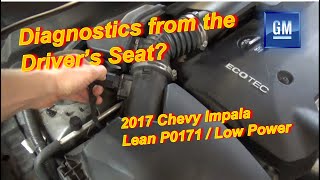

Used OEM Parts in Stock


New Aftermarket Parts Available


The information in this article is provided for general reference and educational purposes only. Vehicle specifications, procedures, and part compatibility can vary by production date, trim level, and region. Always consult your vehicle's factory service manual and verify part numbers before purchasing or performing repairs. Safety-critical components such as airbags, seat belts, and braking systems should be installed by a qualified professional.
- Chevrolet IMPALA:
- 🎬 Helpful Videos
- 🛍️ Shop This Part
- What's Unique About the 2014-2017 Chevrolet IMPALA
- Diagnostic Flowchart
- Symptoms You May Notice
- Most Likely Causes
- Rare But Worth Checking
- Diagnosis Steps
- Parts You'll Likely Need
- Related Codes That Often Appear With This One
- Technical Service Bulletins (TSBs) & Recalls
- Platform-Specific Known Issues
- 🎟️ Get 5% Off