

P0171 on 2005-2013 Chevrolet Corvette: Lean Condition Causes and Fixes
Code P0171 on a C6 Corvette usually means there's a vacuum leak or a dirty Mass Airflow (MAF) sensor. The most common fix is finding and sealing a leak in the intake system or cleaning the MAF sensor, which is a low-cost, DIY-friendly job. Loose intake manifold bolts are another surprisingly common and simple-to-check cause.
- Start your diagnosis by checking for vacuum leaks; a smoke test is the most reliable method.
- Cleaning the MAF sensor with a dedicated cleaner is a cheap and easy step that often solves the problem.
- If both P0171 and P0174 codes are present, the issue is almost certainly a vacuum leak affecting the whole intake or a faulty MAF sensor.
- Don't replace the O2 sensor until you have ruled out vacuum leaks and MAF sensor issues.
What's Unique About the 2005-2013 Chevrolet Corvette
On the C6 Corvette platform with the LS2, LS3, or LS7 engine, a P0171 code is frequently traced back to unmetered air entering the engine after the Mass Airflow sensor. This is often due to a simple vacuum leak from a cracked PCV hose, a poorly sealed air intake tube, or even loose intake manifold bolts. While the causes are common to many vehicles, the large, front-mounted air intake system on the Corvette can be prone to developing leaks if not perfectly sealed. Furthermore, a specific TSB (#08-06-04-040) points to a design issue where a gap in the radiator baffle can cause air turbulence, leading to false lean readings.
🎬 Watch: A complete DIY diagnosis of a lean Corvette engine.Generation note: This guide covers the entire C6 generation of the Chevrolet Corvette (2005-2013). This includes models with the LS2 (2005-2007), LS3 (2008-2013), and LS7 (2006-2013) engines. The causes and diagnostic procedures are highly similar across these V8 engines due to their shared architecture.
Symptoms You May Notice
- Check Engine Light is on
- Rough or unstable idle
- Hesitation or stumbling during acceleration
- Reduced engine power
- Noticeably worse fuel economy
- A hissing noise from the engine bay, indicating a vacuum leak
- Engine may run worse at idle but seem to improve at higher RPM (a classic sign of a vacuum leak)
- Replacing the O2 sensor without first checking for vacuum leaks. A vacuum leak is far more common, and a new O2 sensor will correctly detect the same lean condition, leading to the code returning.
- Replacing the MAF sensor when it only needs cleaning. Always attempt to clean the sensor with dedicated MAF cleaner before spending money on a new part. 🎬 Watch: How to properly clean your Corvette's MAF sensor.
Most Likely Causes
- Vacuum Leak 🔴 High Probability The PCV system hoses can become brittle and crack over time. The large couplers for the air intake bridge can become loose, torn, or cracked, creating a common entry point for unmetered air. Aftermarket intakes are a frequent source of leaks if not installed perfectly, sometimes due to the supplied worm-gear clamps failing to maintain tension through heat cycles. A less obvious but common leak source is loosened intake manifold bolts; re-torquing them to spec often resolves the issue.
How to confirm: Visually inspect all vacuum lines and the intake tube from the air filter to the throttle body. A smoke test is the most effective way to pinpoint the exact location of a leak. Alternatively, with the engine running, carefully spray short bursts of brake cleaner or propane around potential leak points (gaskets, hoses) and listen for a change in engine RPM. 🎬 See how to easily find engine vacuum leaks yourself.
Typical fix: Replace the cracked hose or gasket. Reseat and tighten the clamps on the air intake tube (consider upgrading to constant-tension clamps). Re-torque intake manifold bolts to factory specification (89 lb-in).
Est. part cost: $10-$150 - Dirty or Faulty Mass Airflow (MAF) Sensor 🔴 High Probability The MAF sensor is located in the main air intake path and can become contaminated with dirt or oil, especially if an oiled aftermarket air filter (like a K&N) is used. A dirty sensor will under-report airflow, causing the ECM to command too little fuel.
How to confirm: Remove the sensor and inspect the delicate hot wires for contamination. You can try cleaning it first. A scan tool can show MAF readings in grams/second; at a warm idle, it should roughly equal the engine's displacement in liters (e.g., an LS3 6.2L should read around 6.2 g/s). A significantly higher reading, like 7.7 g/s at idle on a stock engine, could indicate a faulty sensor that is over-reporting airflow.
Typical fix: Clean the sensor using only dedicated MAF sensor cleaner. If cleaning doesn't resolve the issue, replace the sensor.
Est. part cost: $10 (cleaner) - $150 (sensor) - Faulty Front Oxygen (O2) Sensor 🟡 Medium Probability O2 sensors are wear items and can fail over time, sending inaccurate lean readings to the ECM. However, they are often replaced unnecessarily when the real problem is a vacuum leak.
How to confirm: Use a scan tool to monitor the O2 sensor voltage. A good sensor will fluctuate rapidly between approximately 100mV (lean) and 900mV (rich). The easiest test is to swap the Bank 1 and Bank 2 front O2 sensors and see if the code changes to P0174 (Lean Bank 2). If it does, the sensor is bad.
Typical fix: Replace the faulty Bank 1, Sensor 1 (pre-catalytic converter) O2 sensor.
Est. part cost: $50-$120 - Low Fuel Pressure / Weak Fuel Pump ⚪ Low Probability
How to confirm: Connect a fuel pressure gauge to the fuel rail's Schrader valve. Check that the pressure is within GM specifications (typically 58-62 PSI for these engines) at idle and under load. A significant drop in pressure indicates a problem with the pump or filter.
Typical fix: Replace the fuel pump module and/or the fuel filter. The filter is part of the pump assembly on these vehicles.
Est. part cost: $250-$500
Rare But Worth Checking
- Leaking Intake Manifold Gaskets: While less common than a simple hose leak, the intake manifold gaskets can fail and cause a significant vacuum leak. In many cases, the bolts simply need to be re-torqued before condemning the gaskets themselves.
- Exhaust Leak Before O2 Sensor: A crack in the exhaust manifold or a leaking collector gasket can allow outside air to be sucked into the exhaust stream. The O2 sensor will interpret this extra air as a lean condition.
- Leaking or Clogged Fuel Injector: A single fuel injector on Bank 1 that is clogged or has a bad o-ring can cause a lean condition isolated to that bank. In one documented case, broken injector connector clips secured with zip ties led to a poor connection and intermittent lean codes.
- Loose Gas Cap: While more likely to cause an EVAP system code, a very loose or faulty gas cap can, in some circumstances, contribute to lean conditions. It's a simple and free check.
Diagnosis Steps
- Check for other DTCs with a scan tool. If P0174 is also present, focus on causes that affect both banks, like the MAF sensor or a vacuum leak at the intake tube/manifold.
- Use the scan tool to monitor Long Term Fuel Trims (LTFT) for Bank 1. A value of +15% or higher confirms a significant lean condition. The code typically sets when LTFT exceeds +23%.
- With the scan tool still connected, raise engine RPM to around 2,500-3,000 and hold it. If the LTFT values drop significantly (moving back toward 0%), a vacuum leak is almost certain.
- Thoroughly inspect the air intake system from the air filter box to the throttle body. Check for loose clamps, torn bellows/boots, or disconnected PCV lines.
- Check the torque on the intake manifold bolts. They should be torqued in sequence to 89 lb-in. It is common to find them loose.
- If no obvious leaks are found, perform a smoke test on the intake system to reveal hidden cracks or gasket leaks. Pay attention to the brake booster hose and connection.
- Remove and clean the Mass Airflow (MAF) sensor using a dedicated spray cleaner. Do not touch the sensor wires. Reinstall and clear codes to see if the problem is resolved.
- Inspect the exhaust manifolds and collector flanges for any signs of black soot, which would indicate an exhaust leak before the O2 sensor.
- Test fuel pressure at the fuel rail to rule out a weak fuel pump or clogged filter. Pressure should be 58-62 PSI.
- As a final step, consider swapping the front O2 sensors from Bank 1 and Bank 2. If the code moves to P0174, the O2 sensor you moved is faulty and needs replacement.
Parts You'll Likely Need
- Mass Airflow (MAF) Sensor Cleaner — Often, the MAF sensor is just dirty, not broken. Cleaning it is the cheapest and easiest first step.
Trusted brands: CRC, Liqui Moly
OEM price range: $10-$15
Aftermarket price range: $10-$15 - Mass Airflow (MAF) Sensor
(OEM #15865791)— If cleaning doesn't work, the sensor itself may have failed. It is a primary cause of lean codes.
Trusted brands: ACDelco, Delphi, Bosch
OEM price range: $100-$150
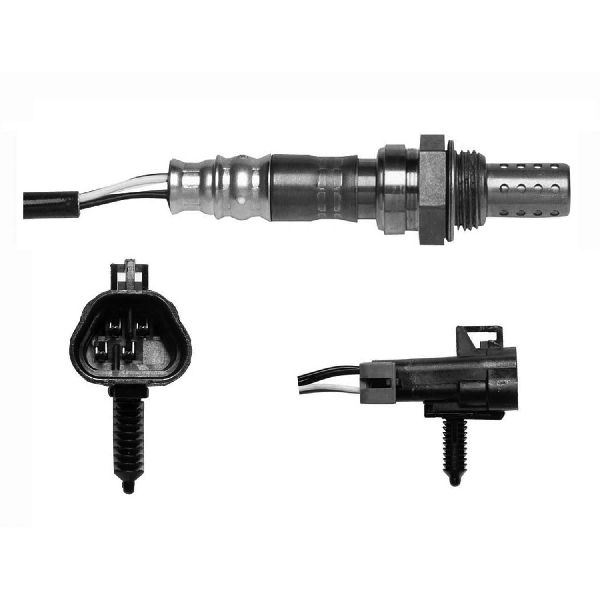
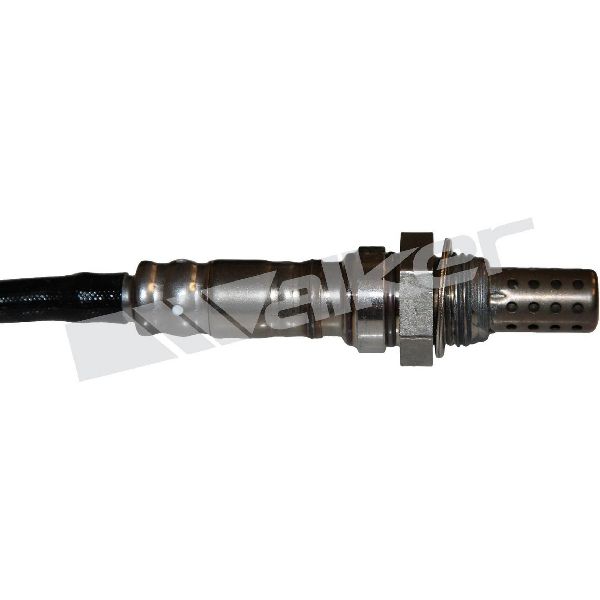
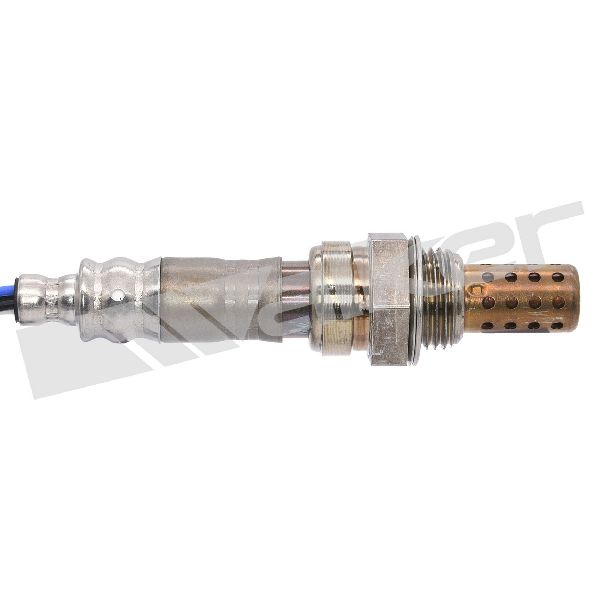
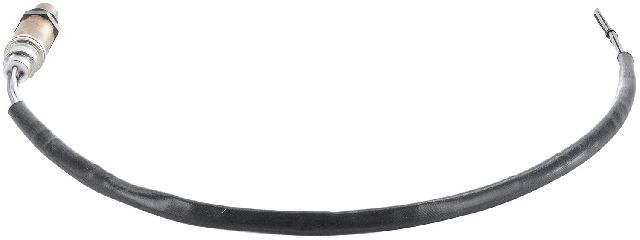
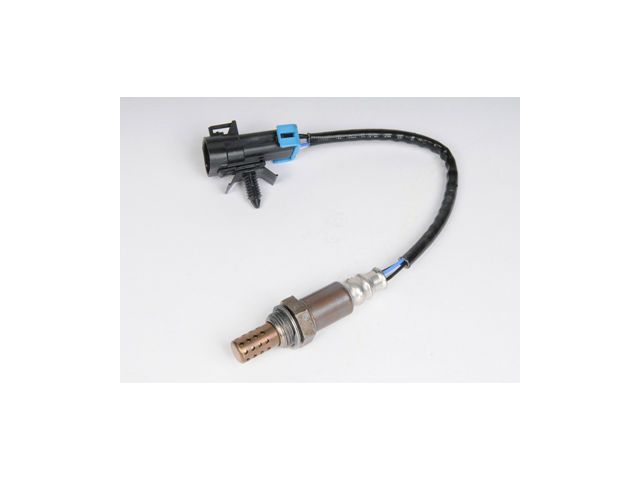
Aftermarket price range: $60-$100 - Front Oxygen Sensor (Bank 1, Sensor 1)
(OEM #12581966)— If the sensor itself is faulty, it will send incorrect lean readings to the computer. Note that part numbers can vary by specific engine and year.
Trusted brands: ACDelco, Denso, NTK
OEM price range: $80-$120
Aftermarket price range: $50-$90 - Intake Manifold Gasket Set
(OEM #12590958)— These gaskets can compress or crack over time, creating a vacuum leak that affects one or both banks. Often, simply re-torquing the manifold bolts is sufficient.
Trusted brands: ACDelco, Fel-Pro
OEM price range: $40-$60
Aftermarket price range: $20-$40
Related Codes That Often Appear With This One
- P0174 — This is the code for 'System Too Lean, Bank 2'. If both P0171 and P0174 are present, it strongly suggests a problem that affects the entire engine, such as a dirty MAF sensor, a major vacuum leak at the intake tube/manifold, or an issue covered by TSB 08-06-04-040.
Technical Service Bulletins (TSBs) & Recalls
- 08-06-04-040: Malfunction Indicator Lamp (MIL) - Check Engine Light On, DTCs P0171 and/or P0174.
Platform-Specific Known Issues
- TSB #08-06-04-040: Air Turbulence Inducing Lean Codes: On 2007-2009 models, GM issued a TSB for P0171/P0174 codes caused by air turbulence near the engine's air intake. A gap between the upper radiator air baffle and the bumper beam, combined with holes in the beam, allows disturbed air to enter the intake path, causing incorrect MAF sensor readings. The official fix is to seal the gap and cover the holes in the bumper beam with adhesive sound-deadener patches (Kent P/N P20617).
- Loose Intake Manifold Bolts: A widely discussed issue on owner forums is the tendency for the intake manifold bolts to loosen over time. This creates a vacuum leak that can trigger P0171 and P0174. Before replacing gaskets, a common and often successful DIY fix is to simply re-torque the bolts to the factory specification of 89 lb-in in the correct sequence.
Mechanic-Grade Diagnostic Values
- Fuel Pressure at Rail — expected: 58-62 PSI. Failure: Pressure below 55 PSI, especially under load, indicates a weak pump or clogged filter.
- Mass Airflow (MAF) Sensor Reading at Idle — expected: 4-7 g/s. A common rule of thumb is the reading in g/s should roughly equal engine displacement in liters (e.g., 6.2L LS3 ≈ 6.2 g/s).. Failure: Readings significantly higher or lower than the expected range. A dirty sensor often under-reports, while some failures cause over-reporting.
- Mass Airflow (MAF) Sensor Reading at 2500 RPM — expected: 15-25 g/s. Failure: A non-linear or flat reading that doesn't increase with RPM.
- Long Term Fuel Trim (LTFT) at Idle — expected: Close to 0%, typically within +/- 5%. Failure: Sustained positive values above +10%. The P0171 code typically sets when LTFT exceeds +23%.
- Front O2 Sensor (Sensor 1) Voltage — expected: Rapidly fluctuating between ~0.1V (100mV) and ~0.9V (900mV) in closed loop.. Failure: A sensor that is stuck high, stuck low, or has a very slow cross-count is likely faulty.
- Rear O2 Sensor (Sensor 2) Voltage — expected: Relatively steady voltage, typically between 650-750mV, indicating the catalytic converter is working.. Failure: If the rear sensor's voltage fluctuates rapidly like the front sensor, the catalytic converter may be failing.
- O2 Sensor Heater Resistance — expected: Between 4 and 25 ohms.. Failure: A reading outside this range indicates a failed heater element within the sensor.
Scan Tool Commands That Help
- Tech 2 / GDS2: Injector Balance Test — To test for a single clogged or leaking fuel injector on Bank 1 after vacuum and exhaust leaks have been ruled out. This command allows the user to individually disable injectors and monitor the effect on fuel trim or O2 sensor readings.
- Tech 2 / GDS2: Fuel Trim Reset — After performing a repair (like fixing a vacuum leak or replacing a sensor), resetting the fuel trims will force the ECM to relearn the fuel strategy immediately. This provides a quick confirmation if the fix was successful, as new trims should stabilize near zero.
Wiring & Ground Locations
- G105 / G106 — On the lower engine block, near the starter. This is a primary engine ground.. A poor engine ground can cause erratic sensor readings for components grounded to the block, including the PCM, MAF, and ignition system. While not a primary cause, it's a foundational check for any electronic issue.
- G107 — Located on the rear of the driver's side (left) cylinder head.. This ground is critical for components on the cylinder head. A loose or corroded G107 can cause intermittent issues with sensors on Bank 1.
- G101 / G102 — Located on the frame rails behind the headlights (left and right side respectively).. These are major chassis ground points. While less directly related to the engine sensors themselves, poor grounds here can cause a variety of electrical issues that could indirectly affect PCM operation.
- Injector Connector — At each fuel injector on the fuel rail.. The plastic locking tabs on fuel injector connectors can become brittle and break. If the connector is not fully seated and secured (sometimes improperly with a zip tie), it can lead to a poor connection, causing a lean condition on that specific cylinder and contributing to a P0171 code.
Real Owner Repair Stories
- CorvetteForum user (2005 Corvette) — P0171 and P0174 codes, car runs great but codes come and go.
❌ Tried (didn't work) Smoke test (no leaks found), Replacing upper O2 sensors
✅ What actually fixed it The fuel injector connectors had broken tabs and were secured with zip ties. The owner suspected a poor connection, ordered new pigtails/connectors, and replacing them resolved the lean codes. The combination of this and a very dirty air filter was the root cause. - CorvetteForum user (C6 Corvette with aftermarket Corsa Cold Air Intake) — Recurring P0171 code after installing the intake.
❌ Tried (didn't work) Clearing the code (it would return after a couple of months), Replacing the MAF Sensor
✅ What actually fixed it The user identified that the worm-drive clamps supplied with the aftermarket intake were not maintaining consistent tension through heat cycles, causing a small vacuum leak. Replacing the worm-drive clamps with constant-tension spring clamps permanently solved the issue. - CorvetteForum user (2003 C5 Z06 (similar LS engine architecture)) — Intermittent P0171 code.
❌ Tried (didn't work) Installing a honeycomb screen in the intake
✅ What actually fixed it The owner found the intake manifold bolts were extremely loose (less than 30 in-lbs). After tightening them, the leak became worse, revealing that the underlying problem was failed/crushed intake manifold gaskets. Replacing the intake manifold gaskets resolved the code.
"I Checked Everything" — The Actual Cause
- A case on a 2005 Corvette passed a smoke test, but the root cause was found to be broken fuel injector connector tabs. The connectors were held on with zip ties, creating a poor, intermittent connection that did not show up as a traditional vacuum leak but still caused lean codes.
OEM Part Supersession History
12576410→15865791 (also appears as ACDelco 213-4222)— Standard production update for the Mass Airflow Sensor used across many GM platforms.
Model Year Variations Within This Range
- 2005-2007 (LS2): Uses a complete, self-contained MAF sensor unit installed in the intake tubing. The intake system is considered more restrictive than later models.
- 2008-2013 (LS3/LS7): Switched to a 'card-style' or 'blade-style' MAF sensor element that is integrated into the air bridge itself. The connector is different from the LS2 style. The entire intake path, including the air bridge and filter housing, is shared with the Z06 and flows significantly better than the LS2 system.
Diagnostic Flowchart
Other Known Issues on This Vehicle
Issues unrelated to this code that are worth knowing about as an owner of this generation:
- Harmonic Balancer Wobble / Failure 🔴 High — Very common across all C6 model years (LS2/LS3/LS7). Often becomes noticeable after 30,000 miles. Symptoms include a visible wobble of the main crank pulley and a persistent 'chirping' sound from the belt area. (Ref: TSB #05-06-01-001A (for loose bolt on early 2005 models), but the more common issue of rubber delamination affects all years.)
- Fuel Level Sending Unit Failure 🟠 Medium — Common, especially on higher mileage cars. The fuel gauge becomes erratic, drops to empty suddenly, or gives incorrect readings, often triggering codes like P2068. Caused by physical wear on the sensor contacts.
- LS7 Valve Guide Wear 🔴 High — Specific to the 7.0L LS7 engine in Z06 models, primarily affecting 2008-2011 vehicles but possible on others. Caused by a factory machining defect. Can be asymptomatic until catastrophic engine failure. (Ref: GM issued internal bulletins and changed its quality control process in 2011, but no formal recall was issued.)
- Removable Roof Panel Adhesive Failure 🔴 High — Primarily affected 2005-2007 models. The adhesive bonding the roof panel to its frame could fail, causing the panel to separate from the car, sometimes at highway speeds. (Ref: NHTSA Recalls #06V181000 and #09V491000.)
- Service Active Handling System Message 🟡 Low — Common on early models (2005-2006). A poor electrical connection at the steering wheel position sensor can cause the warning to appear and, in rare cases, cause unwanted brake application. (Ref: NHTSA Recall #10V172000.)
Used vs. New Parts: Buying Guide for This Vehicle
When a used part is the smart pick: Used parts are a viable option for large, non-wear mechanical components like the intake manifold or air bridge assembly, provided they are not cracked. These items rarely fail and can be sourced from a reputable auto recycler.
Donor-vehicle mileage cap: roughly under 80000 miles for the part to have meaningful remaining life.
What to inspect on the donor part:
- For intake manifolds, check for cracks, especially around bolt holes and seams.
- Ensure all threaded inserts are intact and not stripped.
- For air bridges, verify there are no cracks or damage to the MAF sensor mounting location.
- Inspect all plastic for signs of extreme heat stress or brittleness.
OEM-only on this vehicle (don't cheap out):
- Mass Airflow (MAF) Sensor: While some aftermarket brands are reputable, many forum users report issues with non-OEM MAF sensors causing incorrect readings and codes. Sticking with ACDelco or Delphi is the safest choice.
- Oxygen (O2) Sensors: Similar to the MAF, using OEM (ACDelco) or a primary OE supplier like Denso is highly recommended to avoid compatibility and performance issues.
Aftermarket brands forum-validated for this vehicle:
- O2 Sensors: Denso, NTK
- Intake Gaskets: Fel-Pro
- MAF/O2 Sensors: ACDelco (OEM), Delphi
Brands owners have reported issues with on this vehicle:
- Unbranded or generic 'no-name' electronic sensors (MAF, O2) from online marketplaces are a frequent cause of repeat failures and new diagnostic trouble.
Real Owner Stories
Aggregated from forums and TSBs cited above. Mileages and costs reflect what owners reported in those sources.
2007-2009 Chevrolet Corvette
Symptoms: Check Engine Light on with codes P0171 and/or P0174 caused by air turbulence near the engine's air intake.
What fixed it: Sealed the gap between the upper radiator air baffle and the bumper beam and covered holes in the beam with adhesive sound-deadener patches (Kent P/N P20617).
Source hint: TSB #08-06-04-040: Malfunction Indicator Lamp (MIL) - Check Engine Light On, DTCs P0171 and/or P0174
Chevrolet Corvette C6
Symptoms: Dreaded P0171 and P0174 codes; owner attempted to replace the MAF sensor and check for leaks.
What fixed it: Re-torquing the intake manifold bolts, which are known to loosen over time on these engines.
Source hint: CorvetteForum thread titled 'Dreaded p0171 and 0174 - CorvetteForum'
Chevrolet Corvette C6
Symptoms: P0171 code (Too Lean on Bank 1) appearing after installing modifications.
What fixed it: Upgrading to constant-tension clamps on an aftermarket cold air intake because the original worm-drive clamps loosened with heat cycling.
Source hint: CorvetteForum thread titled 'P0171 Code Too Lean on Bank 1 - CorvetteForum'
2010 Chevrolet Corvette C6
Symptoms: P0171 code; troubleshooting focused on vacuum leaks and intake manifold gaskets.
What fixed it: Identified potential issues with the radiator baffle gap as described in TSB #08-06-04-040.
Source hint: CorvetteForum thread titled 'Code P0171... Step Inside.... - CorvetteForum'
Related OBD-II Codes
Frequently Asked Questions
My 2008 Corvette is throwing P0171; could this be related to the radiator baffle issue mentioned in GM TSBs?
I've heard the intake manifold bolts on the LS engine can cause this. What is the correct torque spec?
Can my aftermarket cold air intake cause a P0171 code on my C6?
Will cleaning my MAF sensor fix the lean condition if I use a K&N filter?
How can I tell if my P0171 is a vacuum leak or a bad MAF sensor without a smoke test?
Is there a simple way to test if the Bank 1 O2 sensor is actually the problem?
Helpful Videos
![How to Fix P0171 Engine Code in 5 Minutes [7 DIY Methods]](https://img.youtube.com/vi/g_qItasY91I/mqdefault.jpg)
Used OEM Parts in Stock

New Aftermarket Parts Available

The information in this article is provided for general reference and educational purposes only. Vehicle specifications, procedures, and part compatibility can vary by production date, trim level, and region. Always consult your vehicle's factory service manual and verify part numbers before purchasing or performing repairs. Safety-critical components such as airbags, seat belts, and braking systems should be installed by a qualified professional.
- Chevrolet Corvette:
- 🎬 Helpful Videos
- 🛍️ Shop This Part
- What's Unique About the 2005-2013 Chevrolet Corvette
- Symptoms You May Notice
- Most Likely Causes
- Rare But Worth Checking
- Diagnosis Steps
- Parts You'll Likely Need
- Related Codes That Often Appear With This One
- Technical Service Bulletins (TSBs) & Recalls
- Platform-Specific Known Issues
- Mechanic-Grade Diagnostic Values
- Scan Tool Commands That Help
- Wiring & Ground Locations
- Real Owner Repair Stories
- "I Checked Everything" — The Actual Cause
- OEM Part Supersession History
- Model Year Variations Within This Range
- Diagnostic Flowchart
- Other Known Issues on This Vehicle
- Used vs. New Parts: Buying Guide for This Vehicle
- Real Owner Stories
- 2007-2009 Chevrolet Corvette
- Chevrolet Corvette C6
- Chevrolet Corvette C6
- 2010 Chevrolet Corvette C6
- Related OBD-II Codes
- Frequently Asked Questions
- 🎟️ Get 5% Off