

P0171 on 2007-2013 Chevrolet Avalanche: System Too Lean Causes and Fixes
Code P0171 on a 2007-2013 Avalanche most often means there is a vacuum leak. The most common culprits are a cracked PCV tube on the driver's side of the intake manifold or failed intake manifold gaskets. A dirty MAF sensor is another frequent cause. If both P0171 and P0174 are present, it points to a leak affecting both engine banks.
- P0171 on a 2007-2013 Avalanche is almost always caused by unmetered air entering the engine after the MAF sensor.
- Before buying any parts, thoroughly inspect the PCV hose assembly on the driver's side for cracks, especially the elbow at the back of the intake.
- The second most likely cause is leaking intake manifold gaskets, a very common issue on these V8 engines.
- Cleaning the MAF sensor is a cheap and easy diagnostic step that should be performed early in the process.
- If both P0171 and P0174 are present, the likelihood of a vacuum leak or fuel delivery problem is even higher.
What's Unique About the 2007-2013 Chevrolet AVALANCHE
The GMT900 platform, which the Avalanche is built on, is well-known for a few specific issues that cause this code. A GM Technical Service Bulletin (TSB #PIP5341) directly points to a PCV tube that can crack or get rubbed through by the engine cover, creating a vacuum leak. Additionally, the original intake manifold gaskets on the 5.3L and 6.0L V8 engines use a black plastic carrier that is prone to warping and cracking over time, leading to unmetered air entering the engine and causing a lean condition. Upgraded gaskets typically use a metal or improved polymer design.
Diagnostic Flowchart
Tap your situation to follow the diagnostic path that matches what you're seeing on this vehicle.
Symptoms You May Notice
- Check Engine Light is on
- Rough or unstable idle
- Hesitation or stumbling during acceleration
- Reduced engine power
- Decreased fuel economy
- Engine stalling, especially at idle
- Hissing noise from the engine bay, indicating a vacuum leak.
- Replacing the oxygen sensor first. While a faulty O2 sensor can cause P0171, it's far more likely that it is accurately reporting a problem caused by a vacuum leak or fuel delivery issue. Always diagnose for leaks and check fuel trims first.
Most Likely Causes
- Cracked or disconnected PCV tube 🔴 High Probability A known issue documented in GM TSB #PIP5341. The PCV tube at the left rear (driver's side) of the intake manifold can be rubbed through by the engine cover or the elbow can become brittle and crack. This introduces unmetered air after the MAF sensor.
How to confirm: Visually inspect the PCV hose assembly on the driver's side of the engine, particularly the elbow connecting to the rear of the intake manifold. A smoke test will definitively show a leak here. Also inspect the connection at the valve cover itself.
Typical fix: Replace the entire PCV hose assembly. 🎬 Watch: How to replace the PCV tube and hose assembly. It's recommended to cover the new tube with protective conduit or ensure the engine cover is properly seated to prevent future damage. The OEM part number is a common replacement.
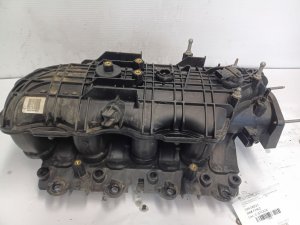
Est. part cost: $25-$80 - Leaking Intake Manifold Gaskets 🔴 High Probability The intake manifold gaskets on the Gen IV Vortec V8 engines are a very common failure item. The original black plastic and rubber design can degrade, warp, and crack over time from heat cycles, causing unmetered air to leak into the intake ports.
How to confirm: With the engine running, spray brake cleaner or a propane torch (unlit) around the edges of the intake manifold where it meets the cylinder heads. A change in engine idle (RPMs rising) indicates a leak. A smoke test is the most reliable method to confirm the leak location.
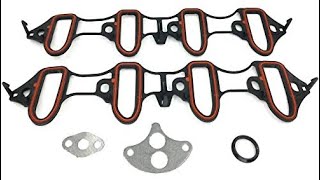
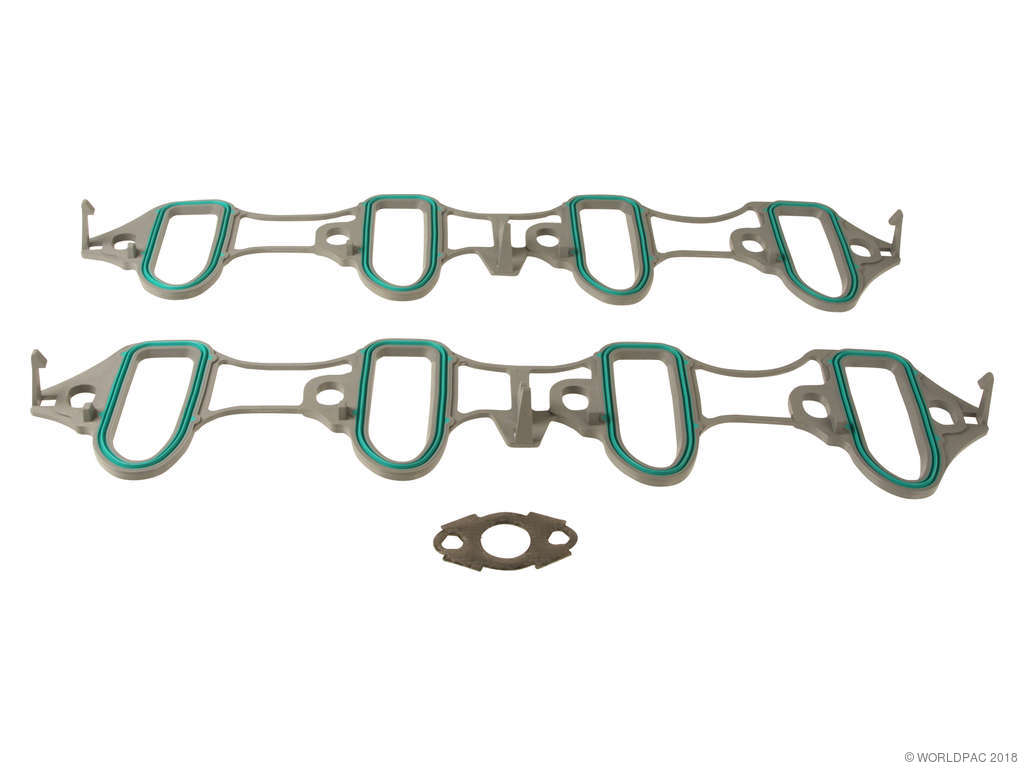
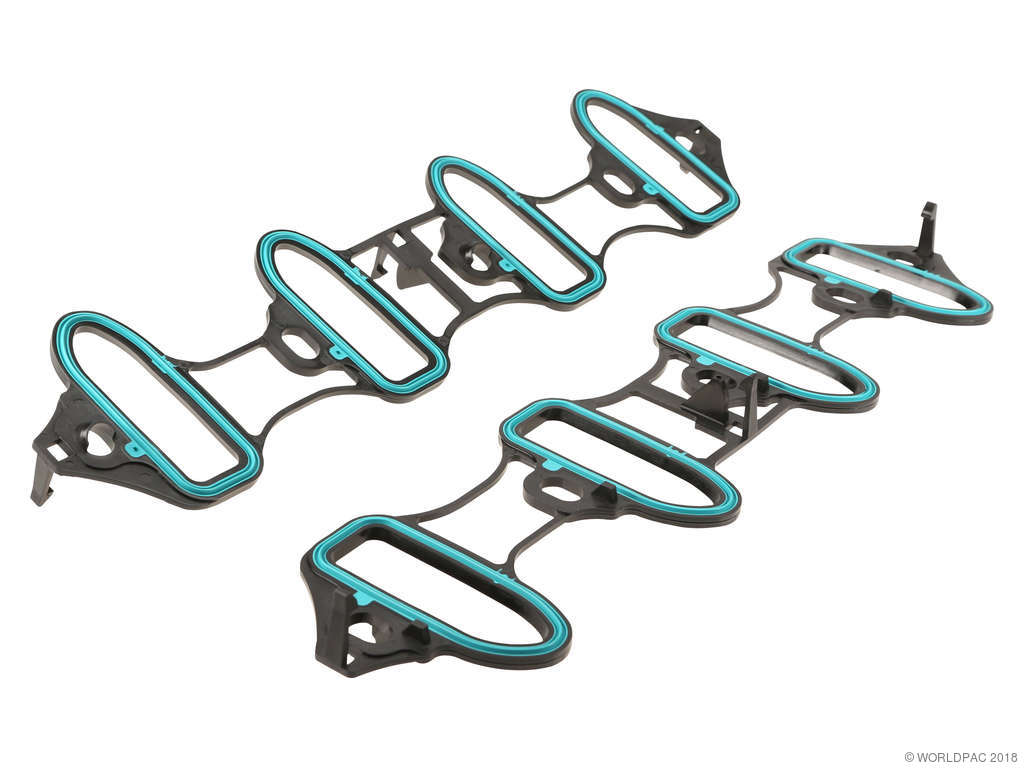
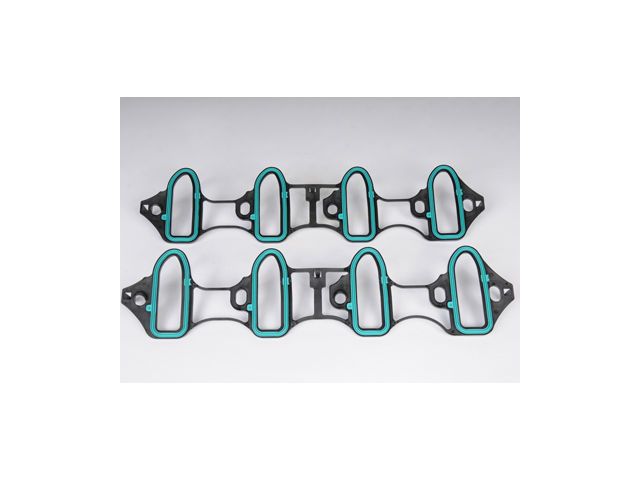
Typical fix: Replace the intake manifold gaskets with an updated design, such as the Fel-Pro MS 96587, which uses a more durable construction. This is a moderately involved job but common 🎬 See this walkthrough for replacing the intake manifold gaskets. for this engine family.
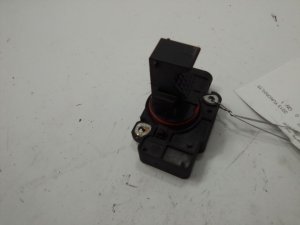
Est. part cost: $40-$110 - Dirty or Faulty Mass Airflow (MAF) Sensor 🟡 Medium Probability Oiled air filters or general debris can contaminate the MAF sensor's hot wire, causing it to under-report the amount of air entering the engine. The computer then injects too little fuel, creating a lean condition.
How to confirm: Unplug the MAF sensor with the engine running. If the idle smooths out, the sensor is likely faulty. The best first step is to clean it with a dedicated MAF sensor cleaner spray. 🎬 Watch: How to properly clean your Mass Airflow sensor. If cleaning doesn't help, monitoring the sensor's output with a scan tool or replacing it may be necessary.
Typical fix: Clean the MAF sensor. If cleaning doesn't resolve the issue, replace the sensor. Always replace the engine air filter when cleaning or replacing the MAF to prevent repeat contamination.
Est. part cost: $15 (cleaner) or $70-$180 (new sensor) - Weak Fuel Pump or Clogged Fuel Filter ⚪ Low Probability While not as common as vacuum leaks, a failing fuel pump can't supply enough pressure to meet the engine's demands, leading to a lean condition, especially under load. The fuel filter on these models is typically part of the in-tank fuel pump module and is not serviced separately.
How to confirm: Connect a fuel pressure gauge to the fuel rail test port. Pressure at idle should be around 55-62 PSI. If pressure drops significantly under load (e.g., holding the brake and accelerating in drive), the pump is likely weak.
Typical fix: Replace the fuel pump module, which is located inside the fuel tank. This requires dropping the tank or lifting the truck bed for access.
Est. part cost: $250-$500
Rare But Worth Checking
- Failing Upstream Oxygen Sensor (Bank 1, Sensor 1): An O2 sensor can become slow or biased, incorrectly reporting a lean condition to the computer. This is less common than a vacuum leak but can be a cause if no leaks are found. It's often misdiagnosed as the primary cause.
- Leaking Brake Booster or Vacuum Hose: A leak in the large vacuum hose going to the brake booster, or a leak in the booster diaphragm itself, can create a significant vacuum leak. Symptoms may include a hard brake pedal or a hissing sound when the brakes are applied.
- Cracked Exhaust Manifold or Leaking Gasket: A crack in the exhaust manifold or a leaking manifold gasket before the upstream O2 sensor can allow outside air to be drawn into the exhaust stream. This extra oxygen causes the O2 sensor to falsely report a lean condition, making the ECM add unnecessary fuel.
- Leaking Oil Filler Cap or Dipstick Tube: A missing or bad O-ring on the oil filler cap or an improperly seated dipstick can create an unmetered air leak through the PCV system, contributing to lean codes.
Diagnosis Steps
- Check for additional trouble codes. If P0174 is also present, focus on causes that affect the entire engine (intake gaskets, MAF, fuel pump).
- Analyze fuel trims with a scan tool. At idle, high positive long-term fuel trims (LTFT > +15%) that decrease as RPMs increase (e.g., to 2500 RPM) strongly suggest a vacuum leak.
- Visually inspect the engine bay for obvious vacuum leaks, paying close attention to the PCV tube on the driver's side as noted in TSB #PIP5341.
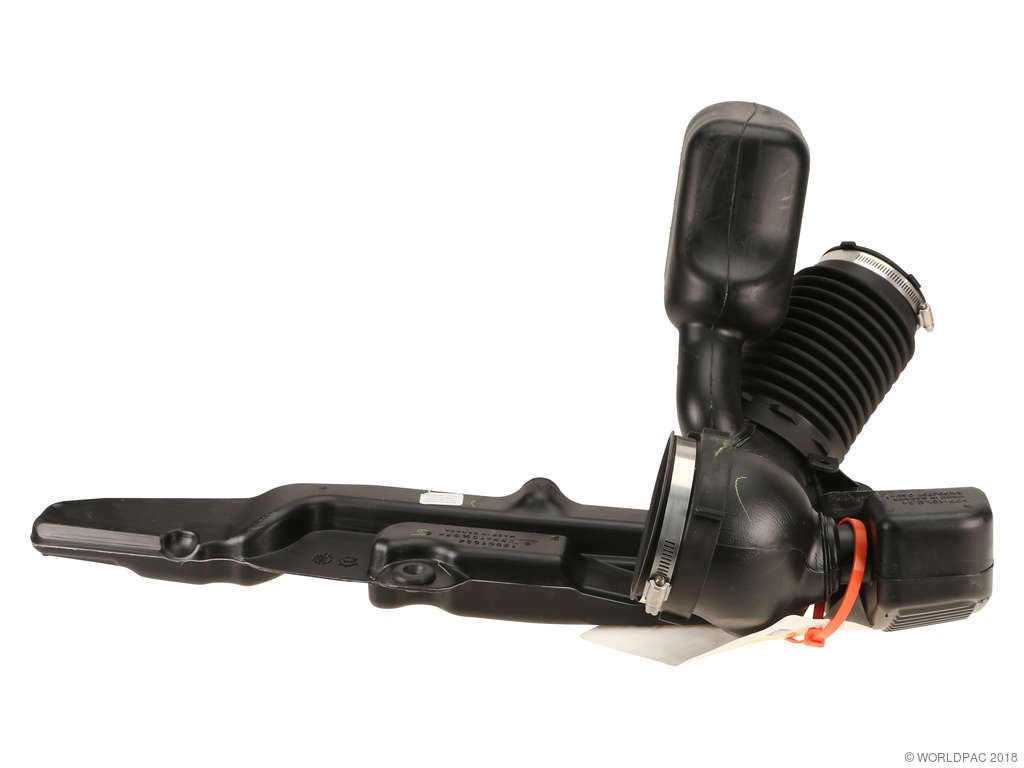
- Inspect the air intake tube between the air filter box and the throttle body for cracks or loose connections.
- Clean the Mass Airflow (MAF) sensor using a dedicated MAF sensor cleaner. Do not touch the sensor wires. Re-evaluate fuel trims after cleaning.
- Perform a smoke test to identify hard-to-find vacuum leaks from sources like intake manifold gaskets, the brake booster hose, or other vacuum lines.
- If no vacuum leaks are found, test the fuel pressure. Connect a gauge to the fuel rail and verify pressure is within the 55-62 PSI range at idle and does not drop excessively under load.
- If fuel pressure and vacuum systems are good, monitor the live data from the Bank 1 Sensor 1 oxygen sensor to ensure it is functioning correctly and not stuck in a lean reading.
Parts You'll Likely Need
- PCV Hose Assembly (Driver Side)
(OEM #12597774, 12609373)— This is a documented failure point in a GM TSB and a very common cause of P0171 due to cracking or rubbing.
Trusted brands: ACDelco, Dorman, GM Genuine Parts
OEM price range: $25-$50
Aftermarket price range: $20-$40 - Intake Manifold Gasket Set
(OEM #89060436)— These gaskets are a frequent source of vacuum leaks on the 5.3L and 6.0L V8 engines used in the Avalanche. The original design is prone to failure.
Trusted brands: Fel-Pro (MS 96587), ACDelco, Mahle
OEM price range: $70-$110
Aftermarket price range: $40-$80 - Mass Airflow (MAF) Sensor
(OEM #213-4222)— Often gets dirty and misreads airflow, leading to an incorrect fuel mixture. Cleaning is the first step, but replacement is sometimes necessary.
Trusted brands: ACDelco, Delphi, Denso
OEM price range: $120-$180
Aftermarket price range: $70-$150
Related Codes That Often Appear With This One
- P0174 — P0174 is 'System Too Lean (Bank 2)'. If both P0171 and P0174 are present, it strongly indicates a problem affecting both engine banks, such as a major vacuum leak (intake gaskets, MAF sensor), or a fuel delivery issue.
- P0300 — P0300 is 'Random/Multiple Cylinder Misfire'. A lean condition starves the cylinders of fuel, which can cause misfires across one or more cylinders, triggering this code alongside P0171.
Technical Service Bulletins (TSBs) & Recalls
- PIP5341: Addresses a rough idle and lean codes (P0171/P0174) caused by a vacuum leak from the PCV tube on the left side of the engine. This TSB applies to a wide range of 2007-2014 GM trucks and SUVs with V8 engines.
Platform-Specific Known Issues
- The 2007-2013 Avalanche uses Gen IV Vortec V8 engines (5.3L or 6.0L) which are known for intake manifold gasket failures due to the original plastic carrier design warping.
- GM issued TSB #PIP5341 specifically for a rough idle with P0171/P0174 caused by a vacuum leak from the PCV tube being rubbed through by the engine cover.
- The fuel filter is integrated into the fuel pump module inside the gas tank and is not considered a separate serviceable item.
Mechanic-Grade Diagnostic Values
- Long Term Fuel Trim (LTFT) at Idle vs. 2500 RPM — expected: Close to 0%, within +/- 10%.. Failure: High positive trims (> +15%) at idle that drop significantly (towards 0%) at 2500 RPM indicate a vacuum leak. High positive trims at both idle and 2500 RPM suggest a fuel delivery or MAF sensor issue.
- Mass Airflow (MAF) Sensor Reading — expected: Approximately 4-5 grams/second at idle for a 5.3L V8. Should increase smoothly with RPM, reaching ~13 g/s at 2500 RPM.. Failure: Readings significantly lower than expected cause the ECM to command too little fuel, creating a lean condition. A crumpled intake boot can disturb airflow and cause incorrect readings.
- Manifold Absolute Pressure (MAP) Sensor (Engine Vacuum) — expected: Typically 18-21 inches of mercury (inHg) at a stable, warm idle.. Failure: A lower than normal reading (e.g., 16-17 inHg) can indicate a vacuum leak, incorrect camshaft timing, or exhaust restriction.
Scan Tool Commands That Help
- Tech2 / GDS2 or equivalent professional scanner: Fuel Trim Reset — After a repair (like replacing gaskets or a MAF sensor), this command resets the learned long-term fuel trim values to zero, allowing for a faster evaluation of the fix.
- Tech2 / GDS2 or equivalent professional scanner: Reset Fuel Alcohol Content — On Flex Fuel models (LMG, LC9 engines), if the vehicle has been run on different ethanol blends or if the sensor is suspected of reading incorrectly. An incorrect high ethanol reading with gasoline in the tank will cause a lean condition.
- Tech2 / GDS2 or equivalent professional scanner: Cylinder Contribution Test — If a misfire code (P0300) is also present, this test helps identify if specific cylinders are weak, which could point to a localized issue like a clogged fuel injector or a single leaking intake runner.
Wiring & Ground Locations
- G101 / G105 — Typically located on the lower left front of the engine block.. This is a primary engine-to-chassis ground. It grounds the Engine Control Module (ECM) and the Mass Air Flow (MAF) sensor. A poor connection here can cause erratic sensor readings and incorrect fuel calculations.
- G102 — Located on the left rear of the engine, often on the cylinder head.. This ground is for the ignition coil banks. While not a direct cause of a lean code, a poor ground can contribute to weak spark and misfires, which can accompany and complicate a P0171 diagnosis.
- G103 / G104 — Located on the rear of the engine block or on the cowl in the rear of the engine compartment.. This ground point serves multiple components, including the Body Control Module (BCM) and the Data Link Connector (DLC). A fault here can cause communication issues during diagnosis.
Real Owner Repair Stories
- Blazer Forum (GM S-series with V6 (similar PCV design and P0171/P0174 codes)) — P0171 and P0174 codes, hesitation, rough idle, strong fuel smell from exhaust.
❌ Tried (didn't work) Replacing the intake manifold gaskets.
✅ What actually fixed it The codes returned after the gasket replacement. The final fix was replacing the entire PCV line assembly. The old PCV elbow at the back of the intake plenum had two large, hidden holes, causing a massive vacuum leak.
"I Checked Everything" — The Actual Cause
- In one documented case, a mechanic was chasing P0171 and P0174. A chemical test for vacuum leaks around the intake manifold showed no leaks, the PCV system appeared fine, and fuel pressure was within spec (55-60 PSI). The issue was ultimately resolved by cleaning the MAF sensor elements with dedicated cleaner and straightening a crumpled, accordion-style air intake boot that was located just before the sensor, which was likely disturbing the airflow and causing an inaccurate reading.
OEM Part Supersession History
89060436→N/A - Incorrect Part— Correction
Heads up: Pass 2 incorrectly listed 89060436 as the OEM part number for the intake manifold gasket set. This part number is for the crankshaft rear main seal. The correct OEM part for the intake manifold gaskets is 19256623 or a superseded version. The Fel-Pro MS 96587 remains a correct and popular aftermarket alternative.
Model Year Variations Within This Range
- 2007-2009: Most 5.3L engines (LY5, LMG, LC9) and the 6.0L (L76) did not have Variable Valve Timing (VVT).
- 2010-2013: VVT was added to the 5.3L and 6.0L engines, which changes the camshaft, timing components, and front engine cover. The 6.0L was discontinued after 2009.
- 2007-2013: Multiple 5.3L V8 engines were used: LY5 (iron block, often without AFM), LMG (iron block, with AFM and Flex Fuel), and LC9 (aluminum block, with AFM and Flex Fuel). The presence of Flex Fuel capability makes the Fuel Composition Sensor a potential cause for P0171.
- 2009-2013: The 6-speed 6L80-E automatic transmission replaced the 4-speed 4L60-E that was used in 2007-2008 models. This does not directly affect P0171 causes but is a major platform change.
Helpful Videos
Used OEM Parts in Stock



New Aftermarket Parts Available


The information in this article is provided for general reference and educational purposes only. Vehicle specifications, procedures, and part compatibility can vary by production date, trim level, and region. Always consult your vehicle's factory service manual and verify part numbers before purchasing or performing repairs. Safety-critical components such as airbags, seat belts, and braking systems should be installed by a qualified professional.
- Chevrolet AVALANCHE:
- 🎬 Helpful Videos
- 🛍️ Shop This Part
- What's Unique About the 2007-2013 Chevrolet AVALANCHE
- Diagnostic Flowchart
- Symptoms You May Notice
- Most Likely Causes
- Rare But Worth Checking
- Diagnosis Steps
- Parts You'll Likely Need
- Related Codes That Often Appear With This One
- Technical Service Bulletins (TSBs) & Recalls
- Platform-Specific Known Issues
- Mechanic-Grade Diagnostic Values
- Scan Tool Commands That Help
- Wiring & Ground Locations
- Real Owner Repair Stories
- "I Checked Everything" — The Actual Cause
- OEM Part Supersession History
- Model Year Variations Within This Range
- 🎟️ Get 5% Off