

P0171 on 2007-2014 Cadillac Escalade: Lean Code Causes and Fixes
On a 2007-2014 Escalade, code P0171 is most often caused by a cracked or leaking PCV tube on the driver's side of the engine. This allows unmetered air into the intake, causing a lean condition. Replacing the tube is a common, low-cost fix. Other common causes include leaking intake manifold gaskets and a faulty driver-side valve cover.
- For a 2007-2014 Escalade, the first thing to inspect for a P0171 code is the PCV hose on the driver's side for cracks or holes.
- If P0171 is accompanied by P0174 (lean on both banks), the cause is likely a vacuum leak affecting the whole intake, like the intake manifold gaskets or a dirty MAF sensor.
- Do not replace the O2 sensor as a first step; it is almost always just reporting the lean condition, not causing it.
- A smoke test is the most reliable diagnostic method to pinpoint hard-to-see vacuum leaks.
- If you also have high oil consumption, suspect a faulty PCV baffle inside the driver-side valve cover.
What's Unique About the 2007-2014 Cadillac ESCALADE

For this generation of Cadillac Escalade and its platform-mates (like the GMC Yukon Denali and Chevy Tahoe), the P0171 code is very frequently linked to specific vacuum leaks. A manufacturer Technical Service Bulletin (TSB PIP5341) points directly to the PCV tube on the driver's side, which can be rubbed through by the engine cover or simply crack from age and heat. Additionally, the intake manifold gaskets and the integrated PCV baffle in the driver-side valve cover are known failure points that cause the same lean codes.
Diagnostic Flowchart

Tap your situation to follow the diagnostic path that matches what you're seeing on this vehicle.
Symptoms You May Notice
- Check Engine Light is on
- Rough or unstable idle
- Engine hesitation or surging during acceleration
- Reduced engine power
- Possible engine misfires, which may trigger a P0300 code
- Audible hissing or sucking noise from the engine bay, particularly the driver's side near the back of the intake.
- Replacing the oxygen (O2) sensor first. The O2 sensor is usually accurately reporting a lean condition caused by something else, like a vacuum leak. Replacing it will not fix the root cause.
Most Likely Causes

- Cracked or Leaking PCV Tube 🔴 High Probability A GM Technical Service Bulletin (PIP5341) specifically identifies this issue. The plastic engine cover rubs a hole in the PCV 'dirty air' tube located at the left rear of the intake manifold, or the rubber elbows at either end crack from heat and age.
How to confirm: Visually inspect the PCV tube assembly running from the driver's side valve cover to the intake manifold port. Pay close attention to the rubber elbows and the area where the tube passes under the engine cover. A smoke test will definitively show a leak in this area.
Typical fix: Replace the entire PCV dirty air tube assembly. 🎬 Watch: How to find and repair this common PCV air leak. The ACDelco replacement part is often cited. It's recommended to cover the new tube with a protective conduit or wrap to prevent future rubbing.
Est. part cost: $30-$70 - Leaking Intake Manifold Gaskets 🟡 Medium Probability The intake manifold gaskets on these GM V8s are a known failure point. The original orange-colored gaskets are prone to hardening, shrinking, and cracking over time, allowing unmetered air to enter the engine. This is a very common cause for P0171 and P0174 codes to appear together.
How to confirm: With the engine running, carefully spray brake cleaner or unlit propane around the intake manifold sealing surfaces where it meets the cylinder heads. If the engine RPM changes or stumbles, a leak is present. A smoke test is a safer and more effective method.
Typical fix: Replace the intake manifold gaskets. The updated OEM and aftermarket (e.g., Fel-Pro) gaskets are a more durable teal green or blue color.
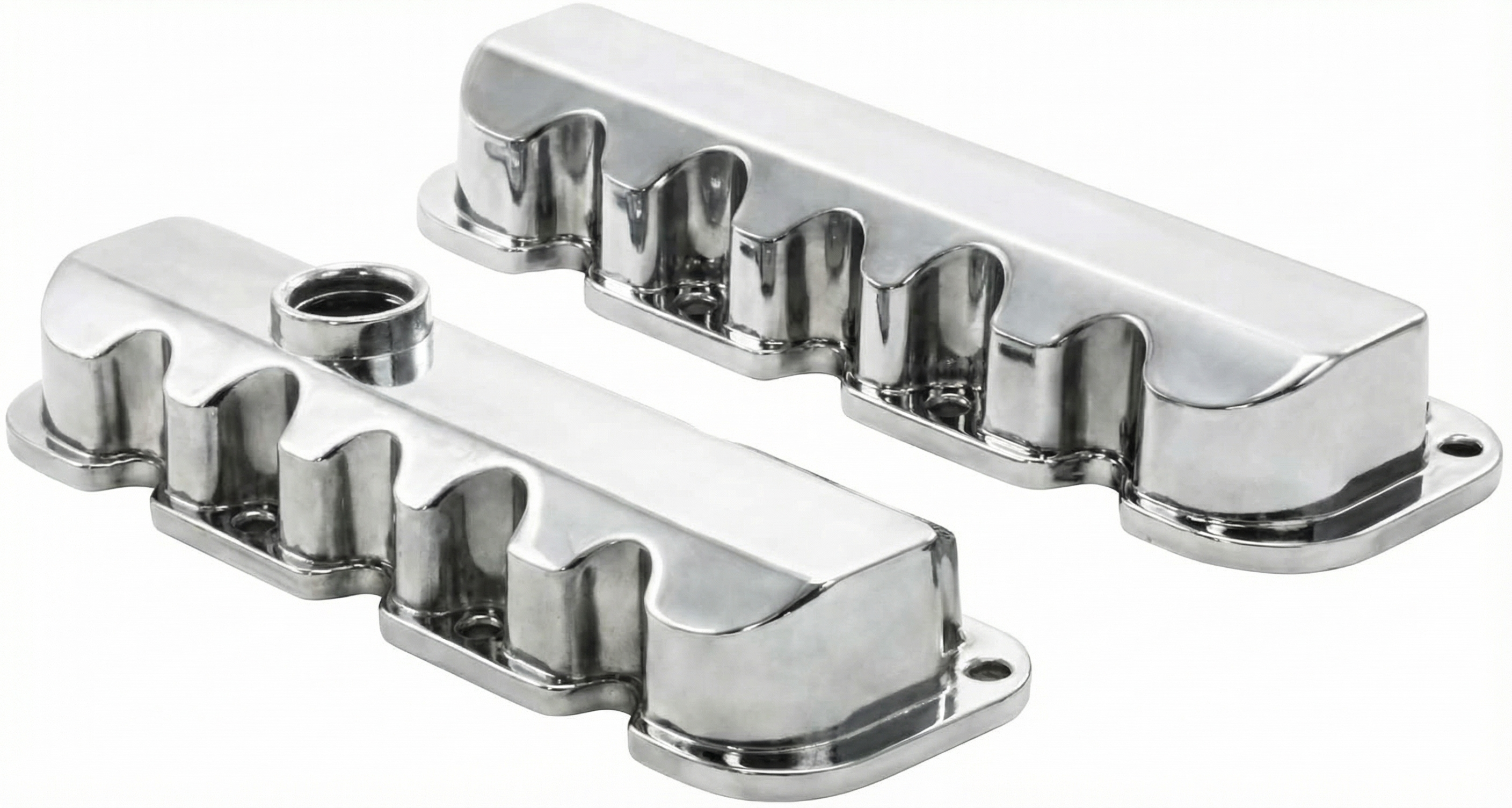
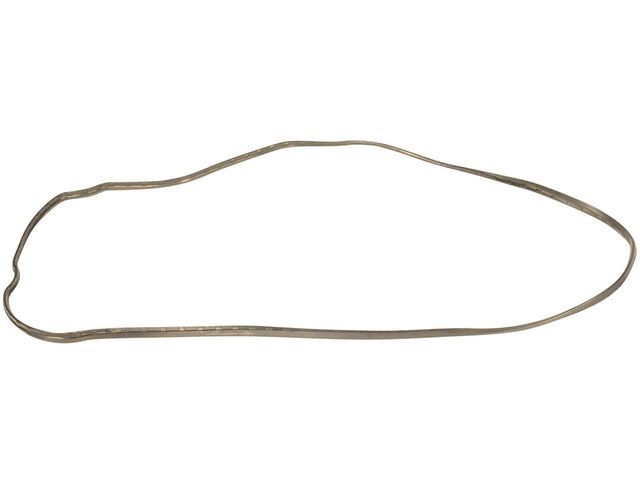
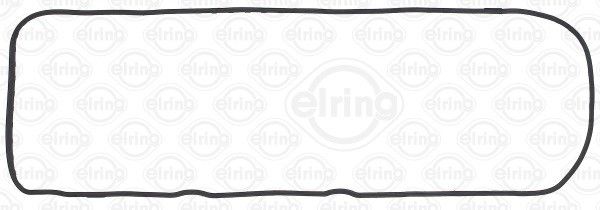
Est. part cost: $40-$80 - Leaking or Stuck Open PCV Baffle in Valve Cover 🟡 Medium Probability The driver-side valve cover has an integrated, non-serviceable PCV baffle and fixed orifice. If this system fails (e.g., the orifice clogs or internal passages fail), it can create a large internal vacuum leak, leading to lean codes and often high oil consumption.
How to confirm: A strong indicator is the combination of P0171/P0174 codes with significant oil consumption. Another test is to try and remove the oil fill cap while the engine is idling. If there is a very strong vacuum making the cap difficult to remove, the PCV system inside the valve cover has likely failed.
Typical fix: Replace the entire driver-side valve cover with an updated part that has a redesigned PCV orifice and baffle system. This is not a serviceable part; the entire cover must be replaced.
Est. part cost: $80-$150 - Dirty or Faulty Mass Airflow (MAF) Sensor ⚪ Low Probability The MAF sensor measures the air entering the engine. If it's dirty (especially from over-oiled aftermarket air filters), it can under-report the amount of air, causing the ECM to inject too little fuel. While a common cause on many vehicles, on this platform it's less frequent than vacuum leaks.
How to confirm: Unplug the MAF sensor while the engine is idling. If the idle smooths out or the fuel trims change significantly toward zero, the sensor is likely faulty. Cleaning it with a dedicated MAF sensor cleaner is a good first step.
Typical fix: Clean the MAF sensor with a specialized cleaner. If cleaning doesn't resolve the issue, replace the sensor.
Est. part cost: $70-$150
Rare But Worth Checking
- Weak Fuel Pump or Clogged Fuel Filter: If the engine is starved for fuel due to low pressure, it can cause a lean condition across both banks. This should be investigated if vacuum leaks and the MAF sensor have been ruled out. Some owners have traced P0171/P0174 to a failing fuel pump.
- Failing Upstream Oxygen Sensor: While the O2 sensor is often blamed, it's usually just reporting the problem, not causing it. However, a lazy or failing sensor can send incorrect lean signals. Swapping the Bank 1 and Bank 2 sensors to see if the code moves to P0174 is a valid diagnostic step.
- Exhaust Leak Before the O2 Sensor: A crack in the exhaust manifold or a leaking flange gasket before the upstream O2 sensor can allow outside air to be pulled into the exhaust stream, making the sensor read a false lean condition.
Diagnosis Steps
- Check for other codes. Pay special attention to P0174 or P0300, as they provide clues to the source of the problem.
- Use a scan tool to monitor live data for Short-Term Fuel Trim (STFT) and Long-Term Fuel Trim (LTFT). At idle, combined trim values consistently above +25% confirm a significant vacuum leak.
- Visually inspect the engine bay for obvious issues. Look for cracked hoses, loose connections, or disconnected sensors. Listen for a hissing sound.
- Specifically inspect the PCV tube on the driver's side, from the valve cover to the intake manifold, for cracks or holes as noted in TSB PIP5341.
- With the engine idling, carefully try to remove the oil fill cap. If a strong vacuum holds it down, suspect a failed PCV baffle inside the driver-side valve cover.
- Perform a smoke test. This is the most effective way to find vacuum leaks. Introduce smoke into the intake system (e.g., via the brake booster hose) and look for it escaping from gaskets (intake manifold), hoses (PCV), or the valve cover.
- If no vacuum leaks are found, clean the Mass Airflow (MAF) sensor using a dedicated cleaner. Do not touch the sensor wires. Re-evaluate fuel trims.
- If the problem persists, test fuel pressure to rule out a weak fuel pump or clogged filter.
- As a final step, you can swap the upstream O2 sensors between Bank 1 and Bank 2. If the code changes to P0174, the sensor itself is faulty.
Parts You'll Likely Need

- PCV Tube / Hose (Dirty Air)
(OEM #ACDelco 12616914 (or 12597774 depending on specific year/setup))— This is the most common failure point identified in a manufacturer TSB for the P0171 code on this specific vehicle. The rubber cracks or a hole is rubbed into the plastic tube.
Trusted brands: ACDelco, Dorman
OEM price range: $50-$70
Aftermarket price range: $30-$50 - Intake Manifold Gasket Set
(OEM #ACDelco 19333291 (Fel-Pro MS 96587 is a popular high-quality aftermarket alternative))— These gaskets are a known weak point on GM V8s of this era and a common source of vacuum leaks causing lean codes. The original orange gaskets fail and should be replaced with the updated green/teal design. 🎬 See this step-by-step guide for replacing your intake manifold gaskets.
Trusted brands: ACDelco, Fel-Pro
OEM price range: $60-$80
Aftermarket price range: $40-$60 - Driver Side Valve Cover
(OEM #ACDelco 12642655 (or updated equivalent))— The integrated PCV baffle fails, causing a massive internal vacuum leak and high oil consumption. The entire cover must be replaced with an updated design.
Trusted brands: ACDelco, Dorman
OEM price range: $100-$150
Aftermarket price range: $70-$120
Related Codes That Often Appear With This One
- P0174 — This is the 'System Too Lean' code for Bank 2 (passenger side). When both P0171 and P0174 are present, it strongly suggests a vacuum leak that affects the entire engine, such as a faulty MAF sensor, intake manifold gasket leak, or a large PCV system leak.
- P0300 — This code indicates a 'Random/Multiple Cylinder Misfire'. A lean air-fuel mixture can fail to ignite properly, causing misfires across multiple cylinders.
Technical Service Bulletins (TSBs) & Recalls
- PIP5341: Mentions rough idle and codes P0171/P0174 due to a vacuum leak on the positive crankcase ventilation (PCV) tube. Specifically notes that the engine cover can rub a hole in the tube at the left rear of the intake manifold.
Platform-Specific Known Issues
- A known issue documented in TSB PIP5341 is a rough idle with P0171/P0174 caused by a vacuum leak from the PCV tube on the left side of the engine. The engine cover can rub a hole in the tube.
- The driver-side valve cover (GM Part No. 12642655 or similar) contains a non-serviceable PCV orifice that is prone to failure, causing high oil consumption and lean codes. The fix is to replace the entire valve cover.
- The original orange intake manifold gaskets are known to degrade. The updated replacement gaskets are a more durable green or teal color.
Mechanic-Grade Diagnostic Values
- Mass Airflow (MAF) Sensor Reading at Idle — expected: 2-6 g/s at normal idle.. Failure: A reading significantly lower than 2 g/s or higher than 7 g/s at a stable idle, with no vacuum leaks present, suggests a faulty MAF sensor.
- Fuel Pressure (Key On, Engine Off) — expected: 55-62 PSI. Failure: Pressure below 50 PSI indicates a potential weak fuel pump, clogged filter, or failing Fuel Pump Control Module (FPCM). These vehicles use a returnless system, so pressure is electronically controlled.
- Long Term Fuel Trim (LTFT) and Short Term Fuel Trim (STFT) — expected: Within +/- 10% combined.. Failure: A combined value (LTFT + STFT) consistently exceeding +25% confirms the ECM is adding a large amount of fuel to compensate for a lean condition.
- Fuel Alcohol Content Percentage (Scan Tool PID) — expected: Should be ~10% or less if running standard gasoline. Should match the actual E85 percentage if using flex fuel.. Failure: A high percentage (e.g., >20%) shown on the scan tool when only standard gasoline has been used. This incorrect reading will cause the ECM to command less fuel, creating a lean condition.
Scan Tool Commands That Help
- Tech 2 / GDS2 / High-End Bidirectional Scanner: Fuel Composition Reset — Use this function when you suspect the inferred fuel alcohol content is incorrect (e.g., reads 30% ethanol when running on regular gasoline), causing a persistent lean condition. The tank must contain standard E10/E15 gasoline before performing the reset.
- Tech 2 / GDS2 / High-End Bidirectional Scanner: Fuel Trim Reset — After performing a repair for a vacuum leak or fuel system issue, resetting the fuel trims will force the ECM to relearn the baseline values immediately, allowing for quicker verification of the fix.
- Tech 2 / GDS2 / High-End Bidirectional Scanner: Idle Learn / Throttle Relearn — This procedure should be performed after cleaning or replacing the throttle body to reset learned idle values and prevent idle stability issues.
Wiring & Ground Locations
- G103 & G104 — G103 is on the front of the passenger side cylinder head. G104 is on the rear of the driver's side cylinder head.. These are primary engine-to-chassis grounds. Poor contact at these locations can cause erratic voltage and incorrect readings from critical sensors like the MAF, O2 sensors, and coolant temp sensor, potentially leading to false lean codes.
- MAF Sensor Connector — The 5-pin connector on the Mass Airflow sensor, located on the air intake tube just after the air filter box.. Testing for 12V ignition power, a solid ground, and the 5V reference signal at this connector can quickly rule out wiring issues to the sensor itself. The signal wire produces a frequency that varies with airflow, typically near 2,000 Hz at idle.
Real Owner Repair Stories
- Tahoe Yukon Forum (2007-2014 GM SUV (platform-mate)) — Persistent P0171 and P0174 codes, especially under heavy acceleration.
❌ Tried (didn't work) Cleaned MAF sensor, Replaced spark plugs and wires
✅ What actually fixed it The fuel pump was weak and the in-tank fuel filter sock was clogged. Replacing the entire fuel pump module resolved the lean codes. - Reddit r/MechanicAdvice (Vehicle with P0171 and hard brake pedal) — P0171 code, very high long-term fuel trims (+25%), hard brake pedal, and misfires.
❌ Tried (didn't work) Initial visual inspection of vacuum lines.
✅ What actually fixed it A leaking brake booster. The internal diaphragm failed, creating a large, unmetered vacuum leak that was most apparent when the brakes were applied.
"I Checked Everything" — The Actual Cause
- A leaking brake booster or its check valve can cause a significant vacuum leak that may not be apparent during a standard smoke test, as the leak can be internal to the booster. A hard brake pedal or a hissing sound when the pedal is pressed are key indicators.
- A faulty Fuel Pump Control Module (FPCM) or a weak fuel pump can deliver low fuel pressure, causing lean codes without any vacuum leaks. This requires a fuel pressure test to diagnose, as a smoke test will show nothing.
- A cracked fuel pump module flange on top of the fuel tank can allow air to be drawn into the fuel lines, reducing fuel pressure and causing lean codes. This is external to the engine and will not be found with an engine smoke test.
OEM Part Supersession History
12607721, 12637685→12642655— The original driver-side valve cover designs were prone to failure of the internal, non-serviceable PCV baffle/orifice, leading to high oil consumption and lean codes. The updated part number features a revised PCV system design to mitigate this issue.
Model Year Variations Within This Range
- 2007-2008: Primarily used the 6.2L L92 engine, which did not have Active Fuel Management (AFM) or FlexFuel capability from the factory.
- 2009: The L9H engine was introduced, which was essentially an L92 with added FlexFuel (E85) capability. This adds the fuel composition sensor/logic as a potential cause for fuel trim issues.
- 2010-2014: The L94 engine became common, which included both FlexFuel capability and Active Fuel Management (AFM). While AFM is not a direct cause of P0171, related issues like lifter failure can sometimes be misdiagnosed. The FlexFuel system remains a diagnostic consideration.
Helpful Videos
Used OEM Parts in Stock
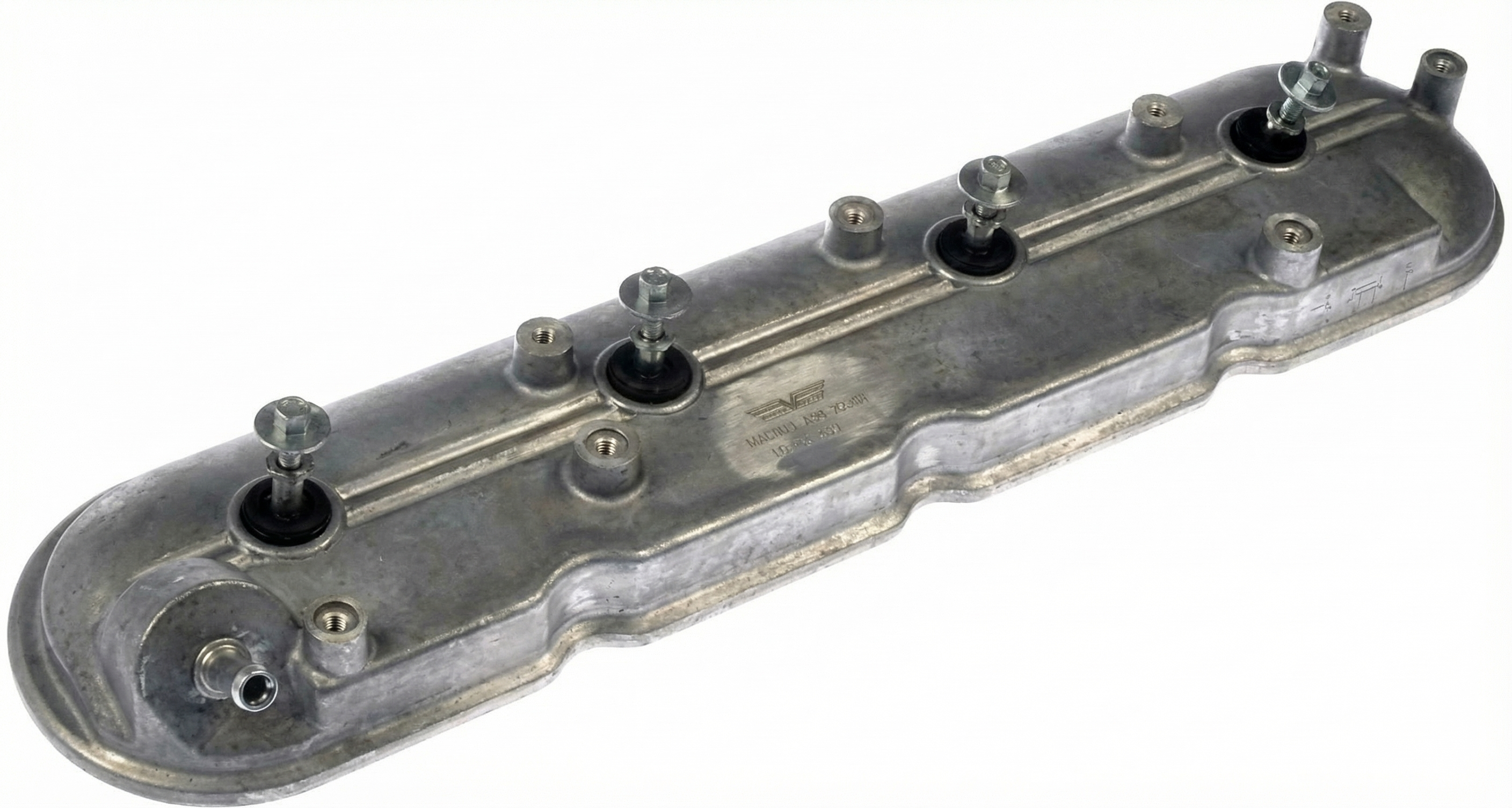



New Aftermarket Parts Available



The information in this article is provided for general reference and educational purposes only. Vehicle specifications, procedures, and part compatibility can vary by production date, trim level, and region. Always consult your vehicle's factory service manual and verify part numbers before purchasing or performing repairs. Safety-critical components such as airbags, seat belts, and braking systems should be installed by a qualified professional.
- Cadillac ESCALADE:
- 🎬 Helpful Videos
- 🛍️ Shop This Part
- What's Unique About the 2007-2014 Cadillac ESCALADE
- Diagnostic Flowchart
- Symptoms You May Notice
- Most Likely Causes
- Rare But Worth Checking
- Diagnosis Steps
- Parts You'll Likely Need
- Related Codes That Often Appear With This One
- Technical Service Bulletins (TSBs) & Recalls
- Platform-Specific Known Issues
- Mechanic-Grade Diagnostic Values
- Scan Tool Commands That Help
- Wiring & Ground Locations
- Real Owner Repair Stories
- "I Checked Everything" — The Actual Cause
- OEM Part Supersession History
- Model Year Variations Within This Range
- 🎟️ Get 5% Off