

P0171 on 2013-2017 Cadillac ATS: Causes and Fixes for 'System Too Lean'
On a 2013-2017 Cadillac ATS, the P0171 'System Too Lean' code is most often caused by cracked, brittle plastic PCV hoses creating a vacuum leak, especially on the 2.0L Turbo engine. Inspecting and replacing these hoses (OEM Part #12673868) is the most likely fix and a relatively low-cost DIY job.
- P0171 on a Cadillac ATS is almost always caused by a vacuum leak.
- The most likely culprit, especially on the 2.0L Turbo engine, is a cracked plastic PCV hose assembly.
- Before replacing any expensive sensors, perform a thorough visual inspection of all vacuum lines and conduct a smoke test to find the leak.
- Cleaning the MAF sensor is a simple and inexpensive diagnostic step that can sometimes fix the problem.
- Don't immediately blame the oxygen sensor; it's usually doing its job correctly by reporting the lean condition.
What's Unique About the 2013-2017 Cadillac ATS

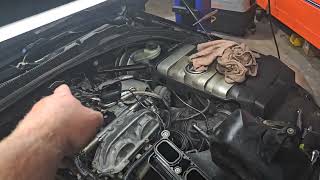
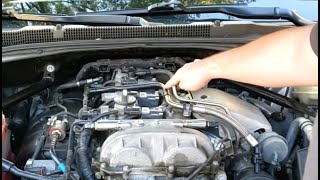
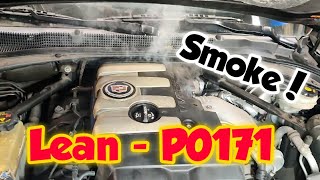
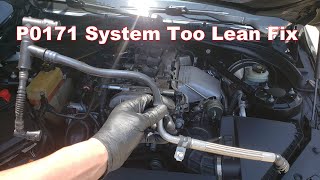
The Cadillac ATS, particularly with the 2.0L Turbo (LTG) engine, is highly prone to vacuum leaks from brittle plastic engine and PCV hoses. These components become fragile from constant heat cycles, leading to cracks that allow unmetered air to enter the engine, which is a primary cause of the P0171 code on this specific platform. 🎬 Watch: A master technician diagnoses the most common ATS lean codes. A specific TSB (PI0940A) was issued for 2013-2015 ATS 2.0L and 2.5L models, pointing towards leaks in the vacuum-controlled engine mount system as another potential source for this code.
Diagnostic Flowchart

Tap your situation to follow the diagnostic path that matches what you're seeing on this vehicle.
Symptoms You May Notice
- Check Engine Light is on
- Rough idle or stalling, especially when stopping
- Hesitation or bucking during acceleration at lower speeds
- Reduced engine power
- Hissing sound from the engine bay due to a vacuum leak
- Engine running hotter than normal, especially under load or going uphill
- Replacing the oxygen sensor first. The O2 sensor is usually just the messenger reporting the lean condition, not the cause. Owners often replace the O2 sensor only to have the P0171 code return because the root cause, typically a vacuum leak, was not fixed.
Most Likely Causes

- Cracked or Leaking PCV/Vacuum Hoses 🔴 High Probability The plastic PCV hose assembly used on the 2.0L LTG engine is notoriously prone to becoming brittle from engine heat cycles and cracking, especially at the unions and bends. This is the most widely reported cause by owners.
How to confirm: Visually inspect the entire PCV hose assembly that runs across the top of the engine cover. Cracks can be on the top, side, or bottom. A smoke test is the most effective way to find hidden leaks. High positive long-term fuel trims (>20%) at idle that decrease when RPM is raised to ~2500 RPM strongly suggest a vacuum leak.
Typical fix: Replace the cracked hose assembly. The OEM part for the 2.0L LTG is #12673868 (supersedes 12633740, 12654851, 12662657). Aftermarket versions with improved quick-connect fittings are also available.
Est. part cost: $40-$90 - Leaking Engine Mount Vacuum System 🟡 Medium Probability TSB PI0940A specifically calls out this system as a potential source of vacuum leaks on 2013-2015 models with the 2.0L and 2.5L engines, which use vacuum-controlled engine mounts. A line can become disconnected or the vacuum tank itself can crack and leak.
How to confirm: Per the TSB, the system must be checked for leaks using a vacuum tester, not positive pressure (smoke). A technician found a disconnected line on the back of the intake manifold that led to the motor mount system. If fluid is found in the lines, the entire system needs replacement due to contamination from the fluid-filled mounts.
Typical fix: Replace the leaking vacuum tank or re-secure/replace the disconnected or brittle hose.
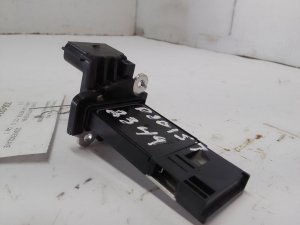
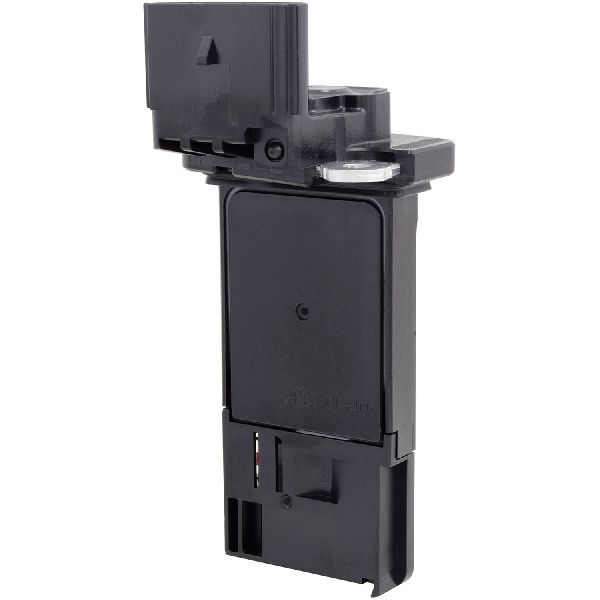
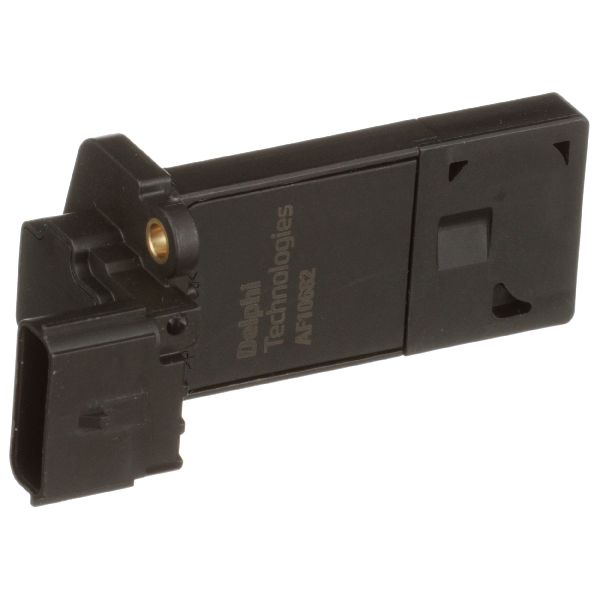
Est. part cost: $50-$120 - Dirty or Faulty Mass Airflow (MAF) Sensor 🟡 Medium Probability The MAF sensor measures air entering the engine. If dirty with oil or debris, it can under-report the amount of air, causing the PCM to command too little fuel, leading to a lean condition.
How to confirm: Unplug and remove the MAF sensor. Inspect the small wires for contamination. A scan tool can monitor MAF readings to see if they are plausible. Cleaning should always be attempted before replacement.
Typical fix: Clean the sensor wires carefully with a dedicated MAF sensor cleaner spray. Do not touch the wires. If cleaning doesn't work, replace the sensor. Part numbers vary by engine: ACDelco 213-4693 for 2.0T/2.5L and 213-4692 for 3.6L.
Est. part cost: $15 (cleaner) - $180 (new sensor) - Weak Fuel Pump or Clogged Fuel Filter ⚪ Low Probability While less common than vacuum leaks, insufficient fuel delivery can cause a lean code. This is more likely to be the cause if fuel trims are lean at higher RPM and load, not just at idle. The 2.0T LTG engine has both a low-pressure in-tank pump and a high-pressure engine-mounted pump (HPFP).
How to confirm: Perform a fuel pressure test to ensure pressure is within the manufacturer's specified range. The low-pressure side should be 40-75 PSI. The high-pressure direct injection system on the 2.0T LTG may require specialized tools to test properly, as it can reach over 2,000 PSI.
Typical fix: Replace the weak low-pressure fuel pump in the tank or the high-pressure fuel pump on the engine.
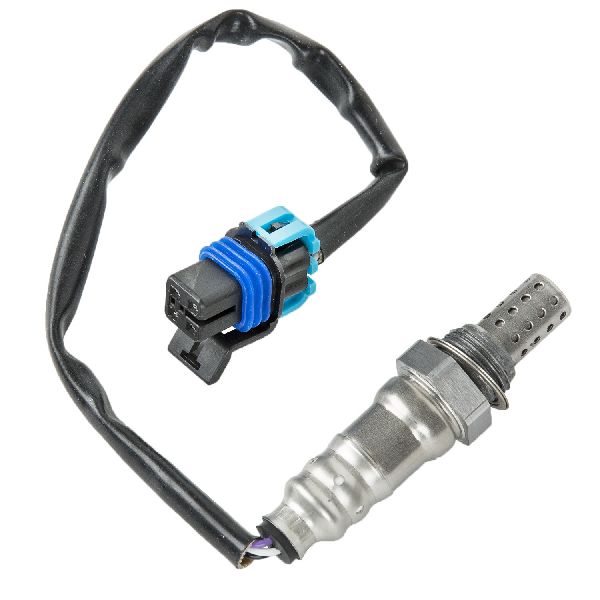
Est. part cost: $200-$500 - Faulty Oxygen (O2) Sensor ⚪ Low Probability
How to confirm: A faulty O2 sensor can get 'stuck' or become 'lazy', sending an incorrect lean signal. However, it's far more likely the O2 sensor is correctly reporting a lean condition caused by something else. Use a scan tool to graph the upstream O2 sensor's voltage (Bank 1, Sensor 1). It should fluctuate rapidly between approximately 40 mV and 900 mV. If it's slow or stuck, it may be faulty, but only after all vacuum leaks are ruled out.
Typical fix: Replace the upstream O2 sensor (Bank 1, Sensor 1). For the 2.0T, a common part is ACDelco 213-4767.
Est. part cost: $70-$180
Rare But Worth Checking
- Leaking Intake Manifold Gasket: A leak in the intake manifold gasket can allow unmetered air to enter, causing a lean condition. This is less common than a cracked hose but should be checked with a smoke test if other causes are ruled out.
- Stuck Open Purge Valve (EVAP): The canister purge valve can get stuck open, creating a vacuum leak that allows unmetered fuel vapor and air into the intake manifold at the wrong time.
- Exhaust Leak (before O2 sensor): A crack in the exhaust manifold or a bad gasket before the upstream O2 sensor can allow outside air to be drawn into the exhaust stream. This makes the O2 sensor read a false lean condition, causing the PCM to add unnecessary fuel.
Diagnosis Steps

- Read the codes with an OBD-II scanner and check freeze frame data to see the engine conditions when the code was set.
- Visually inspect the engine bay for obvious signs of damage, like disconnected hoses or cracked plastic parts. Pay close attention to the PCV hose assembly on the 2.0L engine.
- Listen for a hissing sound at idle, which indicates a vacuum leak.
- With a scan tool, monitor Short-Term (STFT) and Long-Term (LTFT) Fuel Trims at idle. High positive numbers (e.g., LTFT > +15%) confirm a lean condition.
- Raise engine RPM to 2,500 and hold. If the fuel trim numbers move significantly toward zero, a vacuum leak is the most likely cause. If the numbers stay high or get worse, suspect a fuel delivery or MAF issue.
- Perform a smoke test. This involves injecting smoke into the intake system to easily visualize where unmetered air is leaking from. This is the most reliable way to find vacuum leaks.
- If no vacuum leaks are found, inspect and clean the Mass Airflow (MAF) sensor using a dedicated cleaner.
- If the problem persists, test the fuel pressure to rule out a weak fuel pump or clogged filter.
- As a final step, test the upstream oxygen sensor's response to ensure it is functioning correctly before considering replacement.
Parts You'll Likely Need
- PCV Hose Assembly (2.0L LTG)
(OEM #12673868)— This is the most frequent failure point on the 2.0L LTG engine, causing a significant vacuum leak. The part has been updated several times by GM.
Trusted brands: ACDelco, Dorman
OEM price range: $60-$90
Aftermarket price range: $40-$70 - Mass Airflow (MAF) Sensor Cleaner — Often, the MAF sensor is just dirty and cleaning it can resolve the issue without needing to replace the part. This is a cheap and effective first step.
Trusted brands: CRC, Liqui Moly
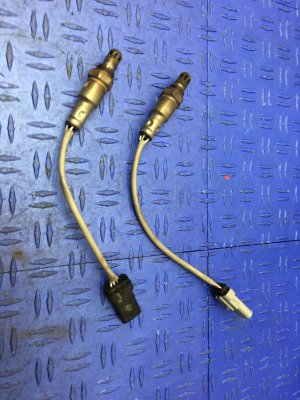
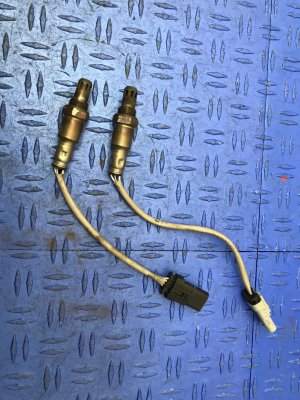
Aftermarket price range: $10-$20 - Upstream Oxygen Sensor (Bank 1 Sensor 1)
(OEM #ACDelco 213-4767 (for 2.0T))— Replaced only after vacuum leaks and MAF issues have been definitively ruled out, as it's often misdiagnosed as the cause.
Trusted brands: ACDelco, Bosch, Denso
OEM price range: $120-$180
Aftermarket price range: $70-$150
Related Codes That Often Appear With This One
- P0174 — System Too Lean (Bank 2). This code appears with P0171 on V6 engines (LFX) if the cause (like a large vacuum leak before the throttle body or a fuel pump issue) affects both engine banks.
- P0101 — Mass Air Flow (MAF) Circuit Range/Performance. A faulty or dirty MAF sensor is a primary cause of P0171 and can trigger both codes.
- P0300 — Random/Multiple Cylinder Misfire Detected. A severe lean condition prevents proper combustion, leading to misfires. A significant vacuum leak is a common root cause for both P0171 and P0300 to appear together.
- P0506 — Idle Air Control System RPM Lower Than Expected. A significant vacuum leak can cause idle control problems, triggering this code alongside P0171, as noted in TSB #PIP5529B.
Technical Service Bulletins (TSBs) & Recalls

- PI0940A: Malfunction Indicator Lamp (MIL) On, DTC P0171 Set. Addresses leaks in the engine mount vacuum control system on 2013-2015 ATS 2.0L/2.5L models. Instructs to test with vacuum only and warns that fluid in the lines requires full system replacement.
- PIP5529B / PIP5529A: Mentions P0171 as one of several codes that can be set due to a broader electrical system issue, but does not provide a specific cause for P0171 alone.
Platform-Specific Known Issues
- TSB PI0940A: Engine Mount Vacuum System Leak: Specifically addresses DTC P0171 on 2013-2015 ATS/CTS models with 2.0L or 2.5L engines, pointing to potential leaks in the engine mount vacuum control system. It instructs technicians to test with a vacuum gauge, not a smoke machine.
- Chronic PCV Hose Failure (2.0L LTG): Multiple owner and mechanic reports confirm that the PCV hose assembly on the 2.0L Turbo engine is a very common failure item, becoming brittle and cracking, leading directly to code P0171. A temporary fix with tape has been shown to improve fuel trims, confirming the diagnosis.
Mechanic-Grade Diagnostic Values
- Long Term Fuel Trim (LTFT) at Idle — expected: ~0% to +10%. Failure: Sustained values greater than +15%, with some owners reporting +25% to +38% with significant vacuum leaks.
- Fuel Trim Response to RPM Increase (2500 RPM) — expected: Values should remain relatively stable.. Failure: If high positive fuel trims at idle move significantly toward 0%, it strongly indicates a vacuum leak. If they remain high or increase, it points to a fuel delivery or MAF issue.
- Low-Pressure Fuel System Pressure — expected: 40 - 75 PSI. Failure: Pressure below 40 PSI indicates a weak in-tank fuel pump or clogged filter.
- High-Pressure Fuel System Pressure (2.0T LTG) — expected: Can reach up to 2,250 - 2,900 PSI under load.. Failure: Significantly lower pressure than commanded by the ECM, often requires a scan tool capable of reading this parameter. A P0087 code (Fuel Rail/System Pressure - Too Low) may accompany P0171.
Scan Tool Commands That Help
- GDS2 / Professional Scan Tool: Fuel Trim Reset — After replacing a component like a PCV hose, MAF sensor, or fuel pump, this function should be used to clear the old learned fuel trim values. This forces the ECM to relearn the fuel strategy immediately, which can confirm the fix and prevent the code from returning during the relearn period.
- GDS2 / Professional Scan Tool: EVAP Purge/Seal — To test the EVAP purge valve. A technician can command the valve open and closed to see if it is functioning correctly or stuck, which would create a vacuum leak.
Wiring & Ground Locations
- G101 — On the lower front of the engine block, near the left front of the vehicle (above the left headlight area on a 2013 model).. This is a primary engine ground that provides the ground path for the Engine Control Module (ECM) and the Mass Air Flow (MAF) sensor. A poor connection here can cause erratic sensor readings and incorrect fuel calculations, leading to a P0171 code.
- G104 — On the cylinder head. For the 3.6L LFX, it's on the front of the right cylinder head. For 4-cylinder engines, it's on the lower rear of the cylinder head.. Provides a critical ground path for ignition components and other sensors on the cylinder head. A loose or corroded ground here can affect sensor data integrity.
- MAF Sensor Connector — On the air intake tube, immediately after the air filter box. It is a 5-pin connector.. Damaged wiring or corroded pins in this connector can interrupt the signal from the MAF sensor to the ECM, causing the ECM to miscalculate airflow and trigger a P0171. Replacement pigtail connectors are available.
Real Owner Repair Stories
- CaddyInfo Forum user 'cdgrinci' (2013 ATS 2.0T) — Intermittent Check Engine Light with P0171. Scan tool showed very high Long Term Fuel Trim (+38) at idle, which decreased at higher RPM.
✅ What actually fixed it The user inspected for vacuum leaks and found the PCV hoses were cracked and brittle. Replacing the PCV hose assembly resolved the issue. - YouTube channel 'Ford Boss Me' (2013-2014 Cadillac ATS 2.0T) — P0171 lean code and lack of brake assist.
❌ Tried (didn't work) Initial diagnosis focused on the common brittle PCV hoses on top of the engine.
✅ What actually fixed it A smoke test showed a massive leak from underneath the intake manifold. After removing the intake, the mechanic found a vacuum line for the active motor mount system had fallen off its nipple on the back of the intake manifold, causing a huge vacuum leak. Reconnecting this line (and replacing the brittle plastic) was the fix. - YouTube user 'Jay C' (Cadillac ATS (engine not specified, but symptoms align with GDI)) — P0171 code, passed smoke test, rough idle sometimes, high engine oil temperatures (up to 260°F).
❌ Tried (didn't work) Passed a smoke test, ruling out major vacuum leaks., Replaced MAF sensor., Replaced fuel injectors., Replaced high-pressure fuel pump., Replaced upstream O2 sensor with a genuine GM part.
✅ What actually fixed it The user was still diagnosing at the end of the video, but the evidence (passed smoke test, fuel trims not correcting with RPM) pointed away from a vacuum leak. The final suspected causes were either a failing low-pressure in-tank fuel pump or a wiring issue in the O2 sensor harness that had been previously repaired.
"I Checked Everything" — The Actual Cause
- A common scenario where a smoke test reveals no leaks is a faulty Mass Airflow (MAF) sensor. The sensor under-reports the amount of air entering the engine, so the computer commands too little fuel. Since there is no physical leak for smoke to escape, the test comes back clean, but the lean condition persists.
- A weak fuel pump (either low-pressure or high-pressure) will not create a vacuum leak and will therefore pass a smoke test. The lean condition is caused by inadequate fuel delivery, which becomes more apparent under load when fuel demand increases.
- A hairline crack in a PCV hose may not show up during a smoke test if it only opens under specific vacuum or temperature conditions. Physically manipulating the hoses while the engine is running or during a smoke test may be necessary to reveal the leak.
When the Usual Fixes Don't Work
- While the most common fix is replacing a cracked PCV hose, a significant number of owners have found that this does not solve their problem. In cases where a smoke test passes and fuel trims do not improve when raising the engine RPM, the cause is unlikely to be a vacuum leak. One owner documented replacing the MAF sensor, O2 sensor, fuel injectors, and high-pressure fuel pump without resolving the P0171 code, leading to the final suspicion of a weak in-tank (low-pressure) fuel pump or a fault in the O2 sensor wiring harness. This highlights the importance of not stopping diagnosis after checking for vacuum leaks.
OEM Part Supersession History
12633740, 12654851, 12662657→12673868— The original PCV hose assemblies were prone to becoming brittle and cracking from engine heat. The updated part is intended to be more durable.
Heads up: While all versions are functionally compatible, some earlier versions used 'fuel line' style connectors requiring a special tool, whereas some newer aftermarket and OEM versions use a simpler squeeze-tab quick-disconnect fitting, which is easier for DIY replacement.
Model Year Variations Within This Range
- 2013-2015: Models with the 2.0L (LTG) and 2.5L (LCV) engines use a vacuum-controlled engine mount system that is a known source of vacuum leaks causing P0171, as identified in TSB PI0940A.
- 2013-2015 vs 2016-2017: The 3.6L V6 engine was changed for the 2016 model year. 2013-2015 models use the 3.6L LFX engine. 2016-2017 models use the newer 3.6L LGX engine, which is part of a different engine family with different components and specifications.
Helpful Videos

Used OEM Parts in Stock

New Aftermarket Parts Available



The information in this article is provided for general reference and educational purposes only. Vehicle specifications, procedures, and part compatibility can vary by production date, trim level, and region. Always consult your vehicle's factory service manual and verify part numbers before purchasing or performing repairs. Safety-critical components such as airbags, seat belts, and braking systems should be installed by a qualified professional.
- Cadillac ATS:
- 🎬 Helpful Videos
- 🛍️ Shop This Part
- What's Unique About the 2013-2017 Cadillac ATS
- Diagnostic Flowchart
- Symptoms You May Notice
- Most Likely Causes
- Rare But Worth Checking
- Diagnosis Steps
- Parts You'll Likely Need
- Related Codes That Often Appear With This One
- Technical Service Bulletins (TSBs) & Recalls
- Platform-Specific Known Issues
- Mechanic-Grade Diagnostic Values
- Scan Tool Commands That Help
- Wiring & Ground Locations
- Real Owner Repair Stories
- "I Checked Everything" — The Actual Cause
- When the Usual Fixes Don't Work
- OEM Part Supersession History
- Model Year Variations Within This Range
- 🎟️ Get 5% Off