

P0171 on 2011-2017 Buick Regal: System Too Lean Causes and Fixes
On a 2011-2017 Buick Regal, code P0171 is most often caused by a vacuum leak from a cracked intake hose, a bad PCV valve, or a faulty purge solenoid. For the 2.4L engine, a clogged PCV orifice inside the intake manifold is a very common culprit. Cleaning the Mass Airflow (MAF) sensor is another common and easy first step. Expect to spend $10 on a can of MAF cleaner or $50-$150 for replacement hoses or valves.
- P0171 means your Regal's engine is getting too much air or not enough fuel.
- The most likely cause is unmetered air entering the engine from a cracked hose, bad gasket, or faulty valve (PCV or purge).
- Before replacing any parts, try cleaning the Mass Airflow (MAF) sensor with a dedicated cleaner.
- A smoke test is the most effective way to find hidden vacuum leaks.
- On this specific car, be aware that an ECM software update or even incorrect injectors from a past repair could be the root cause.
What's Unique About the 2011-2017 Buick REGAL

While the causes for P0171 are common across many vehicles, the fifth-generation Buick Regal has specific, well-documented issues. For the 2.4L Ecotec engine, GM issued a special coverage bulletin (14882) for a frequently clogged PCV orifice inside the intake manifold, which creates a vacuum leak and can lead to high oil consumption. The 2.0L Turbo can be susceptible to high-pressure fuel pump issues that also trigger a lean code. Furthermore, Technical Service Bulletins point to unique problems such as incorrect fuel injectors or camshafts being installed during a repair, or the need for an ECM software update to correct faulty fuel trim calculations.
Diagnostic Flowchart

Tap your situation to follow the diagnostic path that matches what you're seeing on this vehicle.
Symptoms You May Notice
- Check Engine Light is illuminated
- Rough or unstable idle
- Engine hesitation or stumbling during acceleration
- Noticeable loss of power
- Engine stalling, especially when coming to a stop
- Reduced fuel economy
- A hissing or whistling noise from the engine bay, indicating a vacuum leak
- Difficulty starting the engine
- Replacing the oxygen (O2) sensor. While a faulty O2 sensor *can* cause P0171, it's more often an unmetered air leak or a MAF issue. The O2 sensor is usually just accurately reporting the lean condition caused by something else.
Most Likely Causes

- Vacuum Leak (Intake Manifold/Gasket, PCV, or Purge Valve) 🔴 High Probability On the 2.4L engine, the PCV orifice integrated into the plastic intake manifold is known to clog with carbon and sludge, causing high crankcase vacuum and often leading to P0171. The intake manifold gaskets can also fail. The EVAP purge solenoid is another known failure point on many GM vehicles, often getting stuck open and creating a constant vacuum leak.
How to confirm: Visually inspect all hoses for cracks. Listen for a hissing sound at idle. For the purge solenoid, unplug it while the engine is idling; if the idle smooths out, the valve is stuck open. The most effective method for finding other leaks is a smoke test, which forces smoke into the intake system to reveal the exact location of any leaks. 🎬 See how to find vacuum leaks using a smoke machine.
Typical fix: Replace the cracked hose or faulty EVAP purge solenoid. For the 2.4L, the intake manifold must be removed to properly clean the clogged PCV orifice. 🎬 Watch: How to clean the PCV orifice without removing the manifold. If the intake gasket is leaking, it should be replaced.
Est. part cost: $20-$150 for hoses/solenoids, $40 for intake gasket set - Dirty or Faulty Mass Airflow (MAF) Sensor 🔴 High Probability The MAF sensor wire can become contaminated with dirt and oil, causing it to inaccurately measure the air entering the engine. TSBs for this vehicle group P0171 with MAF sensor codes (P0101), suggesting a common link.
How to confirm: Unplug the MAF sensor. If the engine's running condition improves, the sensor is likely faulty. A more precise method is to check the MAF reading on a scan tool; a very low g/s reading at idle is a red flag. Cleaning the sensor is a good first step.
Typical fix: First, try cleaning the sensor with a dedicated MAF sensor cleaner spray. Do not touch the delicate sensor wires. 🎬 Watch this guide on cleaning your MAF sensor the right way. If cleaning doesn't work, replace the sensor.
Est. part cost: $10 for cleaner, $70-$150 for a new sensor - Engine Control Module (ECM) Software Update Needed 🟡 Medium Probability GM released a service bulletin (PIP5028D) for 2010-2011 models with the 2.4L engine, indicating that the original ECM calibration could cause a P0171 code, sometimes with a P0128 (coolant thermostat) code.
How to confirm: A GM dealership or a well-equipped independent shop can check your vehicle's software version against GM's database to see if an update is available.
Typical fix: The ECM is reprogrammed (or 'flashed') with the latest software calibration.
Est. part cost: $0 (parts), labor cost varies ($100-$200) - Weak Fuel Pump or Clogged Fuel Filter ⚪ Low Probability The in-tank fuel pump can weaken with age. On the 2.0L Turbo direct-injection engine, the high-pressure fuel pump (HPFP) is another potential failure point that can cause lean conditions, sometimes accompanied by a whining noise.
How to confirm: Perform a fuel pressure test. For the 2.0T, both low-side and high-side pressure need to be checked against specifications using a capable scan tool. A generic fuel pressure spec for GM vehicles of this era is 40.5-47 psi.
Typical fix: Replace the weak in-tank fuel pump module or the failing high-pressure fuel pump.
Est. part cost: $200-$500 for a fuel pump - Leaking Exhaust Before Oxygen Sensor ⚪ Low Probability Rust can cause cracks or holes in the exhaust manifold or downpipe, especially at the flexible joint. Gaskets can also fail over time.
How to confirm: Visually inspect the exhaust manifold and the exhaust pipe leading to the first O2 sensor. Listen for a ticking or puffing sound that is loudest on a cold start. A shop can use a smoke machine on the exhaust to find small leaks.
Typical fix: Replace the leaking gasket or repair/replace the cracked exhaust component.
Est. part cost: $20 for a gasket, $200+ for manifold/pipe repair
Rare But Worth Checking
- Incorrect Fuel Injectors Installed: According to TSB #PIP5203C, installing the wrong type of fuel injectors during a previous repair can lead to a P0171 code. This is a critical check if the code appeared after engine service on a 2011 2.4L model.
- Incorrect Intake Camshaft or Actuator Sprocket: A rare but documented cause mentioned in TSB #PIP5203C is the installation of an incorrect camshaft or actuator on 2010-2011 2.4L engines, which affects engine timing and air/fuel mixture.
- Timing Chain Failure: In a severe case reported to the NHTSA (ODI #11354914), a detached timing chain on a 2013 Regal caused multiple codes, including P0171. Here, the code is a symptom of a catastrophic mechanical failure.
Diagnosis Steps

- Read all fault codes with an OBD-II scanner. Note any other codes that are present and analyze freeze frame data.
- Inspect the engine bay for obvious issues like a cracked air intake tube between the MAF sensor and the throttle body or disconnected vacuum hoses.
- With the engine running, listen for hissing sounds that could indicate a vacuum leak, particularly around the intake manifold.
- Using a scan tool, monitor long-term and short-term fuel trims. High positive numbers (e.g., >15%) confirm the ECM is adding fuel to compensate for a lean condition.
- Remove and clean the Mass Airflow (MAF) sensor using a dedicated MAF cleaner. Allow it to dry completely before reinstalling.
- If leaks are suspected but not visible, perform a smoke test to pinpoint the source of unmetered air. Pay close attention to the intake manifold gaskets, PCV hoses, and the EVAP purge solenoid.
- For 2.4L engines, specifically investigate the PCV orifice in the intake manifold. If high crankcase vacuum is present or the vehicle has high oil consumption, the orifice is likely clogged and requires cleaning.
- Test fuel pressure. For 2.0T engines, this must include checking the high-pressure side with a capable scan tool to rule out a failing HPFP.
- Inspect the exhaust manifold and downpipe for any leaks before the upstream O2 sensor.
- If all else fails, especially on 2010-2011 models, consult a dealer to check if an ECM software update is available per TSB #PIP5028D.
Parts You'll Likely Need
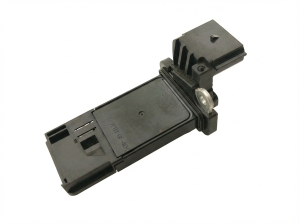
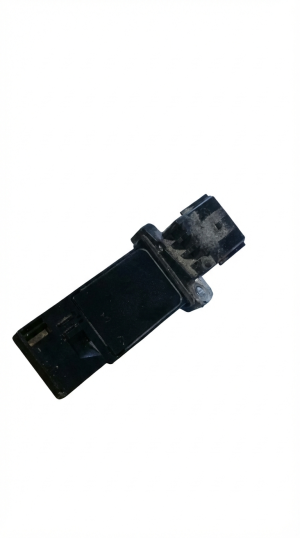
- Mass Airflow (MAF) Sensor
(OEM #12671624 (ACDelco))— A dirty or failing MAF sensor is a very common cause, as it provides the primary air measurement for the engine's computer.
Trusted brands: ACDelco, Bosch, Denso - Vapor Canister Purge Valve/Solenoid
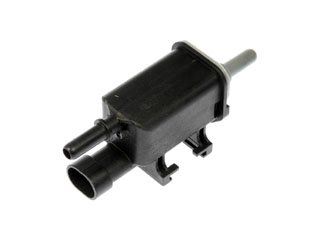
(OEM #12690512 / 214-2242 (ACDelco))— This valve is a frequent failure point on GM vehicles, getting stuck open and causing a persistent vacuum leak.
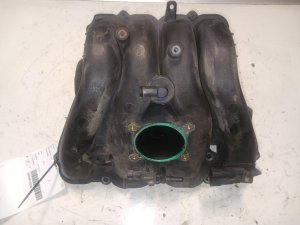
Trusted brands: ACDelco, Dorman - Intake Manifold Gasket Set (2.4L)
(OEM #12607993 (ACDelco))— The intake manifold gaskets are a known failure point that can cause a vacuum leak, leading to a P0171 code.
Trusted brands: ACDelco, Fel-Pro, Mahle
Related Codes That Often Appear With This One
- P0174 — System Too Lean (Bank 2). This code is not applicable to the Regal's inline-4 engines but would appear on a V6/V8 engine if both banks were lean.
- P0101 — Mass Air Flow (MAF) Circuit Range/Performance. This code often appears with P0171 because a faulty MAF sensor is a primary cause of the lean condition.
- P0131 — O2 Sensor Circuit Low Voltage (Bank 1 Sensor 1). This can appear alongside P0171 as the sensor detects excess oxygen, resulting in a low voltage signal.
- P0506 — Idle Air Control System RPM Lower Than Expected. A vacuum leak can cause the idle to be erratic, sometimes triggering this code along with P0171.
Technical Service Bulletins (TSBs) & Recalls
- PIP5529B: Notes P0171 in a list of several DTCs that may set together, pointing towards a complex diagnostic path.
- PIP5203C: Specifically calls out that P0171 can be caused by incorrect fuel injectors or an incorrect intake camshaft/actuator.
- PIP5028D: Recommends an ECM software update to resolve P0171, particularly if it appears with code P0128.
Platform-Specific Known Issues
- Clogged PCV Orifice in Intake Manifold: The most notorious issue for P0171 on this engine. A small, fixed orifice for the PCV system is integrated into the plastic intake manifold. Over time, it clogs with carbon and oil sludge. This prevents the system from properly ventilating crankcase pressure, creating a strong vacuum that can suck in unmetered air through engine seals or cause oil consumption issues. GM issued Special Coverage 14882 to address this by cleaning the orifice. Many owners on forums report successfully cleaning this themselves or having it done to resolve the P0171 code.
- High-Pressure Fuel Pump (HPFP) Failure: As a direct-injection engine, the 2.0T uses a high-pressure fuel pump driven by the camshaft. When this pump begins to fail, it may not be able to supply the fuel pressure demanded by the ECM, leading to a lean condition under load. This can be accompanied by codes like P0089 or P228D and sometimes a whining noise from the pump area.
Mechanic-Grade Diagnostic Values
- Mass Airflow (MAF) Sensor Reading at Idle — expected: Approximately 2.5 g/s for a 1.6L engine (should be similar for 2.4L).. Failure: A significantly low reading, such as 1.6 g/s, suggests a vacuum leak downstream of the sensor, as unmetered air is entering the engine.
- Short-Term Fuel Trim (STFT) Response to RPM — expected: STFT should remain relatively stable when RPM is raised to ~3,000.. Failure: If STFT drops toward 0% when RPM is raised, it strongly indicates a vacuum leak that is being overcome by the increased airflow. If STFT increases, it points toward a fuel delivery issue.
- Fuel Pressure (Low-Pressure System) — expected: 40.5–47 psi with the engine running.. Failure: Pressure below this range indicates a weak fuel pump, clogged filter, or faulty regulator.
- MAF Sensor Signal Voltage (Key On, Engine Off) — expected: Approximately 1.77 volts on the signal wire when connected.. Failure: Incorrect voltage readings, or seeing 5V on the signal line with the connector unplugged, can indicate a faulty sensor or wiring issue.
Scan Tool Commands That Help
- GDS2 / Tech2: EVAP Purge/Seal — To command the EVAP purge solenoid closed and check if it is sealing properly. A technician can monitor fuel trims while commanding the valve; if trims return to normal when the valve is commanded shut, it confirms the solenoid was stuck open.
- GDS2 / Tech2: Fuel Trim Reset — After a repair is completed (e.g., fixing a vacuum leak or replacing a MAF sensor), resetting the fuel trims will clear the learned long-term values and allow the ECM to adapt to the new, correct conditions more quickly.
Wiring & Ground Locations
- G101 — Located at the front of the engine, on the lower block. It jumpers to G106 at the center of the frame cross rail under the crank pulley.. This ground is critical as it serves the Mass Air Flow Sensor, Intake Air Temperature Sensor, Engine Control Module (ECM), and Transmission Control Module (TCM). A poor connection here can cause erratic sensor readings and trigger a P0171.
- G103 — Located at the left rear of the engine compartment on the cowl, above the brake booster.. This ground serves the Body Control Module (BCM) and the Data Link Connector (DLC). A fault here can cause communication issues with scan tools or other modules that may be needed to diagnose P0171.
- MAF Sensor Connector — In the air intake tube between the air filter box and the throttle body.. The connector provides power, ground, and signal lines for the MAF sensor. A common 4-wire GM setup includes a 12V supply, a ground to the ECM, a 5V reference/supply, and the signal wire. Checking for proper voltage at these pins is a key diagnostic step.
Real Owner Repair Stories
- Reddit user in r/MechanicAdvice (Vehicle not specified, but GM platform with similar symptoms) — Rough running, multiple misfire codes, and hard brake pedal.
❌ Tried (didn't work) Replaced spark plugs, Visually inspected vacuum lines
✅ What actually fixed it The brake booster was leaking vacuum internally, causing the lean condition and the hard pedal feel. Replacing the brake booster resolved the P0171 code and associated symptoms. - Reko Auto Parts diagnostic case (2015 Buick LaCrosse 1.6L (similar GM architecture)) — Check engine light, slight engine shaking.
❌ Tried (didn't work) Initial data scan showed confusing values (low MAF, normal manifold pressure).
✅ What actually fixed it The charcoal canister (EVAP) purge solenoid was stuck open, creating a constant vacuum leak downstream of the throttle body. Blocking the solenoid's vacuum port caused fuel trims to immediately return to normal, confirming it was the fault.
"I Checked Everything" — The Actual Cause
- A leaking brake booster diaphragm can cause a significant vacuum leak that may not be easily found with a smoke test, as the leak is internal to the booster. The key symptom is often a hard brake pedal or a change in engine idle when the brakes are applied.
OEM Part Supersession History
Not specified, but multiple previous numbers existed.→12671624— This is the current GM Genuine Parts number for the MAF sensor fitting many GM vehicles of this era, including the Regal. It was formerly branded as an ACDelco GM Original Equipment part.
Model Year Variations Within This Range
- 2011-2013: The base engine was a 182-hp 2.4L I4. A 220-hp 2.0L Turbo was optional. A high-output 270-hp 2.0L Turbo was available in the GS model from 2012.
- 2014-2017: The Regal received a facelift with revised styling. The previous 2.0L turbo engines were consolidated into a single 259-hp version, which also became available with AWD. The non-hybrid 2.4L engine was phased out in favor of the eAssist mild-hybrid system as the base powertrain.
Helpful Videos

![How to Fix P0171 Engine Code in 2 Minutes [2 DIY Methods / Only $8.37]](https://img.youtube.com/vi/nZPJGtZxzko/mqdefault.jpg)
Used OEM Parts in Stock


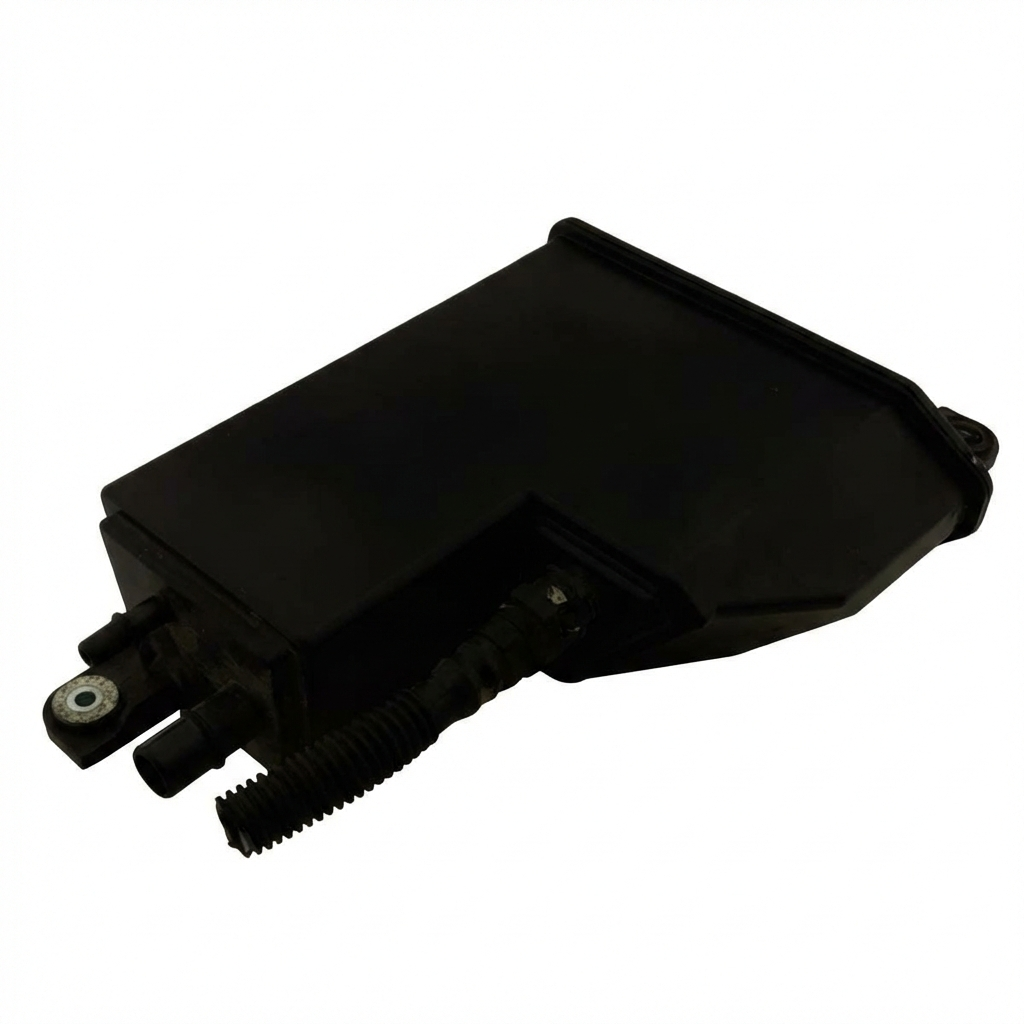
New Aftermarket Parts Available

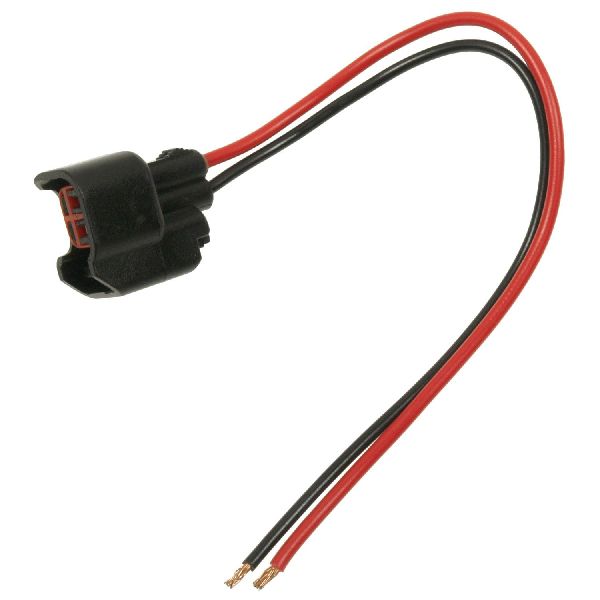
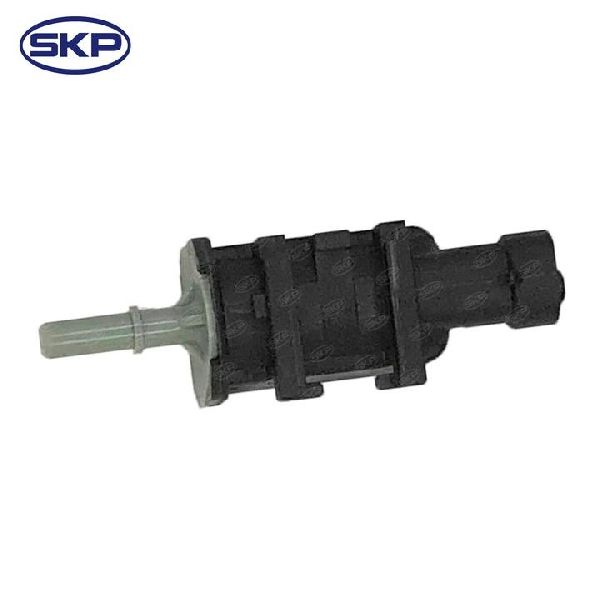

The information in this article is provided for general reference and educational purposes only. Vehicle specifications, procedures, and part compatibility can vary by production date, trim level, and region. Always consult your vehicle's factory service manual and verify part numbers before purchasing or performing repairs. Safety-critical components such as airbags, seat belts, and braking systems should be installed by a qualified professional.
- Buick REGAL:
- 🎬 Helpful Videos
- 🛍️ Shop This Part
- What's Unique About the 2011-2017 Buick REGAL
- Diagnostic Flowchart
- Symptoms You May Notice
- Most Likely Causes
- Rare But Worth Checking
- Diagnosis Steps
- Parts You'll Likely Need
- Related Codes That Often Appear With This One
- Technical Service Bulletins (TSBs) & Recalls
- Platform-Specific Known Issues
- Mechanic-Grade Diagnostic Values
- Scan Tool Commands That Help
- Wiring & Ground Locations
- Real Owner Repair Stories
- "I Checked Everything" — The Actual Cause
- OEM Part Supersession History
- Model Year Variations Within This Range
- 🎟️ Get 5% Off