

P0171 on 2016-2017 Buick Envision: System Too Lean Causes and Fixes
For a 2016-2017 Buick Envision, code P0171 most often indicates a vacuum leak. For the 2.5L engine, check for loose intake manifold bolts as per TSB #PIP5529B. For the 2.0L Turbo, inspect for a cracked PCV hose. Cleaning the MAF sensor is also a simple and effective first step.
- P0171 means your Envision's engine is getting too much air or not enough fuel.
- The most common causes are unmetered air leaks (vacuum leaks) or a dirty Mass Air Flow (MAF) sensor.
- Start your diagnosis by visually inspecting all intake and vacuum hoses for cracks or disconnections.
- Cleaning the MAF sensor with a dedicated cleaner is a cost-effective and easy potential fix.
- Do not immediately replace the oxygen sensor; it is usually just reporting the problem, not causing it.
What's Unique About the 2016-2017 Buick ENVISION
On many modern GM vehicles, including the 2016-2017 Envision, lean codes are frequently traced back to specific, documented issues. GM Technical Service Bulletin #PIP5529B explicitly identifies loose intake manifold bolts as a cause for P0171 on both the 2.5L and 2.0L engines. Furthermore, the 2.0L LTG turbo engine is known for brittle plastic PCV hoses that crack and create significant vacuum leaks. A stuck-open EVAP purge solenoid is another common GM failure that allows unmetered fuel vapors into the intake, leaning out the mixture.
Diagnostic Flowchart
Tap your situation to follow the diagnostic path that matches what you're seeing on this vehicle.
Symptoms You May Notice
- Check Engine Light is on
- Rough idle or stalling
- Hesitation or lack of power during acceleration
- Reduced fuel economy
- Hissing or whistling sound from the engine bay
- Replacing the oxygen sensor first is a common mistake. The O2 sensor is often correctly reporting the lean condition, which is caused by another component like a vacuum leak or faulty MAF sensor.
- Replacing the intake manifold gasket without first checking the bolt torque. TSB #PIP5529B explicitly states to re-torque the bolts first and only replace the gasket if it still leaks after being properly secured.
Most Likely Causes
- Vacuum Leak (Loose Intake Manifold Bolts, Cracked Hoses) 🔴 High Probability TSB #PIP5529B specifically calls out loose intake manifold bolts as a cause for P0171 on these engines. The fix can be as simple as re-torquing the bolts with threadlocker. Other vacuum hoses, especially PCV and EVAP lines, can also become brittle and crack.
How to confirm: For the 2.5L engine, physically check if the intake manifold is loose. Listen for a hissing sound. A smoke test is the most definitive method to find any leak. For the bolts, check their torque against factory specifications.
Typical fix: Remove, apply medium-strength threadlocker, 🎬 See how to properly re-torque and secure loose manifold bolts. and re-torque intake manifold bolts to spec one at a time. Replace any other cracked hoses found.
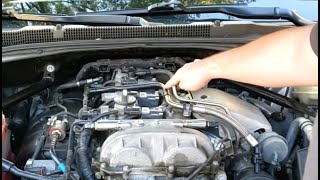
Est. part cost: $5 (Threadlocker) - $150 (Gaskets/Hoses if needed) - Cracked PCV Hose Assembly (2.0L LTG Engine) 🔴 High Probability The plastic PCV hose assembly on the 2.0L Turbo engine is a very common failure point. It becomes brittle from heat and cracks, creating a large vacuum leak. This is well-documented on platform mates like the Cadillac ATS. 🎬 Watch: How to replace the brittle plastic PCV hose assembly.
How to confirm: Visually inspect the plastic hoses on top of the valve cover for cracks, especially at the connection points. A hissing sound may be audible, and a smoke test will quickly reveal a leak from this component.
Typical fix: Replace the entire PCV hose assembly. The part is often sold as a single unit.
Est. part cost: $40-$80 - Dirty or Faulty Mass Air Flow (MAF) Sensor 🟡 Medium Probability The MAF sensor can become contaminated with dirt and oil over time, causing it to inaccurately measure the air entering the engine.
How to confirm: Remove the sensor and inspect it for debris. Cleaning it with a dedicated MAF sensor cleaner is a good first step. If cleaning doesn't resolve the issue, the sensor may need replacement.
Typical fix: Clean the sensor with a specialized cleaner. If the problem persists, replace the MAF sensor.
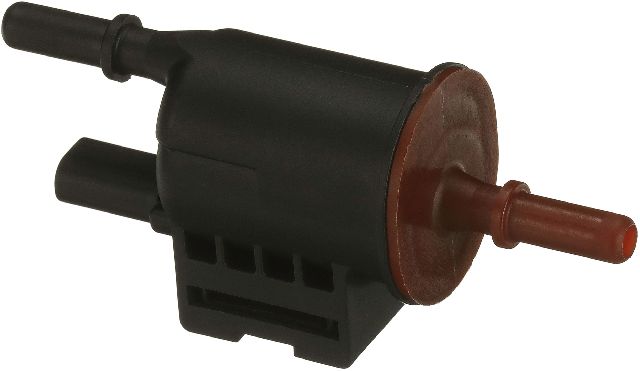
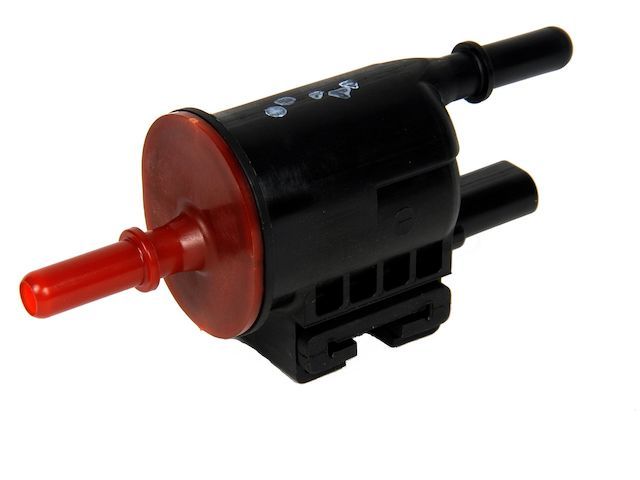
Est. part cost: $10 (cleaner) - $160 (sensor) - Stuck-Open EVAP Purge Solenoid 🟡 Medium Probability This is a common failure part on many GM vehicles. If it sticks open, it creates a vacuum leak by allowing fuel vapors into the intake manifold at idle, often triggering P0171 and P0496 together. 🎬 Watch: A quick guide to fixing the EVAP purge solenoid.
How to confirm: With the engine idling, disconnect the hose from the purge solenoid that leads to the intake manifold and feel for suction. There should be no vacuum at idle.
Typical fix: Replace the EVAP purge solenoid.
Est. part cost: $25-$75 - Low Fuel Pressure ⚪ Low Probability A weak fuel pump or a clogged fuel filter can restrict fuel flow, leading to a lean condition.
How to confirm: Connect a fuel pressure gauge to the fuel rail's service port. Compare the reading to the manufacturer's specification.
Typical fix: Replace the failing fuel pump or clogged fuel filter.
Est. part cost: $50-$400 - Faulty Front Oxygen (O2) Sensor ⚪ Low Probability An aging O2 sensor can become slow to respond or send incorrect voltage signals, falsely telling the ECM that the engine is lean.
How to confirm: Use a scan tool to monitor the O2 sensor's voltage. It should fluctuate rapidly. A sensor that is stuck on a low voltage reading may be faulty.
Typical fix: Replace the front (pre-catalytic converter) oxygen sensor.
Est. part cost: $50-$120
Rare But Worth Checking
- Exhaust Leak: An exhaust leak before the front oxygen sensor can draw in outside air, causing the sensor to read a false lean condition.
- Clogged Fuel Injectors: If one or more injectors are restricted, they won't deliver enough fuel, leading to a lean mixture in the affected cylinders.
Diagnosis Steps
- Visually inspect the engine bay for obvious issues like disconnected vacuum hoses, a loose air intake tube, or a loose oil filler cap.
- Connect a scan tool to read the freeze frame data and monitor long-term fuel trim (LTFT) and short-term fuel trim (STFT). High positive numbers (e.g., >15%) confirm the lean condition.
- For the 2.5L LCV engine, physically check the intake manifold for looseness. Following TSB #PIP5529B, check the torque on the intake manifold bolts.
- For the 2.0L LTG engine, pay close attention to the plastic PCV hose assembly on the valve cover, inspecting for cracks or breaks.
- Listen for hissing sounds around the intake manifold, vacuum lines, and PCV hoses, which would indicate a vacuum leak.
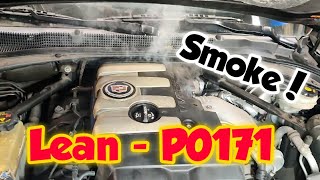
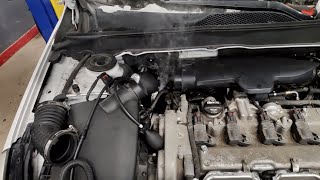
- If no obvious leaks are found, perform a smoke test to pressurize the intake system with smoke and easily identify the source of any unmetered air leaks.
- Remove and clean the Mass Air Flow (MAF) sensor using a dedicated MAF sensor cleaner. Reinstall and check if fuel trims improve.
- Test the EVAP purge solenoid to ensure it is not stuck open at idle by checking for vacuum on the intake port.
- Check fuel pressure using a fuel pressure gauge to rule out a weak fuel pump or clogged filter.
- If all else fails, inspect the front oxygen sensor's performance via a scan tool to ensure it is responding correctly and not sending false lean signals.
Parts You'll Likely Need
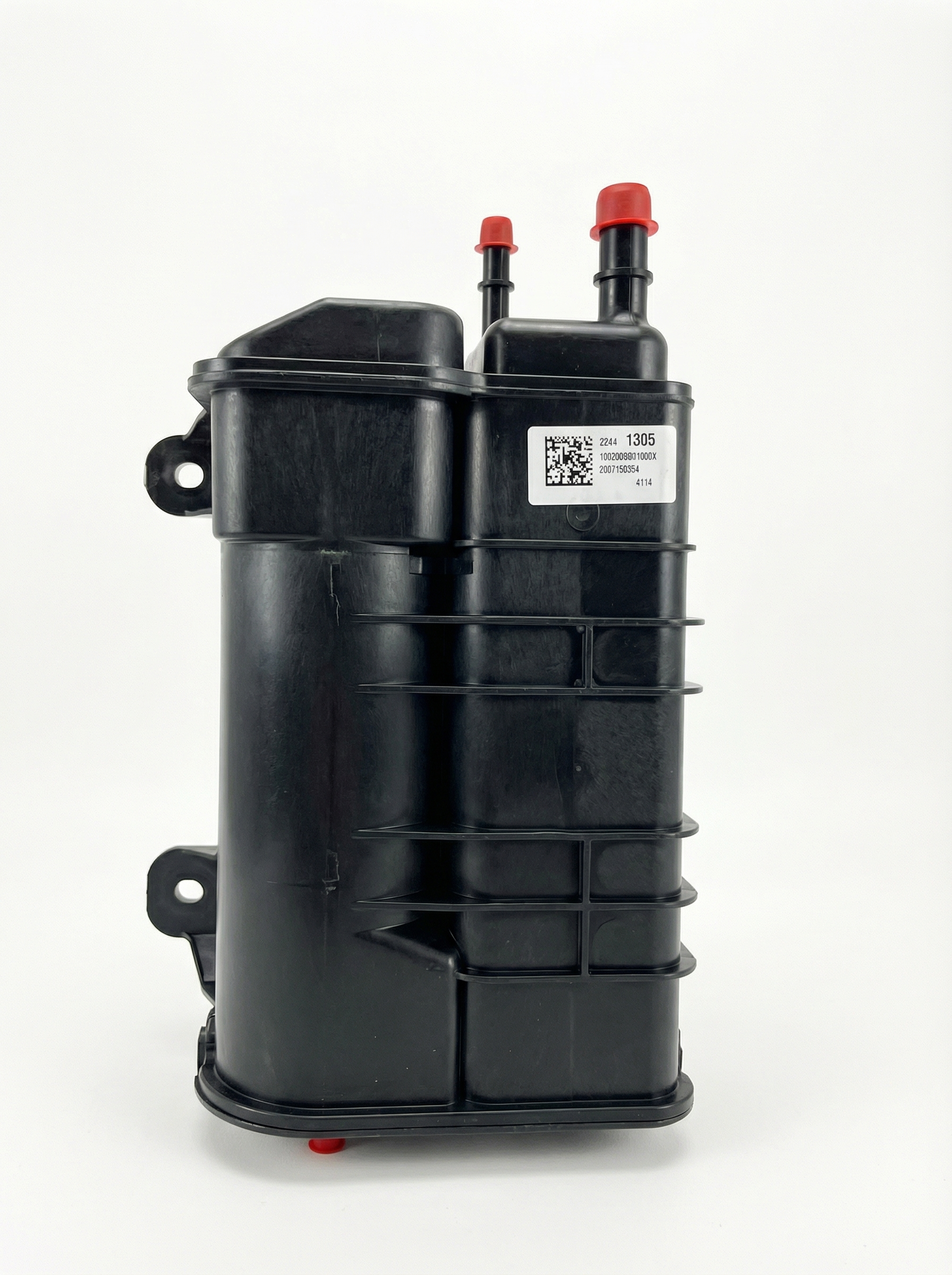
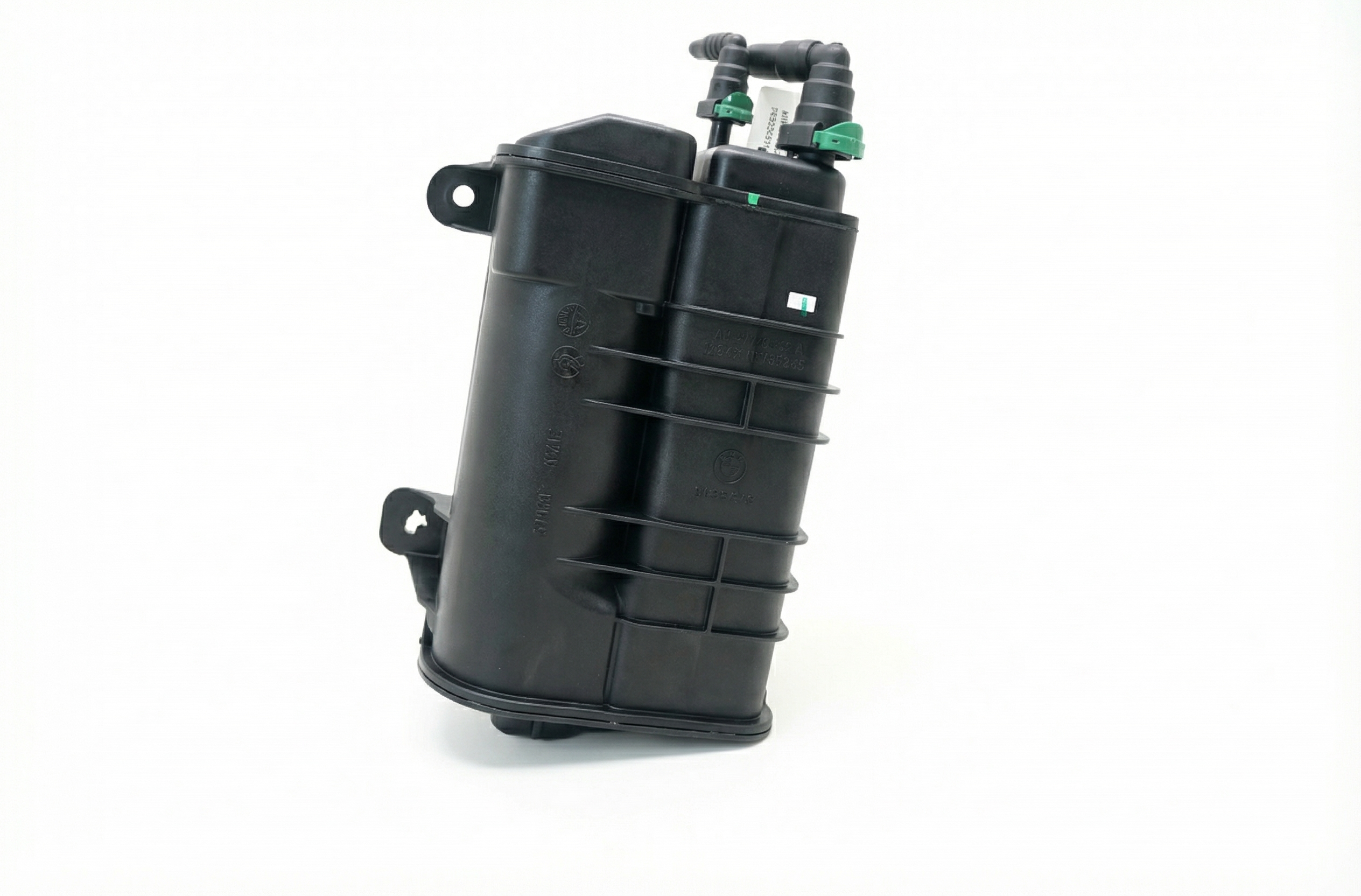
- EVAP Canister Purge Valve/Solenoid
(OEM #ACDelco 12632174)— This is a common failure point on GM vehicles that can stick open and cause a vacuum leak, triggering a P0171 code.
Trusted brands: ACDelco, Dorman, Standard Motor Products
OEM price range: $40-$80
Aftermarket price range: $20-$50 - PCV Hose Assembly (2.0L LTG Engine)
(OEM #12673868)— A very common failure on the 2.0L Turbo engine. The plastic becomes brittle and cracks, causing a major vacuum leak and P0171.
Trusted brands: ACDelco, GM Genuine
OEM price range: $40-$80
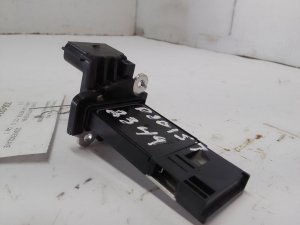
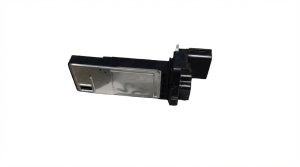
Aftermarket price range: $30-$60 - Mass Air Flow (MAF) Sensor
(OEM #ACDelco W0133-2236743 (for 2.5L) or W0133-2515015 (for 2.0L))— Often, the MAF sensor is just dirty, but if cleaning doesn't work and it's faulty, it must be replaced. It's a common cause of incorrect fuel trim readings.
Trusted brands: ACDelco, Hitachi, Denso
OEM price range: $80-$150
Aftermarket price range: $50-$100 - Mass Air Flow (MAF) Sensor Cleaner — Often, the MAF sensor is just dirty and cleaning it is an inexpensive first step that can resolve the code.
Trusted brands: CRC, Liqui Moly
Aftermarket price range: $10-$15
Related Codes That Often Appear With This One
- P0101 — This code for 'Mass Air Flow (MAF) Circuit Range/Performance' can appear if the MAF sensor is dirty or if there's a significant vacuum leak after the sensor. TSB #PIP5529B links these codes directly to loose intake manifold bolts.
- P0496 — This code indicates 'EVAP Flow During a Non-Purge Condition' and often points to a faulty EVAP purge solenoid, which can also cause a P0171 by creating a vacuum leak.
- P0300 — A 'Random/Multiple Cylinder Misfire' code can be triggered because a lean air-fuel mixture may not ignite properly.
- P0068 — This code relates to a MAP/MAF - Throttle Position Correlation error and is also listed in TSB #PIP5529B as a potential companion code to P0171 caused by loose intake manifold bolts.
Technical Service Bulletins (TSBs) & Recalls
- PIP5529B: Mentions P0171 in a list of codes that can be caused by loose intake manifold bolts. The bulletin advises technicians to re-torque the bolts with threadlocker before pursuing other repairs. This applies to both the 2.5L LCV and 2.0L LTG engines in the 2016-2017 Envision.
- PIP5529A: An earlier version of the same bulletin, also listing P0171 with other codes related to a malfunction indicator lamp.
Platform-Specific Known Issues
- TSB #PIP5529B: Loose Intake Manifold Bolts: GM issued Technical Service Bulletin #PIP5529B for a range of vehicles including the 2016-2017 Envision with both the 2.5L and 2.0L engines. This bulletin notes that loose intake manifold bolts can cause a group of DTCs, including P0171. The prescribed fix is to remove each bolt one at a time, apply medium-strength threadlocker, and torque to specification. This should be performed before considering gasket replacement.
Mechanic-Grade Diagnostic Values
- Long Term Fuel Trim (LTFT) — expected: Between -10% and +10% at idle.. Failure: Sustained positive values above +20% confirm a significant lean condition. The P0171 code typically sets when LTFT exceeds +25%.
- Mass Air Flow (MAF) Sensor at Idle (2.5L LCV Engine) — expected: Approximately 2.5 to 5.0 g/s at normal operating temperature.. Failure: A reading significantly lower than 2.5 g/s at idle, combined with high positive fuel trims, strongly suggests a vacuum leak (unmetered air) downstream of the sensor.
- Mass Air Flow (MAF) Sensor at Idle (2.0L LTG Engine) — expected: Approximately 2.0 to 4.0 g/s at normal operating temperature.. Failure: Readings below 2.0 g/s combined with high positive fuel trims indicate a likely vacuum leak. One case showed a reading of 1.88 g/s with a calculated expected value of 2.4 g/s, pointing to a leak.
- Low-Side Fuel Pressure (Both Engines) — expected: 50 - 94 PSI with key on, engine off or at idle.. Failure: Pressure consistently below 50 PSI indicates a weak in-tank fuel pump or a clogged fuel filter.
- High-Side Fuel Pressure (2.0L LTG Engine) — expected: Should exceed 1,500 PSI under load (wide-open throttle). Can reach up to 2,250 PSI.. Failure: Failure to reach high pressure under load points to a failing high-pressure fuel pump (HPFP).
Scan Tool Commands That Help
- GDS2 / Professional Scan Tool: Fuel Trim Reset — After a repair (like fixing a vacuum leak or replacing a MAF sensor), this command should be used to clear the learned long-term fuel trim values, forcing the ECM to relearn the new, correct values immediately.
- GDS2 / Professional Scan Tool: EVAP Purge/Seal — This bidirectional command allows the technician to manually command the EVAP purge solenoid open and closed to test its function, helping to confirm if it is stuck open and causing a vacuum leak at idle.
- GDS2 / Professional Scan Tool: Fuel Pressure Control — Allows for commanding changes in fuel pressure to test the response of both the low-pressure and high-pressure fuel pumps and regulators.
Wiring & Ground Locations
- G101 / G106 — G101 is typically located on the engine block. It often jumpers to G106, which is located on the front center of the frame cross rail under the crank pulley on similar GM platforms.. This is a critical ground point. On similar GM vehicles, G101 grounds the Engine Control Module (ECM), the Mass Air Flow (MAF) sensor, and the Transmission Control Module. A loose or corroded connection here can cause erratic sensor readings, including an incorrect MAF signal, leading to fuel trim issues and a P0171 code.
Real Owner Repair Stories
- YouTube video on Cadillac ATS 2.0L Turbo (2013-2014 Cadillac ATS 2.0L LTG (same engine family)) — P0171 lean code, issues with brake assist.
❌ Tried (didn't work) Initial smoke test revealed a massive leak, but the common PCV hoses on top of the engine were not the source.
✅ What actually fixed it After removing the intake manifold, the mechanic discovered a vacuum line for the active engine mount system had completely fallen off its nipple on the back of the engine, causing a huge, hidden vacuum leak. Reconnecting the hose fixed the issue. - Reddit user with a Cadillac ATS 2.0T (2013 Cadillac ATS 2.0L LTG Auto) — P0171 code, hard lurching when downshifting.
❌ Tried (didn't work) Using a universal elbow coupling from an auto parts store, which kept cracking.
✅ What actually fixed it The issue was a tiny, broken elbow coupling for a vacuum line connecting the Power Brake Booster vacuum hose assembly (GM part #22826216) to the Engine Mount Vacuum Hose (GM part #23234892). Replacing it with the specific GM part resolved the code and shifting issues. - YouTube video on Cadillac ATS 2.0T (2013 Cadillac ATS 2.0T) — P0171 lean code, check engine light would come on periodically.
✅ What actually fixed it The PCV hose assembly (Part #12673868) had a large split on the bottom and was cracked in another location. The user temporarily confirmed the diagnosis by covering the split with tape, which made the code go away. Replacing the hose assembly provided a permanent fix.
"I Checked Everything" — The Actual Cause
- On a similar platform (Cadillac ATS 2.0L), a smoke test showed a large leak but the common, visible PCV hoses were fine. The actual cause was a vacuum line for the active engine mounts that had disconnected from a nipple on the back of the intake manifold, hidden from view. This highlights that even with a positive smoke test, the source may be in an unexpected and hard-to-see location.
OEM Part Supersession History
12633740, 12654851, 12662657→12673868— The original PCV hose assemblies for the 2.0L LTG engine were made of a plastic that would become extremely brittle and crack from engine heat cycles. The superseding part is an updated design intended to be more durable.
Heads up: The new part may have a different-looking locking mechanism on the connectors, but it is designed to be fully compatible with the original connection points.
Helpful Videos

Used OEM Parts in Stock


New Aftermarket Parts Available


The information in this article is provided for general reference and educational purposes only. Vehicle specifications, procedures, and part compatibility can vary by production date, trim level, and region. Always consult your vehicle's factory service manual and verify part numbers before purchasing or performing repairs. Safety-critical components such as airbags, seat belts, and braking systems should be installed by a qualified professional.
- Buick ENVISION:
- 🎬 Helpful Videos
- 🛍️ Shop This Part
- What's Unique About the 2016-2017 Buick ENVISION
- Diagnostic Flowchart
- Symptoms You May Notice
- Most Likely Causes
- Rare But Worth Checking
- Diagnosis Steps
- Parts You'll Likely Need
- Related Codes That Often Appear With This One
- Technical Service Bulletins (TSBs) & Recalls
- Platform-Specific Known Issues
- Mechanic-Grade Diagnostic Values
- Scan Tool Commands That Help
- Wiring & Ground Locations
- Real Owner Repair Stories
- "I Checked Everything" — The Actual Cause
- OEM Part Supersession History
- 🎟️ Get 5% Off