

P0171 on 2014-2018 Buick Enclave: "System Too Lean" Causes and Fixes
Code P0171 on a 2014-2018 Buick Enclave most often indicates a vacuum leak. Common culprits are a failed PCV system (clogged orifice or ruptured diaphragm in the valve cover) or a leaking intake manifold gasket. A cracked air intake tube is another possibility. Cleaning the MAF sensor is a simple first step, but a thorough vacuum leak test (like a smoke test) is usually required to find the source of unmetered air.
- P0171 on a 2014-2018 Enclave is almost always caused by unmetered air entering the engine (a vacuum leak).
- The most likely sources of the vacuum leak are the engine's specific PCV system (clogged rear port/ruptured valve cover diaphragm) or failed intake manifold gaskets.
- Start your diagnosis by cleaning the MAF sensor and performing a thorough visual inspection for obvious leaks before moving to more complex tests like a smoke test.
- Do not replace the oxygen sensor unless all other potential causes, especially vacuum leaks, have been definitively ruled out.
- If both P0171 and P0174 are present, focus on components that affect both cylinder banks, like the MAF sensor or fuel pump.
What's Unique About the 2014-2018 Buick ENCLAVE

The 3.6L V6 engine (LFX/LFY) used in the Enclave and its platform mates (Traverse, Acadia) is known for a specific PCV (Positive Crankcase Ventilation) system failure that directly causes lean codes like P0171. Unlike a simple external valve, the PCV system involves a fixed orifice in the rear (firewall side) valve cover and a diaphragm in the front valve cover. The rear orifice can clog with oil deposits, forcing excessive crankcase pressure to rupture the front diaphragm, creating a significant and often audible vacuum leak. This often leads to misdiagnosis if technicians only look for common vacuum leaks like cracked hoses.
Diagnostic Flowchart

Tap your situation to follow the diagnostic path that matches what you're seeing on this vehicle.
Generation note: This range covers the end of the first generation (2014-2017) and the first year of the second generation (2018). Both generations use a 3.6L V6 engine (LFX and LFY respectively), and the common causes for P0171, particularly the PCV system and intake gaskets, are largely consistent across these model years.
Symptoms You May Notice

- Check Engine Light is on
- Rough or unstable idle
- Engine hesitation or stumbling during acceleration
- Reduced engine power
- Audible hissing or whistling sound from the engine bay, especially near the front valve cover or intake area
- Reduced fuel economy
- In some cases, the engine may be hard to start
- Replacing the oxygen sensor first. The O2 sensor is usually just reporting the problem (a lean condition) accurately. The root cause is typically an unmetered air leak or a fuel delivery issue.
- Replacing fuel injectors. While clogged injectors can cause a lean code, it's less common than vacuum leaks on this platform and should be confirmed with flow testing before replacement.
Most Likely Causes

- Clogged or Failed PCV System 🔴 High Probability The 3.6L V6 engine has a rear PCV orifice that is prone to clogging with carbon deposits. When it clogs, excess crankcase pressure builds and ruptures a diaphragm in the front valve cover, creating a large, unmetered vacuum leak.
How to confirm: With the engine running, listen for a distinct hissing or whistling noise from the driver's side (front) valve cover. Some owners describe it as a 'kazoo' or 'squealing' sound. A definitive test is to remove the oil cap while the engine is idling; if the noise stops and the idle changes, the diaphragm is likely ruptured. A clogged rear orifice can be cleaned, but a ruptured front diaphragm requires replacing the entire valve cover.
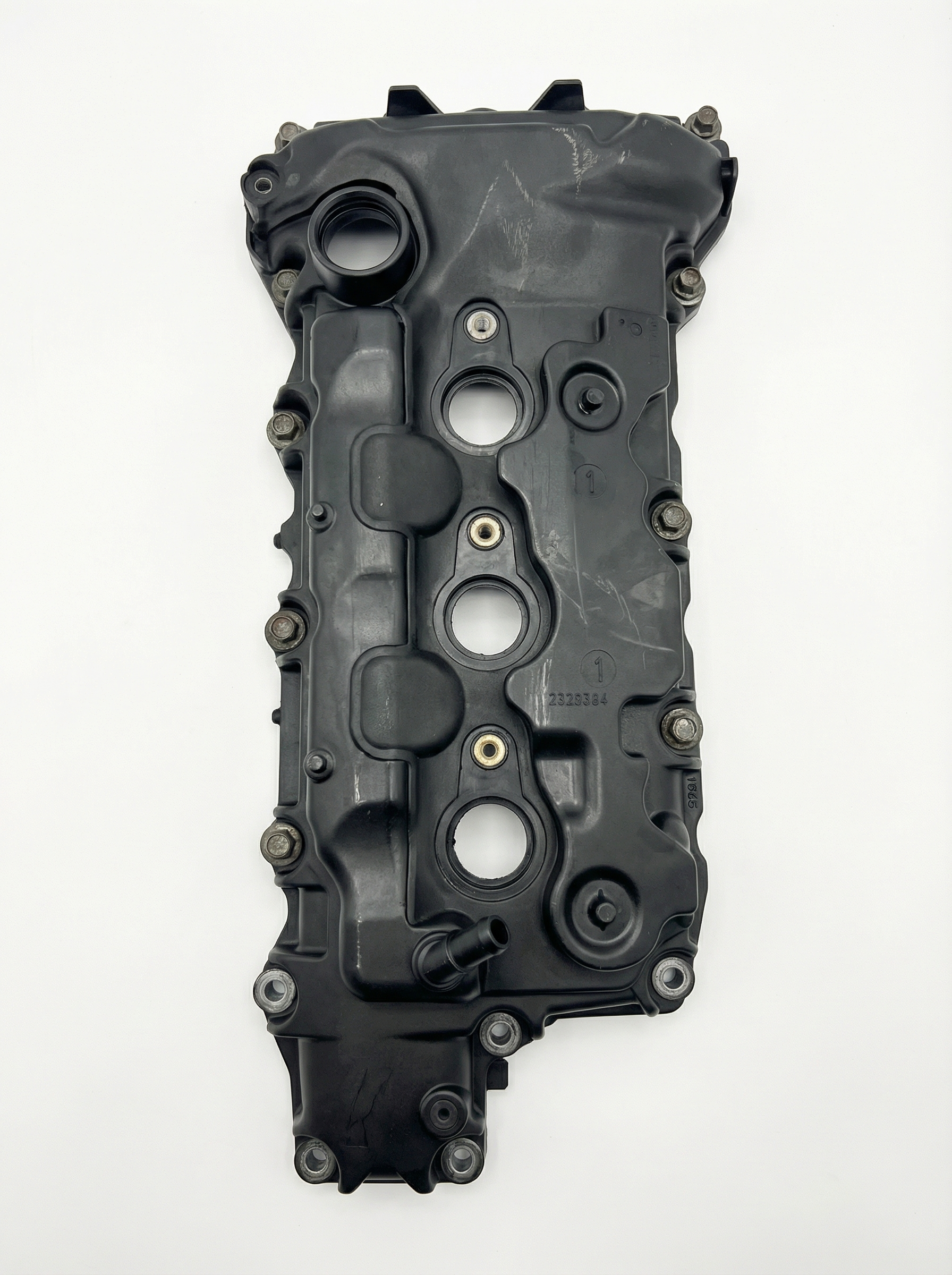
Typical fix: The permanent fix requires replacing the front (driver's side) valve cover, as the diaphragm is integrated and not sold separately. It is also highly recommended to clean the rear PCV orifice at the same time to prevent a repeat failure.
Est. part cost: $70-$180 - Leaking Intake Manifold Gaskets 🟡 Medium Probability The intake manifold gaskets on these engines are made of plastic and rubber, which can degrade, harden, and crack over time from heat cycles, allowing unmetered air to leak into the cylinders.
How to confirm: With the engine idling, spray short bursts of a combustible fluid like carb cleaner or a non-flammable alternative like soapy water around the area where the intake manifold meets the cylinder heads. If the engine idle changes, stumbles, or bubbles appear, a leak is present. A smoke test is a more definitive and safer method to pinpoint the exact location of the leak.
Typical fix: Replace the upper and lower intake manifold gaskets. This is a more involved job that requires removing the intake manifold. 🎬 Watch this walkthrough on how to remove the intake manifold.
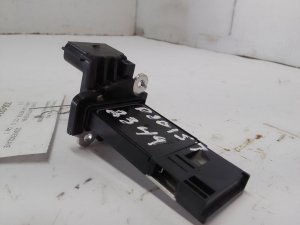
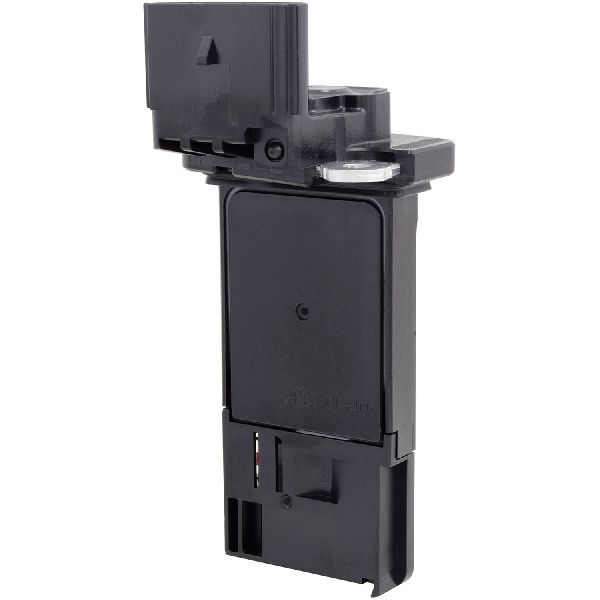
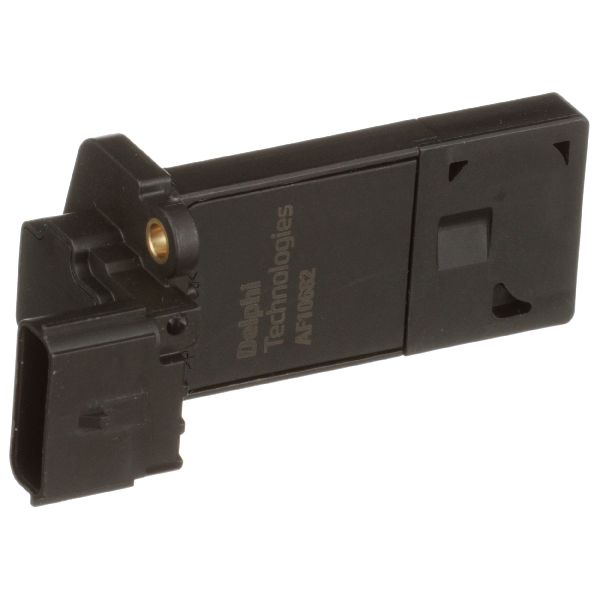
Est. part cost: $30-$70 - Dirty or Faulty Mass Airflow (MAF) Sensor 🟡 Medium Probability
How to confirm: A dirty MAF sensor under-reports the amount of air entering the engine, causing the PCM to inject too little fuel. The sensor can be removed and inspected for dirt or debris on its delicate wires. Live data on a scan tool may show an abnormally low g/s reading at idle (a healthy 3.6L should be around 4-6 g/s).
Typical fix: Clean the sensor using a dedicated MAF sensor cleaner spray. 🎬 See how to safely clean your MAF sensor in minutes. Do not touch the sensor wires or use other chemicals like brake cleaner. Allow it to dry completely before reinstalling. If cleaning doesn't resolve the issue, the sensor may need to be replaced.
Est. part cost: $10-$15 (cleaner), $70-$150 (new sensor) - Leaking/Stuck Open Purge Solenoid Valve ⚪ Low Probability
How to confirm: A purge valve stuck open will create a constant vacuum leak from the fuel tank's evaporative emissions system. This can be tested by removing the valve and checking if you can blow through it when it's de-energized (it should be closed). Another easy test is to disconnect the hose from the valve that runs to the intake manifold, plug the port on the manifold with your finger while the engine is idling, and watch short-term fuel trims on a scan tool. If the trims rapidly decrease towards 0, the valve is leaking.
Typical fix: Replace the purge solenoid valve. 🎬 Watch: How to replace the fuel solenoid on an Enclave.
Est. part cost: $25-$50
Rare But Worth Checking
- Cracked Air Intake Tube/Resonator: The plastic air intake ducting, including the resonator box, can become brittle from heat and develop cracks. Since this is after the MAF sensor, it creates an unmetered air leak. This is a known issue on the GM 3.6L platform. A visual inspection and/or a smoke test will reveal these cracks.
- Weak Fuel Pump or Clogged Fuel Filter: While less common than vacuum leaks for a single-bank lean code, low fuel pressure can cause P0171. This would typically be accompanied by P0174 (Bank 2 Lean) as well. A fuel pressure test is needed for diagnosis.
- Failing Oxygen (O2) Sensor: An old or slow-responding O2 sensor can incorrectly report a lean condition. However, O2 sensors are often replaced unnecessarily. It's crucial to rule out all other causes, especially vacuum leaks, before replacing the sensor. A scan tool showing a sensor with a fixed low voltage (e.g., under 100mV) that doesn't fluctuate would indicate a bad sensor.
Diagnosis Steps
- Read the freeze frame data to understand the engine conditions (RPM, load, temperature) when the code was set.
- Check live data for Long Term and Short Term Fuel Trims. High positive numbers (e.g., >10%) confirm the PCM is adding fuel to correct a lean condition.
- Inspect the entire air intake system from the air filter to the throttle body for any cracks, loose clamps, or disconnected hoses, paying close attention to the plastic resonator box.
- Visually inspect and listen for vacuum leaks around the intake manifold, PCV hoses, and especially the front valve cover. A loud hissing or squealing is a strong indicator of a ruptured PCV diaphragm.
- If a leak isn't obvious, perform a smoke test. This is the most effective way to pinpoint the source of unmetered air.
- Test the PCV system: With the engine running, remove the oil filler cap. A significant change in idle and the disappearance of a hissing noise points to a failed diaphragm in the valve cover.
- Remove and clean the Mass Airflow (MAF) sensor with dedicated MAF sensor cleaner. Allow it to dry completely before reinstalling.
- Test the EVAP purge solenoid to ensure it is not stuck open, creating a vacuum leak.
- If no vacuum leaks are found, check fuel pressure to ensure the fuel pump and regulator are functioning correctly.
- As a final step, analyze the live data from the upstream O2 sensor on Bank 1 to ensure it is fluctuating correctly and not stuck in a lean reading (low voltage).
Parts You'll Likely Need

- Valve Cover (Front/Driver's Side)
(OEM #12641260)— Required if the integrated PCV diaphragm ruptures, causing a major vacuum leak. The diaphragm is not serviceable on its own.
Trusted brands: ACDelco, Dorman
OEM price range: $120-$180
Aftermarket price range: $70-$130 - Intake Manifold Gasket Set (Upper/Lower)
(OEM #12673300)— These gaskets can fail and are a common source of vacuum leaks on the 3.6L V6 engine. The OEM part is a single-piece nylon gasket for the lower manifold.
Trusted brands: Fel-Pro, ACDelco, Mahle
OEM price range: $40-$60
Aftermarket price range: $25-$45 - Mass Airflow (MAF) Sensor Cleaner — A dirty MAF sensor is a frequent cause of lean codes and cleaning it is an inexpensive and easy first diagnostic step.
Trusted brands: CRC, WD-40 Specialist
Aftermarket price range: $10-$15
Related Codes That Often Appear With This One
- P0174 — This is the lean code for Bank 2. If both P0171 and P0174 are present, it strongly points to a problem affecting the entire engine, such as a faulty MAF sensor, a large vacuum leak (like the PCV diaphragm or intake gaskets), or low fuel pressure.
- P0300 — This code indicates random or multiple cylinder misfires. A severe lean condition can prevent proper combustion, leading to misfires across several cylinders.
Technical Service Bulletins (TSBs) & Recalls
- PIE-0433A: Engineering Information – Malfunction Indicator Lamp (MIL) On, DTCs P0171 Fuel Trim System Lean Bank 1 and/or P0174 Fuel Trim System Lean Bank 2
Platform-Specific Known Issues
- The NHTSA lists Technical Service Bulletin #PIE-0433A, where GM requested information from technicians about vehicles experiencing P0171 and/or P0174. This type of bulletin ('PIE' for Preliminary Information Engineering) confirms this is a known issue the manufacturer has investigated across the Enclave, Traverse, Acadia, Equinox, and Terrain with the 3.6L engine. The bulletin was later revised to end the information-gathering phase, suggesting a cause was identified.
Mechanic-Grade Diagnostic Values
- Mass Airflow (MAF) Sensor Reading at Idle — expected: Approximately 3.6 to 5.0 g/s for a 3.6L engine at normal operating temperature.. Failure: A reading significantly lower than 3.6 g/s can indicate a dirty sensor or a vacuum leak downstream. A reading of 0 or an abnormally high number can indicate a failed sensor or wiring issue.
- Long Term Fuel Trim (LTFT) and Short Term Fuel Trim (STFT) — expected: Within +/- 10% at idle. Ideally closer to 0%.. Failure: Sustained positive values above +10% (e.g., +25%) confirm the PCM is adding significant fuel to compensate for a lean condition.
- Upstream Oxygen Sensor (Bank 1, Sensor 1) Voltage — expected: Rapidly fluctuating between approximately 0.1V and 0.9V on a healthy, warm engine in closed loop.. Failure: Voltage that is 'stuck' low (e.g., < 0.2V) indicates a persistent lean condition or a biased/failed sensor.
Scan Tool Commands That Help
- GDS2 / Professional Scan Tool: EVAP Purge/Seal or Purge Solenoid Command — This bidirectional control allows a technician to command the EVAP purge solenoid valve open and closed while monitoring fuel trims or engine RPM. It's used to definitively test if the valve is stuck open (creating a vacuum leak) or not opening when commanded.
Wiring & Ground Locations
- G103 — Located at the left rear of the engine compartment on the cowl, often above the brake booster.. This is a primary ground location for the Engine Control Module (ECM) and Body Control Module (BCM). A poor or corroded ground here can cause erratic behavior from the ECM and incorrect readings from critical sensors like the MAF and O2 sensors, potentially leading to false lean codes.
Real Owner Repair Stories
- Synthesized from multiple owner forums (enclaveforum.net, traverseforum.com) (2014-2017 Buick Enclave / Chevrolet Traverse with 3.6L V6) — Check Engine Light with P0171 and often P0174. Rough, unstable idle and a distinct hissing or whistling sound from the engine bay.
❌ Tried (didn't work) Cleaning the MAF sensor., Replacing the MAF sensor., Performing an intake smoke test which showed no leaks., Replacing the Bank 1 O2 sensor.
✅ What actually fixed it The problem was ultimately traced to the PCV system. The owner removed the engine oil cap while the engine was running, and the loud hissing noise stopped and the idle stumbled, confirming a large internal vacuum leak. The fix was to replace the front (driver's side) valve cover, which contains the non-serviceable ruptured PCV diaphragm. Cleaning the clogged rear PCV orifice at the same time was also performed to prevent a repeat failure.
"I Checked Everything" — The Actual Cause
- The most common scenario for this engine is a ruptured PCV diaphragm inside the valve cover. A standard smoke test introduces smoke into the intake snorkel *after* the MAF sensor. This test will find leaks in the intake manifold gaskets or vacuum hoses, but it will not typically reveal the internal leak from the crankcase into the intake manifold caused by the bad diaphragm. The crankcase is effectively sucking in unmetered air through its own seals, which then gets pulled into the intake via the PCV hose, bypassing the smoke-filled intake tract.
- An exhaust leak from a cracked exhaust manifold or a bad manifold gasket located *before* the upstream O2 sensor. This will not be found with an intake smoke test. The leak allows outside air (oxygen) to be pulled into the exhaust stream, which causes the O2 sensor to read a false lean condition and trigger P0171.
When the Usual Fixes Don't Work
- While the integrated PCV diaphragm in the valve cover is the most frequent cause of P0171 on these vehicles, it is not the only cause. If the valve cover has been replaced and the code returns, the next most likely culprits are degraded intake manifold gaskets or an exhaust leak before the Bank 1 O2 sensor. An exhaust leak is particularly deceptive because it will not be found with a standard intake smoke test and causes the O2 sensor to report a lean condition even when the engine's air/fuel mixture is correct.
OEM Part Supersession History
12641260→12641261— Unknown; likely a minor revision or change in supplier.
Heads up: No known incompatibility. Source lists the part numbers as equivalent replacements for each other.
Helpful Videos

Used OEM Parts in Stock


New Aftermarket Parts Available



The information in this article is provided for general reference and educational purposes only. Vehicle specifications, procedures, and part compatibility can vary by production date, trim level, and region. Always consult your vehicle's factory service manual and verify part numbers before purchasing or performing repairs. Safety-critical components such as airbags, seat belts, and braking systems should be installed by a qualified professional.
- Buick ENCLAVE:
- 🎬 Helpful Videos
- 🛍️ Shop This Part
- What's Unique About the 2014-2018 Buick ENCLAVE
- Diagnostic Flowchart
- Symptoms You May Notice
- Most Likely Causes
- Rare But Worth Checking
- Diagnosis Steps
- Parts You'll Likely Need
- Related Codes That Often Appear With This One
- Technical Service Bulletins (TSBs) & Recalls
- Platform-Specific Known Issues
- Mechanic-Grade Diagnostic Values
- Scan Tool Commands That Help
- Wiring & Ground Locations
- Real Owner Repair Stories
- "I Checked Everything" — The Actual Cause
- When the Usual Fixes Don't Work
- OEM Part Supersession History
- 🎟️ Get 5% Off