

P0171 on 2016-2020 Acura TLX: Causes and Fixes for System Too Lean
On the 2016-2020 Acura TLX, especially 3.5L V6 models, P0171 is frequently caused by faulty fuel injectors, an issue detailed in Acura Technical Service Bulletin 22-015. The fix often requires replacing all six injectors and a software update. Other common causes include a cracked air intake boot or a failing upstream oxygen (A/F) sensor.
- For the 3.5L V6 TLX, P0171 is very often caused by faulty fuel injectors, a known issue confirmed by Acura.
- Always check for vacuum leaks, especially a cracked air intake boot, as this is a simple and common fix.
- If both P0171 and P0174 are present on a V6, the problem likely affects the whole engine (e.g., vacuum leak, fuel pressure, MAF sensor).
- Do not immediately replace the oxygen (A/F) sensor; it is often just doing its job by reporting the lean condition caused by something else.
What's Unique About the 2016-2020 Acura TLX

For the 2016-2020 Acura TLX with the 3.5L V6 engine, this code is strongly associated with a known fuel injector problem. Acura has issued Technical Service Bulletin 22-015, which acknowledges that P0171, often paired with misfire codes (P030x) and the Bank 2 lean code (P0174), can be caused by faulty injectors. The bulletin recommends replacing all six injectors and performing a PGM-FI software update. This makes injector diagnosis a much higher priority on these V6 models compared to other vehicles where vacuum leaks are typically the number one cause.
Diagnostic Flowchart

Tap your situation to follow the diagnostic path that matches what you're seeing on this vehicle.
Symptoms You May Notice
- Check Engine Light is on
- Rough or unstable idle
- Engine hesitation or stumbling during acceleration
- Reduced power and poor acceleration
- Decrease in fuel economy
- Engine misfires, which may trigger additional codes like P0300-P0306
- Engine stalling, especially at idle
- Replacing the oxygen sensor when the actual cause is a vacuum leak. The sensor is often correctly reporting the lean condition; it is not the cause of it.
- On V6 models, replacing only an oxygen sensor or cleaning the MAF when the root cause 🎬 Watch: 7 DIY methods to fix a P0171 engine code is the known fuel injector issue described in TSB 22-015.
Most Likely Causes

- Faulty or Clogged Fuel Injectors 🔴 High Probability This is a well-documented issue on the 3.5L V6 engine, as confirmed by Acura TSB 22-015. The bulletin links P0171 directly to injector problems that also cause misfires (P030x) and air-fuel ratio imbalance codes (P219A/B). The issue stems from injectors that may not have been installed to proper specifications, leading to wear and reduced flow.
How to confirm: A mechanic can perform a fuel injector balance test. A strong indicator is the presence of P0171 along with specific cylinder misfire codes (e.g., P0301, P0303). A scan tool showing high positive long-term fuel trims (>+20%) on Bank 1, especially when accompanied by misfire counts on that bank, points to an injector issue.
Typical fix: Replace all six fuel injectors and perform the PGM-FI software update as recommended by TSB 22-015. It is critical to replace all injectors on V6 models, not just the ones on the affected bank, to ensure balanced performance and prevent future failures.
Est. part cost: $50-$150 per injector - Vacuum Leak 🟡 Medium Probability On many Honda and Acura vehicles, the rubber air intake boot between the air filter box and the throttle body can develop cracks over time, allowing unmetered air to enter the engine. Leaks can also occur at the intake manifold gaskets or any of the vacuum hoses connected to the intake.
How to confirm: Visually inspect the intake boot for cracks, especially in the ribbed sections. Listen for a hissing sound at idle. The most effective method is to have a mechanic perform a smoke test, which forces smoke into the intake system to reveal the exact location of any leaks.
Typical fix: Replace the cracked hose or faulty gasket. A new intake boot is a common and relatively inexpensive repair.
Est. part cost: $40-$90 for an intake boot - Faulty Air/Fuel Ratio Sensor 🟡 Medium Probability
How to confirm: The sensor's performance can be monitored with an advanced OBD-II scanner. A lazy or non-responsive sensor will not adjust its voltage readings correctly as the air/fuel mixture changes. The sensor is considered faulty if it provides inaccurate lean readings when the mixture is actually balanced.
Typical fix: Replace the upstream oxygen sensor (also called an Air/Fuel Ratio or A/F sensor) for Bank 1. On the V6, this is the sensor on the rear cylinder bank, closer to the firewall.
Est. part cost: $80-$200 - Dirty Mass Airflow (MAF) Sensor ⚪ Low Probability
How to confirm: A contaminated MAF sensor under-reports the amount of air entering the engine, causing the computer to command less fuel than needed. The sensor can be removed and inspected for dirt or debris on its delicate wires.
Typical fix: Clean the MAF sensor using a dedicated MAF sensor cleaner spray. Do not touch the wires or use other chemicals like brake or carb cleaner, as this can damage the sensor. If cleaning doesn't resolve the issue, the sensor may need replacement.
Est. part cost: $10 for cleaner, $100-$250 for a new sensor
Rare But Worth Checking
- Low Fuel Pressure: A weak fuel pump or a clogged fuel filter can starve the engine of fuel, causing a lean condition across all cylinders. This would typically cause both P0171 and P0174 codes to appear on V6 models. Note that some 2015-2020 TLX models were subject to a recall (NHTSA 24V-022, Acura TSB 24-011) for a faulty fuel pump motor, which could cause a loss of power.
- Exhaust Leak: A leak in the exhaust manifold or pipe before the upstream A/F sensor can pull outside air into the exhaust stream. This tricks the sensor into thinking the engine is running lean, even if it's not.
Diagnosis Steps
- Check for other stored trouble codes that could provide more clues (e.g., P0174, P030x, P219A).
- Using a scan tool, observe the short-term (STFT) and long-term (LTFT) fuel trim values for Bank 1 at idle and at 2500 RPM. Consistently high positive LTFT numbers (e.g., >+20%) confirm the computer is adding excessive fuel to correct a lean condition.
- Visually inspect the air intake tube between the air filter and the throttle body for any cracks or loose connections, a common failure point.
- Inspect all accessible vacuum hoses for cracks, disconnection, or brittleness.
- If a vacuum leak is suspected but not visible, perform a smoke test to pinpoint the source of the leak.
- If a 3.5L V6, and misfire codes (P030x) are also present, prioritize diagnosis of the fuel injectors per TSB 22-015.
- Remove and clean the Mass Airflow (MAF) sensor with a dedicated cleaner.
- Test the fuel pressure to ensure the fuel pump and filter are functioning correctly. Check for any open recalls on the fuel pump.
- Test the function of the upstream Air/Fuel ratio sensor for Bank 1 using a scan tool to view its live data to check for proper response.
- If misfire codes are present for specific cylinders, consider swapping the suspect fuel injector with one from another cylinder to see if the misfire code follows the injector.
Parts You'll Likely Need

- Fuel Injector
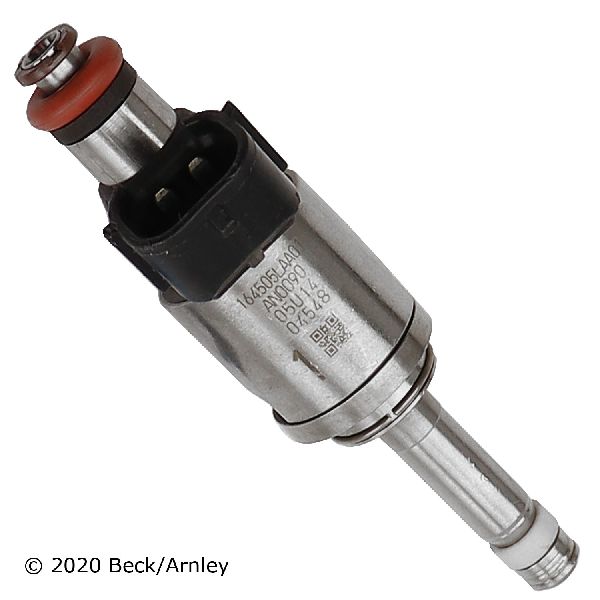
(OEM #16450-R70-A01)— This is a primary cause for P0171 on the 3.5L V6 engine, according to manufacturer TSB 22-015. It is recommended to replace all six.
Trusted brands: Acura (OEM), Denso
OEM price range: $120-$180
Aftermarket price range: $50-$100 - Bank 1 Air/Fuel Ratio Sensor (Upstream)
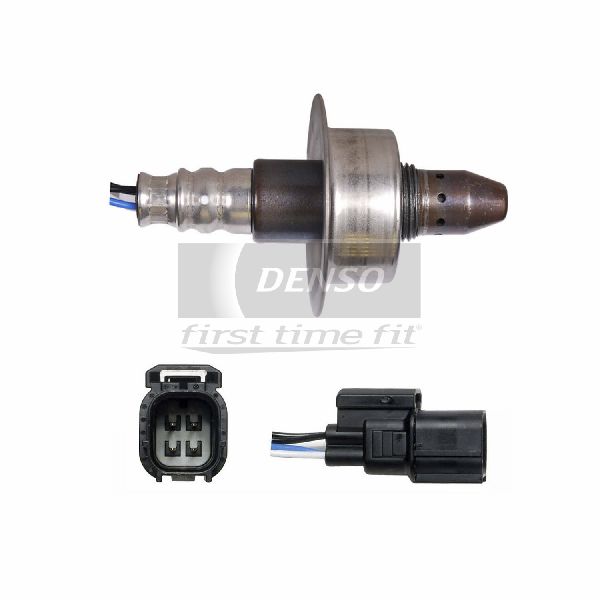
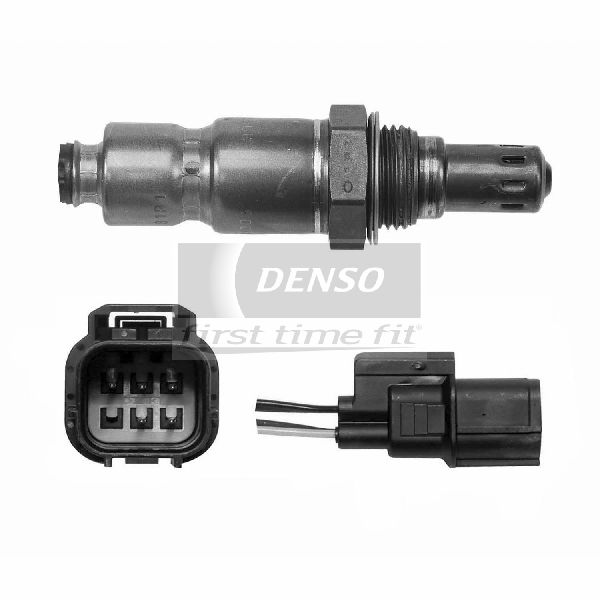
(OEM #36531-5A2-A01)— A failing sensor can send incorrect lean signals to the computer. This is the primary sensor used for fuel control.
Trusted brands: Denso, NGK/NTK, Bosch
OEM price range: $180-$250
Aftermarket price range: $80-$150 - Air Intake Boot/Hose
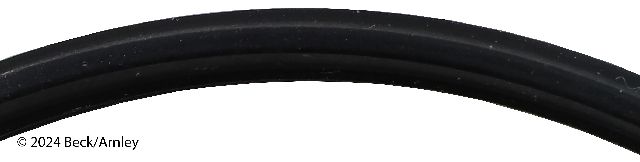
(OEM #3.5L V6: 17228-5J6-A00, 2.4L I4: 17228-R9P-A00)— A common source of vacuum leaks on many Honda/Acura models, allowing unmetered air to enter the engine.
Trusted brands: Acura (OEM)
OEM price range: $50-$90
Aftermarket price range: $30-$60
Related Codes That Often Appear With This One
- P0174 — On 3.5L V6 models, this code for 'System Too Lean (Bank 2)' often appears with P0171. When both appear, it points to a problem affecting the entire engine, like a major vacuum leak, MAF issue, or low fuel pressure. It is also explicitly mentioned alongside P0171 in the fuel injector TSB.
- P0300-P0306 — These are cylinder misfire codes (P0300 for random, P0301-P0306 for specific cylinders). A lean fuel mixture can fail to ignite properly, causing misfires. The Acura TSB 22-015 specifically links P0171 with these codes as a primary symptom of faulty fuel injectors.
- P219A / P219B — These codes indicate an air-fuel ratio imbalance between cylinders on Bank 1 or Bank 2. They are also mentioned in the Acura TSBs alongside P0171 as being directly related to the V6 fuel injector issues.
Technical Service Bulletins (TSBs) & Recalls
- Acura TSB 22-015: MIL Comes On With DTC P030x, P0171, P0174, P219A, or P219B: Addresses the known issue on 3.5L V6 models where faulty fuel injectors cause lean codes and misfires. The official fix is to replace all six fuel injectors and update the PGM-FI software. This TSB also notes a warranty extension for this specific issue.
- Acura TSB 24-011 (NHTSA 24V-022): Safety Recall: 2015–20 TLX SH-AWD Fuel Pump Motor: Announces a safety recall for a defective fuel pump motor impeller that can cause the fuel pump to seize, leading to a stall or loss of motive power. While not a direct cause of P0171, a failing pump can cause lean conditions.
Platform-Specific Known Issues
- On 3.5L V6 models, Acura TSB 22-015 is the most critical piece of information for a P0171 code, especially if accompanied by P0174 or misfire codes (P030x). The repair is not complete without replacing all six injectors and performing the PGM-FI software update.
Mechanic-Grade Diagnostic Values
- Upstream Oxygen (A/F) Sensor Voltage — expected: Fluctuating between 0.1 and 0.9 volts on a healthy engine.. Failure: A sensor that is 'lazy' (slow to respond) or stuck at a low voltage (e.g., < 0.2V) may be faulty and incorrectly reporting a lean condition.
- Fuel Injector Flow Rate (3.5L V6) — expected: The OEM Denso injector (16450-R70-A01) is rated at approximately 310cc/min at 43.5 PSI (3 bar).. Failure: A clogged or faulty injector will have a significantly lower flow rate, leading to a lean condition in its corresponding cylinder. This requires a bench test to confirm.
Hidden / Shadow Codes Worth Checking
- Mode $06 Data: While not a 'shadow code' in name, Mode $06 provides access to the results of the PCM's self-tests for various components (non-continuous monitors). Before a full-blown DTC like P0171 is set, a component like an O2 sensor or the fuel system may fail its monitor test. Reviewing this data can point to a component that is on the verge of failure. (see via Requires an advanced OBD-II scan tool capable of displaying Mode $06 test results and values.)
Scan Tool Commands That Help
- Acura HDS (Honda Diagnostic System) or equivalent: PGM-FI Software Update — This is required as the final step when replacing fuel injectors on the 3.5L V6, per Acura TSB 22-015. The update adjusts the PCM's fuel control logic to work with the new injectors.
- OBD-II Scan Tool or Manual Procedure: ECU/PCM Reset (Fuel Trim Reset) — After a repair (like fixing a vacuum leak or replacing a sensor), the learned long-term fuel trim values should be reset. This forces the computer to relearn the fuel strategy immediately with the new, correct parameters. This can be done by disconnecting the battery for several minutes or using a scan tool's reset function.
- Manual Procedure: Fuel System Priming — After replacing fuel injectors or the fuel pump, turn the ignition to the ON position (without starting the engine) for a few seconds and then turn it off. Repeat this 2-3 times to allow the fuel pump to build pressure in the rail and check for leaks before starting the engine.
Real Owner Repair Stories
- Reddit user in r/Acura (2018 TLX V6) — After an engine replacement due to the rod bearing recall, the owner noticed a faint, irregular vibration at idle. This continued for about a month.
❌ Tried (didn't work) Initial dealer checks found nothing obvious.
✅ What actually fixed it The Check Engine Light eventually came on with code P0306 (Cylinder 6 Misfire). This pointed to a faulty injector or related component on that cylinder, aligning with the known TSB issues for the V6 engine, which cause both misfires and lean codes. - Acurazine user (2007 Acura TL Type-S (similar J-series V6 architecture)) — Check Engine Light with P0171 and P0174 codes appeared after a long road trip.
❌ Tried (didn't work) The owner considered replacing O2 sensors or performing a valve adjustment based on common forum advice.
✅ What actually fixed it Suspecting bad gas from a remote gas station, the owner ran the fuel tank near empty, added a bottle of Lucas fuel injector cleaner, and refilled with 93 octane fuel. The codes cleared on their own after two days of driving. - Acurazine user (1st Gen Acura TL) — Rough idle and P0171 code.
❌ Tried (didn't work) The code returned weeks after the initial fix.
✅ What actually fixed it Initially, replacing a bad PCV valve fixed the rough idle and cleared the code. However, the code returned later, indicating that while the PCV valve was a contributor, it may not have been the sole root cause, or another issue was present.
When the Usual Fixes Don't Work
- Before committing to the expensive fuel injector replacement on V6 models or replacing sensors, owners have reported success with simpler, less expensive steps. In one documented case, a user experiencing both P0171 and P0174 after a long trip resolved the issue by running the existing fuel tank low, adding a quality fuel injector cleaner, and refilling with high-octane gasoline. The codes did not return, suggesting that poor fuel quality or very minor injector deposits may have been the temporary cause. This approach can be a worthwhile first step for a DIY diagnosis.
OEM Part Supersession History
16450-R70-A01→No known supersession.— This part number remains the standard OEM injector for a wide range of Honda/Acura J-series V6 engines from approximately 2008 to 2020.
Heads up: The TSBs related to this part on the 2016-2020 TLX suggest issues with specific production batches or installation procedures from the factory, rather than a fundamental design flaw that prompted a part number change.
Model Year Variations Within This Range
- 2018-2020: Acura introduced a Mid-Model Cycle (MMC) refresh for the 2018 TLX. While the core 2.4L and 3.5L engines remained, the 3.5L V6 was tweaked to 290 horsepower and paired with a refined 9-speed automatic transmission with updated software logic. However, the fuel injector TSBs apply to the full 2016-2020 range, indicating the P0171 issue is present in both pre-refresh and post-refresh V6 models.
Helpful Videos
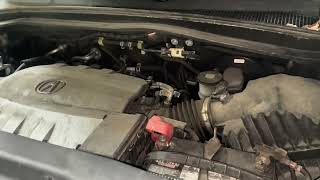
![How to Fix P0171 Engine Code in 5 Minutes [7 DIY Methods]](https://img.youtube.com/vi/g_qItasY91I/mqdefault.jpg)
Used OEM Parts in Stock
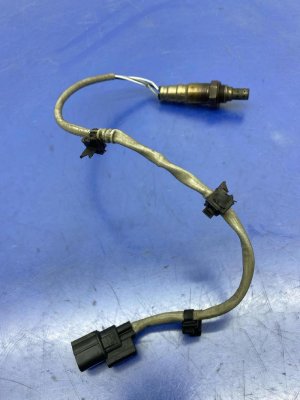
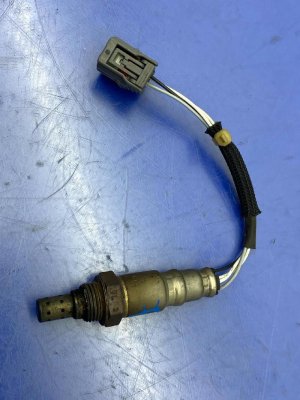
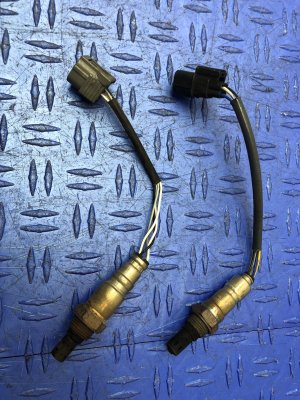


New Aftermarket Parts Available
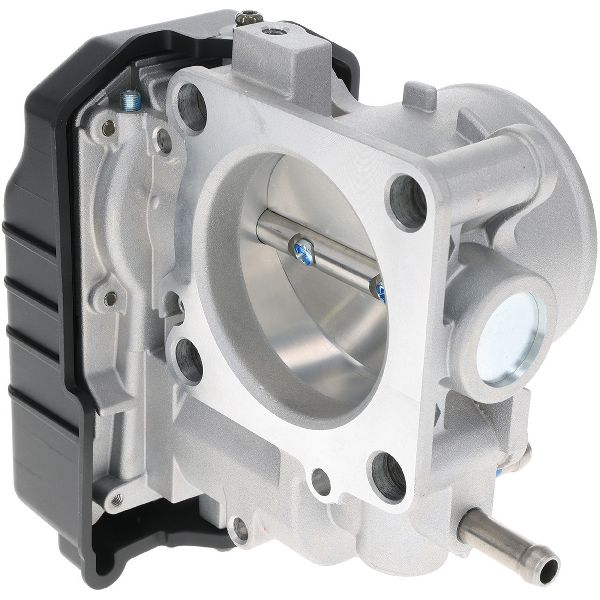


The information in this article is provided for general reference and educational purposes only. Vehicle specifications, procedures, and part compatibility can vary by production date, trim level, and region. Always consult your vehicle's factory service manual and verify part numbers before purchasing or performing repairs. Safety-critical components such as airbags, seat belts, and braking systems should be installed by a qualified professional.
- Acura TLX:
- 🎬 Helpful Videos
- 🛍️ Shop This Part
- What's Unique About the 2016-2020 Acura TLX
- Diagnostic Flowchart
- Symptoms You May Notice
- Most Likely Causes
- Rare But Worth Checking
- Diagnosis Steps
- Parts You'll Likely Need
- Related Codes That Often Appear With This One
- Technical Service Bulletins (TSBs) & Recalls
- Platform-Specific Known Issues
- Mechanic-Grade Diagnostic Values
- Hidden / Shadow Codes Worth Checking
- Scan Tool Commands That Help
- Real Owner Repair Stories
- When the Usual Fixes Don't Work
- OEM Part Supersession History
- Model Year Variations Within This Range
- 🎟️ Get 5% Off