

P0170 on 2005-2010 Chevrolet Cobalt: Fuel Trim Malfunction Causes and Fixes
P0170 on a 2.2L Ecotec Cobalt means the engine's computer can't balance the air-fuel mixture. Before replacing parts, check for simple vacuum leaks like a loose oil dipstick or a cracked PCV hose at the intake manifold. For 2005-2006 models, a known issue may require a dealer to reprogram the Engine Control Module (ECM) per TSB #06-06-04-033.
- P0170 indicates your Cobalt's computer cannot maintain the correct air-fuel balance.
- Always check for simple vacuum leaks first, including the oil dipstick and PCV hoses, before buying parts.
- If you have a 2005-2006 model, be aware of the TSB that suggests an ECM reprogram may be the required fix.
- Cleaning the MAF sensor is a low-cost diagnostic step that often resolves the issue.
- If other codes are present, especially misfire (P0300) or lean/rich codes (P0171/P0172), diagnose them first as they can be the root cause of P0170.
What's Unique About the 2005-2010 Chevrolet Cobalt
While P0170 has many generic causes, the 2005-2006 Cobalt with the 2.2L L61 engine is subject to a specific Technical Service Bulletin (TSB #06-06-04-033) for a related lean condition (P0171) that requires an ECM reprogram. This is a crucial first check for these specific model years before proceeding with expensive hardware replacement. Owners have also reported that simple, often-overlooked issues like an improperly seated oil dipstick or a cracked PCV hose right at the intake manifold can create a vacuum leak sufficient to trigger fuel trim problems on this engine.
Symptoms You May Notice
- Check Engine Light is on
- Reduced fuel economy
- Engine hesitation or stumbling on acceleration
- Rough or fluctuating idle
- Loss of power
- Engine stalling, especially when stopping or at low RPMs
- A faint smell of gasoline
- Replacing the oxygen sensor without first checking for vacuum leaks or cleaning the MAF sensor.
- Replacing the fuel pump without verifying low fuel pressure with a gauge.
- Replacing the MAF sensor when the actual problem is an ECM software issue on 2005-2006 models.
Most Likely Causes
- Vacuum Leaks 🔴 High Probability As vehicles age, rubber and plastic hoses in the intake and PCV (Positive Crankcase Ventilation) systems can become brittle and crack, creating unmetered air leaks that disrupt the air-fuel ratio. The PCV hose connection at the intake manifold is a particularly common failure point.
How to confirm: Visually inspect all vacuum lines, the air intake tube, and the PCV hose for cracks or loose connections. Check that the oil dipstick and oil cap are fully seated. A smoke test is the most effective way to find hard-to-see leaks. Spraying brake cleaner or starter fluid around suspected leak areas and listening for a change in engine RPM can also help pinpoint a leak.
Typical fix: Replace the cracked or leaking hose or gasket. Ensure all connections are secure.
Est. part cost: $10-$50 - Dirty or Faulty Mass Airflow (MAF) Sensor 🟡 Medium Probability The MAF sensor measures the amount of air entering the engine. If it's dirty, it can provide inaccurate readings to the ECM, leading to incorrect fuel adjustments. Oiled air filters can sometimes contribute to contamination.
How to confirm: Remove the MAF sensor and inspect it for dirt or debris. You can try cleaning it with a dedicated MAF sensor cleaner spray. If cleaning doesn't work, monitor its readings with an OBD-II scanner to see if they are erratic or out of specification at idle and under load.
Typical fix: Clean the sensor with a dedicated electronics cleaner. If the problem persists, replace the MAF sensor.
Est. part cost: $60-$150 - Faulty Front Oxygen (O2) Sensor 🟡 Medium Probability The upstream O2 sensor measures the amount of oxygen in the exhaust and is a primary input for fuel trim adjustments. A lazy or failing sensor can send incorrect signals, causing the ECM to make improper fuel corrections. These sensors have a finite lifespan and typically fail after 80,000-100,000 miles.
How to confirm: Use an OBD-II scanner to graph the voltage of the upstream O2 sensor (Bank 1, Sensor 1). A healthy sensor should show rapidly fluctuating voltage between approximately 0.1V and 0.9V. A slow or flat-lining sensor is likely faulty.
Typical fix: Replace the front (pre-catalytic converter) oxygen sensor.
Est. part cost: $50-$120 - Engine Control Module (ECM) Software 🟡 Medium Probability A TSB (#06-06-04-033) was issued for the 2005-2006 Cobalt with the 2.2L L61 engine for a P0171 (Fuel Trim System Lean) code, which is closely related to P0170. The fix is an updated software calibration for the ECM that adjusts fuel trim sensitivity.
How to confirm: A GM dealership or a qualified shop with a Tech 2 or equivalent scan tool can check the current software calibration number against the latest version available from GM.
Typical fix: Reprogram the ECM with the updated software. This must be done by a dealer or a properly equipped independent shop.
Est. part cost: $100-$200 (Labor)
Rare But Worth Checking
- Low Fuel Pressure: A weak fuel pump or clogged fuel filter can starve the engine for fuel, causing the ECM to max out its fuel trim adjustments. Check fuel pressure at the fuel rail to confirm. The spec for the 2.2L L61 is typically 50-60 PSI.
- Leaking or Clogged Fuel Injectors: A leaking injector can cause a rich condition, while a clogged one can cause a lean condition. Both can lead to a P0170 code as the ECM struggles to compensate.
- Exhaust Leaks: A leak in the exhaust manifold or downpipe before the first O2 sensor can draw in outside air, making the sensor read a false lean condition and causing the ECM to add too much fuel.
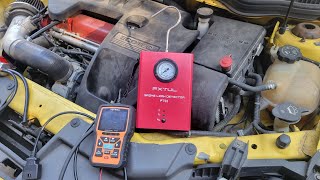
- Cracked Intake Manifold: While rare, the plastic intake manifold can develop hairline cracks, creating a hard-to-find vacuum leak. A user on a Cobalt forum reported chasing a P0170 for months, finally resolving it by replacing the intake manifold after a smoke test revealed a crack near a runner. 🎬 Watch: Troubleshooting a Cobalt lean code and injector seal leak
Diagnosis Steps
- Read the code and any other pending or stored codes with an OBD-II scanner.
- Check live data on the scanner, paying close attention to Short-Term Fuel Trim (STFT) and Long-Term Fuel Trim (LTFT). Values consistently above +10% (especially if LTFT is > +15%) suggest a lean condition (too much air/not enough fuel). Values consistently below -10% suggest a rich condition (too much fuel/not enough air).
- Thoroughly inspect the engine bay for any obvious vacuum leaks. Pay close attention to the PCV hose from the valve cover to the intake manifold. Check all hoses connected to the intake manifold and throttle body. Ensure the oil cap and dipstick are secure.
- If no obvious leaks are found, perform a smoke test to pinpoint any hidden vacuum leaks from gaskets or small cracks.
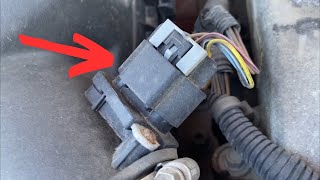
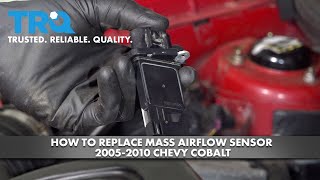
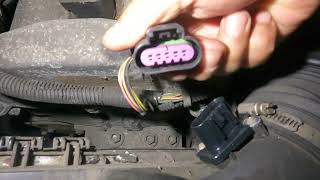
- Remove and inspect the Mass Airflow (MAF) sensor. Clean it with a dedicated MAF sensor cleaner and reinstall. Do not touch the sensor wires. 🎬 See how to clean a MAF sensor safely
- If the issue persists, use a scanner to graph the upstream O2 sensor's voltage. It should fluctuate rapidly between ~0.1V and ~0.9V. If it's slow, stuck, or flat-lining, it may need replacement.
- Check fuel pressure using a fuel pressure gauge connected to the schrader valve on the fuel rail. It should be between 50-60 PSI with the key on, engine off.
- For 2005-2006 models, contact a GM dealer with your VIN to inquire about TSB #06-06-04-033 regarding an ECM reprogram for fuel trim issues.
Parts You'll Likely Need
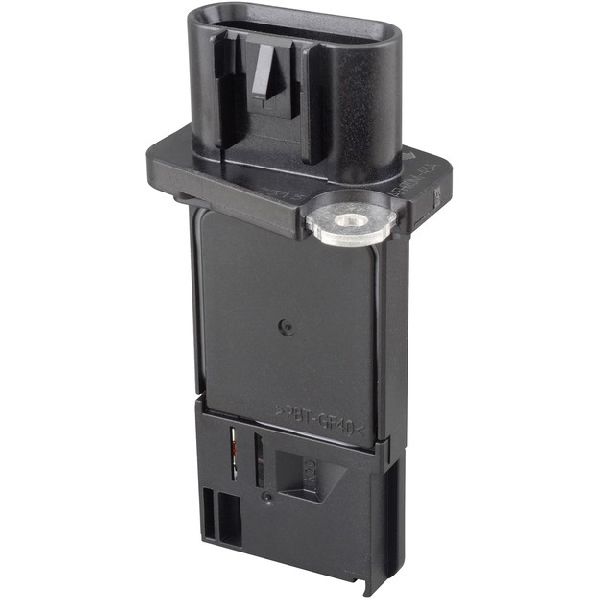
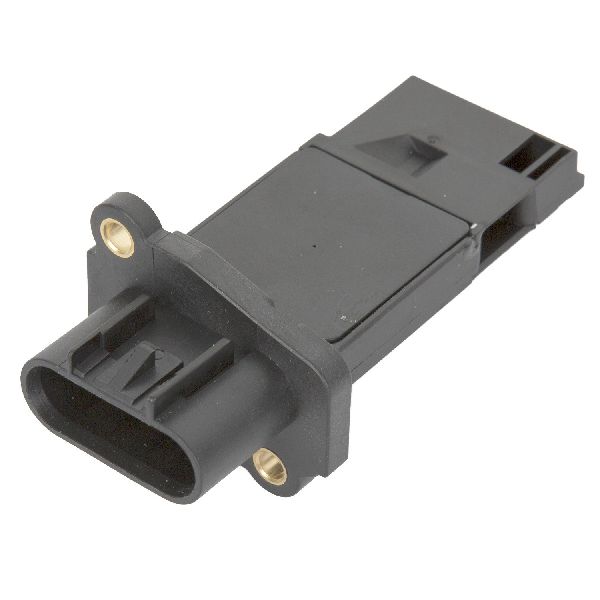
- Mass Airflow (MAF) Sensor
(OEM #ACDelco 213-4222 (GM 15865791))— A dirty or failed MAF sensor is a frequent cause of incorrect air-fuel mixture readings.
Trusted brands: ACDelco, Delphi, Bosch
OEM price range: $100-$150
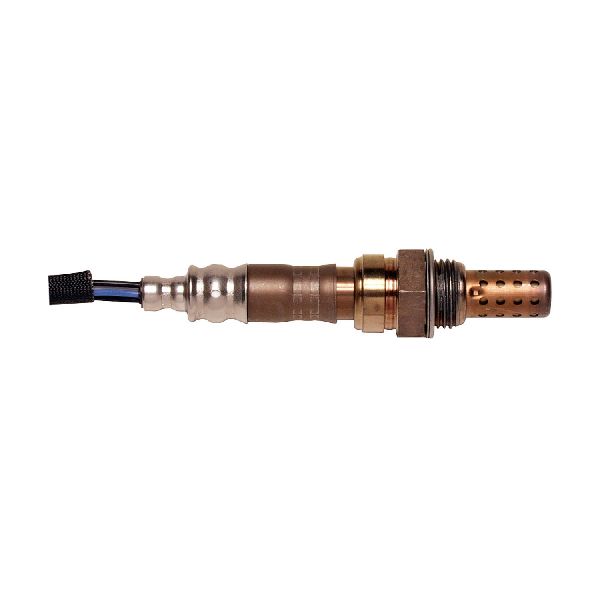
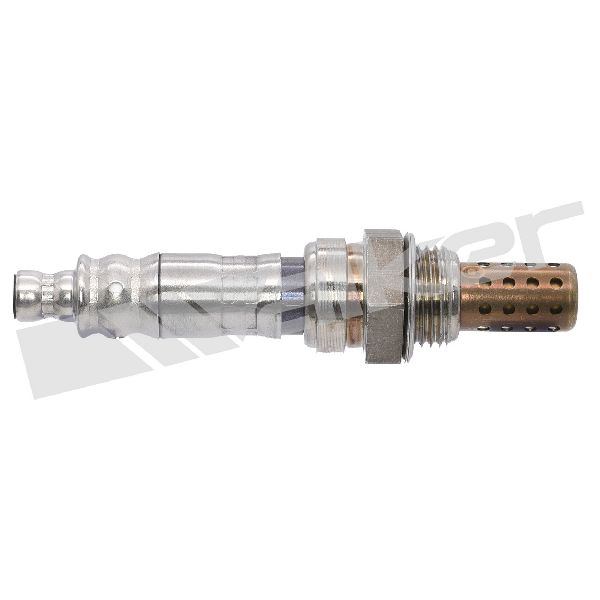
Aftermarket price range: $60-$120 - Upstream Oxygen Sensor (Bank 1, Sensor 1)
(OEM #ACDelco 213-2899)— This sensor provides the primary feedback for air-fuel mixture control. A faulty sensor will lead to incorrect fuel trims.
Trusted brands: ACDelco, Denso, NTK
OEM price range: $70-$110
Aftermarket price range: $40-$80 - PCV Hose / Vacuum Lines — Cracked rubber hoses are a very common source of vacuum leaks that trigger this code. The PCV hose is a prime suspect.
Trusted brands: ACDelco, Gates
OEM price range: $20-$50
Aftermarket price range: $10-$30
Related Codes That Often Appear With This One
- P0171 — P0171 indicates a specific 'System Too Lean' condition. P0170 is a more general fuel trim malfunction code that can be set when the system is trying to correct for a lean condition that has hit its limit.
- P0172 — P0172 indicates a specific 'System Too Rich' condition. P0170 can also be triggered if the ECM is trying to correct a rich condition by pulling fuel to its maximum limit.
- P0300 — A 'Random/Multiple Cylinder Misfire' code can occur because a severe air-fuel imbalance from a P0170 fault can prevent proper combustion.
Technical Service Bulletins (TSBs) & Recalls
- 06-06-04-033: Malfunction Indicator Lamp (MIL)/Service Engine Soon (SES) Lamp Illuminated with DTC P0171, Fuel Trim System Lean, Set (Reprogram ECM).
Platform-Specific Known Issues
- TSB #06-06-04-033: For 2005-2006 models with the 2.2L L61 engine, an ECM reprogram may be required to correct a fuel trim system lean condition (P0171), which is directly related to P0170.
- Loose Gas Cap: While it typically sets an EVAP code, a loose or faulty gas cap can sometimes contribute to fuel trim issues and is a simple item to check first.
Mechanic-Grade Diagnostic Values
- Mass Airflow (MAF) Rate at Idle — expected: 2.2 - 3.0 grams/second (g/s) on a fully warmed-up engine.. Failure: A reading significantly lower than 2.2 g/s may indicate a vacuum leak after the sensor. A reading of 0.0 g/s or one that doesn't change with RPM points to a failed sensor or wiring issue.
- Long Term Fuel Trim (LTFT) + Short Term Fuel Trim (STFT) — expected: Combined value should be between -10% and +10% at idle and steady RPMs.. Failure: A combined value consistently exceeding +/- 20% indicates the system has reached its adjustment limit and will trigger a code.
- Upstream O2 Sensor (Bank 1, Sensor 1) Voltage — expected: Rapidly fluctuating voltage between approximately 0.1V and 0.9V.. Failure: A slow, flat-lining, or stuck voltage indicates a faulty sensor.
- Fuel Injector Pulse Width at Idle — expected: 2.0 - 3.5 milliseconds (ms) on a warm engine.. Failure: Values significantly different from this range, or that vary widely between cylinders, can indicate a fueling problem.
- Fuel Pressure (Key On, Engine Off) — expected: 50-60 PSI (345-414 kPa).. Failure: Pressure below 50 PSI can cause a lean condition, while pressure above 60 PSI can cause a rich condition.
Scan Tool Commands That Help
- Tech 2 / GDS2: Fuel Trim Reset — After a repair that affects the air-fuel mixture (e.g., fixing a vacuum leak, replacing MAF/O2 sensors), resetting the learned fuel trim values will force the ECM to relearn immediately, which can confirm if the fix was successful.
- Tech 2 / GDS2: EVAP Purge/Seal — To test the EVAP purge solenoid. A technician can command the valve open and closed to see if it is functioning correctly and not stuck, which would create a vacuum leak.
Wiring & Ground Locations
- G105 / G107 — On the lower left front of the transmission case.. This is the main engine/transmission to chassis ground. Corrosion or looseness here is a very common cause of various electrical faults and erratic sensor readings on the Cobalt, which can lead to incorrect fuel trim calculations.
- G103 — On the body frame behind/under the driver's side headlamp assembly.. This is a primary chassis connection point for the engine harness grounds. A fault here can cause widespread communication and sensor issues.
- ECM Connectors (C1, C2, C3) — In the driver's side of the engine bay, directly in front of the underhood fuse box.. These are the main connection points for all engine sensors, including the MAF and O2 sensors. Checking for corrosion or backed-out pins here is crucial if sensor readings are erratic or missing.
Real Owner Repair Stories
- YouTube channel 'Romano's Automotive' (2008 Hyundai i30 2.0L (Demonstrates a universal P0170 diagnostic principle)) — Check Engine Light with P0170, engine running rich, maxed out negative fuel trims.
❌ Tried (didn't work) Initial thought was a MAF sensor issue, but the vehicle used a MAP sensor.
✅ What actually fixed it The EVAP canister purge valve was stuck open, creating a constant vacuum leak that the ECM was trying to compensate for. Clamping the purge valve hose caused fuel trims to return to normal, confirming the faulty valve.
"I Checked Everything" — The Actual Cause
- In some cases, a smoke test may not reveal a leak if the EVAP purge solenoid is stuck open, as this creates a path for fuel vapor to enter the intake manifold. This is not a traditional vacuum leak from a cracked hose but an internal component failure. The fix is to test and replace the purge solenoid.
Model Year Variations Within This Range
- 2007: The 2007 model year introduced a new 32-bit engine computer, replacing the 16-bit unit from 2005-2006. This can affect diagnostic procedures and software update availability.
- 2009-2010: For the 2009 model year, the base 2.2L L61 engine was replaced by the 2.2L LAP engine. While similar, the LAP engine featured variable valve timing (VVT) and produced more power (155 hp vs 145-148 hp). This change means some engine components may not be interchangeable with earlier L61 models.
- 2005-2006: These model years are specifically mentioned in TSB #06-06-04-033 for a P0171 lean condition that is closely related to P0170 and may require an ECM reflash to fix.
Diagnostic Flowchart
Other Known Issues on This Vehicle
Issues unrelated to this code that are worth knowing about as an owner of this generation:
- Electric Power Steering (EPS) Failure 🔴 High — Extremely common across all model years, often resulting in a sudden loss of power steering assist. A major recall (NHTSA #10V073000) was issued to replace the EPS motor. (Ref: NHTSA Recall #10V073000, #14V153000)
- Faulty Ignition Switch 🔴 High — A widespread, well-documented defect where the ignition switch can move out of the 'Run' position while driving, shutting off the engine and disabling airbags. This led to one of the largest recalls in automotive history (NHTSA #14V047). (Ref: NHTSA Recall #14V047)
- Corroded Fuel Lines 🟠 Medium — The metal fuel lines, particularly near the left rear wheel well, are prone to rusting and leaking, especially in regions that use road salt. This prompted a federal investigation (though not a full recall for all years). (Ref: NHTSA Investigation; Recall #09V419000 for 2006-2007 models in specific states.)
- Timing Chain Tensioner Failure 🔴 High — The original timing chain tensioner design on early 2.2L Ecotec engines can fail, leading to a rattling noise on startup and potentially catastrophic engine damage if the chain jumps time. While designs improved around 2005, it remains a known issue.
- Key Stuck in Ignition / Shifter Failure 🟡 Low — Common complaint where the key cannot be removed from the ignition after placing the vehicle in Park. This is often caused by a faulty automatic transmission shifter assembly or a stretched shifter cable. GM issued a Special Coverage Adjustment (14632) for this issue. (Ref: Special Coverage Adjustment #14632)
Used vs. New Parts: Buying Guide for This Vehicle
When a used part is the smart pick: For larger, less-sensitive components like the plastic intake manifold (if cracked) or the throttle body, a used part from a low-mileage donor car is a reasonable cost-saving measure. Ensure there are no visible cracks or damage.
Donor-vehicle mileage cap: roughly under 80000 miles for the part to have meaningful remaining life.
What to inspect on the donor part:
- For an intake manifold, check for hairline cracks, especially around the mounting flanges and injector ports.
- Verify the donor vehicle was not in a severe front-end collision.
- Look for parts from vehicles in dry climates to minimize corrosion on electrical connectors and ground points.
OEM-only on this vehicle (don't cheap out):
- Mass Airflow (MAF) Sensor: While some aftermarket brands are reputable, many cheap, unbranded sensors have high failure rates and can cause persistent fuel trim issues. Sticking with OEM (ACDelco) or a top-tier OE supplier is highly recommended.
Aftermarket brands forum-validated for this vehicle:
- O2 Sensors: Denso, NTK, and Bosch are trusted OE suppliers and their aftermarket sensors are generally considered reliable replacements.
- MAF Sensors: Delphi, Bosch, and Hitachi are reputable brands for MAF sensors if an OEM part is unavailable.
Brands owners have reported issues with on this vehicle:
- Avoid generic, no-name electronic sensors (MAF, O2) from online marketplaces. Forum users frequently report that these parts are dead-on-arrival or fail within a few months, leading to repeated repairs.
Real Owner Stories
Aggregated from forums and TSBs cited above. Mileages and costs reflect what owners reported in those sources.
2005-2006 Chevrolet Cobalt 2.2L L61
Symptoms: Check Engine Light illuminated with a fuel trim lean condition.
What fixed it: Reprogrammed the ECM with updated software calibration per TSB #06-06-04-033.
Cost: $100-$200
Source hint: TSB #06-06-04-033
Chevrolet Cobalt SS (2.2L L61)
Symptoms: P0171 code (lean condition) persisting even after the O2 sensor was replaced.
What fixed it: Located and repaired a significant vacuum leak.
Source hint: cobaltss.net: A thread titled 'P0171 code, need help!'
Related OBD-II Codes
Frequently Asked Questions
My 2005 Cobalt is throwing a fuel trim code; is there a specific software update for this?
Where is the most common place to look for a vacuum leak on the 2.2L Ecotec engine?
Can a dirty air filter cause the P0170 code on my Cobalt?
How long do the oxygen sensors typically last on the 2005-2010 Cobalt?
I have a P0170 code and my steering just went out; are these related?
Could a gas cap issue cause a P0170 code on this vehicle?
Helpful Videos
Used OEM Parts in Stock

New Aftermarket Parts Available


The information in this article is provided for general reference and educational purposes only. Vehicle specifications, procedures, and part compatibility can vary by production date, trim level, and region. Always consult your vehicle's factory service manual and verify part numbers before purchasing or performing repairs. Safety-critical components such as airbags, seat belts, and braking systems should be installed by a qualified professional.
- Chevrolet Cobalt:
- 🎬 Helpful Videos
- 🛍️ Shop This Part
- What's Unique About the 2005-2010 Chevrolet Cobalt
- Symptoms You May Notice
- Most Likely Causes
- Rare But Worth Checking
- Diagnosis Steps
- Parts You'll Likely Need
- Related Codes That Often Appear With This One
- Technical Service Bulletins (TSBs) & Recalls
- Platform-Specific Known Issues
- Mechanic-Grade Diagnostic Values
- Scan Tool Commands That Help
- Wiring & Ground Locations
- Real Owner Repair Stories
- "I Checked Everything" — The Actual Cause
- Model Year Variations Within This Range
- Diagnostic Flowchart
- Other Known Issues on This Vehicle
- Used vs. New Parts: Buying Guide for This Vehicle
- Real Owner Stories
- 2005-2006 Chevrolet Cobalt 2.2L L61
- Chevrolet Cobalt SS (2.2L L61)
- Related OBD-II Codes
- Frequently Asked Questions
- 🎟️ Get 5% Off