

OBD-II Code P0149: Fuel Timing Error
What P0149 means, why it triggers, and how to fix it
- P0149 indicates fuel injection occurred at the wrong time, immediately compromising engine performance and safety.
- On diesel and GDI engines, P0149 most frequently points to a failing high-pressure fuel pump (HPFP) requiring a $650 to $1,400 replacement.
- Scan for companion codes like P0087 (Fuel Pressure Too Low); their combined presence confirms a severe fuel pressure generation fault rather than a simple sensor error.
- Stop driving the vehicle immediately to prevent a failing HPFP from sending metal debris through the lines, which escalates a $1,200 repair into a $5,000+ complete fuel system replacement.
What Does P0149 Mean?

P0149 means the Engine Control Module (ECM) detected a fuel injection timing error. The computer commanded fuel injection at a specific moment, but it occurred at the wrong time. This code frequently appears on diesel and gasoline direct injection (GDI) engines, where the ECM interprets a significant mismatch between commanded and actual fuel pressure as a timing error.
Technical definition: The official SAE/OBD-II definition is "Fuel Timing Error." This indicates the ECM detected that actual fuel injection timing—inferred from fuel pressure response and crankshaft/camshaft position—falls outside the calibrated window of the commanded timing.
Can I Drive With P0149?
Yes, But With Caution. Limit driving to short, essential trips under 50 miles. Avoid highways and heavy acceleration. The engine will stall, run poorly, or struggle to start, creating an unsafe situation. Continuing to drive risks severe damage; a failing high-pressure fuel pump (HPFP) sends metal debris through the fuel system, turning a $1,200 repair into a $5,000+ replacement. On some engines, related component failure destroys the camshaft, adding $1,000-$2,000 to the bill.
Common Causes

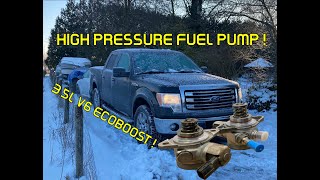
- Failing High-Pressure Fuel Pump (HPFP) (Very Common) — On modern direct injection (GDI) and diesel engines, the HPFP is a known failure point. 🎬 Watch: Step-by-step guide to replacing a Ford high-pressure fuel pump. If it fails to produce commanded pressure instantly, the ECM logs a timing error. This is the primary culprit when paired with P0087 (Fuel Pressure Too Low).
- Faulty Fuel Timing Solenoid / Fuel Control Actuator (FCA) (Common) — This solenoid controls timing advance. Internal shorts or damaged wiring eliminate the ECM's ability to adjust timing. This is a frequent failure on Ford Transit and Cummins diesels.
- Low Fuel Pressure or Air in Fuel System (Common) — The ECM cannot control timing with unstable or aerated fuel. A weak lift pump, clogged fuel filter, or failing pressure regulator starves the high-pressure system.
- Incorrect Mechanical Injection Pump/Engine Timing (Common) — Often occurs immediately after a timing belt or injection pump replacement. Being off by a single tooth throws off fuel timing and triggers the code.
- Stretched Timing Chain or Belt (Less Common) — High mileage causes timing chains to stretch, creating slack that alters synchronization between the crankshaft, camshaft, and fuel pump.
- Faulty Fuel Injectors (Less Common) — A clogged, leaking, or electrically failing injector fails to deliver fuel at the precise commanded millisecond, causing timing-related codes.
- Faulty Camshaft or Crankshaft Position Sensor (Rare) — Weak or intermittent signals provide bad data to the ECM. Since the computer uses this data to calculate injection timing, corrupted data triggers P0149.
- Corrupted PCM/ECM Software or Memory (Rare) — Software glitches or internal voltage irregularities cause the PCM to misinterpret sensor data. Requires a software flash or module replacement.
- Sheared High-Pressure Pump Woodruff Key (Rare) — Extreme stress shears the small metal key aligning the pump's drive gear. The pump loses all synchronization, resulting in a no-start and P0149.
Symptoms

- Reduced Engine Power and Poor Acceleration — The vehicle feels sluggish, hesitates during acceleration, and enters a reduced-power 'limp mode'.
- Rough Idle or Stalling — The engine runs unevenly and shuts off unexpectedly when returning to idle.
- Hard Starting or No Start — The engine cranks excessively before firing, or fails to start entirely.
- Engine Surging at Steady Speeds — The engine bucks or surges at constant speeds due to uncontrollable fuel pressure fluctuations.
- Decreased Fuel Economy — Inefficient combustion forces more frequent refueling.
- Black or Excessive White Smoke from Exhaust — Poor combustion produces visible black (rich) or white (unburnt fuel) exhaust smoke.
- Strong Fuel Odor — Incomplete combustion or high-pressure leaks create a raw fuel smell.
- Audible Engine Knocking or Rattling — A failing timing solenoid or worn cam follower causes a distinct 'diesel knock' or rattling from the engine bay.
Diagnostic Flowchart
Tap your situation to follow the diagnostic path that matches what you're seeing on this code.
Common Fixes & Costs
- High-Pressure Fuel Pump (HPFP) Replacement
— Parts: $350-$800, Labor: $300-$600, ~2.5 hr book time
(Professional)
Volkswagen/Audi 2.0T TSI/TFSI: OEM 06L127025R (Alt: Bosch: 0261520472)
Ford F-150 EcoBoost: OEM BL3Z-9350-C (Alt: Bosch: 66805)
Chevrolet/GMC 5.3L/6.2L: OEM 12677329 (Alt: ACDelco: HPM1006) - Fuel Control Actuator (FCA) or Timing Solenoid Replacement
— Parts: $70-$300, Labor: $100-$250, ~1 hr book time
(DIY)
Dodge/Ram 5.9L/6.7L Cummins: OEM Mopar: 68005241AA (Alt: Bosch: 0928400666)
Ford Transit 2.2L TDCi: OEM BK2Q-9358-AA (Alt: Bosch: 0928400788) - Mechanical Timing Correction / Timing Chain Replacement — Parts: $500-$900, Labor: $1200-$2200, ~10 hr book time (Professional)
- Fuel Injector Replacement (Single) — Parts: $100-$500, Labor: $100-$400, ~2 hr book time (Intermediate)
- PCM Software Update or Replacement — Parts: $0-$900, Labor: $100-$250, ~1.5 hr book time (Professional)
DIY vs Professional
- High-Pressure Fuel Pump (HPFP) Replacement — Beginner: no
Tools: Advanced mechanic's tool set, torque wrench, fuel line disconnect tools, engine-specific camshaft locking tools. - Fuel Control Actuator (FCA) Replacement — Beginner: yes
Tools: Basic hand tools (socket set, Torx bits). - Mechanical Timing Correction — Beginner: no
Tools: Extensive mechanic's tool set, engine-specific timing chain/belt tool kit, heavy-duty breaker bars, torque wrenches. - PCM Software Update / Replacement — Beginner: no
Tools: Manufacturer-specific diagnostic tool with a subscription for software flashing, and a stable vehicle battery charger.
Used vs. New Parts: Buying Guide
When a used part is worth it: For a high-pressure fuel pump (HPFP), a used part from a low-mileage wrecked vehicle saves 40-70%. It is a gamble, as the part's internal wear is unknown.
Donor-vehicle mileage cap: roughly under 50000 miles for the part to have meaningful remaining life.
Donor quality checklist:
- Verify the donor vehicle was not scrapped for engine or fuel system failure.
- Match the part number exactly; manufacturers release updated revisions that are not backward-compatible.
- Avoid parts from rust-belt regions if the pump has a steel housing.
Decision logic:
- If Vehicle is under warranty or part is subject to a recall/extended warranty → Use a new OEM part from the dealer, as it is free.
- If The part is a high-wear item with a known failure rate like an HPFP → Favor a new OEM or high-quality aftermarket part for reliability.
- If Vehicle is over 150K miles and the goal is to keep it running on a budget → A tested, used part from a reputable salvage yard is an acceptable risk.
Warranty tradeoff: Used parts carry a 30-90 day parts-only warranty. New aftermarket parts offer 1-year to lifetime warranties. New OEM parts carry a 1-2 year warranty, covering labor if dealer-installed.
Worst-case if a used part fails: $500-$1000 if a used HPFP fails shortly after installation, requiring repeat labor costs plus the price of another pump.
What Happens If You Wait — Timeline
- 0-1 month: Intermittent Check Engine Light for P0149, possibly with P0087. Occasional hesitation or a slightly longer crank time, especially when cold. (MPG impact: 0-5%% · Added cost: $0)
- 1-3 months: Check Engine Light is constant. Noticeable loss of power, rough idle, and engine surges under acceleration. Stalling at idle becomes frequent. (MPG impact: 5-15%% · Added cost: $50-$150 in wasted fuel. The HPFP begins to wear internally, shedding microscopic metal particles.)
- 3-6 months: Vehicle frequently enters 'limp mode' with severely reduced power. Hard starting is common. The failing HPFP actively sends metal shavings through the fuel system. (MPG impact: 15-25%% · Added cost: $1,200 - $2,800. The original HPFP is destroyed. Continued operation risks damaging the catalytic converter.)
- 6+ months: Catastrophic failure. Metal debris contaminates the entire fuel system, destroying the fuel tank, lines, fuel rail, and all injectors. The vehicle is undrivable. (MPG impact: N/A (vehicle will not run)% · Added cost: $6,000 - $15,000+. Requires complete fuel system replacement. On some VW models, the camshaft is also destroyed.)
Cost of Not Fixing It
- 0-1 month: Noticeable drop in fuel economy, rough idle, and hesitation. The vehicle stalls unexpectedly, creating a safety risk. (Added cost: Negligible, besides increased fuel cost.)
- 1-6 months: Incorrect timing overheats and destroys the catalytic converter. A failing HPFP sheds metal particles into the fuel system. (Added cost: $1200-$2800 for catalytic converter replacement.)
- 6+ months: Catastrophic HPFP failure sends metal debris throughout the fuel system, destroying injectors, lines, and the low-pressure pump. On VW TSIs, it destroys the camshaft. (Added cost: $4000-$8000+ for a full fuel system replacement and potential camshaft repair.)
Diagnosis Steps

- Scan for All Trouble Codes & Review Freeze Frame Data
Read all codes and freeze-frame data. P0087 or P053F provide critical clues. Freeze-frame data reveals exact RPM and load when the fault occurred.
Tools: OBD-II Scanner (Beginner) - Check for Technical Service Bulletins (TSBs)
Check manufacturer TSBs before replacing parts. Manufacturers frequently release updated diagnostic procedures or redesigned parts for P0149, saving hours of diagnostic time.
Tools: Online Service Information Subscription (Intermediate) - Analyze Live Data
Compare 'Commanded' fuel rail pressure with 'Actual' pressure. A large deficit under load confirms a mechanical or pressure-related failure.
Tools: Advanced OBD-II Scanner (Intermediate) - Visually Inspect the Fuel System and Wiring
Check for fuel leaks, damaged wiring, or loose connectors at the injectors, HPFP, and FCA. Wiggle-test harnesses to expose intermittent shorts.
Tools: Flashlight (Beginner) - Test Fuel Pressure (Low and High Side)
Measure low-side pressure first. A weak in-tank pump starves the HPFP and mimics its failure. Verify stable low-side pressure before condemning the HPFP.
Tools: Fuel Pressure Gauge Kit (Intermediate) - Test Fuel Control Actuator (FCA) / Timing Solenoid Circuit
Unplug the FCA and measure resistance (e.g., under 5 Ω for a 6.7L Cummins). Alternatively, unplug it while idling; rail pressure must spike dramatically if the pump is healthy.
Tools: Digital Multimeter (Advanced) - Verify Mechanical Timing
Physically expose the timing belt or chain. Verify all timing marks on the crankshaft, camshaft, and HPFP sprockets align perfectly.
Tools: Mechanic's Tool Set, Engine-specific timing tools (Advanced) - Test Cam/Crank Sensor Resistance and Voltage
Measure resistance on two-wire sensors or verify the 5V reference, ground, and switching signal on three-wire Hall-Effect sensors.
Tools: Digital Multimeter, Back-probe pins (Advanced) - Analyze Cam/Crank Sensor Signals with an Oscilloscope
View sensor waveforms. Look for clean, sharp-edged waves without dropouts or noise that corrupts ECM timing data.
Tools: Oscilloscope, Back-probe pins (Professional)
When This Code Triggers (Freeze-Frame Conditions)
- Engine Coolant Temp: 180-200°F (82-93°C) (Fully warmed up, during steady state driving.)
- RPM: 1500-2500 RPM (Cruise or light to moderate acceleration.)
- Engine Load: 30-60% (The engine is under a moderate load, such as climbing a slight incline or accelerating to merge.)
- Vehicle Speed: 45-65 mph (72-105 kph) (Steady highway or expressway speed.)
Related Codes
- P0087 — Stands for 'Fuel Rail/System Pressure - Too Low.' The P0149 timing error is set because the fuel pump's inability to build pressure prevents the system from responding to commands in time.
- P053F — Stands for 'Cold Start Fuel Pressure Performance.' It appears with P0149 and P0087, indicating the fuel system struggles to build pressure when cold.
- P0216 — Stands for 'Injector/Injection Timing Control Circuit.' While P0149 indicates a general timing mismatch, P0216 points directly to an electrical fault in the circuit controlling the timing.
- P2293 — Stands for 'Fuel Pressure Regulator 2 Performance.' Specific to the high-pressure side, it points directly to a problem with the HPFP or its mechanical drive, making it a strong corroborating code for P0149.
- P0300-P0308 — Misfire codes for random or specific cylinders. Incorrect fuel timing leads to poor combustion, causing misfires. Resolving the fuel timing error resolves the misfires.
Climate & Environmental Factors
- Cold Weather: Cold temperatures increase fuel viscosity, making it harder for a weak fuel pump to generate required pressure on startup. This triggers P0149 alongside P053F.
- High Altitude: Lower atmospheric pressure reduces the 'push' on fuel in the tank. This increases the lift pump's workload and causes fuel vaporization, starving the high-pressure pump.
How to Talk to a Mechanic About This Code
Say this: "I need a diagnostic for a P0149 Fuel Timing Error. The car exhibits [mention hard starting, rough idle, or limp mode]. Please check both low and high-pressure fuel system performance and verify mechanical timing if applicable."
This directs the technician to the most likely causes, prevents vague diagnostics, and shows you are an informed customer.
Avoid saying:
- 'Just fix whatever's wrong'
- 'My check engine light is on, can you look at it?'
- 'My car is acting funny, I think it's the fuel pump'
Questions to ask before authorizing the repair:
- What were the 'Commanded' vs 'Actual' fuel pressure readings from the scan tool at idle and under load?
- Did you test the low-pressure lift pump first, and what was its pressure output?
- If you found metal shavings in the fuel filter, what is the plan to decontaminate the entire fuel system?
- If you recommend a high-pressure fuel pump (HPFP) replacement, what specific test confirmed its failure?
- What is the warranty on the parts and labor for this specific repair?
Where to Take It: Dealer vs Independent vs Chain
- Dealer:
Best for: Vehicles still under powertrain/emissions warranty or subject to a recall., Complex manufacturer-specific issues (e.g., VW/Audi CP4, BMW N54 HPFP failures)., Access to proprietary software for updates and diagnostics.
Downsides: Typically higher labor rates (1.5-2x vs independent)., May recommend replacing a large assembly when a smaller component has failed. (Typical cost: +50% vs. baseline) - Independent Shop:
Excellent choice if they are a well-regarded specialist (Diesel/GDI/European). A general repair shop struggles with the diagnostic complexity of P0149.
Best for: Out-of-warranty vehicles where cost is a primary concern., Shops that specialize in your vehicle's make (e.g., European, Diesel) often have deep expertise., Getting a second opinion on a dealership quote.
Downsides: Diagnostic equipment and technician skill vary widely; vet shops carefully., May lack access to the very latest manufacturer TSBs or software flashes. (Typical cost: +0% vs. baseline) - Chain Shop:
AVOID for P0149 diagnosis. This code requires advanced diagnostic capabilities beyond what most chain shops offer.
Best for: Simple, routine maintenance like oil changes and tire rotations.
Downsides: Technicians lack the specialized training for complex fuel system diagnostics., High pressure to sell common services leads to misdiagnosis., Often not equipped for in-depth mechanical timing or high-pressure fuel system work. (Typical cost: -10% vs. baseline)
When to Walk Away From the Repair
If the estimated repair cost for P0149 exceeds 40-50% of the car's current private-party market value, seriously consider alternatives to fixing it.
- Car worth $5000, fix is $2500: Borderline. Get a second opinion to confirm the diagnosis and cost before authorizing. A catastrophic HPFP failure with system contamination falls here.
- Car worth $15000, fix is $1800: Fix it. This is a reasonable cost for a major repair on a vehicle with significant value remaining.
- Car worth $3000, fix is $2200: Walk away. The repair cost is a huge percentage of the vehicle's value. It is not economically sensible to proceed.
What Scan Tool You Need for This Code

Minimum: A scanner that reads and graphs LIVE DATA, specifically 'Desired Fuel Rail Pressure' and 'Actual Fuel Rail Pressure'.
A basic $20 code reader only shows 'P0149'. It cannot display the live fuel pressure data needed to determine if the cause is a weak pump, a faulty sensor, or a mechanical timing issue. Diagnosing P0149 without live data is expensive guessing.
Budget: BlueDriver Pro / MUCAR BT200 MAX (~$100) — These Bluetooth dongles connect to your smartphone and provide the essential ability to read and graph live fuel pressure data, allowing you to see if the actual pressure keeps up with the commanded pressure under load.
Mid-range: Foxwell NT510 Elite (~$180) — Provides all the live data capabilities of budget picks, but adds brand-specific software for more detailed diagnostics and access to manufacturer-specific codes that generic readers miss.
Professional: Autel MaxiCOM MK808S (~$350) — A full-featured tablet scanner that offers comprehensive live data, graphing, and crucial BI-DIRECTIONAL CONTROLS. This allows you to command components like the fuel pump or timing solenoids to activate, directly testing their function before replacement.
Rent vs buy: For P0149, BUY. The free rental tools at auto parts stores are typically basic code readers that lack the necessary live data functions.
How to Clear the Code After You Fix It
- Use an OBD-II scan tool to clear the P0149 code.
- Ensure the fuel tank is between 1/4 and 3/4 full.
- Perform a complete drive cycle to allow readiness monitors to run.
Drive cycle (~20 minutes): Start from a cold engine. Idle for 2-3 minutes with electrical loads on. Accelerate to 55 mph and hold a steady speed for 3-5 minutes. Decelerate to 20 mph without using the brakes, then accelerate back to 55 mph. Hold steady for another 5 minutes, then coast to a stop.
Readiness monitors affected: Fuel System Monitor, Catalyst Monitor, Comprehensive Component Monitor
Before emissions retest: drive at least 50 miles to fully set monitors.
Watch out for:
- Disconnecting the battery clears the code but resets all readiness monitors, causing an automatic emissions test failure.
- The code returns immediately if the underlying mechanical or electrical fault remains unfixed.
- Fuel levels outside the 15% to 85% range prevent the EVAP and Fuel System monitors from running.
Will This Fail Emissions / State Inspection?
Yes — this code typically fails an OBD-II emissions inspection.
- California: An illuminated Check Engine Light results in an automatic failure. After repairs, a full drive cycle must set all readiness monitors before a re-test.
- New York: A vehicle automatically fails if the 'Check Engine' light is on. After clearing the code, a drive cycle of up to 3 days is needed before the computer is ready.
- Texas: An illuminated Check Engine Light is an automatic failure. For 2001+ vehicles, only one readiness monitor is allowed to be 'Not Ready' to pass.
Most Commonly Affected Vehicles
- Ford F-150 (EcoBoost), Transit, Powerstroke Diesels (2011-2024) — EcoBoost engines are prone to HPFP failures. Transits (2015-2019) experience P0149 due to a faulty fuel timing solenoid.
- Volkswagen/Audi GTI, Golf, Jetta, A4, Tiguan (TDI & TFSI/TSI engines) (2009-2022) — P0149 is often accompanied by P0087 and P053F. For TSI/TFSI engines, this points to a failing HPFP or worn cam follower. For TDI diesels, it indicates catastrophic CP4 HPFP failure.
- Chevrolet/GMC Silverado, Sierra, Equinox (Direct Injection Gas & Duramax) (2014-2024) — Direct injection gas engines experience P0149 due to failing HPFPs. Duramax diesels log this code due to injection pump issues. Check for chafed wiring harnesses near the firewall.
- Dodge/Ram 2500/3500 (Cummins Diesel) (2003-2018) — Common sources are a failing lift pump starving the main pump, or a faulty Fuel Control Actuator (FCA). 2007.5-2018 6.7L models are particularly known for FCA issues.
- Hyundai/Kia Sonata, Optima, Santa Fe (GDI engines) (2011-2024) — GDI models trigger P0149 from failing high-pressure fuel pumps, which were subject to recalls and warranty extensions on many 2011-2018 models.
- BMW Various with N54/N55/B58 engines (e.g., 335i, 535i, M240i) (2007-2024) — These direct-injection engines are notorious for HPFP failures, setting timing and pressure codes. The N54 engine was subject to extended warranties for the HPFP.
- Nissan Titan XD (Cummins), Juke, Rogue (2011-2019) — The Titan XD 5.0L Cummins experiences P0149 due to the same fuel system issues as Dodge/Ram. The Juke's early direct-injection engines were susceptible to HPFP issues.
- Subaru WRX, Forester XT (FA20DIT/FA24F engines) (2014-2024) — A failing HPFP or fuel pressure sensor leads to P0149, often accompanied by rough idle and hesitation under boost.
Manufacturer-Specific Notes
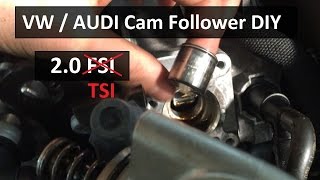
- Volkswagen/Audi: If you have P0149, check for P0087 and P053F. This combination almost always points to a failing HPFP. On TSI/TFSI engines, inspect the cam follower; it is a cheap part that prevents catastrophic camshaft damage.
- Ford: For older Transits, check TSB 64/2004, which points to a faulty fuel injection pump timing solenoid when P0149 is paired with P1564. For EcoBoost, suspect the HPFP itself.
- Cummins (Dodge/Ram/Nissan): Triggered by a failing lift pump or a faulty Fuel Control Actuator (FCA). Always check lift pump pressure (10-17 PSI at idle) before condemning the expensive high-pressure pump.
- Chevrolet/GMC: On 2014+ GM trucks with direct injection, P0149 is intermittent. Thoroughly inspect the wiring harness near the back of the engine and firewall for chafing before replacing the HPFP.
- BMW: For N54 engines, BMW extended the HPFP warranty to 10 years or 120,000 miles. A dealer replaces a failed HPFP at no cost. Refer to Service Information Bulletin SIB 13 03 09.
- Hyundai/Kia: Numerous recalls and warranty extensions (up to 10 years/120,000 miles) cover engine failures related to HPFP and high-pressure fuel pipe issues on millions of 2011-2018 GDI vehicles.
Real Owner Stories
2013 VW Jetta Sportwagen TDI at 119K miles
Check Engine Light came on, car went into limp mode. Codes P0149 and P0087 present. Owner was concerned about the infamous CP4 HPFP failure.
Outcome: The entire fuel system was contaminated with metal shavings from the failed HPFP. The dealer replaced the entire fuel system under the dieselgate extended emissions warranty at zero cost. The repair would have otherwise cost over $6,000.
Lesson: For VW/Audi TDI owners, always check with a dealer about potential extended warranty coverage for fuel system issues, especially if P0149 and P0087 are present.
2005 Ford Transit 2.4L 90ps with 32K miles
Vehicle threw codes P0149 and P1564 and entered limp mode. The engine sounded fine with no knocking.
Outcome: Forum advice pointed to Ford TSB 64/2004. Given the lack of engine knock, the cause was a slight misalignment of pump timing after the recent repair.
Lesson: If P0149 appears after a major repair, suspect incorrect mechanical timing before condemning expensive parts. The absence of engine knock is a key clue on Ford Transits.
2015 VW Golf GTI (Mk7)
Car was hard to start after being driven and sitting for 45 minutes. It cranked but did not fire unless the gas pedal was pressed.
Outcome: The owner replaced the HPFP, which resolved the hot-start and rough idle issues.
Lesson: On VW GTI models, a failing HPFP doesn't always cause a constant check engine light. Symptoms like difficulty with hot starts are an early warning sign of HPFP failure.
2011 Ram 2500 6.7L Cummins
Truck experienced intermittent P0149, hesitation, and stalling. The owner replaced the high-pressure fuel pump, but the problem persisted.
Outcome: The issue was traced to a faulty Fuel Control Actuator (FCA) on the side of the injection pump. Replacing the $150 FCA solved the problem that a $1,200 HPFP replacement did not.
Lesson: Don't just replace the most expensive part. On Cummins engines, the FCA is a common failure point that mimics a bad injection pump. Test it thoroughly first.
How to Prevent This Code From Triggering
- Change fuel filters at or before the recommended interval (Every 10,000-15,000 miles for diesel; 30,000-60,000 km for GDI.) — Clean filters ensure adequate fuel flow and prevent debris from reaching and damaging the high-pressure fuel pump and injectors.
- Use high-quality, Top Tier gasoline or a diesel fuel lubricity additive (Every fill-up) — Detergents prevent carbon deposits on GDI injectors. Lubricity additives for diesel are critical because US Ultra-Low Sulfur Diesel lacks the lubricity the CP4 HPFP needs.
- Inspect the cam follower on VW/Audi TSI/TFSI engines (Every 20,000-30,000 miles or every other oil change) — Proactively replacing this $20 part prevents the catastrophic failure of the $500 HPFP and potential camshaft damage.
- Avoid running the fuel tank below a quarter full (Daily habit) — The fuel pump is cooled and lubricated by fuel. Running it low causes the pump to overheat and draw in sediment from the bottom of the tank.
- Perform regular oil changes with high-quality synthetic oil (Every 5,000-7,000 miles for GDI engines) — Clean oil is crucial for the health of timing chain components and the camshaft that drives the HPFP. Dirty oil accelerates wear on these critical parts.
Frequently Asked Questions
Can P0149 clear itself?
No, P0149 requires manual clearing after repairs. It indicates a significant mechanical or electrical fuel system fault. The check engine light remains illuminated until you fix the underlying problem and clear the code with a scanner.
Will P0149 fail an emissions test?
Yes. Any active Check Engine Light, especially for a fuel system fault like P0149, causes an automatic failure of an emissions or smog inspection.
Is P0149 an expensive fix?
It depends entirely on the cause. A software update or fuel filter is inexpensive, but replacing a high-pressure fuel pump or timing chain easily exceeds $1,500 for parts and labor.
My car has P0149 and P0087. What should I check first?
When P0149 and P0087 appear together, the system lacks fuel pressure. Before replacing the expensive high-pressure fuel pump (HPFP), verify the low-pressure side. Check for a clogged fuel filter and test the in-tank pump pressure to rule out starvation.
What's the most common mistake when diagnosing P0149?
The most common mistake is immediately replacing the expensive high-pressure fuel pump without a full diagnosis. The actual problem is often a cheaper part like a weak lift pump, worn cam follower, or faulty Fuel Control Actuator.
Can bad fuel cause a P0149 code?
A single tank of bad gasoline rarely causes P0149. However, using the wrong fuel type or fuel heavily contaminated with water damages the fuel pump or injectors over time, eventually triggering this code.
Can a bad battery cause P0149?
Yes. Fuel timing calculations rely on stable reference voltages. A weak battery or failing alternator causes the PCM to receive erratic sensor signals, triggering P0149 even if the fuel system is mechanically sound.
What is the difference between P0149 and P0216?
P0149 is a general performance code indicating timing is off due to mechanical or pressure problems. P0216 is a specific electrical code pointing directly to a fault within the timing control circuit itself.
Can I fix P0149 myself?
Beginners can check codes and perform visual inspections. However, most fixes involve high-pressure fuel systems (3,000+ PSI) or complex mechanical timing, requiring professional tools and expertise to avoid severe injury or engine damage.
Key Takeaways
- P0149 indicates fuel injection occurred at the wrong time, immediately compromising engine performance and safety.
- On diesel and GDI engines, P0149 most frequently points to a failing high-pressure fuel pump (HPFP) requiring a $650 to $1,400 replacement.
- Scan for companion codes like P0087 (Fuel Pressure Too Low); their combined presence confirms a severe fuel pressure generation fault rather than a simple sensor error.
- Stop driving the vehicle immediately to prevent a failing HPFP from sending metal debris through the lines, which escalates a $1,200 repair into a $5,000+ complete fuel system replacement.
Helpful Videos

The information in this article is provided for general reference and educational purposes only. Vehicle specifications, procedures, and part compatibility can vary by production date, trim level, and region. Always consult your vehicle's factory service manual and verify part numbers before purchasing or performing repairs. Safety-critical components such as airbags, seat belts, and braking systems should be installed by a qualified professional.
- 🎬 Helpful Videos
- What Does P0149 Mean?
- Can I Drive With P0149?
- Common Causes
- Symptoms
- Diagnostic Flowchart
- Common Fixes & Costs
- DIY vs Professional
- Used vs. New Parts: Buying Guide
- What Happens If You Wait — Timeline
- Cost of Not Fixing It
- Diagnosis Steps
- When This Code Triggers (Freeze-Frame Conditions)
- Related Codes
- Climate & Environmental Factors
- How to Talk to a Mechanic About This Code
- Where to Take It: Dealer vs Independent vs Chain
- When to Walk Away From the Repair
- What Scan Tool You Need for This Code
- How to Clear the Code After You Fix It
- Will This Fail Emissions / State Inspection?
- Most Commonly Affected Vehicles
- Manufacturer-Specific Notes
- Real Owner Stories
- 2013 VW Jetta Sportwagen TDI at 119K miles
- 2005 Ford Transit 2.4L 90ps with 32K miles
- 2015 VW Golf GTI (Mk7)
- 2011 Ram 2500 6.7L Cummins
- How to Prevent This Code From Triggering
- Frequently Asked Questions
- Can P0149 clear itself?
- Will P0149 fail an emissions test?
- Is P0149 an expensive fix?
- My car has P0149 and P0087. What should I check first?
- What's the most common mistake when diagnosing P0149?
- Can bad fuel cause a P0149 code?
- Can a bad battery cause P0149?
- What is the difference between P0149 and P0216?
- Can I fix P0149 myself?
- Key Takeaways
- 🎟️ Get 5% Off