

P0148 on 2004-2008 Ford F-150: Fuel Delivery Error Causes and Fixes
On a 2004-2008 F-150, code P0148 is almost always caused by a corroded and failed Fuel Pump Driver Module (FPDM). Before suspecting the fuel pump, inspect the FPDM located on the frame crossmember above the spare tire. A replacement module, which often comes in a kit with standoffs to prevent future failure, costs about $50-$100 and is an easy 30-minute DIY fix.
- For a 2004-2008 F-150 with code P0148, the Fuel Pump Driver Module (FPDM) is the most likely cause.
- Before spending money on a new fuel pump, ALWAYS visually inspect the FPDM, located above the spare tire, for corrosion or damage.
- Replacing the FPDM is a simple, 30-minute job that can be done with basic hand tools.
- Choose a replacement FPDM kit that includes standoffs/spacers to prevent the corrosion problem from happening again.
- Do not drive the truck if it is stalling or hesitating, as it can shut off in traffic unexpectedly.
What's Unique About the 2004-2008 Ford F-150

The 11th generation F-150 (2004-2008) has a notorious design flaw that makes it uniquely prone to the P0148 code. Ford mounted the Fuel Pump Driver Module (FPDM), which has a bare aluminum body, directly to the truck's steel frame crossmember. This direct contact between dissimilar metals, when exposed to road salt and moisture, causes severe galvanic corrosion that eats through the aluminum housing. This cracks the module, allowing water to penetrate and destroy the internal electronics, leading to a no-start or stalling condition. As a result, what seems like a major fuel pump failure is often just this easily accessible and relatively inexpensive module.
Symptoms You May Notice
- Engine hesitation or sputtering, especially under acceleration.
- Sudden loss of power or 'bucking' while driving, sometimes described as a rhythmic power-dead-power cycle.
- Engine cranks but will not start.
- Engine starts and then immediately stalls.
- Rough or fluctuating idle.
- Illuminated Check Engine Light (though sometimes the module fails completely without triggering a light).
- Replacing the in-tank fuel pump before inspecting the Fuel Pump Driver Module (FPDM). A bad FPDM will prevent the fuel pump from running, perfectly mimicking the symptoms of a failed pump. Always check the FPDM first.
Most Likely Causes

- Failed Fuel Pump Driver Module (FPDM) 🔴 High Probability The original FPDM's aluminum housing corrodes due to galvanic action from direct contact with the steel frame, a well-documented design flaw on this generation F-150.
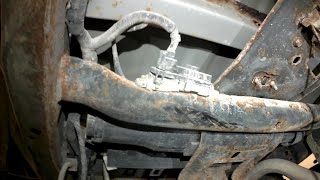
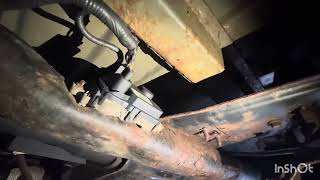
How to confirm: Lower the spare tire and visually inspect the module mounted on the frame crossmember above it. Look for a white, crusty powder (corrosion), deep pitting, cracks in the aluminum housing, or the module being physically broken. Even if it looks okay externally, internal failure can occur. 🎬 Watch this guide on diagnosing and replacing a faulty FPDM.
Typical fix: Replace the Fuel Pump Driver Module. It is held on by two 8mm bolts and has one electrical connector. Aftermarket kits (like Dorman 590-001) and the revised Ford part include rubber spacers/standoffs to create an air gap, preventing future corrosion. This is a critical upgrade.
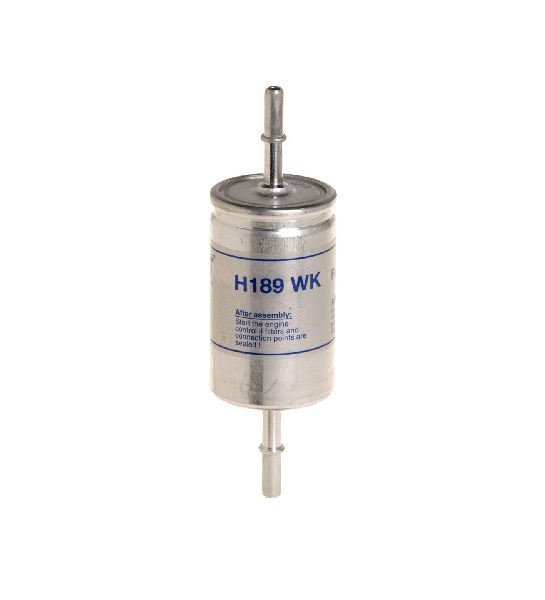
Est. part cost: $50-$100 - Clogged Fuel Filter 🟡 Medium Probability This is a standard maintenance item that is often neglected. A clogged filter restricts fuel flow, preventing the pump from meeting the pressure demanded by the PCM, which can trigger a P0148 code.
How to confirm: If the fuel filter hasn't been replaced in over 30,000 miles, it's suspect. You can test fuel pressure at the rail; if it's low and the FPDM appears intact, the filter is a likely and inexpensive part to replace for diagnosis.
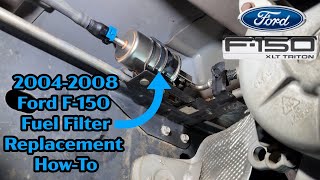
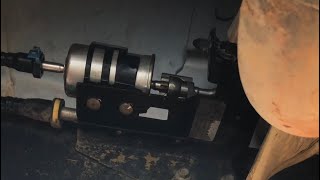
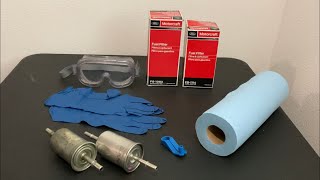
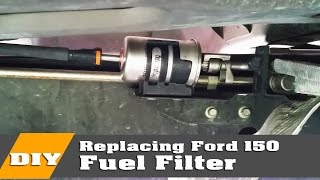
Typical fix: Replace the fuel filter. This is a routine maintenance task that requires a special fuel line disconnect tool. 🎬 Watch this walkthrough for a safe fuel filter replacement.
Est. part cost: $15-$30 - Failing In-Tank Fuel Pump ⚪ Low Probability While the pump itself can fail from normal wear, it is far less common than an FPDM failure on these trucks. Many pumps are replaced unnecessarily when the FPDM is the actual root cause.
How to confirm: After confirming the FPDM is good (ideally by testing with a known-good unit) and the fuel filter is clean, test for power at the fuel pump connector. If power is present but the pump does not run or fuel pressure is still low, the pump has likely failed.
Typical fix: Replace the in-tank fuel pump assembly. This requires lowering the fuel tank or lifting the truck bed.
Est. part cost: $200-$400
Rare But Worth Checking
- Faulty Fuel Rail Pressure Sensor (FRPS): The sensor, located on the fuel rail at the back of the engine, can fail and send incorrect pressure readings to the PCM. This can trick the computer into thinking there is a fuel delivery problem, setting code P0148 or P0191.
- Wiring or Connector Damage: Check the wiring harness and connector going to the FPDM. It is in an exposed location and can be damaged by road debris or corrosion, leading to an open or shorted circuit. Also check the wiring to the fuel pump and fuel rail pressure sensor.
- Tripped Inertia Fuel Shutoff Switch: Located in the passenger-side footwell behind a kick panel, this safety switch cuts power to the fuel pump in a collision. While rare, it can sometimes be tripped by a sharp jolt or fail internally. Ensure the button on top is pressed down before diagnosing other components.
Diagnosis Steps

- Scan for any other trouble codes. Codes like P1233 or P0191 strongly point towards the FPDM or fuel pressure sensor circuit.
- Lower the spare tire to gain access to the Fuel Pump Driver Module (FPDM) on the frame crossmember, just in front of the rear bumper.
- Visually inspect the FPDM. Look for obvious signs of corrosion, a white powdery substance, or cracks in the aluminum housing. If it is severely corroded or broken, it is almost certainly bad and needs to be replaced.
- If the FPDM looks okay, inspect its electrical connector and wiring for damage or corrosion. A poor connection can cause the same symptoms.
- Check the inertia fuel shutoff switch in the passenger footwell (behind the kick panel) to ensure it has not been tripped.
- If the FPDM and wiring appear to be in good condition, check the fuel filter. If it's old or its service history is unknown, replace it as a low-cost diagnostic step.
- If the above steps do not resolve the issue, use a fuel pressure gauge to test the pressure at the fuel rail. Normal pressure at idle is around 35-45 PSI. If pressure is low, erratic, or spikes to 80+ PSI then drops, and you have a known-good FPDM, the in-tank fuel pump may be the culprit.
Parts You'll Likely Need

- Fuel Pump Driver Module (FPDM)
(OEM #4L3Z-9D370-A (This is the original part number, which has been superseded by newer revisions like 5L8Z-9D370-A).)— This is the most common failure point for code P0148 on this truck due to a design flaw causing corrosion.
Trusted brands: Motorcraft (OEM), Dorman (OE FIX 590-001, includes standoff hardware), Standard Motor Products
OEM price range: $80-$120
Aftermarket price range: $50-$90 - Fuel Filter
(OEM #FG-1083)— A clogged fuel filter is a common maintenance item that can restrict fuel flow and cause this code.
Trusted brands: Motorcraft, Wix, Bosch
OEM price range: $20-$35
Aftermarket price range: $15-$25
Related Codes That Often Appear With This One
- P1233 — This is a Ford-specific code for 'Fuel Pump Driver Module Offline.' If you see this code, it directly points to a problem with the FPDM or its circuit, confirming it as the likely source of the P0148. 🎬 See how to fix a no-start condition and P1233 code.
- P0191 — This code means 'Fuel Rail Pressure Sensor Circuit Range/Performance.' It often appears with P0148 when the fuel pressure is erratic, which is a classic symptom of a failing FPDM causing fluctuating voltage to the fuel pump.
Platform-Specific Known Issues
- The primary issue is the galvanic corrosion between the FPDM's aluminum body and the steel frame it's mounted to. Aftermarket replacement kits from brands like Dorman solve this by including rubber or plastic standoffs to create an air gap, which is a highly recommended and necessary upgrade to prevent repeat failure.
Mechanic-Grade Diagnostic Values
- FPDM Power Supply Voltage (KOEO) — expected: 10-12 Volts (Battery Voltage). Failure: 0 Volts indicates a blown fuse (Fuse #9, 20A in passenger kick panel), tripped inertia switch, or wiring fault.
- FPDM Power Ground Continuity — expected: Near 0 Ohms. Failure: High resistance indicates a bad ground connection, preventing the module from functioning.
- FPDM Commanded Duty Cycle (FPC) from PCM — expected: ~50% during engine cranking. Failure: No or incorrect duty cycle signal points to a PCM or wiring issue.
- Fuel Rail Pressure Sensor (FRPS) Voltage — expected: ~0.5V KOEO, ~1.3V at idle, up to ~3.8V on snap acceleration.. Failure: Voltage outside these ranges or stuck at a specific value indicates a faulty sensor or wiring issue.
Scan Tool Commands That Help
- Ford IDS (or high-level scanner like FORScan): FPC (Fuel Pump Command) PID — To monitor the duty cycle percentage the PCM is commanding the FPDM to deliver. This helps determine if the PCM is correctly requesting fuel delivery. A 75% duty cycle command tells the FPDM to shut off.
- Ford IDS (or high-level scanner like FORScan): FPM (Fuel Pump Monitor) PID — To read the diagnostic feedback signal sent from the FPDM back to the PCM. This signal reports the status of the FPDM and the fuel pump circuit.
Wiring & Ground Locations
- FPDM Connector — Above the spare tire, mounted to the frame crossmember.. This is the central connection point for power, ground, and control signals for the fuel pump. Key pins for testing are Pin 5 (Power In), Pin 3 (Ground), Pin 6 (PCM Command), and Pins 2 & 4 (Power Out to Pump).
- G401 — On the left rear frame rail.. This is a primary ground point for rear components, including potentially the FPDM circuit. A corroded or loose ground here can cause intermittent fuel delivery issues.
- Inertia Fuel Shutoff Switch — In the passenger-side footwell, behind the kick panel.. This switch cuts power to the fuel pump relay and FPDM. If it's tripped, there will be no voltage at Pin 5 of the FPDM connector.
- Fuel Pump Fuse #9 (20A) — In the Central Junction Box (fuse panel) located in the passenger-side kick panel.. This fuse protects the power circuit feeding the FPDM. If it's blown, the entire fuel delivery system will be dead.
- Splice S135 — In the wiring harness, shared ground for the Fuel Rail Pressure Sensor and Power Steering Pressure sensor.. A fault at this splice can cause a bad ground for the FRPS, leading to incorrect readings and potentially triggering P0148 or related codes.
Real Owner Repair Stories
- Ford F150 Forum thread 105434 (2008 Ford F-150) — Check Engine Light with code P0148 found via a performance tuner scan.
❌ Tried (didn't work) Initial diagnosis was uncertain.
✅ What actually fixed it The user realized the code appeared after running the truck very low on fuel and making a sharp turn, which likely caused the fuel pump to suck in air. Clearing the code resolved the issue, as there was no hard fault.
OEM Part Supersession History
4L3Z-9D370-A→5L8Z-9D370-A— The original part was prone to corrosion. Newer revisions may have improved sealing or are used across multiple platforms.
Heads up: The superseding part 5L8Z-9D370-A is a valid replacement for the original. Aftermarket options like the Dorman 590-001 are also direct replacements but include the critical standoff hardware to prevent repeat failure.
Diagnostic Flowchart
Other Known Issues on This Vehicle
Issues unrelated to this code that are worth knowing about as an owner of this generation:
- Ford 5.4L 3-Valve Triton Engine Problems 🔴 High — Extremely common, often occurring between 60,000 and 150,000 miles. Considered one of the worst engine periods for Ford. (Ref: TSB 06-19-8, TSB 14-0114)
- Spark Plug Breakage During Removal 🔴 High — A near-guarantee when changing spark plugs on the 5.4L 3V engine. The two-piece plug design seizes in the cylinder head, and the lower portion breaks off.
- Cam Phaser Failure 🔴 High — Very common on the 5.4L 3V, causing a distinct diesel-like ticking or knocking sound at idle. Often related to low oil pressure or failing VCT solenoids. (Ref: TSB 21574, TSB 06-19-8)
- IWE (Integrated Wheel End) System Failure 🟠 Medium — Common issue causing a grinding or buzzing noise from the front wheels, especially under light acceleration, that goes away in 4WD. Usually caused by a vacuum leak in the lines or a faulty IWE solenoid. (Ref: Ford issued a redesigned IWE solenoid with a rain cover to prevent water intrusion, which was a common cause of failure.)
- Power Window Regulator Failure 🟡 Low — One of the most common non-engine complaints for this generation, where the window may fall into the door and not roll up.
Used vs. New Parts: Buying Guide for This Vehicle
When a used part is the smart pick: A used Fuel Pump Driver Module (FPDM) is a poor choice for this repair. The failure is due to a design flaw and corrosion over time, so a used part from a similar-aged vehicle in a junkyard is likely to have the same corrosion issue or fail soon after installation. Given the low cost of a new, improved aftermarket part, buying used is not recommended.
What to inspect on the donor part:
- Not applicable as used FPDMs are not recommended.
Aftermarket brands forum-validated for this vehicle:
- Dorman (specifically the 590-001 'OE FIX' kit) is widely cited and recommended on forums and by parts suppliers because it includes the necessary standoff hardware to correct the original design flaw.
- Standard Motor Products (SMP)
Brands owners have reported issues with on this vehicle:
- One user reported an issue with a Dorman module causing a 'computer not ready' code during an inspection, which was resolved by switching to a Motorcraft part. While most reviews are positive, this indicates a potential for quality control issues with some aftermarket units.
Real Owner Stories
Aggregated from forums and TSBs cited above. Mileages and costs reflect what owners reported in those sources.
2008 F-150
Symptoms: The truck experienced sudden, severe 'rhythmic bucking' while driving.
What fixed it: The issue was resolved by replacing the Fuel Pump Driver Module, which was found to be corroded but not physically broken.
Source hint: f150forum.com: Thread 'Fuel Pump Driver Module (FPDM) - My Symptoms'
2006 F-150 5.4L
Symptoms: Owner reported issues with the engine bogging, backfiring, and had a P0148 code stored.
What fixed it: Forum members immediately advised the owner to check the Fuel Pump Driver Module as the primary suspect for these symptoms.
Source hint: f150forum.com: Thread 'Bogging, back firing, p0148 2006 5.4'
Related OBD-II Codes
Frequently Asked Questions
Where is the Fuel Pump Driver Module (FPDM) located on my 2004-2008 F-150?
Why does the FPDM fail so often on this specific generation of F-150?
I'm replacing my FPDM. Is there an improved part I should use to prevent this from happening again?
My truck cranks but won't start, but the Check Engine Light isn't on. Could P0148 still be the issue?
How can I visually check if my FPDM has failed?
Is it more likely that my in-tank fuel pump failed or the FPDM?
Do other Ford vehicles have this same FPDM corrosion problem?
Helpful Videos

We Have This Part in Stock

The information in this article is provided for general reference and educational purposes only. Vehicle specifications, procedures, and part compatibility can vary by production date, trim level, and region. Always consult your vehicle's factory service manual and verify part numbers before purchasing or performing repairs. Safety-critical components such as airbags, seat belts, and braking systems should be installed by a qualified professional.
- Ford F-150:
- 🎬 Helpful Videos
- 🛍️ Shop This Part
- What's Unique About the 2004-2008 Ford F-150
- Symptoms You May Notice
- Most Likely Causes
- Rare But Worth Checking
- Diagnosis Steps
- Parts You'll Likely Need
- Related Codes That Often Appear With This One
- Platform-Specific Known Issues
- Mechanic-Grade Diagnostic Values
- Scan Tool Commands That Help
- Wiring & Ground Locations
- Real Owner Repair Stories
- OEM Part Supersession History
- Diagnostic Flowchart
- Other Known Issues on This Vehicle
- Used vs. New Parts: Buying Guide for This Vehicle
- Real Owner Stories
- 2008 F-150
- 2006 F-150 5.4L
- Related OBD-II Codes
- Frequently Asked Questions
- 🎟️ Get 5% Off