

P0144 on 2014-2016 Land Rover LR4: O2 Sensor High Voltage Causes and Fixes
For the 2014-2016 Land Rover LR4 with the 3.0L V6, code P0144 almost always points to a failed downstream oxygen sensor on Bank 1 (passenger side, LHD). This is a common, well-documented issue, often due to a faulty sensor component. Replacing the sensor is the typical fix, costing around $65-$150 for a quality aftermarket part like Bosch or Denso.
- P0144 on a 2014-2016 LR4 almost always means the passenger-side, post-catalyst oxygen sensor has failed.
- This is a common, well-documented issue, and you should suspect the sensor itself before looking at wiring or the ECM.
- Diagnosis is straightforward with a scan tool that can read live data; look for a voltage signal stuck high (above 0.8V).
- The repair is DIY-friendly for those with basic tools, including a 22mm O2 sensor socket, and can save significant labor costs.
- After replacing the sensor, consider having a dealer check if your ECM software is up to date, as a software update was released to prevent this issue.
What's Unique About the 2014-2016 Land Rover LR4
The 2014-2016 Land Rover LR4, particularly with the 3.0L V6, is known for issues with its post-catalyst oxygen sensors. Manufacturer technical service bulletins (TSBs) have been issued that group P0144 with many other O2 sensor codes. [LTB00671NAS3, SSM72448] One TSB even notes that upon diagnosis, technicians often find no fault with the wiring harness, strongly suggesting the issue lies with the sensor component itself or the ECM software. [SSM72448, 10] This indicates a higher-than-normal failure rate for the sensor itself compared to wiring or other potential causes. Another TSB suggests some sensor failures can be caused by 'thermal shock when water contacts the heated sensing element,' which may be addressed with an ECM software update after sensor replacement.
Diagnostic Flowchart
Tap your situation to follow the diagnostic path that matches what you're seeing on this vehicle.
Symptoms You May Notice
- Check Engine Light (Malfunction Indicator Lamp, MIL) is illuminated
- Vehicle will fail an emissions test
- No noticeable impact on engine performance or fuel economy in most cases
- In rare cases, if the fault is intermittent, the engine may run poorly or stutter
- Replacing the catalytic converter. The P0144 code indicates a problem with the sensor circuit, not necessarily the converter's efficiency. A faulty sensor is far more common.
- Replacing the wrong oxygen sensor. Ensure you are diagnosing and replacing the correct sensor: Bank 1 (passenger side on LHD models), Sensor 3 (the rearmost, post-catalyst sensor, sometimes called downstream). 🎬 Watch: Understanding O2 sensor locations and bank numbers
- Replacing the rear sensor with an upstream sensor part number. They may look similar but are electronically different.
Most Likely Causes
- Failed Downstream Oxygen Sensor (Bank 1, Sensor 3) 🔴 High Probability Land Rover has acknowledged issues with post-catalyst O2 sensors on this platform through multiple TSBs. [LTB00671NAS2, LTB00671NAS3] Some sources suggest a known manufacturing defect in the original sensors. TSB LTB00671NAS5 also notes that failures can be caused by thermal shock from water contact, which prompted a software update to better manage the sensor.
How to confirm: Use a diagnostic scan tool to monitor the live data for the Bank 1, Sensor 3 O2 sensor ('O2S B1S3'). If the voltage is stuck high (typically above 0.8V, with some owners reporting a constant 1.2V) and does not fluctuate with the engine running, the sensor has failed.
Typical fix: Replace the Bank 1, Sensor 3 oxygen sensor. On a LHD vehicle, Bank 1 is the passenger side. The sensor is located after the catalytic converter, near the transfer case. 🎬 Watch: Downstream sensor replacement on a similar 3.0L engine A 22mm oxygen sensor socket is recommended for removal.
Est. part cost: $65-$150
Rare But Worth Checking
- Wiring or Connector Issue: While possible, TSB #SSM72448 specifically states that often 'no fault is found with the wiring harness or conn...' upon diagnosis, making this a less likely cause than the sensor itself. [SSM72448, 1, 10] However, it's still worth inspecting the harness for melting, chafing, or corrosion, especially near the hot exhaust and where the connector is mounted to the crossmember.
- Engine Control Module (ECM) Software Issue: In some cases, particularly if a new sensor does not resolve the code, an ECM software update may be required. This is mentioned in TSBs for related O2 sensor issues on these engines, specifically to address thermal shock sensitivity. TSB LTB00662 specifically mentions a PCM update for 2014 LR4s with the 3.0L V6 to address a range of O2 sensor codes, including P0144.
- Exhaust Leak: A leak in the exhaust system near the sensor can introduce outside oxygen, causing incorrect readings. This is less common than a sensor failure but should be checked for, especially if you can hear an exhaust leak.
Diagnosis Steps
- Connect an OBD-II scanner to the vehicle and confirm that P0144 is the primary code. Note any other codes present.
- Use the scanner's live data function to observe the voltage of the 'O2S13' (or Bank 1, Sensor 3) sensor. The vehicle may need to be running and warmed up.
- If the voltage is stuck high (e.g., >0.8V) and does not fluctuate, the sensor is the most likely culprit. A forum user noted their voltage was stuck at a constant 1.2V.
- If the voltage is fluctuating normally, the issue may be intermittent or related to the wiring/ECM.
- Safely raise the vehicle and perform a visual inspection of the Bank 1 downstream O2 sensor and its wiring harness. The sensor is on the passenger side, rear of the catalytic converter. The connector is often clipped to a bracket on the crossmember above the exhaust. Look for any signs of physical damage, melting from contact with the exhaust, or corrosion in the connector.
- If the wiring appears intact and the live data shows a stuck high voltage, replace the Bank 1, Sensor 3 oxygen sensor. A 22mm O2 sensor socket, possibly an offset style, is recommended.
- After replacement, clear the trouble codes and perform a drive cycle to ensure the Check Engine Light does not return.
- If the code returns, investigate the possibility of a required ECM software update as per Land Rover TSBs.
Parts You'll Likely Need
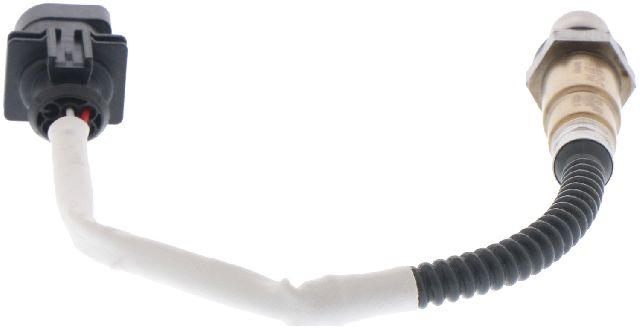
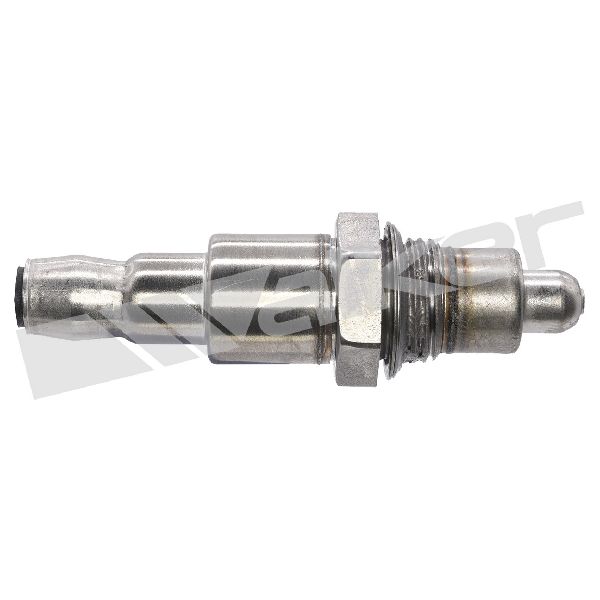
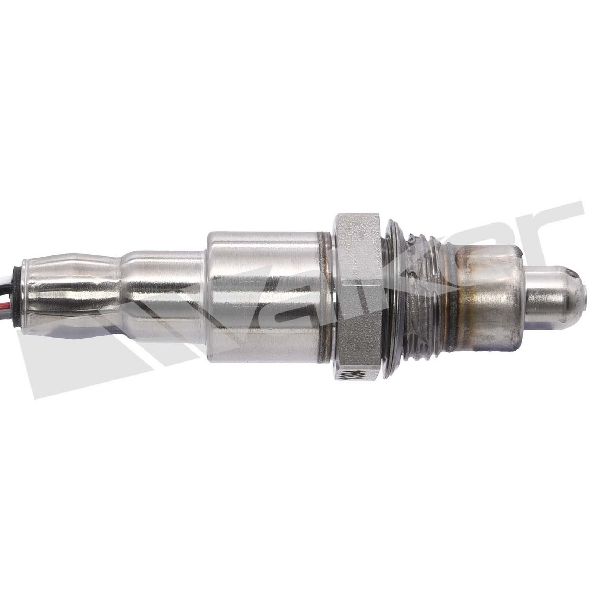
- Oxygen Sensor (Bank 1, Sensor 3)
(OEM #LR140071)— This is the most common failure point for code P0144 on this vehicle, as supported by search results and technical service bulletins. [1, LTB00671NAS3, 8]
Trusted brands: Bosch (OEM supplier, part #17243), Denso, NTK
OEM price range: $200-$300
Aftermarket price range: $65-$150
Related Codes That Often Appear With This One
- P0163 — This is the equivalent code for Bank 2 (driver's side), Sensor 3. The sensors are of the same type and age, so it's common for them to fail around the same time.
- P0142, P0143, P0147 — These are other codes related to the Bank 1, Sensor 3 circuit (malfunction, low voltage, heater circuit). The presence of multiple codes for the same sensor strongly points to a failed sensor or a wiring issue.
Technical Service Bulletins (TSBs) & Recalls
- SSM72448: Notes that for a list of O2 codes including P0144, diagnosis often reveals no fault with the wiring harness, suggesting the sensor is the issue. [SSM72448, 10]
- LTB00671NAS3: Mentions that the MIL may be on with DTC P0144 (and others) stored, relevant to post-catalyst heated oxygen sensors. [LTB00671NAS3, 31]
- LTB00671NAS2: An earlier version of the above TSB with the same information regarding P0144 and other post-catalyst O2 sensor codes. [LTB00671NAS2]
- LTB00662: A TSB for 2014 LR4 models (among others) with the 3.0L V6, calling for a PCM software update to address various oxygen sensor fault codes, including P0144.
- JTB00392 (Jaguar): A related TSB for Jaguar models with the same engines, also addressing O2 sensor faults and software updates, confirming this is a platform-wide issue.
Platform-Specific Known Issues
- Technical Service Bulletin #LTB00671NAS3 notes that the Malfunction Indicator Lamp (MIL) may be illuminated with P0144 and other post-catalyst O2 sensor codes stored in the ECM. [LTB00671NAS3]
- Technical Service Bulletin #SSM72448 indicates that for a wide range of O2 sensor codes, including P0144, it is common that upon diagnosis, no fault is found with the wiring harness or connectors, pointing towards the sensor itself as the likely failure point. [SSM72448, 10]
- A YouTube repair video by 'Fixty' shows the replacement process on a similar Range Rover with the same engine, confirming the passenger-side, downstream location and the use of a Bosch replacement sensor. The mechanic notes the connector can be tricky and advises care not to break the plastic clip. 🎬 See this step-by-step sensor replacement walkthrough
- TSB LTB00757V6 suggests that an ECM software update may be required after sensor replacement to prevent future failures from thermal shock caused by water splashing on the hot sensor element.
Mechanic-Grade Diagnostic Values
- Downstream O2 Sensor (B1S3) Voltage — expected: Fluctuating between 0.1V and 0.9V with engine at operating temperature.. Failure: Voltage is stuck high, consistently reading above 0.8V and sometimes as high as 1.2V.
- O2 Sensor Heater Resistance — expected: Between 2 and 19 Ohms, measured across the two heater wires on the sensor connector with the sensor disconnected.. Failure: An open circuit (no reading) or a reading significantly outside the expected range indicates a failed heater element.
Scan Tool Commands That Help
- Land Rover SDD (Symptom Driven Diagnostics): Configure existing module – Powertrain control module — This function is required to apply a software update to the ECM after replacing the oxygen sensor, as mandated by TSBs like LTB00671NAS2 and LTB00757V6. It addresses a software error that can cause the P0144 code due to thermal shock, and the code may return on a new sensor if this update is not performed.
Wiring & Ground Locations
- ECM Connector C0635 — At the Engine Control Module (ECM).. This connector contains the pins for the Bank 1 (RH) downstream sensor. For diagnosis, Pin 14 is the sensor signal, Pin 8 is the signal earth, and Pin 1 provides the heater control ground from the ECM.
- Engine Compartment Fuse Box - Fuse 2 — In the main fuse box located in the engine bay.. This fuse provides the direct battery supply to the heater element for all four oxygen sensors. While a failure would likely trigger multiple codes, it's a primary power source to check.
- O2 Sensor Wire Splice — Anywhere along the harness if a repair is needed.. Per Land Rover repair theory, O2 sensor wires must be repaired using crimp connectors, not solder. Some sensors draw reference air through the gaps in the copper wire strands; solder can block this path, leading to incorrect voltage signals and persistent codes even after a repair.
Real Owner Repair Stories
- YouTube Channel 'Fixty' (Range Rover L494 with 3.0L V6 Supercharged engine (same engine and sensor as LR4)) — Check Engine Light with code P0144 for 'sensor bank one sensor three'.
❌ Tried (didn't work) The video proceeds directly to diagnosis and replacement, implying no other failed attempts.
✅ What actually fixed it The mechanic confirmed the location as passenger side (Bank 1), downstream (Sensor 3). He replaced the faulty sensor with a new Bosch oxygen sensor (P/N 17243). After replacement and clearing the code, the issue was resolved.
When the Usual Fixes Don't Work
- In cases where replacing the Bank 1, Sensor 3 O2 sensor does not resolve the P0144 code, the root cause is often not a faulty new part or a wiring issue. Land Rover Technical Service Bulletins, including LTB00671NAS2 and LTB00757V6, indicate the final fix is frequently a software update to the Powertrain Control Module (PCM). This update recalibrates the system's sensitivity to thermal shock, which can cause the sensor to send erroneous high voltage signals. Therefore, a persistent P0144 code after a sensor replacement strongly points to the need for a PCM reflash with the Land Rover SDD tool.
OEM Part Supersession History
LR052426→LR140071— Part revision or supplier change. LR052426 is the specific part number listed in TSB LTB00757V6 for the post-catalyst right-hand sensor on an LR4.
Model Year Variations Within This Range
- 2014: For 2014 LR4 models with the 3.0L V6, TSB LTB00671NAS2 applies to a specific VIN range (EA679426-EA723530). It calls for replacing the failed sensor and then performing a mandatory software update to the ECM to prevent recurrence of P0144 and related codes.
- 2014-2015: TSB LTB00757V6 expands the software update recommendation to 2014-2015 LR4 models. It notes that P0144 (among other O2 codes) can be caused by thermal shock to the sensor, and the prescribed fix is to replace the sensor AND update the ECM software to prevent future failures.
Helpful Videos
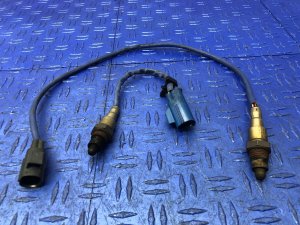
Used OEM Parts in Stock



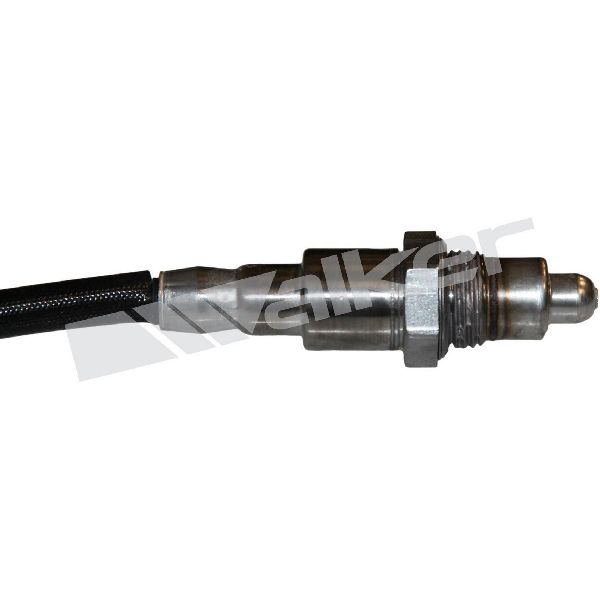
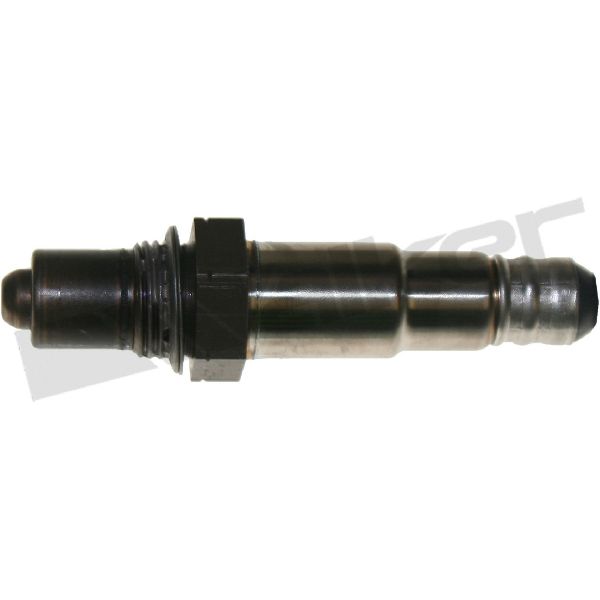
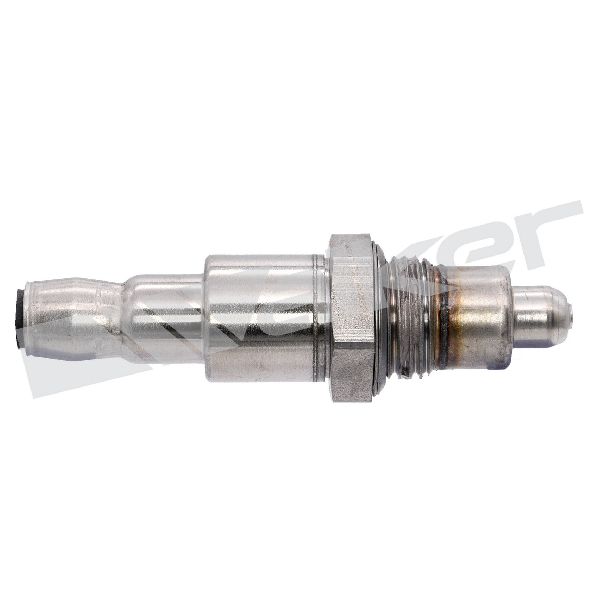
New Aftermarket Parts Available

The information in this article is provided for general reference and educational purposes only. Vehicle specifications, procedures, and part compatibility can vary by production date, trim level, and region. Always consult your vehicle's factory service manual and verify part numbers before purchasing or performing repairs. Safety-critical components such as airbags, seat belts, and braking systems should be installed by a qualified professional.
- Land Rover LR4:
- 🎬 Helpful Videos
- 🛍️ Shop This Part
- What's Unique About the 2014-2016 Land Rover LR4
- Diagnostic Flowchart
- Symptoms You May Notice
- Most Likely Causes
- Rare But Worth Checking
- Diagnosis Steps
- Parts You'll Likely Need
- Related Codes That Often Appear With This One
- Technical Service Bulletins (TSBs) & Recalls
- Platform-Specific Known Issues
- Mechanic-Grade Diagnostic Values
- Scan Tool Commands That Help
- Wiring & Ground Locations
- Real Owner Repair Stories
- When the Usual Fixes Don't Work
- OEM Part Supersession History
- Model Year Variations Within This Range
- 🎟️ Get 5% Off