

P0144 on 2013-2016 Jaguar XJ: O2 Sensor High Voltage Causes and Fixes
This code indicates a high voltage reading from the Bank 1, Sensor 3 oxygen sensor. The most common cause is a faulty O2 sensor, followed by wiring issues. A potential, but less common, cause on this specific platform is a PCM software error that requires an update from a dealer.
- P0144 on your Jaguar XJ points to a high voltage signal from the rearmost oxygen sensor on the passenger side (Bank 1, Sensor 3).
- The most probable cause is a failed oxygen sensor, which is a common wear-and-tear item.
- Before replacing the sensor, always inspect the wiring and connector for damage and test for a short circuit to power.
- Be aware that Jaguar has acknowledged that a software error in the PCM can falsely trigger this code; if a new sensor and good wiring don't fix it, a dealer software update is the next logical step.
What's Unique About the 2013-2016 Jaguar XJ
For the 2013-2016 Jaguar XJ (X351 generation), the P0144 code is part of a large group of oxygen sensor codes addressed by manufacturer Technical Service Bulletins (TSBs). TSB JTB-00392-NAS-3 explicitly states the cause may be a 'Post-catalyst Heated Oxygen sensors (HO2S) software error'. This means the PCM's software is overly sensitive and may incorrectly flag a high voltage condition even when the sensor and wiring are functioning correctly. In these cases, a diagnosis will find no hardware fault, and a PCM software update from a dealer is the required fix. This is a key difference from platforms where the code almost exclusively points to a bad sensor or wiring.
Diagnostic Flowchart
Tap your situation to follow the diagnostic path that matches what you're seeing on this vehicle.
Symptoms You May Notice
- Check Engine Light (Malfunction Indicator Lamp) is on
- Vehicle will fail an emissions test
- Potential for slightly reduced fuel economy
- Black smoke from the exhaust or a strong fuel smell in rare cases 🎬 Watch: A quick overview of P0144 symptoms and common solutions. of a severe rich running condition
- Replacing the oxygen sensor without first checking the wiring and connectors for damage, especially for a short to power.
- Replacing the sensor multiple times when the actual root cause is a PCM software glitch that requires an update as per TSB JTB-00392-NAS-3.
Most Likely Causes
- Faulty Oxygen Sensor (Bank 1, Sensor 3) 🔴 High Probability Oxygen sensors are wear items that degrade over time due to constant exposure to high-temperature exhaust gases. JLR has also noted issues with thermal shock from water contact on the heated element, which can cause premature failure.
How to confirm: Use a scan tool to monitor the live voltage data for 'O2S B1S3'. If the voltage is stuck high (around 0.9V - 1.0V) and does not fluctuate even when the engine is revved, the sensor is likely faulty.
Typical fix: Replace the Bank 1, Sensor 3 oxygen sensor. This is the rearmost sensor on the passenger side exhaust pipe.
Est. part cost: $60-$150 - Wiring or Connector Issue 🟡 Medium Probability The wiring harness for O2 sensors runs under the vehicle and is exposed to heat from the exhaust and transmission tunnel, moisture, and road debris, which can cause corrosion, frayed wires, or a short to voltage.
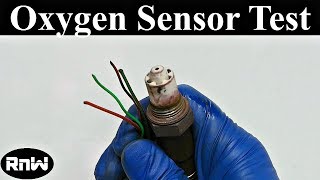
How to confirm: Visually inspect the wiring harness and connector leading to the sensor for any signs of damage, melting, or corrosion. Use a multimeter to check for a short to power on the signal wire. A good test is to disconnect the sensor; if the voltage on the scan tool drops to a default (~0.45V), the wiring is likely okay and the sensor is at fault. If the voltage stays high, a short in the harness is probable. 🎬 See this guide on how to test oxygen sensor operation.
Typical fix: Repair the damaged section of the wiring harness or replace the connector.
Est. part cost: $10-$50 - Powertrain Control Module (PCM) Software Error ⚪ Low Probability Jaguar has issued TSBs (JTB-00392-NAS-3, SSM72477) that cover a wide range of O2 sensor codes, including P0144, indicating a known software sensitivity issue that can falsely trigger the code. Owners have reported replacing the sensor, only for the code to return, with the final fix being the dealer-applied PCM software update.
How to confirm: This is a diagnosis of exclusion. If the sensor and wiring are confirmed to be good, check with a Jaguar dealer or specialist with access to Jaguar's diagnostic system (TOPIx) to see if a PCM update is available for your vehicle's VIN, referencing TSB JTB-00392-NAS-3.
Typical fix: Update the PCM software using a Jaguar-approved diagnostic tool. The TSB states this 'will prevent any further concerns'.
Est. part cost: $0 (if covered by a service action) - $250 (for dealer labor)
Rare But Worth Checking
- Exhaust Leak: An exhaust leak before the sensor can allow outside oxygen into the exhaust stream. While this typically causes a low voltage code, it can lead to erratic readings that may trigger other faults.
- Failing Catalytic Converter: A physically damaged or failing catalytic converter can alter exhaust gas composition and cause erratic readings from the downstream O2 sensor. This is usually accompanied by other codes like P0420 (Catalyst System Efficiency Below Threshold).
Diagnosis Steps
- Connect an OBD-II scanner to the vehicle and confirm that P0144 is present. Note any other codes, especially heater circuit or catalyst efficiency codes.
- Using the scanner's live data function, monitor the voltage from 'O2S B1S3' (Bank 1, Sensor 3).
- Observe the voltage reading with the engine running. It should normally fluctuate slowly. If it is stuck high, near or above 0.9V, this confirms the fault condition.
- Perform a thorough visual inspection of the Bank 1, Sensor 3 oxygen sensor, its connector, and the wiring harness. Look for any signs of melting, corrosion, or physical damage, paying close attention to where the harness is near the exhaust.
- Disconnect the O2 sensor. Watch the live data on the scanner. The voltage for B1S3 should drop to a default bias voltage (around 0.45V). If it does, the sensor is very likely the problem. If the voltage stays high, you have a short-to-power in the wiring harness that needs to be found and repaired.
- If the wiring and connector are confirmed to be in good condition, and the sensor is deemed faulty by the previous step, the oxygen sensor itself should be replaced.
- After replacing the sensor, clear the codes and perform a drive cycle. If the P0144 code returns, consult a Jaguar dealer or specialist to check for available PCM software updates as specified in TSB JTB-00392-NAS-3.
Parts You'll Likely Need
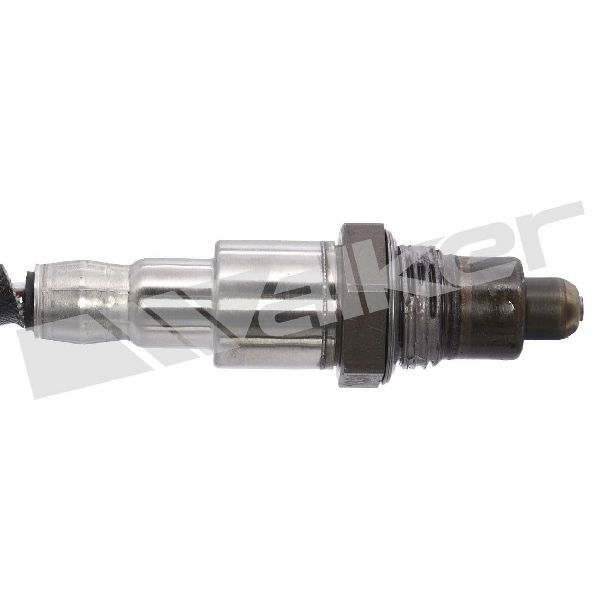
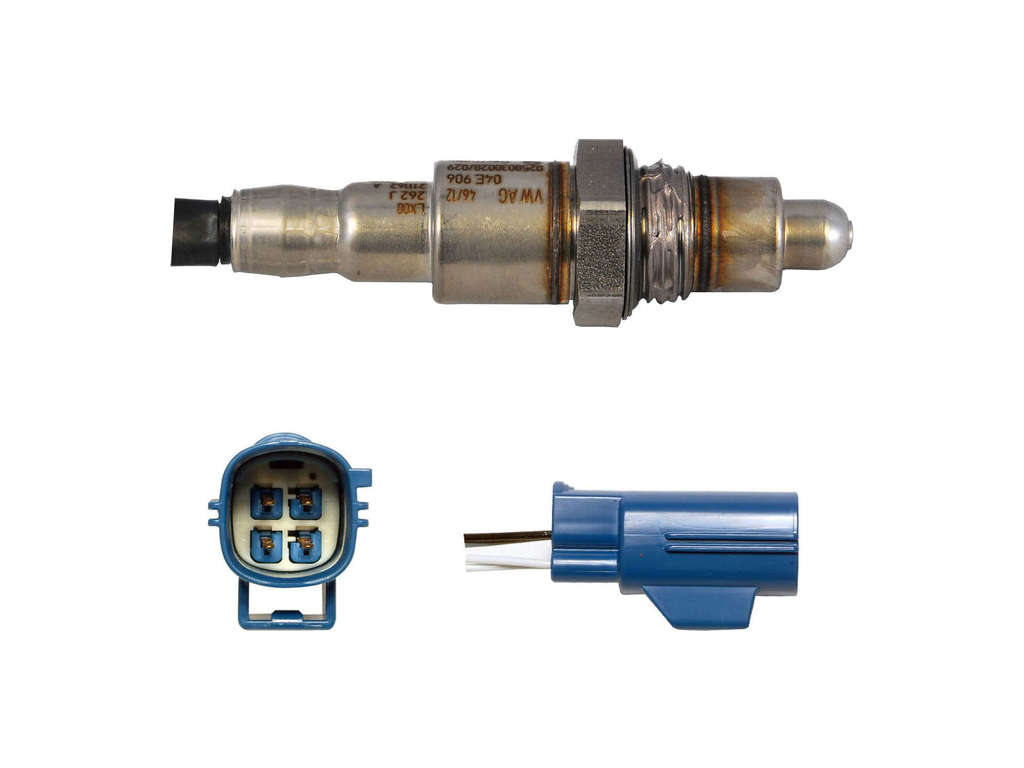
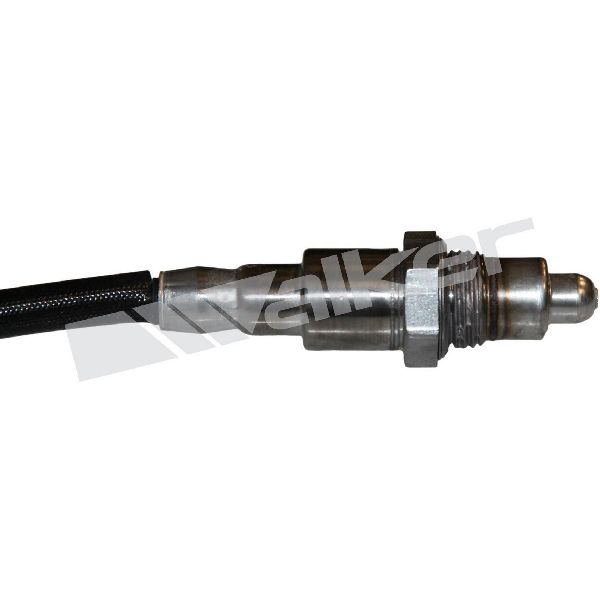
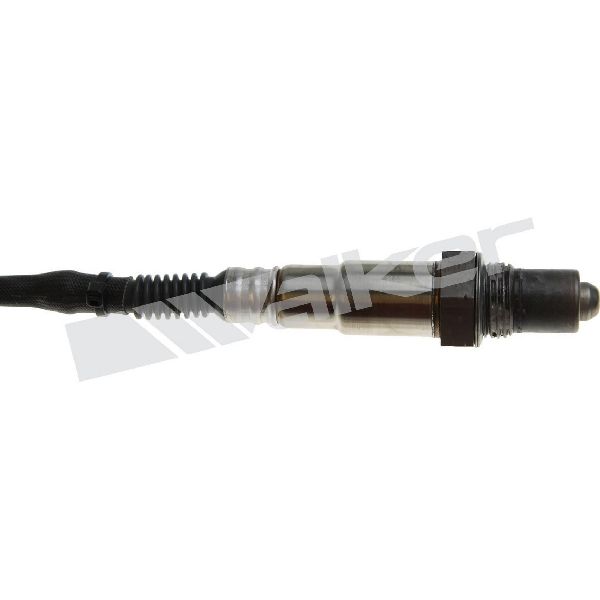
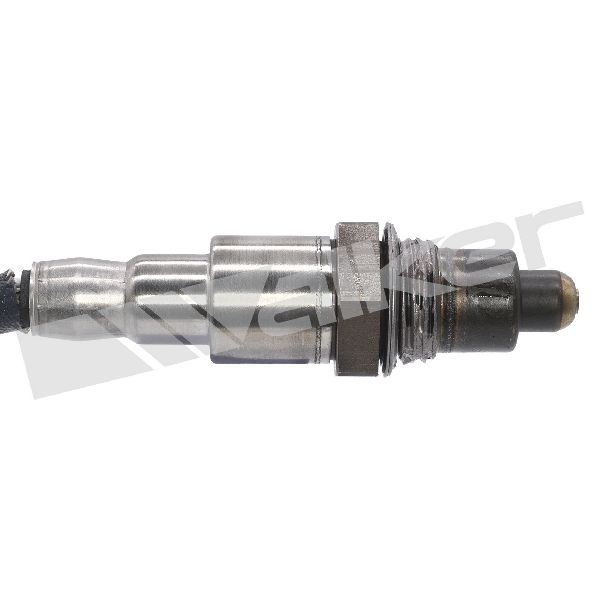
- Oxygen Sensor (Bank 1, Sensor 3)
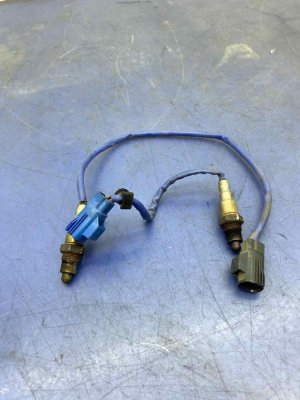
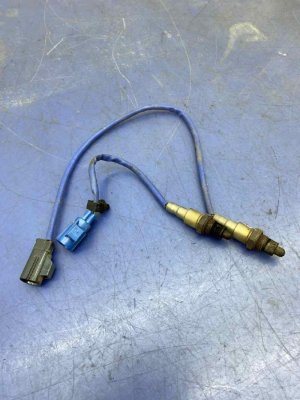
(OEM #T2H48050 (supersedes C2D54166, C2D23702))— This is the most common failure point for the P0144 code. It is the rearmost (post-catalyst) sensor on the passenger side (Bank 1). 🎬 Watch: This Jaguar oxygen sensor replacement walkthrough shows the process.
Trusted brands: Bosch, Denso, NTK
OEM price range: $150-$285
Aftermarket price range: $60-$150
Related Codes That Often Appear With This One
- P0142 — This code ('O2 Sensor Circuit Malfunction Bank 1 Sensor 3') relates to the general electrical circuit for the same sensor and may appear alongside P0144 as part of a comprehensive electrical fault.
- P0042 — This code is for the heater circuit of the same sensor (HO2S Heater Control Circuit Bank 1 Sensor 3). Heater circuit problems can cause incorrect sensor operation and temperature, leading to erroneous voltage readings and triggering P0144. Both codes are listed together in Jaguar TSBs.
Technical Service Bulletins (TSBs) & Recalls
- JTB-00392-NAS-3: Explicitly lists P0144 as a code that may be stored due to a 'post-catalyst heated oxygen sensor (HO2S) software error'. It instructs technicians to update the PCM software if no hardware fault is found. This TSB applies to 2013-2016 XJ, XF, and F-Type models.
- SSM72477: Also lists P0144 with a large group of other oxygen sensor codes, suggesting a common diagnostic procedure or software-related issue for JLR vehicles.
- JTB00392NAS1: An earlier version of the TSB, also listing P0144 and pointing to a potential software cause for a range of O2 sensor codes.
Platform-Specific Known Issues
- Jaguar has issued multiple Technical Service Bulletins (including JTB-00392-NAS-3 and SSM72477) that group P0144 with many other O2 sensor codes. This indicates a known issue where codes may be stored due to a 'software error' in the Powertrain Control Module (PCM). The fix in these cases is a software update, not a part replacement, which should be performed after confirming the sensor and wiring are good.
Mechanic-Grade Diagnostic Values
- Downstream O2 sensor voltage (live data) — expected: Slowly fluctuating between 0.1V and 0.9V.. Failure: Voltage is stuck high, at or above 0.9V - 1.0V.
- O2 Sensor Internal Resistance — expected: N/A. Failure: Do not attempt to test resistance between certain sensor pins with a standard multimeter, as the current it generates can damage the sensor's platinum electrodes.
Hidden / Shadow Codes Worth Checking
- N/A (Conceptual): While no specific shadow codes are documented, the Jaguar SDD software may log faults under 'Unrelated Events' if they don't match the primary symptoms entered by the technician. A thorough diagnosis should include checking this section for any hidden codes that could be contributing to the issue. (see via Jaguar SDD (Symptom Driven Diagnostics) dealer-level software)
Scan Tool Commands That Help
- Jaguar SDD (Symptom Driven Diagnostics): Symptom Selection / Recommendations — When starting a diagnosis, entering the symptom (e.g., 'emissions light on') allows SDD to correlate stored DTCs and provide a list of recommendations, which can include running specific pinpoint tests or referencing relevant TSBs like the one for the P0144 software error.
- Jaguar SDD (Symptom Driven Diagnostics): Vehicle Reset — After performing a repair, such as replacing a sensor or updating software, the 'Vehicle Reset' function should be used to clear adaptations and ensure all modules recognize the new state of the system.
Wiring & Ground Locations
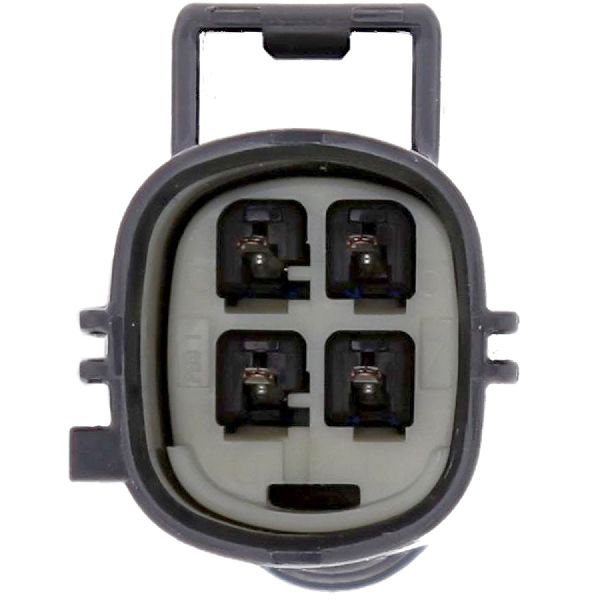
- Sensor Ground Path — The 4-wire heated O2 sensor used on this vehicle has a dedicated ground wire within its harness that runs back to the Powertrain Control Module (PCM).. Unlike older single-wire sensors that relied on a problematic ground through the exhaust pipe body, this sensor's ground is via its own wiring. A high resistance or open circuit on this ground wire can cause the signal voltage to read artificially high, triggering P0144. Verifying the integrity of the ground wire from the sensor connector to the PCM is a critical diagnostic step.
OEM Part Supersession History
C2D23702→C2D54166— Part revision or manufacturer change.C2D54166→T2H48050— Part revision or manufacturer change. T2H48050 is the most current number.
Heads up: Using older, superseded part numbers may work but it is best practice to use the latest available part (T2H48050) to ensure all design updates are included.
Model Year Variations Within This Range
- 2013+: Starting in model year 2013, Jaguar switched from Denso to Bosch for the engine management system on the 5.0L V8 and introduced the 3.0L V6 with the Bosch system. All vehicles in the 2013-2016 range use the Bosch system, making their diagnostic approach for this code consistent. This is a critical difference from pre-2013 models.
- 2016: The 2016 model year received a facelift that included a new infotainment system (InControl Touch Pro) and a switch to electric power steering on RWD models. While not directly related to the O2 sensor, these significant electrical system changes mean wiring harnesses and module communication could differ from 2013-2015 models, which is a consideration during advanced electrical diagnosis.
Helpful Videos

Used OEM Parts in Stock
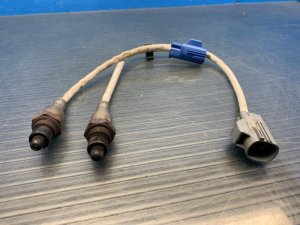
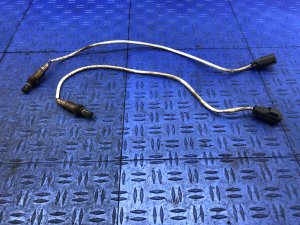
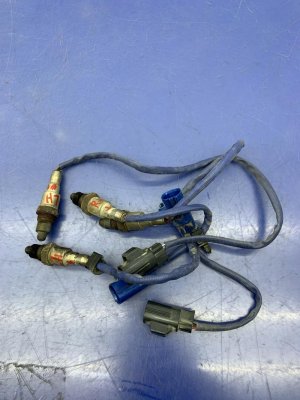
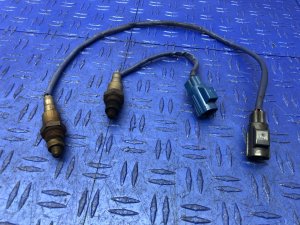
New Aftermarket Parts Available

The information in this article is provided for general reference and educational purposes only. Vehicle specifications, procedures, and part compatibility can vary by production date, trim level, and region. Always consult your vehicle's factory service manual and verify part numbers before purchasing or performing repairs. Safety-critical components such as airbags, seat belts, and braking systems should be installed by a qualified professional.
- Jaguar XJ:
- 🎬 Helpful Videos
- 🛍️ Shop This Part
- What's Unique About the 2013-2016 Jaguar XJ
- Diagnostic Flowchart
- Symptoms You May Notice
- Most Likely Causes
- Rare But Worth Checking
- Diagnosis Steps
- Parts You'll Likely Need
- Related Codes That Often Appear With This One
- Technical Service Bulletins (TSBs) & Recalls
- Platform-Specific Known Issues
- Mechanic-Grade Diagnostic Values
- Hidden / Shadow Codes Worth Checking
- Scan Tool Commands That Help
- Wiring & Ground Locations
- OEM Part Supersession History
- Model Year Variations Within This Range
- 🎟️ Get 5% Off