

P0144 on 2013-2016 Jaguar XF: Causes and Fixes for Slow O2 Sensor Response
P0144 indicates a slow response from the post-catalyst oxygen sensor on Bank 1. This is most often caused by an aged or failing sensor. Replacing the Bank 1, Sensor 3 (downstream) O2 sensor is the most common fix, with parts costing between $50 and $150. On some JLR vehicles, this is a known issue covered by an extended warranty.
- P0144 almost always points to the downstream oxygen sensor on the passenger side (Bank 1).
- The most likely fix is replacing the Bank 1, Sensor 3 O2 sensor.
- Before replacing parts, perform a quick visual inspection of the sensor's wiring for obvious damage, as this is a known issue.
- This is a DIY-friendly repair for those with basic tools, but the sensor can be difficult to access without raising the vehicle.
- If a new sensor doesn't fix the code, investigate a potential PCM software update with a dealer, referencing the TSBs.
What's Unique About the 2013-2016 Jaguar XF
This year range spans two distinct Jaguar XF generations: the X250 (2013-2015) and the X260 (2016). While the code's meaning is consistent, the physical parts may differ. Jaguar has issued several Technical Service Bulletins (TSBs) that group P0144 with a large number of other oxygen sensor codes, indicating a known pattern of faults. Specifically, TSB JTB-00392-NAS-3 suggests that in addition to replacing the faulty sensor, a PCM software update may be required to prevent the code from returning. Furthermore, Jaguar Land Rover (JLR) has initiated an extended warranty program (N245) for O2 sensors on many vehicles, including the XF, covering them for up to 15 years or 150,000 miles, which could make this repair free of charge at a dealership.
Diagnostic Flowchart
Tap your situation to follow the diagnostic path that matches what you're seeing on this vehicle.
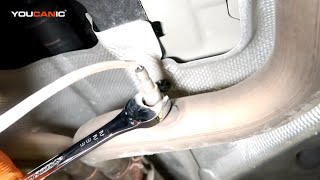
Generation note: This range covers the end of the first generation (X250; 2013-2015) and the start of the second (X260; 2016). 🎬 Watch: This 3.0L oxygen sensor replacement guide for newer models. O2 sensor part numbers and locations are generally similar for the same engines across the generation change, but always verify the part with your vehicle's VIN before purchasing. The 3.0L V6 and 5.0L V8 engines, shared with other JLR models, are particularly noted for these sensor issues.
Symptoms You May Notice
- Check Engine Light is on
- Vehicle may fail an emissions test
- Potential for slightly reduced fuel economy, though it may not be noticeable
- Strong smell of gasoline from the exhaust, as the car may run rich as a default strategy.
- Replacing the catalytic converter when the actual fault is a much cheaper O2 sensor or a simple wiring issue.
- Replacing the wrong O2 sensor (e.g., replacing the upstream sensor instead of the downstream one, or replacing the sensor on Bank 2 instead of Bank 1).
- Not checking for applicable TSBs or the extended warranty, leading to unnecessary out-of-pocket expense for a covered repair.
Most Likely Causes
- Failing or Aged Oxygen Sensor 🔴 High Probability Oxygen sensors are consumable parts that degrade over time. JLR has acknowledged manufacturing defects and quality issues with these sensors, leading to premature failure and an extended warranty program for many affected vehicles.
How to confirm: Use a scan tool to graph the voltage of Bank 1, Sensor 3. A healthy downstream sensor will show slow, lazy voltage fluctuations. A sensor that responds very slowly or has a flat-line or fixed high voltage (above 0.9V) is bad.
Typical fix: Replace the Bank 1, Sensor 3 oxygen sensor. This is the downstream sensor on the passenger side (US models). Check with a Jaguar dealer about eligibility for the O2 sensor extended warranty before purchasing parts.
Est. part cost: $50-$150 - Wiring or Connector Issue 🟡 Medium Probability The wiring harness runs under the vehicle near the hot exhaust, making it susceptible to heat damage, corrosion, or physical damage from road debris. The connector is often mounted on a bracket near the transfer case and can be damaged.
How to confirm: Visually inspect the entire wiring harness leading to the O2 sensor. Check for melted plastic, frayed wires, or corrosion inside the connector plug. Perform a continuity test on the signal and heater circuit wires to check for shorts to power or ground.
Typical fix: Repair the damaged section of the wiring harness or clean/replace the connector. In some cases of fluid ingress, a harness repair kit may be needed as specified in JLR TSBs.
Est. part cost: $10-$100 - Exhaust Leak ⚪ Low Probability Corrosion can cause leaks at exhaust pipe flanges or gaskets. A leak upstream of the sensor can introduce outside air, causing incorrect readings that the PCM may interpret as a slow response.
How to confirm: Listen for ticking or hissing sounds from the exhaust system, especially when the engine is cold. A visual inspection may reveal black soot around a leaking flange or crack. A smoke test is the most definitive way to find a leak.
Typical fix: Replace the leaking exhaust gasket or repair the leaking pipe section.
Est. part cost: $20-$200 - PCM Software Issue ⚪ Low Probability Jaguar has issued TSBs (e.g., JTB-00392-NAS-3) for O2 sensor codes that are resolved with a software update, suggesting the original PCM logic may be overly sensitive or incompatible with newer sensor revisions.
How to confirm: A Jaguar dealership or a specialized independent shop with access to Jaguar's SDD software can check if your vehicle's PCM has the latest software version. This is typically done after a sensor has been replaced but the code returns.
Typical fix: Update or re-flash the Powertrain Control Module (PCM) to the latest software version, as recommended in TSB JTB-00392-NAS-3.
Est. part cost: $0-$250
Rare But Worth Checking
- Failing Catalytic Converter: While a failing catalytic converter typically triggers a P0420 efficiency code, a partially clogged or contaminated converter can sometimes cause erratic O2 sensor readings, including a slow response. This should be considered if other causes are ruled out.
Diagnosis Steps
- Connect an OBD-II scanner and confirm P0144 is the active code. Note any other codes present, especially heater circuit or other O2 sensor codes like P0055 or P0142.
- Use the scanner's live data feature to monitor the voltage of the Bank 1, Sensor 3 O2 sensor. The voltage should fluctuate slowly. If it's stuck high (e.g., >0.9V), stuck low, or responds very slowly compared to the other downstream sensor (Bank 2, Sensor 3), the sensor is suspect.
- Perform a thorough visual inspection of the sensor's wiring harness and connector. Look for any signs of melting, chafing, corrosion, or fluid contamination.
- Inspect the exhaust system for leaks between the engine and the downstream O2 sensor. A smoke test is the most effective method.
- If wiring and exhaust integrity are good, the O2 sensor is the most likely culprit. Before purchasing a replacement, contact a Jaguar dealer with your VIN to check for open recalls or coverage under the O2 sensor extended warranty program (N245).
- If replacing the sensor, use a quality OEM or aftermarket part (e.g., Bosch, Denso). The OEM part number for many V6/V8 models is C2D54167.
- If a new sensor does not resolve the issue, the vehicle likely needs a PCM software update. Check with a dealer or specialist with JLR SDD software about performing the update outlined in TSB JTB-00392-NAS-3.
- If all else fails, consider a more in-depth diagnosis of the catalytic converter's health or a potential PCM fault.
Parts You'll Likely Need
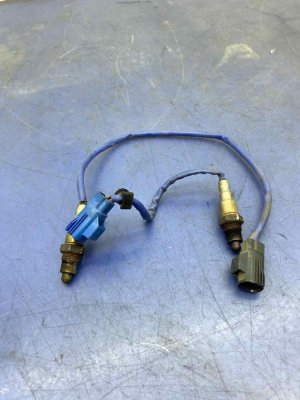
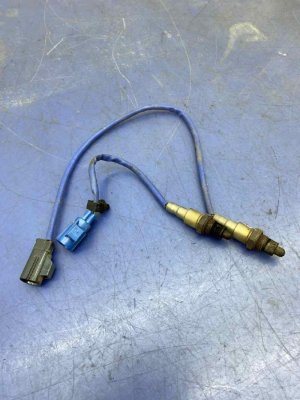
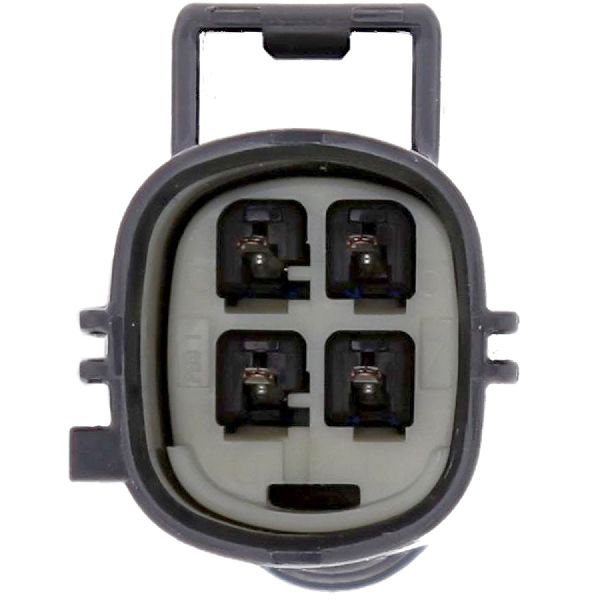
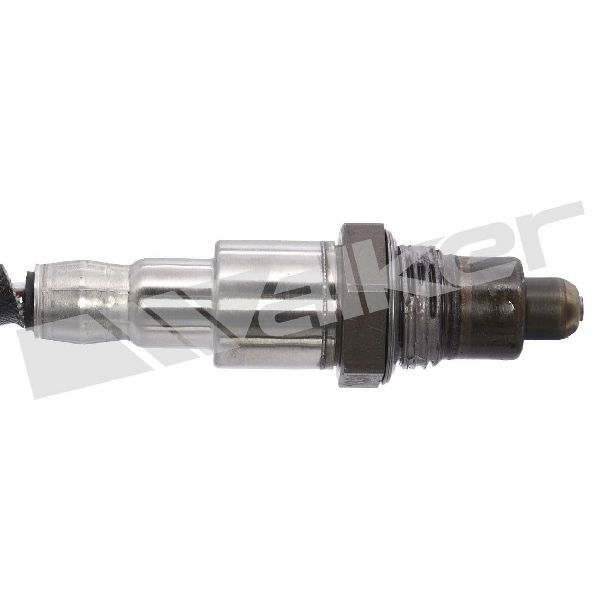
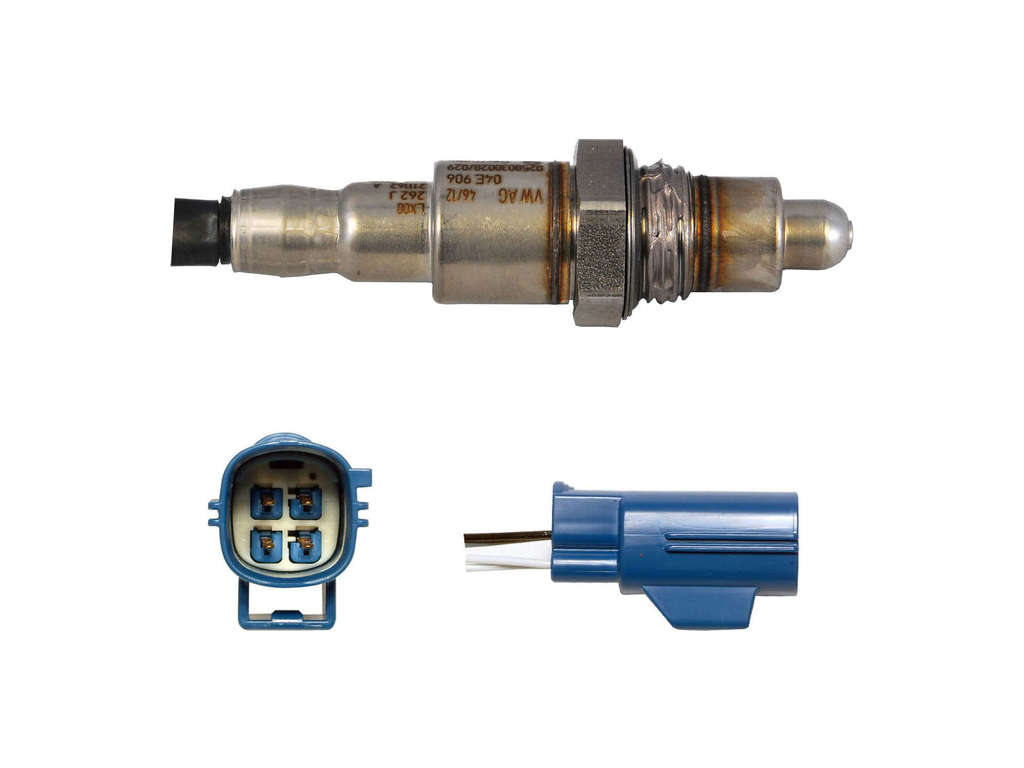
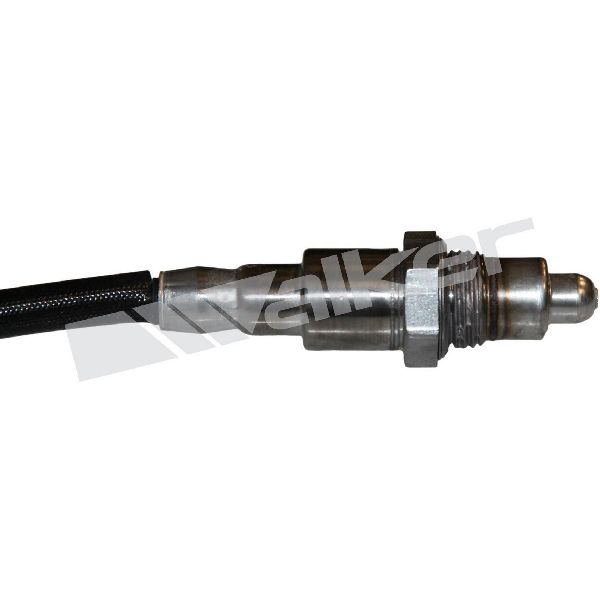
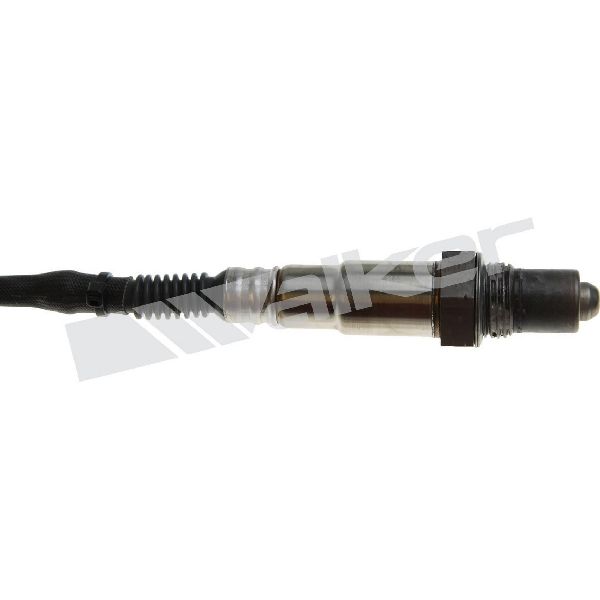
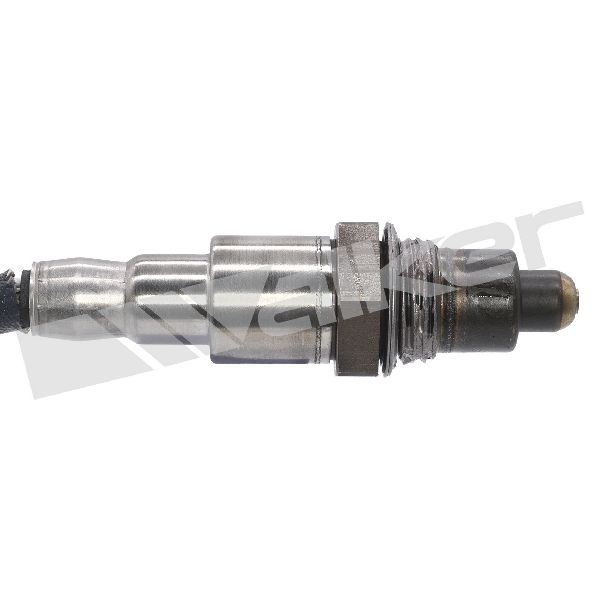
- Oxygen Sensor (Bank 1, Sensor 3)
(OEM #C2D54167)— This is the component that directly generates the signal the PCM is flagging as slow. It is a common wear-and-tear item and the most frequent cause of P0144, with known manufacturing issues on JLR vehicles.
Trusted brands: Bosch, Denso, Walker Products
OEM price range: $120-$200
Aftermarket price range: $50-$150
Related Codes That Often Appear With This One
- P0142 — This code indicates a circuit malfunction for the same sensor (Bank 1, Sensor 3), suggesting a potential wiring or connector problem common to both faults.
- P0055 — This code points to a problem with the heater circuit for Bank 1, Sensor 3. Since the heater is part of the sensor assembly, this code often appears with P0144 when the sensor itself fails.
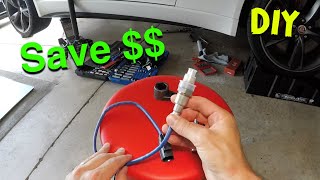
- P0042 — This is a heater control circuit code for Bank 1, Sensor 3. An F-Type owner with the same engine reported receiving P0042 and P0142 together, pointing to a failed B1S3 sensor. 🎬 See this DIY walkthrough for replacing the sensor on JLR engines.
Technical Service Bulletins (TSBs) & Recalls
- SSM72477: Groups P0144 with numerous other post-catalyst O2 sensor codes.
- JTB-00392-NAS-3: Notes P0144 and other codes can be stored in the PCM and recommends sensor replacement and a software update as the fix.
- JTB00392NAS1: Notes P0144 and other codes can be stored in the ECM.
Platform-Specific Known Issues
- Jaguar issued Technical Service Bulletin #JTB-00392-NAS-3, which acknowledges that codes including P0144 can be stored. The fix involves replacing the affected O2 sensor and performing a PCM software update.
- A similar bulletin, #JTB00392NAS1, notes these codes being stored in the Engine Control Module (ECM).
- Bulletin #SSM72477 also lists P0144 in a large group of codes related to post-catalyst heated oxygen sensors, indicating a known pattern of faults in this system.
- Jaguar Land Rover North America has an extended warranty program (Customer Satisfaction Program N245) for O2 sensors on many 3.0L and 5.0L models, extending coverage to 15 years / 150,000 miles. Owners may be eligible for a free repair at an authorized dealer.
Mechanic-Grade Diagnostic Values
- O2 Sensor Heater Circuit Resistance — expected: Approximately 4-25 Ohms between the two same-colored heater wires (often black).. Failure: An open circuit (no reading) or a reading significantly outside the expected range indicates a failed heater element within the sensor.
- Downstream O2 Sensor (Sensor 3) Voltage at Idle — expected: A relatively stable voltage, typically between 0.5V and 0.8V on a warm engine with a healthy catalytic converter.. Failure: A voltage that is stuck high (above 0.9V), stuck low (below 0.1V), or fluctuating rapidly like an upstream sensor indicates a problem with the sensor or catalytic converter.
Hidden / Shadow Codes Worth Checking
- N/A (Procedural Note): While no specific shadow codes were found, technicians using Jaguar's SDD software should be aware that some DTCs may not appear under 'Related Events' if the initial symptoms are not selected correctly. It may be necessary to check the 'Unrelated Events' section to see all stored codes. (see via Jaguar SDD Software)
Scan Tool Commands That Help
- Jaguar SDD (Symptom Driven Diagnostics): Live Data Monitoring / Datalogger — To graph the live voltage and current of the Bank 1 Sensor 3 O2 sensor after the engine is warm. A flat or non-responsive line confirms a sensor fault.
- Jaguar SDD (Symptom Driven Diagnostics): Configure existing powertrain control module — To perform a software update on the PCM as recommended by TSB JTB-00392-NAS-3, especially if the P0144 code returns after sensor replacement.
- Jaguar SDD (Symptom Driven Diagnostics) or other advanced scanner: Vehicle Reset / Clear Adaptations — After replacing the O2 sensor, it is critical to clear the fuel trim and other learned adaptations so the ECU can relearn with data from the new, functioning sensor.
Wiring & Ground Locations
- Bank 1 Sensor 3 Connector — Under the vehicle on the passenger side (for LHD models), following the wiring from the O2 sensor located after the final catalytic converter.. This connector and its wiring are exposed to significant heat and road debris, making them prone to melting, corrosion, or physical damage which can cause a short or open circuit.
- Engine/Transmission Ground Strap — A braided ground strap is often located on the lower frame rail, connecting to the transmission bell housing or engine block.. A poor ground connection can introduce electrical noise and voltage offsets, potentially causing the ECM to misinterpret the O2 sensor's signal voltage, leading to a P0144 code.
- Connector PI61 (Potential Issue) — On some Jaguar models, a large harness connector known as PI61 is located behind the right-side headlight under the washer fluid filler cap.. This connector has been known to suffer from corrosion on other models, and since O2 sensor wiring passes through it, it should be inspected for corrosion or damage if direct sensor/wiring checks do not resolve the issue.
Real Owner Repair Stories
- JaguarForums.com user reports (2013 Jaguar XF 5.0 SC and 2017 F-Type V6 (shared engine architecture)) — Check Engine Light with codes P0144, P0055, and P0142.
❌ Tried (didn't work) Initial diagnosis was uncertain without live data.
✅ What actually fixed it For one owner, live data on the Jaguar SDD tool showed flatlined, unresponsive readings from the O2 sensors. The definitive fix was to replace all four O2 sensors with new OEM Denso units. Another owner confirmed the location of Bank 1, Sensor 3 as the passenger-side post-catalyst sensor, which is a critical detail for DIY repair.
OEM Part Supersession History
C2D23703→C2D54167— Standard part revision and update by Jaguar.C2D54167→T2R54607— Standard part revision and update by Jaguar. Denso is the OEM manufacturer.
Heads up: This is the latest known part number for many X250 V6/V8 applications.
Model Year Variations Within This Range
- 2013-2015 (X250) vs. 2016 (X260): The vehicle underwent a major redesign for the 2016 model year, becoming the X260 generation. While the 3.0L V6 and 5.0L V8 engines were carried over, some ancillary parts, including O2 sensors, may have different part numbers. For example, some X260 3.0L models use sensor T2H48050. Always confirm part numbers with the vehicle's VIN, especially for the 2016 model year.
Helpful Videos
Used OEM Parts in Stock
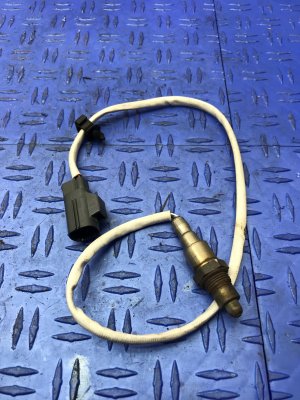
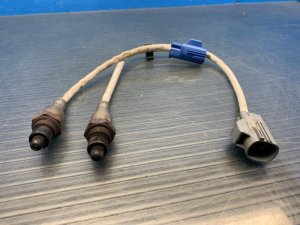
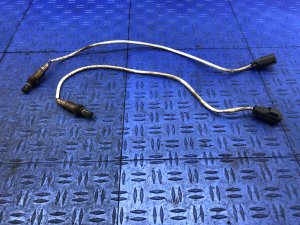
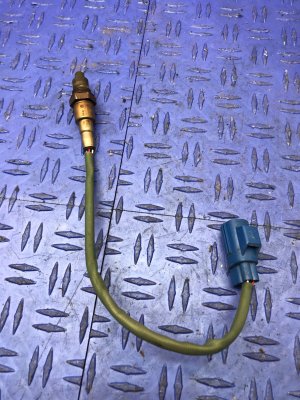
New Aftermarket Parts Available

The information in this article is provided for general reference and educational purposes only. Vehicle specifications, procedures, and part compatibility can vary by production date, trim level, and region. Always consult your vehicle's factory service manual and verify part numbers before purchasing or performing repairs. Safety-critical components such as airbags, seat belts, and braking systems should be installed by a qualified professional.
- Jaguar XF:
- 🎬 Helpful Videos
- 🛍️ Shop This Part
- What's Unique About the 2013-2016 Jaguar XF
- Diagnostic Flowchart
- Symptoms You May Notice
- Most Likely Causes
- Rare But Worth Checking
- Diagnosis Steps
- Parts You'll Likely Need
- Related Codes That Often Appear With This One
- Technical Service Bulletins (TSBs) & Recalls
- Platform-Specific Known Issues
- Mechanic-Grade Diagnostic Values
- Hidden / Shadow Codes Worth Checking
- Scan Tool Commands That Help
- Wiring & Ground Locations
- Real Owner Repair Stories
- OEM Part Supersession History
- Model Year Variations Within This Range
- 🎟️ Get 5% Off