

P0142 on 2013-2016 Jaguar XF: O2 Sensor Circuit Malfunction Causes and Fixes
On 2013-2015 Jaguar XF models with V6 or V8 engines, this code is most often caused by a PCM software glitch detailed in TSB JTB-00392-NAS-3. The official fix requires replacing the Bank 1, Sensor 3 oxygen sensor and performing a mandatory software update at a dealer or qualified shop. For 2016 models, a faulty sensor is the primary suspect, though the underlying issue may still be related to known manufacturing defects.
- For a 2013-2015 Jaguar XF, do not just replace the O2 sensor for code P0142. A PCM software update is critical to prevent the code from returning.
- The faulty sensor is Bank 1, Sensor 3, which is the rearmost sensor on the passenger side of the vehicle.
- For a 2016 model, the sensor itself is the most likely culprit, but a wiring inspection is still recommended before replacement.
- The vehicle remains safe to drive in the short term, but the issue should be addressed to pass emissions testing and prevent potential long-term damage to the catalytic converter.
What's Unique About the 2013-2016 Jaguar XF
Unlike many vehicles where P0142 points to a simple sensor failure, Jaguar issued a Technical Service Bulletin (JTB-00392-NAS-3) for 2013-2015 models specifically addressing this code. The bulletin reveals that a software error in the Powertrain Control Module (PCM) is a primary cause, which necessitates a software update in addition to replacing the sensor to achieve a permanent fix. Simply replacing the sensor without the update will likely result in the code returning, a common frustration mentioned by owners.
Diagnostic Flowchart
Tap your situation to follow the diagnostic path that matches what you're seeing on this vehicle.
Generation note: This range covers two Jaguar XF generations: the end of the first generation (X250, 2013-2015) and the start of the second (X260, 2016). TSB JTB-00392 explicitly applies to the 2013-2015 X250 models, identifying a software bug. A separate TSB for 2016 models (SSM72477) acknowledges sensor faults but does not specify a software fix, making a defective sensor the more likely standalone cause for the newer X260 generation.
Symptoms You May Notice
- Check Engine Light is on.
- Potential for slightly reduced fuel economy.
- Vehicle will fail an emissions test.
- Rough idling or engine hesitation in some rare cases.
- Excessive exhaust smoke is possible in rare instances.
- On 2013-2015 models, replacing the oxygen sensor without performing the corresponding PCM software update. The code will likely return, as noted by owners on forums who have had to make a second trip to the dealer.
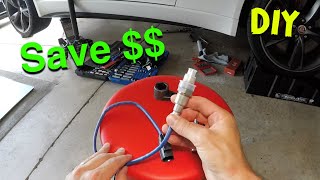
- Replacing the wrong sensor. The V6 and V8 engines have up to six O2 sensors (three per bank), and their locations can be confusing. P0142 is definitively for Bank 1 (passenger side) Sensor 3 (rearmost). 🎬 Watch: A DIY walkthrough for replacing Jaguar oxygen sensors.
Most Likely Causes
- PCM Software Error & Faulty Oxygen Sensor 🔴 High Probability A documented software error in the PCM for 2013-2015 models can cause the system to incorrectly flag a functioning O2 sensor as faulty, as detailed in TSB JTB-00392-NAS-3.
How to confirm: A Jaguar dealer or specialist with access to the SDD diagnostic tool (loaded with DVD146 v.241 or later) can check if TSB JTB-00392-NAS-3 applies to the vehicle's VIN and if the PCM software is outdated. The TSB covers a wide range of O2 sensor codes, not just P0142.
Typical fix: Replace the Bank 1, Sensor 3 oxygen sensor and update the PCM software. The TSB states, "The new software will prevent any further concerns." This must be done at a dealer or a shop with the appropriate Jaguar diagnostic equipment.
Est. part cost: $70-$200 - Faulty Bank 1, Sensor 3 Oxygen Sensor 🟡 Medium Probability This is the most common cause for 2016 models per TSB SSM72477. The sensor's internal heating element can fail, or the sensor can degrade over time. Denso is the original equipment manufacturer (OEM) for these sensors.
How to confirm: After visually inspecting the wiring, test the sensor's heater circuit resistance and signal voltage with a multimeter. A reading outside of the manufacturer's specification indicates a failed sensor. A scan tool showing a flatline voltage from the sensor also points to failure.
Typical fix: Replace the Bank 1, Sensor 3 oxygen sensor. It is accessible from underneath the vehicle, but a special slotted oxygen sensor socket is required for removal. 🎬 See this video for replacing sensors on 3.0L Jaguar engines.
Est. part cost: $70-$200 - Damaged Wiring or Connectors ⚪ Low Probability The wiring harness runs underneath the vehicle and is exposed to road debris, water, and extreme exhaust heat, which can cause corrosion in the connector or physical damage like melting or chafing over time.
How to confirm: Visually inspect the entire wiring harness from the O2 sensor to the main loom for any signs of melting, chafing, corrosion in the connector, or broken wires. Check for continuity with a multimeter.
Typical fix: Repair the damaged section of the wiring harness or replace the connector pigtail.
Est. part cost: $15-$50
Rare But Worth Checking
- Exhaust Leak: A leak in the exhaust system upstream of the sensor can allow outside air to enter, skewing the sensor's readings and potentially triggering a circuit code. Check for soot marks or listen for hissing noises around exhaust flanges and welds, especially near the catalytic converter.
- Powertrain Control Module (PCM) Failure: While very rare, the PCM itself can fail. A replacement PCM for a Jaguar XJ (a platform mate) can cost over $2,200 for the part alone. This should only be considered after all other possibilities, including the software update, have been exhausted by a professional.
Diagnosis Steps
- Scan the PCM for P0142 and any other related codes. Note all codes present.
- For 2013-2015 models, check for the applicability of TSB JTB-00392-NAS-3 using the vehicle's VIN. This is the most critical step and dictates the repair path.
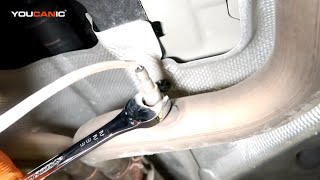
- Perform a thorough visual inspection of the Bank 1, Sensor 3 oxygen sensor, its connector, and the wiring harness. It is located on the passenger side, post-catalytic converter. Look for any signs 🎬 Watch: This video shows the sensor replacement process on an XF. of melting, corrosion, or physical damage.
- If wiring appears intact, use a multimeter to test the sensor's internal heater circuit for proper resistance. Compare the reading to the manufacturer's specification. A typical range for a good heater circuit is between 12 Ω and 30 Ω.
- With the engine running, use a scan tool to monitor the live data from the O2 sensor. A flatline or unresponsive voltage signal suggests a failed sensor.
- Check the exhaust system for any leaks between the engine and the Sensor 3 location. Listen for hissing sounds and look for black soot marks.
- If the sensor and wiring test good, especially on a 2013-2015 model, the issue is almost certainly the PCM software. Proceed with replacing the sensor and performing the software update as per the TSB.
Parts You'll Likely Need
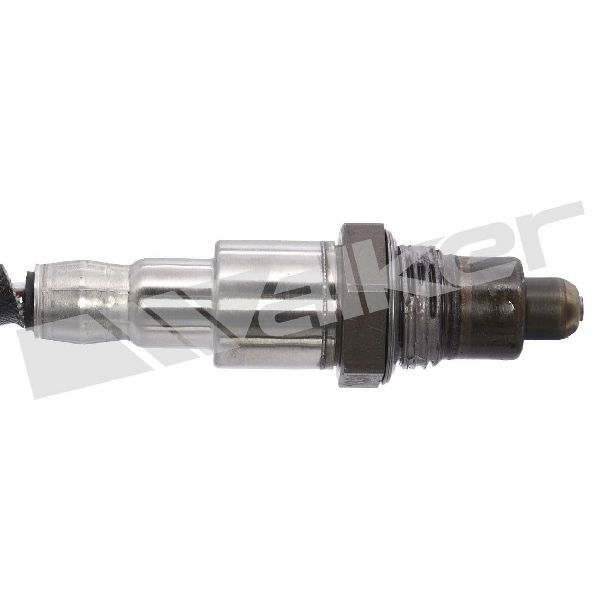
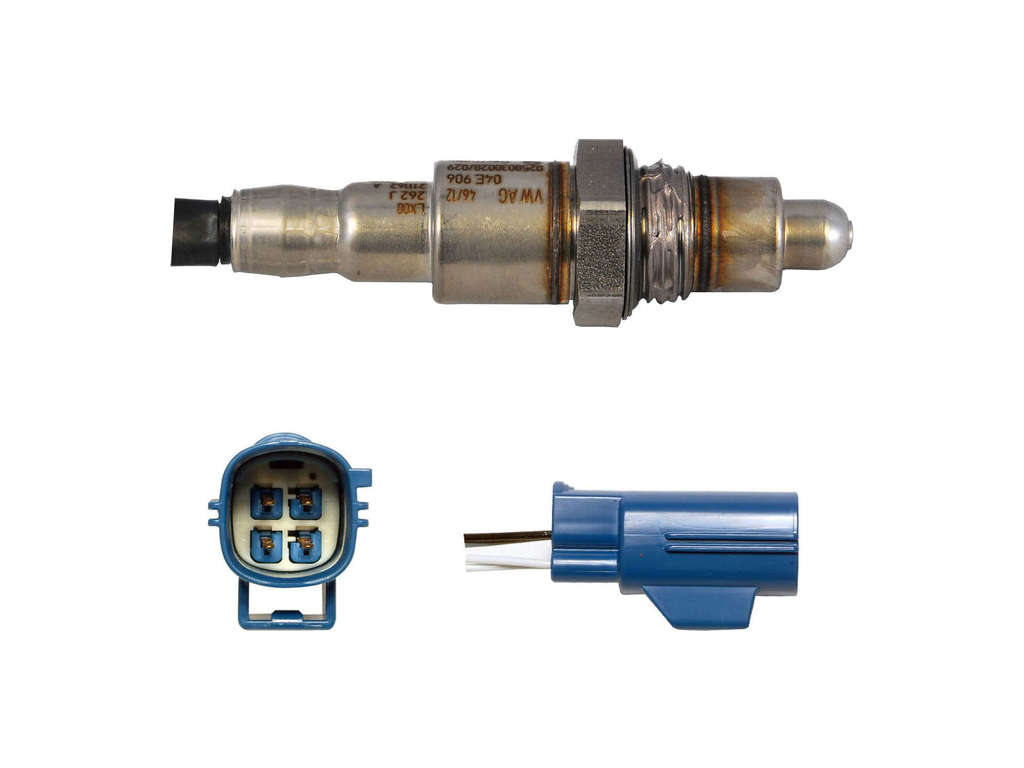
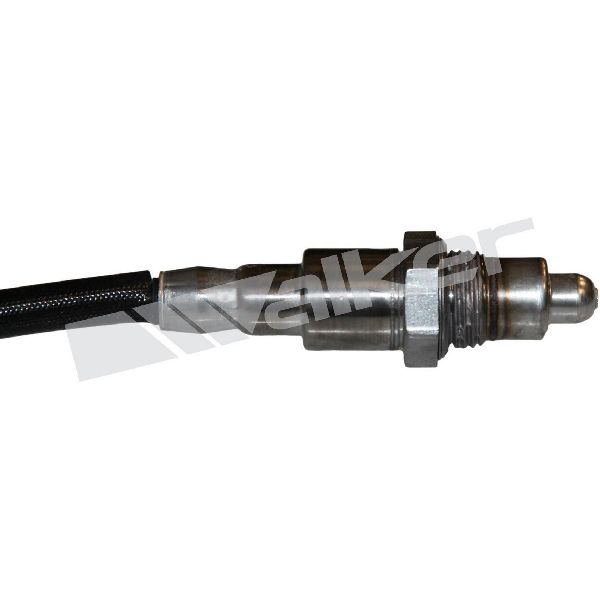
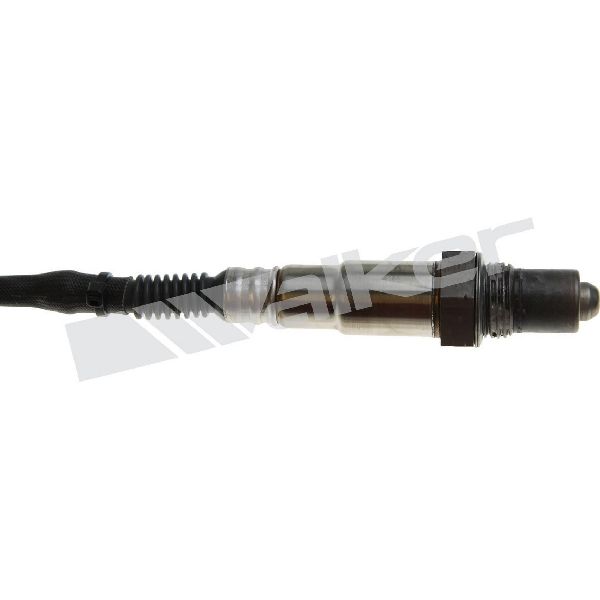
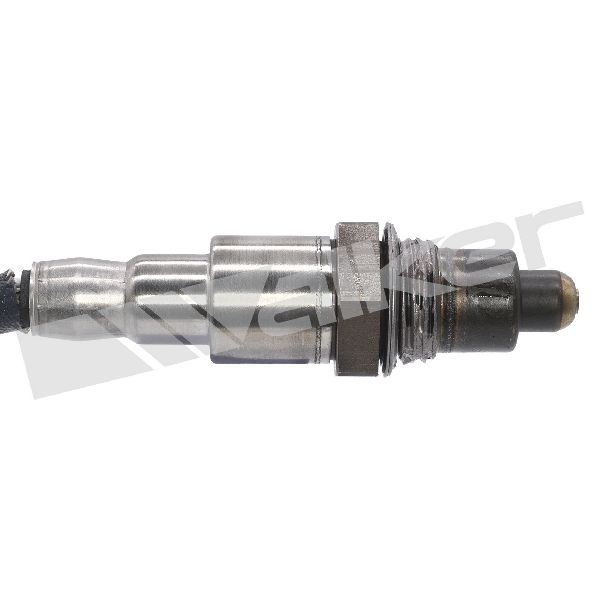
- Oxygen Sensor (Bank 1, Sensor 3)
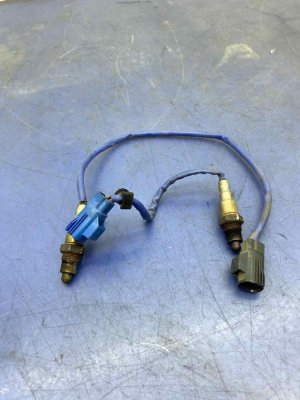
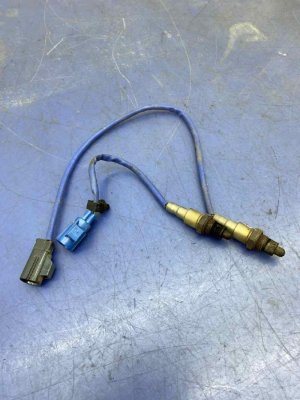
(OEM #C2D23702)— This is the component that fails or is flagged as failed by the PCM. It must be replaced as part of the TSB procedure or if it has failed on its own.
Trusted brands: Jaguar (OEM), Denso (OEM supplier), Bosch, NTK, Walker
OEM price range: $150-$255
Aftermarket price range: $70-$150
Related Codes That Often Appear With This One
- P0042 — This code relates to the Bank 1, Sensor 3 heater control circuit. It is explicitly listed in the same Jaguar TSB (JTB-00392-NAS-3) and points to the same underlying software and sensor issues.
- P0162 — This is the equivalent code for Bank 2, Sensor 3. The TSBs group many O2 sensor codes together, indicating a common software issue can trigger faults on multiple sensors, sometimes simultaneously.
Technical Service Bulletins (TSBs) & Recalls
- JTB-00392-NAS-3: Details a software error causing P0142 and other O2 sensor codes on 2013-2015 models, requiring sensor replacement and a PCM software update.
- JTB00392NAS1: An earlier version of the same bulletin, also identifying the software error and listing relevant part numbers.
- SSM72477: Acknowledges a high incidence of O2 sensor fault codes, including P0142, on 2016 models where the sensor itself is determined to be the fault after diagnosis.
Platform-Specific Known Issues
- TSB JTB-00392-NAS-3 (for 2013-2015 XF) states that a software error can cause this code. The fix requires replacing the indicated sensor and updating the PCM software. The TSB explicitly states, "It is very unlikely for both sensors to fail simultaneously. The new software will prevent any further concerns."
- TSB SSM72477 (for 2016 XF) notes that this code may be set and diagnosis may point to a faulty sensor even if the wiring is intact, suggesting a high rate of sensor failure.
- Owner Experience: A user on JaguarForums.com with a 2013 XF 5.0 Supercharged confirmed their P0142 issue was resolved by replacing the Bank 1, Sensor 3 sensor, which they noted was in a 'tight work area' past the passenger-side catalytic converter.
Mechanic-Grade Diagnostic Values
- O2 Sensor Heater Circuit Resistance — expected: 12 Ω to 30 Ω. Failure: An open circuit (> 1 kΩ) or a short circuit (< 5 Ω) indicates a failed heater element. One forum user noted a target of around 12 Ω for a good downstream sensor.
- Downstream O2 Sensor Signal Voltage (at operating temperature) — expected: Should hover between 0.1V (lean) and 0.9V (rich). Unlike upstream sensors that fluctuate rapidly, a healthy downstream sensor's voltage should be relatively stable.. Failure: A voltage that is stuck, flatlined, or unresponsive indicates a sensor or circuit malfunction.
- Engine Grounding Point Voltage Drop — expected: Well under 0.5V (500mV) when cranking the engine.. Failure: A reading higher than 0.5V indicates a poor ground connection, which can cause various electrical issues, including erroneous sensor codes.
Scan Tool Commands That Help
- Jaguar SDD (Symptom Driven Diagnostics): Recommendations Tab / Unrelated Events — After an initial scan, the 'Recommendations' tab will often link the DTC to a specific TSB, like the crucial software update for P0142. If a code doesn't appear related to the selected symptoms, checking 'Unrelated Events' can reveal underlying issues the system has logged but not prioritized.
- Jaguar SDD (Symptom Driven Diagnostics): Vehicle Reset — After performing a repair, such as replacing a component and updating software, a 'vehicle reset' should be performed to clear adaptations and ensure all modules recognize the new state of the system.
Wiring & Ground Locations
- Bank 1 Sensor 3 Connector — The sensor is located on the passenger side exhaust pipe, after the final catalytic converter. The wiring traces up into the engine bay, where the connector is located.. This is the primary connector to inspect for corrosion, damage, or loose pins when diagnosing a P0142 circuit malfunction.
- Engine Grounding Strap — Located directly under the starter on the right (passenger) side, connecting the engine/transmission to the lower frame of the car.. A poor engine ground can cause a host of erratic electrical problems and incorrect sensor readings. Verifying this connection is a key step in diagnosing any persistent, hard-to-trace electrical fault code.
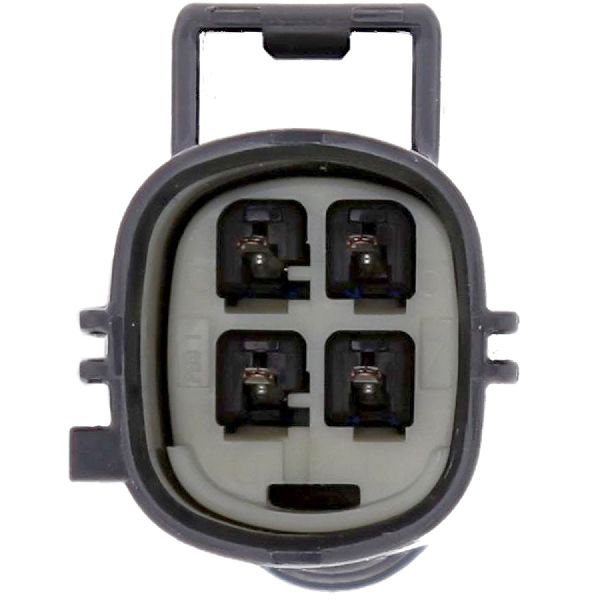
- Bank 1 Downstream Sensor Wiring (Vehicle Side) — At the harness connector for the Bank 1 downstream O2 sensor.. Knowing the wire colors and pin functions is essential for testing the circuit with a multimeter. For Bank 1: Pin 1 (Blue) is heater ground, Pin 2 (White/Green) is heater power, Pin 3 (White) is sensor ground, and Pin 4 (Brown) is the signal wire.
Real Owner Repair Stories
- JaguarForums.com user 'SunFlower' (2013 Jaguar XF 5.0 Supercharged) — Check Engine Light with code P0142.
❌ Tried (didn't work) The user did not report trying other fixes first.
✅ What actually fixed it The user confirmed that replacing the Bank 1, Sensor 3 oxygen sensor resolved the issue. They noted it was located past the passenger-side catalytic converter in a 'tight work area' and that the vehicle needed to be raised significantly to access it.
OEM Part Supersession History
C2D23702→C2D27350, C2D54165— Standard part evolution and supplier changes.
Heads up: A forum user noted confusion between different part numbers offered by various dealer sites for the same sensor, highlighting the importance of verifying the correct part number with a VIN at a dealership. Jaguar's official parts site indicates C2D23702 has been superseded.
Helpful Videos

Used OEM Parts in Stock
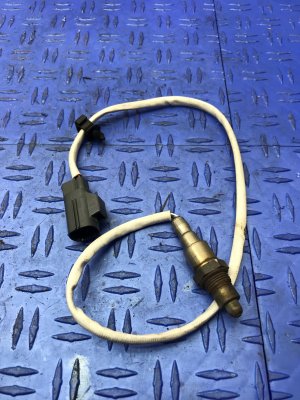
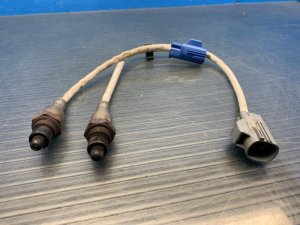
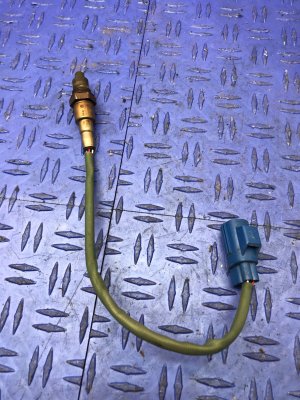
New Aftermarket Parts Available

The information in this article is provided for general reference and educational purposes only. Vehicle specifications, procedures, and part compatibility can vary by production date, trim level, and region. Always consult your vehicle's factory service manual and verify part numbers before purchasing or performing repairs. Safety-critical components such as airbags, seat belts, and braking systems should be installed by a qualified professional.
- Jaguar XF:
- 🎬 Helpful Videos
- 🛍️ Shop This Part
- What's Unique About the 2013-2016 Jaguar XF
- Diagnostic Flowchart
- Symptoms You May Notice
- Most Likely Causes
- Rare But Worth Checking
- Diagnosis Steps
- Parts You'll Likely Need
- Related Codes That Often Appear With This One
- Technical Service Bulletins (TSBs) & Recalls
- Platform-Specific Known Issues
- Mechanic-Grade Diagnostic Values
- Scan Tool Commands That Help
- Wiring & Ground Locations
- Real Owner Repair Stories
- OEM Part Supersession History
- 🎟️ Get 5% Off