

P0141 on 2019-2023 Subaru Forester: O2 Heater Circuit Causes and Fixes
On a 2019-2023 Subaru Forester, code P0141 almost always means the rear (downstream) oxygen sensor has failed. The internal heater circuit burns out, requiring replacement of the sensor. Expect to pay $170-$260 for an OEM sensor and around $75 for an aftermarket one. It's a straightforward DIY repair for many owners, though using non-OEM sensors can sometimes cause the code to return.
- P0141 on your Forester almost certainly means the rear O2 sensor's internal heater has failed.
- Subaru is aware of this issue and released an updated part (TSB 09-115-24R) to be more durable.
- It is a very DIY-friendly repair; the main challenge is often just un-seizing the old sensor from the exhaust pipe.
- Using an OEM or OE-equivalent (Denso/NTK) sensor is strongly recommended, as some aftermarket brands are known to cause issues on Subarus.
- You can continue driving the vehicle, but you will fail an emissions test and may have slightly worse MPG until it is fixed.
What's Unique About the 2019-2023 Subaru FORESTER

The 2019-2023 Subaru Forester (SK generation) with the FB25-DI engine is generally reliable, but like many modern cars, its emissions components are sensitive. The P0141 code is a common issue as these vehicles accumulate mileage. 🎬 Watch: Understanding P0141 symptoms and common causes Subaru has acknowledged issues with this sensor by issuing a Technical Service Bulletin (TSB) announcing a redesigned part to prevent internal cracking and short circuits. 🎬 See why the O2 heater circuit fails and how to fix it While the cause is almost always a failed sensor, some owners have reported that using non-OEM sensors can cause the code to return, suggesting the system can be particular about the replacement part's specifications.
Diagnostic Flowchart
Tap your situation to follow the diagnostic path that matches what you're seeing on this vehicle.
Symptoms You May Notice
- Check Engine Light is on
- In some cases, other warning lights like traction control may illuminate and cruise control may be disabled (a common Subaru behavior when any CEL is present)
- Vehicle will fail an emissions test
- Potentially a slight decrease in fuel mileage
- The code may appear intermittently, with the Check Engine Light turning on and off over several drive cycles.
- Replacing the upstream (front) oxygen sensor. P0141 specifically refers to Sensor 2, which is the rear sensor after the catalytic converter.
- Replacing the catalytic converter. A bad converter typically sets a P0420 code, not a P0141 heater circuit code.
Most Likely Causes

- Failed Rear (Downstream) Oxygen Sensor 🔴 High Probability The internal heater element within the O2 sensor is a common failure point due to constant, rapid heat cycles. Subaru issued TSB #09-115-24R for the 2019-2023 Forester (and other models) announcing a new sensor design with an 'optimized coating application to help prevent cracking within the internal surfaces reducing any possibility of short/open circuits,' directly addressing this failure mode.
How to confirm: The most definitive test is to use a multimeter to check the resistance across the two heater circuit pins on the sensor's connector (typically the two same-colored wires). A reading of infinite resistance (open circuit) or a value far outside the typical 5-10 ohm range confirms the heater has failed. However, given the high probability and the TSB, many owners opt to replace the sensor directly.
Typical fix: Replace the Bank 1, Sensor 2 (downstream) oxygen sensor. Using an OEM or OE-equivalent (Denso, NTK) part is highly recommended.
Est. part cost: $75-$260 - Damaged Wiring or Connector ⚪ Low Probability The sensor is located under the vehicle and its wiring is exposed to road debris, moisture, and heat, which can cause damage over time. A visual inspection is key.
How to confirm: Visually inspect the wiring harness leading to the rear O2 sensor for any signs of fraying, melting, or corrosion. Check that the connector is securely plugged in and the pins are clean and not bent. With the key on, check for battery voltage (~12V) at the heater power pin on the harness side of the connector; a reading significantly lower, like 6-7V, indicates a problem in the supply circuit.
Typical fix: Repair the damaged section of wire or clean/replace the connector. Pigtail kits are available for this purpose.
Est. part cost: $5-$50 - Blown Fuse ⚪ Low Probability A short in the heater circuit can sometimes cause the associated fuse to blow, cutting power to the heater.
How to confirm: Consult the owner's manual to locate the fuse for the O2 sensor heater circuit (often labeled 'A/F Heater' or similar) and check if it is blown. This is a quick and easy check before buying parts.
Typical fix: Replace the blown fuse. If it blows again, a short circuit in the wiring or sensor must be found and fixed.
Est. part cost: $1-$5
Rare But Worth Checking
- Broken Exhaust Ground Strap: Subaru engines rely on good grounding. While not a direct cause for P0141, a broken or corroded exhaust ground strap can cause a range of electrical issues and codes. Some owners have fixed seemingly unrelated codes by ensuring the exhaust is properly grounded to the chassis. It's a simple visual check worth performing.
- Faulty Engine Control Module (ECM): This is extremely rare. The ECM is the last thing to suspect and should only be considered after all other possibilities (sensor, wiring, fuses) have been exhaustively ruled out by a professional.
- Loose Gas Cap: While a loose gas cap typically triggers an EVAP system code (like P0457), at least one Forester owner reported that tightening a loose gas cap made a P0141 code disappear. This is highly unusual but takes seconds to check.
Diagnosis Steps

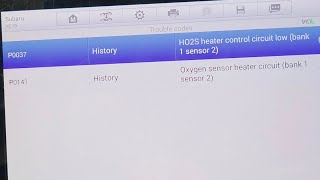
- Read the code with an OBD-II scanner to confirm P0141 is present.
- Visually inspect the rear oxygen sensor's wiring harness and connector for any obvious damage, melting, or corrosion. Ensure the connector is seated properly.
- Check for a broken or missing exhaust ground strap near the sensor.
- Locate and check the fuse for the O2 sensor heater circuit in the vehicle's fuse box (check manual for 'A/F Heater' or similar).
- If the wiring and fuse are okay, the rear O2 sensor itself is almost certainly the culprit. Replacing it is the most common fix.
- (Advanced) Before replacing, disconnect the sensor and use a multimeter to measure the resistance between the two heater pins (usually the two same-colored wires). A reading between 5 and 10 ohms is expected; a 2018 Crosstrek specification is 5.6 Ohms +/- 0.8. An open circuit (infinite resistance) confirms a failed heater element.
- (Advanced) Check for power at the harness connector. With the key on, you should measure battery voltage (~12V) between the heater power and ground pins. A low reading points to a wiring issue upstream.
- After replacement, clear the code with the scanner. The check engine light should remain off after a few drive cycles. Some owners report the light will clear on its own after a few starts.
Parts You'll Likely Need

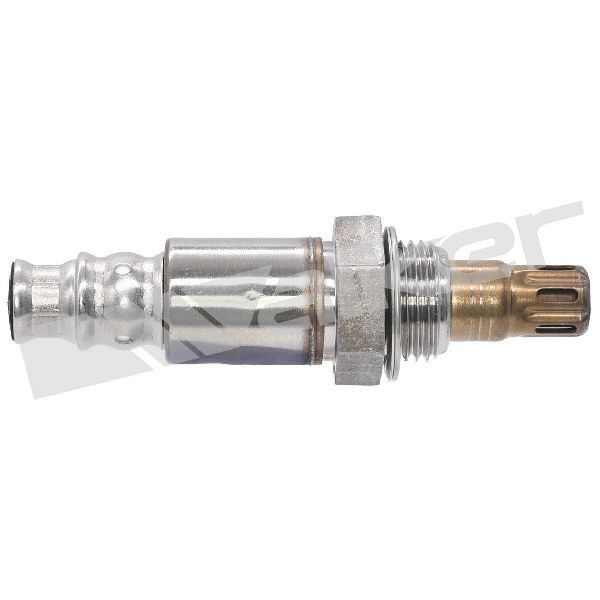
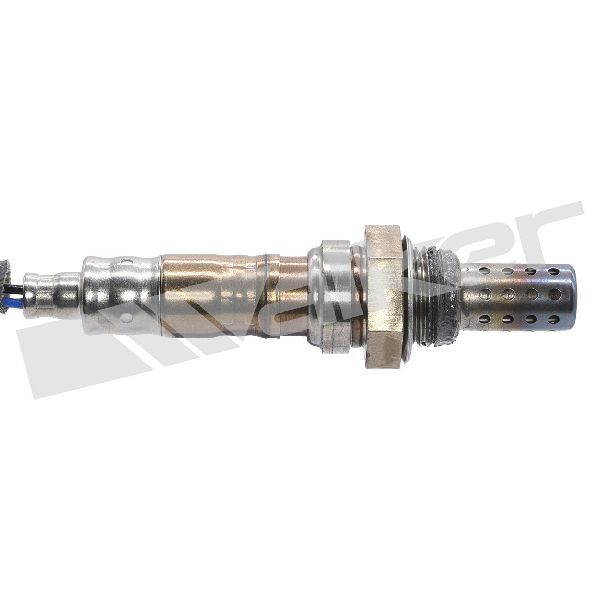
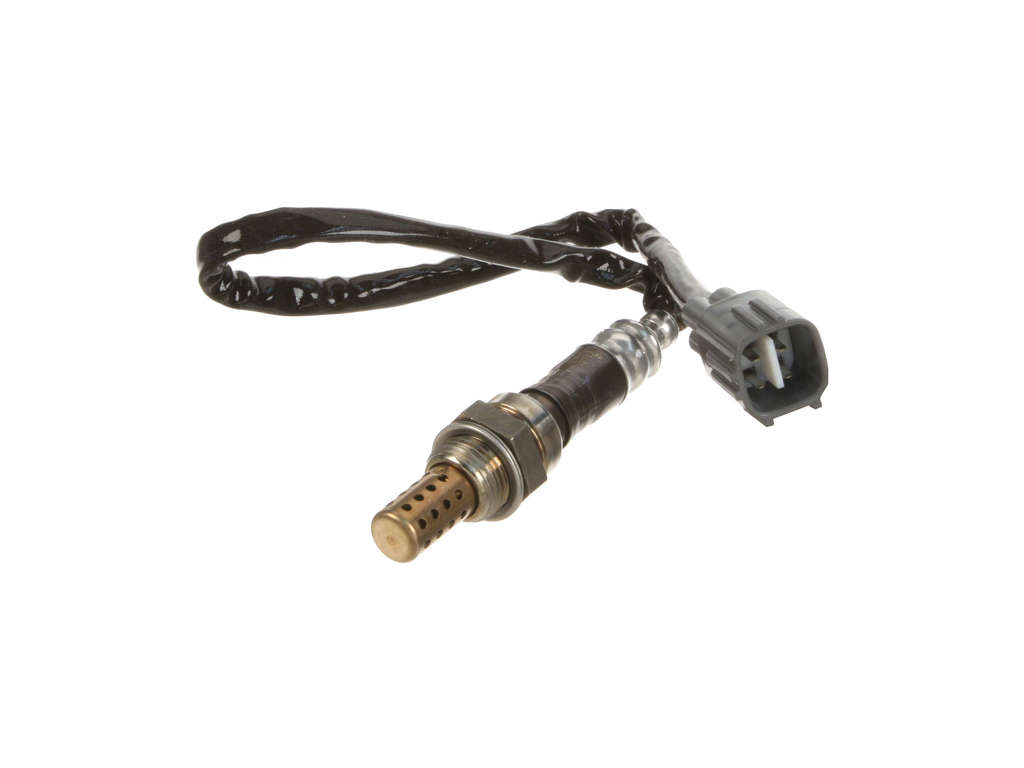
- Rear Oxygen Sensor (Downstream, Bank 1 Sensor 2)
(OEM #22690AB08A)— This is the component that contains the heater circuit identified by the P0141 code. The internal heater element fails with age and use, a fact acknowledged by Subaru with a redesigned part.
Trusted brands: Subaru (OEM), Denso (often the OE manufacturer), NTK
OEM price range: $170-$260
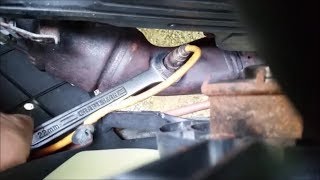
Aftermarket price range: $75-$150 - Oxygen Sensor Socket — A special slotted socket (usually 22mm or 7/8") is often required to remove and install the O2 sensor without damaging the wire. This can often be rented for free from auto parts stores.
Trusted brands: Lisle, OEMTOOLS, Generic
Aftermarket price range: $10-$25
Related Codes That Often Appear With This One
- P0137 — Low Voltage from the same O2 sensor. A failing sensor can trigger multiple codes related to its performance. This code is explicitly mentioned alongside P0141 in Subaru's TSB.
- P0140 — No Activity Detected from the same O2 sensor. This is another common code when the sensor fails completely and is also listed in TSB #09-115-24R.
- P0138 — High Voltage from the same O2 sensor. This is another related performance code mentioned in the same TSB.
Technical Service Bulletins (TSBs) & Recalls
- 09-115-24R: 'Oxygen Sensor Design Change / P0137, P0138, P0140, & P0141' - Announces a redesigned rear O2 sensor for 2019-23 Foresters (and others) to address DTCs caused by internal cracking and short/open circuits.
- 09-115-24: Original version of the above TSB, also listing P0141.
Platform-Specific Known Issues
- Subaru issued Technical Service Bulletin #09-115-24R which lists P0141 among other O2 sensor codes. It announces a new, more durable sensor design to prevent internal cracking and short circuits, which is the root cause of the heater failure.
- Some owners on forums have reported that the check engine light returned after using certain aftermarket sensors, suggesting that using an OEM or high-quality OE-equivalent brand like Denso or NTK is the safest bet. One owner on r/AskMechanics with a 2019 Forester specifically questioned if their non-OEM part was the reason the code came back after 5 days.
Mechanic-Grade Diagnostic Values
- O2 Sensor Heater Element Resistance — expected: 5.6 Ohms +/- 0.8 Ohms at 20°C (68°F). Failure: Infinite resistance (open circuit) or a reading far outside the specified range (e.g., over 50 ohms).
- Voltage at O2 Sensor Harness (Heater Circuit) — expected: ~12V (Battery Voltage) with Key On, Engine Off.. Failure: A significantly lower voltage, such as 6-7V, indicates excessive resistance or a partial short in the wiring harness leading to the sensor.
Hidden / Shadow Codes Worth Checking
- Mode $06, Test ID $41: This is not a trouble code, but a monitor for the O2 Sensor Circuit (B1S2). It tracks values like maximum (Comp ID $81) and minimum (Comp ID $02) output voltage. While not directly for the heater, it provides deeper diagnostic data on the sensor's health. (see via Advanced OBD-II scanner capable of displaying Mode $06 data, or the Subaru Select Monitor (SSM).)
Scan Tool Commands That Help
- Subaru Select Monitor (SSM) or equivalent advanced scanner (e.g., Thinkdiag): Heater Actuation Test (e.g., under PCM -> Actuation Test -> Heater Bank 1 Sensor 2) — This bidirectional command allows a technician to manually activate the O2 sensor's heater circuit. It's used to confirm if the heater element works when commanded and to verify the integrity of the wiring and ECM driver by observing voltage changes, without having to wait for the ECM to activate it during a drive cycle.
Wiring & Ground Locations

- E25 (Connector ID) — The rear O2 sensor connector is a 4-pin plug located under the vehicle on the passenger side, after the catalytic converter. The harness is often clipped to the underbody.. This is the primary connection point to test. The heater circuit wires are typically the two same-colored wires in this connector. Damage or corrosion here will directly cause a P0141.
- Exhaust Ground Strap — Subarus often have braided ground straps connecting the exhaust system to the chassis or engine block.. While the sensor is grounded through its wiring, a missing or corroded main exhaust ground can introduce electrical noise and potential differences that may affect sensitive circuits. Ensuring this ground is intact is a known Subaru best practice for resolving strange electrical faults.
Real Owner Repair Stories
- Reddit user on r/subaru (2021 Subaru Outback 2.5L) — P0141 code returned after replacing the B1S2 O2 sensor.
❌ Tried (didn't work) Replacing the rear oxygen sensor.
✅ What actually fixed it The problem was not the sensor. The user measured only 6.7-7V at the heater circuit harness, when it should be ~12V. The root cause was a wiring issue (corrosion or partial short) between the fuse and the sensor connector, causing a voltage drop. - Reddit user on r/SubaruForester (2019 Subaru Forester) — P0141 code, check engine light, and associated disabled safety features (Eyesight, etc.).
❌ Tried (didn't work) N/A, user was in the process of repair.
✅ What actually fixed it This is a cautionary tale, not a fix. The owner purchased a Walker brand aftermarket O2 sensor. A professional parts seller in the thread strongly advised against using it, calling the brand 'absolute hot fucking trash' and noting that they are almost always returned under warranty. The strong advice was to use only OEM, Denso, or NTK parts to ensure the code does not return.
OEM Part Supersession History
22690AB08A (with Denso PN 150200-9010)→22690AB08A (with Denso PN 150200-9011)— The new version has an 'optimized coating application to help prevent cracking within the internal surfaces reducing any possibility of short/open circuits.'
Heads up: While the Subaru part number did not change, the internal Denso part number did. To ensure you have the updated, more durable part, one would need to identify the Denso part number engraved on the sensor itself.
Model Year Variations Within This Range
- 2019-2023: Foresters with a VIN of PH476292 or higher were built with the new, more durable rear oxygen sensor (Denso PN 150200-9011) from the factory. Vehicles built before this VIN have the original sensor (Denso PN 150200-9010) which is more prone to the failure that causes P0141.
Helpful Videos

![Engine Fault Code P0141 - O2 Sensor Heater Circuit [Symptoms, Causes, and Fixes]](https://img.youtube.com/vi/vBY3c_DON3Y/mqdefault.jpg)

We Have This Part in Stock

The information in this article is provided for general reference and educational purposes only. Vehicle specifications, procedures, and part compatibility can vary by production date, trim level, and region. Always consult your vehicle's factory service manual and verify part numbers before purchasing or performing repairs. Safety-critical components such as airbags, seat belts, and braking systems should be installed by a qualified professional.
- Subaru FORESTER:
- 🎬 Helpful Videos
- 🛍️ Shop This Part
- What's Unique About the 2019-2023 Subaru FORESTER
- Diagnostic Flowchart
- Symptoms You May Notice
- Most Likely Causes
- Rare But Worth Checking
- Diagnosis Steps
- Parts You'll Likely Need
- Related Codes That Often Appear With This One
- Technical Service Bulletins (TSBs) & Recalls
- Platform-Specific Known Issues
- Mechanic-Grade Diagnostic Values
- Hidden / Shadow Codes Worth Checking
- Scan Tool Commands That Help
- Wiring & Ground Locations
- Real Owner Repair Stories
- OEM Part Supersession History
- Model Year Variations Within This Range
- 🎟️ Get 5% Off