

P0141 on 2015-2016 Jeep Renegade: O2 Sensor Heater Fixes and Causes
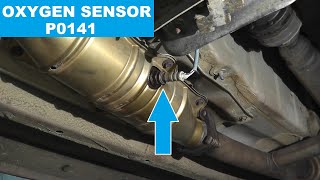
This code points to a failure in the heater circuit of the downstream oxygen sensor (Bank 1, Sensor 2). The most common fix is replacing the sensor itself, which is located after the catalytic converter. Expect to pay between $40-$90 for an aftermarket sensor and $100-$180 for an OEM part (Mopar #68142340AA). Before replacing, check the wiring for melting and test the associated fuse.
- P0141 means the heater inside your downstream O2 sensor has failed.
- The most likely fix is to replace the downstream oxygen sensor (Bank 1, Sensor 2), Mopar P/N 68142340AA.
- Before buying parts, check the sensor's wiring for melting and test the associated fuse (check owner's manual for location).
- This is a DIY-friendly repair that requires basic tools and a 7/8" (22mm) O2 sensor socket.
- Ignoring this code will cause an automatic emissions test failure and can harm your catalytic converter over time.
What's Unique About the 2015-2016 Jeep RENEGADE
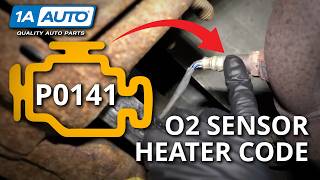
For the 2015-2016 Jeep Renegade, the P0141 code is a straightforward fault that is well-documented. Unlike some vehicles where this code can be triggered by complex software or PCM issues, on the Renegade it almost always points directly to the sensor or its immediate wiring. The TSBs that mention P0141 (#1804221, #18-060-15, #1808917) do so in the context of a list of potential DTCs that might illuminate the check engine light, confirming manufacturer recognition. 🎬 Watch: Understanding the P0141 heater circuit malfunction code. TSB #18-060-15 specifically calls out P0141 as a cause for MIL illumination, suggesting a known issue, though not one that required a specific software-only fix.
Diagnostic Flowchart
Tap your situation to follow the diagnostic path that matches what you're seeing on this vehicle.
Symptoms You May Notice
- Check Engine Light is on.
- Vehicle will fail an emissions test.
- Potentially reduced fuel economy.
- Engine may run in 'open loop' mode for longer after startup, leading to a rich air/fuel mixture.
- Replacing the upstream (Bank 1, Sensor 1) oxygen sensor. The code P0141 specifically refers to Sensor 2, which is downstream of the catalytic converter.
- Not checking for a blown fuse before replacing the sensor. If a short caused the original sensor to fail and blow the fuse, a new sensor will also not work until the fuse is replaced.
Most Likely Causes
- Failed Downstream Oxygen Sensor (Bank 1, Sensor 2) 🔴 High Probability The internal heating element of an O2 sensor is a common failure point due to constant heat cycles and exposure to exhaust gases. This is the most frequent reason for a P0141 code.
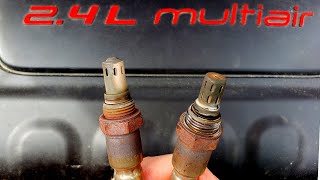
How to confirm: Disconnect the sensor and test the resistance of the heater circuit pins with a multimeter. A good sensor should have a resistance between 4 and 15 ohms when cold. An open circuit (infinite resistance) or a reading far outside this range indicates a failed heater element. 🎬 See how to test and replace a heated oxygen sensor.
Typical fix: Replace the Bank 1, Sensor 2 oxygen sensor. An O2 sensor socket (7/8" or 22mm) is recommended for easier removal. Applying anti-seize lubricant to the threads of the new sensor is crucial.
Est. part cost: $40 - $180 - Damaged Wiring or Connector 🟡 Medium Probability The sensor's wiring is located under the vehicle and is exposed to road debris, moisture, and significant heat from the exhaust. This can cause wires to fray, break, or melt, and can corrode the connector pins. A visual inspection is the first step in diagnosis.
How to confirm: Visually inspect the entire wiring harness leading from the downstream O2 sensor back towards the engine. Look for any signs of melting, chafing against the chassis or heat shields, or breaks. Check the connector for corrosion, pushed-out pins, or moisture.
Typical fix: Repair the damaged section of wire using solder and heat shrink, or clean the connector with electrical contact cleaner. If damage is severe, a new connector pigtail may be required.
Est. part cost: $5 - $50 - Blown Fuse for O2 Heater Circuit ⚪ Low Probability A short in the sensor's wiring or the sensor's internal heater element can draw excessive current, causing the associated fuse to blow as a protective measure.
How to confirm: Check the fuse boxes. The Renegade has multiple fuse boxes: one in the engine bay, one under the driver's side dash, and one in the rear cargo area. The O2 sensor heaters are often powered by the Auto Shutdown (ASD) relay and its associated fuse. Consult the owner's manual for the specific fuse related to O2 sensors (often labeled 'O2 HTR' or powered by the ASD fuse). A visual inspection or a continuity test with a multimeter will confirm if the fuse is blown.
Typical fix: Replace the blown fuse. If the new fuse blows immediately, it confirms a persistent short circuit in the sensor or wiring that must be found and repaired before proceeding.
Est. part cost: $1 - $5
Rare But Worth Checking
- Faulty Powertrain Control Module (PCM): This is extremely rare and should be considered a last resort. Before condemning the PCM, all other possibilities, including the sensor, wiring, fuses, and their connections, must be exhaustively ruled out with 100% certainty.
Diagnosis Steps
- Read the code with an OBD-II scanner to confirm P0141 is present.
- Visually inspect the wiring and connector for the downstream (Bank 1, Sensor 2) oxygen sensor for any obvious damage, such as melting, chafing, or corrosion.
- Check the fuse for the O2 sensor heater circuit. On a Jeep Renegade, this requires checking the owner's manual to locate the correct fuse in one of the three fuse boxes (engine bay, under dash, or cargo area). The circuit is often powered via the Auto Shutdown (ASD) relay.
- If the wiring and fuse are okay, disconnect the sensor and test the resistance across the two heater circuit pins (usually the two same-colored wires) with a multimeter. A reading between 4-15 ohms is typically good; infinite resistance (OL) means the heater is broken.
- If the sensor's heater circuit has proper resistance, check for power and ground at the vehicle-side connector with the key on, engine off. One pin should have 12V power from the ASD relay/fuse, and the other should be the ground controlled by the PCM.
- If power is missing, trace the wiring back to the fuse box/ASD relay. If ground is missing, there may be a wiring issue back to the PCM or a faulty PCM driver (rare).
- If the sensor tests bad, replace it. If the sensor, wiring, and fuse are all good, the issue may be with the PCM, but this is highly unlikely.
Parts You'll Likely Need
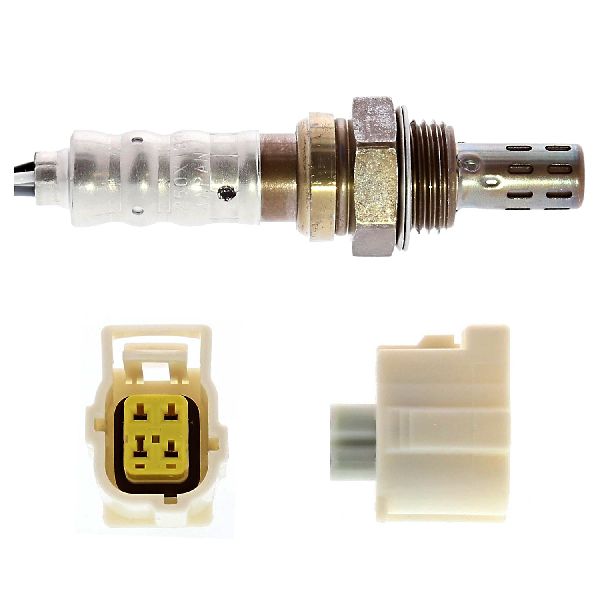
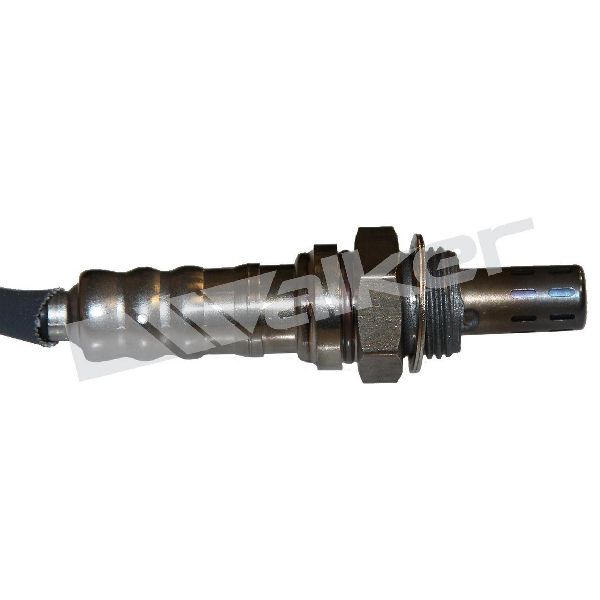
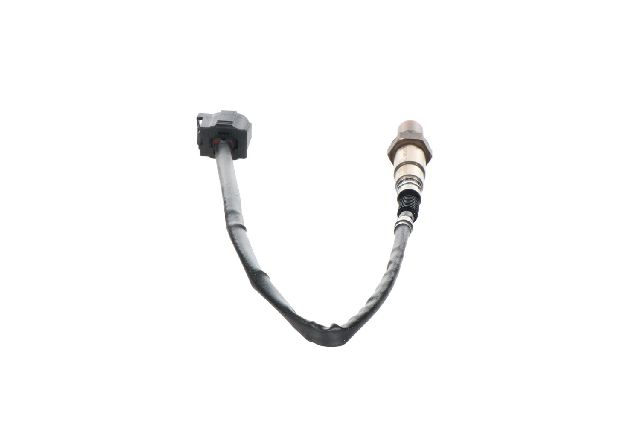
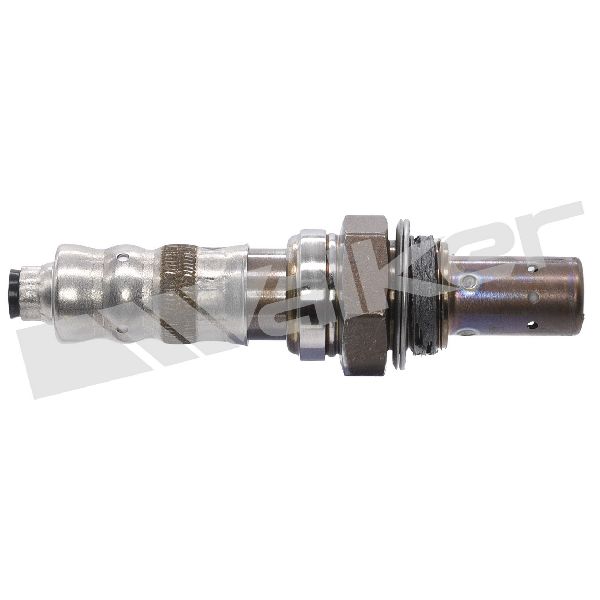
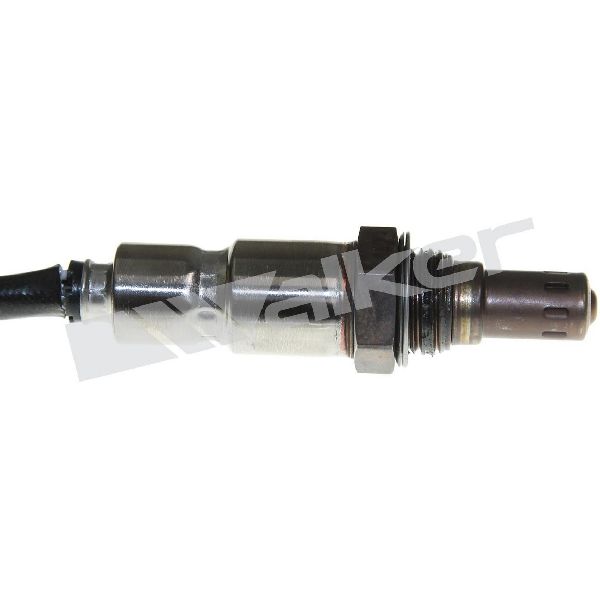
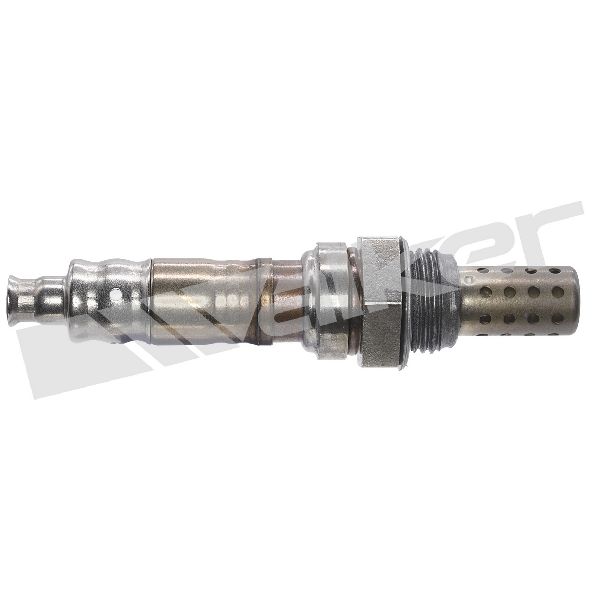
- Downstream Oxygen Sensor (Bank 1, Sensor 2)
(OEM #68142340AA)— The internal heater element is the most common failure point that triggers code P0141.
Trusted brands: Mopar, Bosch, Denso, NTK, NGK (P/N 23162 for 2.4L)
OEM price range: $100 - $180
Aftermarket price range: $40 - $90
Related Codes That Often Appear With This One
- P0138 — This code indicates 'O2 Sensor Circuit High Voltage (Bank 1 Sensor 2)'. It can appear with P0141 if the sensor has failed internally, affecting both the heater and signal circuits.
- P0136 — This code means 'O2 Sensor Circuit Malfunction (Bank 1 Sensor 2)'. It's a general performance fault for the same sensor and often accompanies the more specific P0141 heater code, strongly suggesting the sensor itself is the culprit.
Technical Service Bulletins (TSBs) & Recalls
- 1804221: Mentions P0141 - O2 Sensor 1/2 Heater Performance as a possible DTC when other engine performance issues are present, such as ETC self-learning failures or oil pressure range faults.
- 18-060-15: Cites P0141 as a potential DTC that can cause the Malfunction Indicator Lamp (MIL) to illuminate. This TSB specifically confirms the code as a known reason for the check engine light on this platform.
- 1808917: Lists P0141 as a DTC that may be set along with other codes related to oil pressure and cruise control issues, often pointing towards a broader diagnostic check rather than a single-point failure.
Platform-Specific Known Issues
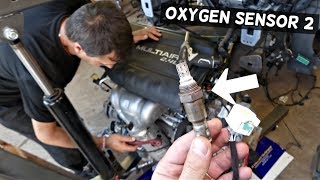
- Owner Repair Experience: On JeepRenegadeForum.com, a user with a 2016 Renegade reported getting the P0141 code at 60,000 miles. They replaced the downstream O2 sensor (Bank 1, Sensor 2) with a new part and cleared the code, which resolved the issue. They noted the most difficult part was accessing the sensor and advised using a proper 7/8" O2 sensor so 🎬 Watch: Downstream O2 sensor location and replacement walkthrough.cket.
- Fuse Location: For the Dodge Dart, a platform mate, the O2 sensor fuse is often F77 (20A) in the engine bay fuse box. While not guaranteed to be identical for the Renegade, it provides a likely starting point for diagnosis. Always confirm with the Renegade's owner's manual.
Mechanic-Grade Diagnostic Values
- O2 Sensor Heater Element Resistance — expected: 4.5 to 14.5 ohms when cold.. Failure: An open circuit (OL or infinite resistance) or a reading significantly outside the expected range indicates a failed heater element.
- Voltage at Heater Power Pin (Vehicle-Side Connector) — expected: ~12V with key on, engine off.. Failure: 0V indicates a problem upstream, likely a blown fuse, faulty ASD relay, or wiring issue.
- Voltage at Heater Ground Pin (Vehicle-Side Connector) — expected: This is a PCM-controlled ground. A test light connected to B+ should light up when the PCM commands the heater on (typically right after startup).. Failure: If the test light never illuminates but power is present on the other pin, it points to a wiring issue to the PCM or a faulty PCM driver.
Wiring & Ground Locations
- O2 Sensor Heater Power — At the 4-pin O2 sensor connector, this is one of the two same-colored wires (often white).. This pin receives ~12V power from the Auto Shutdown (ASD) relay when the ignition is on. Lack of power here is a primary diagnostic step.
- O2 Sensor Heater Ground Control — At the 4-pin O2 sensor connector, this is the second of the two same-colored wires (often white).. This wire is grounded by the PCM to complete the circuit and activate the heater. The PCM monitors this circuit for faults. A break in this wire back to the PCM will cause a P0141.
- Auto Shutdown (ASD) Relay — Located in the engine compartment fuse box (Power Distribution Center).. The ASD relay is commonly used by Chrysler/Jeep to supply power to the O2 sensor heaters, ignition coils, and fuel injectors. A failure of this relay can cause P0141 along with other codes and no-start conditions.
Real Owner Repair Stories
- Lexus Owners Club user 'hagar' (Lexus (demonstrates a universal issue with aftermarket parts)) — P0141 code appeared after replacing a failed O2 sensor with a universal aftermarket one.
❌ Tried (didn't work) Replacing the O2 sensor with a universal part.
✅ What actually fixed it The aftermarket sensor's heater had a resistance of 4.5 ohms, while the original was 14.5 ohms. This caused it to draw too much current, re-triggering the code. The user fixed it by adding a 10-ohm resistor in series with the heater circuit to bring the total resistance into the expected range for the ECU. This highlights the importance of using OEM or high-quality equivalent sensors with correct internal resistance.
Helpful Videos
We Have This Part in Stock

The information in this article is provided for general reference and educational purposes only. Vehicle specifications, procedures, and part compatibility can vary by production date, trim level, and region. Always consult your vehicle's factory service manual and verify part numbers before purchasing or performing repairs. Safety-critical components such as airbags, seat belts, and braking systems should be installed by a qualified professional.
- Jeep RENEGADE:
- 🎬 Helpful Videos
- 🛍️ Shop This Part
- What's Unique About the 2015-2016 Jeep RENEGADE
- Diagnostic Flowchart
- Symptoms You May Notice
- Most Likely Causes
- Rare But Worth Checking
- Diagnosis Steps
- Parts You'll Likely Need
- Related Codes That Often Appear With This One
- Technical Service Bulletins (TSBs) & Recalls
- Platform-Specific Known Issues
- Mechanic-Grade Diagnostic Values
- Wiring & Ground Locations
- Real Owner Repair Stories
- 🎟️ Get 5% Off