

P0141 on 2013-2016 Jaguar XF: O2 Sensor Heater Fault Causes and Fixes
P0141 indicates a malfunction in the heater circuit of the Bank 1, Sensor 2 oxygen sensor. This is the downstream sensor on the passenger side of the engine. The most common fix is replacing the sensor itself, which costs between $50 and $150 for the part. Before replacing, it's wise to check the related fuse and wiring for damage.
- P0141 on your Jaguar XF almost always points to a failed heater in the oxygen sensor after the catalytic converter on the passenger's side (Bank 1, Sensor 2).
- This is not a critical fault; you can continue driving, but you should get it fixed to pass emissions and maintain optimal fuel economy.
- The most likely fix is to replace the sensor. This is a manageable DIY job for many, requiring an O2 sensor socket.
- Before buying a new sensor, check fuse F12 (20A) in the engine bay fuse box and inspect the wiring for any obvious damage, as this can save you money.
- Be aware that Jaguar has issued TSBs (like H231 for 2013-2015 models) for O2 sensor codes, so in some cases, a software update at a dealership might be the required fix.
What's Unique About the 2013-2016 Jaguar XF
For the 2013-2016 Jaguar XF, the P0141 code is often just a standard O2 sensor failure. However, Jaguar has issued several Technical Service Bulletins (TSBs) that group P0141 with a large number of other oxygen sensor codes. These bulletins, such as JTB-00392-NAS-3, sometimes point to a required software update for the Powertrain Control Module (PCM) to resolve intermittent or persistent sensor faults. This suggests that in some cases, the root cause might be software-related rather than a simple hardware failure. One TSB, H231, specifically calls for a PCM software update on 2013-2015 models before replacing sensor hardware.
Diagnostic Flowchart
Tap your situation to follow the diagnostic path that matches what you're seeing on this vehicle.
Generation note: This range covers two generations of the Jaguar XF: the first generation (X250, 2013-2015) and the second generation (X260, 2016). While the meaning of the code is the same, the exact part numbers for the O2 sensors and their locations may differ slightly depending on the engine (2.0L I4, 3.0L V6, 5.0L V8). For example, the 3.0L V6 and 5.0L V8 are part of the AJ126 and AJ133 engine families, respectively, 🎬 See this DIY replacement walkthrough for the Jaguar AJ engine which are shared across other Jaguar and Land Rover vehicles.
Symptoms You May Notice
- Check Engine Light is on
- Failing a vehicle emissions test
- Slightly increased fuel consumption
- Replacing the wrong oxygen sensor (e.g., Bank 2 or Sensor 1). Bank 1 is the passenger side on LHD vehicles.
- Replacing the catalytic converter, which is not indicated by this specific code.
Most Likely Causes
- Failed Bank 1, Sensor 2 Oxygen Sensor 🔴 High Probability The internal heater element is a common failure point in O2 sensors as they age. The heater element is a resistor coil that can burn out over time, creating an open circuit.
How to confirm: Disconnect the sensor and measure the resistance across the two heater circuit pins (usually the two wires of the same color, often white). An open circuit (infinite resistance) or a reading outside the typical 4-20 ohm range indicates a failed heater.
Typical fix: Replace the Bank 1, Sensor 2 oxygen sensor. An O2 sensor socket is often required for removal.
Est. part cost: $50-$150 - Damaged Wiring or Connector 🟡 Medium Probability The sensor is located under the vehicle and is exposed to road debris, heat, and moisture, which can damage the wiring harness or corrode connector pins. Even small tears in the harness can let moisture in and cause a short.
How to confirm: Visually inspect the wiring harness leading to the sensor for any signs of melting, chafing, or breaks. Check the connector for corrosion, moisture, or bent pins.
Typical fix: Repair the damaged section of the wiring harness or clean/replace the connector.
Est. part cost: $10-$50 - Blown Fuse or Faulty Relay ⚪ Low Probability While less common, a short in the circuit can blow the fuse that supplies power to the O2 sensor heaters.
How to confirm: Consult the vehicle's service manual to locate the fuse for the O2 sensor heater circuit. On some XF models, this may be in the engine compartment fuse box, labeled for 'Oxygen sensors Bank A' (Fuse F12, 20A Yellow) or similar. Visually inspect the fuse and test for continuity. Some forum users report the heater circuit is powered by the fuel pump relay, located above the battery in the trunk on some models.
Typical fix: Replace the blown fuse. If the fuse blows again, a short circuit in the wiring must be diagnosed and repaired.
Est. part cost: $1-$5
Rare But Worth Checking
- Faulty Powertrain Control Module (PCM): This is very rare, but TSBs like JTB-00392-NAS-3 and H231 suggest that software updates are sometimes needed to correct how the PCM interprets sensor data. A true hardware failure of the PCM is unlikely but possible.
- Exhaust Leak: An exhaust leak near the sensor can sometimes skew readings and trigger various O2 sensor codes, though it's less common for a heater-specific code like P0141.
Diagnosis Steps
- Read the code with an OBD-II scanner to confirm P0141 is present.
- Identify the correct sensor. For Jaguar V6/V8 engines, Bank 1 is the passenger side (in LHD countries). Sensor 2 is the downstream sensor, located after the catalytic converter.
- Inspect the O2 sensor's wiring harness and connector for any visible damage, such as melting, fraying, or corrosion.
- Check the fuse box for a blown fuse related to the O2 sensor heater circuit. For the X250 chassis, check fuse F12 (20A) in the engine compartment fuse box, often labeled 'Oxygen sensors Bank A'.
- If wiring and fuses are okay, disconnect the sensor. Use a multimeter to test the resistance of the heater circuit within the sensor itself. A reading of infinite resistance (open loop) confirms the sensor has failed. 🎬 Watch: How to test and replace a heated O2 sensor The expected resistance is typically between 4 and 20 ohms.
- If the sensor's resistance is within spec, test for 12V power and ground at the vehicle's harness connector with the ignition on. The heater circuit wires are typically the two wires of the same color.
- If power or ground is missing, trace the wiring back to the PCM to find the fault.
- If all tests pass but the code persists, check with a Jaguar dealer for any applicable PCM software updates as mentioned in TSBs like JTB-00392-NAS-3 and H231.
Parts You'll Likely Need
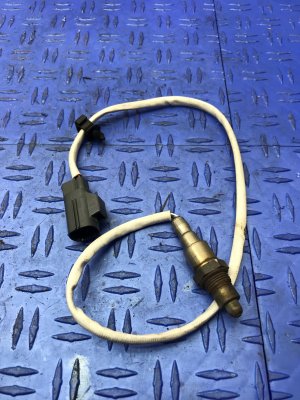
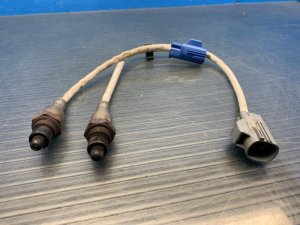
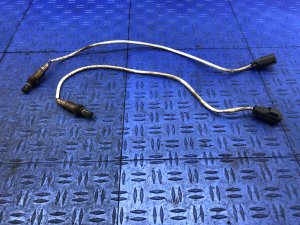
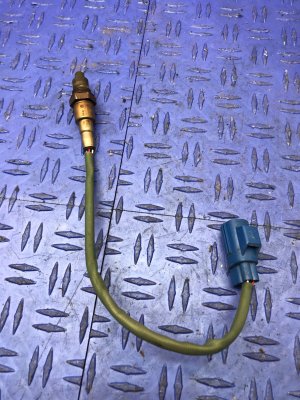
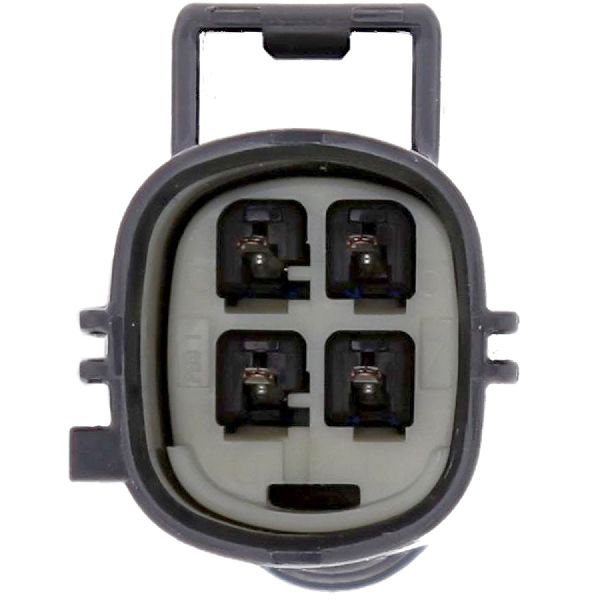
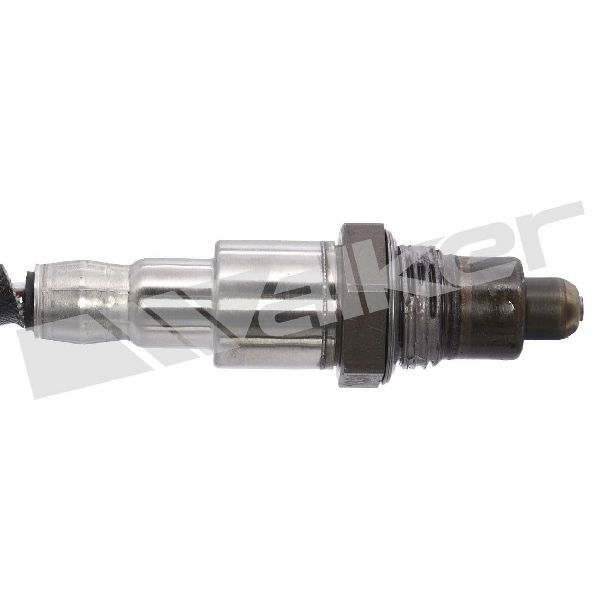
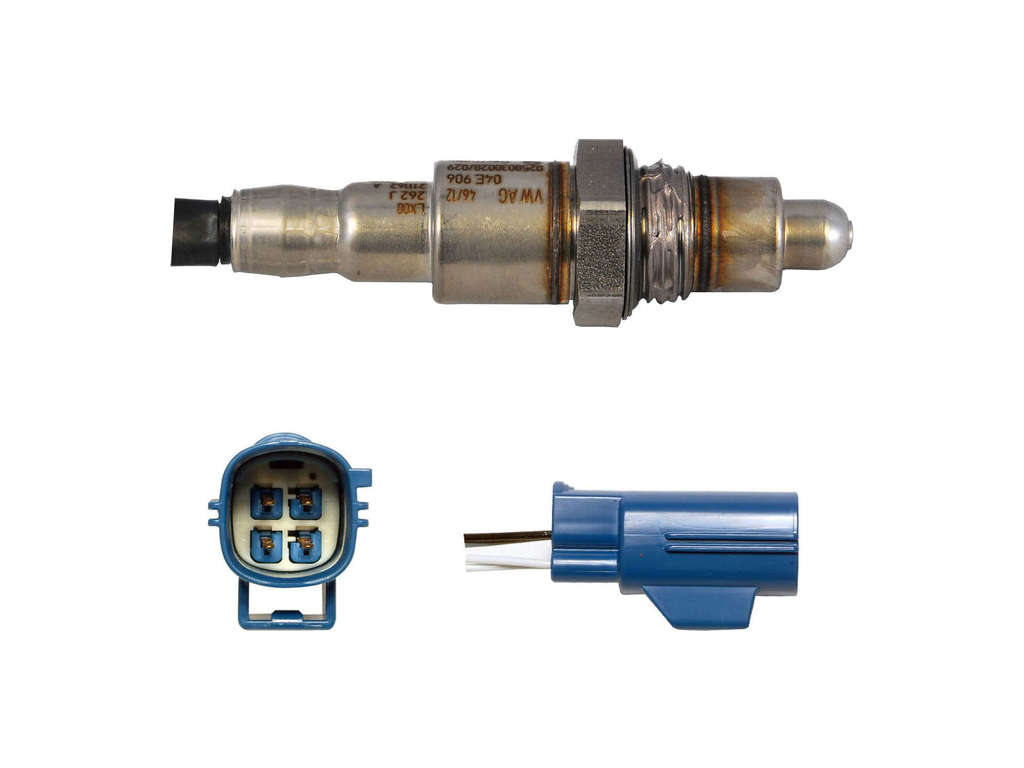
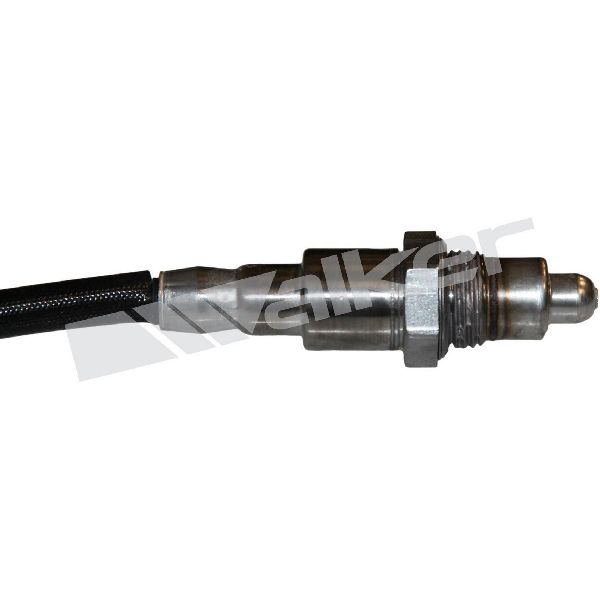
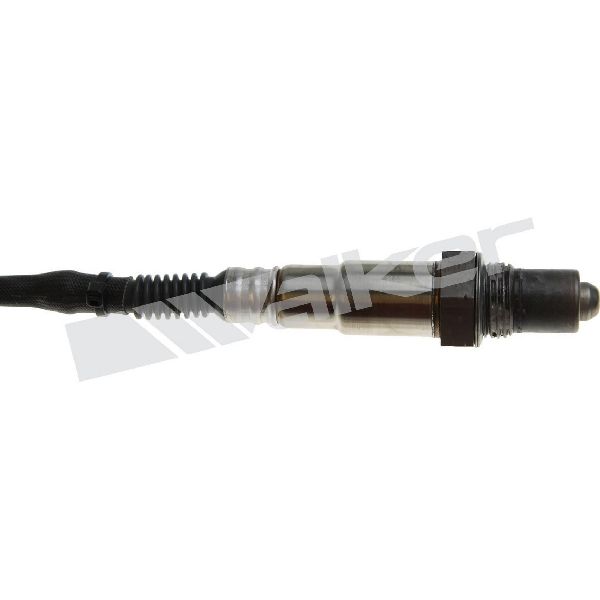
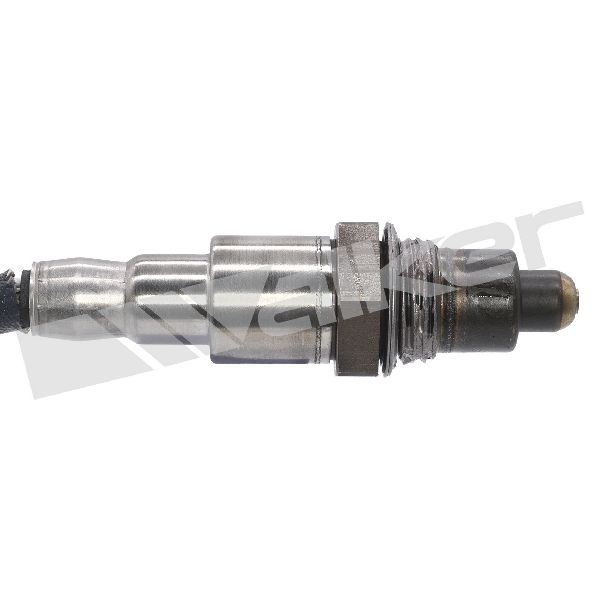
- Oxygen Sensor (Bank 1, Sensor 2)
(OEM #C2D54165 (for 3.0L AWD), C2P16397 (for 5.0L Supercharged), DX23-9G444-HA (for 2.0L))— This is the downstream O2 sensor on the passenger side. The internal heater element is the most common point of failure for code P0141.
Trusted brands: Bosch (e.g., 17217), Denso (e.g., 234-4798), NGK, Walker
OEM price range: $120-$220
Aftermarket price range: $50-$150
Related Codes That Often Appear With This One
- P0136: O2 Sensor Circuit Malfunction (Bank 1, Sensor 2) - This code often appears with P0141, indicating a general circuit problem in addition to the specific heater fault.
Technical Service Bulletins (TSBs) & Recalls
- SSM72477: Lists P0141 as a potential fault code related to the pre, mid, or post catalyst heated oxygen sensor.
- JTB-00392-NAS-3: Groups P0141 with numerous other HO2S codes that may be stored in the PCM and advises checking for software updates.
- JTB00392NAS1: An earlier version of the above TSB, also listing P0141 in the context of multiple HO2S codes stored in the ECM.
- TSB H231: Recommends a PCM software update for 2013-2015 models with O2 sensor faults.
Platform-Specific Known Issues
- Jaguar issued TSB #JTB-00392-NAS-3, which notes that a range of Heated Oxygen Sensor (HO2S) codes, including P0141, may be stored in the Powertrain Control Module. The service instruction involves reading DTCs and potentially replacing only the affected sensor after checking for PCM software updates.
- TSB #SSM72477 also lists P0141 among a wide array of oxygen sensor fault codes, indicating it's a known issue area for the manufacturer.
- TSB H231 specifically applies to 2013-2015 models and recommends a PCM software update as the primary fix for O2 sensor codes before replacing parts.
Mechanic-Grade Diagnostic Values
- O2 Sensor Heater Element Resistance — expected: 4 to 20 Ohms (measured across the two heater wires, typically same color). Failure: Infinite resistance (open circuit) or near-zero resistance (short circuit).
- Voltage Supply at Harness Connector — expected: 11V - 14V (Battery Voltage) with ignition on, engine off.. Failure: Voltage below 9V or no voltage indicates a problem with the power supply wiring, fuse, or relay.
Hidden / Shadow Codes Worth Checking
- Mode 6 Data: While not a hidden code, Jaguar's diagnostic software (SDD) uses OBDII Mode 6 to access diagnostic monitor drive cycle test results. A technician can check the Oxygen Sensor Heater Monitor results here to see manufacturer-specific test data that is more detailed than a simple P-code. (see via Jaguar SDD (Symptom Driven Diagnostics) software under Diagnostics > Recommendations > OBDII Readiness tests.)
Scan Tool Commands That Help
- Jaguar SDD (Symptom Driven Diagnostics): Actuator Activation / Datalogger — After verifying basic wiring, a technician can use SDD to command the O2 sensor heater circuit on and monitor live data to see if the command is received and if the circuit responds correctly. This helps isolate a faulty PCM driver from a wiring issue.
- Advanced OBD-II Scanners (e.g., Thinkdiag): Heater Activation Test (Bidirectional Control) — Some advanced aftermarket scanners allow for bidirectional control to manually turn the O2 sensor heater on. This allows you to check if the heater is drawing current and warming up without having to wait for the PCM to command it during a drive cycle.
Wiring & Ground Locations
- Fuse F12, Engine Compartment Fuse Box — Located in the main fuse box in the engine bay.. This 20A fuse is listed as protecting 'Oxygen sensors Bank A' for petrol models and is the primary power source for the Bank 1 sensor heaters.
- Fuel Pump Relay — On some Jaguar models, this relay may be located in the trunk (luggage compartment) above the battery.. In some cases, particularly on older platforms, the O2 sensor heater circuit is not independently fused and receives power directly from the fuel pump relay. A fault in this relay or its wiring could cut power to the heater.
- Engine to Chassis Ground — A major ground strap typically runs from the engine block to the chassis rail, often on the driver's side (LHD).. While not specific to the O2 sensor, a poor main engine ground can cause a variety of strange electrical issues and fault codes. Ensuring this connection is clean and tight is a fundamental step in diagnosing any electrical fault.
OEM Part Supersession History
C2D24757, C2D27350→C2D54165— Standard part revision and consolidation by Jaguar.
Model Year Variations Within This Range
- 2013-2015: Jaguar issued TSB H231 for these model years, recommending a PCM software update as the primary fix for a range of O2 sensor codes, including P0141, before replacing hardware.
- 2013-2015 (X250) vs. 2016 (X260): The 2016 model year marks the beginning of the X260 chassis. While the code's meaning is the same, wiring diagrams, fuse box layouts, and connector locations may differ between the X250 and X260 generations. Technicians should always verify diagrams for the specific VIN.
Helpful Videos
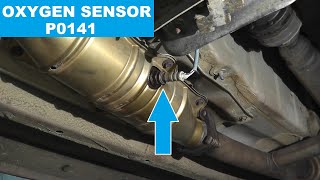
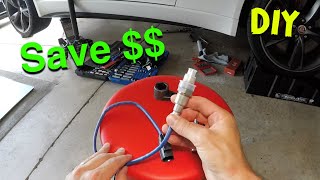

Used OEM Parts in Stock
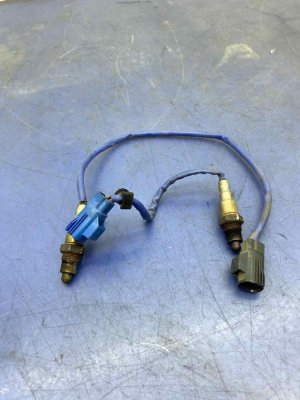
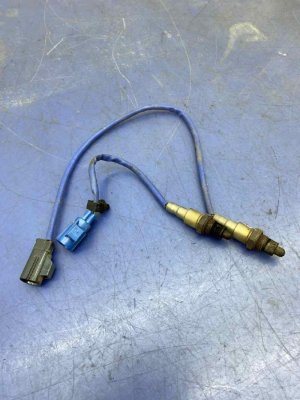
New Aftermarket Parts Available

The information in this article is provided for general reference and educational purposes only. Vehicle specifications, procedures, and part compatibility can vary by production date, trim level, and region. Always consult your vehicle's factory service manual and verify part numbers before purchasing or performing repairs. Safety-critical components such as airbags, seat belts, and braking systems should be installed by a qualified professional.
- Jaguar XF:
- 🎬 Helpful Videos
- 🛍️ Shop This Part
- What's Unique About the 2013-2016 Jaguar XF
- Diagnostic Flowchart
- Symptoms You May Notice
- Most Likely Causes
- Rare But Worth Checking
- Diagnosis Steps
- Parts You'll Likely Need
- Related Codes That Often Appear With This One
- Technical Service Bulletins (TSBs) & Recalls
- Platform-Specific Known Issues
- Mechanic-Grade Diagnostic Values
- Hidden / Shadow Codes Worth Checking
- Scan Tool Commands That Help
- Wiring & Ground Locations
- OEM Part Supersession History
- Model Year Variations Within This Range
- 🎟️ Get 5% Off