

P0139 on 2017-2018 Alfa Romeo Giulia: Slow O2 Sensor Causes and Fixes
This code means the downstream oxygen sensor (Bank 1, Sensor 2) is responding too slowly. The most common fix is replacing the sensor itself. However, on the Giulia, it's crucial to first check for relevant software updates, as manufacturer TSBs indicate the code can be falsely triggered by overly sensitive PCM logic, particularly on earlier 2017 models.
- For a 2017-2018 Giulia, your first step for a P0139 code should be to check if a PCM software update is available, as per Alfa Romeo TSBs.
- If the software is up to date, the most likely cause is a failing downstream (post-catalytic converter) oxygen sensor.
- Before replacing the sensor, perform a quick visual inspection of the exhaust for leaks and check the sensor's wiring for damage.
- This code will cause an automatic failure on an emissions test, so it should be addressed before your next inspection.
- Replacing the downstream O2 sensor is a manageable DIY job for those with basic tools, typically involving unplugging a connector and unscrewing the sensor from the exhaust pipe.
What's Unique About the 2017-2018 Alfa Romeo GIULIA
For the 2017-2018 Alfa Romeo Giulia, the P0139 code has a notable history tied to the vehicle's software. Alfa Romeo issued Technical Service Bulletins (TSBs) that included P0139 in a long list of diagnostic trouble codes that could be falsely triggered due to overly sensitive parameters in the Powertrain Control Module (PCM). Specifically, TSB 18-030-17 Rev. D applies to 2017 models built on or before June 29, 2017. Therefore, before replacing any parts on an early-build vehicle, it's critical to determine if the vehicle's PCM software is up to date, as a simple reflash at a dealership could be the correct fix.
Diagnostic Flowchart
Tap your situation to follow the diagnostic path that matches what you're seeing on this vehicle.
Symptoms You May Notice
- Check Engine Light is on
- Failing a state emissions test
- Slightly reduced fuel efficiency
- Occasional engine hesitation or rough idling when decelerating (rare)
- Replacing the catalytic converter. A P0139 code points to the sensor that *monitors* the converter, not the converter itself. A failing converter would typically set a P0420 code.
- Replacing the upstream (Sensor 1) O2 sensor. This code is specific to Sensor 2, which is located after the catalytic converter.
Most Likely Causes
- Outdated Powertrain Control Module (PCM) Software 🔴 High Probability Manufacturer TSBs #18-027-20 and #18-030-17 list P0139 among many other codes fixed by a software update. TSB 18-030-17 specifically applies to 2017 models built on or before June 29, 2017, suggesting the original calibration was too sensitive.
How to confirm: A dealership or a specialized shop with Alfa Romeo-specific tools (like wiTECH) can check the current software version against the latest available version by VIN.
Typical fix: Update or 'reflash' the PCM to the latest software version.
Est. part cost: $0 - Failing or Aged Oxygen Sensor 🔴 High Probability O2 sensors are wear items with a finite lifespan, typically 50,000-100,000 miles. Contamination from engine byproducts, carbon buildup, or simple age eventually slows their chemical reaction and ability to produce a quick signal.
How to confirm: Use a scan tool with live data graphing to observe the Sensor 2 voltage. A healthy sensor shows slow, lazy switching, but a faulty one may be nearly flatlined or have extremely delayed reactions after a change in engine load (e.g., snapping the throttle).
Typical fix: Replace the Bank 1, Sensor 2 oxygen sensor.
Est. part cost: $50-$150 - Exhaust Leak 🟡 Medium Probability Leaks in the exhaust system between the catalytic converter and the sensor can introduce outside oxygen, skewing the sensor's readings and making it appear slow to respond. Gaskets and flex pipes are common failure points.
How to confirm: Visually inspect the exhaust pipes and flanges upstream of the sensor for black soot trails or cracks. Listen for a 'ticking' or 'hissing' noise, especially when the engine is cold. A smoke test is the most definitive way to identify small leaks.
Typical fix: Repair the leak by replacing the faulty gasket or damaged section of the exhaust pipe.
Est. part cost: $20-$200 - Damaged Wiring or Connectors ⚪ Low Probability The sensor wiring is routed under the vehicle and exposed to high heat and road debris, which can cause corrosion in the connector pins, melting of the loom, or physical breaks over time.
How to confirm: Visually inspect the O2 sensor's harness and connector for any signs of damage, melting, or corrosion. Perform a continuity and resistance test on the wiring with a multimeter to check for opens or shorts.
Typical fix: Repair the damaged section of the wiring harness or clean/replace the connector.
Est. part cost: $10-$50
Rare But Worth Checking
- Leaking Fuel Injectors: If an injector is leaking, it can create a persistent rich condition that the O2 sensor struggles to read correctly, sometimes mimicking a slow response. This would likely be accompanied by other fuel trim (P0172) or misfire codes.
- Failing Powertrain Control Module (PCM): In very rare cases, the fault may not be the software but the PCM hardware itself. Internal circuit degradation can delay signal processing, triggering a 'slow response' code even with a good sensor and wiring. This is usually diagnosed only after all other possibilities have been eliminated.
Diagnosis Steps
- Check for Technical Service Bulletins (TSBs). This is the most critical first step. Contact an Alfa Romeo dealer with your VIN to see if TSBs #18-027-20 or #18-030-17 (or a superseding TSB) apply to your vehicle, especially if it's a 2017 model built before July 2017. A software update may be the required fix.
- Scan for other codes. If other codes are present, especially those listed in the TSBs, it significantly increases the likelihood of a software issue.
- Inspect the O2 sensor and wiring. Visually check the Bank 1 Sensor 2 (post-catalytic converter) and its wiring harness for any obvious damage, such as melting, chafing, or corrosion in the connector.
- Check for exhaust leaks. With the engine cold, start it and listen for ticking or hissing noises from the exhaust system. Look for black soot marks around exhaust flanges and welds upstream of the sensor.
- Analyze live sensor data. Use an OBD-II scanner that can graph live data. Watch the voltage for Bank 1 Sensor 2. It should fluctuate slowly and lazily between approximately 0.2V and 0.8V. If the voltage is stuck, flat, or responds very sluggishly after revving the engine, the sensor is likely faulty.
- Test the sensor and circuit. If the sensor appears unresponsive, disconnect it and test the wiring for continuity and check for proper voltage and ground at the connector to rule out a circuit problem before ordering a new sensor.
- If replacing the sensor, apply penetrating oil to the threads of the old sensor and let it soak to make removal easier, as they are often seized.
Parts You'll Likely Need
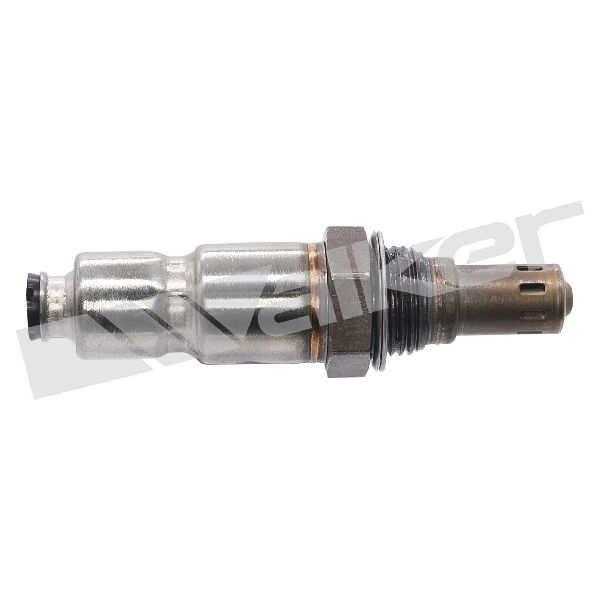
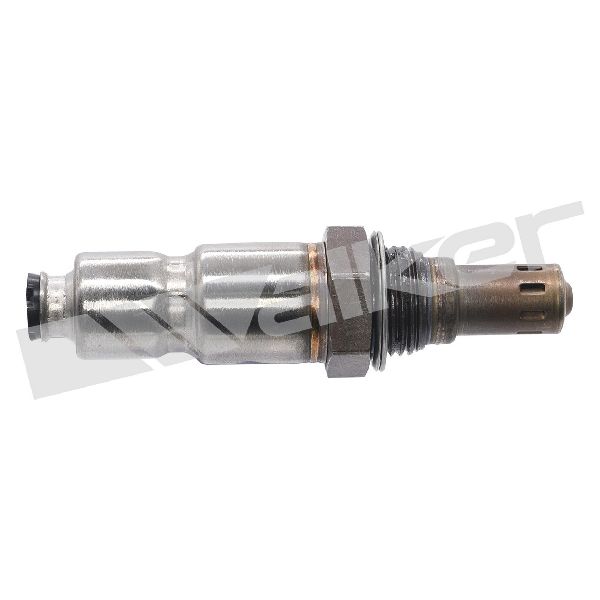
- Downstream Oxygen Sensor (Bank 1 Sensor 2)
(OEM #50539798)— This is the most common hardware failure for a P0139 code once software issues have been ruled out. The sensor is a wear item and its performance degrades over time. An eBay listing for a used part from a 2017-2021 Giulia 2.0L confirms this part number for the downstream position.
Trusted brands: Mopar (OEM), NTK, Bosch, Denso
OEM price range: $120-$180
Aftermarket price range: $50-$110
Related Codes That Often Appear With This One
- P0440 / P0441 — These EVAP system codes are listed alongside P0139 in Alfa Romeo TSBs #18-027-20 and #18-030-17, suggesting a common link through PCM software sensitivity on early models.
- P015A — This code for 'O2 Sensor Delayed Response - Rich To Lean Bank 1 Sensor 1' was also cited in TSB #18-030-17. Seeing both together strongly points towards a PCM software issue rather than two simultaneously failing sensors.
- P0363 / P250B — Also mentioned in the same TSBs, these codes for misfires and oil level sensor performance further strengthen the case for a required PCM software update to correct multiple false positives.
Technical Service Bulletins (TSBs) & Recalls
- 18-027-20: Addresses multiple DTCs, including P0139, that can be resolved with a PCM software update.
- 18-030-17: Also addresses multiple DTCs, including P0139, fixed by a PCM software update for certain 2017 vehicles built on or before June 29, 2017.
- 18-103-19: A TSB for the 2018 Alfa Romeo Stelvio (platform mate) which also addresses O2 sensor slow response codes, indicating a pattern of software sensitivity.
Platform-Specific Known Issues
- TSB #18-027-20 and #18-030-17 indicate that for some 2017-2018 Giulia models, the P0139 code could be set erroneously due to sensitive PCM software. TSB 18-030-17 Rev. D specifically calls out 2017 models with the 2.0L engine built on or before June 29, 2017, as needing a PCM update to resolve the issue.
Mechanic-Grade Diagnostic Values
- Downstream O2 Sensor (B1S2) Voltage — expected: A relatively stable voltage that fluctuates slowly, typically between 0.2V and 0.8V.. Failure: Voltage is stuck, flat, or fails to drop below 0.2 volts for more than 7 seconds during a deceleration fuel cut-off event.
- O2 Sensor Heater Circuit Resistance — expected: Typically between 2 and 4 ohms when measured across the heater element pins on the sensor connector.. Failure: A reading outside the specified range (open circuit or short) indicates a failed heater element, which can cause slow sensor response.
Scan Tool Commands That Help
- Multiecuscan / wiTECH: Live Data Graphing — This is the primary method to visually confirm a 'slow response'. Graph the Bank 1 Sensor 2 voltage while revving the engine or during a test drive. A healthy sensor will show lazy fluctuations, while a faulty one will appear flat, stuck, or respond with significant delay to changes in engine load.
- Multiecuscan: PROXI Alignment / Adaptations — While not directly for fixing P0139, this advanced tool is required for many service procedures on Alfa Romeos. If other modules have been replaced or there are communication errors, running a PROXI alignment may be necessary to ensure all vehicle systems are communicating correctly, which can indirectly affect engine management.
Wiring & Ground Locations
- Bank 1 Sensor 2 Connector — The downstream O2 sensor is located on the exhaust pipe after the catalytic converter. Access is from underneath the vehicle. The connector is situated in the transmission tunnel area, often in a very tight space requiring removal of heat shields or other components for access.. The connector's location makes it susceptible to heat damage from the exhaust and transmission, as well as physical damage from road debris. A visual inspection of the connector and harness in this area is critical before replacing the sensor.
Real Owner Repair Stories
- Reddit user @Individual_Muffin683 (2017 Alfa Romeo Giulia 2.0L) — Check Engine Light, unspecified 'oxygen sensor' issue at 32,000 miles.
✅ What actually fixed it The user reported the issue as a known problem that was resolved, implying a sensor replacement or software update fixed the issue, corroborating the common causes. - Reddit user @hayduk (for a VW, but illustrates a universal diagnostic pattern for P0139) (2003 VW Golf 2.0L) — P0139 code, Check Engine Light.
❌ Tried (didn't work) Clearing the code (it returned).
✅ What actually fixed it Replacing the Bank 1 Sensor 2 oxygen sensor. The key diagnostic confirmation was using a scan tool: the old sensor's live data was stuck at a constant 0.3V, while the new sensor correctly fluctuated between 0.2V and 0.7V.
OEM Part Supersession History
50539798→N/A— This is the known OEM part number for the downstream sensor on the 2.0L Giulia.
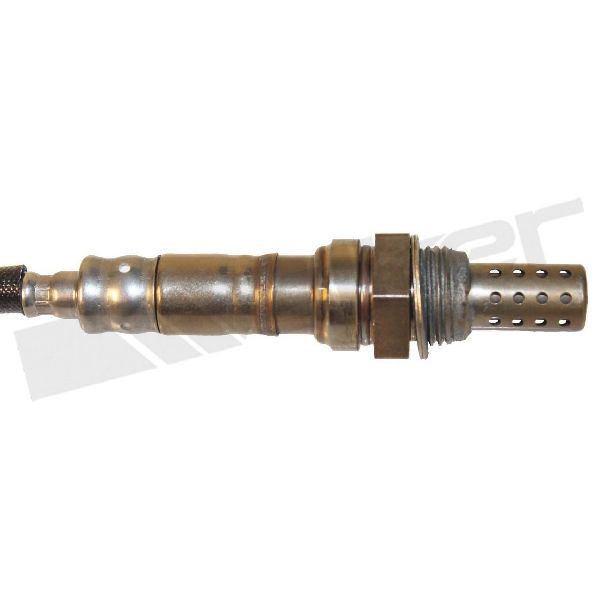
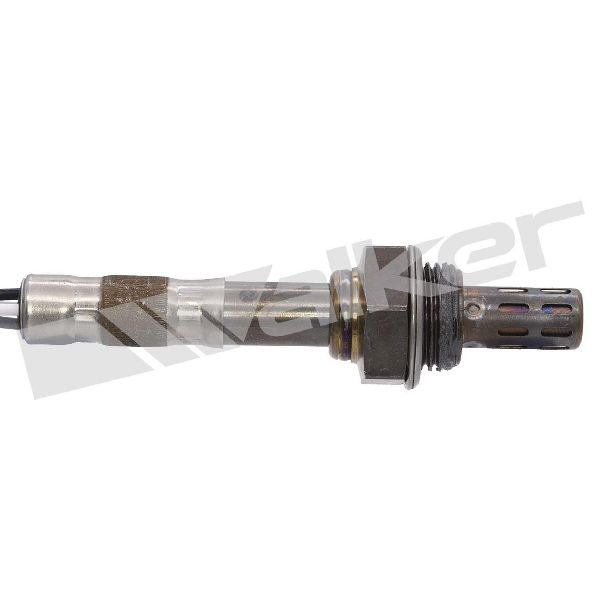
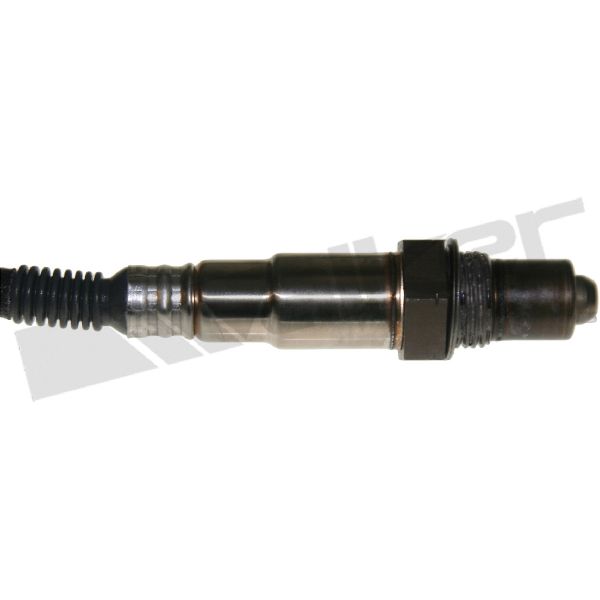
Heads up: Aftermarket cross-references include Walker 250-241045, which may have previously superseded part number 234-4530. Always verify fitment with the specific vehicle VIN before purchasing aftermarket parts.
Model Year Variations Within This Range
- 2017 (pre-July 2017 build date): These models are particularly susceptible to throwing a false P0139 due to overly sensitive PCM software. TSB 18-030-17 specifically calls for a software update as the primary fix.
- 2017-2018: The physical exhaust flange and O2 sensor locations on the 2.0T engine are consistent across these model years (and up to 2023), meaning parts are physically interchangeable.
Helpful Videos
Used OEM Parts in Stock


New Aftermarket Parts Available


The information in this article is provided for general reference and educational purposes only. Vehicle specifications, procedures, and part compatibility can vary by production date, trim level, and region. Always consult your vehicle's factory service manual and verify part numbers before purchasing or performing repairs. Safety-critical components such as airbags, seat belts, and braking systems should be installed by a qualified professional.
- Alfa Romeo GIULIA:
- 🎬 Helpful Videos
- 🛍️ Shop This Part
- What's Unique About the 2017-2018 Alfa Romeo GIULIA
- Diagnostic Flowchart
- Symptoms You May Notice
- Most Likely Causes
- Rare But Worth Checking
- Diagnosis Steps
- Parts You'll Likely Need
- Related Codes That Often Appear With This One
- Technical Service Bulletins (TSBs) & Recalls
- Platform-Specific Known Issues
- Mechanic-Grade Diagnostic Values
- Scan Tool Commands That Help
- Wiring & Ground Locations
- Real Owner Repair Stories
- OEM Part Supersession History
- Model Year Variations Within This Range
- 🎟️ Get 5% Off