

P0138 on 2017-2024 Subaru Impreza: O2 Sensor High Voltage Causes and Fixes
On a 2017-2024 Subaru Impreza, code P0138 is most often caused by a faulty rear oxygen sensor (Bank 1, Sensor 2). Subaru has issued a Technical Service Bulletin (TSB #09-115-24R) for an updated sensor to fix this common issue. The fix typically involves replacing the sensor, which is located after the catalytic converter. Expect to pay $120-$250 for the OEM part, with DIY replacement being a common and cost-effective fix for those with basic tools.
- The most likely fix for P0138 on a 2017-2024 Impreza is replacing the rear oxygen sensor with the updated OEM part.
- Ask for or purchase the updated oxygen sensor part as specified in Subaru TSB #09-115-24R to ensure a lasting repair. The part number is 22690AB08A.
- Before buying a new sensor, always perform a quick visual inspection of the sensor's wiring and connector for obvious damage, as this is a common and cheaper fix.
- The Subaru Crosstrek from 2018-2024 shares the same engine and TSB, making it a direct platform mate with the identical issue.
What's Unique About the 2017-2024 Subaru IMPREZA
For this generation of Subaru Impreza and its platform mates, the P0138 code is a well-documented issue. Subaru released a Technical Service Bulletin, most recently revised as TSB #09-115-24R, acknowledging that the original rear oxygen sensors can fail and trigger this code, along with P0137, P0140, and P0141. The manufacturer developed new, improved sensors with an "optimized coating application to help prevent cracking within the internal surfaces," which reduces the chance of short circuits causing the high voltage reading. This makes a faulty sensor the most probable cause for this specific vehicle range.
🎬 Watch: Understanding P0138 causes and how to fix themDiagnostic Flowchart
Tap your situation to follow the diagnostic path that matches what you're seeing on this vehicle.
Symptoms You May Notice
- Check Engine Light is on
- Failure to pass an emissions test
- Potentially reduced fuel economy
- Rough idling or engine hesitation (less common)
- Replacing the catalytic converter. A P0138 code points to a sensor circuit voltage issue, not a direct failure of the converter. A failing catalytic converter typically triggers a P0420 (Catalyst System Efficiency Below Threshold) code.
- Replacing the front Air/Fuel Ratio sensor (Sensor 1). While a faulty front sensor can affect the rear sensor's readings, P0138 specifically points to a circuit issue with the rear sensor itself.
Most Likely Causes
- Faulty Rear Oxygen Sensor (Bank 1, Sensor 2) 🔴 High Probability Subaru issued TSB #09-115-24R specifically to address this failure. The original sensors are prone to internal cracking, leading to a short circuit. The updated part has an improved coating to prevent this.
How to confirm: Use an OBD-II scanner to monitor live data for Bank 1 Sensor 2. If the voltage is stuck high (e.g., above 0.9V) and does not fluctuate, the sensor is likely faulty. A healthy downstream sensor should show a lazy, drifting voltage just above 0.5V. The sensor's internal heater circuit can also be tested with a multimeter; a healthy sensor should have a resistance between 5 and 10 ohms.
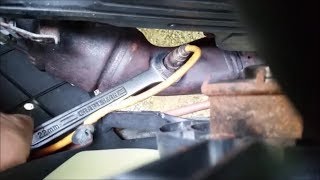
Typical fix: Replace the rear oxygen sensor with the new, updated part. The OEM part number is 22690AB08A. 🎬 See this walkthrough for replacing the rear sensor The TSB states the part number did not change, but new stock can be identified by the Denso part number engraved on the sensor itself.
Est. part cost: $120-$250 - Damaged Wiring or Connector 🟡 Medium Probability The sensor and its wiring are located under the vehicle, making them susceptible to damage from road debris, heat from the exhaust, and moisture, which can cause corrosion or short circuits. The connector is often clipped to the frame rail, which can be a point of stress.
How to confirm: Visually inspect the entire wiring harness from the sensor to its connection point for any signs of melting, fraying, corrosion, or loose pins. Check the connector itself for moisture or pushed-out pins.
Typical fix: Repair the damaged section of wiring or clean/replace the connector. Ensure the harness is properly secured away from the hot exhaust pipe.
Est. part cost: $10-$50 - Exhaust System Leak ⚪ Low Probability
How to confirm: Visually inspect the exhaust system for cracks or leaks, particularly at gaskets and welds between the catalytic converter and the rear O2 sensor. An exhaust leak can introduce oxygen and alter sensor readings. Listen for unusual ticking or hissing sounds from the exhaust while the engine is running.
Typical fix: Repair the leak by replacing the faulty gasket or welding the cracked component.
Est. part cost: $20-$150
Rare But Worth Checking
- Engine Control Module (ECM) Fault: This is very uncommon. The ECM should only be considered a potential cause after all other possibilities, including the sensor and its entire circuit, have been thoroughly tested and ruled out.
- Engine Running Excessively Rich: If the engine is running very rich, it can cause a legitimate high voltage reading at the rear O2 sensor. This condition will almost always be accompanied by other trouble codes, such as P0172 (System Too Rich Bank 1), which should be diagnosed first.
Diagnosis Steps
- Connect an OBD-II scanner to confirm the P0138 code and check for any other stored codes.
- View live data on the scanner, focusing on the Bank 1 Sensor 2 voltage. Confirm if it is stuck at a high value (typically over 0.9V). A healthy sensor should have a lazy, drifting voltage slightly above 0.5V.
- Let the exhaust cool completely. Locate the rear O2 sensor, which is installed in the exhaust pipe just after the catalytic converter.
- Perform a thorough visual inspection of the sensor's wiring harness and connector. The connector is typically found clipped to the frame rail. Look for any signs of damage, melting, corrosion, or loose connections.
- If the wiring appears intact, test the sensor's heater circuit resistance with a multimeter. Disconnect the sensor and measure resistance across the two heater pins (often same-colored wires). A reading between 5-10 ohms is good; a very high or open reading indicates a failed sensor.
- Inspect the exhaust system for any leaks between the engine and the rear O2 sensor.
- If the wiring, connector, and exhaust system are all in good condition, the rear oxygen sensor itself is the most likely cause of the fault. Replacement is the next step. A 22mm oxygen sensor socket is the recommended tool for removal. 🎬 Watch: Step-by-step guide to replacing both Subaru O2 sensors
Parts You'll Likely Need
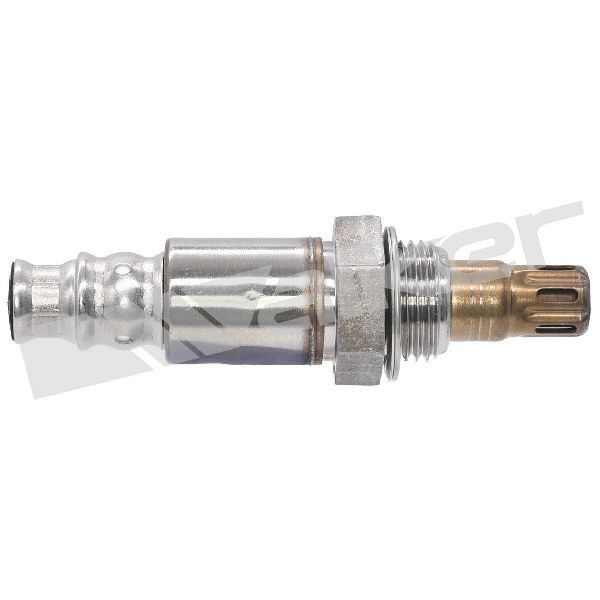
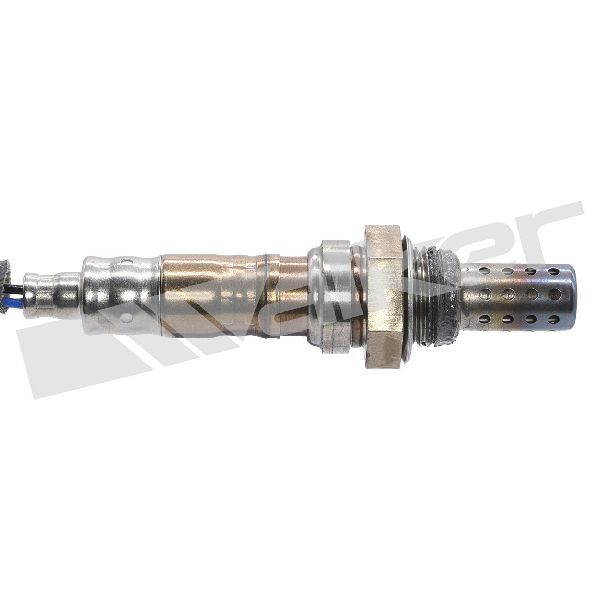
- Rear Oxygen Sensor (Bank 1, Sensor 2)
(OEM #22690AB08A)— This is the most common failure part for code P0138 on this vehicle, as acknowledged by Subaru TSB #09-115-24R which introduced an improved version of this sensor. This part number supersedes 22690AB070.
Trusted brands: Subaru (Genuine OEM / Denso), Denso (Aftermarket), NGK/NTK, Bosch
OEM price range: $150-$250
Aftermarket price range: $100-$180
Related Codes That Often Appear With This One
- P0137 — Relates to low voltage in the same sensor circuit, indicating an erratic sensor or wiring problem. Both are mentioned in the same Subaru TSB #09-115-24R.
- P0140 — Indicates no activity from the same sensor, pointing to a complete failure or wiring break. Also mentioned in the Subaru TSB.
- P0141 — Points to a failure in the heater circuit of the same O2 sensor, which is integral to the sensor's operation. Also mentioned in the Subaru TSB.
Technical Service Bulletins (TSBs) & Recalls
- 09-115-24R: Announcing the availability of a new, improved oxygen sensor to address DTCs P0137, P0138, P0140, and P0141. This TSB confirms the root cause is often internal sensor cracking.
Platform-Specific Known Issues
- Subaru has issued Technical Service Bulletin #09-115-24R, which applies to the 2017-2024 Impreza and Crosstrek. It announces the release of a redesigned rear oxygen sensor to address recurring P0137, P0138, P0140, and P0141 trouble codes. The new sensor has an improved internal coating ('optimized coating application') to prevent internal cracking and short circuits that cause the fault.
Mechanic-Grade Diagnostic Values
- Downstream O2 Sensor (B1S2) Heater Circuit Resistance — expected: 5 - 10 Ohms. Failure: A reading over 50 Ohms, or an open circuit (no reading), indicates a failed heater element within the sensor.
- Downstream O2 Sensor (B1S2) Live Data Voltage (at idle, warm engine) — expected: A lazy, slowly drifting voltage generally stable just above 0.5V.. Failure: Voltage is stuck high, typically above 0.9V and up to 1.1V, without fluctuation.
Wiring & Ground Locations
- Main Engine Ground — The primary engine-to-chassis ground cable connects from the negative battery terminal to the chassis, and a critical engine ground strap is located on the top starter mounting bolt, connecting to the transmission bell housing.. The ECU grounds through the intake manifold, which relies on a solid engine-to-chassis ground. A poor or corroded main ground at the starter can create a floating ground reference, causing sensor readings, including the O2 sensor, to be skewed high.
- Rear O2 Sensor Harness Connector — The sensor connector is typically clipped to the passenger-side frame rail. The harness itself runs up the side of the transmission from the sensor and connects to the main engine harness on top of the bell housing.. Knowing the connector location on the frame rail is key for testing. Understanding the harness routing along the transmission helps in tracing the wires to check for damage from heat or physical contact.
OEM Part Supersession History
22690AB070→22690AB08A— The part was updated to a more robust design with an improved internal coating to prevent cracking and short circuits, as detailed in TSB 09-115-24R.
Heads up: While the TSB states the part number did not change upon release of the new design, parts catalogs confirm 22690AB08A is the correct, current replacement for 22690AB070. Always use the latest part number.
Helpful Videos
We Have This Part in Stock

The information in this article is provided for general reference and educational purposes only. Vehicle specifications, procedures, and part compatibility can vary by production date, trim level, and region. Always consult your vehicle's factory service manual and verify part numbers before purchasing or performing repairs. Safety-critical components such as airbags, seat belts, and braking systems should be installed by a qualified professional.
- Subaru IMPREZA:
- 🎬 Helpful Videos
- 🛍️ Shop This Part
- What's Unique About the 2017-2024 Subaru IMPREZA
- Diagnostic Flowchart
- Symptoms You May Notice
- Most Likely Causes
- Rare But Worth Checking
- Diagnosis Steps
- Parts You'll Likely Need
- Related Codes That Often Appear With This One
- Technical Service Bulletins (TSBs) & Recalls
- Platform-Specific Known Issues
- Mechanic-Grade Diagnostic Values
- Wiring & Ground Locations
- OEM Part Supersession History
- 🎟️ Get 5% Off