

P0138 on 2005-2010 Pontiac Vibe: O2 Sensor Circuit High Voltage Causes and Fixes
On a 2005-2010 Pontiac Vibe, code P0138 almost always points to a failed downstream (post-catalytic converter) oxygen sensor. Replacing it is a common DIY fix, with parts costing between $55 and $125. A notable secondary cause is water from a clogged A/C drain shorting the sensor's connector inside the cabin, an issue documented in a GM Technical Service Bulletin.
- P0138 on a Vibe means there's a high voltage signal from the rear oxygen sensor (Bank 1, Sensor 2).
- The most common fix is to replace the downstream O2 sensor. Use a quality brand like Denso or NTK.
- Before replacing the sensor, check for the TSB-related issue: pull back the passenger carpet and inspect the sensor's electrical connector for moisture, especially if code P0607 is also present.
- The Pontiac Vibe is a Toyota in disguise, so diagnostic and repair procedures follow Toyota conventions.
- You will need a special O2 sensor socket to perform the replacement, but it is a very manageable DIY job.
What's Unique About the 2005-2010 Pontiac VIBE
The Pontiac Vibe is a mechanical twin of the Toyota Matrix, built on a Toyota Corolla platform. Therefore, diagnostic logic and parts (like Denso oxygen sensors) are shared with Toyota, not other GM vehicles. A critical issue for this platform is documented in Technical Service Bulletin (TSB) #10-06-04-010A, which links P0138 with code P0607 (ECM/PCM Processor fault). This TSB explains that a clogged A/C evaporator drain can cause water to drip onto the O2 sensor's electrical connector inside the cabin. This shorts the circuit, specifically creating a path for current to flow from the heater circuit to the signal circuit, triggering both codes, especially in high heat with the A/C running. Forum users on GenVibe.com have extensively discussed this exact issue, confirming it happens after heavy rain or A/C use.
Diagnostic Flowchart
Tap your situation to follow the diagnostic path that matches what you're seeing on this vehicle.
Generation note: The 2005-2010 range covers two Vibe generations. The first generation (2005-2008) used Toyota's 1.8L 1ZZ-FE engine. The second generation (2009-2010) offered a new 1.8L 2ZR-FE and a larger 2.4L 2AZ-FE engine. While the P0138 code's meaning is the same, the specific part number for the downstream O2 sensor differs between these engines and drivetrains (FWD vs. AWD).
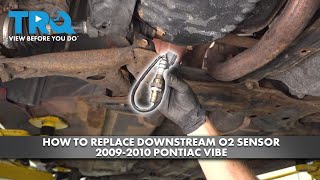
🎬 See how to replace the downstream sensor on 2009-2010 models.Symptoms You May Notice
- Check Engine Light (MIL) is on.
- Vehicle may fail an emissions test.
- Potential for decreased fuel economy.
- Rough idle in some cases.
- Brief low power or hesitation when accelerating from a stop, especially when the engine is cold.
- Vehicle Stability Control (VSC) light may also illuminate, particularly when P0138 is accompanied by P0607.
- Replacing the catalytic converter. A P0138 code points to the sensor that *monitors* the converter, not necessarily the converter itself.
- Replacing the upstream Air/Fuel Ratio Sensor (Sensor 1). P0138 specifically refers to Sensor 2, which is located downstream of the catalytic converter.
Most Likely Causes
- Failed Downstream Oxygen Sensor (Bank 1, Sensor 2) 🔴 High Probability Oxygen sensors are wear items that fail over time from heat and contamination. A 2007 Vibe owner reported the original sensor failing at 137k miles due to a corroded wire near the sensor body.
How to confirm: Use a scan tool to monitor the live voltage data for the B1S2 sensor. If it stays fixed at a high voltage (e.g., over 0.9V) and does not fluctuate slowly as it should on a warm engine, the sensor has likely failed.
Typical fix: Replace the downstream oxygen sensor. This requires an O2 sensor socket (typically 22mm or 7/8") and accessing the sensor from under the vehicle. 🎬 Watch: A walkthrough of the pre and post catalytic sensor replacement. Soaking the sensor with penetrating oil beforehand is recommended.
Est. part cost: $55-$125 - Water Intrusion into O2 Sensor Connector 🟡 Medium Probability A known issue documented in TSB #10-06-04-010A where a clogged A/C evaporator drain drips water onto the sensor connector located inside the passenger cabin. This can happen even without the carpet feeling wet. Forum users confirm this happens after heavy rain or with A/C use in high ambient temperatures.
How to confirm: Pull back the carpet on the passenger side floor, near the center console/transmission tunnel, to access the O2 sensor's gray electrical connector. Check for any signs of moisture, green or white corrosion on the pins. This is especially likely if the code appears with P0607.
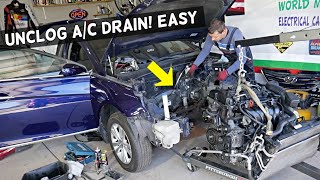
Typical fix: Disconnect the connector, dry it thoroughly with compressed air, fill both halves of the connector with dielectric grease to seal it from moisture, and reconnect. Clear the clogged A/C evaporator drain tube from underneath the vehicle (on the firewall) using compressed air or a flexible wire to prevent recurrence.
Est. part cost: $5-$10 for dielectric grease and cleaning supplies - Damaged Wiring or Corroded Connector ⚪ Low Probability The wiring harness runs underneath the car and is exposed to road debris, moisture, and heat, which can cause damage over time. One owner found the wire insulation had broken from flexing, leading to corrosion and failure.
How to confirm: Visually inspect the entire wiring harness from the sensor to the connector for any signs of breaks, melting, chafing, or corrosion. Check the connector pins for damage.
Typical fix: Repair or replace the damaged section of the wiring harness. Clean or replace the connector if corroded. A replacement connector pigtail is available from brands like Standard Motor Products.
Est. part cost: $10-$50 for wiring repair supplies
Rare But Worth Checking
- Exhaust Leak: An exhaust leak before the downstream O2 sensor can allow extra oxygen into the exhaust stream, confusing the sensor and potentially causing incorrect voltage readings. One user found a leaking exhaust flange donut gasket which they suspected was contributing to erratic O2 readings. This is less common for a high voltage code but still possible.
- Faulty Engine Control Module (ECM): This is very rare, but TSB #10-06-04-010A mentions it as a possibility, especially when P0138 is paired with P0607. This should only be considered after all other possibilities (sensor, wiring, water intrusion) have been eliminated.
Diagnosis Steps
- Read the trouble codes with an OBD-II scanner and confirm P0138 is present.
- Check for other codes, paying close attention to P0607, as this strongly points to the water intrusion issue.
- Pull back the passenger-side carpet near the center console to expose the downstream O2 sensor connector. For some AWD models, the connector may be under the passenger seat, requiring seat removal (4 bolts). Inspect for any signs of moisture or corrosion. If wet, this is the likely cause per TSB #10-06-04-010A.
- If moisture is found, disconnect the connector, clean and dry the terminals with compressed air, apply dielectric grease, and reconnect. Then, locate and clear the A/C evaporator drain tube which exits through the firewall.
- If the connector is dry, inspect the wiring harness running from the sensor underneath the car to the connector for any visible damage, melting, or breaks.
- Using a scan tool with live data, observe the voltage for 'O2S B1S2'. A healthy downstream sensor on a warm engine should show voltage fluctuating slowly, drifting just above 0.5 volts. If the voltage is stuck high (e.g., >0.9V), the sensor or its circuit is faulty.
- If the sensor and wiring appear good, and no water is found at the connector, the sensor itself is the most likely culprit.
- Replace the downstream O2 sensor (Bank 1, Sensor 2). A specialized 22mm O2 sensor socket is recommended.
- If the problem persists after replacing the sensor and verifying the wiring, investigate the rare possibility of an exhaust leak or an ECM fault.
Parts You'll Likely Need
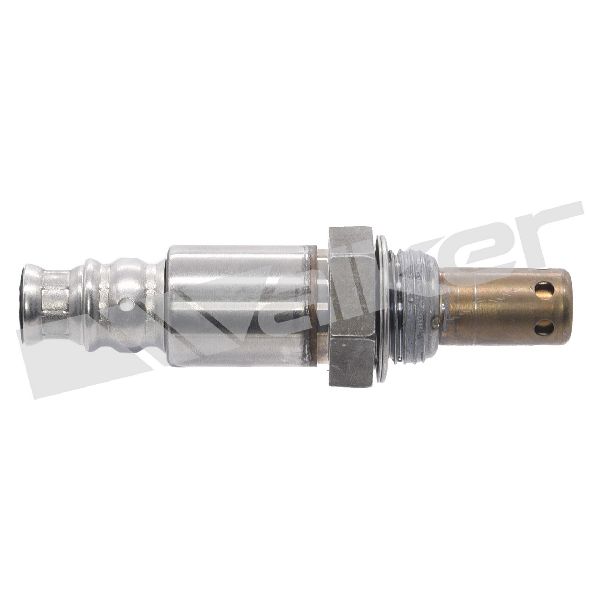
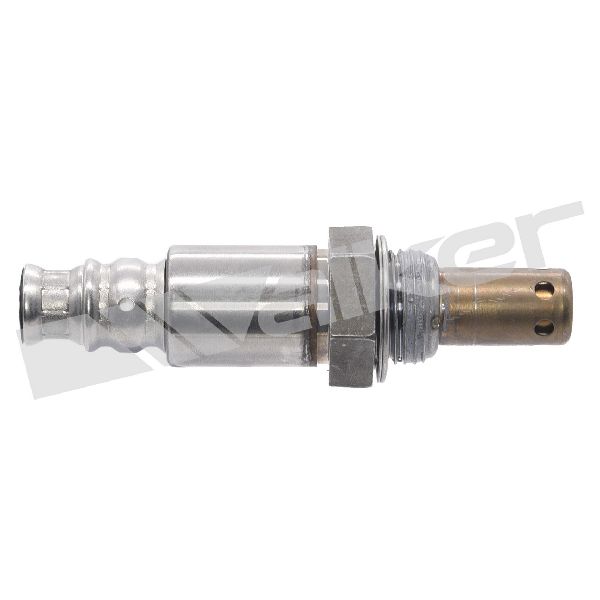
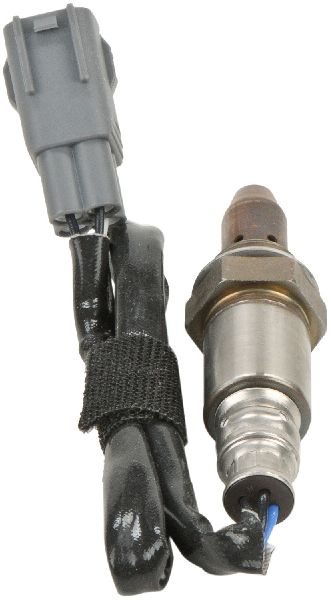
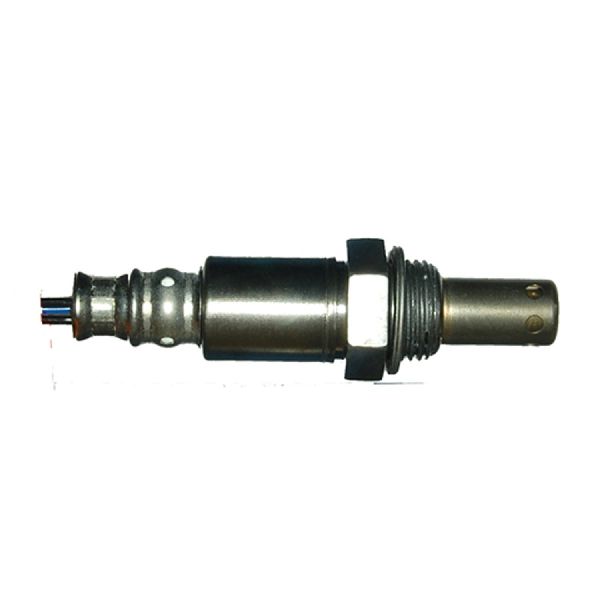
- Downstream Oxygen Sensor (Bank 1, Sensor 2)
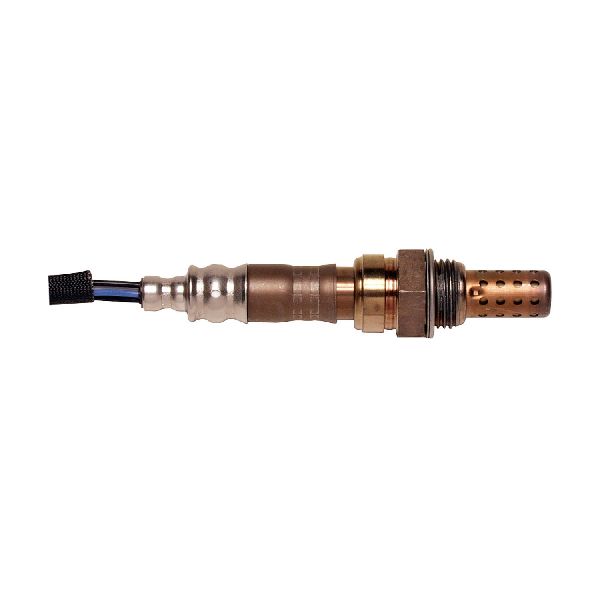
(OEM #Denso 234-4233 (for 2005-2008 1.8L 1ZZ-FE FWD/AWD))— This is the most common failure point for code P0138. The sensor's heating element or sensing capabilities degrade over time. Denso is the OEM supplier and highly recommended.
Trusted brands: Denso, NGK/NTK
OEM price range: $80-$140
Aftermarket price range: $55-$125
Related Codes That Often Appear With This One
- P0607 — As documented in TSB #10-06-04-010A, a clogged A/C drain can cause water to short the O2 sensor connector, leading the ECM to report both a sensor circuit fault (P0138) and an internal processor fault (P0607). This is a well-documented pairing on Vibe/Matrix forums.
- P0136 — This code indicates a general malfunction in the same O2 sensor circuit (Bank 1, Sensor 2) and can sometimes appear alongside P0138 as part of the same fault.
Technical Service Bulletins (TSBs) & Recalls
- 10-06-04-010A: Intermittent MIL/Check Engine light on, DTCs P0607 and/or P0138, vehicle Stability Control lamp on, drivability concerns in high ambient temperatures with A/C on.
Platform-Specific Known Issues
- TSB #10-06-04-010A: This bulletin is the most critical vehicle-specific issue. It addresses intermittent Check Engine and/or Vehicle Stability Control lights with DTCs P0138 and/or P0607. The cause is a potentially restricted A/C evaporator drain tube causing water to drip onto the downstream O2 sensor connector inside the vehicle. The fix involves cleaning and drying the connector, applying silicone grease, and clearing the drain tube.
- Connector Location Variance: On most FWD models, the downstream O2 sensor connector is found by pulling back the passenger-side carpet near the center console. However, on some first-generation AWD models, owners have reported the connector is located further back, underneath the passenger seat, requiring the seat to be unbolted for access.
Mechanic-Grade Diagnostic Values
- Downstream O2 Sensor (B1S2) Voltage — expected: Slowly fluctuates, drifting just above 0.5V on a warm, running engine.. Failure: Stuck at a high voltage, typically above 0.9V and up to 1.1V or more.
- O2 Sensor Heater Circuit Resistance (1.8L 1ZZ-FE) — expected: 1.8 to 3.4 ohms.. Failure: A reading outside this range, such as 1.7 ohms or lower, or a very high reading like 14+ ohms, indicates a faulty heater circuit.
- Forced Rich Condition Test — expected: Voltage should quickly rise to near 800mV (0.8V).. Failure: The voltage changes slowly or does not increase significantly, indicating a lazy or failed sensor.
- Forced Lean Condition Test — expected: Voltage should quickly drop to near 200mV (0.2V).. Failure: The voltage reading is higher than expected or reacts slowly, indicating a faulty sensor.
Hidden / Shadow Codes Worth Checking
- Mode 6 Data: Mode 6 stores the results of non-continuous self-tests run by the vehicle's computer. For the O2 sensor, this includes tests for heater circuit performance and sensor response. A failing test in Mode 6 can indicate a sensor is becoming degraded or intermittent before it fails badly enough to trigger a constant Check Engine Light. (see via An advanced OBD-II scan tool capable of displaying Mode 6 test results (Test IDs and Component IDs).)
Scan Tool Commands That Help
- Toyota Techstream: Active Test: Control the Injection Volume — This bidirectional function allows a technician to manually increase or decrease the amount of fuel injected. By making the engine run rich or lean on command, you can watch the live data from the B1S2 O2 sensor to see if it responds quickly and correctly to the change, confirming if the sensor is functional.
Wiring & Ground Locations
- G104 / G105 — For 2009+ 2.4L engines, these grounds are located on the left rear of the engine. For 2005-2008 1.8L engines, G104 is on the rear of the cylinder head.. These are primary engine ground points. A poor ground connection at these locations can introduce electrical noise and voltage offsets, potentially affecting sensor readings and causing incorrect codes like P0138.
- Downstream O2 Sensor Connector (FWD) — Inside the passenger cabin. The wire comes up through a grommet in the floor. The connector is located behind the carpet near the center console/transmission tunnel area.. This is the connector that gets wet due to a clogged A/C drain, as specified in TSB #10-06-04-010A. Knowing its precise location is key to diagnosing the water intrusion issue.
- Downstream O2 Sensor Connector (AWD, 1st Gen) — Underneath the front passenger seat. The seat must be unbolted (4 bolts) and removed to access the connector.. This location is different from the FWD models and is a critical detail for diagnosis on AWD vehicles. A technician unaware of this variation could waste significant time searching for the connector in the wrong place.
- ECM Pin (2.4L Engine) — At the Engine Control Module (ECM). The signal from the downstream sensor is labeled 'HO2S high signal (b1s2)'.. When diagnosing a persistent P0138, a technician can back-probe this pin at the ECM to verify if the high voltage signal is reaching the computer, which helps isolate the fault to the wiring/sensor or the ECM itself.
Real Owner Repair Stories
- GenVibe Forums User (2005 Pontiac Vibe AWD) — P0138 fault code.
❌ Tried (didn't work) Looking for the sensor connector under the passenger side carpet near the center console, where it is located on FWD models.
✅ What actually fixed it The owner discovered that on the first-generation AWD model, the connector is located under the front passenger seat. After removing the seat to access and disconnect the connector, they replaced the downstream O2 sensor, which resolved the code. - YouTube User (2007 Pontiac Vibe 1.8L with 137,000 miles) — P0138 error code.
✅ What actually fixed it The owner replaced the downstream (Bank 1, Sensor 2) oxygen sensor. Upon inspection of the old part, they found the wire's insulation had broken from flexing over time, which led to the internal wire corroding and failing. The fix was a new sensor.
"I Checked Everything" — The Actual Cause
- A common diagnostic dead-end for P0138 occurs when the code appears intermittently, often after rain or a car wash. A technician might test the sensor and wiring on a dry day and find no faults. The actual cause is water getting into an exposed wire or, more specifically for the Vibe, into the in-cabin connector from a clogged A/C drain. The water creates a temporary short circuit that causes the high voltage reading. When the connector dries out, the code may disappear, making the problem difficult to replicate in a shop environment.
OEM Part Supersession History
Denso Direct Fit Sensor→N/A— N/A
Heads up: It is highly recommended to use a 'direct-fit' sensor from an OEM supplier like Denso or NGK/NTK. Universal sensors, which require cutting the old connector and splicing it onto the new sensor, introduce a potential point of failure. An improper splice can create resistance issues or allow moisture entry, leading to a repeat of the P0138 code or other circuit faults.
Model Year Variations Within This Range
- 2005-2008 (First Generation) AWD Models: The electrical connector for the downstream oxygen sensor (Bank 1, Sensor 2) is located under the front passenger seat. This differs from FWD models where the connector is more easily accessed by pulling back the carpet near the center console. Accessing the connector on AWD models requires unbolting and removing the passenger seat.
Helpful Videos

We Have This Part in Stock


The information in this article is provided for general reference and educational purposes only. Vehicle specifications, procedures, and part compatibility can vary by production date, trim level, and region. Always consult your vehicle's factory service manual and verify part numbers before purchasing or performing repairs. Safety-critical components such as airbags, seat belts, and braking systems should be installed by a qualified professional.
- Pontiac VIBE:
- 🎬 Helpful Videos
- 🛍️ Shop This Part
- What's Unique About the 2005-2010 Pontiac VIBE
- Diagnostic Flowchart
- Symptoms You May Notice
- Most Likely Causes
- Rare But Worth Checking
- Diagnosis Steps
- Parts You'll Likely Need
- Related Codes That Often Appear With This One
- Technical Service Bulletins (TSBs) & Recalls
- Platform-Specific Known Issues
- Mechanic-Grade Diagnostic Values
- Hidden / Shadow Codes Worth Checking
- Scan Tool Commands That Help
- Wiring & Ground Locations
- Real Owner Repair Stories
- "I Checked Everything" — The Actual Cause
- OEM Part Supersession History
- Model Year Variations Within This Range
- 🎟️ Get 5% Off