

P0138 on 2008-2016 Audi A4 2.0T: O2 Sensor High Voltage Causes and Fixes
On a 2008-2016 Audi A4 2.0T, P0138 almost always indicates a failed downstream (post-catalyst) oxygen sensor. Before buying parts, inspect the sensor's wiring harness for melting or damage, as this is a common secondary cause. Expect to pay $70-$150 for a quality aftermarket sensor (like Bosch, the OEM supplier) and $150-$250 for an OEM part; it's a DIY-friendly job with a 22mm O2 sensor socket.
- P0138 on your A4 2.0T means the rear oxygen sensor (after the catalytic converter) is sending a constant high voltage signal.
- The most likely fix is replacing the sensor, but you must inspect the wiring harness for melting or damage first, as this is a known issue on this platform.
- Bosch is a common OEM supplier for this part, offering a reliable aftermarket alternative to the dealer part.
- This is a manageable DIY job with basic tools and a special 22mm (7/8") O2 sensor socket.
- Do not ignore this code. It will cause you to fail an emissions test and could lead to more expensive catalytic converter damage in the long run.
What's Unique About the 2008-2016 Audi A4
The 2.0T TFSI (EA888) engine in the B8 generation A4 is not known for a specific design flaw that directly causes P0138. However, two platform-specific issues can contribute. First, many earlier engines in this range (notably 2009-2012) are known for excessive oil consumption due to piston ring issues, which can contaminate the exhaust and shorten the life of O2 sensors over time. This was the subject of a class-action lawsuit. Second, the wiring for the downstream sensor is sometimes routed in a way that can lead to melting against the exhaust pipe or chafing on the driveshaft if retaining clips fail, making a visual inspection of the harness a critical first step.
Generation note: The 2008-2016 model years cover the Audi A4 B8 generation, which includes the B8.5 facelift (from 2013 onwards). For this specific code, there are no significant differences in diagnosis or repair between the B8 and B8.5 chassis with the 2.0T engine. However, earlier B8 models (approx. 2009-2012) are more known for the oil consumption issues which can contribute to premature O2 sensor failure. The diagnosis is also identical for platform mates like the Audi A5 and Q5 with the same engine.
Symptoms You May Notice
- Check Engine Light is on
- Failure to pass an emissions/smog test
- Slightly decreased fuel economy
- Rough idling or hesitation during acceleration
- Noticeable loss of power or a 'dragging' feeling when taking off from a stop
- Strong exhaust odor in some cases
- Replacing the catalytic converter. P0138 points to the sensor that *monitors* the converter, not the converter itself. A bad converter typically triggers a P0420 code.
- Replacing the upstream oxygen sensor (Bank 1, Sensor 1). P0138 is specific to the downstream sensor (Sensor 2).
- Ignoring a rich-running condition. If the upstream O2 sensor or a fuel injector is faulty, the downstream sensor may be working perfectly and correctly reporting the resulting rich exhaust. The P0138 is a symptom in this case, not the root cause.
Most Likely Causes
- Failed Downstream Oxygen Sensor (Bank 1, Sensor 2) 🔴 High Probability The sensor is a wear-and-tear item exposed to extreme heat and contaminants in the exhaust stream. Its location under the car also exposes it to road salt and moisture, which can shorten its life. Oil consumption issues on the EA888 engine can also foul the sensor, leading to premature failure.
How to confirm: Use a scan tool to monitor the live data for the B1S2 voltage. If the engine is warm and at a steady RPM, and the voltage is stuck high (e.g., >1.0V), the sensor has likely failed internally. You can also test the sensor's internal heater circuit with a multimeter; resistance should be between 5-20 Ohms.
Typical fix: Replace the Bank 1, Sensor 2 oxygen sensor. An offset 22mm (7/8") O2 sensor socket is highly recommended. Applying anti-seize compound to the new sensor's threads is recommended. Torque the new sensor to approximately 37 Nm (27 ft-lbs).
Est. part cost: $70-$250 - Damaged O2 Sensor Wiring or Connector 🟡 Medium Probability The wiring harness for the downstream sensor is sometimes routed close to the hot exhaust pipe or the driveshaft. If a retaining clip breaks, the harness can easily melt or chafe, causing a short circuit that results in a high voltage reading. The connector itself is located on the underbody near the transmission tunnel and is susceptible to moisture and corrosion.
How to confirm: Visually inspect the entire length of the sensor's wiring harness from the sensor itself to the main 4-pin electrical connector. Look for melted plastic, exposed wires, or chafing marks. Disconnect the plug and check for corrosion or pushed-out pins. Test for continuity and shorts using a multimeter.
Typical fix: Repair the damaged section of the wiring harness using solder and heat-shrink connectors. Secure the harness away from heat sources or moving parts with new clips or high-temperature zip ties. Clean corroded connectors or replace the connector if damaged.
Est. part cost: $5-$50 - Rich Fuel Condition ⚪ Low Probability This can be caused by a separate issue, such as a failing upstream O2 sensor (Sensor 1), a leaking fuel injector, or a faulty PCV valve, which forces the ECU to add too much fuel. The downstream sensor correctly reports this rich mixture as high voltage.
How to confirm: Check long-term and short-term fuel trims with a scan tool. Consistently negative numbers (e.g., -10% or more) indicate the ECU is removing fuel to compensate for a rich condition. Also, check for other codes like P0172 (System Too Rich).
Typical fix: Diagnose and repair the root cause of the rich condition, which may involve replacing the upstream O2 sensor, a fuel injector, or a PCV valve.
Est. part cost: $100-$500+
Rare But Worth Checking
- Engine Control Module (ECM) Fault: This is extremely rare. The ECM should only be considered as the cause after all other possibilities, including the sensor, wiring, and fuel system, have been thoroughly ruled out.
- Exhaust Leak Before the Sensor: While counterintuitive, a small exhaust leak before the sensor can sometimes draw in oxygen, confusing the upstream sensor and leading to a rich command from the ECU, which the downstream sensor then reports as high voltage. This is more common with codes like P0139 but can be a factor.
Diagnosis Steps
- Connect an OBD-II scanner to confirm the P0138 code and check for any other stored codes, especially fuel trim (P0172) or misfire codes (P030x).
- Perform a detailed visual inspection of the downstream (post-catalytic converter) O2 sensor's wiring harness. Trace it from the sensor to its connector, which is typically clipped to the underbody near the transmission tunnel. Look for any signs of melting, chafing, or physical damage.
- With the engine warm and running, use the scanner's live data feature to observe the voltage from 'Bank 1, Sensor 2'. A healthy sensor should show a relatively stable voltage between 0.5V and 0.8V. If it is stuck high (above 1.0V), this confirms the fault condition.
- If the wiring appears damaged, repair it, clear the codes, and perform a test drive to see if the code returns.
- If the wiring is intact and the voltage is stuck high, the sensor itself is the most likely culprit and should be replaced. Using a 22mm offset oxygen sensor socket is recommended.
- After replacing the sensor, clear the trouble codes and perform a test drive to ensure the repair was successful.
- If the code returns, further investigation into the vehicle's fuel system (injectors, fuel pressure, PCV valve) and the upstream O2 sensor is necessary to rule out a rich running condition.
Parts You'll Likely Need
- Downstream Oxygen Sensor (Bank 1, Sensor 2)
(OEM #8K0906262G)— This sensor is a common wear item, and its internal failure is the most frequent cause of a stuck high voltage signal that triggers the P0138 code.
Trusted brands: Bosch (OEM supplier), NTK/NGK, Denso
OEM price range: $150-$250
Aftermarket price range: $70-$150
Related Codes That Often Appear With This One
- P0420 — A failing O2 sensor can provide inaccurate data about the catalytic converter's performance, potentially leading to a false P0420 (Catalyst Efficiency) code.
- P0136 — This code indicates a general malfunction in the same O2 sensor circuit, and can appear alongside the more specific P0138 code.
- P0137 — This code for 'O2 Sensor Circuit Low Voltage' can appear with P0138 if the sensor is failing erratically, sending signals that are both too high and too low.
- P0141 — This code for 'O2 Sensor Heater Circuit Malfunction (Bank 1, Sensor 2)' often appears with P0138, as a short in the wiring or an internal failure can affect both the signal and heater circuits simultaneously.
Platform-Specific Known Issues
- The wiring harness for the downstream O2 sensor can become detached from its retaining clips and melt against the hot exhaust pipe, causing a short circuit.
- Early B8 models (2009-2012) with the 2.0T EA888 engine were known for excessive oil consumption due to faulty piston rings. Over an extended period, this can foul the O2 sensor with burnt oil deposits, leading to premature failure.
- The 4-pin electrical connector on the underbody is exposed to the elements and can suffer from water intrusion or corrosion, disrupting the signal.
Mechanic-Grade Diagnostic Values
- Downstream O2 Sensor (B1S2) Voltage at steady cruise (warm engine) — expected: Relatively stable voltage between 0.5V and 0.8V.. Failure: Voltage is stuck consistently above 1.0V and does not fluctuate.
- Downstream O2 Sensor (B1S2) Heater Circuit Resistance (cold) — expected: 5 to 20 Ohms.. Failure: An open circuit (infinite resistance) or a reading outside the specified range indicates a failed internal heater.
- VCDS Measuring Block Group 036, Field 1 (Post-catalyst O2 Sensor Voltage) — expected: Slowly fluctuating or stable voltage between 0.5V and 0.8V.. Failure: Voltage reading is fixed above 1.0V.
- Power at O2 Sensor Harness Connector (Heater Power Pin to Ground) — expected: 12V (Battery Voltage) with Key On, Engine Off.. Failure: No voltage indicates a blown fuse or an open in the power supply wire from the fuse box.
Scan Tool Commands That Help
- VCDS (VAG-COM): Engine -> Measuring Blocks -> Group 036 — Use this to monitor the live voltage (Field 1) and readiness status (Field 2) of the Bank 1, Sensor 2. A 'B1-S2 not OK' status combined with a high, fixed voltage points directly to a sensor or circuit fault.
- VCDS (VAG-COM): Engine -> Basic Settings -> Group 036 — After the engine is warm, this function initiates an ECU self-test of the post-catalyst sensor. The result will display 'B1-S2 OK' or 'B1-S2 not OK', providing a definitive pass/fail result for the sensor's activity and confirming a fault.
Wiring & Ground Locations
- Fuse SB7, Fuse Holder B — In the fuse box located in the engine compartment plenum chamber, under the plastic cover near the base of the windshield.. This 15A fuse often powers the heater circuit for the downstream O2 sensor (Bank 1, Sensor 2). Although P0138 is a high voltage signal code, it is often accompanied by heater circuit codes like P0141. A blown fuse here points to a short circuit in the wiring or sensor heater.
- Downstream O2 Sensor Connector — The 4-pin electrical connector is typically clipped to a metal bracket on the transmission tunnel, under the vehicle.. This is the primary connection point to test the sensor and vehicle-side harness. It is exposed to underbody moisture and debris, making it a potential point of corrosion or damage that can cause the high voltage signal fault.
Real Owner Repair Stories
- Audizine Forums (2011 Audi A4 2.0T) — Persistent P0138 CEL that would not clear.
❌ Tried (didn't work) Replacing the downstream O2 sensor
✅ What actually fixed it The wiring harness for the sensor had come loose from a retaining clip and melted against the hot exhaust pipe, causing a short. Repairing the shorted wires and securing the harness away from the exhaust resolved the code.
OEM Part Supersession History
Multiple older numbers (e.g., 06A906262CL, 06F906262P)→8K0906262G— Standard part evolution and consolidation for VAG models.
Heads up: While many sensors may physically fit, using a non-specified part can lead to incorrect readings. The B8.5 engines (CAED/CPMB) may use different sensors than the earlier B8 CAEB engines, so verifying by VIN is critical.
Model Year Variations Within This Range
- 2009-2012 (B8): These model years primarily used the EA888 Gen 2 engine with the code 'CAEB'. These are the engines most known for the piston ring oil consumption issue that can lead to premature O2 sensor fouling.
- 2013-2016 (B8.5): The facelifted B8.5 models introduced engine updates. The 2.0T engine codes changed to 'CAED' and flex-fuel versions 'CPMA'/'CPMB' were introduced. While the P0138 diagnosis is similar, there were minor sensor and electronic changes (e.g., different crank position sensor) that make it important to source parts by VIN, especially when swapping major components.
Diagnostic Flowchart
Other Known Issues on This Vehicle
Issues unrelated to this code that are worth knowing about as an owner of this generation:
- Timing Chain Tensioner Failure 🔴 High — Common on pre-2013 EA888 Gen 2 engines, typically between 60k-100k miles. Failure can cause catastrophic engine damage. (Ref: Multiple TSBs were issued and a class-action lawsuit settlement extended warranties for some vehicles.)
- Excessive Oil Consumption 🔴 High — Very common on 2009-2012 2.0T engines due to faulty piston rings. Can start as early as 50k miles and requires adding oil every 500-1000 miles. (Ref: Subject of a major class-action lawsuit which led to a settlement for repairs and reimbursement for some owners.)
- Water Pump / Thermostat Failure 🟠 Medium — Common failure item, often between 60k-90k miles. The original plastic housing is prone to cracking and leaking coolant. (Ref: No recall, but a well-documented common repair.)
- PCV Valve Failure 🟠 Medium — The diaphragm inside the PCV (crankcase ventilation) valve can tear, usually after 50k miles, causing high oil consumption, rough idle, and a whistling noise. (Ref: No recall, but a very common and relatively inexpensive DIY repair.)
- Intake Valve Carbon Buildup 🟠 Medium — A consequence of the direct injection (TFSI) design. Significant buildup is common by 60k-80k miles, causing misfires, hesitation, and reduced performance. Requires manual cleaning (walnut blasting).
Used vs. New Parts: Buying Guide for This Vehicle
When a used part is the smart pick: A used part is almost never a smart choice for an oxygen sensor. They are a wear-and-tear item with a finite lifespan, and the labor to replace one is significant enough that installing a used sensor with unknown life remaining is poor economy. A used wiring harness pigtail could be a good option if only the connector is damaged.
Donor-vehicle mileage cap: roughly under 30000 miles for the part to have meaningful remaining life.
What to inspect on the donor part:
- For a connector pigtail, ensure the plastic is not brittle, the locking tab is intact, and there is no corrosion on the pins.
- Avoid any O2 sensor that shows physical damage, heavy carbon fouling, or a white, ashy deposit, which indicates contamination.
Aftermarket brands forum-validated for this vehicle:
- Bosch (often the OEM supplier for Audi)
- NTK/NGK
- Denso
Brands owners have reported issues with on this vehicle:
- Unnamed, no-brand, or generic 'universal' sensors that require splicing wires. These often have incorrect resistance values or poor longevity, leading to the code returning.
Real Owner Stories
Aggregated from forums and TSBs cited above. Mileages and costs reflect what owners reported in those sources.
2009 Audi A4 2.0T — ~50000 miles
Symptoms: Excessive oil consumption requiring oil to be added every 500-1000 miles; eventually the Check Engine Light came on for the O2 sensor.
What fixed it: The sensor was fouled by burnt oil deposits due to faulty piston rings; the sensor required replacement after addressing the oil consumption issue.
Source hint: vehicle_specific_issues section regarding EA888 oil consumption and sensor fouling
2010 Audi A4 2.0T
Symptoms: Check Engine Light with a high voltage reading on the downstream sensor; wiring harness was found hanging.
What fixed it: Repaired the damaged section of the wiring harness using solder and heat-shrink connectors and secured it away from the exhaust with new clips.
Source hint: common_causes and vehicle_specific_issues regarding melted wiring harnesses
Related OBD-II Codes
Frequently Asked Questions
Can the oil consumption issues on my 2010 Audi A4 2.0T cause the P0138 code?
Where is the Bank 1, Sensor 2 connector located on my A4?
Is there a specific tool I should use to replace the sensor on my Audi?
What is the correct torque specification for the new oxygen sensor?
Could a faulty PCV valve be the reason my A4 is throwing a P0138 code?
Why did my O2 sensor wiring melt on my Audi A4?
Helpful Videos
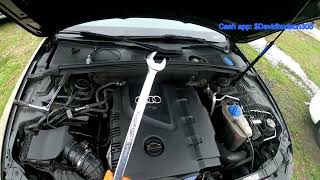
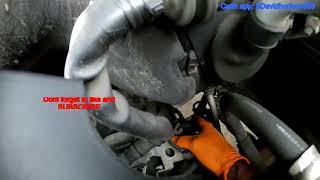
![How to Fix P0138 Engine Code in 3 Minutes [2 DIY Methods / Only $8.99]](https://img.youtube.com/vi/xhP3cILng74/mqdefault.jpg)
Used OEM Parts in Stock

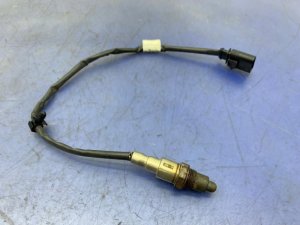
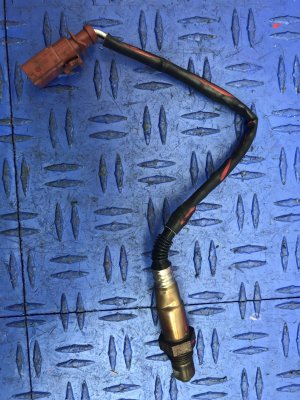
New Aftermarket Parts Available
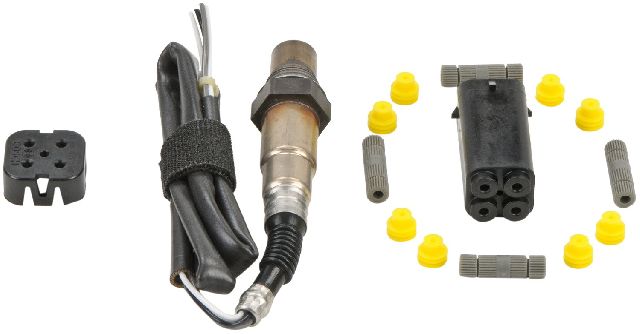
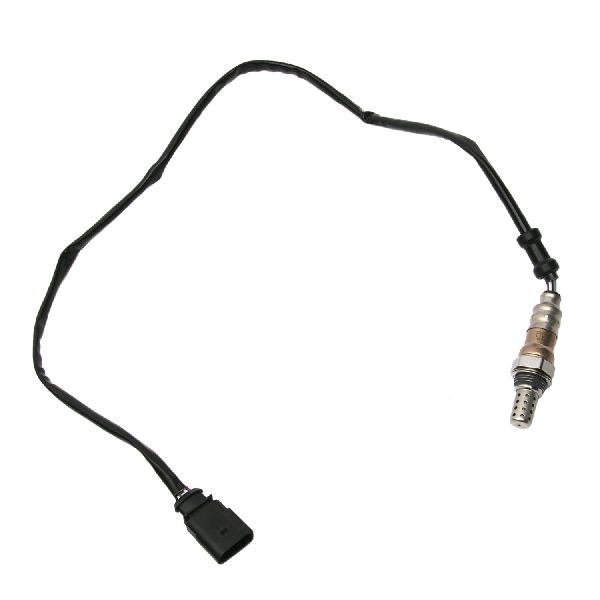

The information in this article is provided for general reference and educational purposes only. Vehicle specifications, procedures, and part compatibility can vary by production date, trim level, and region. Always consult your vehicle's factory service manual and verify part numbers before purchasing or performing repairs. Safety-critical components such as airbags, seat belts, and braking systems should be installed by a qualified professional.
- Audi A4:
- 🎬 Helpful Videos
- 🛍️ Shop This Part
- What's Unique About the 2008-2016 Audi A4
- Symptoms You May Notice
- Most Likely Causes
- Rare But Worth Checking
- Diagnosis Steps
- Parts You'll Likely Need
- Related Codes That Often Appear With This One
- Platform-Specific Known Issues
- Mechanic-Grade Diagnostic Values
- Scan Tool Commands That Help
- Wiring & Ground Locations
- Real Owner Repair Stories
- OEM Part Supersession History
- Model Year Variations Within This Range
- Diagnostic Flowchart
- Other Known Issues on This Vehicle
- Used vs. New Parts: Buying Guide for This Vehicle
- Real Owner Stories
- 2009 Audi A4 2.0T — ~50000 miles
- 2010 Audi A4 2.0T
- Related OBD-II Codes
- Frequently Asked Questions
- 🎟️ Get 5% Off