

P0137 on 2015-2022 Subaru Legacy: Rear O2 Sensor Low Voltage Causes and Fixes
For a 2015-2022 Subaru Legacy, code P0137 almost always points to a faulty rear oxygen sensor (Bank 1, Sensor 2). For 2015 models with the 2.5L engine, an ECM software update may be required per TSB 11-160-15. For 2020 and newer models, Subaru issued TSB 09-115-24R acknowledging a sensor design flaw and released improved parts. Expect to pay $70-$150 for a quality aftermarket sensor (Denso is the OEM supplier) or $150-$200 for a Genuine Subaru part. It's a straightforward DIY replacement for man
- P0137 on a 2015-2022 Legacy is most often caused by a failing rear oxygen sensor (Bank 1, Sensor 2).
- For 2015 models, a specific TSB exists for an ECM software update that may resolve the code without replacing parts.
- For 2020 and newer models, Subaru introduced an improved oxygen sensor to fix this exact problem.
- Before replacing the sensor, perform a quick visual inspection of the exhaust for leaks and the sensor's wiring for damage.
- This is a DIY-friendly repair for those with basic tools, and it can prevent reduced fuel economy and potential catalytic converter damage.
What's Unique About the 2015-2022 Subaru LEGACY
Subaru has specifically addressed issues causing P0137 on this platform with Technical Service Bulletins (TSBs). For early sixth-generation models (specifically 2015 2.5L), a software update for the Engine Control Module (ECM) was released via TSB 11-160-15 to optimize sensor readings and address idle drop concerns. For later models (2020+), TSB 09-115-24R announced newly designed Denso oxygen sensors to resolve P0137, P0138, and P0140 by preventing internal cracking. This history shows it's a known issue with specific, factory-authorized solutions beyond just replacing a failed part.
Diagnostic Flowchart
Tap your situation to follow the diagnostic path that matches what you're seeing on this vehicle.
Generation note: The 2015-2022 range covers two Legacy generations: the sixth (2015-2019) and the seventh (2020-present). A TSB for an ECM software update (11-160-15) specifically targets 2015 models with the 2.5L engine. A later TSB (09-115-24R) announces new, improved oxygen sensors for 2020-2024 models, confirming the issue spans both generations and has distinct factory fixes.
Symptoms You May Notice
- Check Engine Light is on
- Cruise control is disabled
- Reduced fuel economy
- Rough or unstable idle, particularly on hot restarts on 2015 models
- Failure to pass an emissions test
- Smelly exhaust fumes, like rotten eggs
- Replacing the catalytic converter. While a failing converter can sometimes cause O2 sensor codes, P0137 specifically points to a circuit voltage issue, which is far more likely to be the sensor itself, its wiring, or the ECM software logic. Always diagnose P0137 first before suspecting a P0420 (catalyst efficiency) code that may appear alongside it.
Most Likely Causes
- Faulty Rear Oxygen Sensor (Bank 1, Sensor 2) 🔴 High Probability Subaru released TSB 09-115-24R announcing newly designed oxygen sensors for 2020+ models to address P0137. The bulletin states the new sensors have an "optimized coating application to help prevent cracking within the internal surfaces reducing any possibility of short/open circuits," directly admitting a design flaw in the original parts. Forum discussions overwhelmingly point to sensor replacement as the fix.
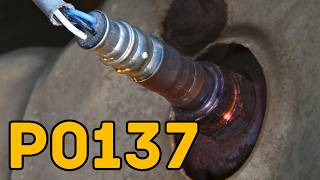
How to confirm: Use a scan tool to monitor the live data for the B1S2 O2 sensor. 🎬 Watch: A professional diagnostic walkthrough for the P0137 code. A healthy sensor will show a relatively stable voltage (typically 0.5V-0.8V). If the voltage is stuck low (e.g., <0.2V), the sensor is likely bad. Intermittent failure is also common, where the code appears and disappears over several drive cycles.
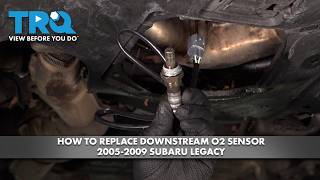
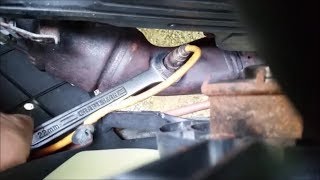
Typical fix: Replace the rear oxygen sensor. Denso is the original equipment manufacturer (OEM), so a Denso-branded sensor is equivalent to the Genuine Subaru part but often cheaper. Ensure the new sensor's threads are pre-coated with anti-seize or apply a small amount, avoiding the sensor tip. Torque to 30-32 ft-lbs 🎬 See this step-by-step guide for replacing Subaru oxygen sensors. (40-44 Nm).
Est. part cost: $70-$200 - Outdated Engine Control Module (ECM) Software 🟡 Medium Probability Subaru issued TSB #11-160-15 specifically for 2015 Legacy 2.5L models to reprogram the ECM. The update optimized the diagnostic logic for DTC P0137 and also addressed complaints of engine RPM dropping at idle after a hot restart, indicating the original software was overly sensitive or had related issues.
How to confirm: A Subaru dealership or a well-equipped independent shop can check the current software calibration ID against the one specified in the TSB. This is the first step for any 2015 model presenting with P0137.
Typical fix: Reprogram the ECM with the updated software file provided by Subaru. This is typically performed by a dealer.
Est. part cost: $0 if covered, otherwise 1-1.5 hours of labor - Exhaust Leak ⚪ Low Probability Exhaust components can develop leaks from rust or loose flanges, which is not unique to this platform but is a common cause for this code across all vehicles. A leak before the rear O2 sensor allows outside air into the exhaust stream, 🎬 Watch: Understanding the common causes of low O2 sensor voltage. which the sensor reads as a lean (low voltage) condition.
How to confirm: Visually inspect the exhaust system from the engine to the rear O2 sensor for cracks, rust holes, or loose flange bolts. A common leak point is the gasket between pipe sections. You can also use a smoke machine to pressurize the exhaust and see where smoke escapes.
Typical fix: Repair the leak by replacing the damaged gasket, tightening bolts, or welding the cracked component.
Est. part cost: $5-$50 - Damaged Wiring or Connector ⚪ Low Probability
How to confirm: Visually inspect the wiring harness and connector for the rear O2 sensor. Look for any signs of melting from contact with the exhaust, chafing, corrosion, or broken wires. Follow the harness from the sensor to its connection point in the cabin or engine bay.
Typical fix: Repair the damaged section of the wiring harness or replace the connector pigtail.
Est. part cost: $10-$40
Diagnosis Steps
- Read the code with an OBD-II scanner to confirm P0137 is present.
- Check for any other stored trouble codes. If codes related to a lean condition (like P0171) or other sensor failures are present, address those first.
- For 2015 2.5L models, contact a dealer with your VIN to verify if TSB 11-160-15 (ECM reprogram) has been performed. If not, this is the first recommended step.
- For 2020+ models, check if the vehicle has the old-style sensor. TSB 09-115-24R provides Denso part numbers to differentiate the old from the new. If the old sensor is present, replacement is the likely fix.
- Visually inspect the exhaust system for any leaks between the catalytic converter and the rear O2 sensor. Check flanges and welds carefully.
- Inspect the wiring and connector for the rear O2 sensor (Bank 1, Sensor 2) for any visible damage, corrosion, or loose connections.
- Use a scan tool with live data capability to observe the voltage of the Bank 1 Sensor 2. On a warm, running engine, the voltage should be relatively stable between 0.5V and 0.8V. If it is stuck below 0.2V or fluctuates wildly, the sensor is the primary suspect.
- If the wiring is intact, there are no exhaust leaks, and the software is up-to-date, replace the rear oxygen sensor with a quality OEM or Denso part.
Parts You'll Likely Need
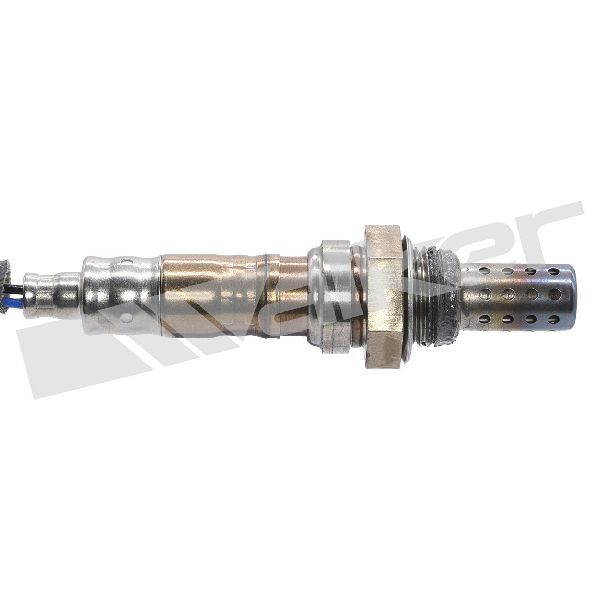
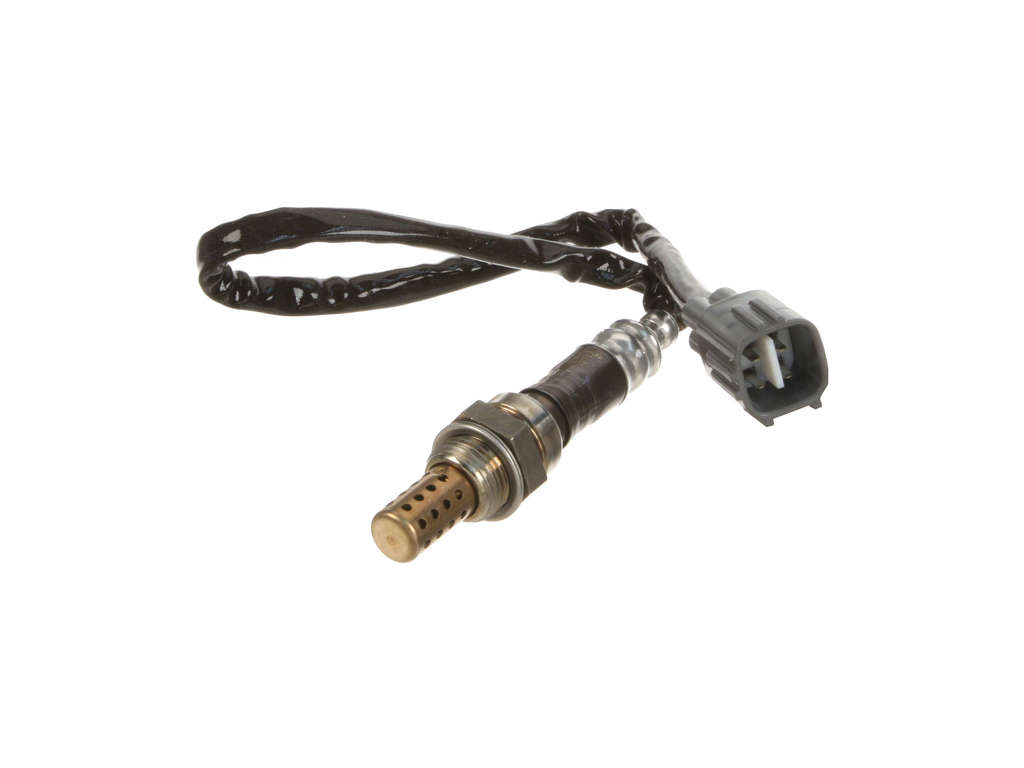
- Rear Oxygen Sensor (Bank 1, Sensor 2)
(OEM #22690AA96A)— This is the most frequent cause of P0137, as confirmed by owner experiences and Subaru's own TSBs which introduced redesigned parts to fix the issue. This part number fits 2013-2019 Legacy/Outback 2.5L models. The part was superseded by 22690AB070 for later models according to TSB 09-115-24R.
Trusted brands: Denso (OEM Supplier), NTK, Genuine Subaru
OEM price range: $150-$200
Aftermarket price range: $70-$140
Related Codes That Often Appear With This One
- P0138 — This code is for 'O2 Sensor Circuit High Voltage'. Both P0137 and P0138 are mentioned in the same Subaru TSB (09-115-24R) as being addressed by the new sensor design, suggesting they relate to erratic sensor behavior where the voltage swings to both extremes.
- P0420 — P0420 indicates 'Catalyst System Efficiency Below Threshold'. A faulty rear O2 sensor (B1S2) can't accurately report on the catalytic converter's performance, which can sometimes trigger a false P0420 code. Fixing P0137 by replacing the sensor often resolves the P0420 code as well.
- P0140 — This code for 'O2 Sensor Circuit No Activity Detected' is also listed in TSB 09-115-24R alongside P0137 and P0138, indicating the new sensor design also fixes instances where the sensor stops responding entirely.
Technical Service Bulletins (TSBs) & Recalls
- 09-115-24R: Announces new oxygen sensors with an improved internal coating to prevent cracking and short circuits that cause P0137, P0138, and P0140 on 2020-2024 models.
- 11-160-15: Announces ECM reprogramming to optimize for P0137 and fix an idle drop issue on 2015 2.5L models.
Platform-Specific Known Issues
- TSB #11-160-15: For 2015 Legacy/Outback 2.5L models, Subaru released reprogramming files to optimize the ECM for DTC P0137. This update also addressed customer concerns of an engine idle RPM drop after a hot engine restart, suggesting the factory software calibration was a contributing factor.
- TSB #09-115-24R: For 2020-2024 Legacy/Outback models (among others), Subaru announced the availability of new, improved oxygen sensors. The bulletin states the new sensors have an "optimized coating application to help prevent cracking within the internal surfaces," which was causing short circuits and triggering P0137, P0138, and P0140.
- Intermittent Faults: Owners report the P0137 code can be intermittent, sometimes appearing only after a hot restart when the car hasn't had time to fully warm up again. The check engine light may turn off on its own after a few drive cycles, only to return later.
Mechanic-Grade Diagnostic Values
- Downstream O2 Sensor (B1S2) Live Data Voltage — expected: A relatively steady 0.4V - 0.9V on a warm, running engine.. Failure: Voltage is stuck below 0.4V for an extended period (e.g., 20 seconds). Readings consistently under 0.2V strongly indicate a failed sensor.
- O2 Sensor Heater Circuit Resistance — expected: Approximately 3 to 8 ohms when testing the two heater pins on a cold sensor.. Failure: An open circuit (infinite resistance) or a very high resistance (over 50 ohms) indicates a failed heater element within the sensor.
Hidden / Shadow Codes Worth Checking
- P1603: This code, related to an engine stall or RPM drop, may be stored in the Freeze Frame Data alongside P0137 on 2015 2.5L models. Its presence strongly suggests the issue is the ECM software glitch addressed by TSB 11-160-15. (see via A Subaru dealership scanner or advanced scan tool capable of reading Freeze Frame Data.)
Scan Tool Commands That Help
- Subaru Select Monitor (SSM): O2 Heater Diagnosis — To specifically test the integrity of the sensor's internal heater circuit, which can fail and cause related codes or affect sensor performance. The tool will show a 'Complete' or 'Incomplete' status for the test.
- Subaru Select Monitor (SSM): All Systems Diagnosis — This function performs a comprehensive check of all system inputs and outputs, which can help identify if the O2 sensor reading is part of a wider electrical or communication problem.
Wiring & Ground Locations
- Rear O2 Sensor Connector (B1S2) — On the passenger side of the vehicle. The harness runs from the exhaust pipe up into the engine bay, where the gray connector is located near the airbox and power steering lines. Access to the sensor itself is from underneath the car, sometimes requiring removal of a plastic shield.. This connector is a primary point of failure. It should be inspected for moisture, corrosion, or damage. It is also the point where diagnostic voltage and resistance tests are performed.
- ECU Ground — The Engine Control Unit (ECU) receives its primary ground reference from connection points on the top of the intake manifold.. A poor ground at the intake manifold can introduce electrical noise and cause incorrect sensor readings across the engine, including the O2 sensors. This is a critical check if multiple, seemingly unrelated electrical codes are present.
- Chassis/Engine Ground Strap — A primary ground strap typically connects the engine block to the chassis, often near the starter or from the J-pipe (on turbo models) to the frame.. A corroded or loose main ground strap can create a poor ground path for the entire engine management system, potentially affecting the O2 sensor's reference voltage and causing incorrect readings.
Real Owner Repair Stories
- Reddit user on r/AskAMechanic (2017 Subaru WRX, 52,000 miles) — Intermittent P0137 code, only appearing in hot weather with the A/C on. Check Engine Light would turn off by itself after a few engine restarts.
❌ Tried (didn't work) Waiting for the code to become permanent. A mechanic could not find any stored codes when the CEL was off.
✅ What actually fixed it Replacing the rear O2 sensor resolved the intermittent issue completely. - Reddit user on r/subaru (2016 Subaru Forester XT (FXT)) — Recurring P0137 code during winter months, even after replacing the rear O2 sensor.
❌ Tried (didn't work) Replacing the rear O2 sensor with a new Denso part.
✅ What actually fixed it The root cause was found to be oil leaking from the exhaust Oil Control Valve (OCV) and wicking through the wiring harness into the connectors. The owner confirmed finding oil inside the exhaust OCV connector, a known but rare issue that contaminates the electrical circuit. - YouTube creator 'subiseason' (2015-2021 Subaru WRX) — Check Engine Light with codes P0137 and P2270. Also reported a weird idle on startup and a 'rotten egg' exhaust smell.
✅ What actually fixed it Replacing the rear O2 sensor (Bank 1, Sensor 2) with a Denso part (234-4988) fixed all codes and symptoms. The fix was confirmed after 1.5 weeks of driving.
"I Checked Everything" — The Actual Cause
- In a documented case on a 2016 Subaru Forester XT, a recurring P0137 code persisted even after sensor replacement. The cause was not an exhaust leak (which a smoke test would find), but rather engine oil from a leaking Oil Control Valve (OCV) traveling inside the wiring harness and contaminating the sensor's electrical circuit. This requires physically unplugging connectors (OCV, O2 sensor, ECM) and inspecting for oil inside.
OEM Part Supersession History
22690AA96A→22690AB070— The new part has an 'optimized coating application to help prevent cracking within the internal surfaces,' which was causing short/open circuits and triggering P0137, P0138, and P0140. This was a design improvement to increase durability.
Model Year Variations Within This Range
- 2015: These models, specifically with the 2.5L engine, are subject to TSB 11-160-15. The original ECM software was overly sensitive and could log a false P0137, often accompanied by an idle RPM drop after a hot restart. The fix is a software update, not a hardware replacement.
- 2020-2022: These models fall under TSB 09-115-24R, which acknowledges a design flaw in the original rear O2 sensor. The factory-authorized fix is to replace the original sensor with an improved part (22690AB070) designed to prevent internal cracking and short circuits.
Helpful Videos

We Have This Part in Stock

The information in this article is provided for general reference and educational purposes only. Vehicle specifications, procedures, and part compatibility can vary by production date, trim level, and region. Always consult your vehicle's factory service manual and verify part numbers before purchasing or performing repairs. Safety-critical components such as airbags, seat belts, and braking systems should be installed by a qualified professional.
- Subaru LEGACY:
- 🎬 Helpful Videos
- 🛍️ Shop This Part
- What's Unique About the 2015-2022 Subaru LEGACY
- Diagnostic Flowchart
- Symptoms You May Notice
- Most Likely Causes
- Diagnosis Steps
- Parts You'll Likely Need
- Related Codes That Often Appear With This One
- Technical Service Bulletins (TSBs) & Recalls
- Platform-Specific Known Issues
- Mechanic-Grade Diagnostic Values
- Hidden / Shadow Codes Worth Checking
- Scan Tool Commands That Help
- Wiring & Ground Locations
- Real Owner Repair Stories
- "I Checked Everything" — The Actual Cause
- OEM Part Supersession History
- Model Year Variations Within This Range
- 🎟️ Get 5% Off