

P0137 on 2014-2021 Subaru Forester: Causes and Fixes for O2 Sensor Low Voltage
Code P0137 on a 2014-2021 Subaru Forester most often means the rear (downstream) oxygen sensor has failed. Subaru issued technical service bulletins and an updated part to fix this known issue. Replacing the sensor is the most common repair, costing around $60-$120 for an aftermarket part and is a straightforward DIY job for many owners.
- P0137 on a 2014-2021 Forester almost always points to a bad rear oxygen sensor on the passenger side.
- Subaru is aware of this issue and released updated parts; using an OEM or Denso replacement is highly recommended.
- Before replacing the sensor, it's wise to perform a quick visual check of the wiring and exhaust pipe for obvious damage or leaks.
- This is a manageable DIY repair for those with basic tools, including a special 22mm oxygen sensor socket.
- Ignoring this code can lead to failed emissions tests, worse fuel mileage, and potential long-term damage to the catalytic converter.
What's Unique About the 2014-2021 Subaru FORESTER

The 2014-2021 Subaru Forester is particularly known for this code due to issues with the original-equipment rear oxygen sensors. Subaru acknowledged this by releasing multiple Technical Service Bulletins (TSBs) and developing redesigned oxygen sensors with an "optimized coating" to prevent internal cracking and short circuits. This history indicates that a P0137 code on these Foresters is more likely to be a faulty sensor itself rather than other potential causes like exhaust leaks, especially on the later models within this year range.
Diagnostic Flowchart
 🎬 Watch: Understanding the 6 common causes of low sensor voltage.." loading="lazy" style="max-width:100%;height:auto;border-radius:6px;display:block;box-shadow:0 2px 8px rgba(0,0,0,0.1);" />
Tap your situation to follow the diagnostic path that matches what you're seeing on this vehicle.
Generation note: This range covers two Forester generations: the SJ (2014-2018) and the SK (2019-2021). The issue is documented across both generations, with TSBs specifically addressing models up to 2023, indicating the problem persists. The fundamental cause and repair (replacing the rear O2 sensor) are the same for both.
Symptoms You May Notice
- Check Engine Light is on
- Cruise control disabled (flashing cruise light)
- Vehicle Dynamics Control (VDC) / Traction Control light on
- Hesitation or surging during acceleration (as noted in TSBs #11-169-16R and #11-169-16)
- Decreased fuel efficiency
- Rough or unstable idle
- Noticeably louder engine/exhaust noise (if caused by an exhaust leak)
- Replacing the front Air/Fuel Ratio sensor (Sensor 1) instead of the rear Oxygen Sensor (Sensor 2).
- Replacing the catalytic converter when the issue is just a faulty sensor monitoring it.
- Repeatedly replacing the O2 sensor without checking for a small exhaust leak or a wiring issue like oil contamination.
Most Likely Causes

- Faulty Rear Oxygen Sensor (Bank 1, Sensor 2) 🔴 High Probability Subaru issued TSBs #09-115-24R and #09-115-24 announcing redesigned oxygen sensors to specifically address DTC P0137, indicating a known issue with the original parts failing due to internal shorts or cracking.
How to confirm: Use a scan tool to monitor live data for the Bank 1 Sensor 2 voltage. If the voltage is stuck below 0.2V (often near 0V) and does not fluctuate when the engine is warm and running, the sensor is likely bad. Given the known issue and TSBs, if no exhaust leaks or wiring issues are found, the sensor is the prime suspect.
Typical fix: Replace the Bank 1, Sensor 2 (downstream, passenger side) oxygen sensor. Use the updated OEM part or a quality aftermarket equivalent like Denso or NTK. Applying anti-seize to the threads of the new sensor is recommended.
Est. part cost: $60-$180 - Exhaust System Leak 🟡 Medium Probability Exhaust gaskets (especially the donut gasket) and pipe seams can degrade over time from rust and heat cycles, allowing outside air to be drawn in before the sensor. This extra oxygen causes the sensor to report a low voltage (lean) condition.
How to confirm: Visually inspect the exhaust system from the engine to the rear O2 sensor for cracks, holes, or black soot marks indicating a leak. Listen for hissing or ticking sounds that get louder with engine RPM. A smoke test is the most definitive way to identify small leaks. You can also feel for escaping air with your hand (carefully, when the exhaust is not hot).
Typical fix: Repair the leak by replacing the faulty gasket or patching/welding the damaged pipe section. Exhaust putty can be a temporary fix for small holes.
Est. part cost: $10-$50 for gaskets, variable for pipe repair. - Damaged Wiring or Connector ⚪ Low Probability The sensor wiring runs under the vehicle and is exposed to road debris, moisture, and heat. A more insidious issue noted by Subaru technicians is oil wicking from a leaking sensor (like an Oil Control Valve) through the wiring harness, eventually contaminating the O2 sensor connector or even the ECM connector, causing a short or poor connection.
How to confirm: Visually inspect the wiring harness and connector for the rear O2 sensor. Look for frayed or broken wires, corrosion in the connector pins, or melting from contact with the exhaust. Disconnect the sensor and ECM connectors and look for any signs of oil or moisture inside the connector itself, not just on the outside.
Typical fix: Repair the damaged section of wire or clean/replace the connector. If oil contamination is found, the source of the oil leak must be fixed, and the affected harness may need to be cleaned or replaced, which can be a complex job.
Est. part cost: $5-$30 for simple repairs, can be much higher if harness replacement is needed.
Rare But Worth Checking
- Engine Control Module (ECM) Software Issue: TSBs #11-169-16 and #11-169-16R link P0137 to other issues like acceleration surges that were addressed with ECM updates for 2014-2017 models. While the primary fix for P0137 is the sensor, outdated software could be a contributing factor or cause the code to be set incorrectly in some specific scenarios.
Diagnosis Steps
- Scan for Codes: Use an OBD-II scanner to confirm P0137 is the primary code. Note any other codes present and check freeze frame data to see the conditions when the code was set.
- Inspect Wiring: Visually inspect the wiring harness and connector for the rear oxygen sensor (passenger side, after the catalytic converter). Check for any signs of damage, melting, or corrosion. Disconnect the connector and check for oil or moisture inside.
- Check for Exhaust Leaks: With the engine cool, start it and listen for any loud or unusual exhaust noises. Carefully move your hand around exhaust flanges and seams (without touching) to feel for leaks. A professional smoke test is the most reliable method.
- Analyze Live Data: Use a scan tool to view the live voltage data from Bank 1 Sensor 2. A healthy downstream sensor on a warm, running engine should show a relatively stable voltage, typically between 0.5V and 0.8V. If it's stuck below 0.2V, it confirms the low voltage condition. If it fluctuates rapidly like the front sensor, the catalytic converter may be failing.
- Test the Sensor Circuit: (Advanced) Disconnect the sensor and use a multimeter to check for 5V reference and a good ground at the connector. This helps rule out an ECM or wiring issue before condemning the sensor.
- Replace the Sensor: If the wiring and exhaust are intact, the most likely cause is a failed sensor. Replace the Bank 1, Sensor 2 oxygen sensor. An O2 sensor socket (22mm or 7/8") is highly recommended.
- Clear Codes and Test Drive: After replacement, clear the trouble codes with the scanner and perform a test drive, including a mix of city and highway driving, to ensure the code does not return.
Parts You'll Likely Need

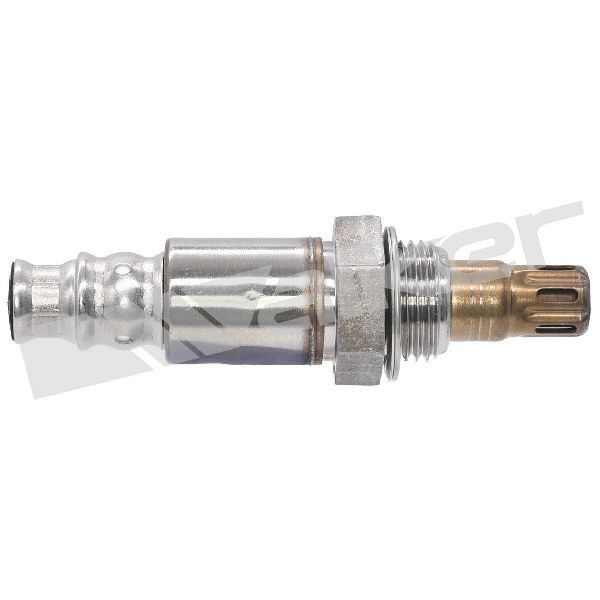
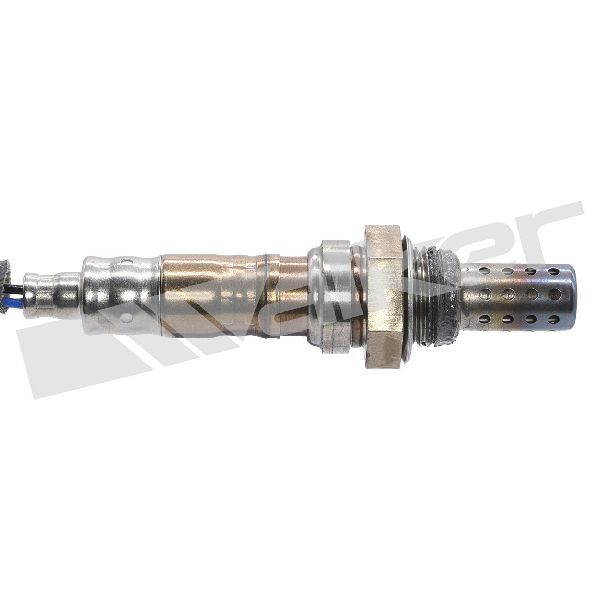
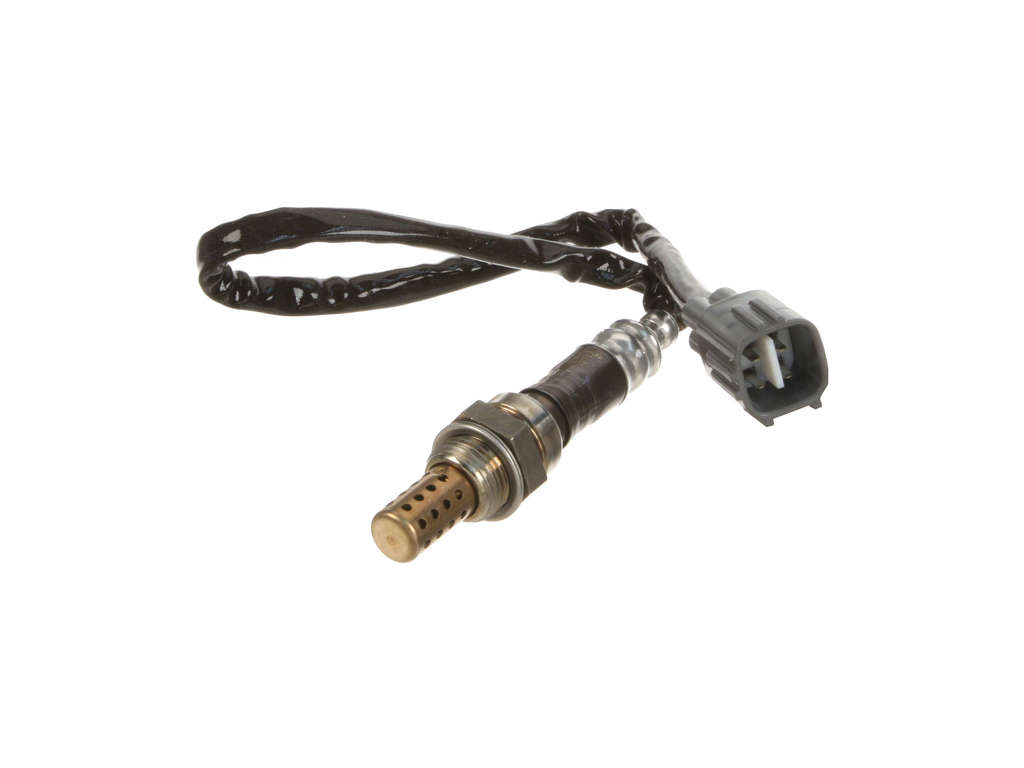
- Rear Oxygen Sensor (Bank 1, Sensor 2)
(OEM #22690AB010)— This is the component identified by the P0137 code and is a known failure item on this vehicle, as confirmed by multiple Subaru TSBs. This part number is the redesigned sensor.
Trusted brands: Denso (234-4513), NTK
OEM price range: $150-$220
Aftermarket price range: $60-$120
Related Codes That Often Appear With This One
- P0138 — This code for 'O2 Sensor Circuit High Voltage' can appear alongside P0137 if the sensor is failing erratically or there's an intermittent wiring short. Both are mentioned in the same Subaru TSBs.
- P0140 — 'O2 Sensor Circuit No Activity Detected' is another code related to the same sensor and is also covered by Subaru's TSB for the redesigned part.
- P113A / P2270 — These codes were mentioned in early TSBs (#11-169-16R, #11-169-16) along with P0137, suggesting related software logic issues in the ECM that were later addressed for certain model years.
- P0171 — If an exhaust leak is the true cause, the system may also detect a lean condition, potentially triggering a P0171 'System Too Lean (Bank 1)' code.
Technical Service Bulletins (TSBs) & Recalls
- 09-115-24R: Announces new O2 sensors to fix P0137, P0138, and P0140.
- 09-115-24: Original bulletin announcing the new O2 sensor design to fix P0137.
- 11-169-16R: Connects DTC P0137 with surge on acceleration and potential ECM logic issues.
- 11-169-16: Early version of the bulletin linking P0137 to drivability problems.
Platform-Specific Known Issues
- Subaru issued TSBs #09-115-24R and #09-115-24 announcing the availability of redesigned rear oxygen sensors specifically to address codes P0137, P0138, and P0140. The new sensors have an improved coating to prevent internal failures.
- Older TSBs (#11-169-16R and #11-169-16) for 2014-2017 models linked P0137 to acceleration surge issues, which could be resolved by an ECM software update in addition to potential sensor replacement.
Mechanic-Grade Diagnostic Values
- Downstream O2 Sensor Voltage (Live Data) — expected: A relatively stable voltage, typically between 0.5V and 0.8V on a warm, running engine.. Failure: Voltage is stuck below 0.2V, with some sources indicating a hard failure if under 0.03V. The code may set if voltage remains below 400mV (0.4V) for over 20 seconds.
- O2 Sensor Heater Circuit Resistance — expected: Between 5 and 15 ohms when cold is a common range for a good sensor.. Failure: An open circuit (infinite resistance) or a very high resistance (over 50 ohms) indicates a failed heater circuit within the sensor.
Wiring & Ground Locations

- ECU Ground Point — On the top of the intake manifold. This is a critical and often overlooked location.. Subaru ECUs receive their primary ground reference from the intake manifold, not directly from the chassis or block. A poor ground here due to corrosion, loose bolts, or non-conductive TGV spacers can cause a host of bizarre electrical issues and sensor reading errors, including P0137.
- Main Chassis Grounds — Key locations include: from the negative battery terminal to the inner fender; from the engine block to the subframe (often below the battery); and from the transmission to the firewall.. While the ECU ground is primary, overall system voltage stability depends on these main grounds. Corrosion or looseness at any of these points can contribute to voltage-related codes.
- O2 Sensor Connector De-pinning — The female connector for the O2 sensor harness.. For advanced wiring diagnostics or repair (like addressing oil contamination), it may be necessary to de-pin the connector. This involves lifting a top latch piece, which may require a pick tool, to release the main lock, then using a fine tool to depress the individual pin latch to release the wire.
Real Owner Repair Stories
- Reddit user on r/subaru (2016 Forester XT (FXT)) — Recurring P0137 code, even after replacing the rear O2 sensor with a new Denso part. The code would appear intermittently, often during winter months.
❌ Tried (didn't work) Replacing the rear O2 sensor (Bank 1, Sensor 2).
✅ What actually fixed it The root cause was identified as oil contamination within the wiring harness. Another technician in the thread confirmed seeing this on other Subarus (Ascents), where oil wicks from a leak (like an OCV) through the harness and into the ECM connectors. The owner disconnected their ECM connectors and found oil inside. The fix involves cleaning the connectors and, critically, fixing the original oil leak.
"I Checked Everything" — The Actual Cause
- A common diagnostic path for P0137 is to perform an exhaust smoke test to check for leaks. However, in a notable failure pattern for Subaru, the smoke test will come back clean and the code will persist even after sensor replacement. The actual cause is often oil from a leak elsewhere (e.g., Oil Control Valve) wicking through the capillary action of the copper wires inside the harness insulation. This oil eventually contaminates the O2 sensor connector or the ECM connector pins, causing a low-voltage short that triggers P0137. Technicians confirm you must disconnect the connectors and look for oil *inside* the pin sockets, as it won't be visible from the outside.
OEM Part Supersession History
Unknown→22690AB010— The original sensors were prone to internal failure. The new part was developed with an 'optimized coating' to address DTCs P0137, P0138, and P0140, as stated in TSBs 09-115-24 and 09-115-24R.
Model Year Variations Within This Range
- 2017-2021: On models with the 2.5L engine, the negative battery cable includes an Intelligent Battery Sensor (IBS). When replacing the battery with an aftermarket Group 35 battery that has raised vent caps, the IBS housing can physically interfere with the caps, preventing the negative terminal from being properly seated. This requires loosening and pivoting the terminal clamp to gain clearance.
Helpful Videos
![How to Fix SUBARU P0137 Engine Code in 4 Minutes [3 DIY Methods / Only $9.42]](https://img.youtube.com/vi/9erVmfLzav8/mqdefault.jpg)
Used OEM Parts in Stock
New Aftermarket Parts Available

The information in this article is provided for general reference and educational purposes only. Vehicle specifications, procedures, and part compatibility can vary by production date, trim level, and region. Always consult your vehicle's factory service manual and verify part numbers before purchasing or performing repairs. Safety-critical components such as airbags, seat belts, and braking systems should be installed by a qualified professional.
- Subaru FORESTER:
- 🎬 Helpful Videos
- 🛍️ Shop This Part
- What's Unique About the 2014-2021 Subaru FORESTER
- Diagnostic Flowchart
- Symptoms You May Notice
- Most Likely Causes
- Rare But Worth Checking
- Diagnosis Steps
- Parts You'll Likely Need
- Related Codes That Often Appear With This One
- Technical Service Bulletins (TSBs) & Recalls
- Platform-Specific Known Issues
- Mechanic-Grade Diagnostic Values
- Wiring & Ground Locations
- Real Owner Repair Stories
- "I Checked Everything" — The Actual Cause
- OEM Part Supersession History
- Model Year Variations Within This Range
- 🎟️ Get 5% Off