

P0137 on 2015-2017 GMC Canyon: O2 Sensor Low Voltage Causes and Fixes
For a 2015-2017 GMC Canyon, code P0137 almost always points to a failing downstream oxygen sensor (Bank 1, Sensor 2). The most common fix is to replace the sensor itself, which is a relatively low-cost part and a straightforward DIY job for many owners. However, check for other codes first, as GM TSB #PIP5529B indicates this code can be part of a larger issue, such as loose intake manifold bolts causing a lean condition.
- P0137 on a 2015-2017 GMC Canyon points to a low voltage signal from the downstream oxygen sensor (Bank 1, Sensor 2).
- The most probable cause is a failed O2 sensor, which is a common wear-and-tear item.
- Before buying parts, always perform a visual inspection of the sensor's wiring for damage and check for exhaust leaks.
- If other seemingly unrelated codes are present (especially P0171, P0101, P0068), consult TSB #PIP5529B and inspect for loose intake manifold bolts before replacing any sensors.
What's Unique About the 2015-2017 Gmc CANYON
For the 2015-2017 GMC Canyon, a P0137 code should be viewed with its full context. While a faulty sensor is common, GM has issued Technical Service Bulletin #PIP5529B which is critical for this platform. It lists P0137 in a group with codes for mass airflow, MAP, and knock sensors (P0068, P0101, P0106, P0171, P0131, etc.). The TSB suggests that a potential cause for this combination of codes is loose intake manifold bolts, leading to unmetered air entering the engine (a vacuum leak). This creates a lean condition that can trigger multiple sensor faults. Therefore, unlike on other vehicles, you shouldn't immediately assume it's just the O2 sensor without first checking for other stored codes and inspecting the intake manifold for leaks as per the TSB. Additionally, the V6 engine was updated in 2017 from the LFX to the LGZ, which may affect part numbers and specific diagnostic details.
Diagnostic Flowchart
Tap your situation to follow the diagnostic path that matches what you're seeing on this vehicle.
Symptoms You May Notice
- Check Engine Light illuminated
- Potential for decreased fuel economy
- Rough or unstable idle in some cases
- Failure to pass an emissions test
- Hesitation or lack of power during acceleration
- Replacing the catalytic converter. A P0137 code is for the sensor that *monitors* the converter, not the converter itself. A failing converter typically sets a P0420 code.
- Replacing the upstream O2 sensor (Sensor 1). P0137 specifically refers to Sensor 2, which is located after the catalytic converter.
Most Likely Causes
- Faulty Downstream Oxygen Sensor (Bank 1, Sensor 2) 🔴 High Probability Oxygen sensors are wear items with a finite lifespan, typically 70,000-100,000 miles. Exposure to extreme heat, exhaust gases, and road elements eventually causes the internal heating element or sensing element to fail.
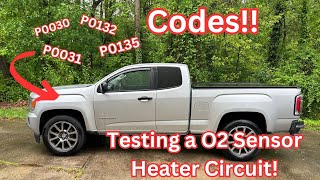
How to confirm: Use an OBD-II scanner to monitor live data for the B1S2 sensor with the engine at operating temperature. A healthy sensor will show a relatively stable voltage. If the voltage is stuck low (typically under 0.2V) and does not respond to changes in engine RPM, the sensor is likely bad. A failed heater circuit can also be tested; a healthy sensor should have a resistance between 3-10 ohms across the two same-colored heater wires, while a failed one may read much higher. 🎬 Watch: How to test the O2 sensor heater circuit.
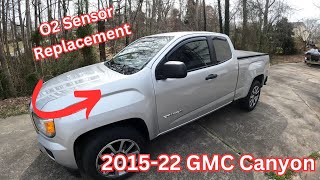
Typical fix: Replace the Bank 1, Sensor 2 oxygen sensor. It is recommended to use a direct-fit OEM or high-quality aftermarket sensor rather than a universal one 🎬 Watch: Step-by-step guide to installing a new O2 sensor. that requires splicing wires.
Est. part cost: $40-$100 - Damaged Wiring or Connector 🟡 Medium Probability The downstream O2 sensor is located under the truck, where its wiring harness is exposed to road debris, moisture, and potential physical damage. The wiring can become frayed, melted on the hot exhaust pipe, or the connector pins can corrode.
How to confirm: Visually inspect the entire wiring harness from the O2 sensor to its connection point. Look for any signs of melting, chafing, corrosion in the connector pins, or breaks in the wire. Check for a secure connection. With the key on, probe the harness-side connector to confirm 12V power at the heater circuit pin.
Typical fix: Repair the damaged section of the wiring harness or replace the connector pigtail.
Est. part cost: $15-$50 - Exhaust Leak ⚪ Low Probability Gaskets and welds in the exhaust system can fail over time, creating leaks. A leak located between the catalytic converter and the downstream O2 sensor allows outside air to be sucked into the exhaust stream.
How to confirm: With the engine running (preferably when cold), listen and feel for air escaping from exhaust flanges or weld seams between the engine and the downstream O2 sensor. A smoke machine is the most effective tool for finding small leaks. A common failure point can be the flange gasket just before the sensor.
Typical fix: Replace the leaking exhaust gasket or have the cracked pipe welded.
Est. part cost: $10-$60
Rare But Worth Checking
- Loose Intake Manifold Bolts: As specified in GM TSB #PIP5529B for the 2015-2017 Canyon/Colorado with the 2.5L LCV engine, loose intake manifold bolts can cause a vacuum leak. This unmetered air creates a lean condition, which can trigger P0137 along with a host of other codes like P0171 (System Too Lean). The fix is to re-torque the bolts to specification, sometimes using threadlocker. 🎬 See how to fix loose intake manifold bolts and vacuum leaks.
- Engine Control Module (ECM) Software Anomaly: As noted in GM TSB 21-NA-010 for other models, a software anomaly can sometimes cause multiple O2 sensor codes, including P0137, to set simultaneously. While this specific TSB doesn't list the Canyon, the principle could apply. If multiple O2 codes are present with no physical faults found, a dealer software update might be needed.
Diagnosis Steps
- Connect an OBD-II scanner and confirm P0137 is present. Document any other codes, as they are critical for diagnosis, especially if they match those in TSB #PIP5529B.
- Visually inspect the Bank 1, Sensor 2 O2 sensor and its wiring harness. Look for any obvious damage, such as melted wires, corrosion, or loose connections.
- Check for exhaust leaks. Start the engine and listen for hissing sounds from the exhaust manifold to the catalytic converter. A smoke test is the most reliable method.
- Use the live data function on your scanner to observe the voltage from Bank 1, Sensor 2. A healthy downstream sensor should show a relatively stable voltage. If it is stuck below 400mV for an extended period (e.g., 20 seconds), it confirms the low voltage condition.
- If other codes from TSB #PIP5529B are present (like P0171, P0101, P0068), inspect the intake manifold bolts to ensure they are properly torqued before proceeding.
- Test the sensor's heater circuit. Unplug the sensor and measure resistance between the two same-colored wires on the sensor side. A good sensor should read between 3-10 Ohms. An extremely high reading indicates a failed heater.
- Check for power at the harness. With the key on, use a multimeter to verify 12V power is present at the heater circuit pin on the vehicle's harness connector.
- If the wiring and power supply are good, and the sensor's heater resistance is out of spec or its live data voltage is stuck low, the oxygen sensor itself is the confirmed cause of the problem.
Parts You'll Likely Need
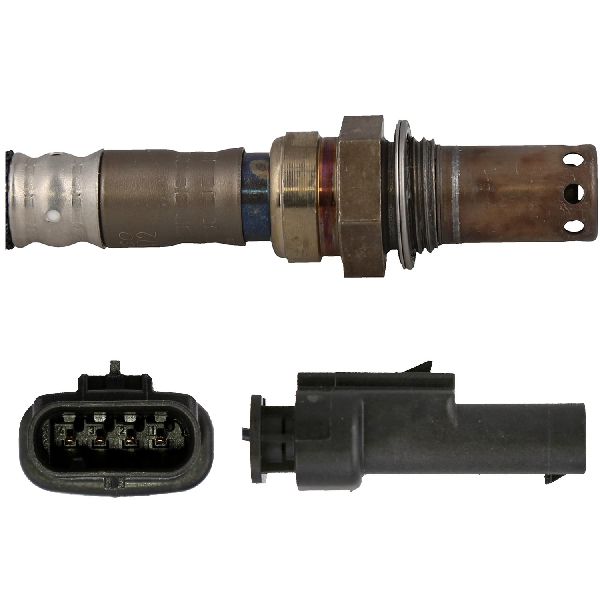
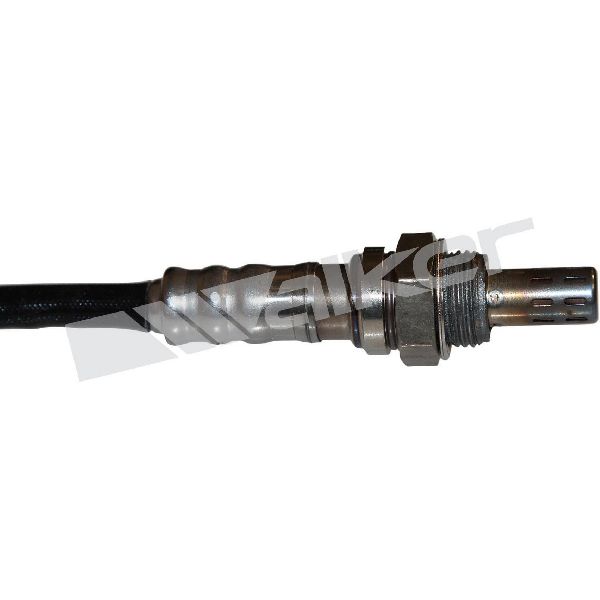
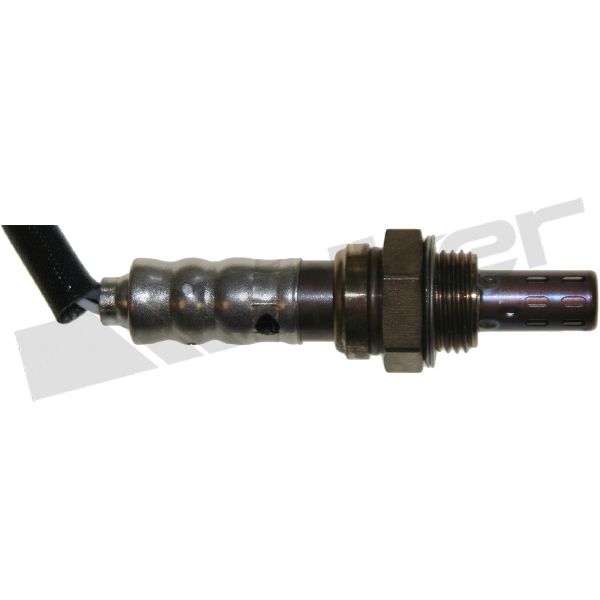
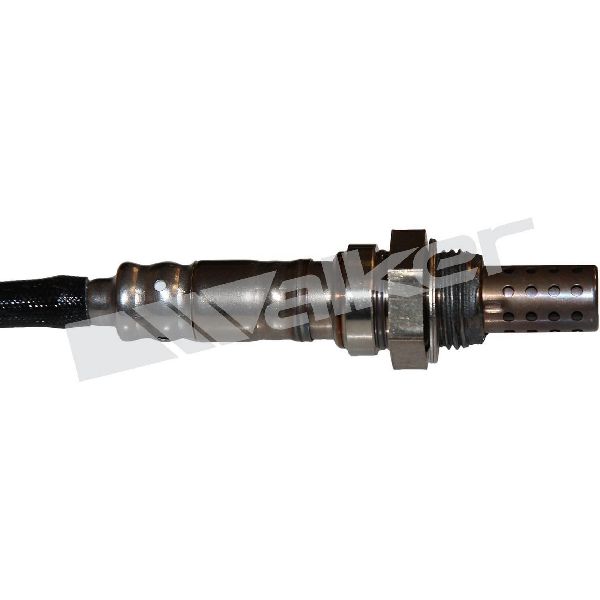
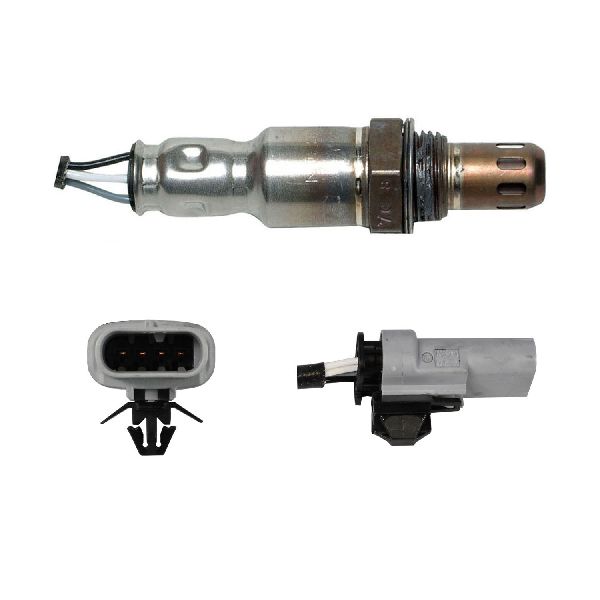
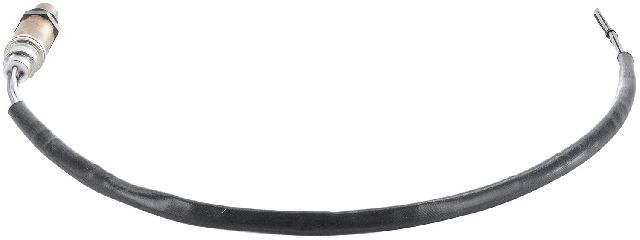
- Downstream Oxygen Sensor (Bank 1, Sensor 2)
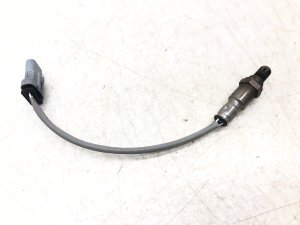
(OEM #ACDelco 12663317 (for 3.6L V6 LFX/LGZ) or ACDelco 12673321 (for 2.5L I4 LCV))— This is the component that most frequently fails, triggering the P0137 code. It is a standard maintenance part that wears out over time.
Trusted brands: ACDelco (GM Genuine), Denso, Bosch, NTK
OEM price range: $70-$120
Aftermarket price range: $40-$100
Related Codes That Often Appear With This One
- P0171 — P0171 (System Too Lean Bank 1) can occur if there is an exhaust leak before the O2 sensor or a vacuum leak (like from loose intake manifold bolts) causing the engine to run lean. The excess oxygen is detected by the O2 sensors, triggering both codes. This combination is specifically mentioned in TSB #PIP5529B.
- P0131 — P0131 is for low voltage on the *upstream* O2 sensor (Bank 1, Sensor 1). Seeing both codes together could point to a shared wiring or ground issue, a significant vacuum/exhaust leak affecting the entire bank, or a broader problem as suggested by TSB #PIP5529B.
Technical Service Bulletins (TSBs) & Recalls
- PIP5529B: Mentions that P0137 can appear with a combination of other DTCs, suggesting a potential for a more complex issue like loose intake manifold bolts on the 2.5L engine.
- PIP5529A: An earlier version of PIP5529B with the same information regarding the combination of DTCs including P0137.
Platform-Specific Known Issues
- TSB #PIP5529B - Multiple DTCs Set in Combination: This TSB is highly relevant for the 2015-2017 Canyon (specifically with the 2.5L LCV engine). It warns that P0137 may appear with a large group of other DTCs (P0068, P0101, P0106, P0171, P0131, etc.). The root cause may not be the O2 sensor, but rather loose intake manifold bolts causing a lean condition. The recommended fix is to inspect and re-torque the intake manifold bolts with threadlocker.
Mechanic-Grade Diagnostic Values
- O2 Sensor Heater Circuit Resistance — expected: 3 to 10 Ohms. Failure: A very high reading, such as 227 Ohms, indicates a failed internal heater circuit.
- O2 Sensor Heater Circuit Voltage (at harness) — expected: ~12V (Battery Voltage). Failure: 0V or significantly low voltage indicates a problem with the fuse, relay, or wiring from the ECM, not the sensor itself.
- Downstream O2 Sensor Voltage (Live Data) — expected: Relatively stable voltage, typically between 0.4V and 0.6V.. Failure: Voltage stuck below 0.4V (400mV) for an extended period (e.g., >20 seconds) triggers the code.
Wiring & Ground Locations
- Fuse F11 (Downstream O2 Sensor) — Underhood Fuse Block. This fuse supplies power to the heater circuit for the downstream oxygen sensor. A blown fuse will prevent the sensor from heating up properly, which can lead to incorrect voltage readings and trigger P0137 or related heater circuit codes.
- O2 Sensor Connector Wires (Typical 4-wire) — At the O2 sensor connector.. On many GM sensors, the two same-colored wires (often black) are for the heater circuit. The other two different-colored wires (e.g., blue and white) are for the sensor signal and ground. Knowing this allows for testing the heater resistance and signal voltage without a wiring diagram.
- Engine Block/Cylinder Head Grounds — Bolted to the front or back of the cylinder head or on the engine block.. The O2 sensor circuit, along with other engine sensors, relies on a clean engine ground to provide an accurate signal back to the ECM. A loose or corroded ground can cause erratic or biased voltage readings, potentially triggering a P0137 code.
Real Owner Repair Stories
- YouTube video by 'GMC and Chevy Truck Life' (2018 GMC Canyon 2.5L) — Engine running very poorly, almost stalling, multiple codes including P0030, P0031, P0132, P0135 related to the Bank 1 Sensor 1 heater circuit.
❌ Tried (didn't work) The video focuses on diagnosis, not failed parts replacement. The owner tested the fuse and confirmed 12V from the harness, ruling out a vehicle-side electrical issue.
✅ What actually fixed it The upstream (B1S1) O2 sensor's heater circuit resistance measured 227 Ohms, while a new sensor measured 6 Ohms. Replacing the faulty O2 sensor (ACDelco 12643707) resolved the issue. While this was for the upstream sensor, the diagnostic principle and failure mode (high heater resistance) directly apply to the downstream sensor in a P0137 fault.
OEM Part Supersession History
ACDelco 12663317→ACDelco 12701634— Part has been updated by the manufacturer.
Heads up: The new part number (12701634) is the direct replacement for the old one (12663317) and should be fully compatible.
Model Year Variations Within This Range
- 2015-2016 vs 2017: In 2017, the 3.6L V6 engine was updated from the LFX to the LGZ. While they share some architecture, this change can affect part numbers for components like oxygen sensors. For example, some parts catalogs show that the same downstream sensor (ACDelco 12663317) is used for both the 2016 LFX and 2017 LGZ, but it's crucial to verify by VIN as internal calibrations or minor connector details could differ.
Helpful Videos
Used OEM Parts in Stock
New Aftermarket Parts Available

The information in this article is provided for general reference and educational purposes only. Vehicle specifications, procedures, and part compatibility can vary by production date, trim level, and region. Always consult your vehicle's factory service manual and verify part numbers before purchasing or performing repairs. Safety-critical components such as airbags, seat belts, and braking systems should be installed by a qualified professional.
- Gmc CANYON:
- 🎬 Helpful Videos
- 🛍️ Shop This Part
- What's Unique About the 2015-2017 Gmc CANYON
- Diagnostic Flowchart
- Symptoms You May Notice
- Most Likely Causes
- Rare But Worth Checking
- Diagnosis Steps
- Parts You'll Likely Need
- Related Codes That Often Appear With This One
- Technical Service Bulletins (TSBs) & Recalls
- Platform-Specific Known Issues
- Mechanic-Grade Diagnostic Values
- Wiring & Ground Locations
- Real Owner Repair Stories
- OEM Part Supersession History
- Model Year Variations Within This Range
- 🎟️ Get 5% Off