

P0137 on 2014-2017 Buick Regal: O2 Sensor Low Voltage Causes and Fixes
This code almost always points to a failed downstream oxygen sensor (Bank 1, Sensor 2). Expect to pay $40-$80 for an aftermarket sensor or $60-$200 for an OEM part. It's a straightforward DIY replacement for those with basic tools. However, check for exhaust leaks and other codes first, as underlying issues can trigger this code.
- P0137 on a 2014-2017 Regal most likely means you need a new downstream (post-catalytic converter) oxygen sensor, part number 12639692.
- Before replacing the sensor, always inspect for exhaust leaks between the engine and the sensor, as this is a common cause of a false code.
- Check for other codes. If P0137 is present with codes like P0171, P0101, etc., consult TSB #PIP5529B and inspect for intake manifold air leaks.
- The repair is DIY-friendly, but an O2 sensor socket is highly recommended.
What's Unique About the 2014-2017 Buick REGAL
For the fifth-generation Buick Regal, particularly those with the 2.0L LTG turbo engine, the P0137 code is common and usually points to the downstream O2 sensor. However, GM has issued Technical Service Bulletins (TSBs) #PIP5529A and #PIP5529B that group P0137 with a wide range of other codes. This TSB specifically points to loose intake manifold bolts as a potential cause for a combination of codes including P0137, P0171, and others, leading to an unmetered air leak. Therefore, while the O2 sensor is the primary suspect, it's crucial to check for other codes and inspect for intake and exhaust leaks before replacing parts, as the sensor may just be accurately reporting a problem that started elsewhere.
Diagnostic Flowchart
Tap your situation to follow the diagnostic path that matches what you're seeing on this vehicle.
Symptoms You May Notice
- Check Engine Light is on
- Reduced fuel economy
- Failure to pass an emissions test
- Rough or unstable idle
- Hesitation or lack of power during acceleration
- In some cases, no noticeable symptoms other than the Check Engine Light
- Replacing the upstream (Sensor 1) oxygen sensor instead of the downstream (Sensor 2) sensor.
- Replacing the catalytic converter when the actual issue is a faulty downstream sensor or an exhaust leak.
- Replacing the O2 sensor without first checking for exhaust or intake leaks, which may be the true root cause.
Most Likely Causes
- Failed Downstream Oxygen Sensor (Bank 1, Sensor 2) 🔴 High Probability O2 sensors are wear-and-tear items operating in a harsh exhaust environment. Over time, the internal heating element can fail or the sensing element can become contaminated by carbon, oil, or coolant, leading to inaccurate readings.
How to confirm: Use an OBD-II scanner to monitor the live voltage data for Bank 1 Sensor 2. A healthy downstream sensor should show a relatively stable voltage (typically 0.5V - 0.8V). If the voltage is stuck low (consistently below 0.2V) while the upstream sensor is switching normally, the sensor is likely faulty. You can also test the sensor's internal heater circuit with a multimeter; a bad heater can also cause this code.
Typical fix: Replace the Bank 1, Sensor 2 oxygen sensor. This is located on the exhaust pipe after the catalytic converter. An oxygen sensor socket is highly recommended for removal.
Est. part cost: $40-$200 - Exhaust Leak 🟡 Medium Probability Corrosion or failed gaskets can cause leaks in the exhaust system, particularly at the flex pipe or manifold gaskets. A leak anywhere between the engine and the downstream O2 sensor allows outside air (oxygen) to be drawn in. This extra oxygen causes the sensor to report a false low voltage (lean) reading.
How to confirm: Visually inspect the exhaust manifold, pipes, and gaskets for cracks or black soot trails. A common method is to start the car when cold and carefully feel for escaping air. A smoke test is the most definitive way to find small leaks.
Typical fix: Repair the leak by replacing the faulty gasket or exhaust component. Small cracks or holes can sometimes be sealed with exhaust putty or a wrap as a temporary fix.
Est. part cost: $10-$300 - Damaged Wiring or Connector ⚪ Low Probability The wiring harness for the O2 sensor runs under the vehicle and is exposed to road debris, heat, and moisture. This can lead to chafed, melted, or broken wires, or corrosion inside the connector pins, disrupting the voltage signal.
How to confirm: Visually inspect the entire wiring harness and connector leading to the downstream O2 sensor. Look for any frayed, melted, or broken wires. Unplug the connector and check for corrosion or bent pins. Use a multimeter to check for continuity and proper voltage at the connector.
Typical fix: Repair the damaged section of the wiring harness or replace the connector pigtail.
Est. part cost: $15-$50
Rare But Worth Checking
- Engine Running Lean (Intake Air Leak): As highlighted in TSB #PIP5529B, a significant vacuum leak from sources like loose intake manifold bolts can cause a lean condition across the board. This will introduce excess oxygen into the exhaust, causing a low voltage reading at the O2 sensor. This scenario will almost always be accompanied by other trouble codes, such as P0171 (System Too Lean).
- Faulty Powertrain Control Module (PCM): In very rare instances, the PCM itself can be the source of the problem, failing to correctly interpret the sensor's signal. This should only be considered after all other possibilities, including sensors, wiring, and leaks, have been exhaustively ruled out. A user on CarKiller forums mentioned a computer problem as a last resort after replacing multiple parts.
Diagnosis Steps
- Read all fault codes using an OBD-II scanner. Note any other codes present, as they provide crucial context (e.g., P0171, P2096). Clear the codes and drive to see if P0137 returns immediately.
- Perform a thorough visual inspection of the downstream O2 sensor's wiring harness and connector for any signs of damage, melting, or corrosion.
- Inspect the exhaust system for leaks between the engine and the downstream sensor. Look for soot, listen for hissing, and feel for air (when cold). A smoke test is the most reliable method.
- Use the live data function on your scanner to observe the voltage from Bank 1, Sensor 2 at operating temperature. It should be relatively stable. If it's consistently below 0.2V, a problem is confirmed. Compare it to the upstream sensor (Sensor 1), which should be actively switching.
- If TSB #PIP5529B applies (multiple codes present), inspect the intake manifold bolts to ensure they are torqued to specification.
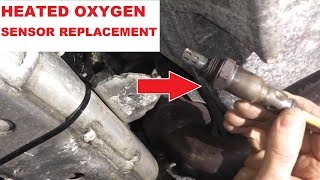
- If wiring and all systems are intact and no leaks are found, the oxygen sensor itself is the most probable cause of failure. Before replacing, you can test the sensor's heater circuit with a multimeter to ensure it has proper resistance and is receiving power. 🎬 Watch this guide to test and replace your heated oxygen sensor.
- After any repair, clear the codes and perform a drive cycle to ensure the issue is resolved.
Parts You'll Likely Need
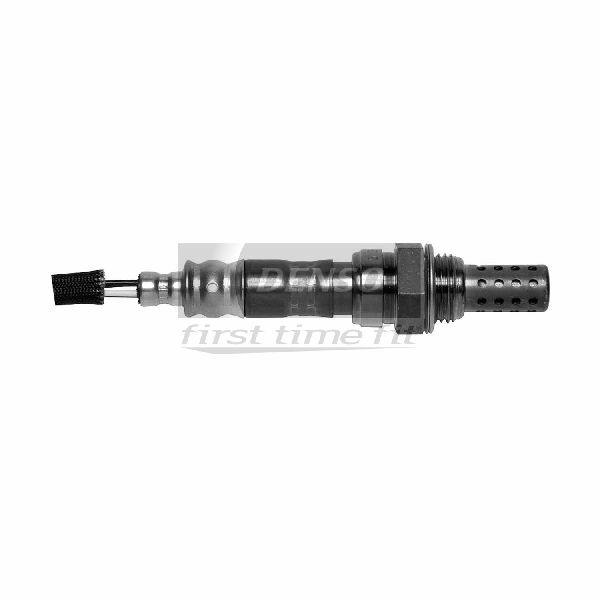
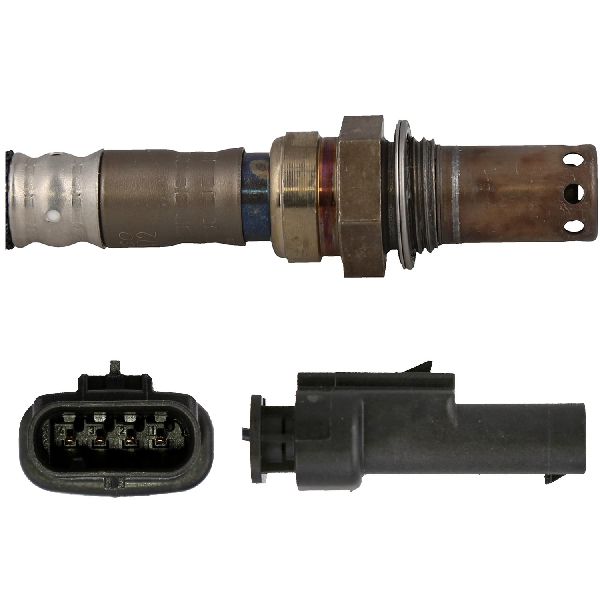
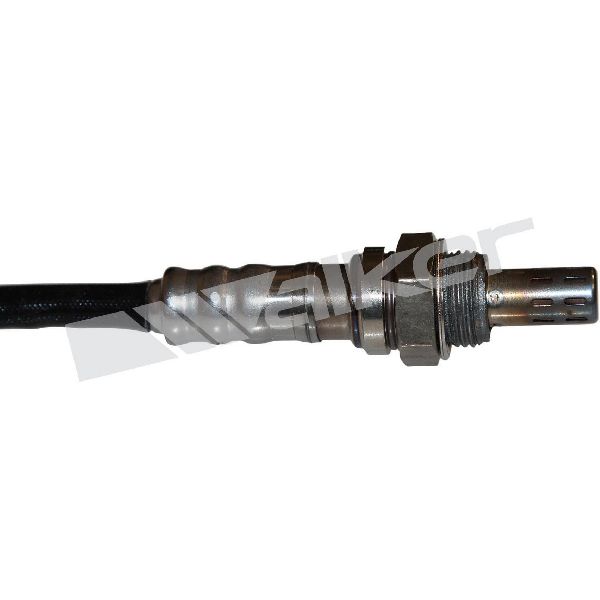
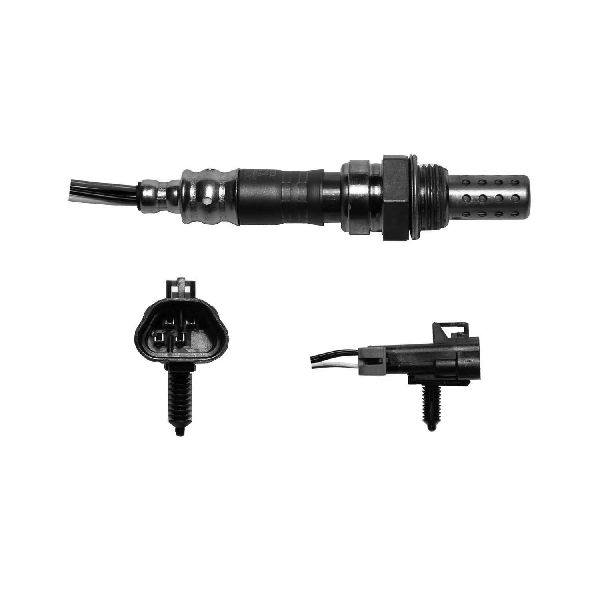
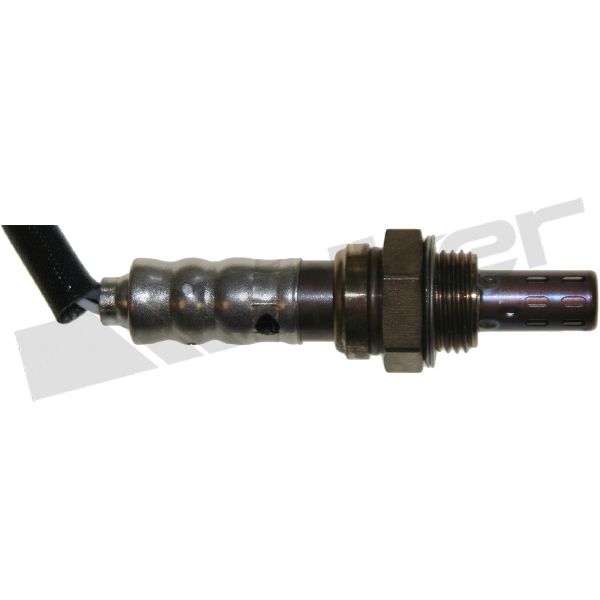
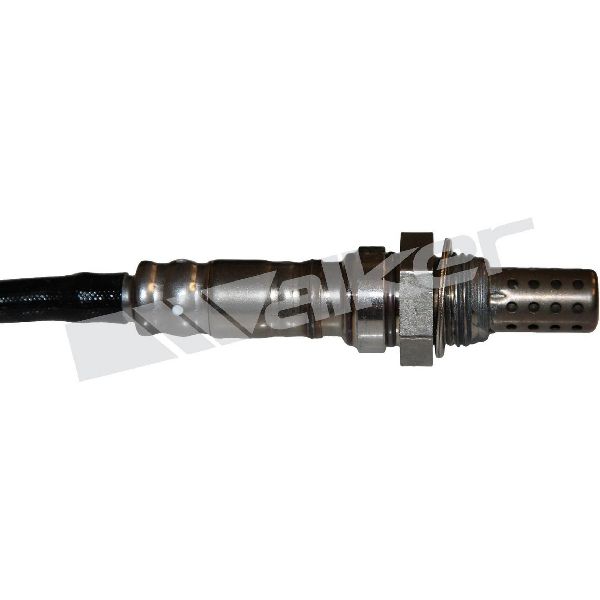
- Downstream Oxygen Sensor (Bank 1, Sensor 2)
(OEM #12661898)— This sensor is the most common failure point for an isolated P0137 code. It is a wear item that eventually fails from heat and contamination. For the 2.0L Turbo (LTG) engine, the correct OEM part number is 12661898. The previously listed 12639692 is for the 2.4L engine and is incorrect for the 2.0L Turbo.
Trusted brands: ACDelco (OEM), Denso, NGK/NTK, Bosch
OEM price range: $60-$200
Aftermarket price range: $40-$120
Related Codes That Often Appear With This One
- P0171 — If there is a vacuum leak (like loose intake bolts) or other issue causing a lean condition, both the upstream sensor (triggering P0171) and the downstream sensor (triggering P0137) will detect the excess oxygen.
- P2096 — This code for 'Post Catalyst Fuel Trim System Too Lean Bank 1' is a direct companion to P0137, as both point to a lean condition being detected after the catalytic converter. A Reddit user reported seeing both codes together.
- P0068, P0101, P0106, P0131, P0324, P0326, P0331, P0506 — Manufacturer TSBs #PIP5529A and #PIP5529B list these codes in conjunction with P0137, suggesting a potential shared root cause like an unmetered air leak from loose intake manifold bolts affecting various sensors.
Technical Service Bulletins (TSBs) & Recalls
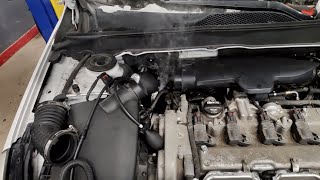
- PIP5529B: Published 2019-09-06. Mentions P0137 in a group of codes that can be caused by loose intake manifold bolts on models including the 2014-2017 Regal with the LTG engine. The prescribed fix is to re-torque the bolts with threadlocker. 🎬 See how to fix loose intake bolts and perform a smoke test.
- PIP5529A: An earlier version of the same bulletin, also linking P0137 to potential unmetered air leaks.
Platform-Specific Known Issues
- TSB for Loose Intake Manifold Bolts: Technical Service Bulletin #PIP5529B from GM is highly relevant for the 2014-2017 Regal with the LTG engine. It indicates that P0137 appearing with a variety of other codes (like P0171, P0101, etc.) can be caused by loose intake manifold bolts creating an air leak. The fix is to apply threadlocker and re-torque the bolts to specification, not necessarily replace the gasket.
- Intermittent Nature of the Code: Owners on forums for GM vehicles have reported the P0137 code can be intermittent, disappearing for days or weeks before returning. One user on a Chevy Sonic forum (which shares engine architecture) noted the code would sometimes disappear after filling the fuel tank. This can make diagnosis tricky and may point towards a borderline sensor, a small exhaust leak, or a wiring issue.
Mechanic-Grade Diagnostic Values
- Downstream O2 Sensor (B1S2) Voltage at Idle/Cruise — expected: Relatively stable voltage between 0.4V and 0.8V.. Failure: Voltage is consistently stuck below 0.2V - 0.4V.
- PCM Fault Trigger Condition — expected: N/A. Failure: The PCM will log code P0137 if it sees the sensor voltage remain below approximately 0.4V for a sustained period, often 20 seconds or more.
- O2 Sensor Heater Circuit Resistance — expected: A specific resistance value per the manufacturer's service manual (typically between 2 and 30 Ohms).. Failure: An open circuit (infinite resistance) or a dead short (zero resistance) when measured with a multimeter across the two heater pins on the sensor.
- O2 Sensor Heater Circuit Power Supply — expected: Battery voltage (approx. 12V) at the harness-side connector for the heater circuit.. Failure: No voltage indicates a problem with the fuse, relay, or wiring supplying power to the sensor's heater.
Scan Tool Commands That Help
- OBD-II Scanner with Live Data: Live Data Graphing — Use this to visually compare the Bank 1 Sensor 1 (upstream) and Bank 1 Sensor 2 (downstream) voltages. A healthy upstream sensor will switch rapidly (0.1V-0.9V), while a healthy downstream sensor should be stable. If the downstream sensor is stuck low, it confirms the fault condition.
- Advanced Scan Tool (e.g., GM GDS2): Module Self-Test / ECM Communication Test — This is a useful step in rare cases to check if the Engine Control Module itself is functioning correctly and communicating with its sensors, helping to rule out a faulty PCM.
Wiring & Ground Locations
- O2 Sensor Connector — On the exhaust pipe, after the catalytic converter. The connector is typically attached to a bracket on the vehicle's underbody nearby.. This is the primary point of failure for wiring issues. The four pins are typically: Heater Power (12V), Heater Ground, Signal (variable voltage), and Signal Reference Ground. Corrosion or damage here will directly cause the P0137 code.
- Engine Control Module (ECM) Connectors — Typically located in the engine bay.. The O2 sensor signal and reference ground wires run directly to pins on the ECM connectors. A poor connection at the ECM pin can mimic a failed sensor. Verifying continuity from the sensor connector to the ECM pins is a definitive wiring test.
- Engine/Chassis Ground Straps — Key locations include the negative battery cable to the chassis, a strap from the engine block to the firewall or frame rail, and grounds near the ECM.. A poor engine ground can introduce electrical noise and voltage offsets, potentially causing the ECM to misinterpret the O2 sensor's low-voltage signal. Ensuring all major grounds are clean and tight is a crucial, though often overlooked, diagnostic step.
Real Owner Repair Stories
- YouTube user 'King Quad Rules' (2003 Buick Regal 3.8L (Note: Different generation/engine, but demonstrates the common fix)) — Check Engine Light with code P0137.
❌ Tried (didn't work) The user went straight to diagnosis and replacement.
✅ What actually fixed it Replacing the downstream (post-catalytic converter) oxygen sensor resolved the check engine light.
When the Usual Fixes Don't Work
- While a faulty downstream O2 sensor is the most frequent cause for an isolated P0137, this conclusion can be a trap on the 2014-2017 Regal. The manufacturer's own Technical Service Bulletin (PIP5529B) strongly suggests that when P0137 appears with other codes like P0171 (System Too Lean), the root cause may be an unmetered air leak from loose intake manifold bolts. In this scenario, the O2 sensor is not faulty; it is correctly reporting the lean condition caused by the leak. Technicians should always check for other codes and investigate the TSB before defaulting to sensor replacement. Furthermore, a common error is installing the incorrect oxygen sensor. Many parts catalogs incorrectly list the sensor for the 2.4L engine (PN 12639692) for the 2.0L Turbo model. The correct OEM part for the 2.0L Turbo is 12661898, and using the wrong part will not resolve the code.
OEM Part Supersession History
12639692 (Incorrect for 2.0L Turbo)→12661898 (Correct for 2.0L Turbo)— Part number 12639692 is commonly listed for GM vehicles but is specific to the 2.4L engine in SUVs like the Equinox/Terrain. The 2014-2017 Regal with the 2.0L LTG Turbo engine uses a different sensor.
Heads up: Using part 12639692 on a 2.0L Turbo Regal may result in the P0137 code persisting, as the sensor's calibration or heater characteristics may not match what the ECM expects. It is critical to use the correct part, 12661898, for the 2.0L engine.N/A→N/A— N/A
Heads up: To avoid misdiagnosis, be aware that the upstream (pre-catalyst) sensor for the 2.0L Turbo is a different part, GM #12616502 (which supersedes 12617648). Do not install an upstream sensor in the downstream position.
Helpful Videos
We Have This Part in Stock

The information in this article is provided for general reference and educational purposes only. Vehicle specifications, procedures, and part compatibility can vary by production date, trim level, and region. Always consult your vehicle's factory service manual and verify part numbers before purchasing or performing repairs. Safety-critical components such as airbags, seat belts, and braking systems should be installed by a qualified professional.
- Buick REGAL:
- 🎬 Helpful Videos
- 🛍️ Shop This Part
- What's Unique About the 2014-2017 Buick REGAL
- Diagnostic Flowchart
- Symptoms You May Notice
- Most Likely Causes
- Rare But Worth Checking
- Diagnosis Steps
- Parts You'll Likely Need
- Related Codes That Often Appear With This One
- Technical Service Bulletins (TSBs) & Recalls
- Platform-Specific Known Issues
- Mechanic-Grade Diagnostic Values
- Scan Tool Commands That Help
- Wiring & Ground Locations
- Real Owner Repair Stories
- When the Usual Fixes Don't Work
- OEM Part Supersession History
- 🎟️ Get 5% Off