

P0136 on 2008-2017 Mitsubishi Lancer: Causes, Symptoms, and Fixes for O2 Sensor Circuit Malfunction
This code almost always points to a failed downstream oxygen sensor (Bank 1, Sensor 2). Replacing the sensor is the most common fix, costing around $40-$90 for an aftermarket part and is a straightforward DIY job for many owners. The key vehicle-specific quirk is that the sensor's electrical connector is located inside the cabin, under the front passenger seat.
- P0136 on a 2008-2017 Lancer almost always means the downstream (rear) oxygen sensor has failed.
- The main symptom will be a Check Engine Light; major driving issues are unlikely.
- The repair is DIY-friendly for those with basic tools, including a special O2 sensor socket. Be prepared to access the connector from inside the car under the passenger seat.
- Confirm the sensor is bad with a scan tool's live data before replacing. A stuck or zero voltage reading on B1S2 is a strong indicator of failure.
What's Unique About the 2008-2017 Mitsubishi Lancer
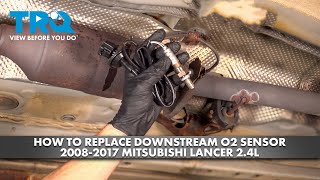
For the 2008-2017 Lancer, the P0136 code is a very common and straightforward issue, typically resolved by replacing the original sensor once it fails from age. There are no widespread, unique design flaws that cause this code. The repair is notable because the sensor's electrical connector is routed through the floor and is accessed from inside the cabin. This requires lifting the carpet under the front passenger seat. 🎬 Watch this step-by-step Lancer downstream O2 sensor replacement video. Many owners find it easiest to unbolt the passenger seat and tilt it back for adequate access, though some have managed by simply sliding the seat all the way back.
Symptoms You May Notice
- Check Engine Light is on.
- Failure to pass an emissions/smog test.
- Slightly reduced fuel economy (less common with a downstream sensor issue, but possible if the PCM is receiving incorrect data).
- Rough idle or engine hesitation (rare for this specific code).
- Replacing the upstream (Bank 1, Sensor 1) oxygen sensor. This sensor is for fuel trim control and will not fix a P0136 code, which is specific to the downstream Sensor 2.
- Replacing the catalytic converter without proper diagnosis. A P0136 code is most often the sensor or wiring, not the expensive converter itself.
Most Likely Causes
- Failed Downstream Oxygen Sensor (Bank 1, Sensor 2) 🔴 High Probability Sensors have a finite lifespan and fail due to age, constant exposure to high heat, and contamination from exhaust gases. This is a common wear-and-tear item.
How to confirm: Use a scan tool to monitor live data for the B1S2 sensor. A healthy sensor shows a relatively stable voltage (typically above 0.5V) on a warm engine. A faulty sensor may show a stuck low voltage (near 0V), no voltage, or erratic fluctuations that mirror the upstream sensor. The PCM sets the code if the sensor signal voltage remains at 0.15 volts or lower for 7 seconds under specific operating conditions.
Typical fix: Replace the downstream oxygen sensor. This requires an O2 sensor socket (often a 22mm or 7/8" slotted socket) and accessing the connector under the passenger seat. Applying penetrating oil to the sensor threads before removal is highly recommended.
Est. part cost: $40 - $120 - Damaged Wiring or Connector 🟡 Medium Probability The wiring is located under the vehicle and is exposed to road debris, moisture, and exhaust heat, which can cause it to become frayed, melted, or corroded over time. The connector inside the cabin is generally safe but can be damaged by liquid spills or physical stress.
How to confirm: Visually inspect the entire wiring harness from the O2 sensor to the grommet where it passes through the floorpan. Check for breaks, melted sections near the exhaust, or corrosion on the connector pins under the seat. The PCM specifically checks for an open circuit by applying 5 volts to the signal line; if the voltage at the PCM rises above 4.5 volts, it confirms an open circuit.
Typical fix: Repair or replace the damaged section of the wiring harness. If the connector is corroded, it can sometimes be cleaned with electrical contact cleaner, otherwise, a replacement pigtail connector may be needed.
Est. part cost: $5 - $50 - Exhaust Leak ⚪ Low Probability Rust can cause leaks in the exhaust pipe or at the flange gaskets, especially in regions that use road salt. A leak before the sensor can introduce outside oxygen, causing an inaccurate reading.
How to confirm: Listen for a hissing or ticking sound from the exhaust system when the engine is running. You can also use a smoke machine to pinpoint the leak's location. The leak must be near or before the sensor to affect its reading.
Typical fix: Repair the leak by replacing the gasket, patching the hole, or welding the pipe.
Est. part cost: $10 - $150
Rare But Worth Checking
- Failing Catalytic Converter: While P0420 is the typical code for a bad catalytic converter, a failing converter can sometimes cause erratic readings on the downstream O2 sensor, leading to a P0136 code first. This should be considered after the sensor and wiring are ruled out.
- Faulty Powertrain Control Module (PCM): This is very rare. The PCM itself can fail, but all other potential causes should be exhaustively ruled out before considering PCM replacement.
Diagnosis Steps
- Read the code with an OBD-II scanner to confirm P0136 is present and note any other codes.
- Visually inspect the downstream O2 sensor 🎬 Watch an O2 sensor install on a performance Lancer platform., which is located on the exhaust pipe after the catalytic converter. Check for physical damage to the sensor itself.
- Carefully inspect the sensor's wiring harness for any signs of melting, chafing, or corrosion. Follow it from the sensor to where it enters the cabin under the passenger side.
- Check for exhaust leaks. With the engine running, listen for any hissing or ticking sounds from the exhaust system, particularly between the engine and the downstream sensor.
- Use a scan tool with live data capability. Warm up the engine and observe the voltage for 'O2S B1S2'. A healthy sensor should show a relatively steady voltage, typically between 0.5V and 0.9V. The code sets if the voltage is stuck at 0.15V or lower for more than 7 seconds.
- If the sensor signal looks faulty, test the circuit. Unplug the sensor (under the passenger seat) and check for proper ground and reference voltage at the connector using a multimeter and a vehicle-specific wiring diagram. The ECU will send 5V down the signal wire to check for an open circuit; if you see this, it points to an open in the harness or a failed sensor.
- If the sensor and wiring are confirmed to be good, the issue may be a failing catalytic converter or, in very rare cases, the PCM.
Parts You'll Likely Need
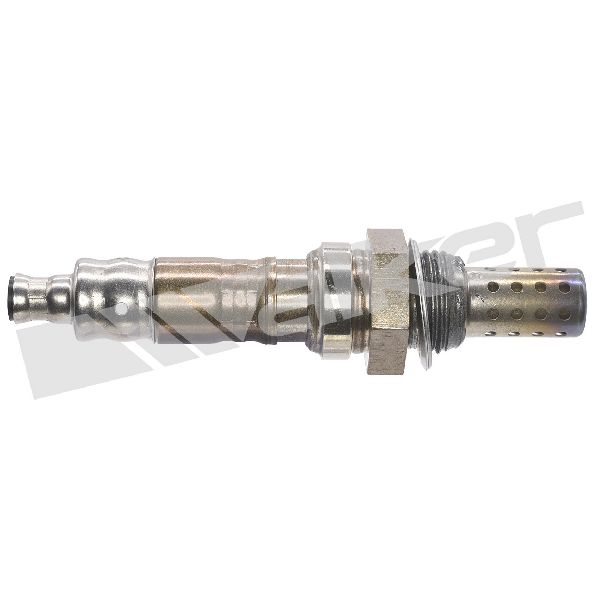
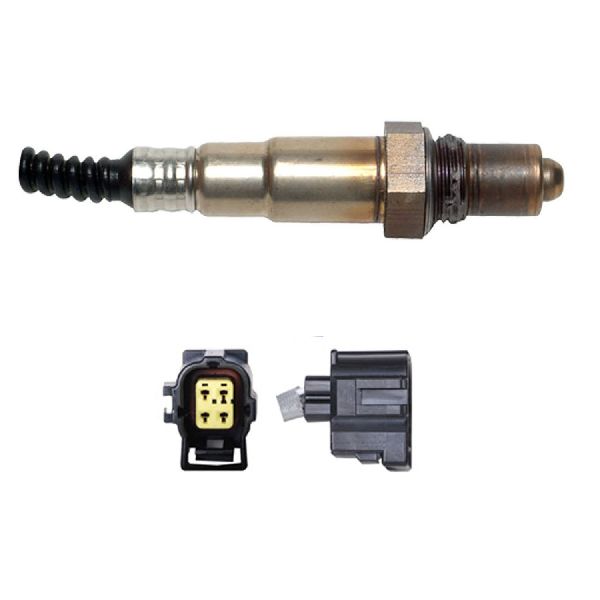
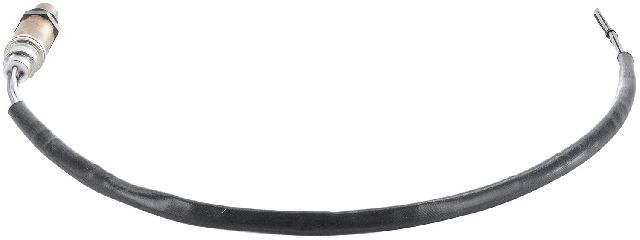
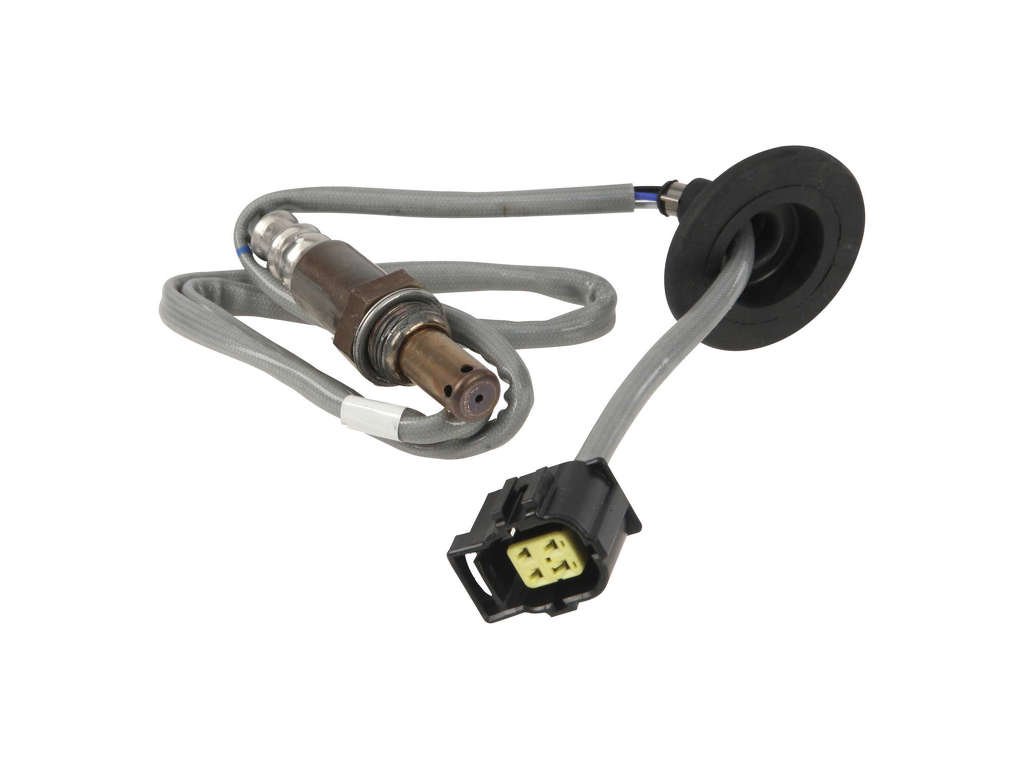
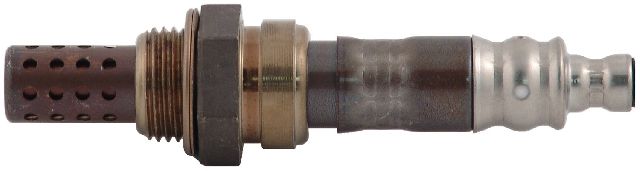
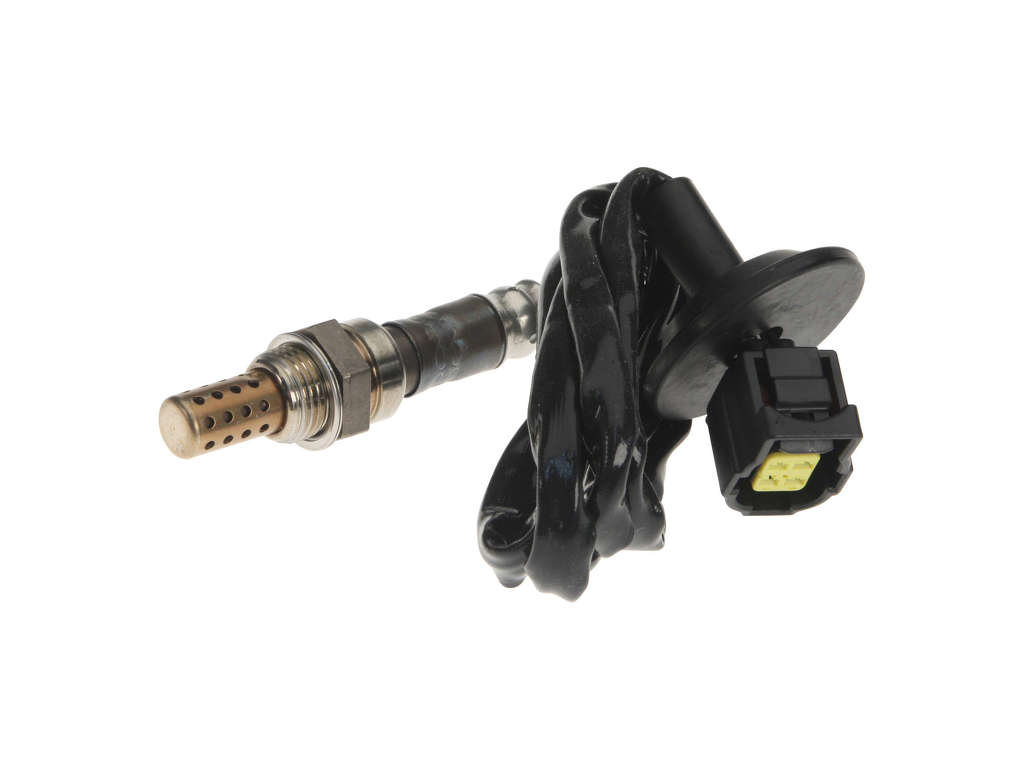
- Downstream Oxygen Sensor (Bank 1 Sensor 2)
(OEM #1588A171)— This sensor is the most frequent point of failure for a P0136 code due to its age and operating environment.
Trusted brands: Denso, Bosch, NGK/NTK
OEM price range: $100-$160
Aftermarket price range: $40-$90
Related Codes That Often Appear With This One
- P0137 — Indicates O2 Sensor Circuit Low Voltage, which is a more specific version of the general circuit malfunction.
- P0138 — Indicates O2 Sensor Circuit High Voltage, pointing to a different failure mode of the same sensor or circuit.
- P0420 — If the catalytic converter is truly failing, you may see P0420 (Catalyst System Efficiency Below Threshold) alongside the P0136 sensor circuit code.
Technical Service Bulletins (TSBs) & Recalls
- TSB-13-13-001REVII: While not for P0136, this TSB addresses reprogramming the ECM for false P0300 misfire codes, showing that ECU logic updates are sometimes issued for this platform.
- TSB-10-23-005: Addresses a CVT overheating warning on 2008-2009 Lancers by adjusting fluid level and replacing the dipstick, an unrelated but notable issue for early models.
Platform-Specific Known Issues
- The NHTSA has a record of a P0136 code on a 2001 Mitsubishi Montero (ODI #11467411), but this is not directly applicable to the 2008-2017 Lancer and should not be considered a pattern failure for this model.
Mechanic-Grade Diagnostic Values
- DTC Set Condition (Low Voltage) — expected: Signal voltage should fluctuate but stay above 0.15V when the catalyst is hot.. Failure: The code is set if the heated oxygen sensor (rear) signal voltage remains at 0.15 volts or lower for 7 seconds while the engine is warm and running over 1,200 RPM.
- DTC Set Condition (Open Circuit) — expected: When the ECU detects low sensor output, it applies 5V to the signal line. A healthy circuit/sensor will pull this voltage down.. Failure: If the input voltage at the ECU/PCM interface circuit rises above 4.0V or 4.5V, it indicates an open circuit in the sensor or harness.
- Sensor Ground Circuit Resistance — expected: Continuity (2 Ω or less).. Failure: High or infinite resistance indicates an open in the ground wire between the sensor connector and the ECU.
- Normal Live Data (B1S2) — expected: Relatively steady voltage around 0.3V - 0.6V once the catalytic converter is at operating temperature.. Failure: Voltage stuck near 0V, stuck near 1.0V, or fluctuating rapidly similar to the upstream sensor.
Scan Tool Commands That Help
- Mitsubishi M.U.T.-III: Data List - Item AD: Oxygen sensor (rear) — This is the dealer-level tool function to view the live data stream for the rear oxygen sensor, which is the primary step in diagnosing the fault.
Wiring & Ground Locations
- Rear O2 Sensor Connector (D-31) — The sensor is on the exhaust pipe after the catalytic converter. The electrical connector is inside the cabin, under the front passenger seat carpet.. This is the primary connector to test for power, ground, and signal continuity back to the ECU. Damage often occurs to the under-car portion of the harness.
- Sensor Signal Wire — Runs from Terminal 1 of the O2 sensor connector to Terminal 75 (Manual Transmission) or Terminal 73 (Automatic Transmission) of the ECU/PCM connector.. An open or short on this wire is a direct cause of P0136. The ECU uses this wire to read sensor voltage and to test for open circuits.
- Sensor Ground Wire — Runs from Terminal 2 of the O2 sensor connector to Terminal 92 (M/T) or Terminal 57 (A/T) of the ECU/PCM connector.. This is a sensor-specific ground provided by the ECU. A break in this wire will cause the sensor to stop reading correctly, leading to a P0136 code. A resistance check to chassis ground should show less than 2 ohms.
OEM Part Supersession History
1588A171→No direct supersession found, this part number remains current.— N/A
Heads up: This part number is also used on other Mitsubishi models like the Outlander and ASX, as well as some related Citroen/Peugeot models, but always verify fitment for the specific vehicle.
Diagnostic Flowchart
Other Known Issues on This Vehicle
Issues unrelated to this code that are worth knowing about as an owner of this generation:
- CVT Transmission Shudder or Overheating 🔴 High — Common enough to warrant multiple TSBs (e.g., TSB-22-23-001REV, TSB-10-23-005). Can manifest as shuddering, surging, or a 'SLOW DOWN' warning light during hot weather or highway driving. (Ref: TSB-22-23-001REV, SR-16-006)
- Clear Coat / Paint Peeling 🟡 Low — Widely reported by owners, especially on horizontal surfaces like the roof and trunk. The clear coat delaminates or peels, often attributed to thin factory paint.
- Front Crossmember/Subframe Corrosion 🔴 High — A recall was issued for early models (NHTSA #16V461000) due to severe rust on the front crossmember, particularly in salt-belt regions. This can lead to detachment of the control arms. (Ref: NHTSA Recall #16V461000)
- Cracking Drive Belt Auto-Tensioner Flange 🟠 Medium — A recall (NHTSA #19V022000) was issued for 2009-2012 models with 4B11/4B12 engines. The tensioner flange can crack, causing the drive belt to detach and a loss of power steering and alternator function. (Ref: NHTSA Recall #19V022000)
- Faulty Relays Causing Stalling 🔴 High — A recall (NHTSA #17V499000) affected 2015-2016 Lancers. Defective relays could cause the engine to stall, run with reduced power, or overheat. (Ref: NHTSA Recall #17V499000)
Used vs. New Parts: Buying Guide for This Vehicle
When a used part is the smart pick: For this repair, obtaining a used part is not recommended. Oxygen sensors are wear-and-tear items with a finite lifespan. A used sensor from a junkyard has unknown remaining life and may fail shortly after installation, wasting time and money.
What to inspect on the donor part:
- Not applicable as used sensors are not advised.
OEM-only on this vehicle (don't cheap out):
- While not strictly OEM-only, using a reputable brand is critical. The ECU is calibrated for the specific performance of the original sensor.
Aftermarket brands forum-validated for this vehicle:
- Denso (often the original equipment manufacturer)
- NGK / NTK
- Bosch
Brands owners have reported issues with on this vehicle:
- Unknown or unbranded 'white box' parts from online marketplaces should be avoided, as they may have incorrect response times or heater resistance, causing the code to return or other performance issues.
Real Owner Stories
Aggregated from forums and TSBs cited above. Mileages and costs reflect what owners reported in those sources.
Mitsubishi Lancer Evolution X
Symptoms: The owner was searching for the location of the rear O2 sensor plug and confirmed the Check Engine Light was on for code P0136.
What fixed it: Located the connector under the passenger seat carpet and replaced the secondary O2 sensor.
Source hint: EvolutionM.net - Rear o2 sensor plug... where the hell is it under the seat?
Mitsubishi Lancer Evolution X
Symptoms: Error Code P0136 appeared; owner confirmed it was for the rear O2 sensor and noted it was for emissions monitoring only.
What fixed it: Replacement of the rear O2 sensor; confirmed the connector is under the passenger seat.
Source hint: EvolutionM.net - Error Code:P0136
Mitsubishi Lancer Evolution X
Symptoms: Owner needed to replace the secondary O2 sensor and was looking for the most efficient way to access the harness.
What fixed it: Replaced the sensor by pulling the connector through the grommet hole from underneath the car rather than removing the seat.
Source hint: EvolutionM.net - Secondary 02 sensor
Related OBD-II Codes
Frequently Asked Questions
Where is the rear O2 sensor connector located on my 2008-2017 Lancer?
Will P0136 cause my Lancer to go into 'fuel cut' or lose performance?
Does TSB-13-13-001REVII apply to my P0136 code?
What is the specific OEM part number for the downstream O2 sensor if I need to replace it?
Can I use a standard socket to remove the sensor from the exhaust pipe?
Is there a recall for the P0136 code on the Lancer?
Helpful Videos

We Have This Part in Stock

The information in this article is provided for general reference and educational purposes only. Vehicle specifications, procedures, and part compatibility can vary by production date, trim level, and region. Always consult your vehicle's factory service manual and verify part numbers before purchasing or performing repairs. Safety-critical components such as airbags, seat belts, and braking systems should be installed by a qualified professional.
- Mitsubishi Lancer:
- 🎬 Helpful Videos
- 🛍️ Shop This Part
- What's Unique About the 2008-2017 Mitsubishi Lancer
- Symptoms You May Notice
- Most Likely Causes
- Rare But Worth Checking
- Diagnosis Steps
- Parts You'll Likely Need
- Related Codes That Often Appear With This One
- Technical Service Bulletins (TSBs) & Recalls
- Platform-Specific Known Issues
- Mechanic-Grade Diagnostic Values
- Scan Tool Commands That Help
- Wiring & Ground Locations
- OEM Part Supersession History
- Diagnostic Flowchart
- Other Known Issues on This Vehicle
- Used vs. New Parts: Buying Guide for This Vehicle
- Real Owner Stories
- Mitsubishi Lancer Evolution X
- Mitsubishi Lancer Evolution X
- Mitsubishi Lancer Evolution X
- Related OBD-II Codes
- Frequently Asked Questions
- 🎟️ Get 5% Off