

P0136 on 2013-2016 Mazda CX-5 2.5L: O2 Sensor Failure vs. Common Exhaust Leak
On a 2013-2016 Mazda CX-5, code P0136 usually means the downstream oxygen (O2) sensor has failed or there's an exhaust leak just before it. First, inspect the exhaust flange gasket for leaks, a common issue on this model, before replacing the sensor itself. A new sensor costs about $70-$180, while a new gasket is under $40.
- Before buying any parts for a P0136 code, thoroughly inspect the two-bolt exhaust flange just in front of the rear O2 sensor for soot or audible leaks.
- The most likely cause is either a failed downstream O2 sensor or a leak from the exhaust flange gasket (part #PE23-40-305).
- If you replace the sensor, use a quality brand like Denso or NGK/NTK to ensure compatibility with Mazda's PCM.
- This is a DIY-friendly repair, but be prepared for rusted bolts on the exhaust flange and sensor that may require significant effort and penetrating oil to remove.
What's Unique About the 2013-2016 Mazda CX-5
While a failed sensor is a common cause for P0136 on any car, the 2013-2016 CX-5 is particularly known for developing exhaust leaks at the two-bolt flange connection located just upstream of the downstream O2 sensor. This leak allows outside air into the exhaust stream, causing the sensor to send false (and typically low) voltage readings that trigger the P0136 code. Mazda TSB 01-009/15 confirms that a deformed gasket in this exact location can cause a related O2 sensor code (P013A), reinforcing this as a known weak point. It is crucial to inspect this specific flange for leaks before assuming the sensor is bad.
Symptoms You May Notice
- Check Engine Light is on
- Failed emissions test
- Audible ticking or hissing from the exhaust, especially on a cold start
- Decreased fuel efficiency (uncommon)
- Rough idling or engine hesitation (rare)
- Replacing the oxygen sensor without first checking for the common exhaust flange leak. The leak will cause the new sensor to report incorrect readings and the P0136 code will return. One owner on mazda-forum.com with a related code (P0137) replaced the sensor, but the fix was ultimately sealing a large leak at the flange.
Most Likely Causes
- Failed Downstream Oxygen Sensor (Bank 1, Sensor 2) 🔴 High Probability Oxygen sensors are wear-and-tear items that degrade over time from heat and contaminants. After 80,000-100,000 miles, failure is common.
How to confirm: After confirming no exhaust leaks or wiring issues, monitor the sensor's live voltage data with a scan tool. A healthy downstream sensor on a warm engine at steady RPM should show a relatively stable voltage, typically between 0.5V and 0.8V. If the voltage is stuck high, low, or shows no activity, the sensor has likely failed.
Typical fix: Replace the downstream oxygen sensor. This requires an O2 sensor socket (22mm or 7/8") and penetrating oil for potentially rusted threads.
Est. part cost: $70-$180 - Exhaust Leak at Flange Gasket 🔴 High Probability The gasket at the two-bolt flange just before the downstream sensor is a documented common failure point on this CX-5 generation, often due to corrosion of the gasket and spring bolts. TSB 01-009/15 was issued for a related code (P013A) caused by this specific gasket being deformed by impacts from speed bumps or road debris.
How to confirm: Visually inspect the flange connection upstream of the rear O2 sensor. Look for black soot trails, which indicate a leak. The leak is often most audible as a ticking or hissing sound during a cold start before the metal expands. A shop can use a smoke machine to confirm.
Typical fix: Replace the exhaust flange gasket (Mazda OEM part PE23-40-305). The spring bolts (Mazda part 9994-01-001) and nuts (Mazda part JE11-40-306) are often heavily corroded and may need to be cut off and replaced. Clean the flange surfaces before installing the new gasket.
Est. part cost: $15-$50 - Damaged Wiring or Connector ⚪ Low Probability The wiring harness is exposed under the vehicle and can be damaged by road debris, heat from the exhaust, or corrosion in salty climates. Mazda also issued a service alert (SA-028/18) for the related code P0137, noting the rear harness can be damaged during the installation of aftermarket accessories.
How to confirm: Visually inspect the O2 sensor's wiring harness and connector for any signs of melting, chafing, corrosion, or broken wires. Use a multimeter to check for continuity and proper voltage at the connector.
Typical fix: Repair the damaged section of wiring or replace the connector pigtail.
Est. part cost: $10-$50
Rare But Worth Checking
- PCM Software Issue: Mazda has issued TSB 01-010/16 for some 2014-2016 models due to overly sensitive PCM logic that can falsely trigger emissions code P0421. This is caused by an "improper control logic" that can be fixed with a software update. While P0136 is not the primary code listed, it indicates a potential for emissions monitoring sensitivity that could contribute to the fault. A dealership can check if a software update is available.
- Cracked Exhaust Flex Pipe: Some owners on forums like Mazdas247 have reported leaks in the flexible, braided section of the exhaust pipe located upstream of the O2 sensor. This leak also allows air in and can trigger the code. Repair involves cutting out the old flex pipe and welding in a new universal one, as the pipe is often part of a larger, more expensive assembly from Mazda.
Diagnosis Steps
- Connect an OBD-II scanner to confirm P0136 is the active code and check for any other codes.
- On a cold engine, start the car and listen for an audible ticking or hissing noise from the exhaust system underneath the car. The sound is often most prominent for the first minute before the exhaust metal heats up and expands.
- Perform a thorough visual inspection of the exhaust system from the catalytic converter back. Pay extremely close attention to the two-bolt flange located just in front of the rear O2 sensor. Look for black soot marks or physical damage indicating a leak.
- Inspect the O2 sensor's wiring harness and connector for any signs of melting, fraying, or corrosion. Ensure the connector is securely plugged in.
- If no leaks or wiring damage are found, use a scan tool to observe the live data for 'O2S12' (Oxygen Sensor, Bank 1, Sensor 2).
- With the engine fully warmed up and idling, the voltage should be relatively stable (typically between 0.5V and 0.8V). If you raise the RPM, the voltage should change slowly.
- If the voltage is stuck low (near 0.1V), this strongly suggests an exhaust leak or a failed sensor. If it's stuck high (near 0.9V) or is completely unresponsive, the sensor has likely failed.
- If an exhaust leak is found, repair it first. Replace the gasket and potentially the spring bolts and nuts, torquing the new nuts to 37.6 ft-lbf (51 N-m). Clear the codes and drive the vehicle to see if the P0136 code returns.
- If no leak is found and the sensor's readings are abnormal, replace the downstream oxygen sensor.
Parts You'll Likely Need
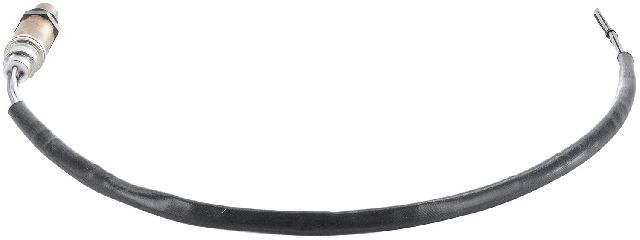
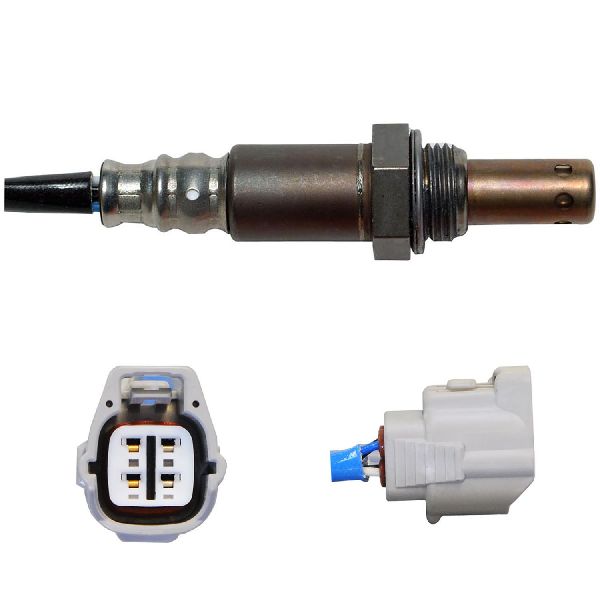
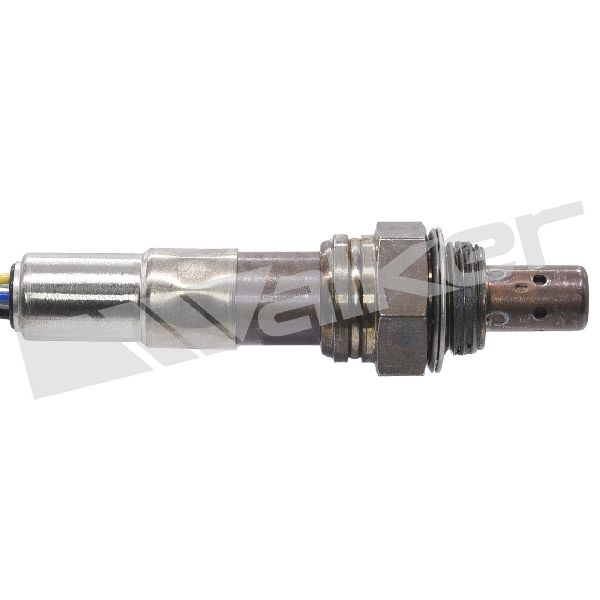
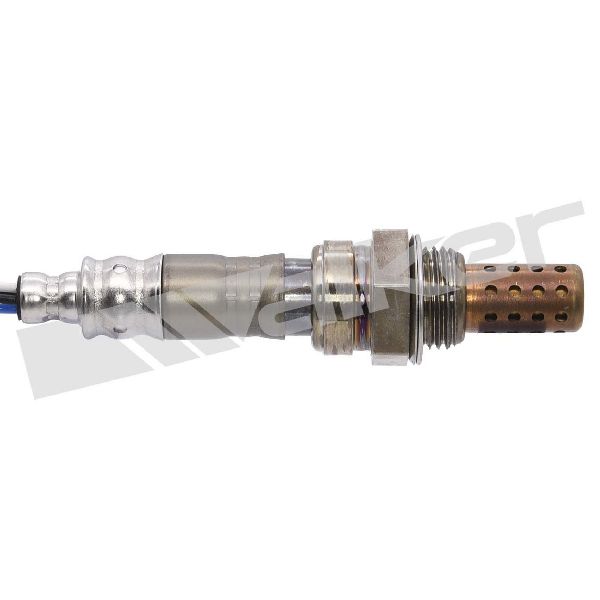
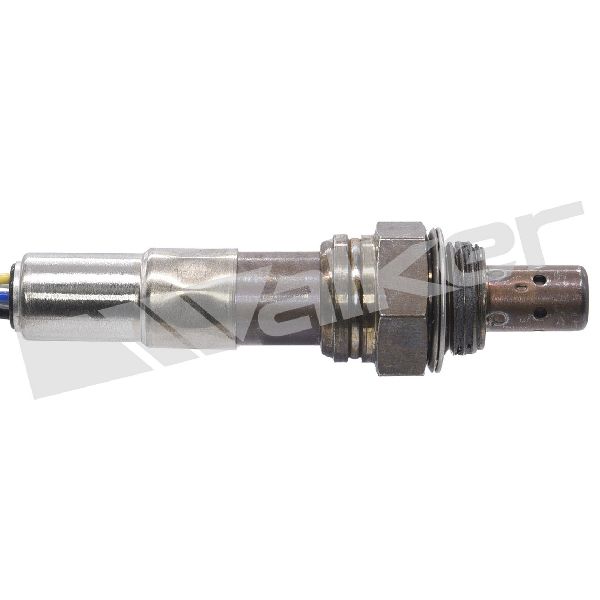
- Downstream Oxygen Sensor
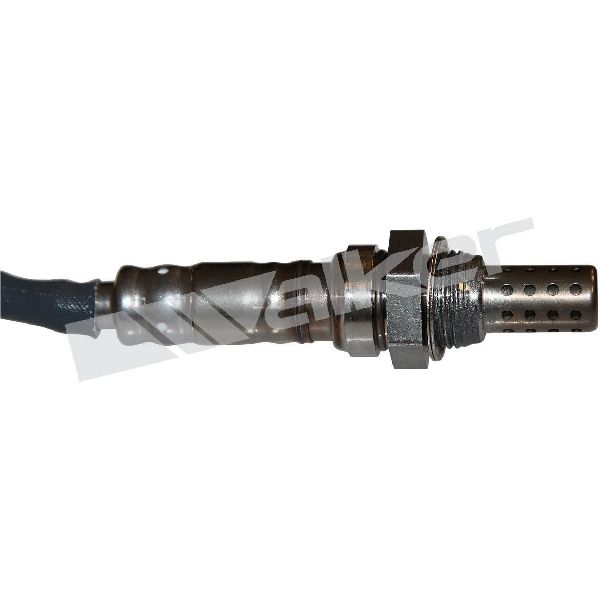
(OEM #PE02-18-86ZA)— This is the most commonly replaced part for this code after an exhaust leak is ruled out. The sensor degrades over time and stops sending accurate signals.
Trusted brands: Denso (e.g., 234-4583), NGK/NTK
OEM price range: $180-$250
Aftermarket price range: $70-$150 - Exhaust Flange Gasket
(OEM #PE23-40-305)— This specific gasket, located just before the downstream O2 sensor, is a very common failure point on this vehicle and a frequent cause of P0136. TSB 01-009/15 addresses this part failing.
Trusted brands: Mazda (OEM)
OEM price range: $15-$25
Aftermarket price range: $5-$15 - Exhaust Flange Spring Bolt & Nut Kit
(OEM #Bolt: 9994-01-001, Nut: JE11-40-306)— The original spring bolts and nuts that secure the flange are almost always heavily corroded and often must be cut off during the gasket replacement.
Trusted brands: Mazda (OEM)
OEM price range: $10-$25
Aftermarket price range: $5-$15
Related Codes That Often Appear With This One
- P0421 — P0421 (Catalyst System Efficiency Below Threshold) can appear if the downstream O2 sensor is providing faulty data that suggests the catalytic converter isn't working, even if the converter is fine. TSB 01-010/16 addresses this code being falsely triggered by PCM logic.
- P013A — P013A (O2 Sensor Slow Response) is explicitly linked to a leaking exhaust gasket between the catalytic converters in Mazda TSB 01-009/15, the same location that frequently causes P0136.
- P2096 — P2096 (Post Catalyst Fuel Trim System Too Lean) can be triggered by the same exhaust leak that causes P0136, as the unmetered oxygen is interpreted as a lean condition.
Technical Service Bulletins (TSBs) & Recalls
- TSB 01-010/16: While this TSB is for code P0421, it notes that some 2014-2016 CX-5s have overly sensitive PCM logic for emissions monitoring, which may be relevant context for other emissions codes. The fix is a dealer-performed software update.
- TSB 01-009/15: Addresses code P013A (O2 Sensor Slow Response) caused by a deformed exhaust gasket between the main and secondary catalytic converters, the same location that frequently causes P0136. This confirms the platform's sensitivity to exhaust leaks in this specific area.
Platform-Specific Known Issues
- A leak-prone exhaust flange gasket just upstream of the downstream O2 sensor is a well-documented issue that can trigger a false P0136 code. Mazda TSB 01-009/15 directly addresses this gasket failing and causing O2 sensor codes.
Mechanic-Grade Diagnostic Values
- Downstream O2 Sensor (B1S2) Heater Circuit Resistance — expected: 5.0 - 6.8 Ohms (on similar Mazda models). Failure: A reading of infinite resistance (Open Loop / 'OL') or near-zero resistance (short circuit). The PCM may also flag a fault if resistance exceeds 30 Ohms.
- Downstream O2 Sensor (B1S2) Voltage (Warm Engine, Steady RPM) — expected: Relatively stable voltage between 0.5V and 0.8V.. Failure: Voltage is stuck low (< 0.4V), stuck high (> 0.9V), or shows no activity.
- Downstream O2 Sensor (B1S2) Voltage during PCM Active Test — expected: During a PCM-commanded active test, the voltage should fluctuate, dropping below 0.21V and rising above 0.59V.. Failure: The PCM will set DTC P0136 if the voltage fails to cross these thresholds during the active test, indicating a lazy or non-responsive sensor.
Scan Tool Commands That Help
- Mazda M-MDS (or equivalent advanced scanner): A/F CONTROL Active Test — This function allows a technician to command the fuel mixture rich or lean, which should cause a corresponding change in the O2 sensor's voltage. If the downstream sensor voltage does not respond during this test, it helps confirm the sensor is faulty, assuming wiring is intact.
Wiring & Ground Locations
- G07 — Located on the left rear of the engine.. A poor or corroded main engine ground can introduce electrical noise and voltage offsets into various sensor circuits, including the oxygen sensors. While not a primary cause, checking that this ground is clean and tight is a good practice when diagnosing persistent or unusual electrical sensor faults.
- Downstream O2 Sensor Connector — Underneath the vehicle, above a plastic underbody shield which must be partially removed or lowered to gain access to the connector.. This is the primary connection point to test for power, ground, and signal continuity to the sensor. Its location makes it susceptible to moisture and corrosion, which can directly cause the P0136 circuit malfunction code.
Real Owner Repair Stories
- Reddit r/CX5 user (2014 Mazda CX-5, 89k miles) — Check Engine Light with code P0136.
❌ Tried (didn't work) Initial diagnosis pointed towards a bad O2 sensor.
✅ What actually fixed it The user traced the issue to a significant leak at the bolted flange connection just before the downstream sensor. Sealing the exhaust leak resolved the code without needing to replace the oxygen sensor itself.
OEM Part Supersession History
pe021886z→PE02-18-86ZA— Standard part revision by the manufacturer.lf4540305→PE23-40-305— Standard part revision by the manufacturer.
Model Year Variations Within This Range
- 2016: The 2016 model year received a mid-cycle refresh (sometimes called 2016.5). However, for the 2.5L engine, the core exhaust system, catalytic converter, and sensor locations related to P0136 remained unchanged from the 2013-2015 models.
Diagnostic Flowchart
Other Known Issues on This Vehicle
Issues unrelated to this code that are worth knowing about as an owner of this generation:
- Leaking Drive Belt Auto-Tensioner 🟠 Medium — Common across many Skyactiv engines of this era. An oil leak appears on or below the tensioner, often accompanied by a rattling noise. (Ref: TSB 01-008-23 (supersedes 01-019/19).)
- Failing LED Daytime Running Lights (DRL) 🟡 Low — Very common on 2016 models, but also reported on others. The DRLs flicker or fail completely due to a faulty sealing gasket allowing moisture intrusion. (Ref: Recall 4320A (NHTSA Campaign 20V074000) for 2016 models.)
- Intake Valve Carbon Buildup 🟠 Medium — An inherent issue for all Gasoline Direct Injection (GDI) engines, including the Skyactiv-G. Over 80,000-100,000 miles, buildup can reduce performance and cause rough idling. Not a defect, but a maintenance consideration.
- Prematurely Cracking Windshields 🟡 Low — Numerous owner reports suggest the original windshields are prone to stress cracks without a direct impact.
- Faulty Shifter Assembly Switch 🟡 Low — A faulty switch in the shifter assembly can prevent the vehicle from recognizing it is in 'Park', causing accessories to stay on and drain the battery.
Used vs. New Parts: Buying Guide for This Vehicle
When a used part is the smart pick: Buying a used part for this repair is generally not recommended. The primary failure items are a low-cost gasket and a wear-and-tear sensor. A used sensor carries a high risk of being near the end of its own service life. A used section of the exhaust pipe could be considered only if the original pipe is physically cracked or damaged, which is a rare cause for this code.
Donor-vehicle mileage cap: roughly under 60000 miles for the part to have meaningful remaining life.
What to inspect on the donor part:
- For an exhaust pipe section: check for heavy rust, especially around welds and flanges.
- Ensure the flex pipe (if present on the section) is not frayed or weak.
- Verify the donor vehicle is from a region with no or low road salt usage.
OEM-only on this vehicle (don't cheap out):
- Exhaust Flange Gasket: While aftermarket gaskets exist, the OEM part (PE23-40-305) is inexpensive and known to fit correctly. Given the high labor-to-part-cost ratio, using the guaranteed OEM part is a smart choice.
Aftermarket brands forum-validated for this vehicle:
- Denso and NGK/NTK are widely regarded as the OEM suppliers for Mazda and are the most recommended aftermarket brands for oxygen sensors. Forum users report successful, long-term repairs using these brands.
Brands owners have reported issues with on this vehicle:
- While not universally condemned, some users have reported issues with generic, unbranded, or store-brand oxygen sensors, which may have different response characteristics than the OEM calibration expects. It is generally advised to stick with Denso or NTK for this specific part.
Real Owner Stories
Aggregated from forums and TSBs cited above. Mileages and costs reflect what owners reported in those sources.
2014 Mazda CX-5 2.5L SkyActiv-G
Symptoms: Check Engine Light with code P0137 (O2 Sensor Circuit Low Voltage), live data showed voltage stuck at 0.02V.
What fixed it: Discovered and fixed a large exhaust leak at a flange connection right before the sensor by tightening the bolts.
Source hint: mazda-forum.com - 2014 CX5 downstream O2 sensor issue
Related OBD-II Codes
Frequently Asked Questions
Does Mazda TSB 01-009/15 apply to my CX-5 if I have a P0136 code?
What is the specific Mazda part number for the exhaust gasket that often fails on the 2013-2016 CX-5?
I hear a ticking sound on cold starts; could this be related to my P0136 code?
Could my aftermarket accessories be causing this O2 sensor code?
Is there a software update for emissions codes on the 2014-2016 CX-5?
What should the voltage reading be for a healthy downstream sensor on a Skyactiv-G engine?
Helpful Videos

![How to Fix P0137 Engine Code in 4 Minutes [3 DIY Methods / Only $9.42]](https://img.youtube.com/vi/D7iaXnsbzWQ/mqdefault.jpg)
We Have This Part in Stock

The information in this article is provided for general reference and educational purposes only. Vehicle specifications, procedures, and part compatibility can vary by production date, trim level, and region. Always consult your vehicle's factory service manual and verify part numbers before purchasing or performing repairs. Safety-critical components such as airbags, seat belts, and braking systems should be installed by a qualified professional.
- Mazda CX-5:
- 🎬 Helpful Videos
- 🛍️ Shop This Part
- What's Unique About the 2013-2016 Mazda CX-5
- Symptoms You May Notice
- Most Likely Causes
- Rare But Worth Checking
- Diagnosis Steps
- Parts You'll Likely Need
- Related Codes That Often Appear With This One
- Technical Service Bulletins (TSBs) & Recalls
- Platform-Specific Known Issues
- Mechanic-Grade Diagnostic Values
- Scan Tool Commands That Help
- Wiring & Ground Locations
- Real Owner Repair Stories
- OEM Part Supersession History
- Model Year Variations Within This Range
- Diagnostic Flowchart
- Other Known Issues on This Vehicle
- Used vs. New Parts: Buying Guide for This Vehicle
- Real Owner Stories
- 2014 Mazda CX-5 2.5L SkyActiv-G
- Related OBD-II Codes
- Frequently Asked Questions
- 🎟️ Get 5% Off