

P0135 on 2004-2011 Mazda RX-8: O2 Sensor Heater Fault Causes and Fixes
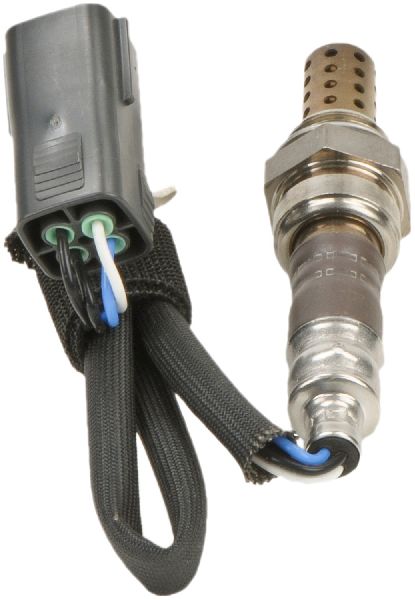
This code indicates the heater inside the front (pre-catalyst) oxygen sensor has failed. The most common fix is to replace the front O2 sensor. Expect to pay between $60 and $150 for a quality aftermarket sensor (like Denso or NGK) and around $250 for an OEM part. It's a DIY-friendly job for most owners.
- P0135 on an RX-8 almost always means the front oxygen sensor has failed.
- The cause is typically the internal heater burning out due to the rotary engine's high exhaust heat.
- Before replacing the sensor, do a quick check of the 'ENGINE' fuse (15A) in the engine bay and test the sensor's heater resistance with a multimeter.
- This is a DIY-friendly repair. Use a 22mm (or 7/8") oxygen sensor socket and soak the old sensor with penetrating oil before removal.
- Ensure you buy the correct part for your car's year (Series 1 vs. Series 2 have different sensors). Denso and NGK are trusted aftermarket brands.
What's Unique About the 2004-2011 Mazda RX-8
The Mazda RX-8's Renesis rotary engine produces exceptionally high exhaust gas temperatures (EGTs) compared to conventional piston engines. This extreme heat puts a significant strain on all exhaust components, including the oxygen sensors, leading to a shorter lifespan for the sensor's internal heating element. While the P0135 code is common across many vehicles, on the RX-8, it's almost always a direct result of the front O2 sensor simply wearing out from heat stress. This is a well-documented failure point in the RX-8 community.
Generation note: The 2004-2011 RX-8 spans two series: Series 1 (S1, 2004-2008) and Series 2 (S2, 2009-2011). The front oxygen sensor part numbers are different between these two series. Using the wrong sensor can lead to incorrect fuel trim adjustments. Ensure you purchase the correct sensor for your specific model year.
Symptoms You May Notice
- Check Engine Light is on
- Decreased fuel economy, especially during the warm-up phase
- Vehicle may run slightly rough or hesitate when first started cold
- A rotten egg (sulfur) smell from the exhaust if the fuel mixture is overly rich
- Guaranteed failure on an emissions test
- Replacing the rear (downstream) O2 sensor. P0135 specifically refers to Sensor 1, which is the front/upstream sensor.
- Ignoring the root cause of a blown fuse. If the 'ENGINE' fuse is blown, simply replacing it without finding the underlying short circuit will result in the new fuse blowing as well.
Most Likely Causes
- Failed Front Oxygen Sensor 🔴 High Probability The internal heater element is a very common failure point due to the high exhaust temperatures of the rotary engine, which degrades the element over time.
How to confirm: Disconnect the sensor and measure the resistance between the two heater wires (usually the two wires of the same color, often black). A good sensor will have a low resistance (typically 2.3-4.3 Ohms, though specs can vary by brand). An open circuit (infinite resistance) or a reading far outside the specified range confirms the heater has failed.
Typical fix: Replace the front (upstream) oxygen sensor. It is highly recommended to use an OEM or a high-quality aftermarket brand like Denso or NGK/NTK.
Est. part cost: $60-$150 - Damaged Wiring or Connector ⚪ Low Probability The wiring harness is routed near the hot exhaust manifold and transmission bell housing. Over time, the protective loom can degrade, making the wires susceptible to melting, chafing, or becoming brittle and breaking.
How to confirm: Visually inspect the entire wiring harness leading from the front O2 sensor back to the main engine harness. Look for any signs of melting, fraying, or breaks. Check the connector pins for corrosion, moisture, or being backed out.
Typical fix: Repair the damaged section of the wire or clean/replace the connector.
Est. part cost: $5-$50 - Blown Fuse ⚪ Low Probability
How to confirm: Check the fuse for the O2 sensor heater circuit in the under-hood fuse box. On the RX-8, this is the 15A 'ENGINE' fuse. If this fuse is blown, the car will likely not start at all, so P0135 would be accompanied by other issues. A blown fuse indicates a short circuit that must be found and repaired.
Typical fix: Replace the blown fuse after inspecting the O2 sensor and its wiring for a short to ground.
Est. part cost: $1-$5
Rare But Worth Checking
- Powertrain Control Module (PCM) Fault: This is extremely rare. The PCM contains a driver circuit that controls the O2 sensor heater. While it can fail, it is highly unlikely. Before suspecting the PCM, all other possibilities (sensor, wiring, fuse) must be exhaustively ruled out with a multimeter.
Diagnosis Steps
- Read the code with an OBD-II scanner to confirm P0135 is present. Note any other codes.
- Visually inspect the front oxygen sensor's wiring harness and connector. It is located on the exhaust manifold, easily visible from the passenger side of the engine bay. Look for obvious signs of damage, such as melted plastic, frayed wires, or corrosion.
- Check the 15A 'ENGINE' fuse in the main fuse box in the engine bay. If this fuse is blown, the engine will likely not run, but it's a crucial check.
- If the wiring and fuse are okay, disconnect the O2 sensor's 4-pin electrical connector.
- Using a multimeter set to Ohms (Ω), measure the resistance across the two heater pins on the sensor side of the connector (these are typically the two same-colored wires). A reading of 'OL' or infinite resistance means the heater is open and the sensor is bad. A good sensor should read a low resistance, often between 2 and 15 Ohms depending on the brand.
- If the sensor resistance is within spec, check for power at the vehicle's harness connector. Turn the ignition key to the 'ON' position (engine off). Using a multimeter set to DC Volts, check for battery voltage (~12V) between one of the heater circuit pins and a good ground. The other heater pin should be the ground control from the PCM.
- If voltage is present and the sensor's resistance test failed, the diagnosis is confirmed: replace the front oxygen sensor.
- For removal, it is highly recommended to use a 22mm (or 7/8") offset oxygen sensor socket. Soaking the sensor's threads with penetrating oil while the exhaust is warm (not hot) can aid removal.
- After replacement, clear the trouble code with the scanner and perform a drive cycle to ensure the Check Engine Light does not return.
Parts You'll Likely Need
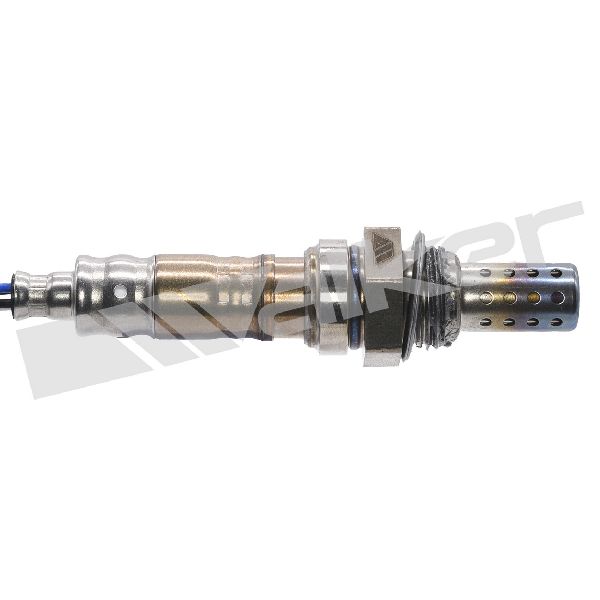
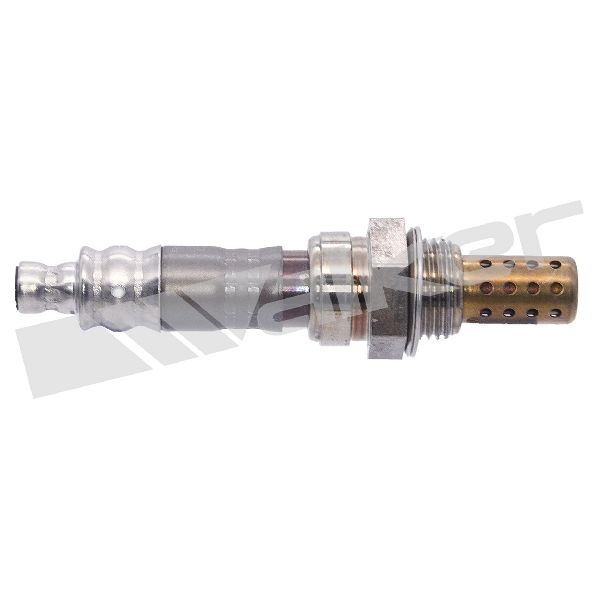
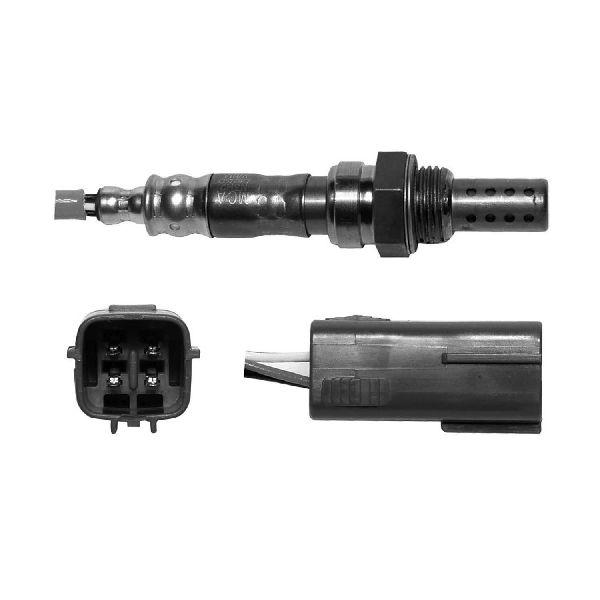
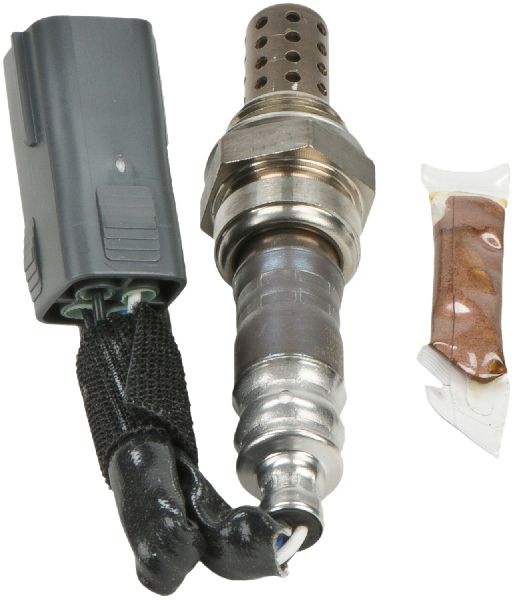
- Front Oxygen Sensor (Bank 1, Sensor 1)
(OEM #N3H1-18-8G1C (for 2004-2008 S1) / N3R1-18-8G1 (for 2009-2011 S2))— This is the most common failure for code P0135, as the internal heater element burns out from the rotary engine's high exhaust heat.
Trusted brands: Mazda (OEM), Denso (often the OEM supplier), NGK/NTK
OEM price range: $200-$275
Aftermarket price range: $60-$150
Platform-Specific Known Issues
- S1 vs S2 Part Differences: Series 1 (2004-2008) and Series 2 (2009-2011) RX-8s use different front oxygen sensors with different connectors and calibration. It is critical to order the part specific to your vehicle's model year to ensure proper function.
- Owner Experience: Quick Failure: Forum discussions on RX8Club.com frequently mention P0135 appearing with little warning. Owners report the car running fine one day and having a CEL for P0135 the next, reinforcing that it's typically a sudden failure of the heater element rather than a gradual decline.
Mechanic-Grade Diagnostic Values
- Front O2 Sensor Heater Element Resistance — expected: Between 2 and 15 Ohms when cold. The exact value varies by brand (e.g., Denso is often 2.3-5 Ohms, NGK can be higher).. Failure: An open circuit ('OL' or infinite resistance on a multimeter) or a near-zero reading indicating a short circuit.
- Voltage at Harness Connector Heater Power Pin — expected: Approximately 12V (battery voltage) with the ignition key in the 'ON' position (engine off).. Failure: 0V or significantly low voltage indicates a problem with the power supply, likely the Main EGI Relay or the wiring from it.
- Voltage at Harness Connector Heater Ground Pin — expected: This is a PCM-controlled ground. With the engine running, a multimeter may show an averaged voltage, but a lab scope would show a pulse-width modulated square wave.. Failure: A constant ground or constant 12V indicates a wiring short or a failed PCM driver circuit (very rare).
Wiring & Ground Locations
- Front O2 Sensor Connector (Harness Side) — On the passenger side of the engine bay, clipped to a bracket near the exhaust manifold.. This is the primary test point for diagnosing P0135. Knowing the pin functions is critical for accurate voltage and resistance tests.
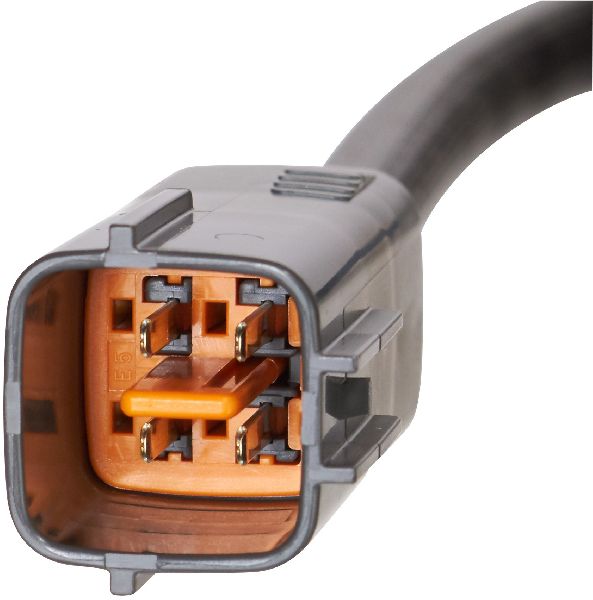
- Front O2 Sensor Connector Pinout — On the 4-wire connector for the front O2 sensor.. Specific wire colors and functions are: W/R (White/Red) = Heater 12V Power from Main EGI Relay; R (Red) = Heater Ground controlled by PCM; Y (Yellow) = Sensor Signal to PCM; BR (Brown) = Sensor Ground to PCM. Testing the W/R and R wires is the core of diagnosing P0135.
- Main EGI Relay — Located in the main fuse and relay box in the engine compartment.. This relay supplies the 12V power to the O2 sensor's heater circuit. A failure of this relay or its circuit will cut power to the heater and trigger P0135, even if the sensor itself is good.
Real Owner Repair Stories
- RX8Club.com forum user Jon316G and others (2006 Mazda RX-8 (applies to all 2004-2011)) — Check Engine Light with code P0135.
❌ Tried (didn't work) Guessing which wires in the connector were for the heater circuit.
✅ What actually fixed it The user provided a definitive wiring diagram and color code chart, identifying the heater circuit wires as White/Red (12V Power) and Red (PCM Ground). This information allows for a conclusive test of the circuit. Multiple other users in related threads confirmed that after testing and finding infinite resistance on the sensor's heater pins, replacing the front O2 sensor with a Denso or OEM unit resolved the P0135 code.
OEM Part Supersession History
N3H1-18-8G1A / N3H1-18-8G1B→N3H1-18-8G1C— Standard part revision and improvement by the manufacturer.
Heads up: These are all for the Series 1 (2004-2008) RX-8 and should be interchangeable. However, always use the latest revision (C) when available. Do not use a Series 2 (S2) sensor on a Series 1 car.
Model Year Variations Within This Range
- 2004-2008 vs 2009-2011: The front oxygen sensor is different between Series 1 (S1) and Series 2 (S2) models. They have different part numbers (S1: N3H1-18-8G1C, S2: N3R1-18-8G1) and are not interchangeable due to different connectors and possibly different calibrations.
Diagnostic Flowchart
Other Known Issues on This Vehicle
Issues unrelated to this code that are worth knowing about as an owner of this generation:
- Ignition System Failure (Coils, Plugs, Wires) 🔴 High — Very common. Coils are considered a maintenance item to be replaced every 30,000 miles to prevent cascading issues. Original coils on early models were particularly prone to failure. (Ref: Mazda released multiple revisions of the ignition coils (ending in 'C' being the latest) to improve durability, but no formal recall was issued.)
- Engine Compression Loss / Apex Seal Wear 🔴 High — A significant concern, especially on engines over 60,000 miles. Hard starting when hot is a classic symptom. Caused by a combination of factors including lubrication, ignition health, and carbon buildup. (Ref: Mazda extended the engine core warranty to 8 years/100,000 miles for some vehicles due to these issues.)
- Catalytic Converter Failure 🔴 High — Commonly fails as a direct result of a failing ignition system, which allows unburned fuel to enter the exhaust and overheat the catalyst. Often triggers code P0420.
- Engine Flooding 🟠 Medium — Commonly occurs if the car is started cold and shut off before reaching operating temperature. The engine becomes saturated with fuel and will not start. Requires a specific de-flooding procedure to resolve. (Ref: TSB 01-015/08 addresses a 'Cranks No Start' condition and provides a procedure for dealers.)
- Weak Starter Motor (Series 1) 🟠 Medium — The starter on 2004-2005 models cranks the engine too slowly, exacerbating hot/cold start issues and flooding. Upgrading to the faster starter from a later model (S1 update or S2) is a very common and recommended modification.
- High Oil Consumption 🟠 Medium — Normal by design, as the rotary engine injects oil into the combustion chambers for lubrication. However, consumption can be excessive. Owners must check oil levels frequently (as often as every other fuel fill-up). Early S1 models had lower oil injection rates from the factory, which was later revised via a PCM update to improve longevity. (Ref: Mazda issued ECU updates (like MSP16) to increase oil injection rates on early models.)
Used vs. New Parts: Buying Guide for This Vehicle
When a used part is the smart pick: Almost never for the oxygen sensor itself. Due to the high exhaust heat of the rotary engine, O2 sensors are a high-wear item with a limited lifespan. A used sensor is a significant gamble and likely has very little life left. A used wiring pigtail from a junkyard is a viable option if your vehicle-side connector is melted or damaged.
Donor-vehicle mileage cap: roughly under 10000 miles for the part to have meaningful remaining life.
What to inspect on the donor part:
- For a wiring pigtail: ensure the plastic isn't brittle, the locking tab is intact, and there are several inches of clean, unmelted wire attached.
- For a sensor (if you must): avoid any with physical damage, heavy carbon buildup, or signs of oil contamination.
OEM-only on this vehicle (don't cheap out):
- While not strictly 'OEM-only', community consensus strongly advises against using generic or no-name brand oxygen sensors. They are known to fail quickly or provide inaccurate readings.
Aftermarket brands forum-validated for this vehicle:
- Denso (widely believed to be the OEM manufacturer)
- NGK / NTK
Brands owners have reported issues with on this vehicle:
- Generic 'universal' sensors that require splicing wires.
- Unbranded parts from online marketplaces.
Real Owner Stories
Aggregated from forums and TSBs cited above. Mileages and costs reflect what owners reported in those sources.
2004-2011 Mazda RX-8 1.3L Rotary
Symptoms: The car was running fine one day and had a Check Engine Light for P0135 the next; the failure seemed to happen with little warning.
What fixed it: Replacement of the front oxygen sensor heater element (entire sensor unit).
Source hint: vehicle_specific_issues: Owner Experience: Quick Failure
2004-2011 Mazda RX-8 1.3L Rotary
Symptoms: P0135 - O2 Sensor Heater Circuit Malfunction; measured the failed sensor and found infinite resistance.
What fixed it: Installed a new Denso sensor which measured at ~5 Ohms.
Source hint: rx8club.com: In a thread titled 'P0135 - O2 Sensor Heater Circuit Malfunction'
2004-2011 Mazda RX-8 1.3L Rotary
Symptoms: Check Engine Light with code P0135.
What fixed it: Replaced the front O2 sensor using a Denso or OEM part as recommended by the community to ensure a 95% success rate on this platform.
Source hint: reddit.com/r/RX8: A user with P0135 asked if it could be anything other than the sensor.
Related OBD-II Codes
Frequently Asked Questions
Can I use the same front O2 sensor for my 2005 and 2010 RX-8s?
My RX-8 won't start and has a P0135 code; could it be a fuse?
Which brand of oxygen sensor is recommended for the 13B-MSP Renesis engine?
Is there a specific tool I need to remove the sensor on this vehicle?
Why did my O2 sensor heater fail so suddenly?
We Have This Part in Stock

The information in this article is provided for general reference and educational purposes only. Vehicle specifications, procedures, and part compatibility can vary by production date, trim level, and region. Always consult your vehicle's factory service manual and verify part numbers before purchasing or performing repairs. Safety-critical components such as airbags, seat belts, and braking systems should be installed by a qualified professional.
- Mazda RX-8:
- 🛍️ Shop This Part
- What's Unique About the 2004-2011 Mazda RX-8
- Symptoms You May Notice
- Most Likely Causes
- Rare But Worth Checking
- Diagnosis Steps
- Parts You'll Likely Need
- Platform-Specific Known Issues
- Mechanic-Grade Diagnostic Values
- Wiring & Ground Locations
- Real Owner Repair Stories
- OEM Part Supersession History
- Model Year Variations Within This Range
- Diagnostic Flowchart
- Other Known Issues on This Vehicle
- Used vs. New Parts: Buying Guide for This Vehicle
- Real Owner Stories
- 2004-2011 Mazda RX-8 1.3L Rotary
- 2004-2011 Mazda RX-8 1.3L Rotary
- 2004-2011 Mazda RX-8 1.3L Rotary
- Related OBD-II Codes
- Frequently Asked Questions
- 🎟️ Get 5% Off