

P0135 on 2010-2012 Audi Q7: O2 Sensor Heater Fault Causes and Fixes
P0135 on a 2010-2012 Audi Q7 indicates a faulty heater in the upstream oxygen sensor on Bank 1. Before replacing the sensor, check for a blown or corroded 15A fuse in the electronics box located in the plenum chamber under the hood near the windshield. This is a very common failure point due to water ingress from clogged cowl drains.
- P0135 points to a problem with the heater inside the upstream oxygen sensor on the passenger side (Bank 1).
- ALWAYS check the 15A fuse in the electronics box under the hood near the windshield for corrosion before replacing any parts; this is a very common, cheap fix specific to this platform.
- If the fuse is good, the oxygen sensor itself has likely failed and will need to be replaced.
- Prevent future fuse issues by regularly cleaning the cowl/plenum drains to prevent water from flooding the electronics box.
What's Unique About the 2010-2012 Audi Q7
For the first-generation Audi Q7 and its platform mates (VW Touareg, Porsche Cayenne), the P0135 code is frequently caused by a design vulnerability. The fuse that powers the O2 sensor heater circuit is located in an electronics box (E-Box) within the engine bay's plenum chamber, at the base of the windshield. The drains for this plenum chamber are prone to clogging with leaves and debris. When they clog, rainwater fills the chamber, submerging the E-box and causing severe corrosion on the fuse terminals. This corrosion creates an open circuit, triggering P0135 even though the oxygen sensor itself may be perfectly fine. Always checking this fuse box before ordering parts can save significant time and money.
Diagnostic Flowchart
Tap your situation to follow the diagnostic path that matches what you're seeing on this vehicle.
Symptoms You May Notice
- Check Engine Light is on
- Decreased fuel economy
- Rough idle, especially when the engine is cold
- Failure to pass an emissions test
- Slightly sluggish performance during warm-up
- Immediately replacing the oxygen sensor without first checking the 15A fuse in the plenum E-box. A corroded fuse is a widely documented issue on this platform and is a much cheaper and easier fix.
Most Likely Causes
- Blown or Corroded Fuse 🔴 High Probability The fuse box (E-Box) located in the plenum area under the hood is highly susceptible to moisture from clogged cowl drains, causing heavy corrosion on the fuse terminals which interrupts the heater circuit. This is the most notorious cause for this code on the Q7/Touareg/Cayenne platform.
How to confirm: Locate the black electronics box in the engine compartment plenum, near the base of the windshield on the driver's side. Open the box and inspect the fuses, particularly the 15A fuse for the O2 sensor heaters. Check for a blown fuse or, more likely, green or white corrosion on the fuse legs and terminals. Wiggle the fuse to see if the connection is poor.
Typical fix: Clean the fuse terminals thoroughly with a wire brush and electrical contact cleaner. Replace the corroded 15A fuse with a new one. Crucially, clear the clogged plenum drains to prevent recurrence. 🎬 Watch: How to clear clogged drains and prevent water damage.
Est. part cost: $1-$10 - Failed Oxygen Sensor (Bank 1, Sensor 1) 🟡 Medium Probability The internal heating element within the sensor is a common failure point over time due to constant extreme heat cycles and exposure to exhaust gases.
How to confirm: After confirming the fuse and wiring are good, test the resistance of the heater circuit within the sensor using a multimeter. The two wires of the same color are for the heater. An open circuit (infinite resistance or 'OL') or a reading far outside the typical 2.5-10 ohm range indicates a failed element.
Typical fix: Replace the Bank 1, Sensor 1 oxygen sensor. A special 22mm slotted oxygen sensor socket is often required 🎬 Watch: A step-by-step walkthrough of the oxygen sensor replacement. for removal and installation.
Est. part cost: $80-$230 - Damaged Wiring or Connector ⚪ Low Probability The wiring harness for the oxygen sensor runs close to hot exhaust components and can become brittle, melted, or frayed over time. The connector pins can also corrode, though this is less common than the fuse box corrosion.
How to confirm: Visually inspect the entire length of the sensor's wiring harness from the sensor to the main loom. Check its connector for any signs of melting, chafing, or corrosion in the pins.
Typical fix: Repair the damaged section of wire using heat-shrink butt connectors or replace the connector pigtail.
Est. part cost: $15-$50
Rare But Worth Checking
- Faulty Engine Control Module (ECM): This is extremely rare. The ECM contains the driver circuit that controls the heater. It should only be considered after all other possibilities, including the sensor, fuse, and wiring, have been definitively ruled out by a professional.
Diagnosis Steps
- Read the fault codes with an OBD-II scanner to confirm P0135 is present. Note if P0155 (Bank 2) is also present, which strongly suggests a fuse issue.
- CRITICAL STEP FOR Q7: Locate the electronics box (E-Box) in the plenum chamber under the cowl panel, near the driver's side windshield wiper. Check for evidence of water ingress (dampness, staining).
- Open the E-Box and inspect the fuses for the O2 sensor heater circuit (often a 15A mini fuse). Look for a blown fuse but more importantly, for green/white corrosion on the fuse legs and socket terminals.
- If corrosion is found, clean the terminals meticulously and replace the fuse. Clear the plenum drains to prevent future water damage. Clear codes and re-test. If the code is gone, the repair is complete.
- If the fuse and terminals are clean and have power, locate the Bank 1, Sensor 1 oxygen sensor. It is the upstream sensor on the passenger side (for LHD) of the vehicle, in the exhaust manifold.
- Inspect the sensor's electrical connector and wiring for any signs of melting, corrosion, or physical damage.
- If the wiring appears intact, disconnect the sensor. Use a multimeter set to Ohms to test the resistance between the two same-colored wires (usually white or black) on the sensor side of the connector. A reading between 2.5-10.0 ohms is the specified range for this vehicle; a reading of infinity (OL) indicates a failed heater element.
- If the sensor's heater circuit resistance is within spec, check for 12V power at the corresponding pins on the harness side of the connector with the ignition on.
- If power is present and the sensor tests bad, replace the Bank 1, Sensor 1 oxygen sensor.
- If power is not present at the harness and the fuse is good, there is a wiring issue between the fuse box and the sensor that needs to be traced.
Parts You'll Likely Need
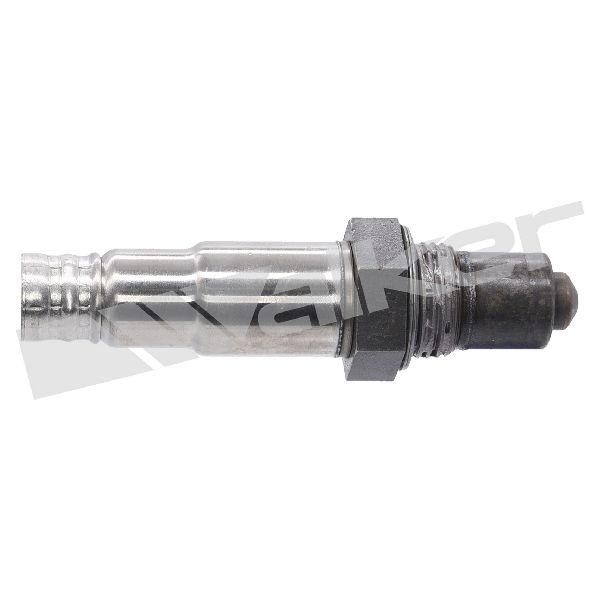
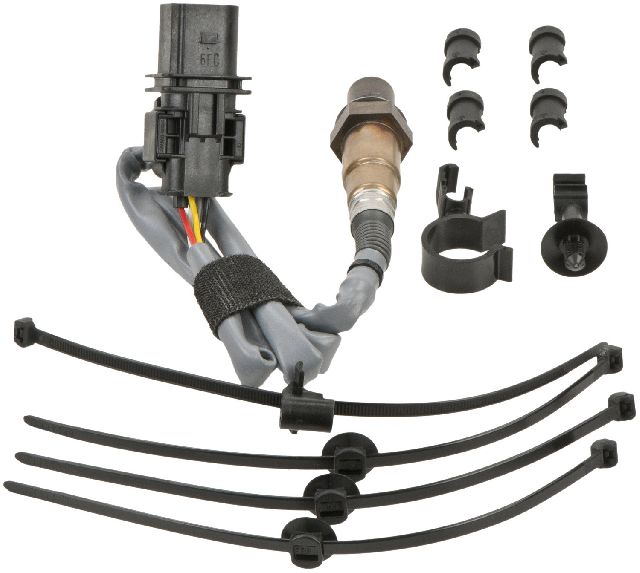
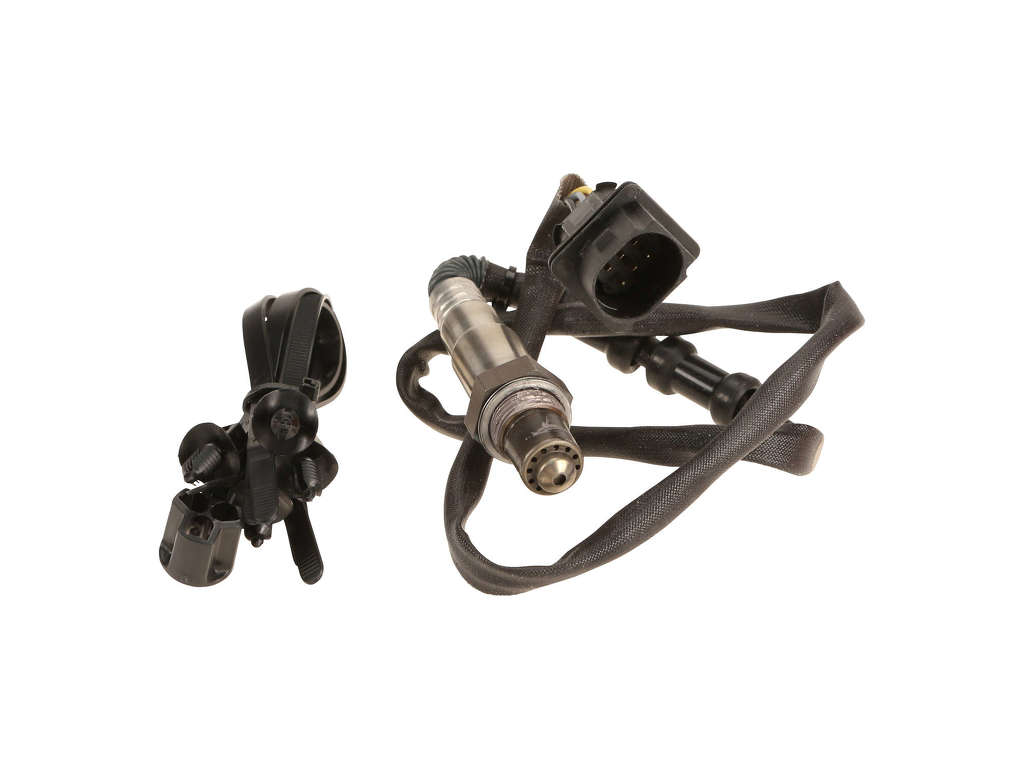
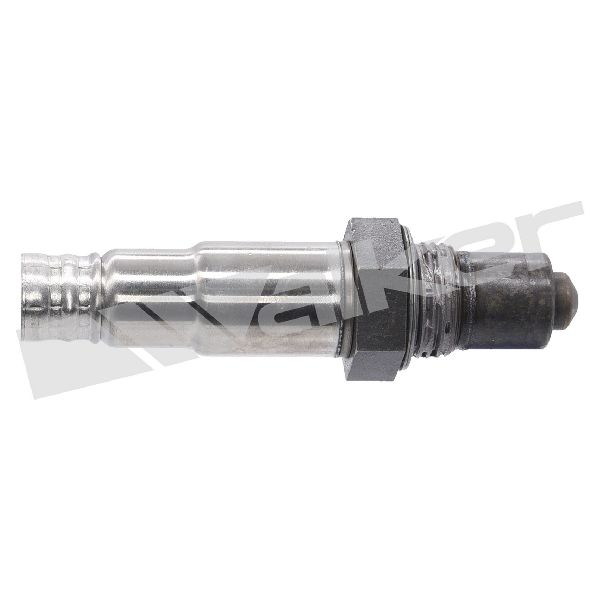
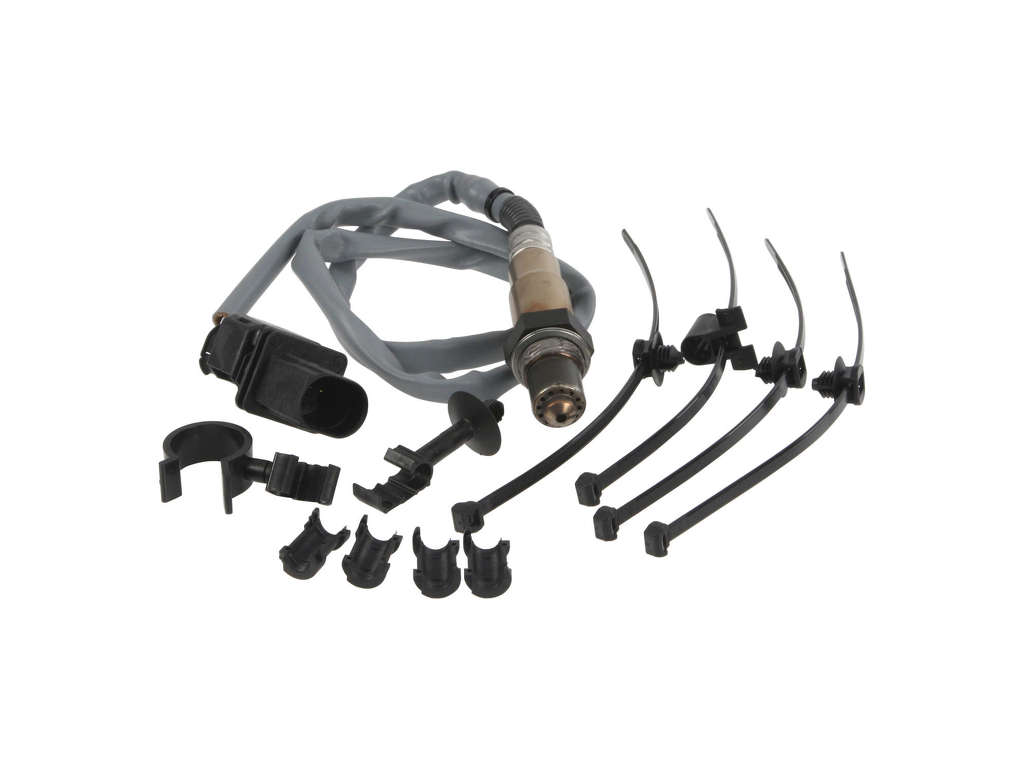
- Upstream Oxygen Sensor (Bank 1, Sensor 1)
(OEM #1K0998262K (for 3.6L V6), check VIN for 4.2L/3.0T)— The internal heater element is the most common point of failure for the P0135 code after the fuse has been checked.
Trusted brands: Bosch (OEM supplier), NTK, Denso
OEM price range: $150-$230
Aftermarket price range: $80-$140 - 15 Amp Mini Fuse
(OEM #N10256407 (example, verify size))— The fuse for the heater circuit can blow or, more commonly on the Q7, its terminals can corrode, causing an open circuit.
Trusted brands: Bussmann, Littlefuse
OEM price range: $1-$5
Aftermarket price range: $1-$5
Related Codes That Often Appear With This One
- P0155 — This is the equivalent heater circuit fault code for Bank 2, Sensor 1. It's very common to see both P0135 and P0155 together, as a single corroded fuse often supplies power to both sensor heaters.
- P1196 — This is an Audi-specific code for 'O2 Sensor Heater Circ., Bank1-Sensor1 Electrical Malfunction', as noted in TSB #01139020337671. It may appear alongside the generic P0135.
- P1197 — This is another Audi-specific code for an O2 sensor heater circuit fault mentioned in the same TSB as P1196 and P0135.
Technical Service Bulletins (TSBs) & Recalls
- 01139020337671: MIL on (DTC P1196/P1197/P0135, heater circuit fault lambda sensor) - Repair Authorization
Platform-Specific Known Issues
- A widely documented issue on this platform is corrosion in the under-hood fuse box located in the plenum chamber (near the windshield wipers), which can interrupt power to the oxygen sensor heater circuit and trigger a P0135 code even if the sensor itself is functional.
- Preventative maintenance includes regularly checking and clearing the plenum drains located under the plastic cowl cover to stop water from accumulating and flooding the electronics box.
Mechanic-Grade Diagnostic Values
- O2 Sensor (G39) Heater Element Resistance — expected: 2.5 to 10.0 Ohms (at approx. 20° C). Failure: A reading of infinity (Open Loop) or outside the specified range.
- Voltage supply to O2 Sensor Heater Circuit — expected: Battery Voltage (approx. 12.5V+). Failure: 0V or significantly lower than battery voltage, indicating a break in the circuit (fuse, relay, or wiring).
Scan Tool Commands That Help
- VCDS (VAG-COM): Measuring Blocks (Function 08) — Used to view live data from the sensors. While specific blocks vary, groups 031-036 are commonly used for O2 sensor lambda values and heater status. This can help observe if the heater is being commanded on and what the sensor's response is post-repair.
- VCDS (VAG-COM): Switch to Basic Settings — After accessing a measuring block group for the O2 sensor, this function can sometimes be used to run a guided test of the component, but should only be done with guidance from a service manual.
Wiring & Ground Locations
- Fuse SB15 — In the E-box (electronics box) located in the plenum chamber, driver's side, under the windshield cowl.. This is the specific fuse documented in service manuals that protects the O2 sensor heater circuit. Its location in the plenum E-box makes it highly vulnerable to corrosion from water ingress.
- Motronic Engine Control Module (ECM) Power Supply Relay (J271) — Also typically located in the plenum E-box.. This relay supplies power to the engine control circuits, which includes the O2 sensor heater circuit. A failure of this relay, often due to the same water ingress that affects the fuse, will cut power.
- Ground Point 608 / 609 — Ground connection in the center plenum chamber (608) or right plenum chamber (609).. The O2 sensor heater circuit requires a solid ground to function. While the ECM often provides the ground path, the main chassis grounds in the plenum area are critical for the overall system. Corrosion in this area can cause floating grounds and intermittent electrical faults.
- Heater Circuit Pins at Sensor Connector — On the connector for the Bank 1 Sensor 1 O2 sensor.. According to service data for the 3.0L engine, resistance should be tested between terminals 3 and 5 of the sensor-side connector. Power from the harness should be present at terminal 5.
Real Owner Repair Stories
- YouTube user RANS87IROCZ (2008 Audi Q7 4.2L V8) — Check Engine Light with codes P0055 and P0085 (both downstream heater circuits, but the root cause is identical for upstream P0135). Codes returned immediately after replacing the O2 sensors.
❌ Tried (didn't work) Replacing both downstream oxygen sensors.
✅ What actually fixed it The problem was severe corrosion on the legs of the O2 sensor heater fuses located in the plenum E-box. After pulling the fuses and cleaning the heavy corrosion from the terminals, the codes were cleared and did not return.
Model Year Variations Within This Range
- 2011 vs 2012: For the 2012 model year, the 3.0T engine received a power bump to 280 hp from 272 hp in 2011. The infotainment system was also updated to Audi Connect with Google Earth. While these changes are unlikely to directly affect the P0135 diagnosis, it's a known variation within the model range.
Helpful Videos

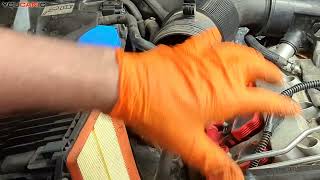
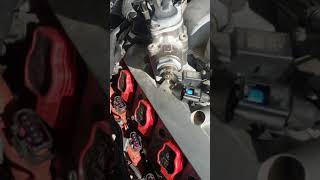
Used OEM Parts in Stock

New Aftermarket Parts Available

The information in this article is provided for general reference and educational purposes only. Vehicle specifications, procedures, and part compatibility can vary by production date, trim level, and region. Always consult your vehicle's factory service manual and verify part numbers before purchasing or performing repairs. Safety-critical components such as airbags, seat belts, and braking systems should be installed by a qualified professional.
- Audi Q7:
- 🎬 Helpful Videos
- 🛍️ Shop This Part
- What's Unique About the 2010-2012 Audi Q7
- Diagnostic Flowchart
- Symptoms You May Notice
- Most Likely Causes
- Rare But Worth Checking
- Diagnosis Steps
- Parts You'll Likely Need
- Related Codes That Often Appear With This One
- Technical Service Bulletins (TSBs) & Recalls
- Platform-Specific Known Issues
- Mechanic-Grade Diagnostic Values
- Scan Tool Commands That Help
- Wiring & Ground Locations
- Real Owner Repair Stories
- Model Year Variations Within This Range
- 🎟️ Get 5% Off